Artwork
Portrait of a Man
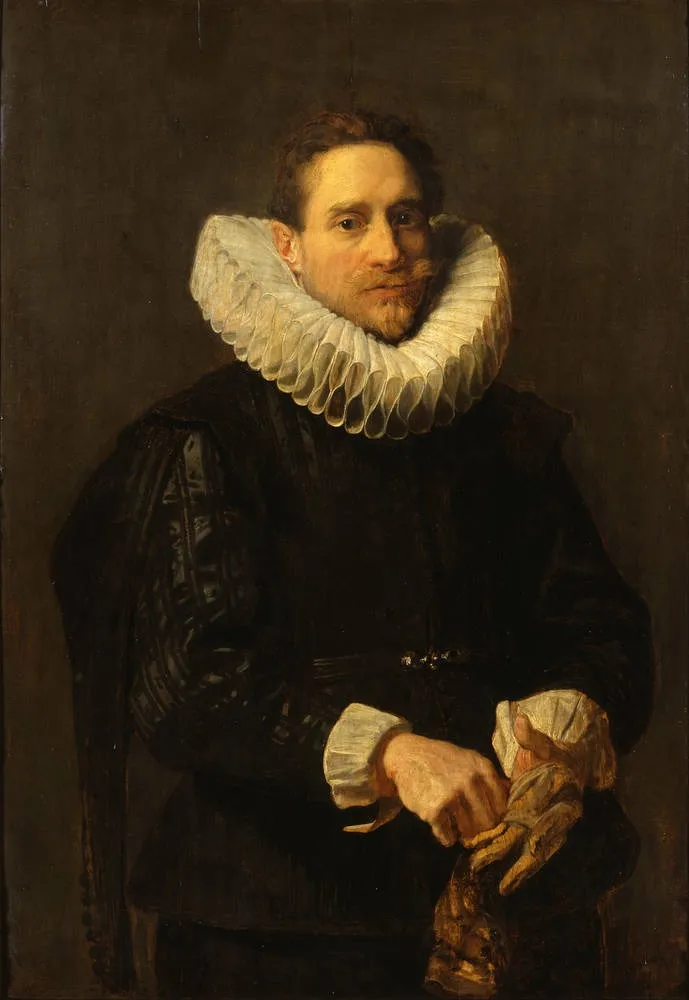
Portrait of a Man is an oil painting by the Flemish Baroque painting artist Anthony van Dyck. It dates from 1619 and is held in the collection of the Staatliche Kunstsammlungen Dresden.
About this work
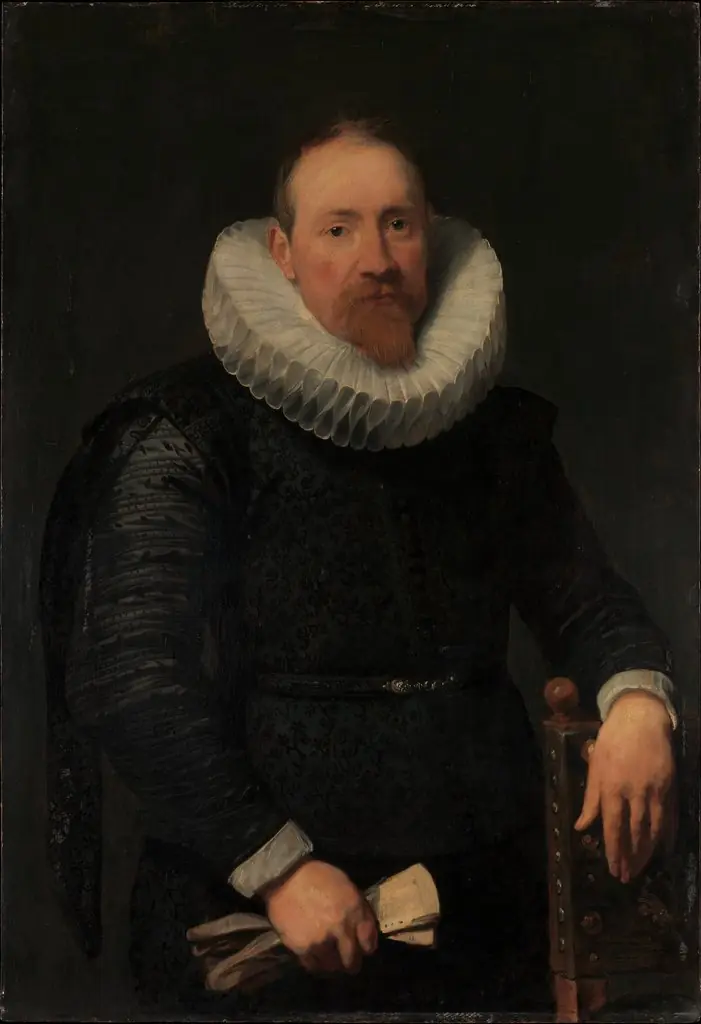
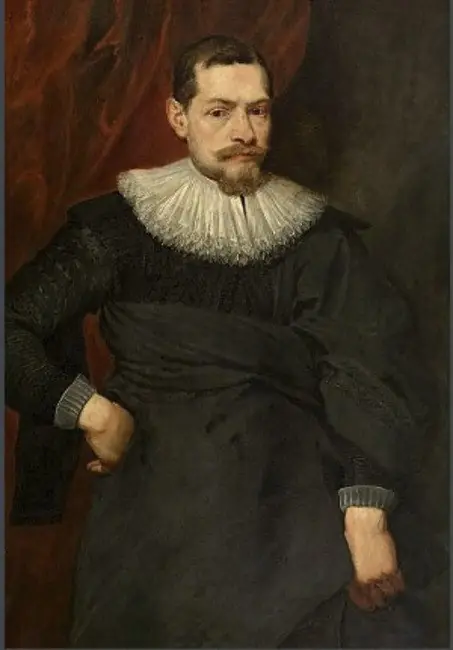
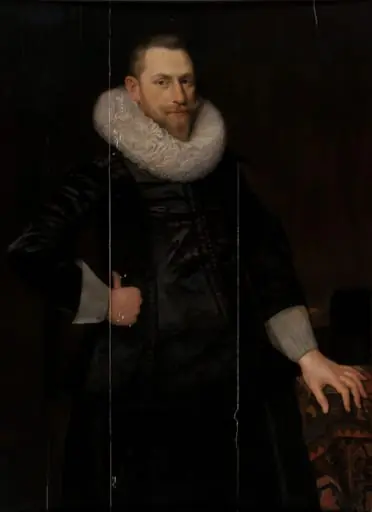
This portrait depicts a man dressed in 17th-century attire, characterized by a large, white millstone collar and a black, puffy-sleeved shirt.
This portrait depicts a man dressed in 17th-century attire, characterized by a large, white millstone collar and a black, puffy-sleeved shirt. His dark hair is neatly styled, and he grasps a brown glove in his right hand. The background of the painting is a dark, muted color.
The man's attire and the style of the painting suggest that it is from the early 17th century. The use of chiaroscuro, a technique that uses strong contrasts between light and dark, adds depth and dimension to the portrait.
The level of detail and realism in the painting is impressive, making it a great example of the work of the artist who created it. If you're interested in learning more about this style of painting, you might want to look up the artist Anthony van Dyck.
Overview
Anthony van Dyck painted this oil on canvas in 1619, during the early phase of his career in Antwerp. The work portrays a single male figure dressed in the formal attire of the period, set against a subdued dark background. It exemplifies the portraiture that occupied a central place in van Dyck’s output before his later court appointments.
Subject & Meaning
The sitter is shown wearing a prominent white millstone collar and a black shirt with puffed sleeves, holding a brown glove in his right hand. His hair is neatly arranged, and his gaze is directed outward, suggesting a self‑presentation of status and refinement typical of early‑seventeenth‑century gentlemen.
Technique & Style
Van Dyck employs chiaroscuro, contrasting illuminated areas of the face and collar with the deep shadows of the background, to model form and convey volume. The brushwork renders textures—fabric, hair, and glove—with precise detail, while the overall composition remains restrained, focusing attention on the sitter’s features.
History & Provenance
By the time he painted this portrait, van Dyck had already achieved recognition in Antwerp, having trained with Peter Paul Rubens. The painting entered the Gemäldegalerie Alte Meister collection, where it remains part of the museum’s holdings of early Baroque portraiture.
Artist & collection
Artist
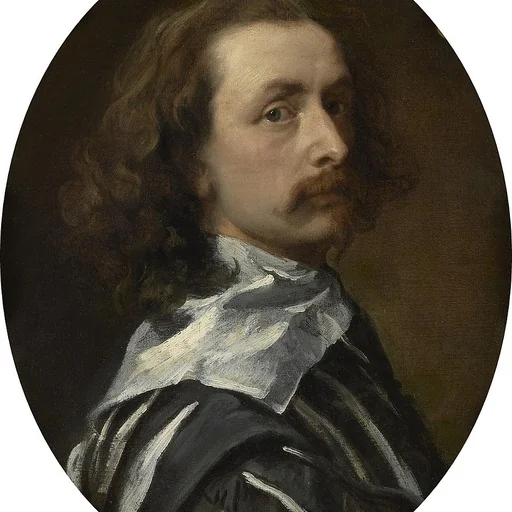
Sir Anthony van Dyck (; Dutch: Antoon van Dijck ; 22 March 1599 – 9 December 1641) was a Flemish Baroque artist, who became the leading court painter in England after success in the Spanish Netherlands and Italy.

 Portrait of man with an unstarched ruff
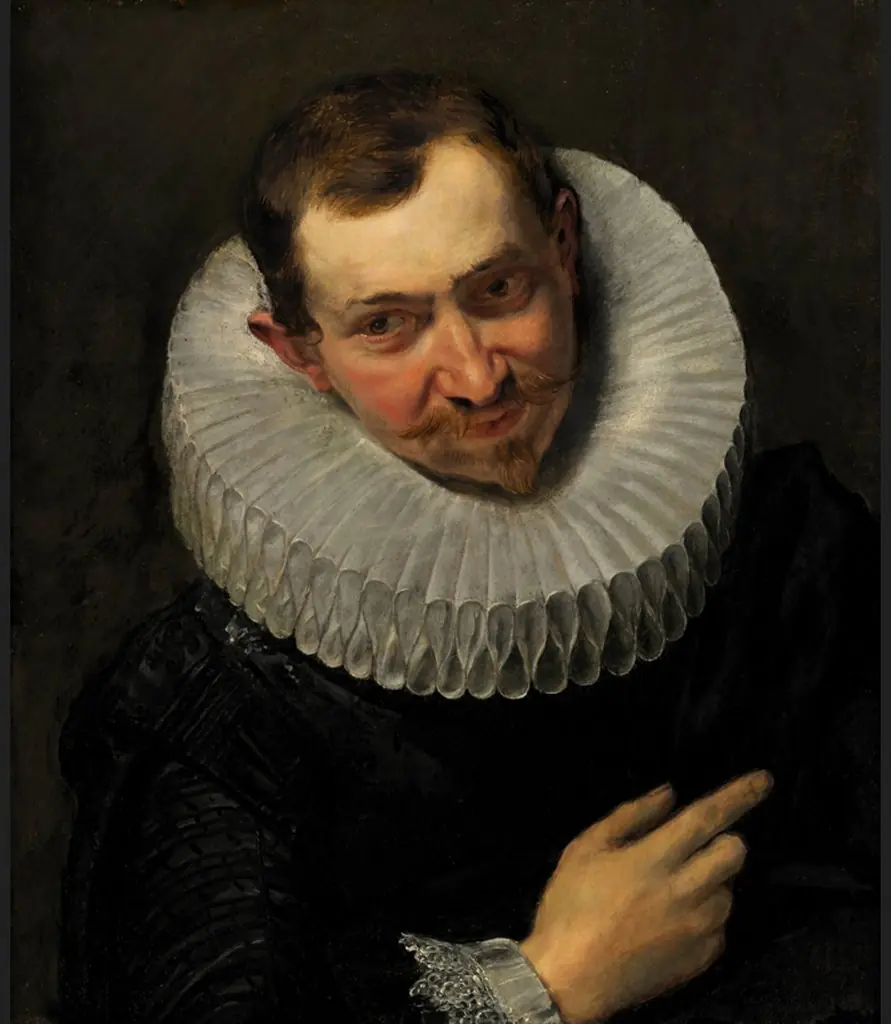 Portrait of the landscape painter Jan Wildens
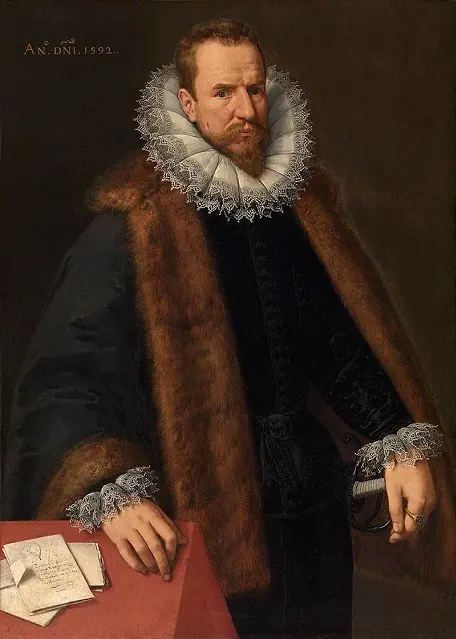 Portrait of Nicolas de Hellincx, counselor of the king
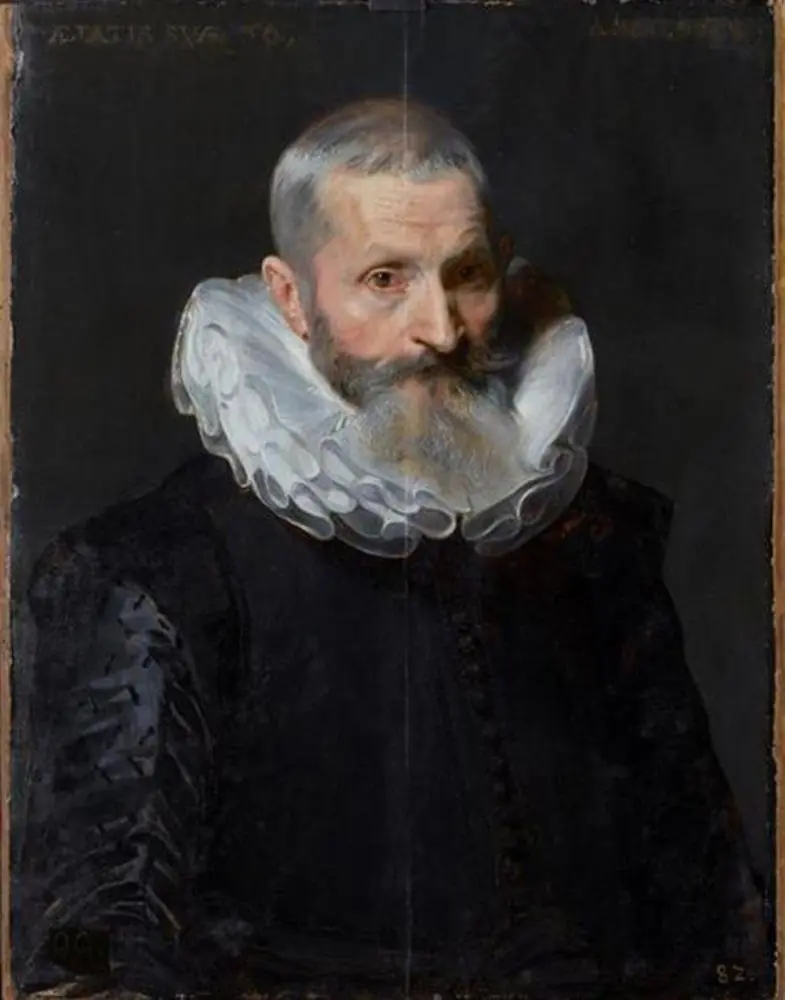 Portrait of a 60-year-old Man
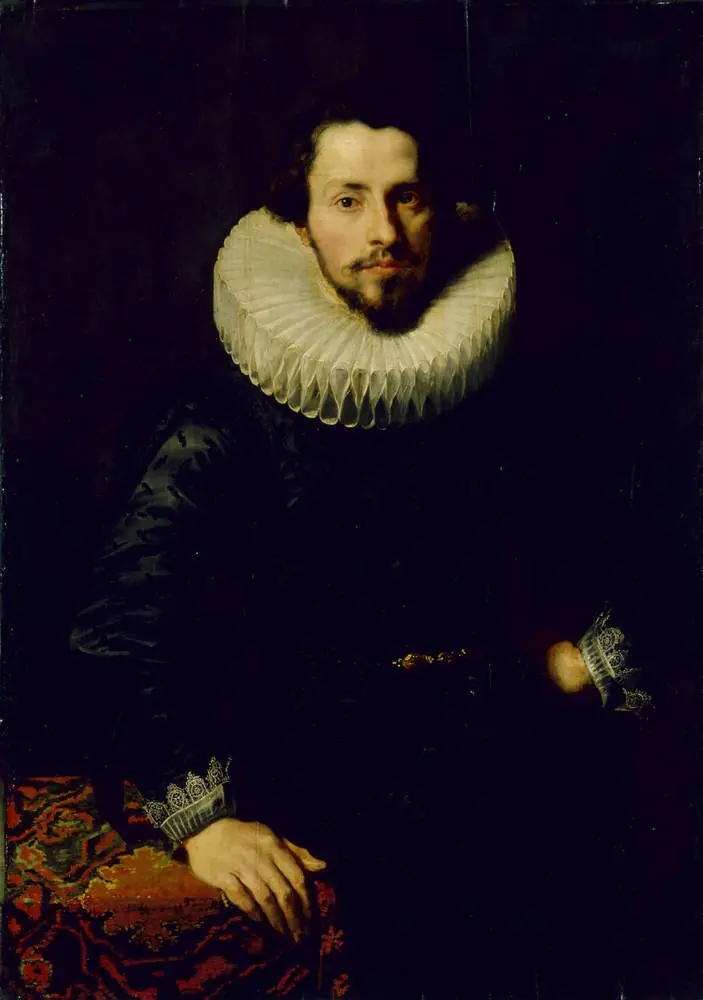 Portrait of a Man at a Table
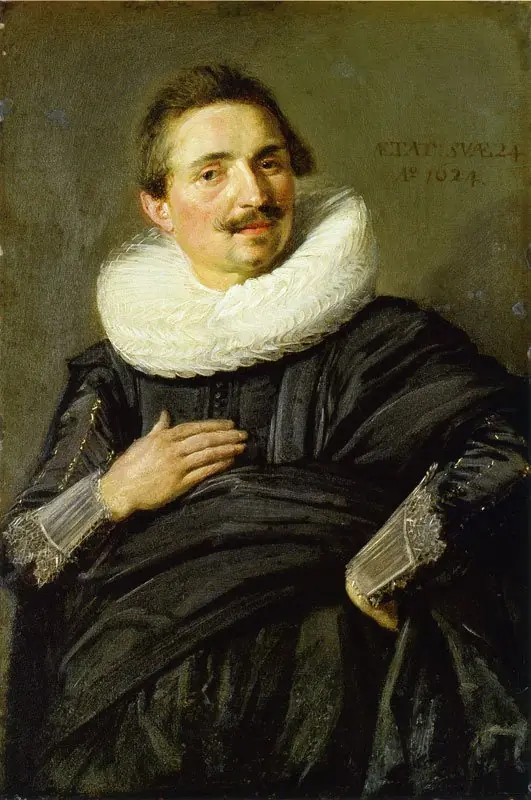 Portrait of a 24-year-old man
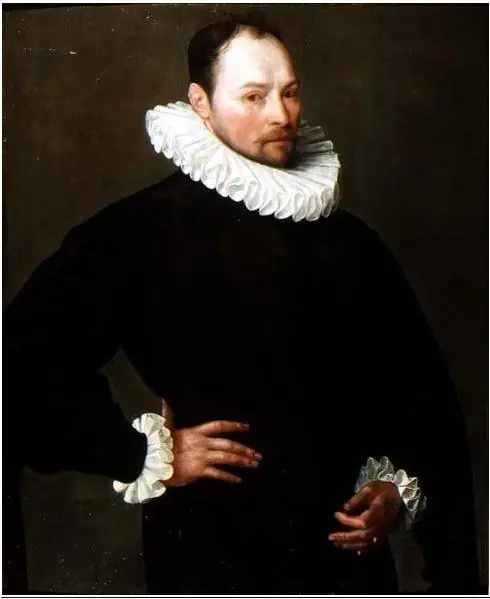 Portrait of a man aged 33
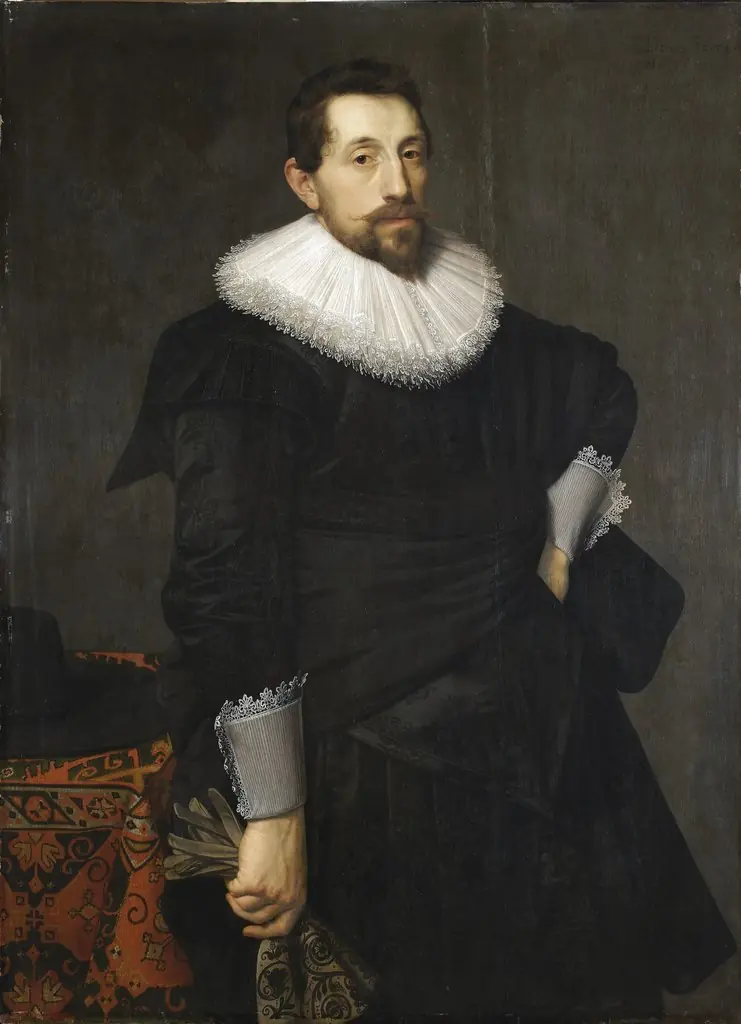 Portrait of a Man with Gloves
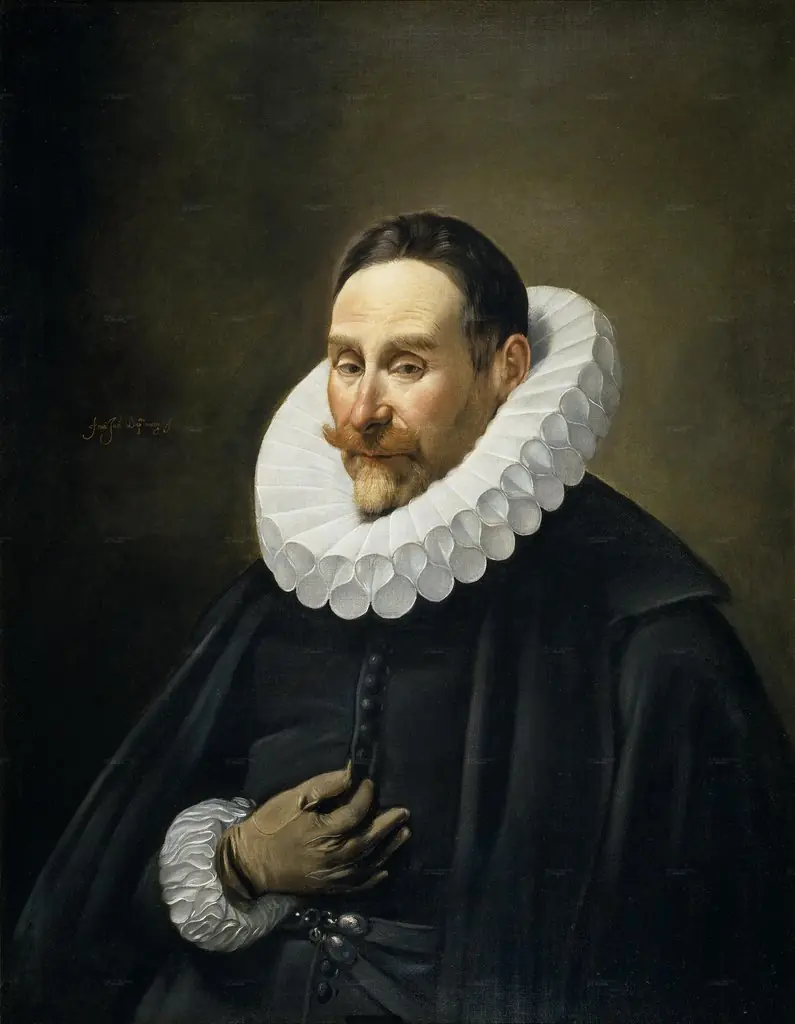 Portrait of a Gentleman
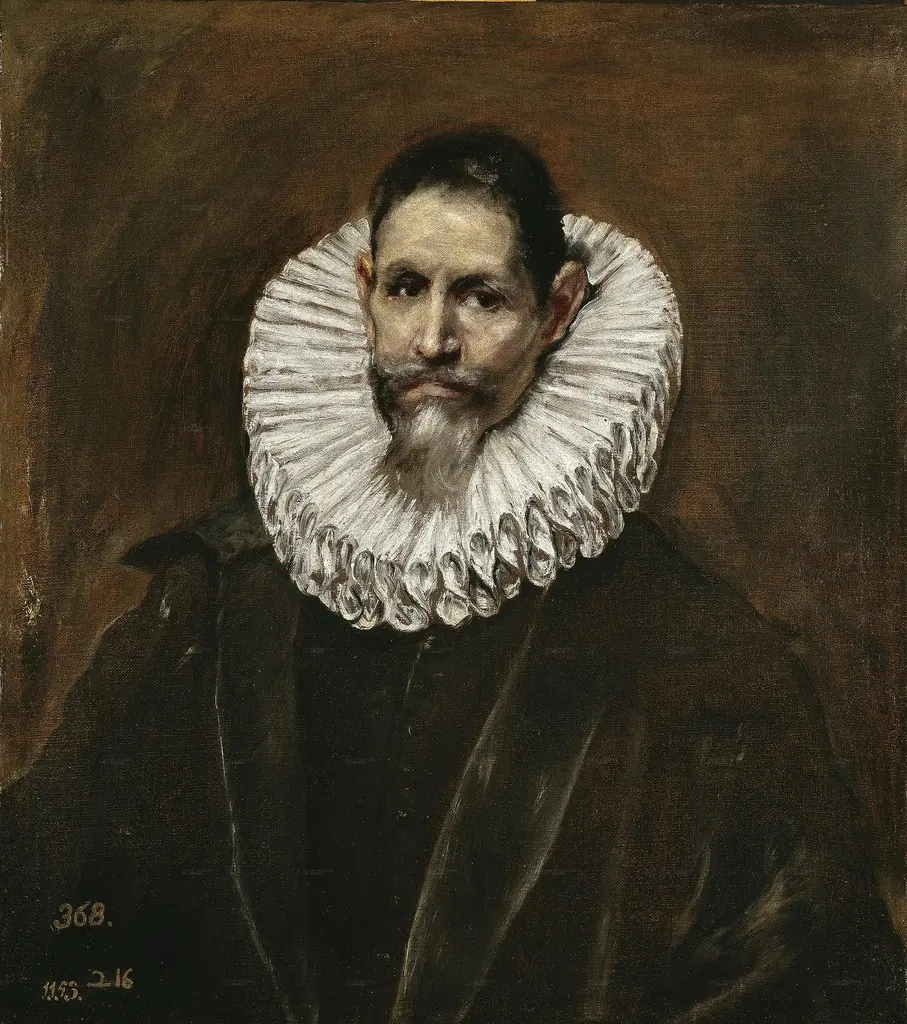 Portrait of Jerónimo de Cevallos
 Untitled