Artwork
Portrait of a Gentleman
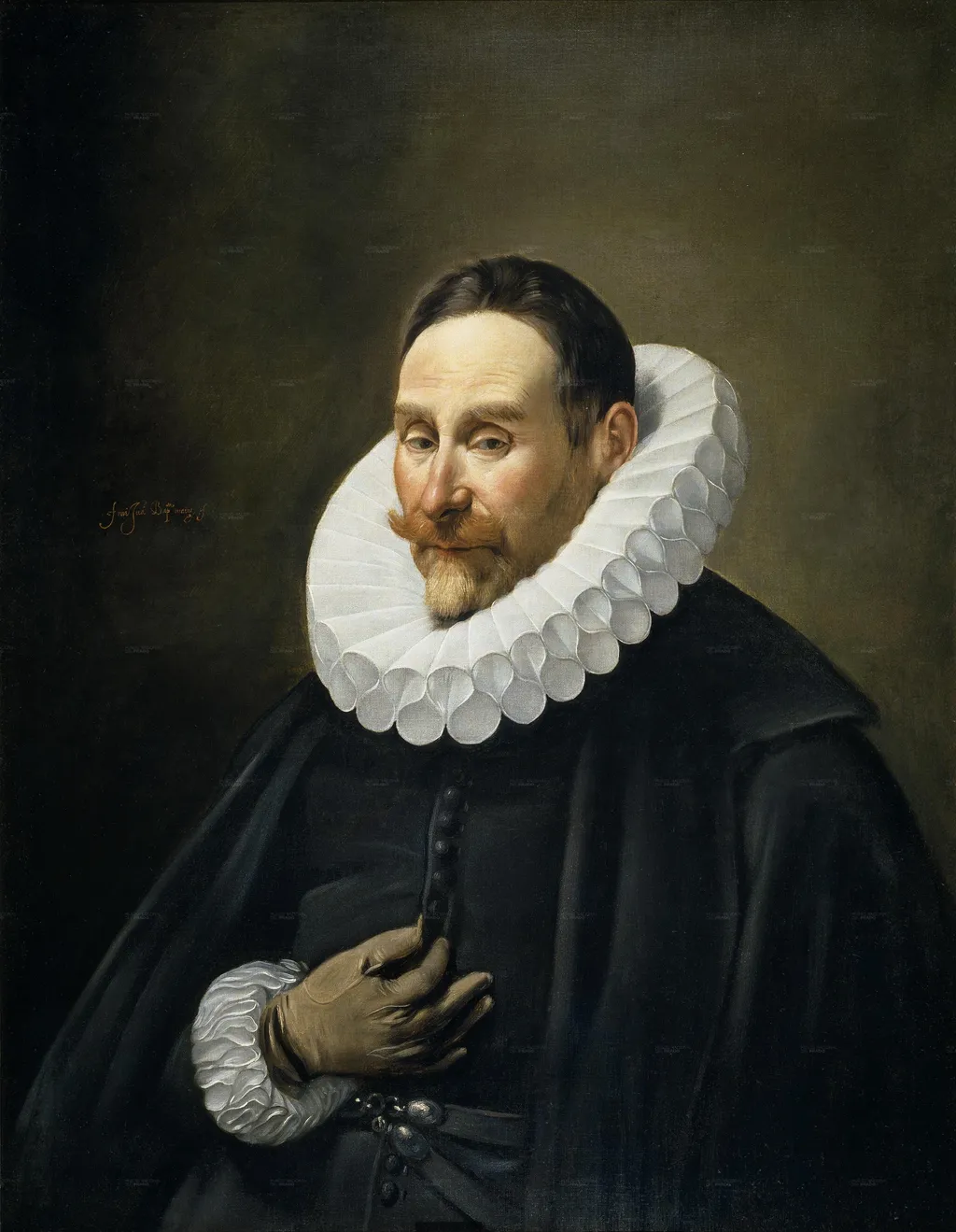
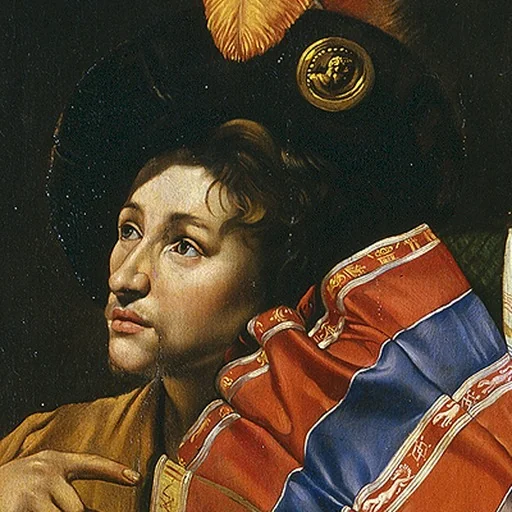
Portrait of a Gentleman is an oil painting by the Early Baroque Italian artist Juan Bautista Maíno. It dates from 1613 and is held in the collection of the Museo del Prado.
About this work
It shows a single figure, a man, rendered in the careful handling typical of early 17th‑century Spanish painting.
Portrait of a Gentleman is an oil painting by Spanish artist Juan Bautista Maíno, dated around 1613. The work is also known as Portrait of a Knight and was completed sometime between 1618 and 1623.
It shows a single figure, a man, rendered in the careful handling typical of early 17th‑century Spanish painting. Maíno used oil paint to build subtle layers of color. The canvas has stayed in Madrid’s national collection for centuries.
If you want to keep exploring, check out the Museo del Prado.
Overview
Juan Bautista Maíno’s portrait, executed in oil on canvas between 1618 and 1623, is part of the Museo del Prado’s collection in Madrid. The work presents a solitary male figure rendered at three‑quarter length, illuminated from one side, and is commonly identified as a gentleman or knight, though his identity remains unknown.
Subject & Meaning
The sitter is dressed in a black doublet and cape, complemented by a prominent white ruff, attire that signals a status of wealth and martial association in early‑17th‑century Spain. The composition’s restrained pose and subdued expression convey the conventions of dignified portraiture, emphasizing social rank rather than personal narrative.
Technique & Style
Maíno employs the layered oil technique typical of Spanish painters of the period, building delicate tonal transitions that model the fabric and flesh. The side lighting creates a subtle chiaroscuro, highlighting the texture of the ruff and the sheen of the doublet while maintaining a calm, measured palette.
History & Provenance
Since its creation, the canvas has remained within the Spanish national collection, eventually entering the holdings of the Museo del Prado. The work has been catalogued under both "Portrait of a Gentleman" and "Portrait of a Knight," reflecting ongoing scholarly uncertainty about the sitter’s precise identity.
Own this work as a print
Artist & collection