Artwork
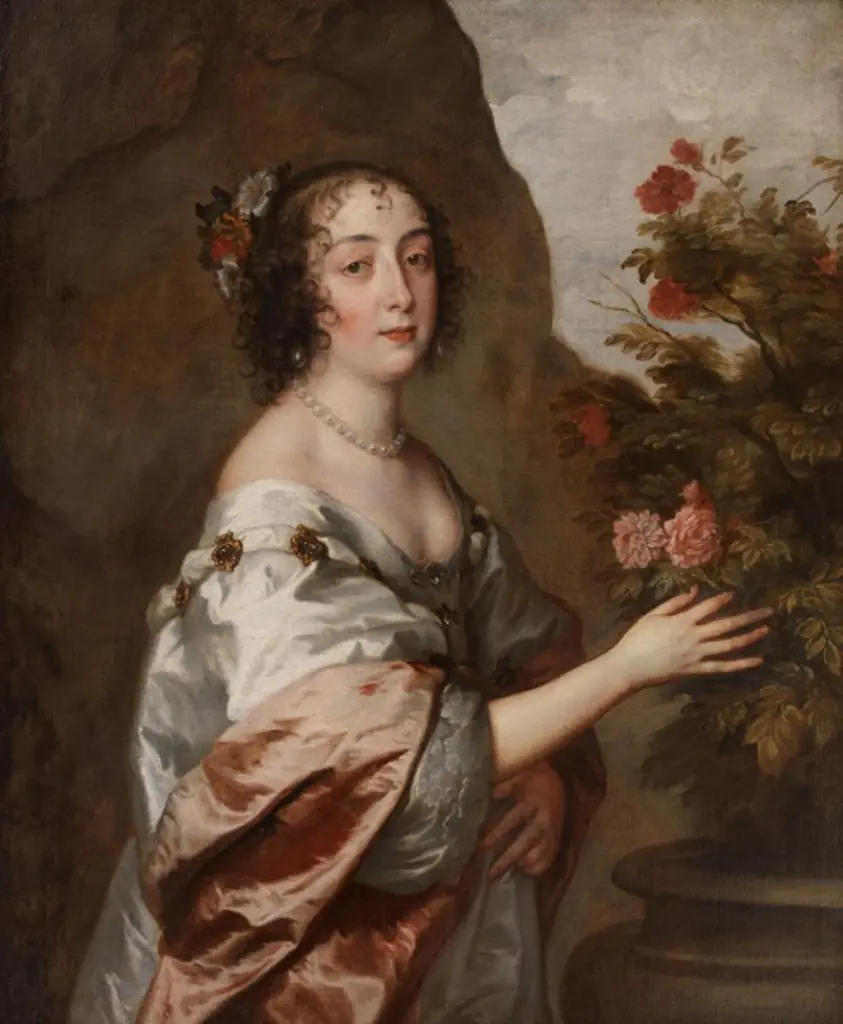
Portrait of Anne Carr, Lady Russell, Countess of Bedford (1615-1684), ca. 1639
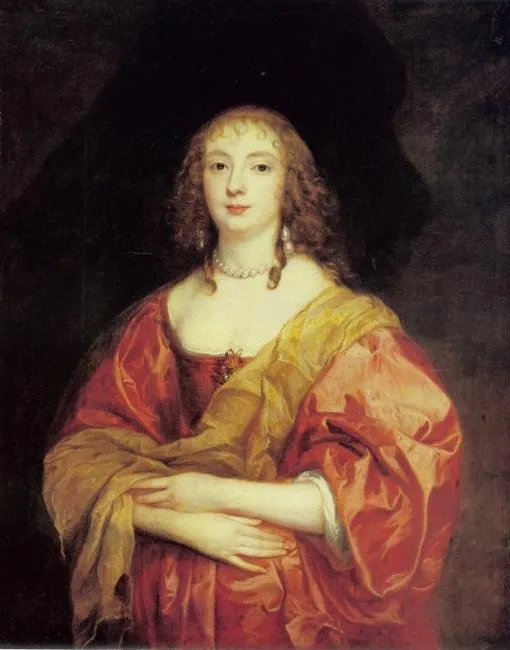
Portrait of Anne Carr, Lady Russell, Countess of Bedford (1615-1684), ca. 1639 is an oil painting by the Flemish Baroque painting artist Anthony van Dyck. It dates from 1639 and is held in the collection of the Tokyo Fuji Art Museum. Painted around 1639, this oil portrait captures Anne Carr, who became Countess of Bedford through marriage.
About this work
Overview
Created by Anthony van Dyck, the work exemplifies his refined approach to aristocratic portraiture during his tenure as principal painter to the English court.
Painted around 1639, this oil portrait captures Anne Carr, who became Countess of Bedford through marriage. Created by Anthony van Dyck, the work exemplifies his refined approach to aristocratic portraiture during his tenure as principal painter to the English court. The composition emphasizes dignity and poise, characteristic of van Dyck’s mature style, and remains part of the Norton Simon Museum’s collection today.
Subject & Meaning
Anne Carr, Countess of Bedford, was a prominent figure in early 17th-century English society, known for her patronage of the arts and intellectual circles. The portrait presents her with composed stillness, hands folded, gaze direct—conveying authority and self-possession. Her attire, rich in texture and color, signals status without overt display, reflecting the restrained elegance favored by the Stuart elite.
Technique & Style
Van Dyck employed delicate brushwork to render the intricate folds of the red silk dress and gold shawl, capturing light’s subtle play across fabric. The pale complexion and finely detailed curls of her hair contrast with the dark, undefined background, focusing attention on the sitter. Pearl jewelry and the soft modeling of her face reflect his mastery of texture and tonal harmony, learned during his years as Rubens’s assistant.
History & Provenance
Commissioned during van Dyck’s time in England, the portrait was likely created for the Bedford family’s private collection. It remained within aristocratic circles for centuries before entering the Norton Simon Museum’s holdings. Its survival in good condition offers insight into the circulation of elite portraiture in 17th-century Britain and the enduring value placed on van Dyck’s work.
Context
In the late 1630s, van Dyck was the dominant portraitist at Charles I’s court, shaping an idealized image of English nobility. The Countess of Bedford, connected to literary and political circles, represented the cultural influence of women in Stuart England. This portrait aligns with a broader trend of using art to affirm social standing through refined demeanor and luxurious, yet controlled, visual language.
Legacy
Van Dyck’s portraits, including this one, established a visual template for British aristocratic representation that endured for generations. The Countess’s composed presence and the painting’s technical precision influenced later portraitists, embedding his style into the conventions of English portraiture. Its continued preservation underscores its role as a document of both personal identity and cultural aspiration.
Artist & collection
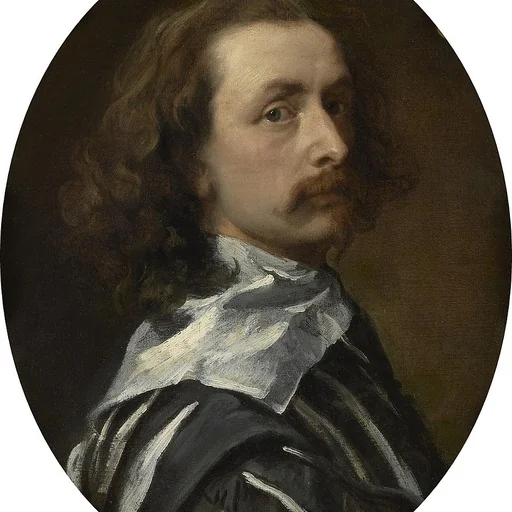
Artist
Sir Anthony van Dyck (; Dutch: Antoon van Dijck ; 22 March 1599 – 9 December 1641) was a Flemish Baroque artist, who became the leading court painter in England after success in the Spanish Netherlands and Italy.

 Portræt af en kvinde som Flora
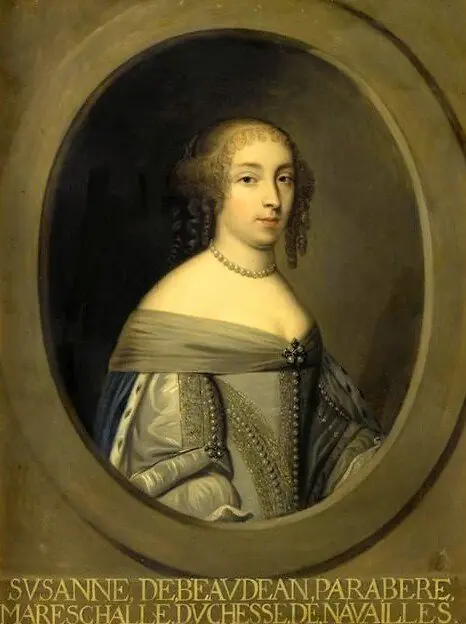 Portrait of Susanne de Baudéan (1625-1700)
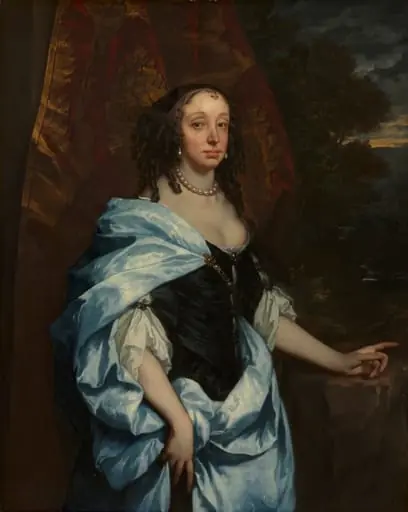 Portrait of Mrs. Leneve
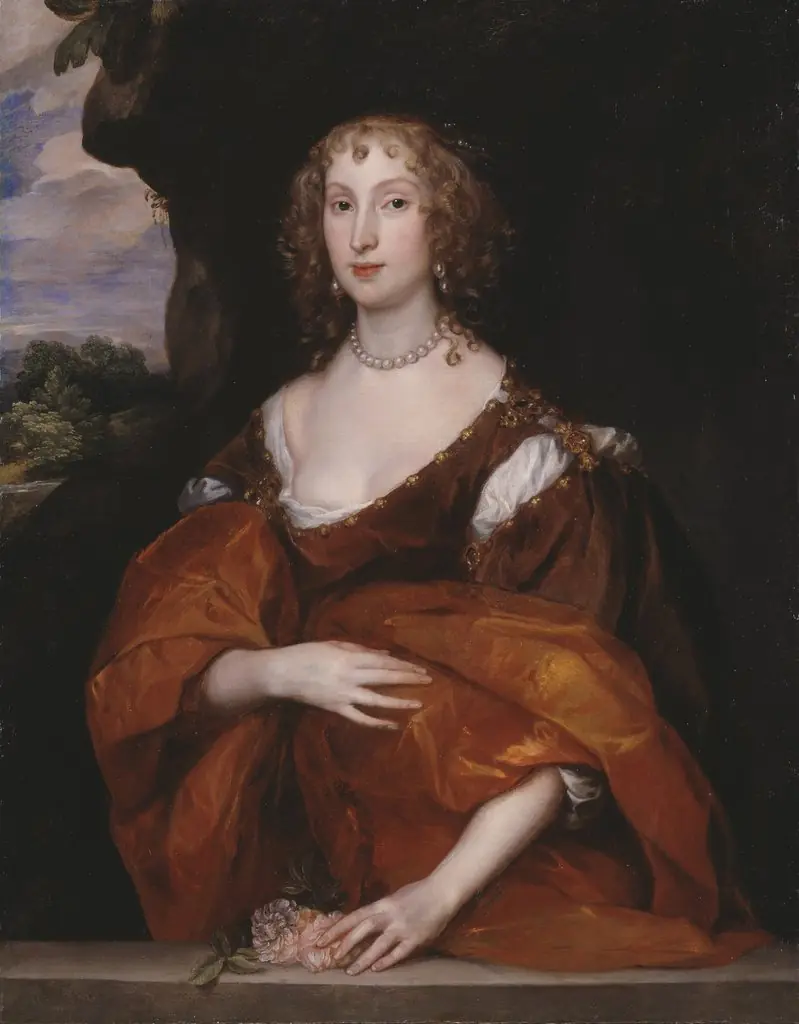 Portrait of Mary Hill, Lady Killigrew
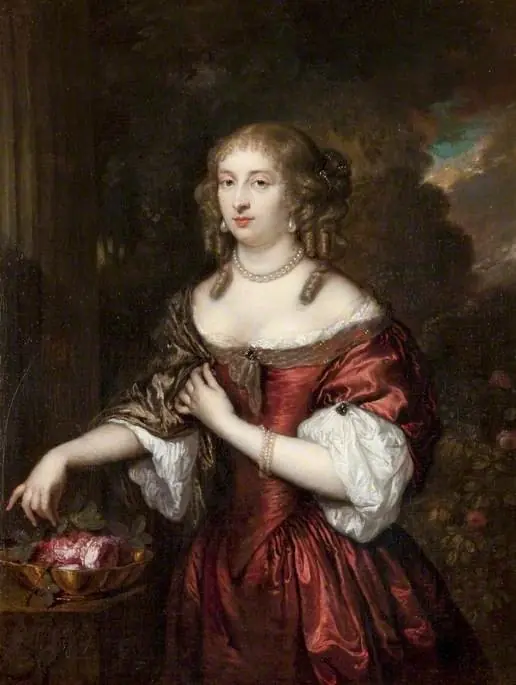 Portrait of a Woman
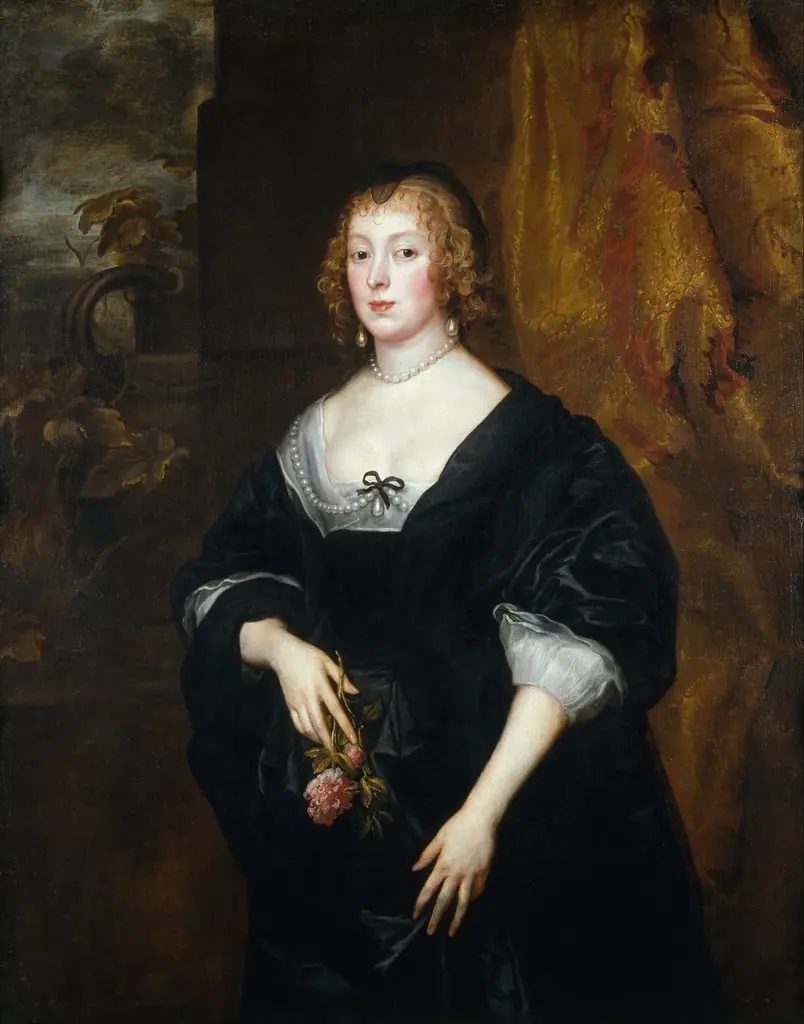 Lady Dacre
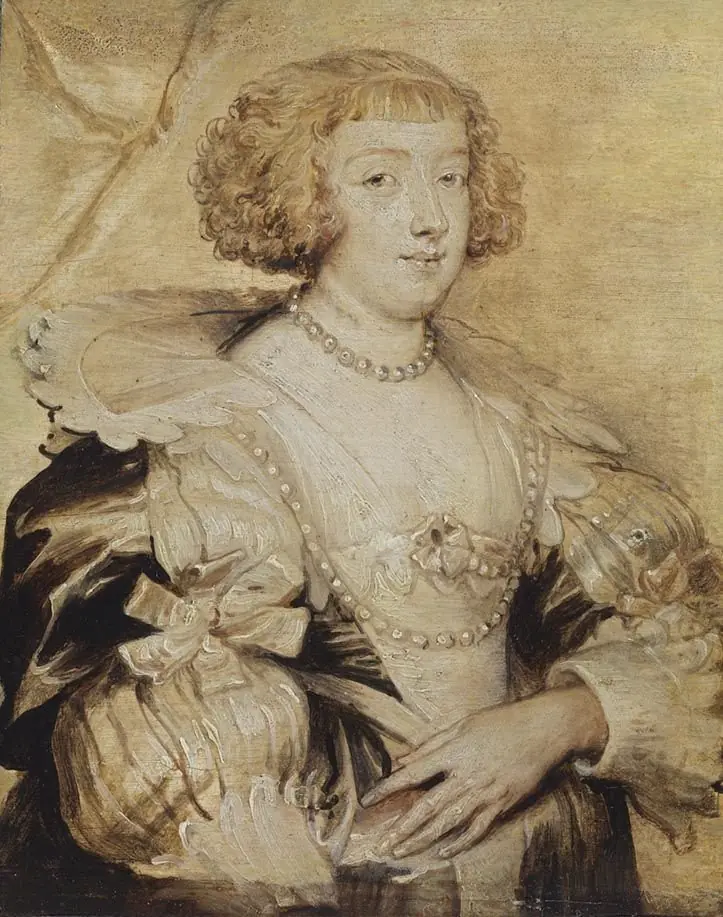 Portrait of Margaret of Lorraine
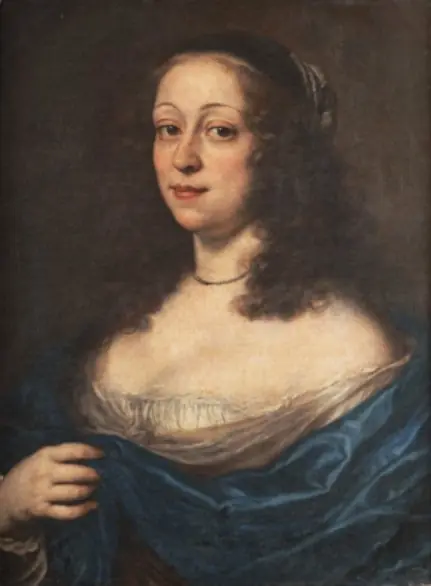 Portrait of Vittoria della Rovere, Grand Duchess of Tuscany
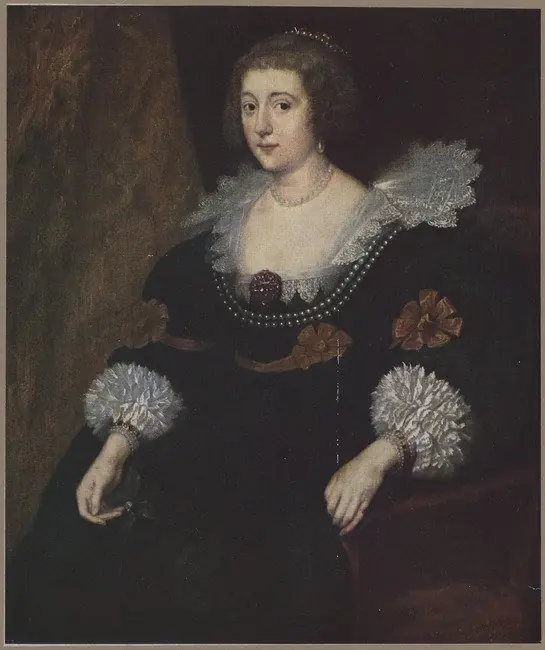 Portrait of Amalia van Solms-Braunfels, Princess of Orange (1602-1675)
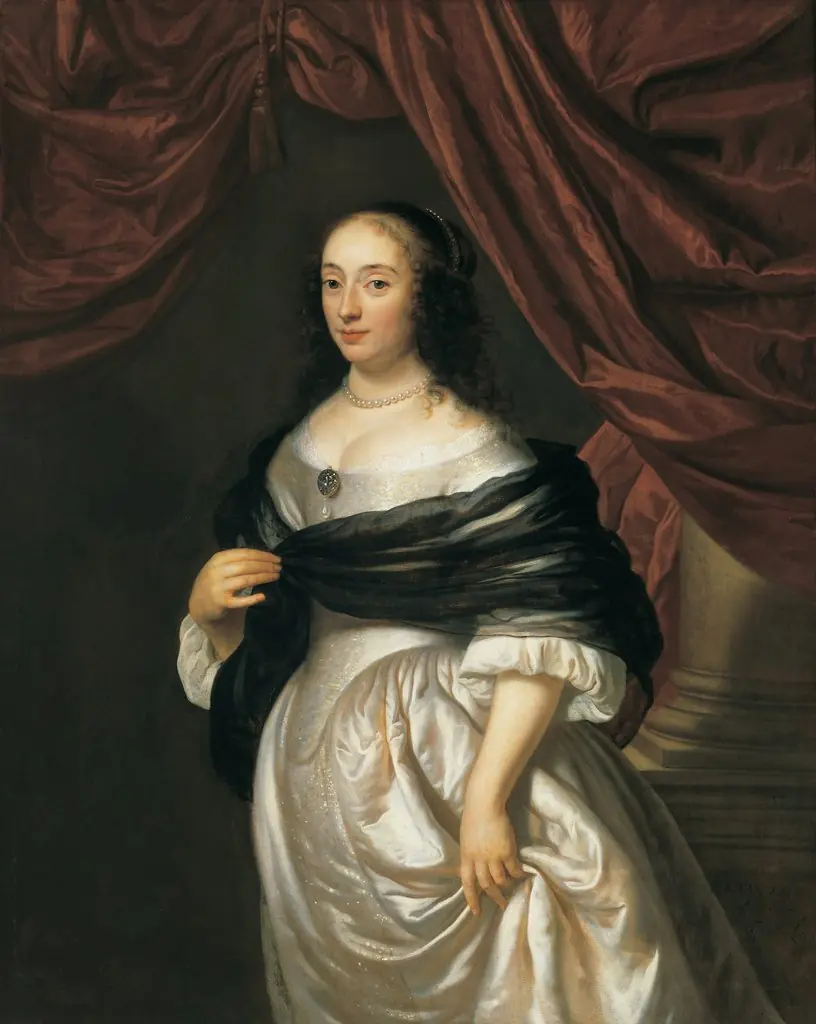 Retrato de la Condesa de Goldstein
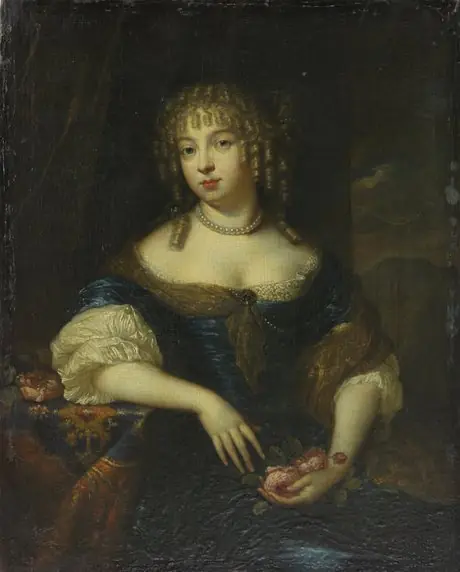 Portrait of a woman
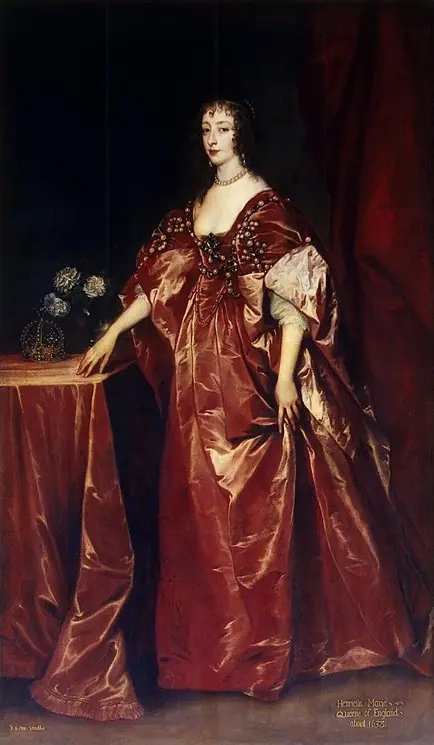 Portrait of Queen Henrietta-Maria