Artwork
Portrait of Mrs. Leneve
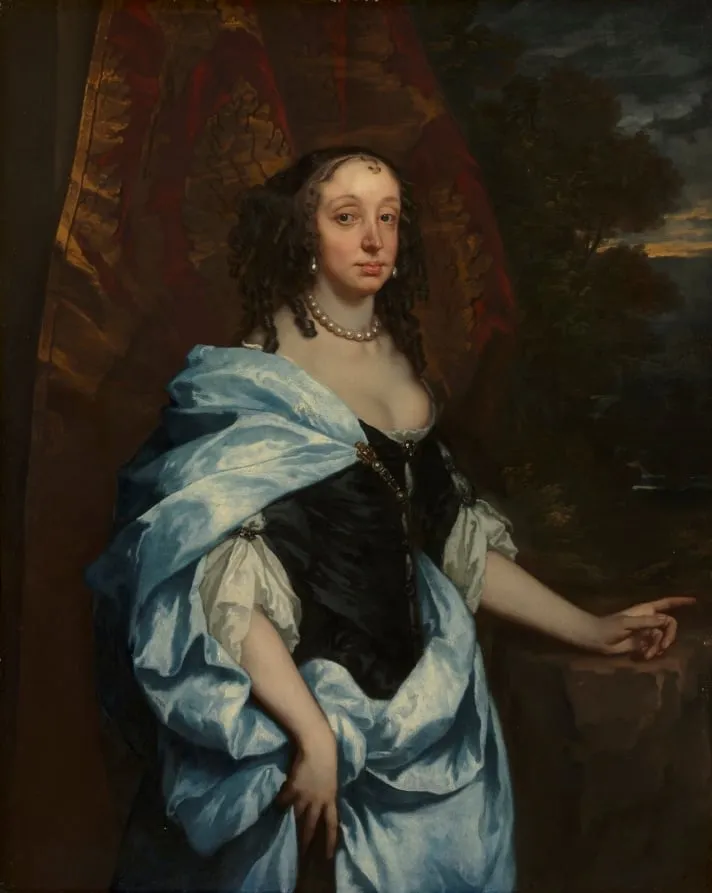
Portrait of Mrs. Leneve is an unspecified painting by the Baroque artist Peter Lely. It dates from 1657 and is held in the collection of the Cleveland Museum of Art. The canvas depicts a seated woman in a flowing silk dress, her hand resting on a carved stone ledge, pearls adorning her ears and throat.
About this work
Someone later painted over her—lowered her brows, shrank her lips, even added curls—trying to make her look “prettier” by later standards.
You see a woman in a loose, silky gown, her hand resting on a carved stone ledge. Pearls drip from her ears and throat, catching the light.
What’s wild is that her face wasn’t always this soft. Someone later painted over her—lowered her brows, shrank her lips, even added curls—trying to make her look “prettier” by later standards. The museum peeled those layers off, so we see her the way the artist did: a 17th-century beauty with heavy lids and a strong chin.
To see more faces like this, look up england, 17th century.
Overview
The canvas depicts a seated woman in a flowing silk dress, her hand resting on a carved stone ledge, pearls adorning her ears and throat. The portrait reflects the 17th‑century aesthetic of pronounced eyelids, a firm chin, and slender fingers, hallmarks of the period’s standards of beauty as rendered by the artist.
Subject & Meaning
The sitter, identified as Mrs. Leneve, is presented with the dignified poise typical of aristocratic portraiture. Her attire and jewelry signal high social standing, while the composed gesture and direct gaze convey confidence and refinement, aligning with contemporary notions of genteel femininity.
Technique & Style
Executed in oil on canvas, the work displays the smooth, luminous flesh tones and delicate handling of light characteristic of Peter Lely’s portraiture. The silken fabric is rendered with subtle glazes that capture its sheen, and the pearls are painted with fine highlights that suggest their reflective quality.
History & Provenance
Acquired by the museum in 1942, the painting had undergone extensive overpainting in a later century, altering the sitter’s eyebrows, eyes, lips, and adding curls to conform to newer beauty ideals. Recent conservation removed these later layers, revealing Lely’s original treatment of the subject’s features.
Context
The portrait belongs to a broader corpus of English 17th‑century portraiture, where artists like Lely emphasized individualized physiognomy within the conventions of courtly elegance. Such works served both as personal commemoration and as visual affirmations of status within the Restoration society.
Artist & collection
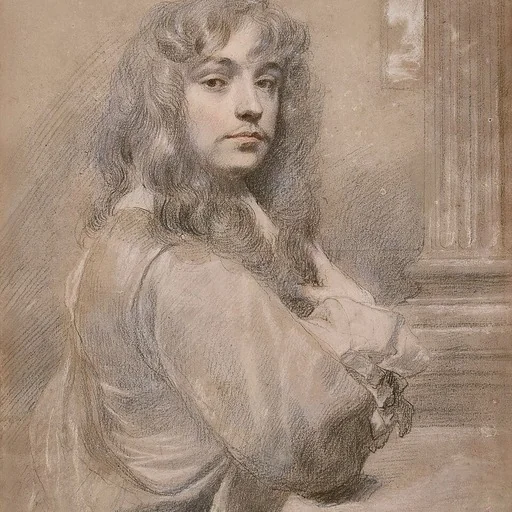
Artist
Sir Peter Lely (Dutch: ; 14 September 1618 – 30 November 1680) was a painter of Dutch origin whose career was nearly all spent in England, where he became the dominant portrait painter to the court.

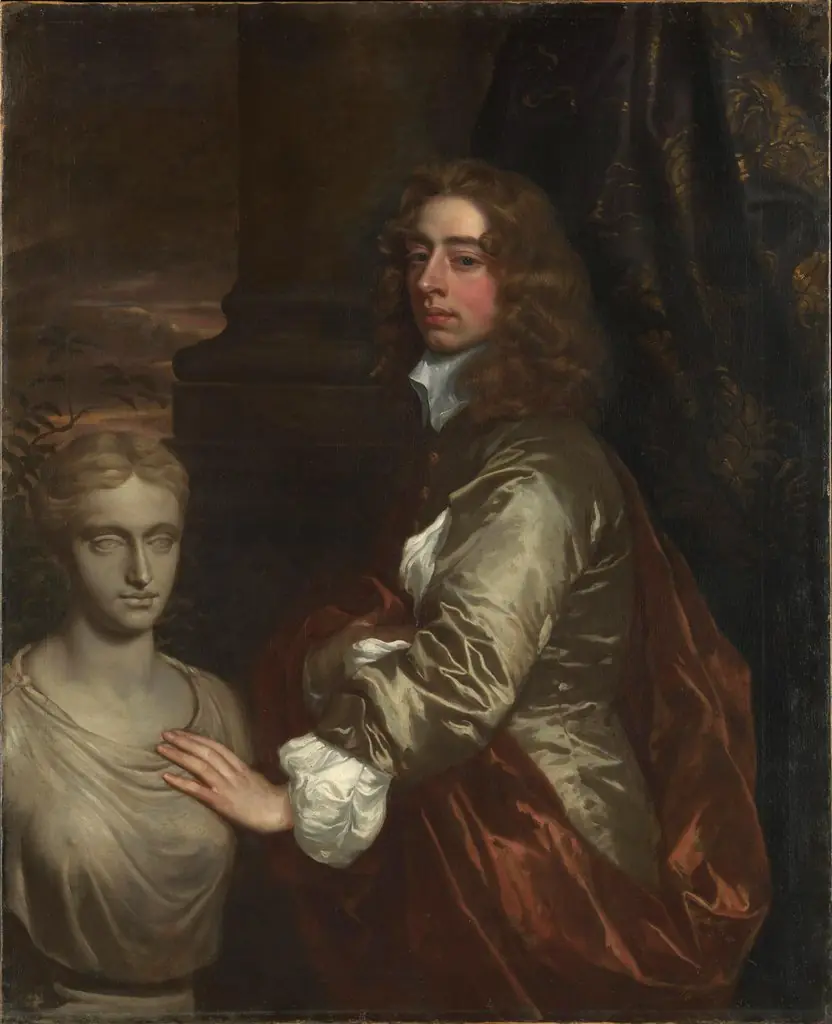 Sir Henry Capel (1638–1696)
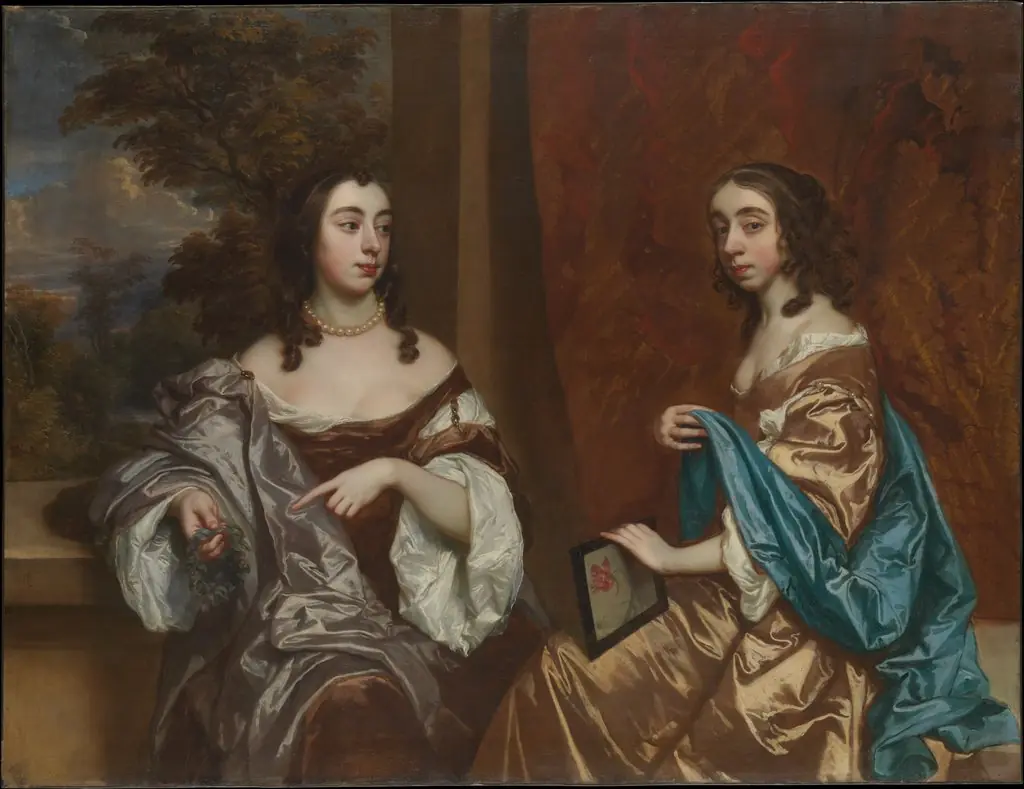 Mary Capel (1630–1715), Later Duchess of Beaufort, and Her Sister Elizabeth (1633–1678), Countess of Carnarvon
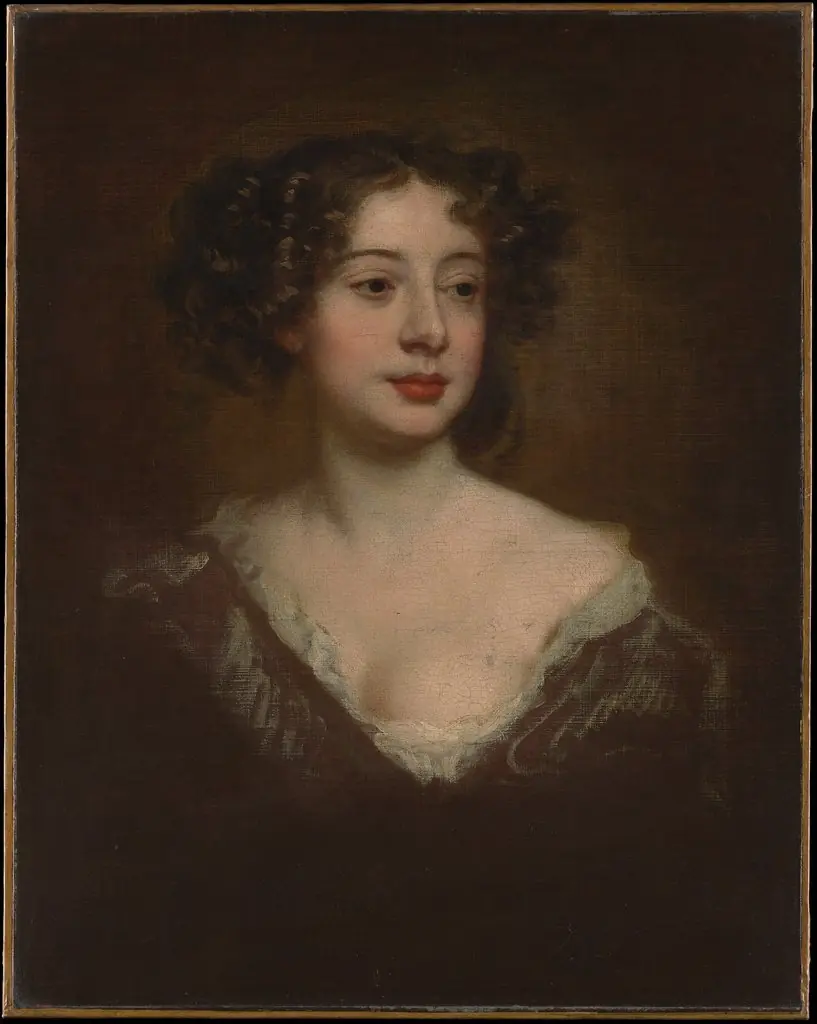 Study for a Portrait of a Woman
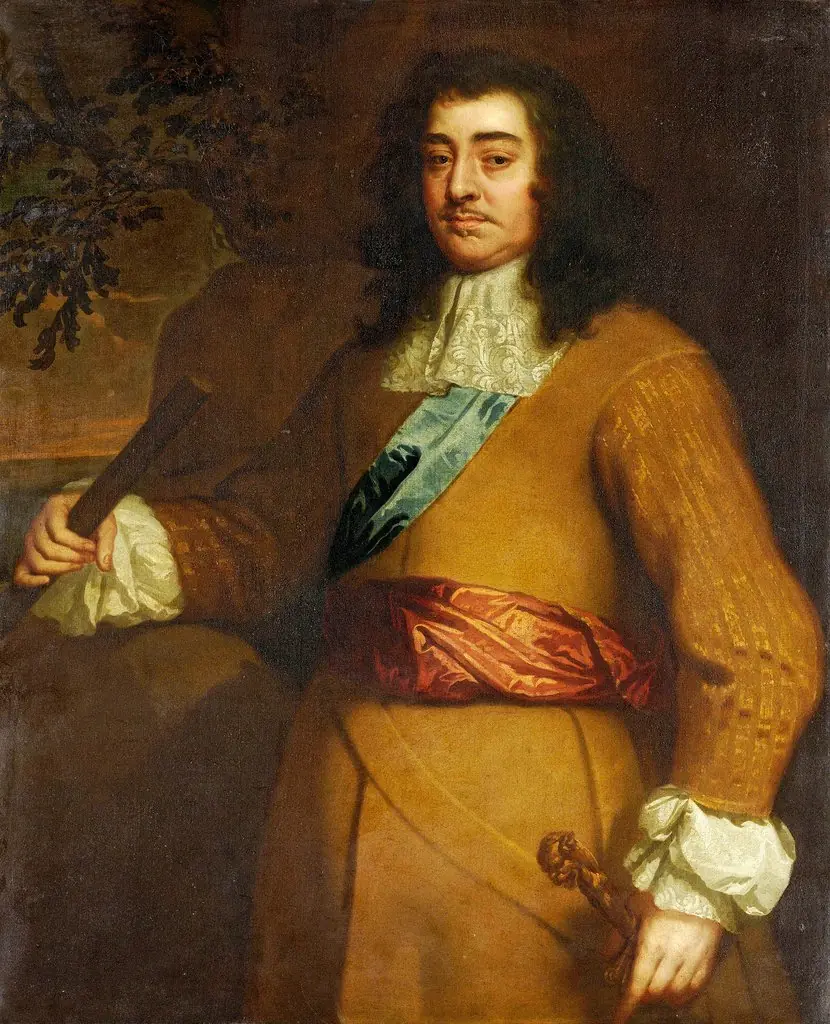 Portrait of George Monck, 1st Duke of Albemarle, English Admiral and Statesman
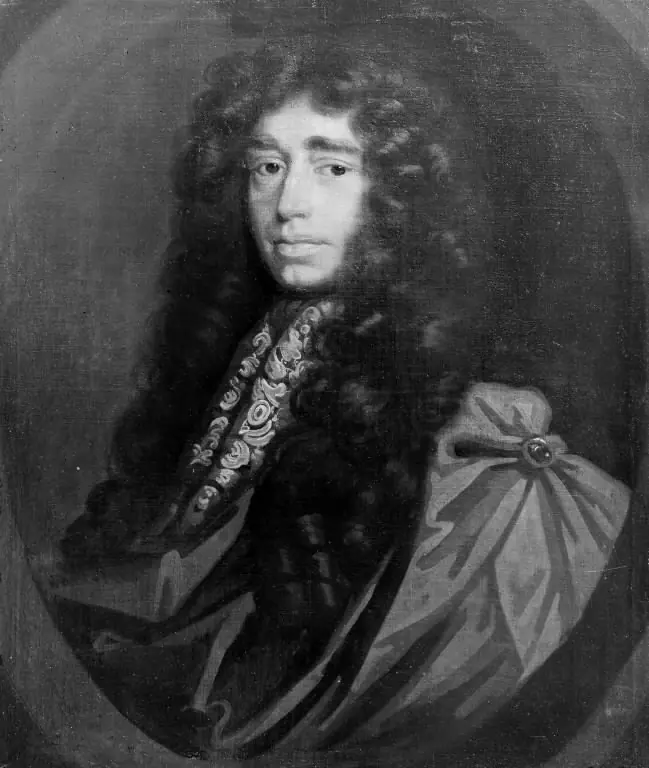 Portrait of a Man
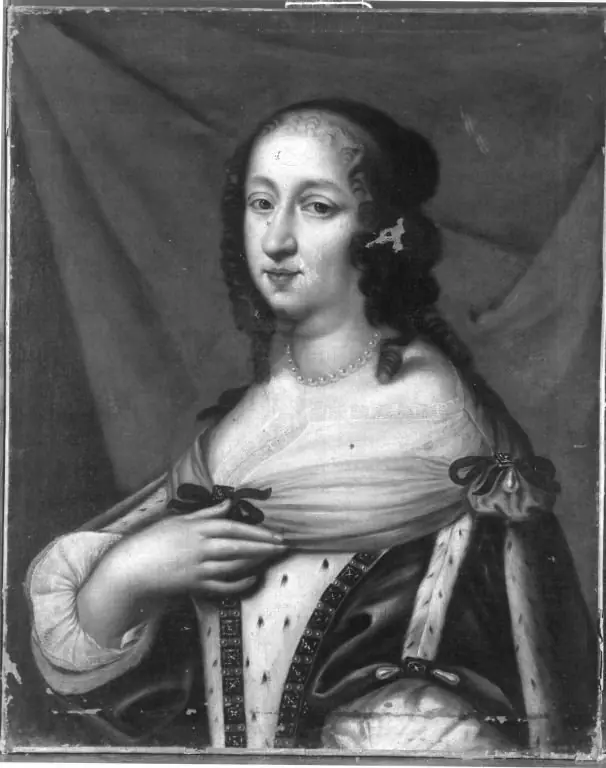 Portrait of a Woman
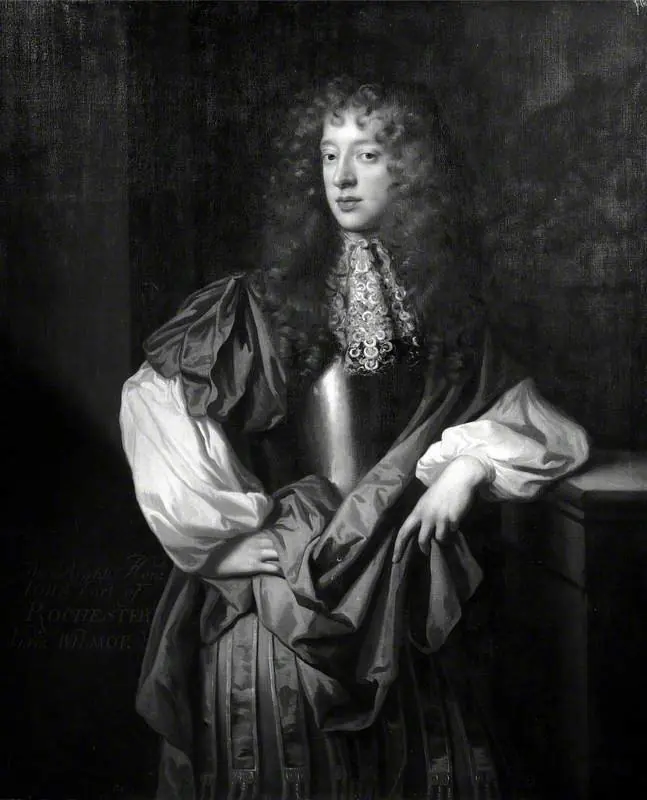 John Wilmot (1647–1680), 2nd Earl of Rochester
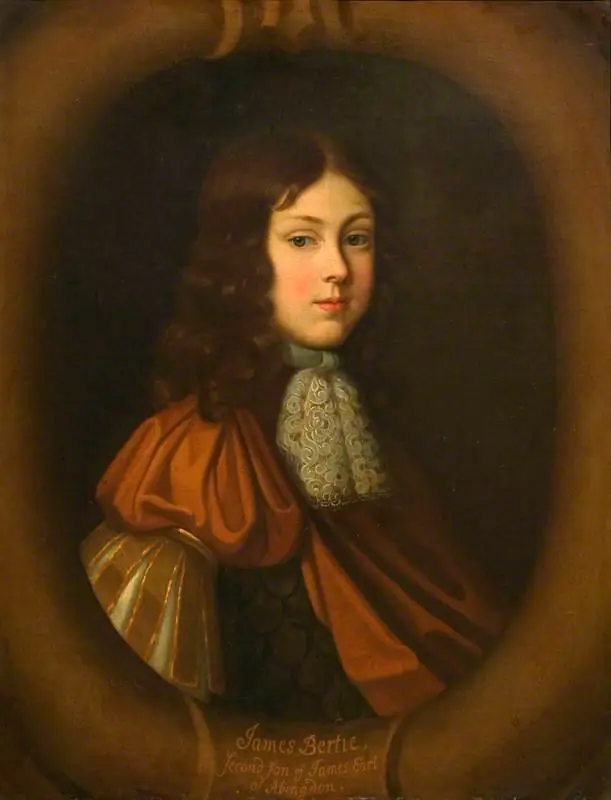 James Bertie (1653–1699), 2nd Son of James, Earl of Abingdon
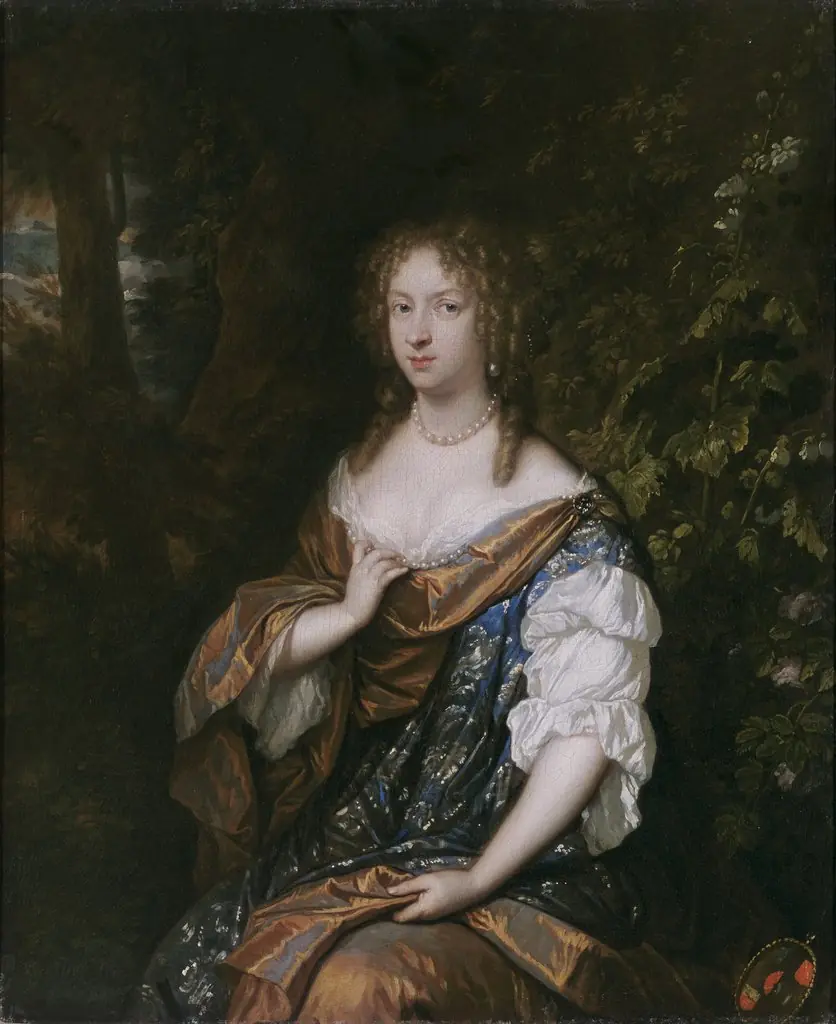 Alida de Lange, Wife of Johan Rammelman
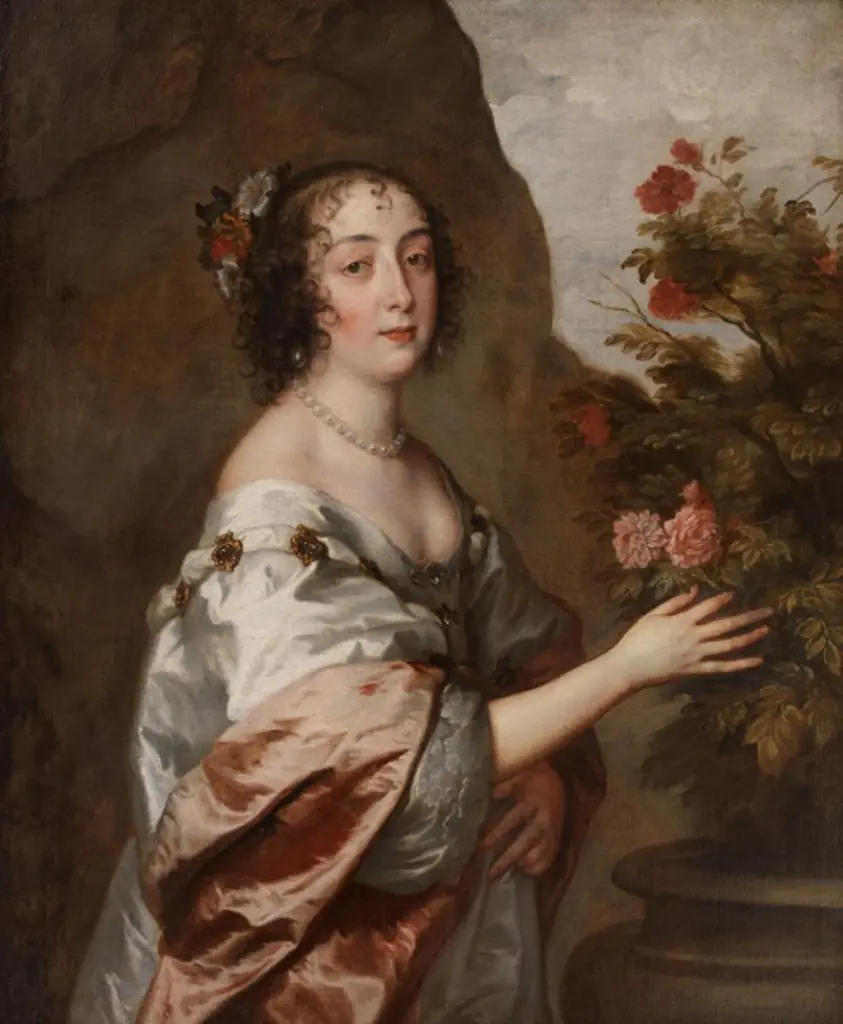 Portræt af en kvinde som Flora
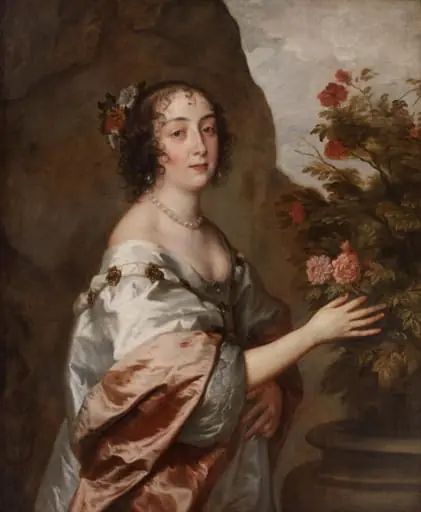 Portrait of a Lady
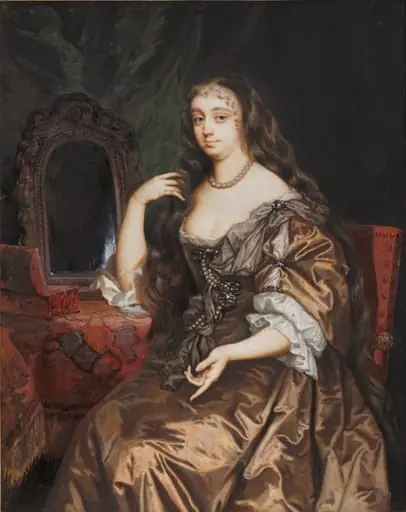 Portrait of Anne Hyde, Duchess of York
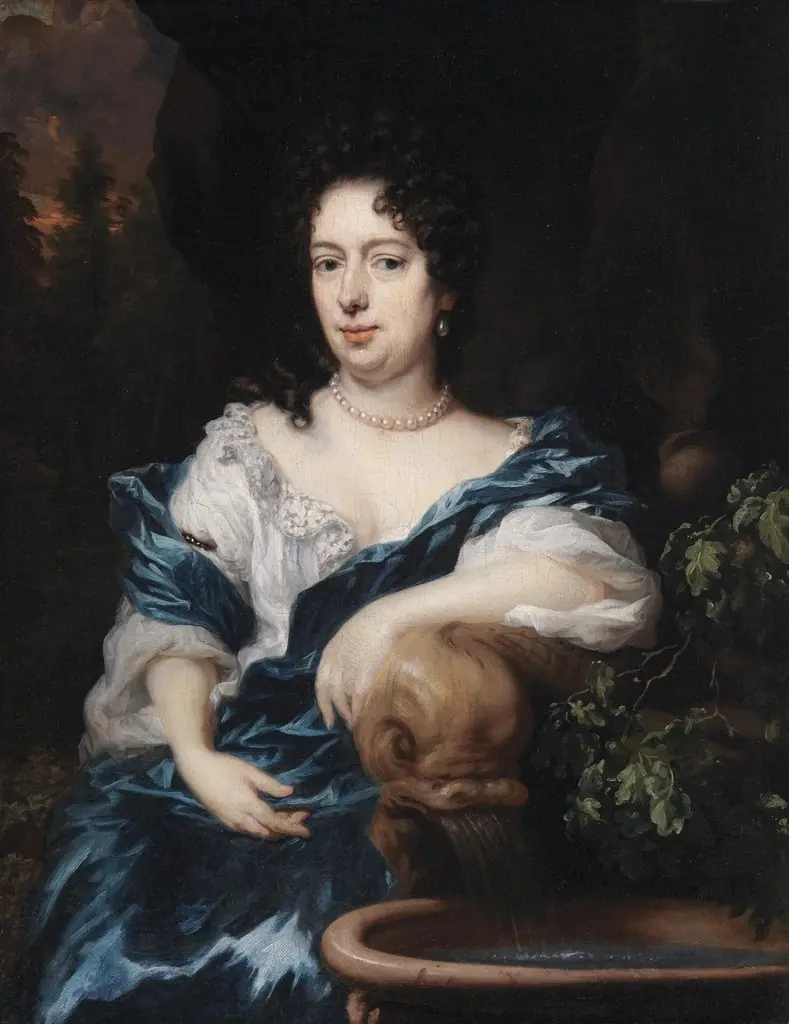 A Lady sitting by a Fountain, possibly Catharina Dierquens
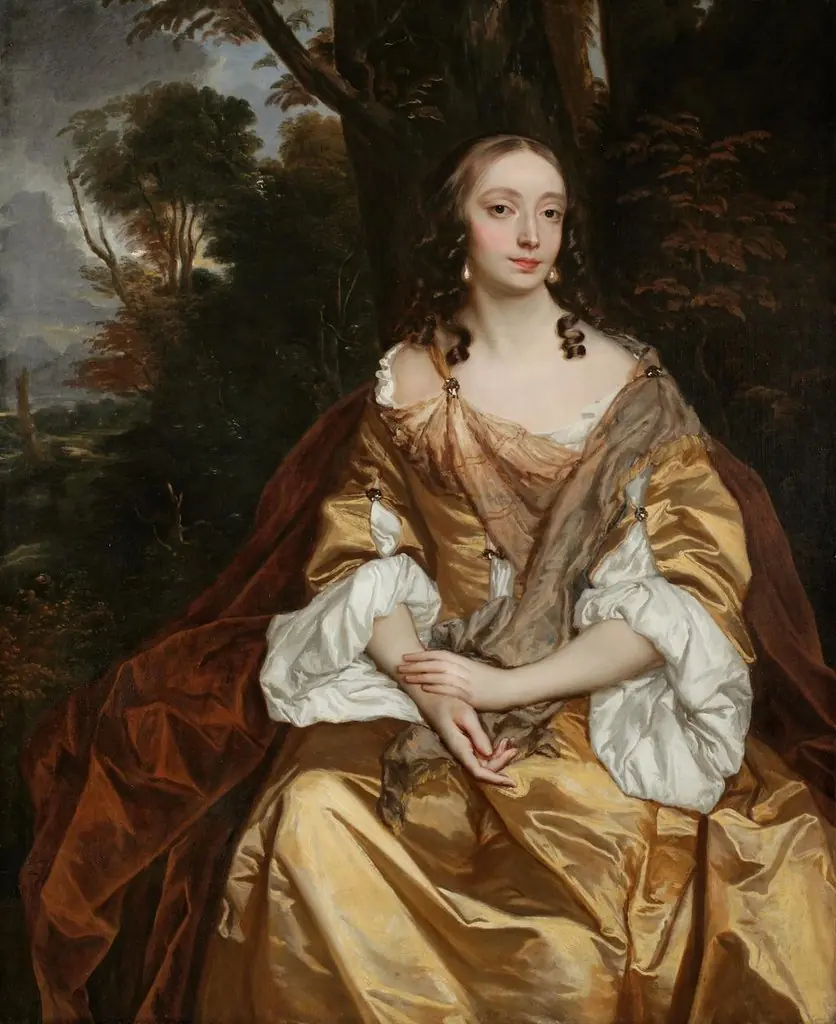 Portrait of a Lady; probably Mary Parsons, later Mrs Draper
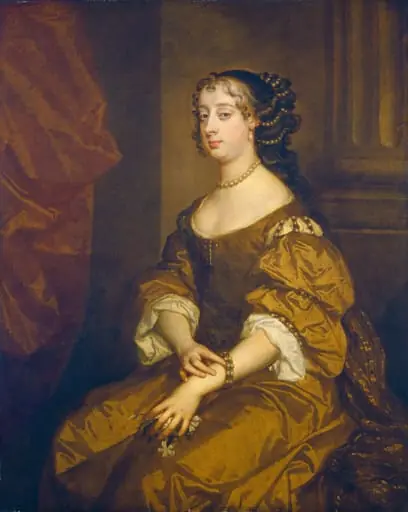 Barbara Villiers, Duchess of Cleveland
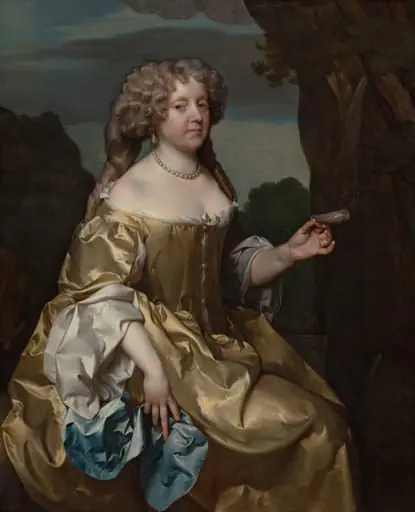 Lady Borlase
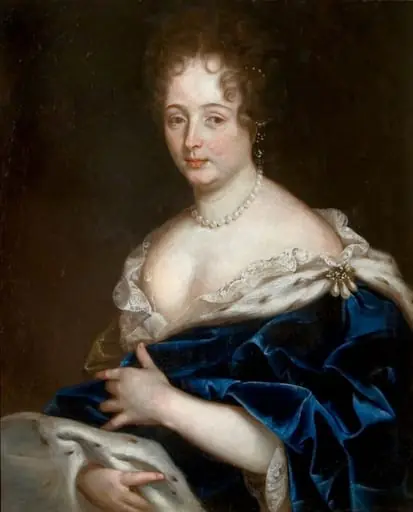 Portretul Marchizei de Crequi
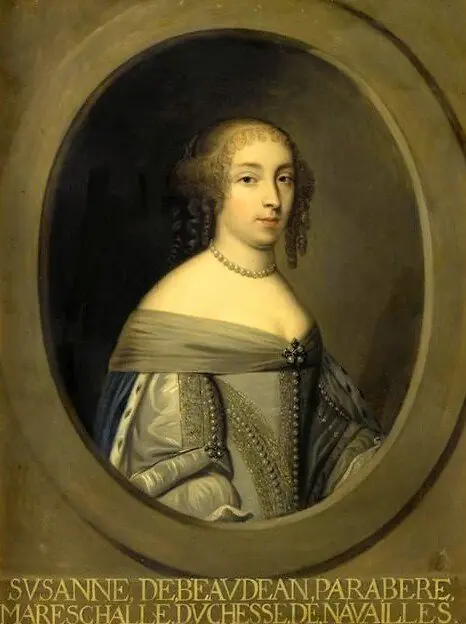 Portrait of Susanne de Baudéan (1625-1700)
 Portrait of Queen Henrietta-Maria
 Portrait of Catharina Dierquens