Artwork
Portrait of the painter Theodor Rombouts
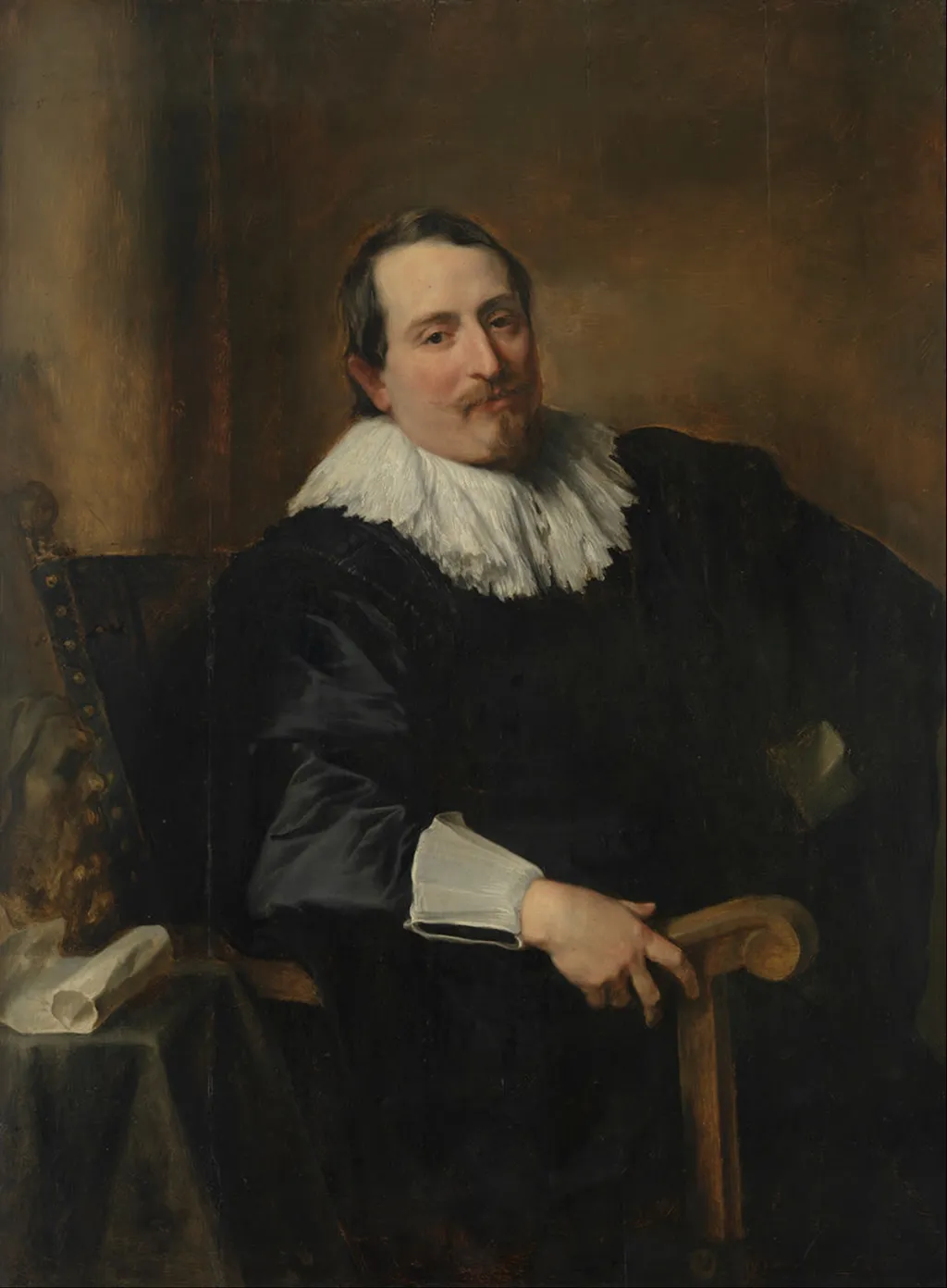
Portrait of the painter Theodor Rombouts is an oil painting by the Flemish Baroque painting artist Anthony van Dyck. It dates from 1632 and is held in the collection of the Bavarian State Painting Collections.
About this work
The background is a brown wall with a column on the left side, and there's a table with a white cloth and a rolled-up paper on it.
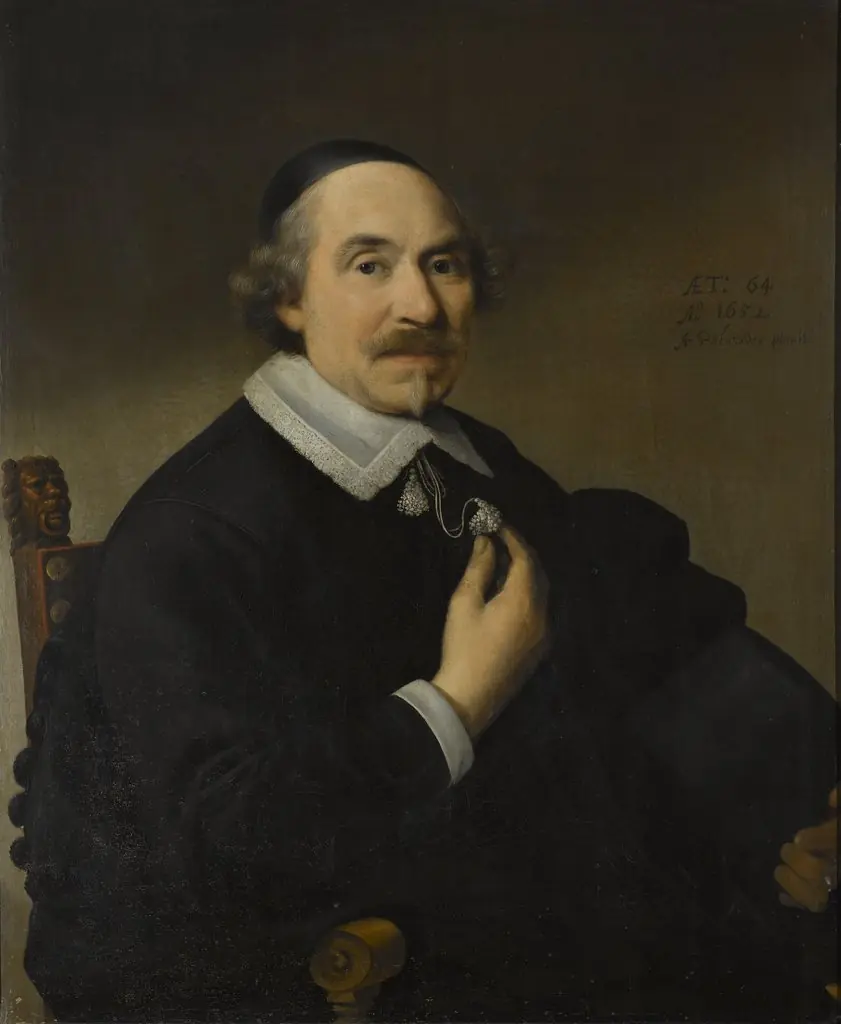
This portrait features a man sitting in a chair, wearing a black jacket with a white ruffled collar and cuffs. He has short dark hair and is holding a wooden cane in his right hand. The background is a brown wall with a column on the left side, and there's a table with a white cloth and a rolled-up paper on it.
The man's attire and the style of the painting suggest a formal portrait from the 17th century. The use of chiaroscuro, a technique that emphasizes contrasts between light and dark, adds depth and dimension to the image.
If you're interested in learning more about the artist behind this painting, you might want to look up Anthony van Dyck.
Overview
The Portrait of the painter Theodor Rombouts is a 1632 oil-on-canvas painting by Anthony van Dyck, a prominent Flemish Baroque artist. It is now held in the Alte Pinakothek.
Subject & Meaning
The portrait depicts Theodor Rombouts, a fellow painter, seated in a chair with a wooden cane, dressed in formal attire with a white ruffled collar and cuffs. The subject's dignified pose and clothing convey a sense of status and professionalism.
Technique & Style
The painting showcases van Dyck's use of chiaroscuro, a technique that exploits contrasts between light and dark to create depth and dimension. The formal style and attention to detail in the subject's attire are characteristic of 17th-century portraiture.
Own this work as a print
Artist & collection
Artist
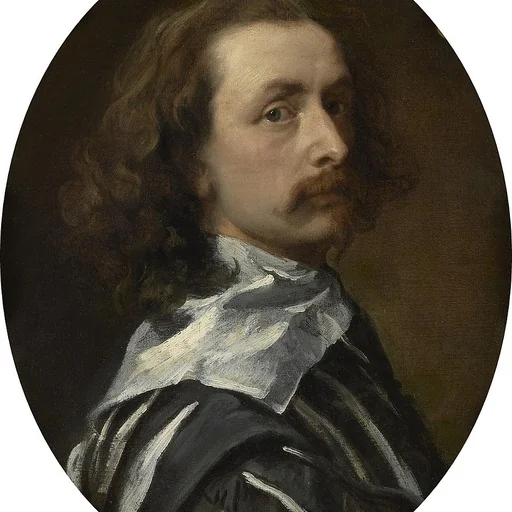
Sir Anthony van Dyck (; Dutch: Antoon van Dijck ; 22 March 1599 – 9 December 1641) was a Flemish Baroque artist, who became the leading court painter in England after success in the Spanish Netherlands and Italy.

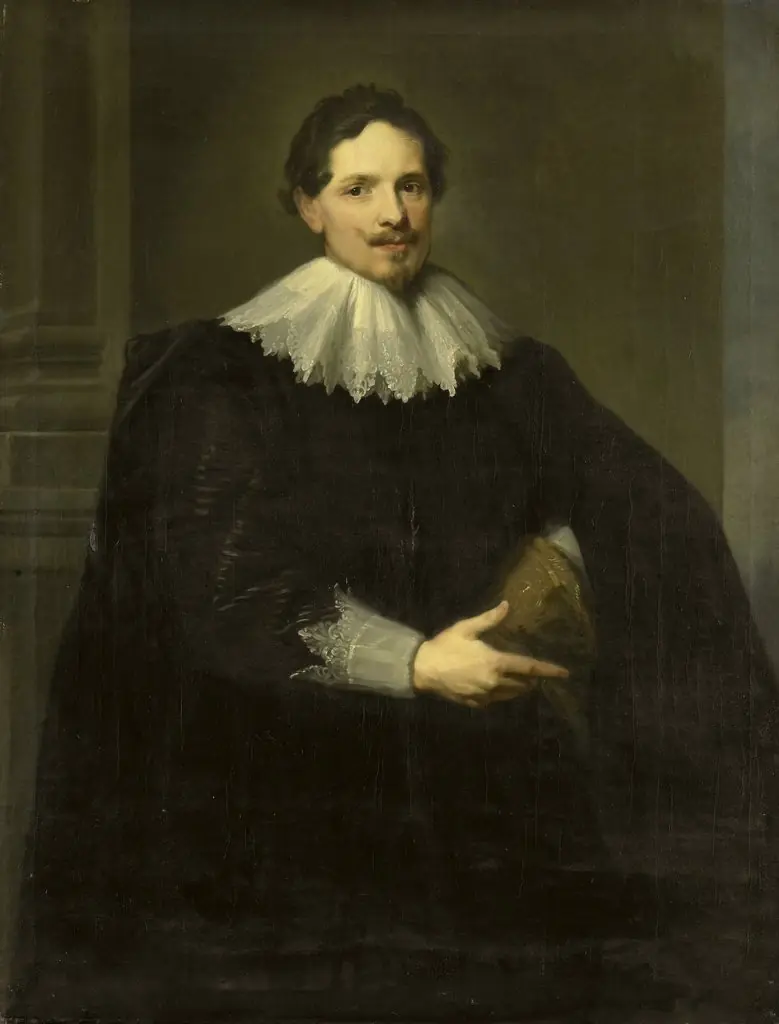 Sebastiaan Leerse, Antwerp Merchant
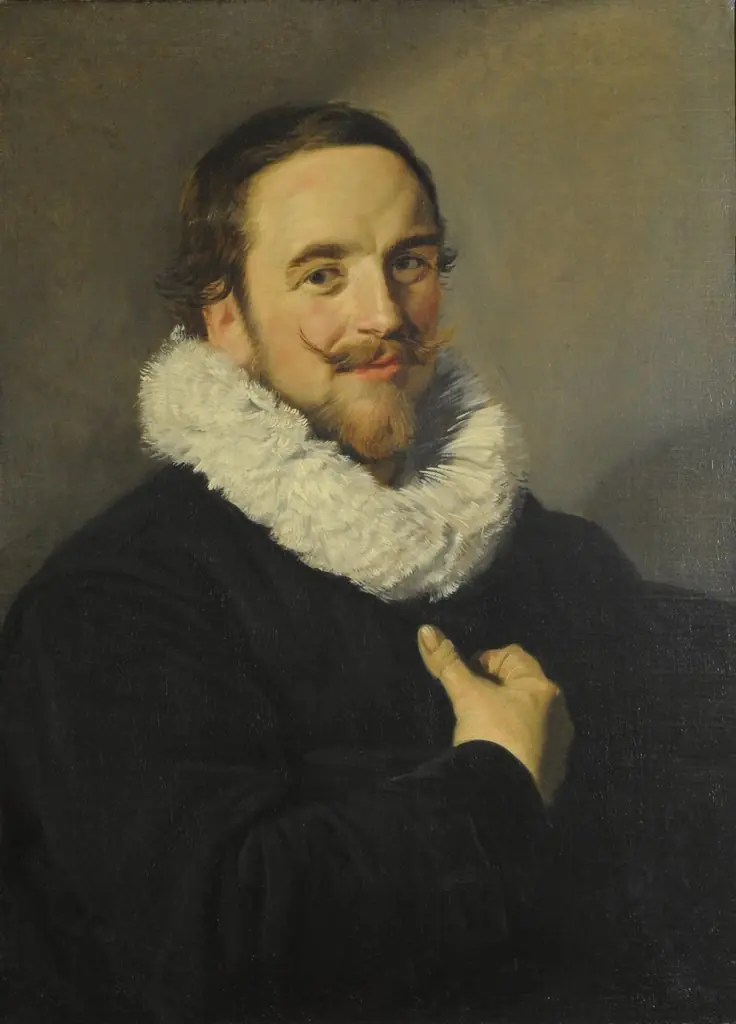 Portrait of a gentleman
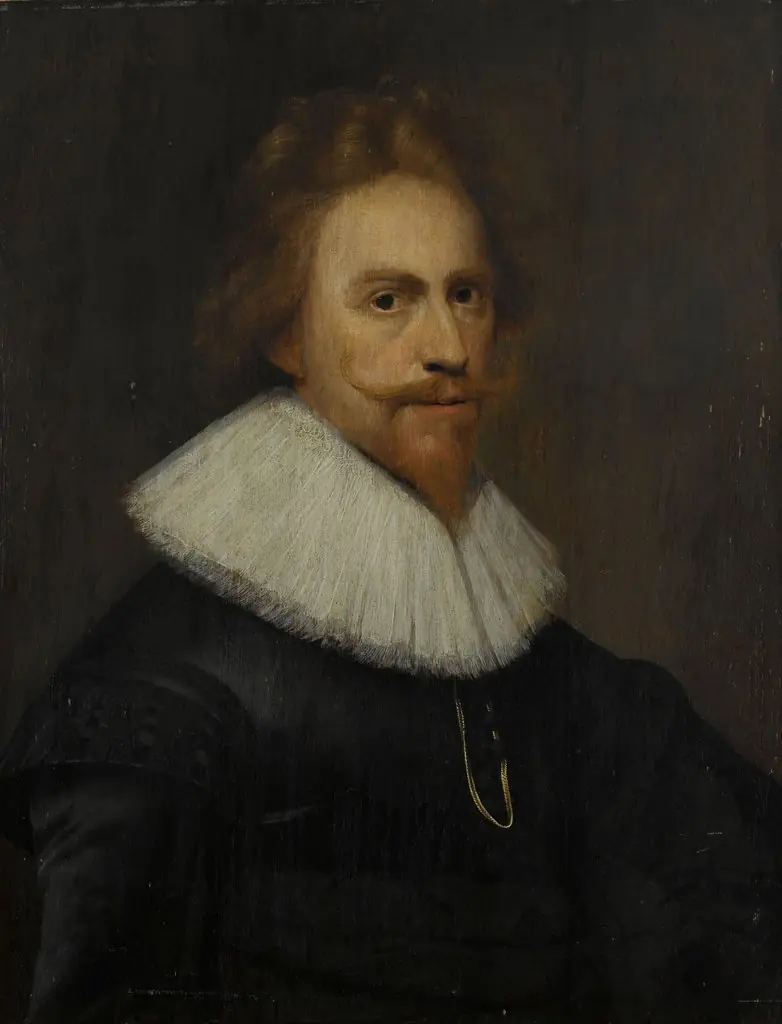 Self-portrait
 Self-Portrait
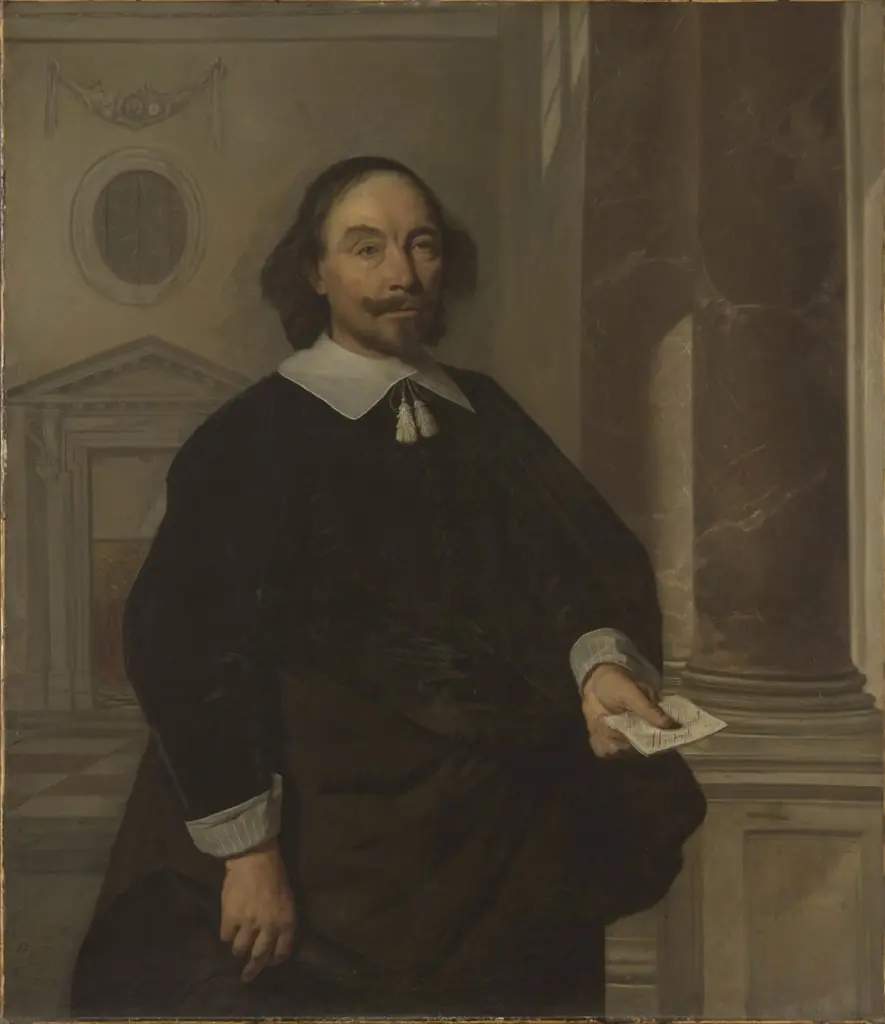 Portrait of Michiel Heusch
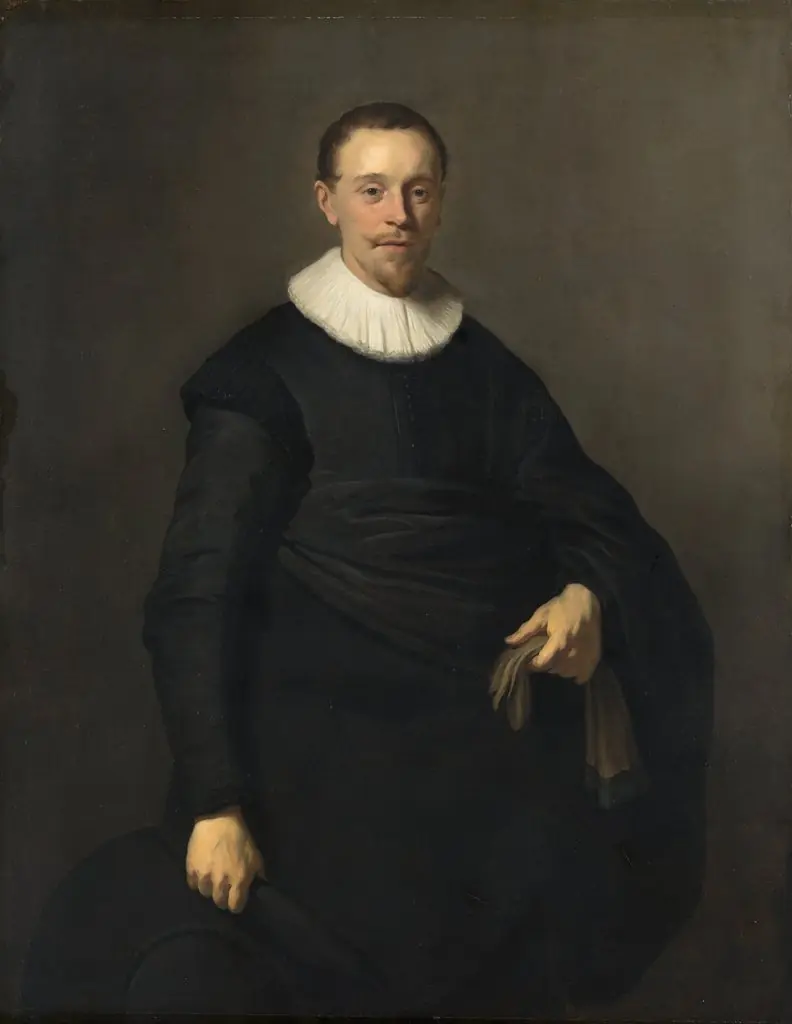 Portrait of a Man
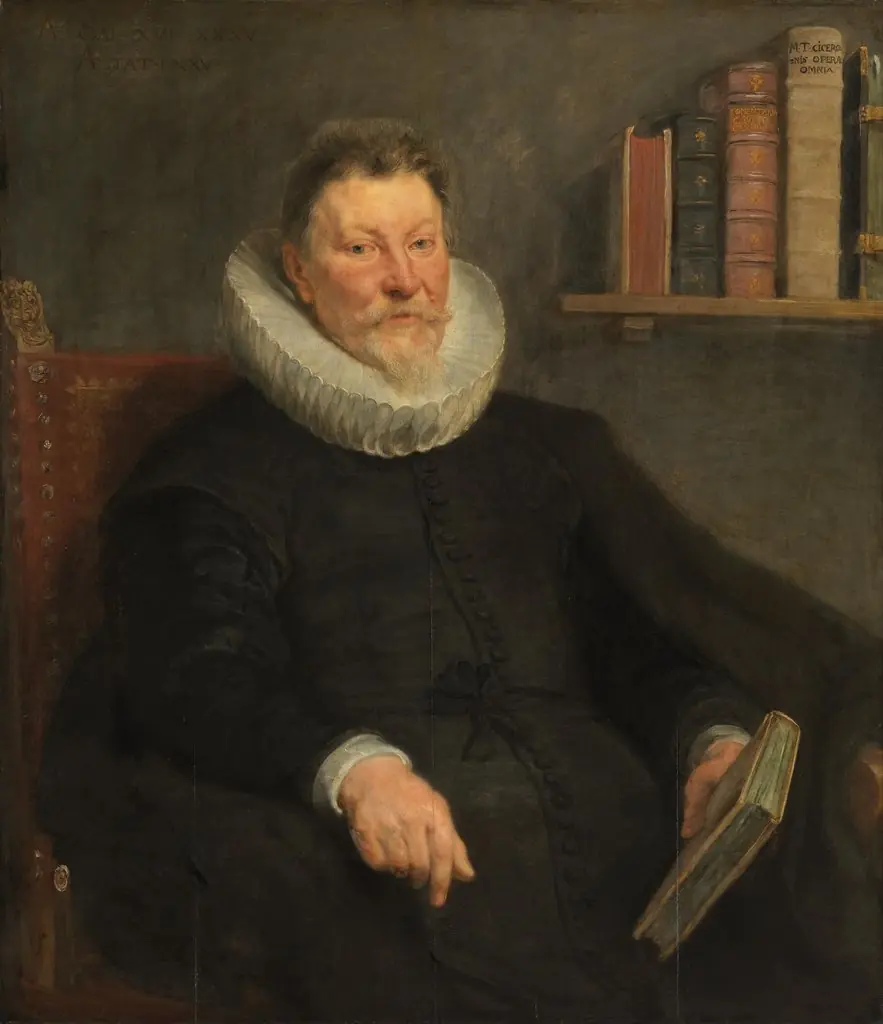 Portrait of Jan Brant
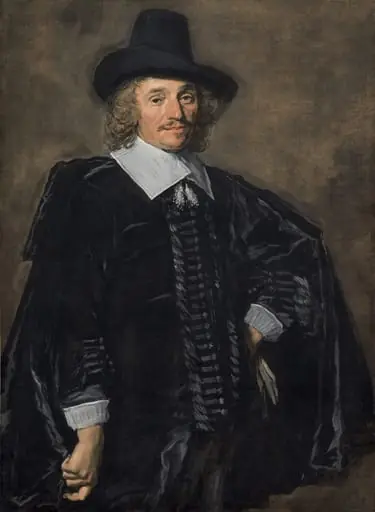 Portrait of a Gentleman
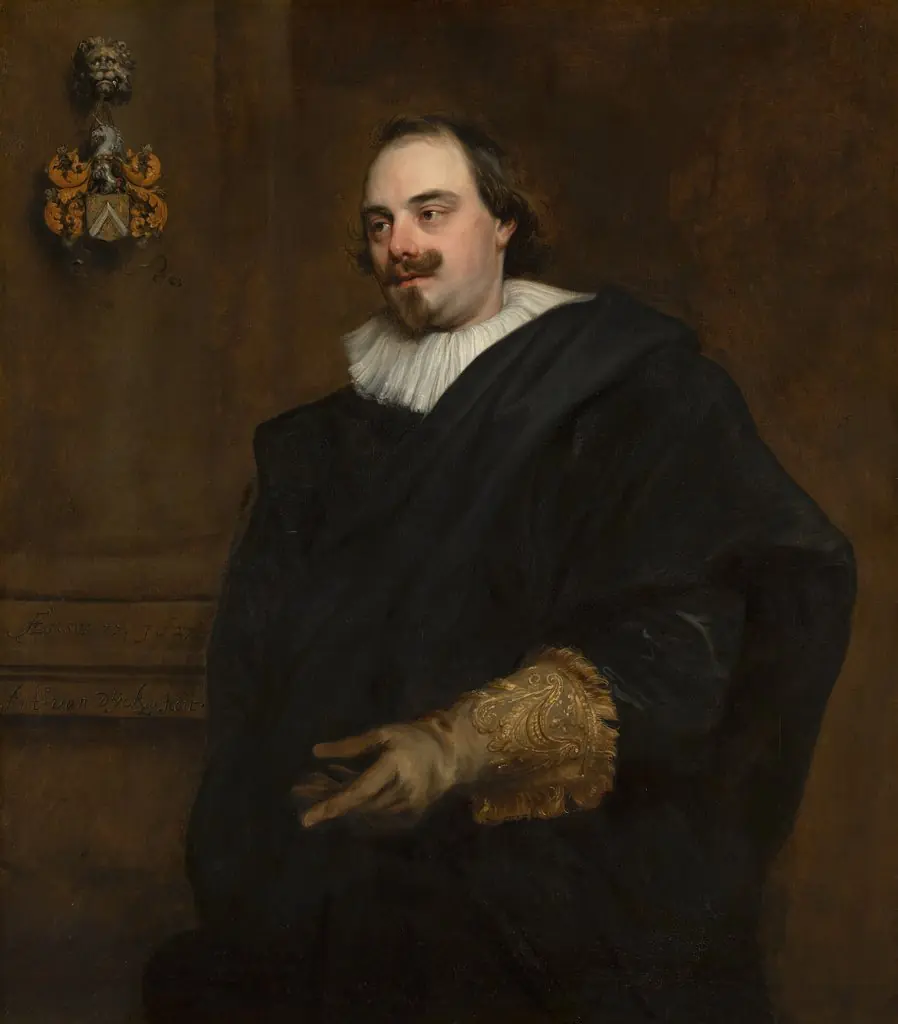 Portrait of Peeter Stevens
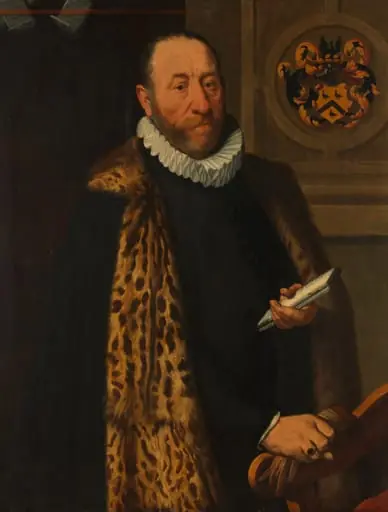 Portrait of Mattheus Augustijnsz Steyn, Councilor in the College of the Admiralty of the Northern Quarter in Dokkum
 Portrait of a man, probably Pieter Anthonisz van Bronckhorst (1588-1661)