Artwork
Self-portrait
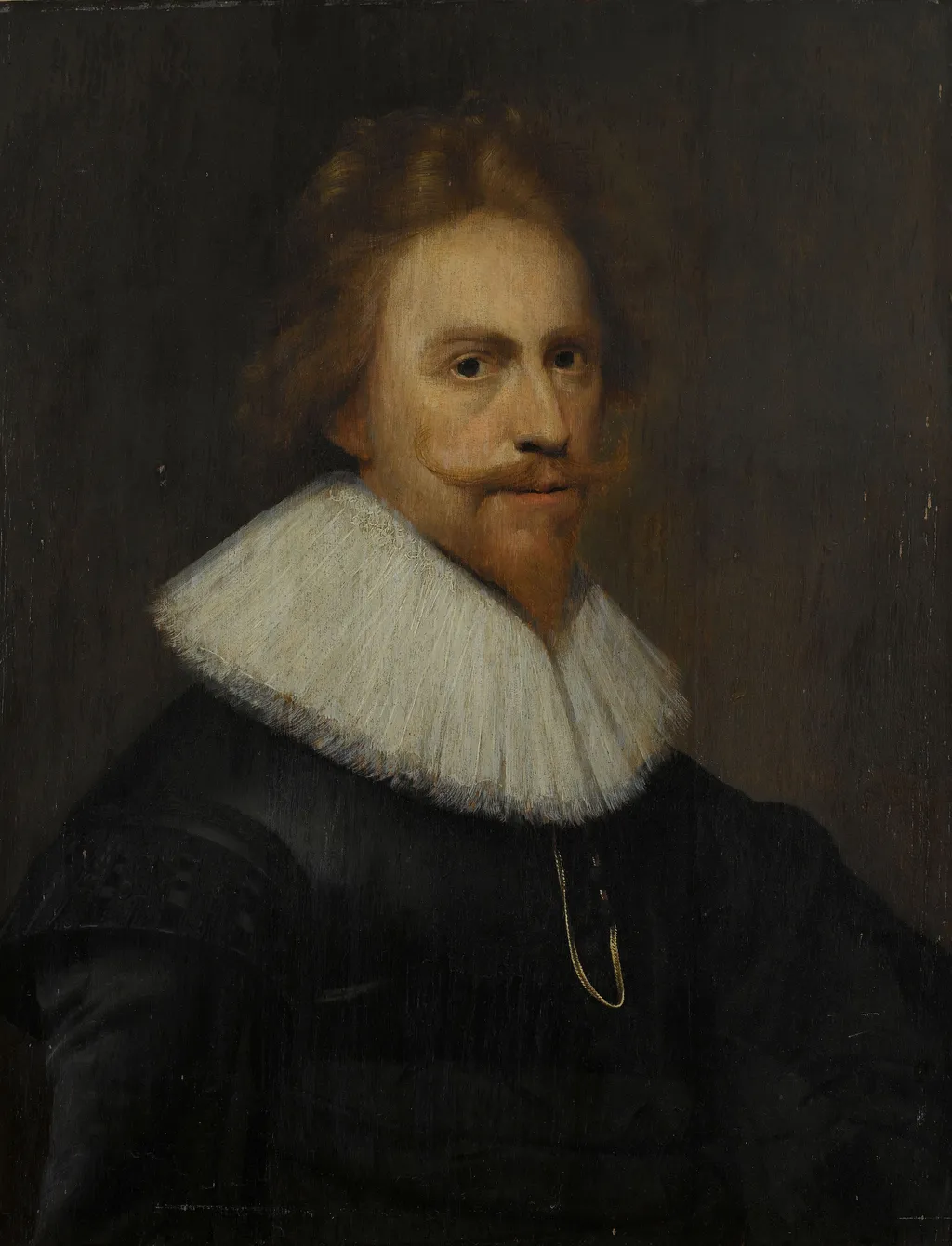
Self-portrait is an oil painting by the Dutch Golden Age artist Wybrand de Geest. It dates from 1629 and is held in the collection of the Rijksmuseum.
About this work
Overview
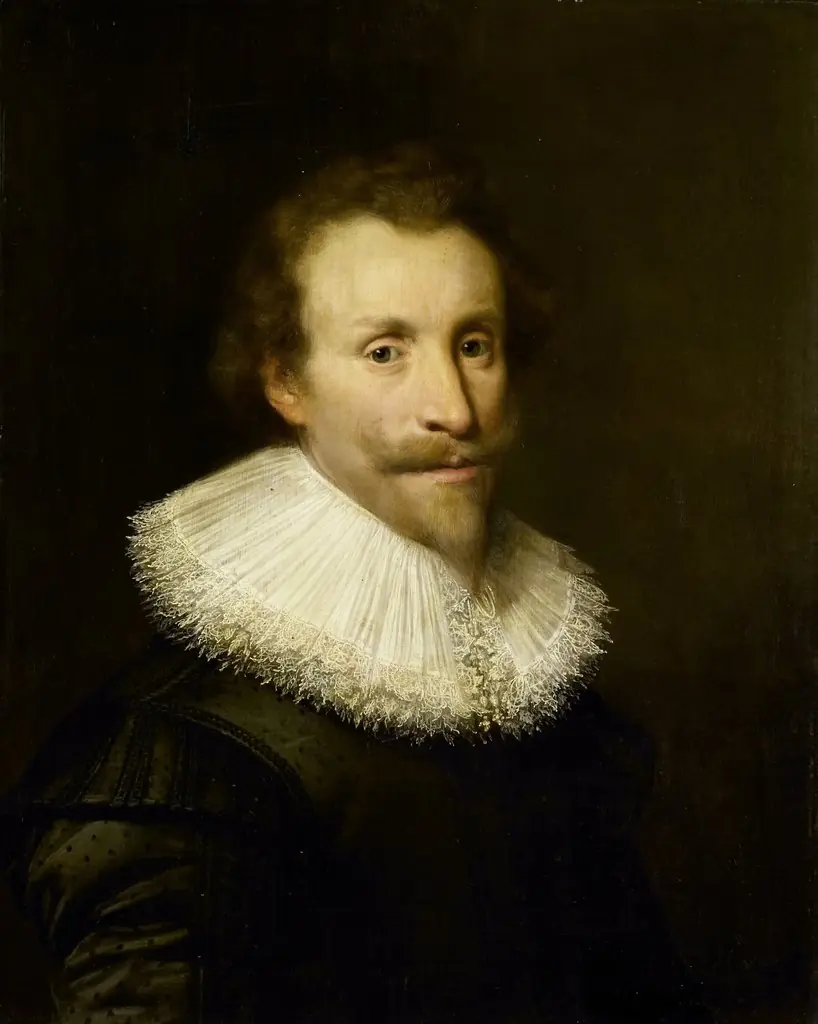
Created in 1629, this oil on canvas is a self-representation by Dutch painter Wybrand de Geest. The work measures the artist’s own likeness, presenting him against an unadorned dark backdrop that concentrates attention on his facial features and attire.
Subject & Meaning
The portrait shows de Geest with reddish, tightly curled hair, a trimmed mustache and beard, and a dark coat framing a white ruff collar folded in soft pleats. The direct gaze and composed demeanor suggest a deliberate assertion of professional identity and personal presence.
Technique & Style
De Geest employs a chiaroscuro approach, using a focused light source to illuminate the cheekbones and jaw while deeper shadows recede behind. This contrast enhances the three‑dimensionality of the face and highlights the texture of the fabrics, reflecting the early‑17th‑century Dutch emphasis on realism and subtle modeling.
History & Provenance
Since its creation, the painting has remained within Dutch collections, eventually entering the Rijksmuseum’s holdings. The museum’s acquisition records indicate it has been on public display as part of the institution’s Dutch Golden Age portrait series.
Own this work as a print
Artist & collection


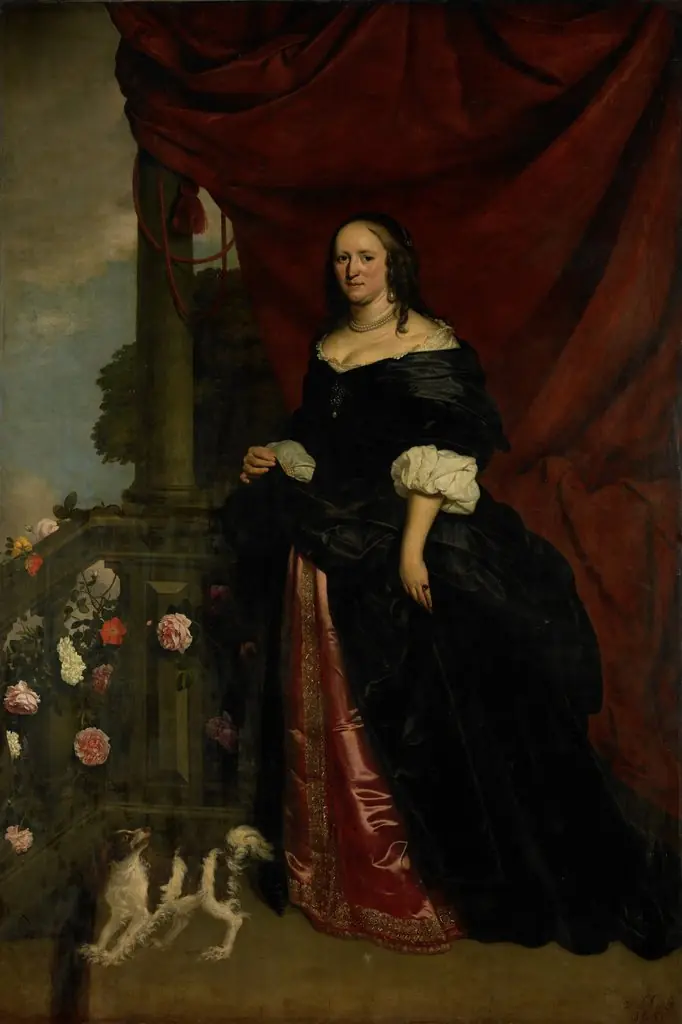 Portrait of a woman, probably Sophia Anna van Pipenpoy (c. 1618-70), Countess of Schellart
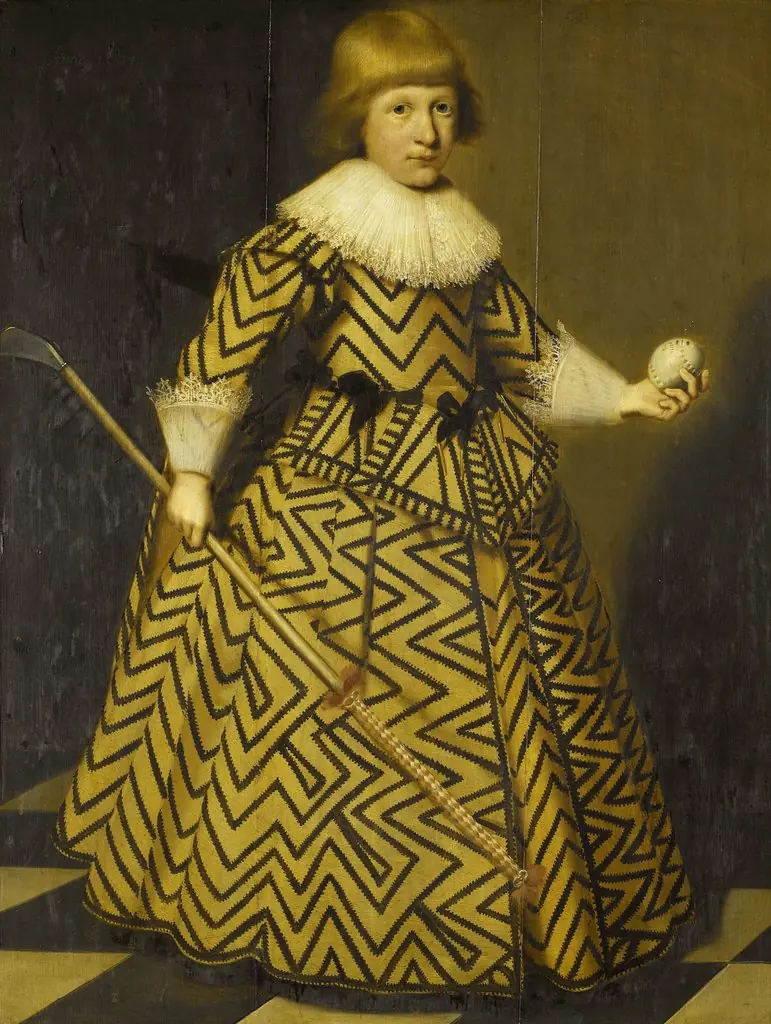 Portrait of a boy with a kolf club
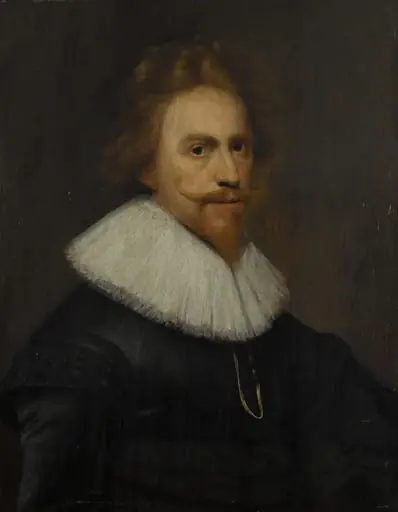 Self-Portrait
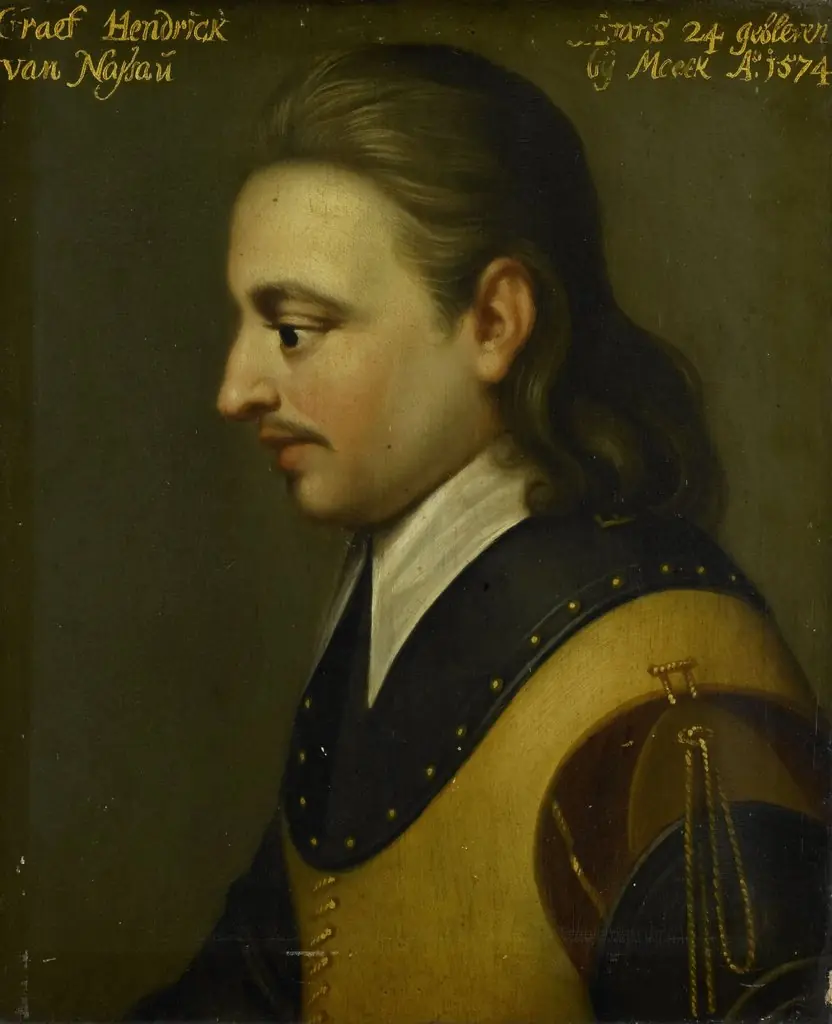 Portrait of Hendrik (1550-74), Count of Nassau
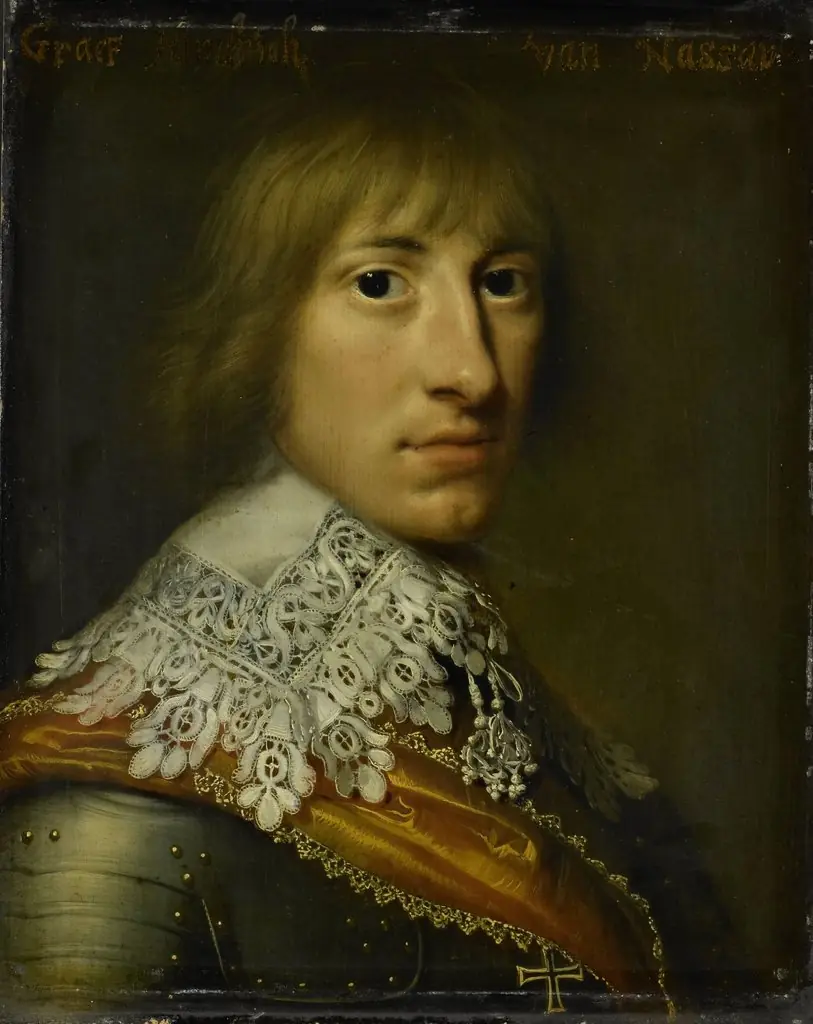 Portrait of Hendrik Casimir I (1612-40), Count of Nassau-Dietz
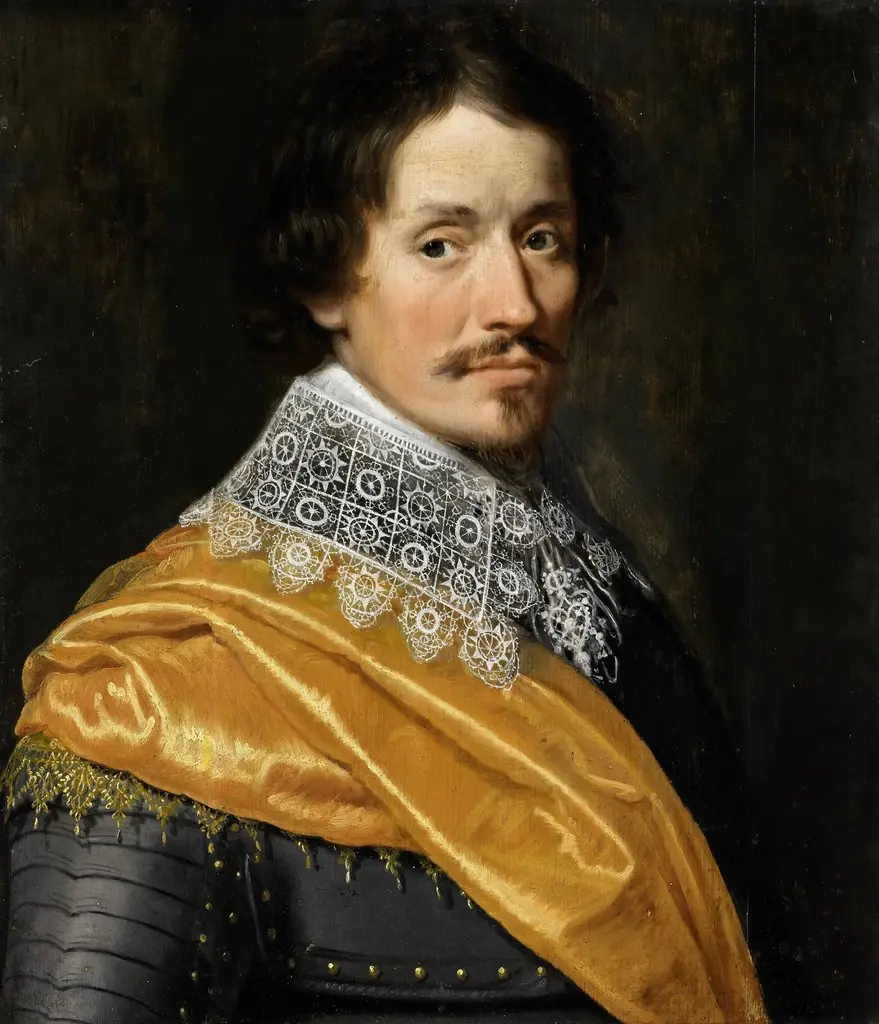 Portrait of an officer
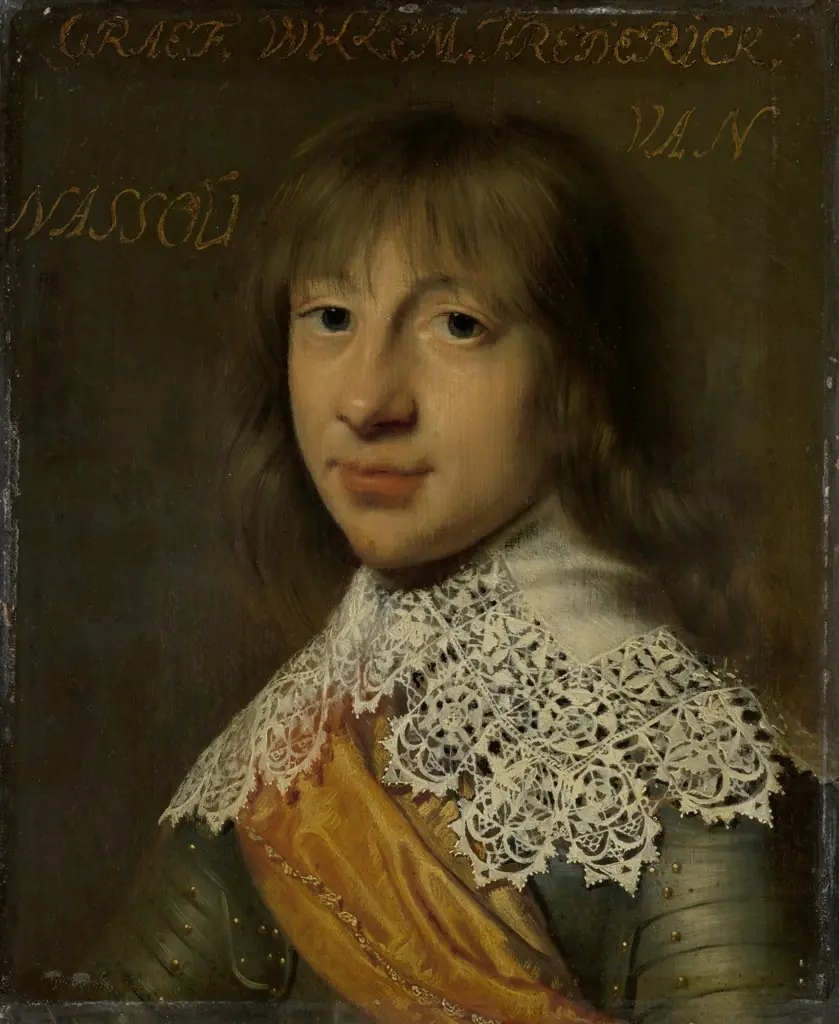 Portrait of Willem Frederik (1613-64), Count of Nassau-Dietz
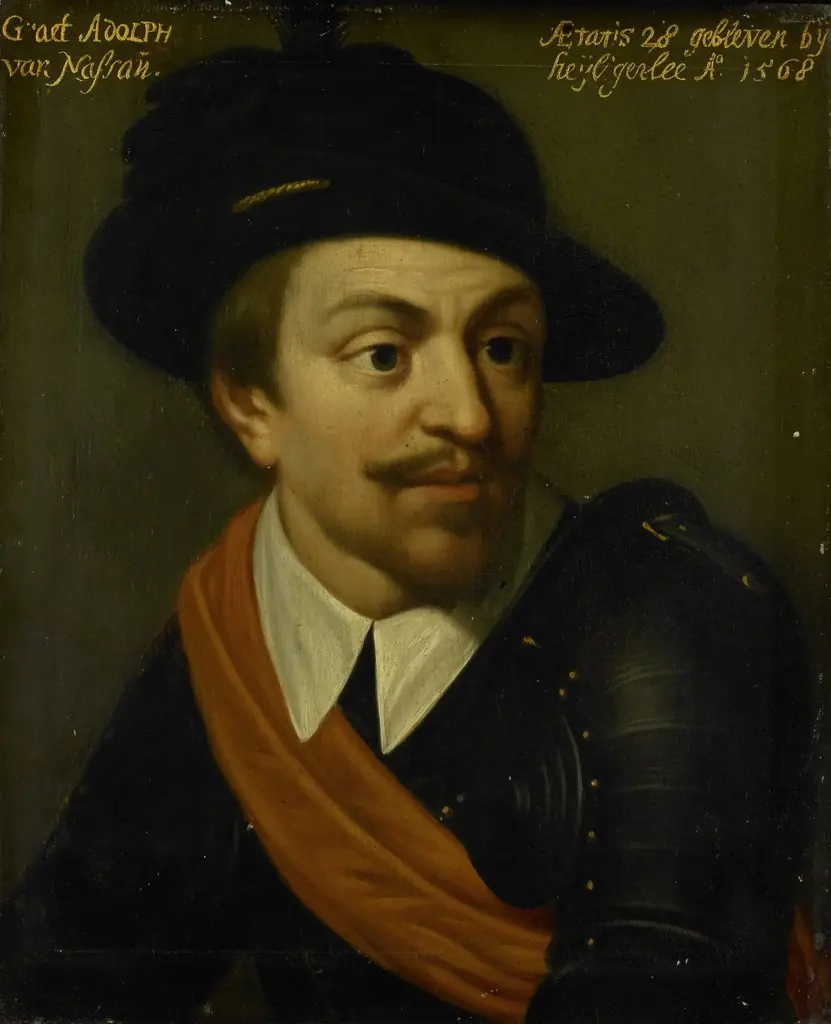 Portrait of Adolf (1540-68), Count of Nassau