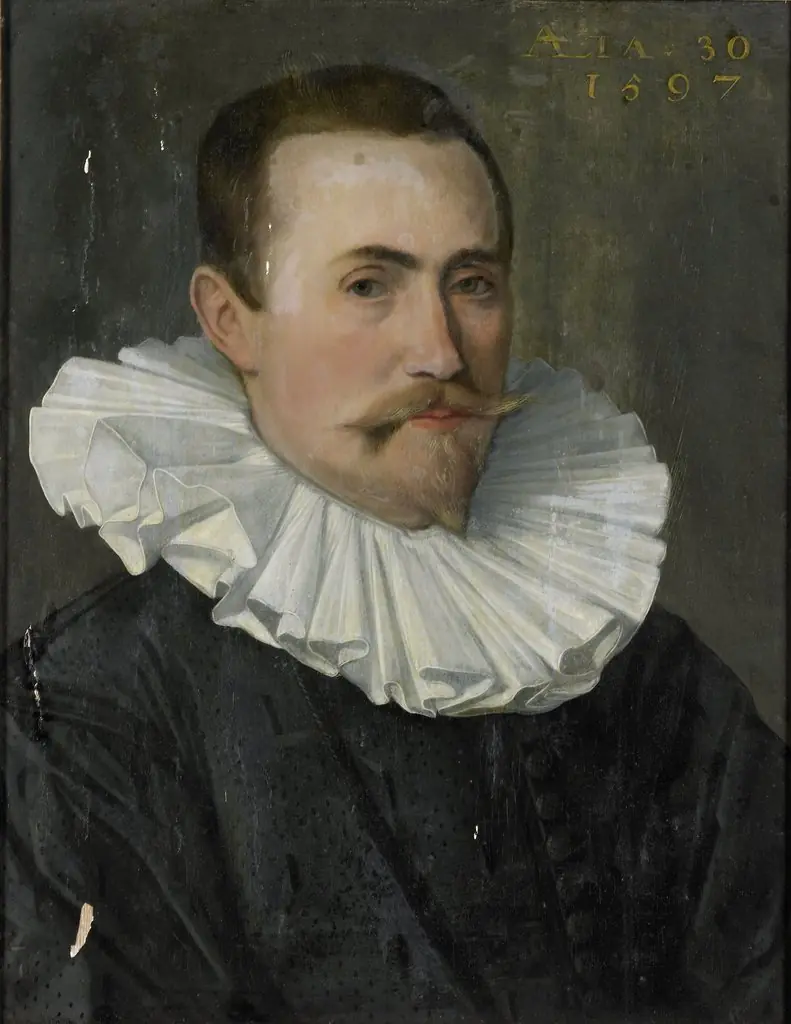
Artwork
Self-Portrait
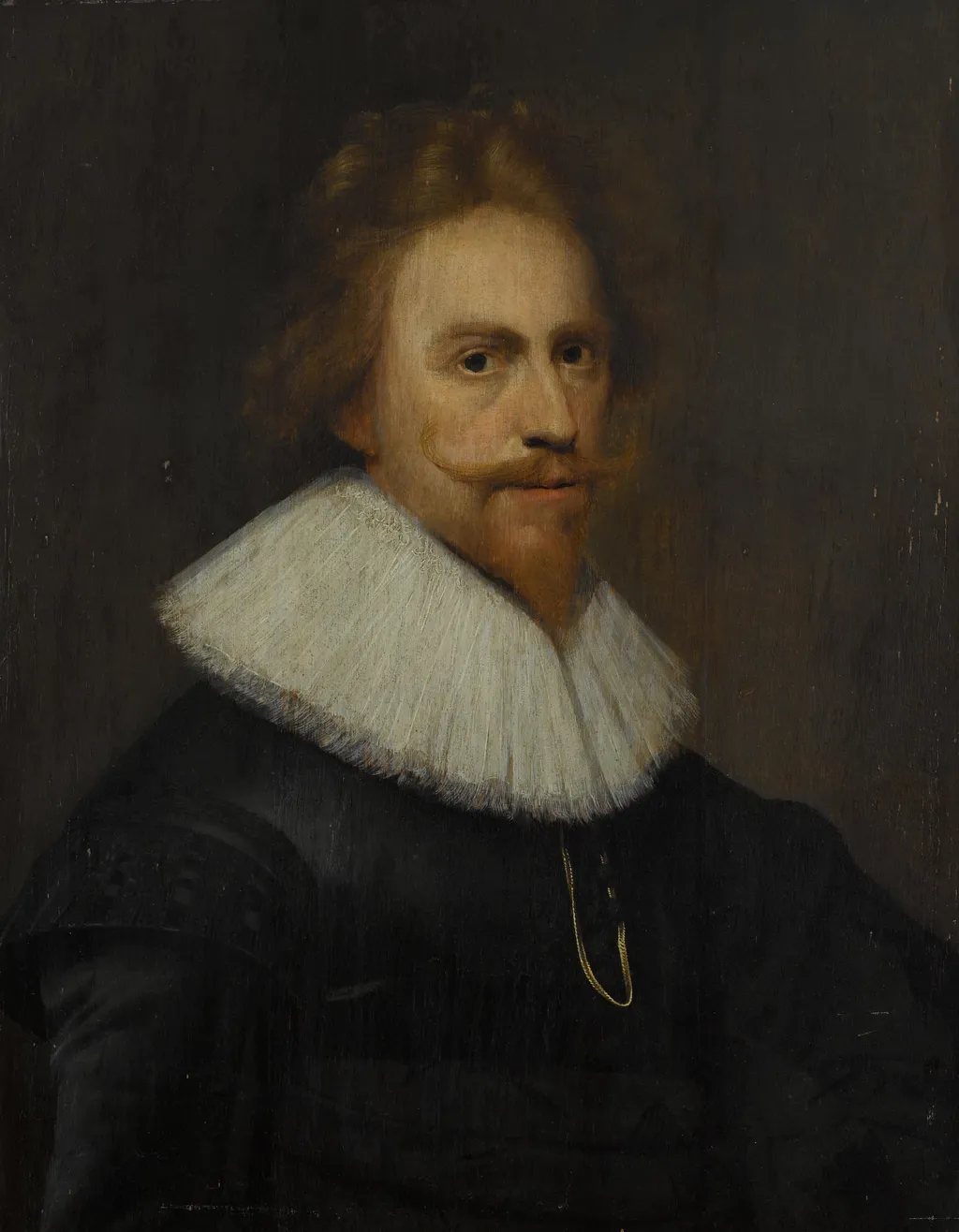
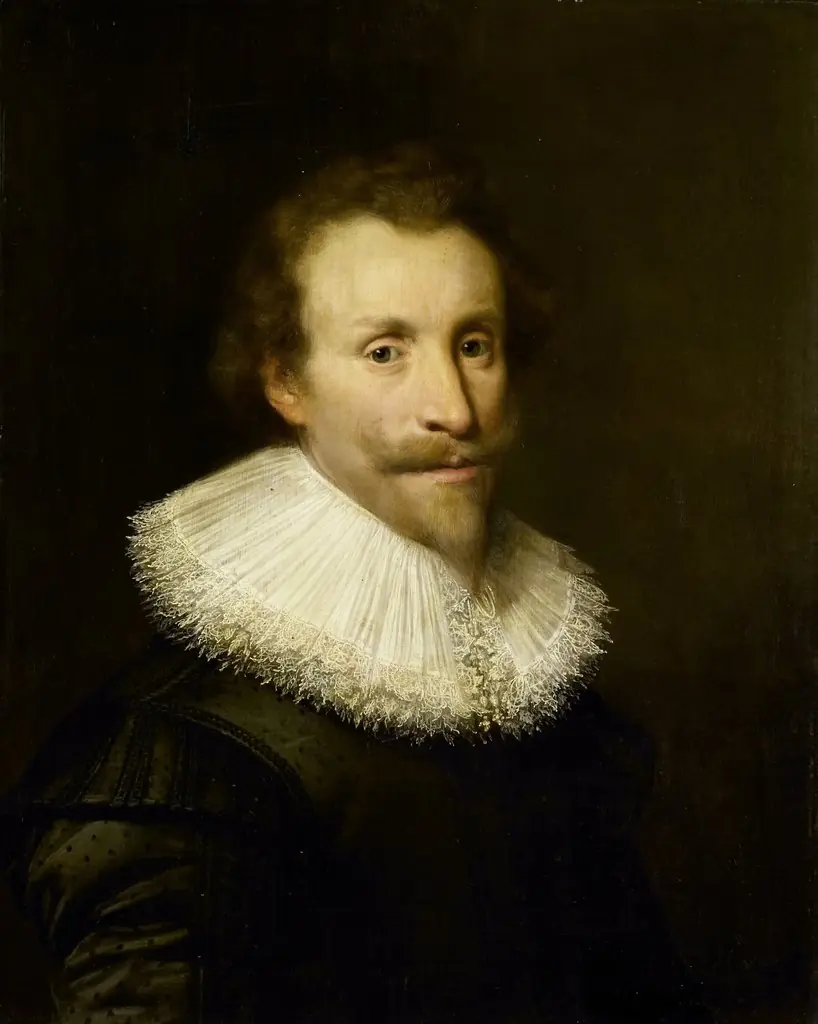
Self-Portrait is an unspecified painting by the Baroque artist Wybrand de Geest. It dates from 1629 and is held in the collection of the Rijksmuseum. The work is a portrait of a young man rendered in oil, showing a bust turned toward the right.
About this work
Overview
The work is a portrait of a young man rendered in oil, showing a bust turned toward the right. He wears a gold chain around his neck, and his collar is left open, exposing the neckline. The composition places the sitter’s gaze directly at the viewer, with half of his face illuminated and the other half in shadow.
Subject & Meaning
The sitter’s identity remains unknown; the portrait may have functioned as a personal or studio piece. The gold chain, a common prop in artists’ studios, could signal status or serve as a decorative element within the composition.
Technique & Style
The painting exhibits loose, expressive brushwork that captures the texture of skin and fabric. A pronounced chiaroscuro effect models the face, using strong contrasts of light and dark to give the portrait a sense of immediacy and three‑dimensionality.
History & Provenance
Originally attributed to the Dutch painter Wybrand de Geest, the authorship of the portrait is now considered uncertain. It is catalogued as pendant to another work (SK‑A‑1781) within the same collection, suggesting it may have been intended as a paired piece.
Context
During the 17th‑century Dutch Golden Age, portraiture often employed symbolic accessories such as gold chains to convey wealth or professional affiliation. The use of dramatic lighting aligns the work with contemporary trends influenced by Caravaggio’s chiaroscuro.
Own this work as a print
Artist & collection


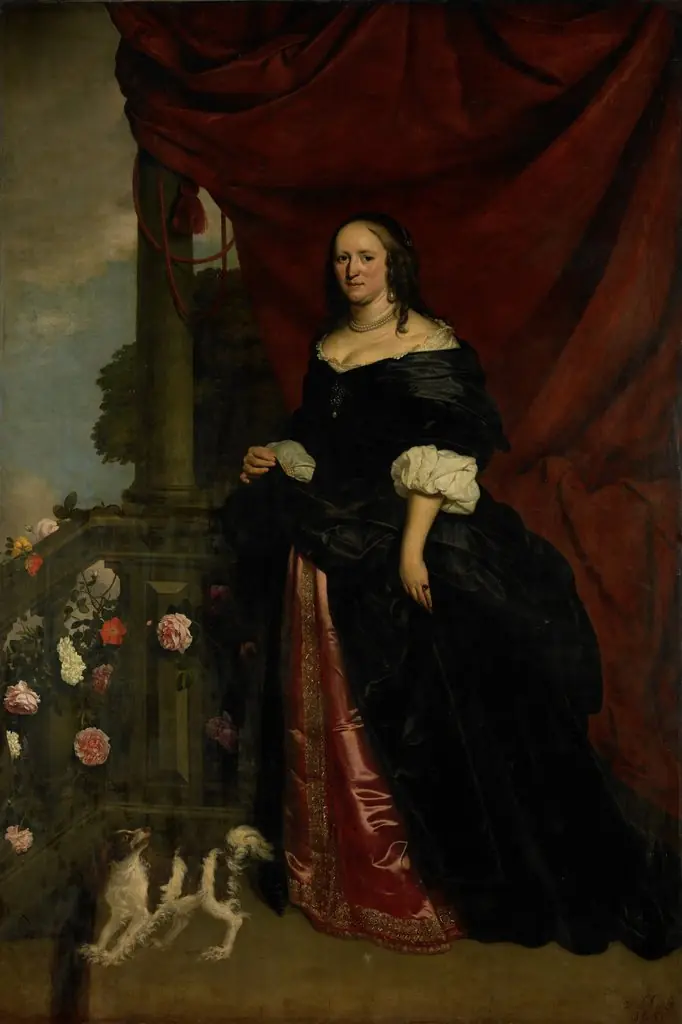 Portrait of a woman, probably Sophia Anna van Pipenpoy (c. 1618-70), Countess of Schellart
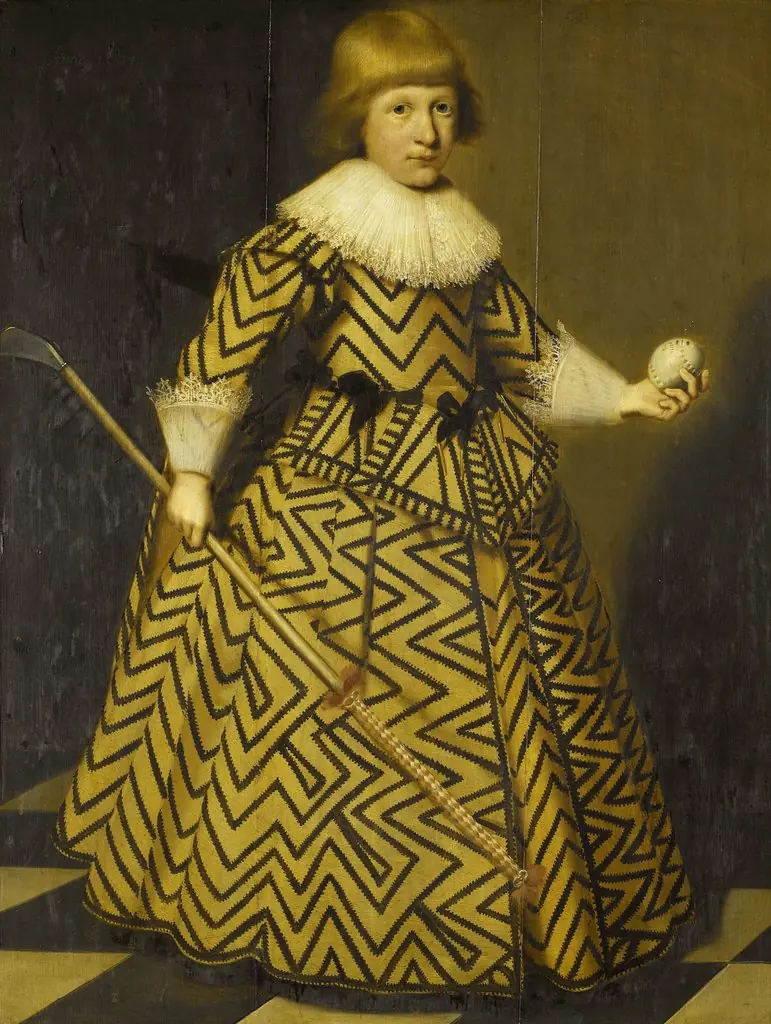 Portrait of a boy with a kolf club
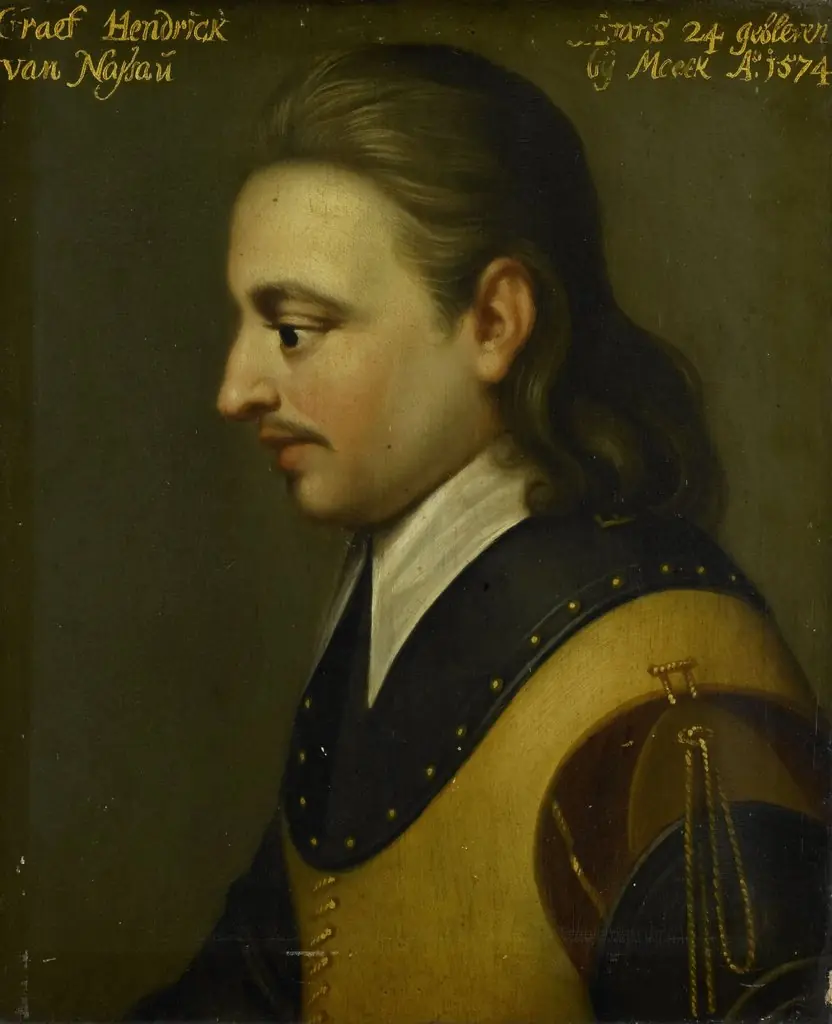 Portrait of Hendrik (1550-74), Count of Nassau
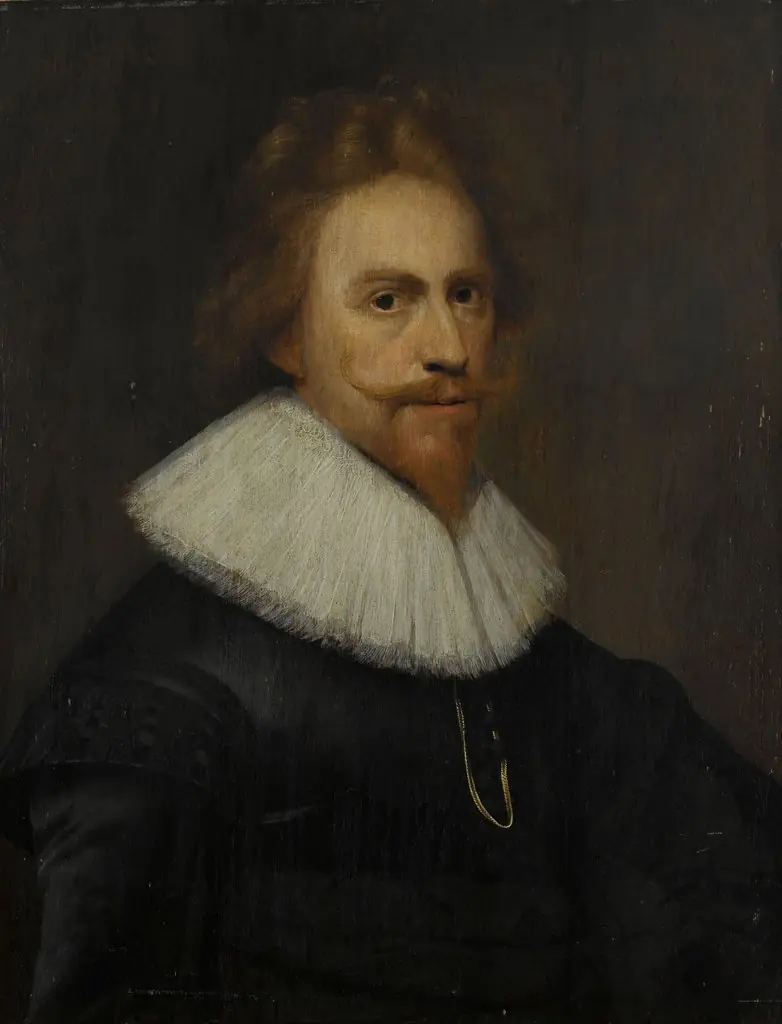 Self-portrait
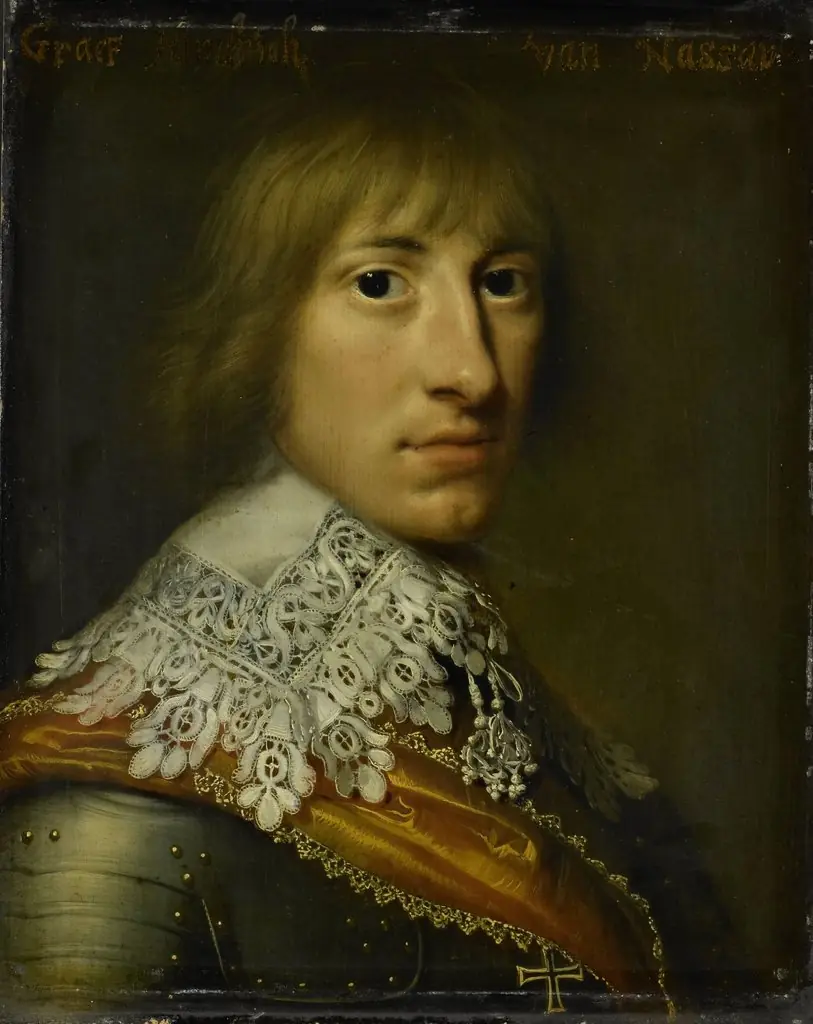 Portrait of Hendrik Casimir I (1612-40), Count of Nassau-Dietz
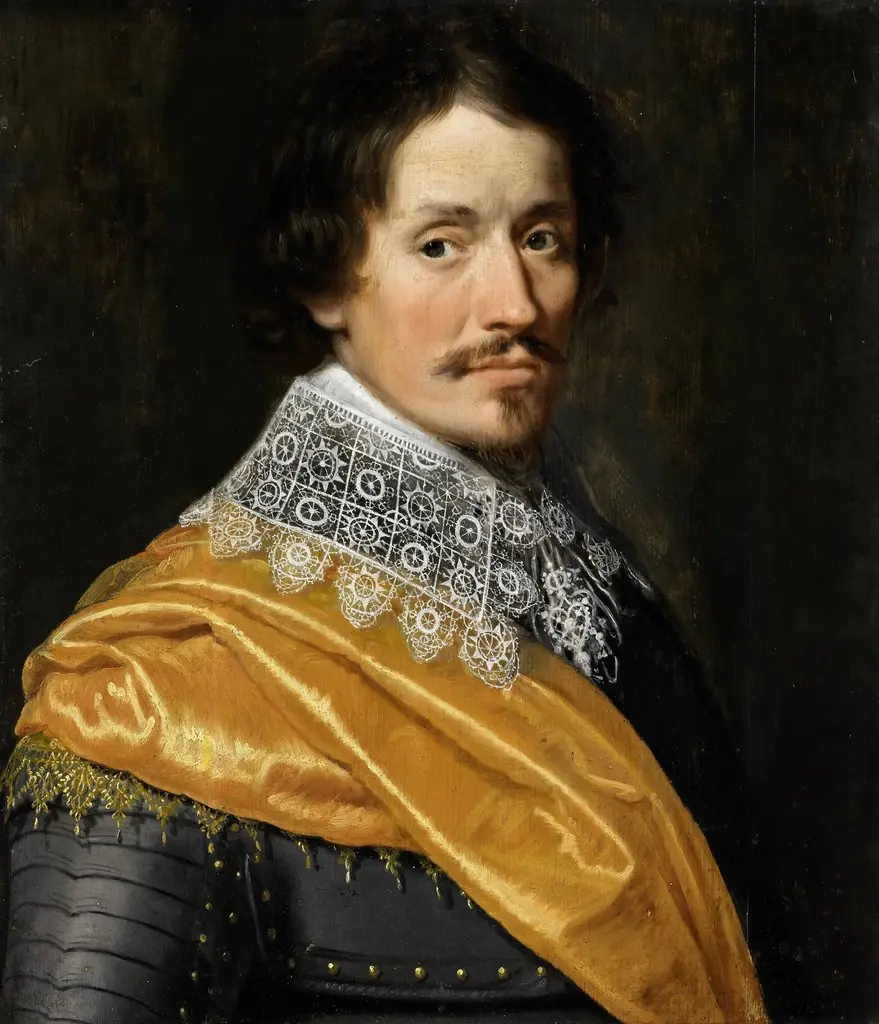 Portrait of an officer
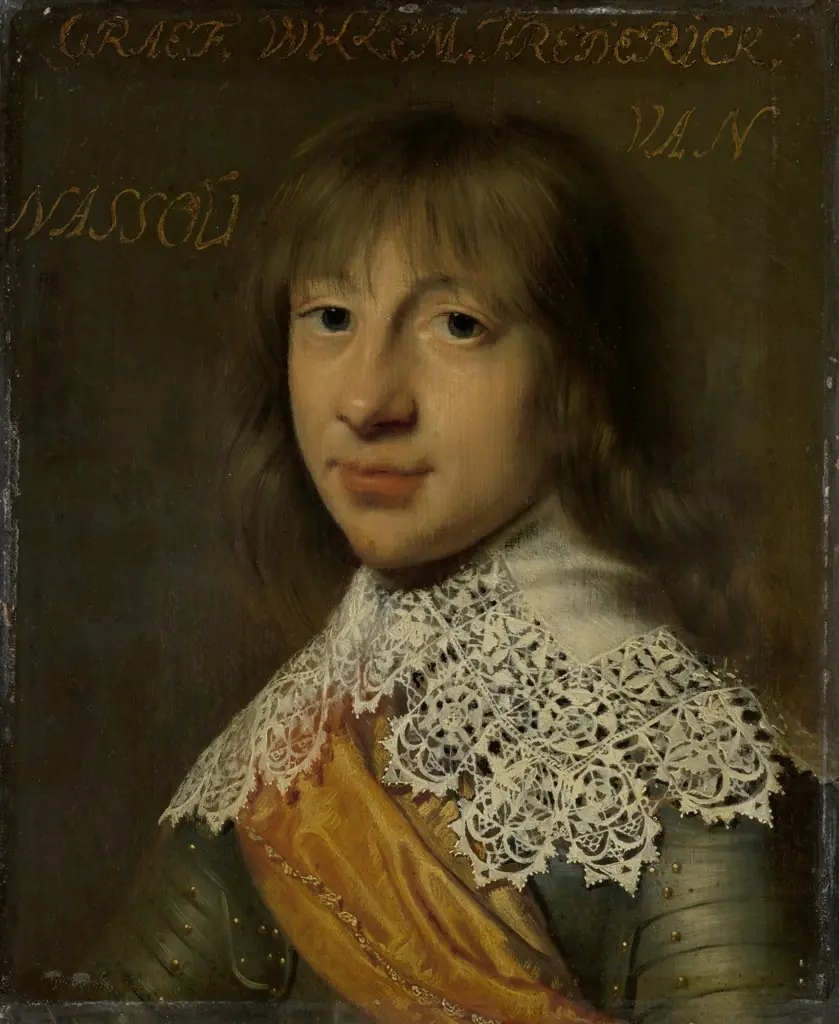 Portrait of Willem Frederik (1613-64), Count of Nassau-Dietz
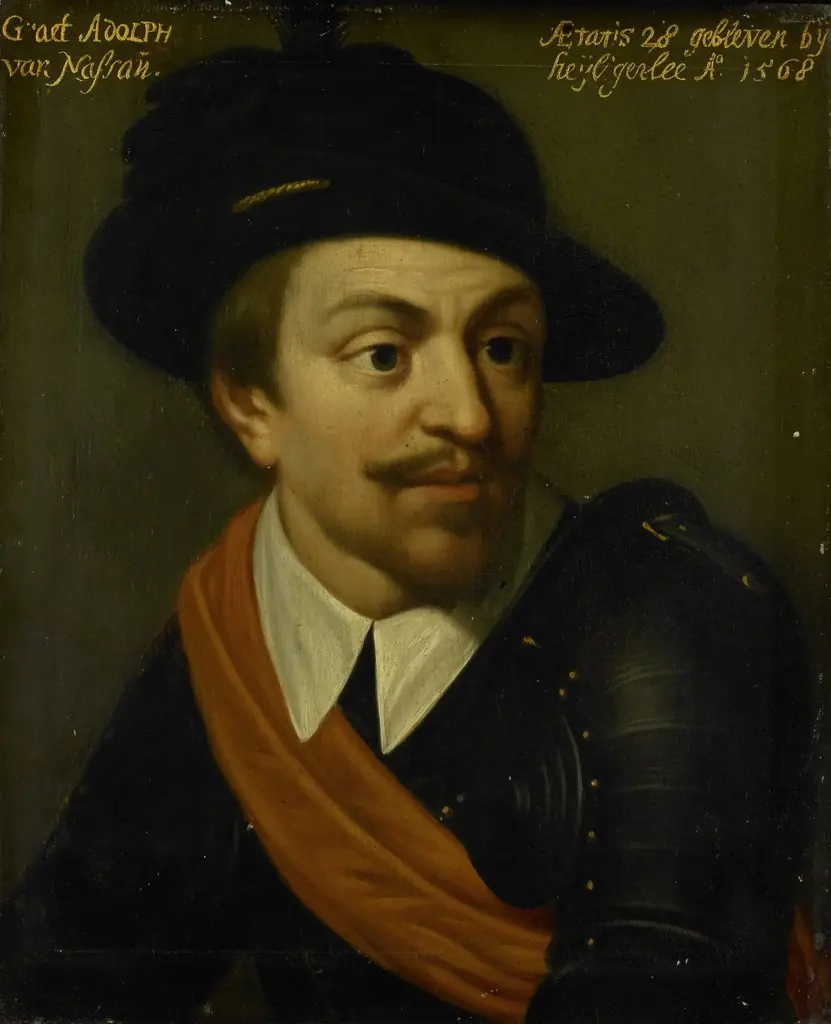 Portrait of Adolf (1540-68), Count of Nassau