Artwork
Thomas Wentworth (1593–1641), 1st Earl of Strafford, and His Secretary Sir Philip Mainwaring (1589–1661)
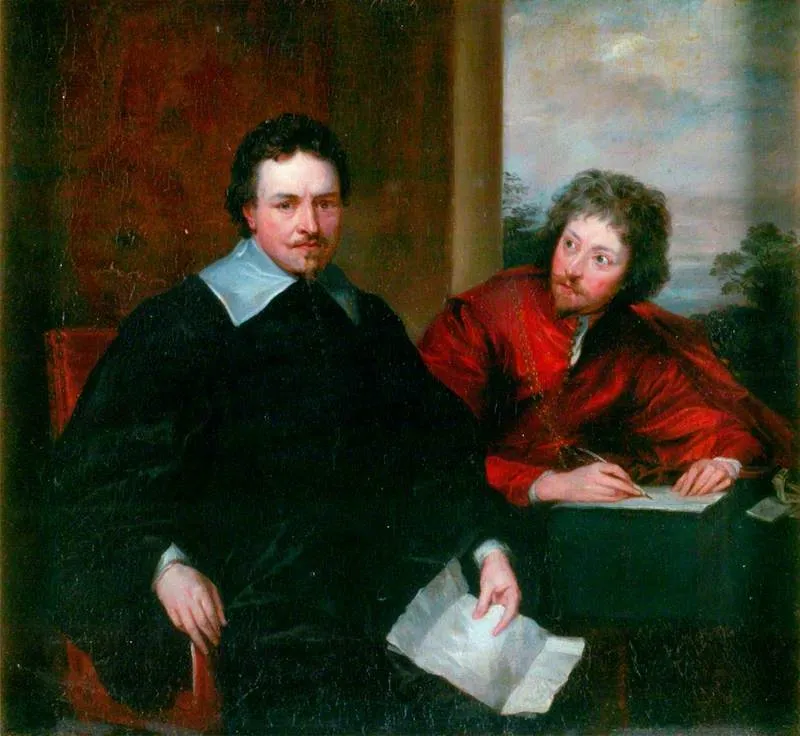
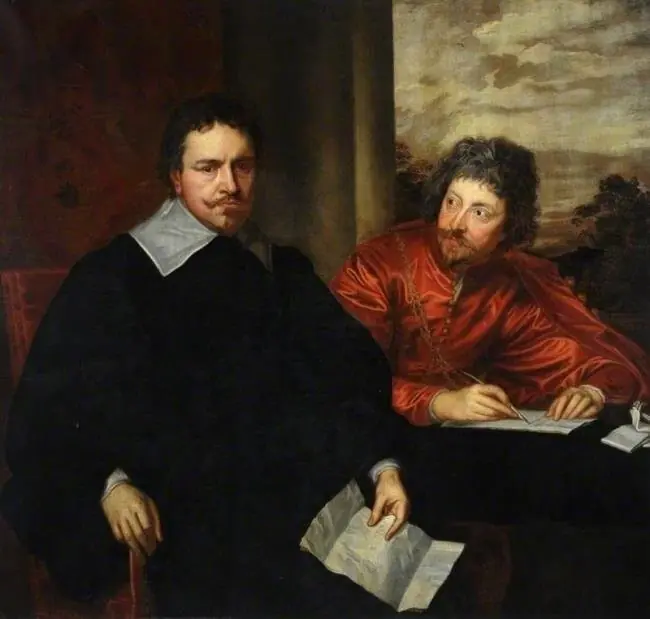
Thomas Wentworth (1593–1641), 1st Earl of Strafford, and His Secretary Sir Philip Mainwaring (1589–1661) is an oil painting by the Flemish Baroque painting artist Anthony van Dyck. It dates from 1630 and is held in the collection of the Victoria and Albert Museum.
About this work
Overview
Painted around 1630 by Anthony van Dyck, this double portrait captures Thomas Wentworth, 1st Earl of Strafford, and his secretary Sir Philip Mainwaring.
Painted around 1630 by Anthony van Dyck, this double portrait captures Thomas Wentworth, 1st Earl of Strafford, and his secretary Sir Philip Mainwaring. Van Dyck, then established as a leading portraitist in the English court, rendered the pair with quiet authority. The work reflects his mature style, blending aristocratic dignity with intimate observation. It is now part of the Victoria and Albert Museum’s collection.
Subject & Meaning
The portrait presents two key figures of Charles I’s administration: Wentworth, a powerful political leader, and Mainwaring, his trusted aide. Their positioning suggests hierarchy and collaboration—Wentworth seated with composed stillness, Mainwaring engaged in writing. The scene conveys the quiet labor of governance, emphasizing intellectual partnership over ceremonial display, aligning with the administrative culture of the early Stuart court.
Technique & Style
Van Dyck employed subtle chiaroscuro to model the figures against a warm, muted background, enhancing depth without dramatic contrast. His brushwork is precise yet fluid, particularly in the rendering of fabric textures—dark wool and crimson silk—conveying material richness. The soft focus of the distant landscape behind them draws attention to the men’s expressions and gestures, reinforcing the portrait’s introspective tone.
History & Provenance
Commissioned during Wentworth’s rise to power, the painting likely originated in his household before entering royal or aristocratic collections. It was acquired by the Victoria and Albert Museum in the 19th century, following the dispersal of private holdings. Its survival through political upheaval—including Wentworth’s execution in 1641—underscores its value as a document of pre-Civil War elite culture.
Context
Created during a period of intensifying tension between Crown and Parliament, the portrait reflects the administrative elite’s self-image: composed, literate, and duty-bound. Van Dyck’s presence at court elevated portraiture as a tool of political representation. This work aligns with other commissions from the era that sought to project stability and refinement amid growing unrest in England.
Legacy
The painting remains a key example of van Dyck’s influence on English portraiture, setting a standard for aristocratic representation that endured for decades. Its restrained composition and psychological nuance contrast with later, more flamboyant styles, offering insight into the visual language of power before the Civil War transformed England’s social order.
Artist & collection
Artist
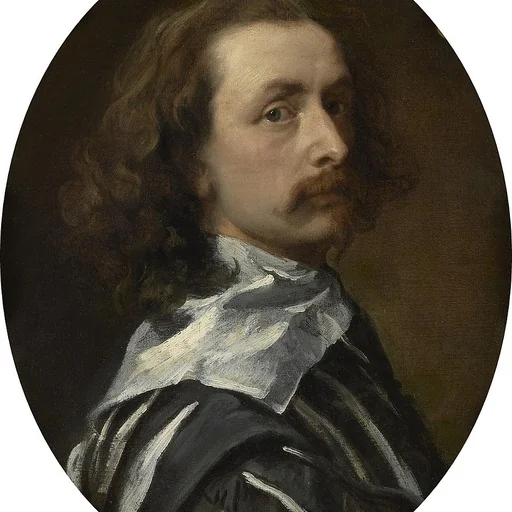
Sir Anthony van Dyck (; Dutch: Antoon van Dijck ; 22 March 1599 – 9 December 1641) was a Flemish Baroque artist, who became the leading court painter in England after success in the Spanish Netherlands and Italy.

 Untitled
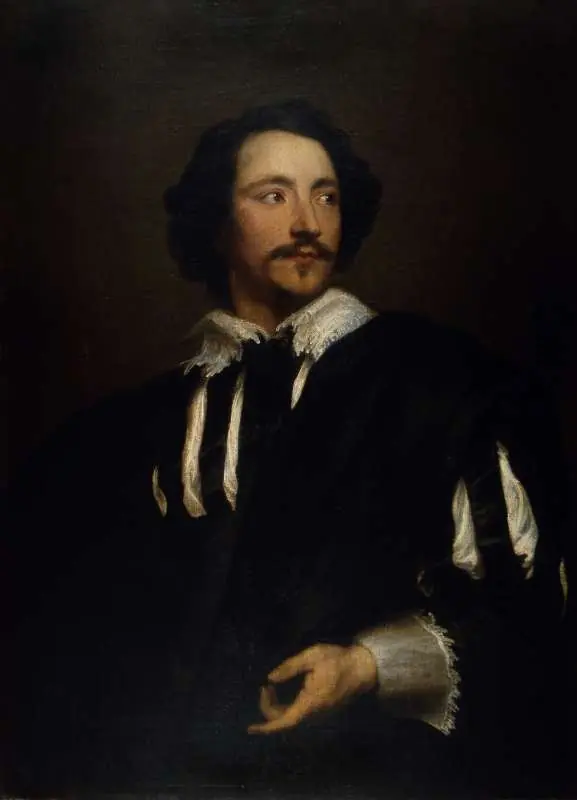 Portrait of Paulus Pontius (1603-1685)
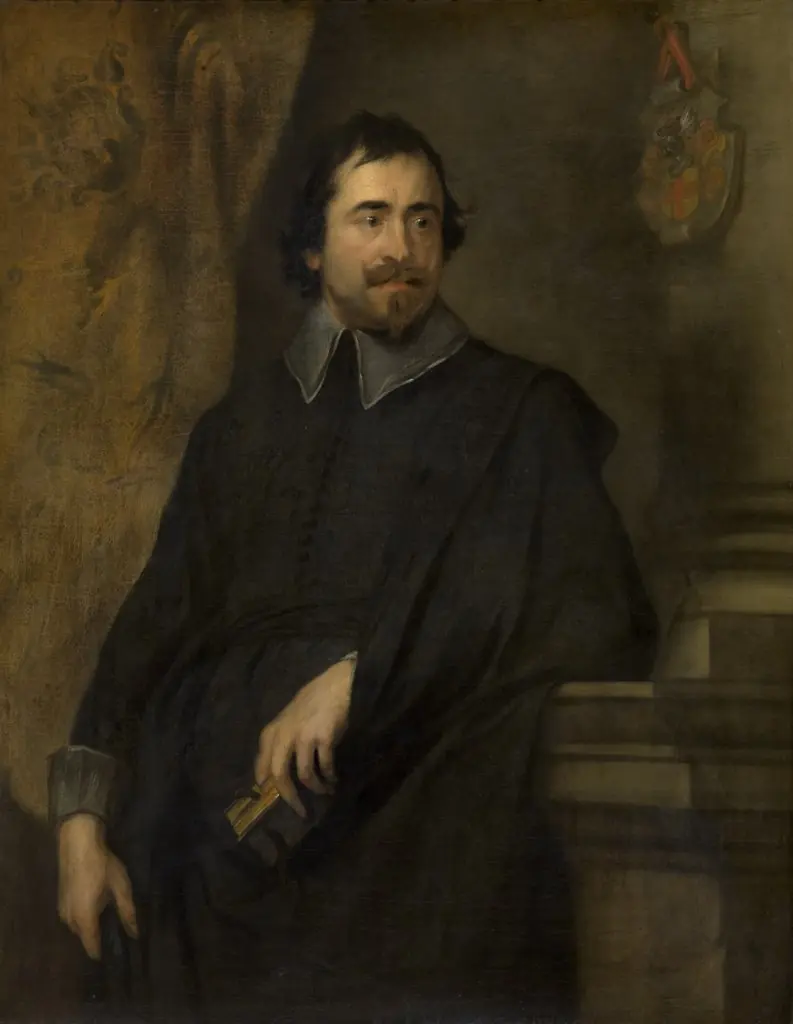 Portrait of a Cleric
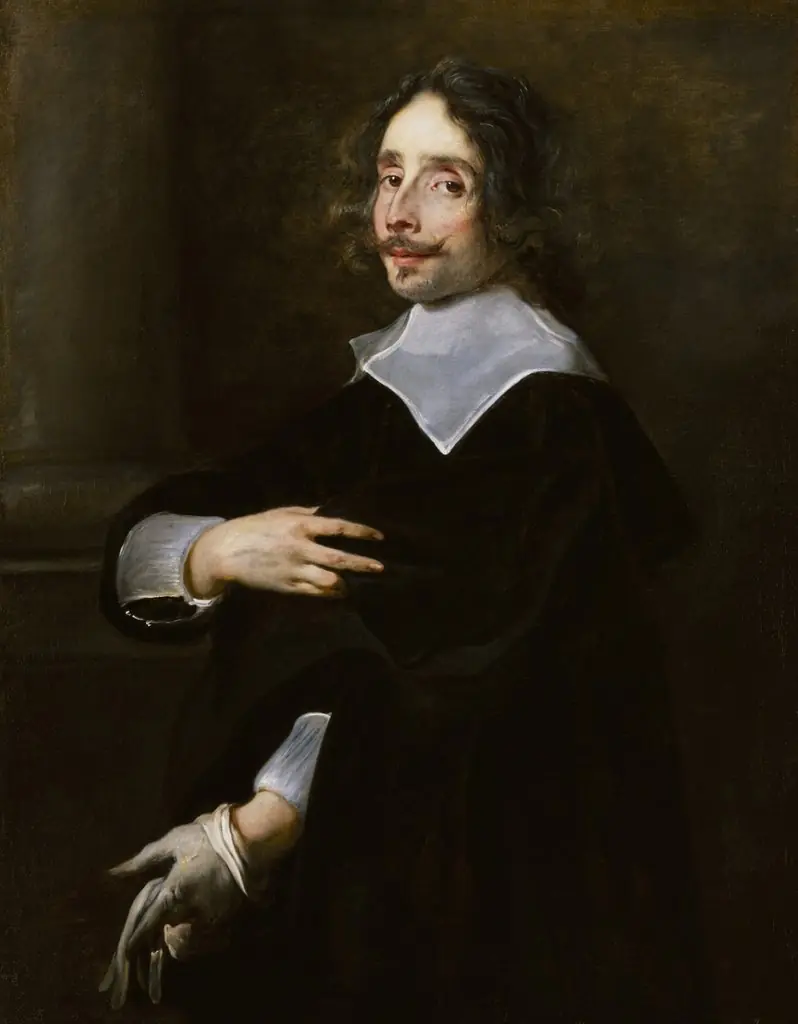 Young Man
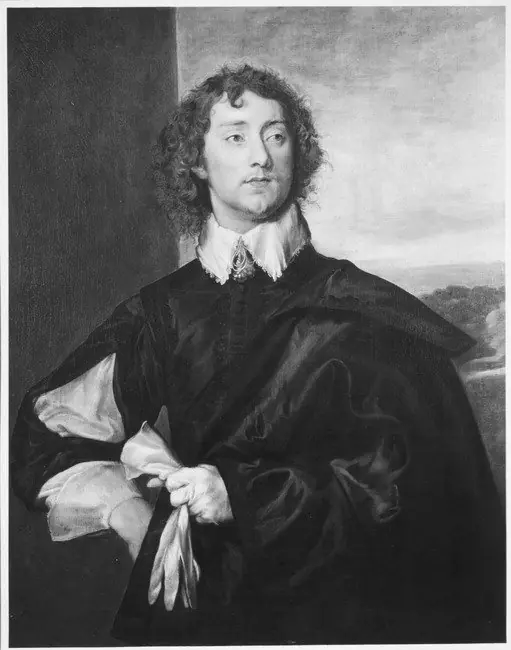 Portrait of Sir Thomas Hanmer
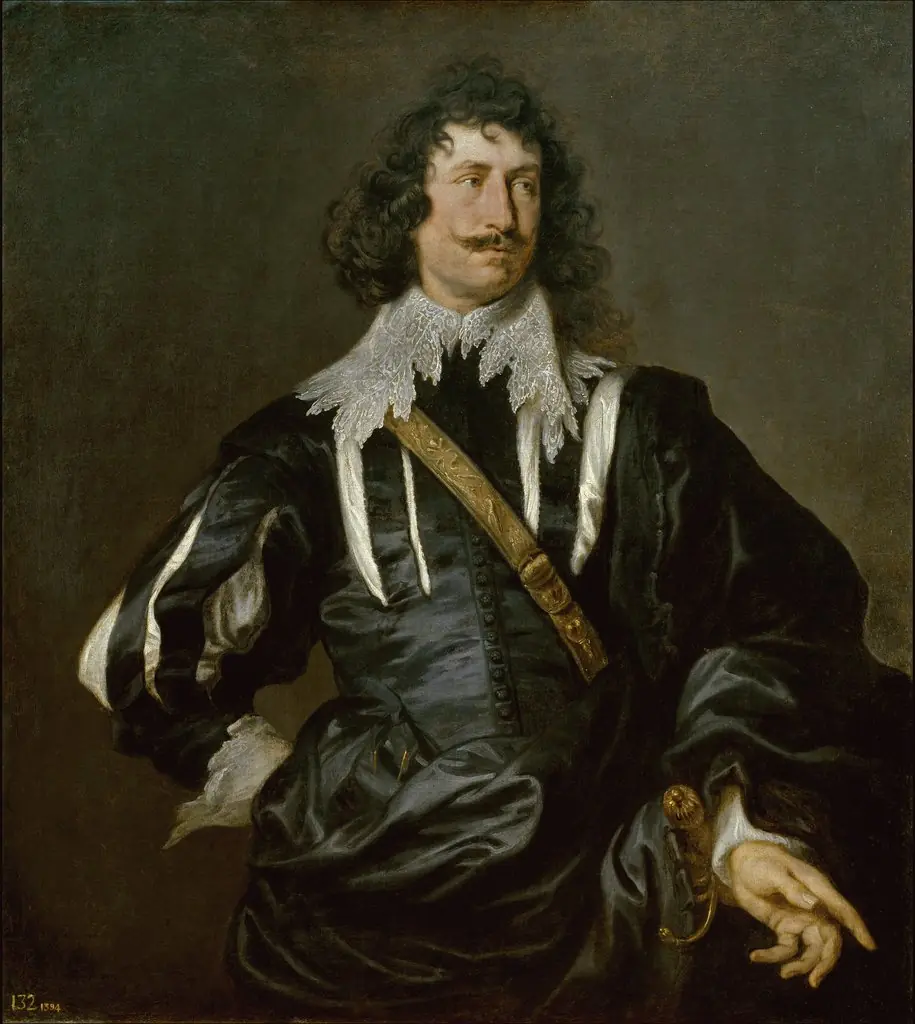 Portrait of a Man
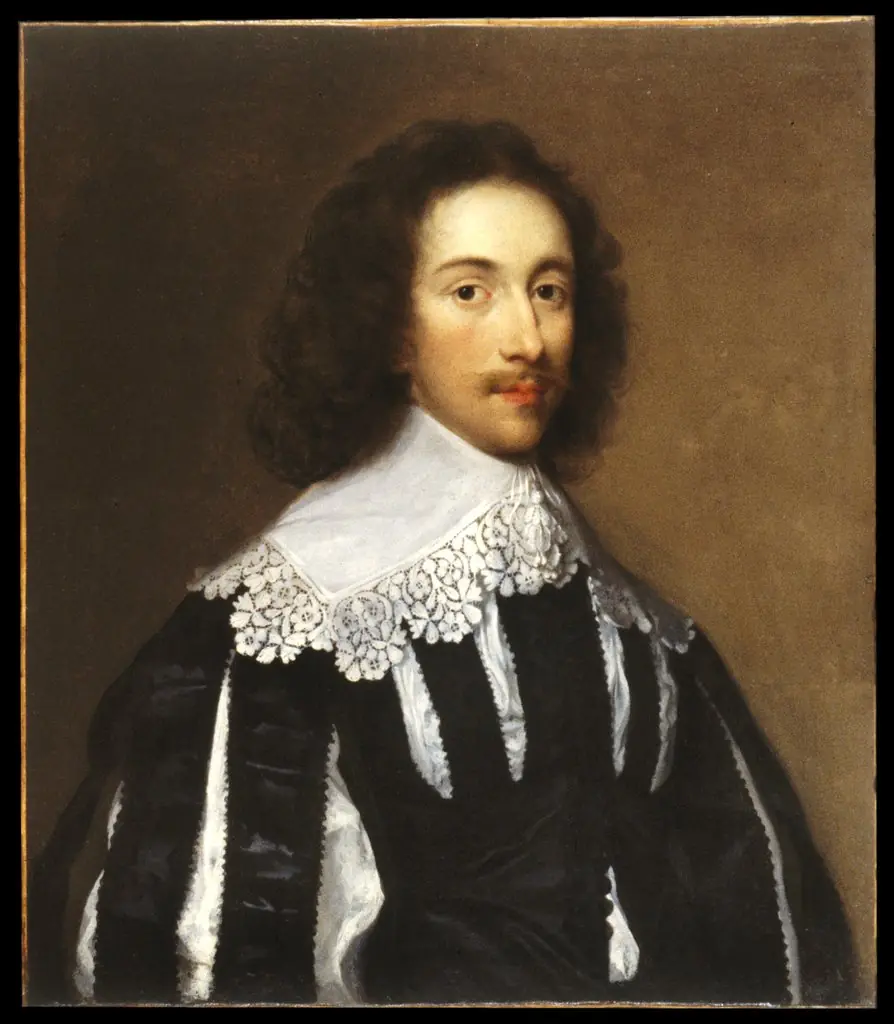 Portrait of a Young Man
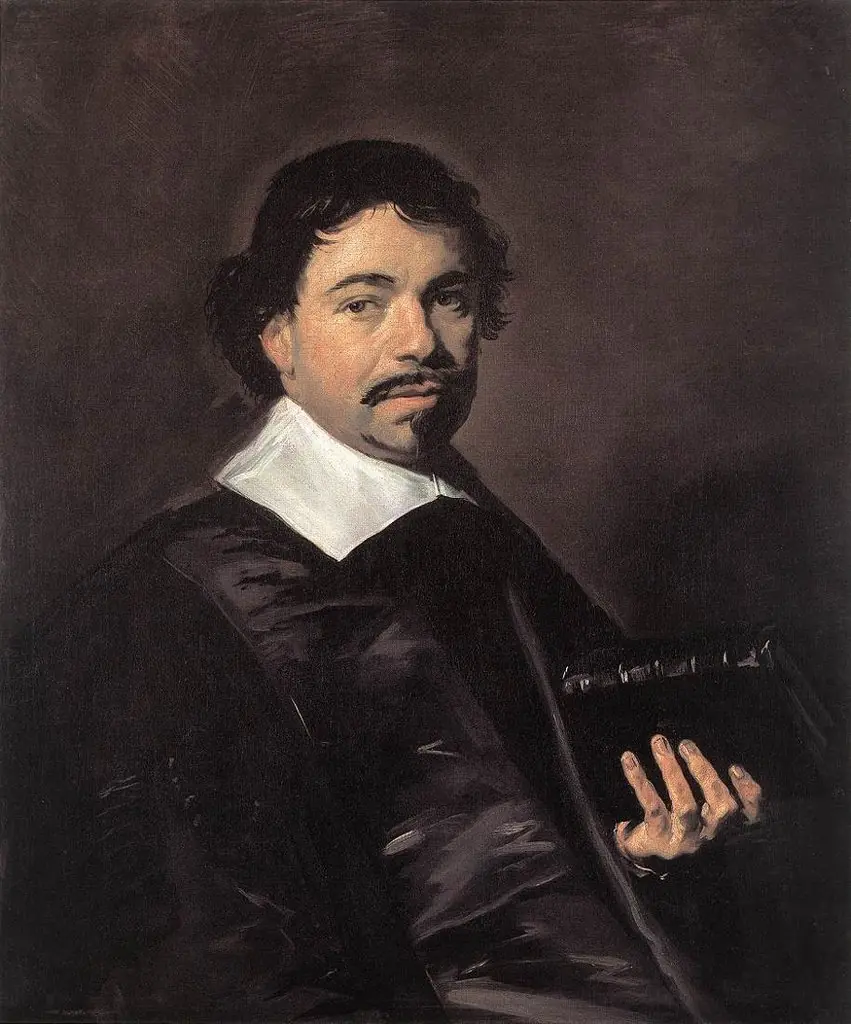 Portrait of Johannes Hoornbeek
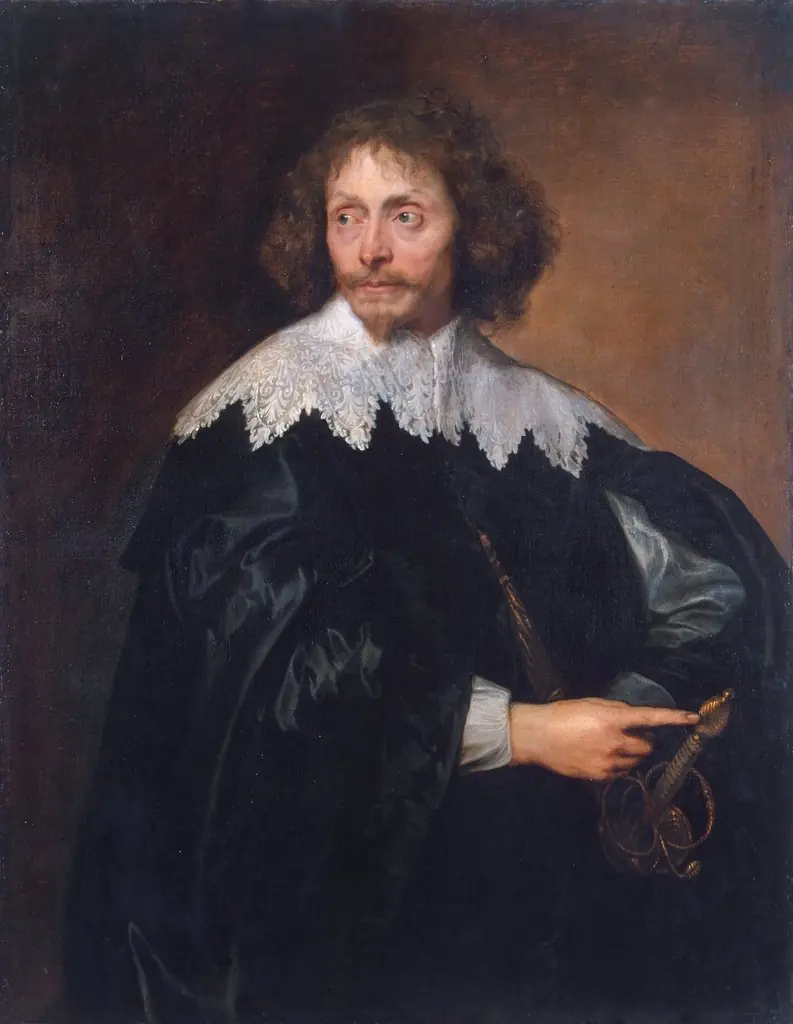 Portrait of Sir Thomas Chaloner
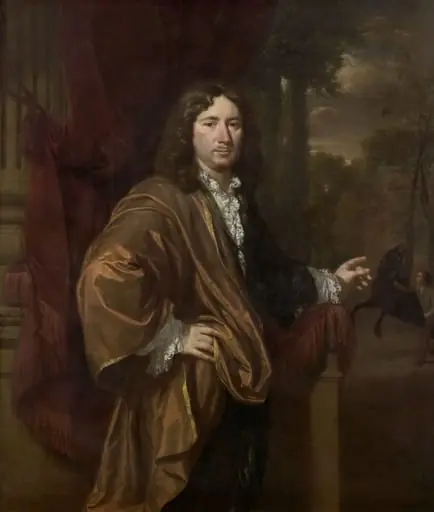 Portrait of a Man
 Portrait of a Man
 Double Portrait of Thomas Wentworth, 1st Earl of Strafford (1593-1641) with his secretary Sir Philip Mainwaring (1589-1661)