Artwork
Portrait of Paulus Pontius (1603-1685)
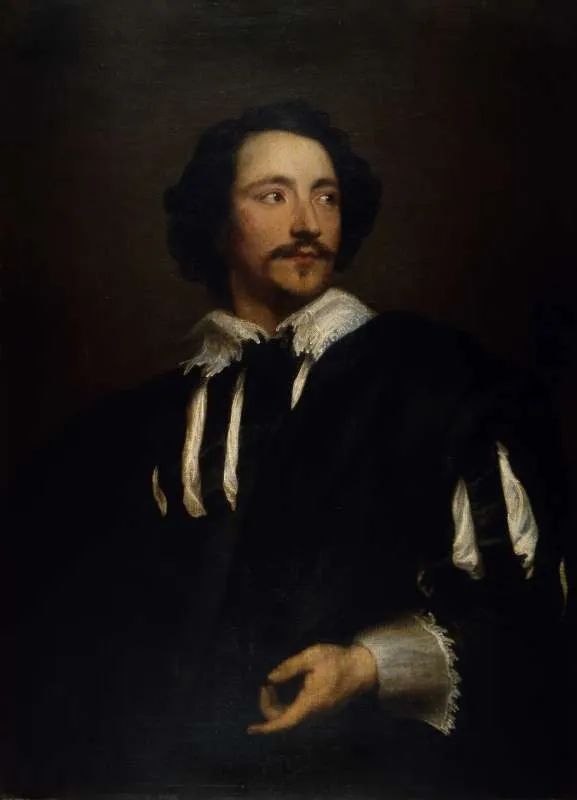
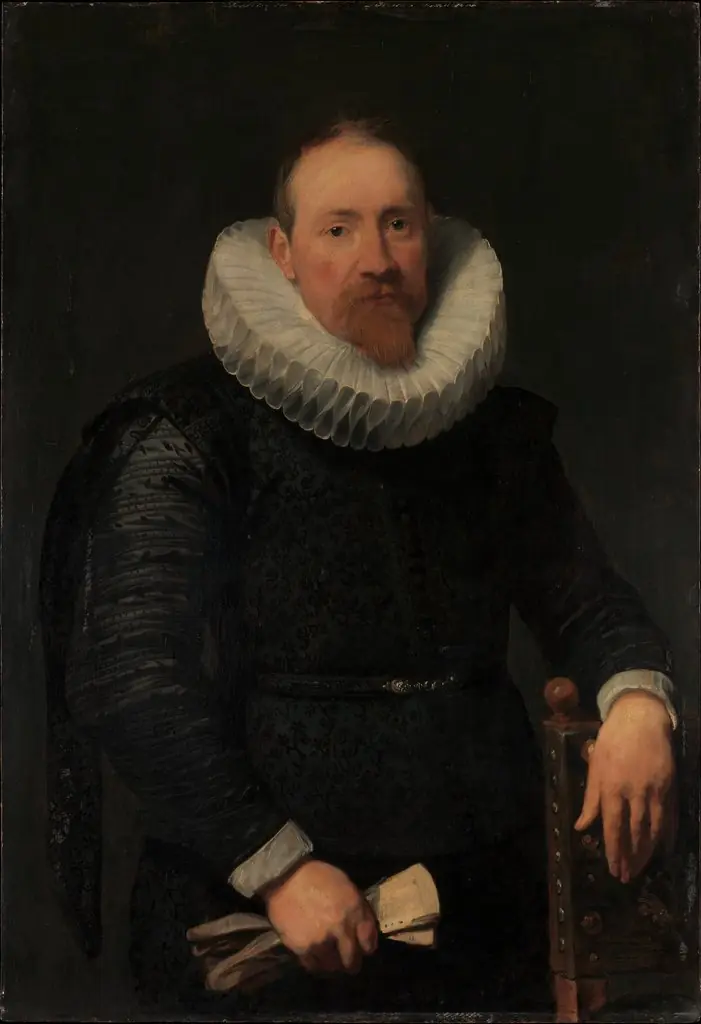
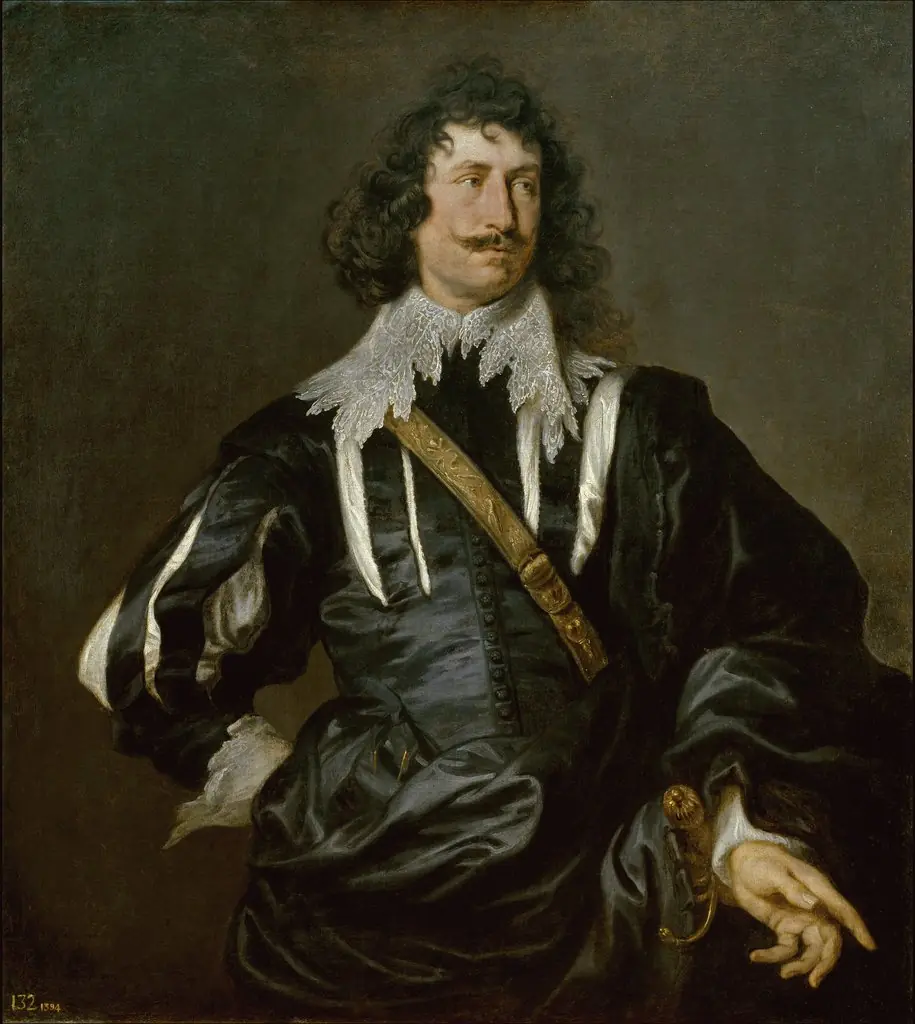
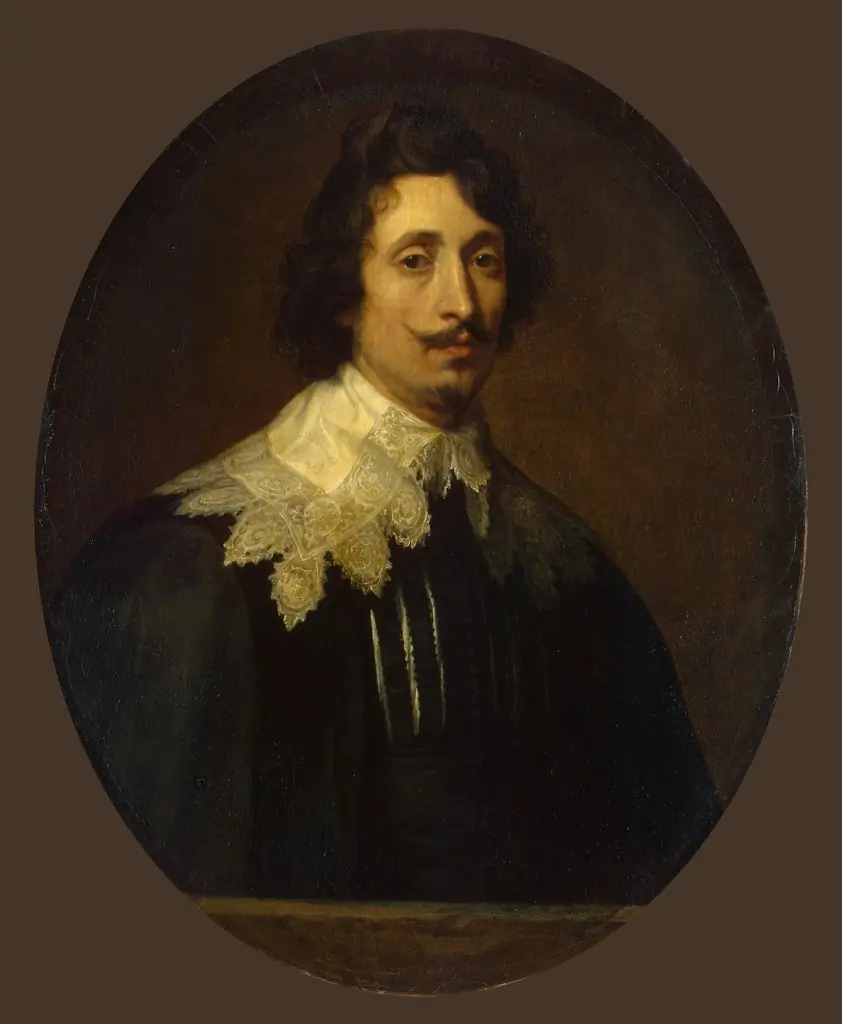
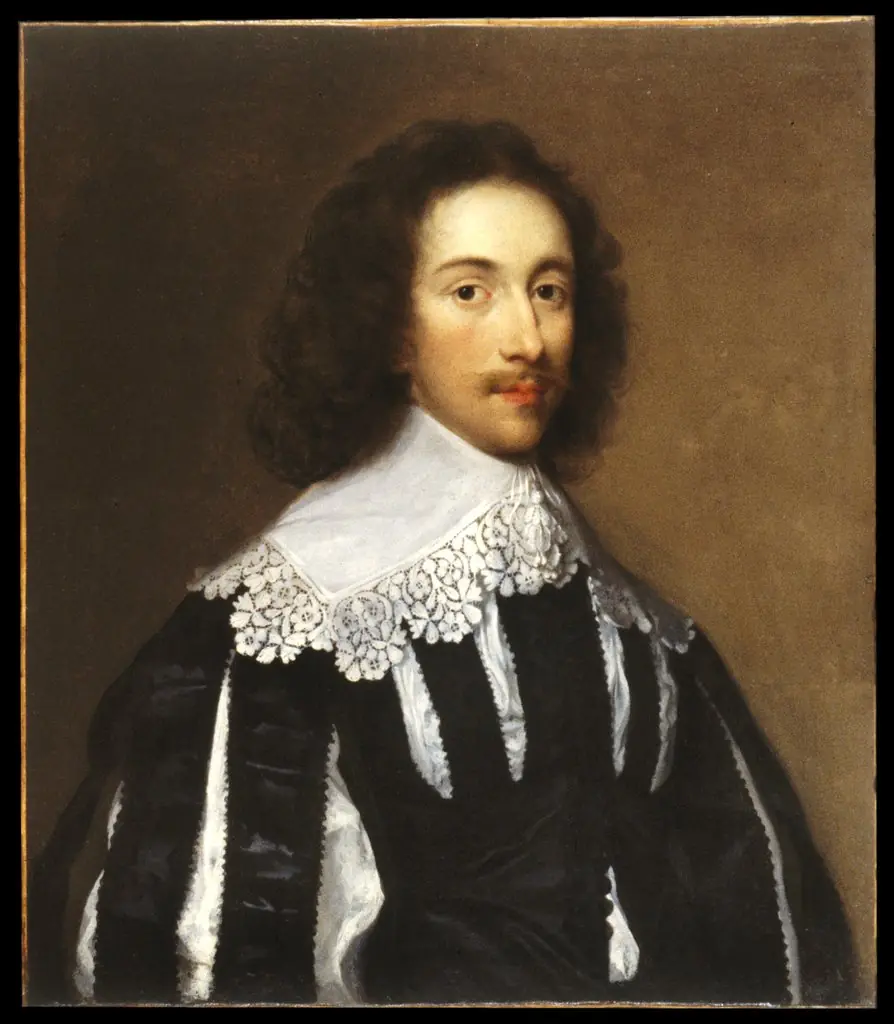
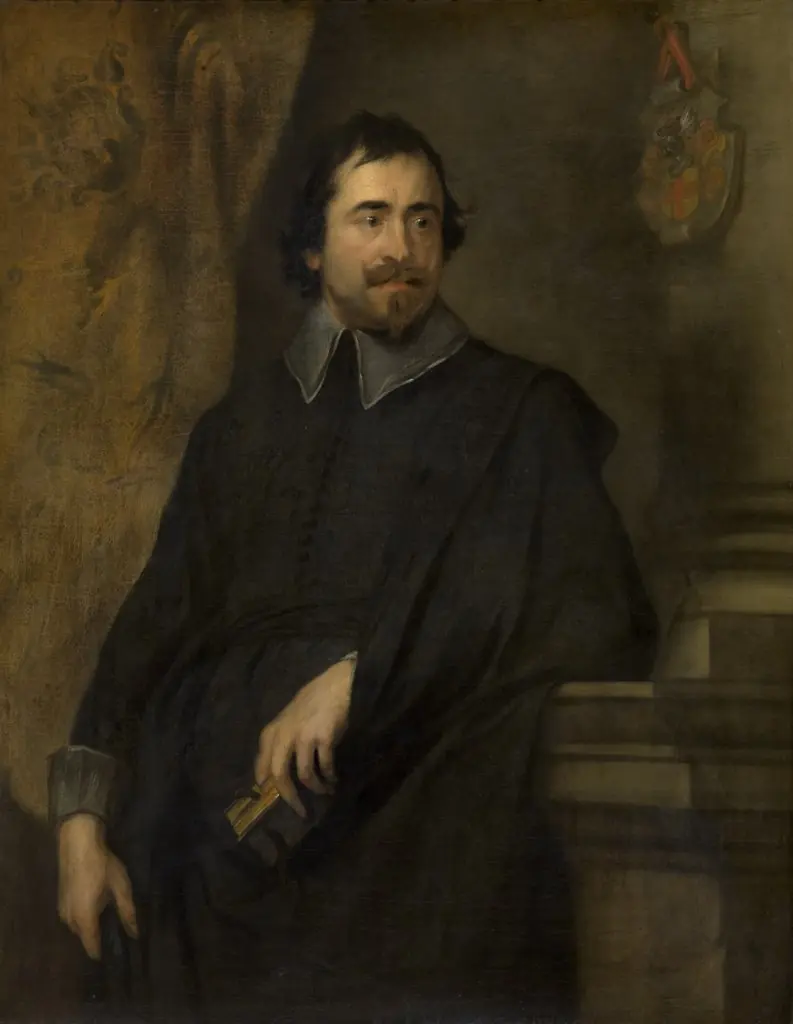
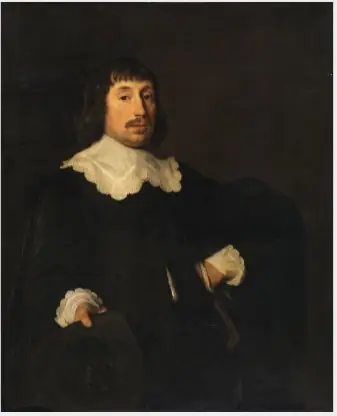
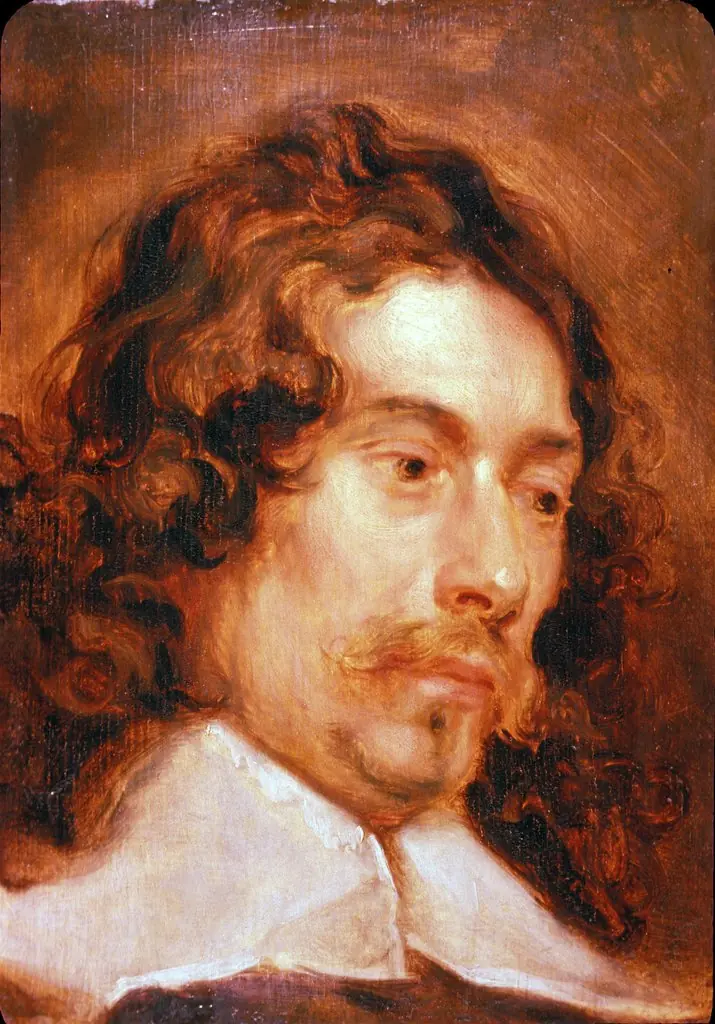
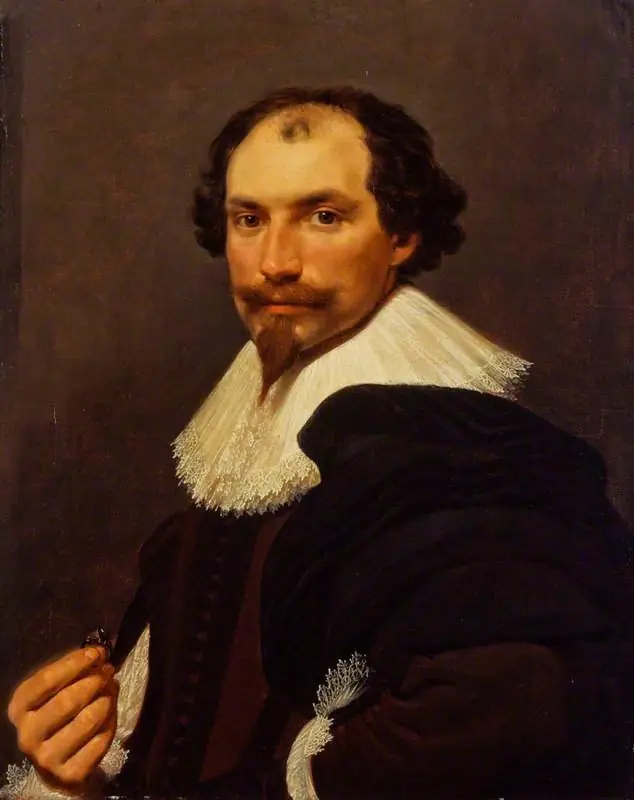
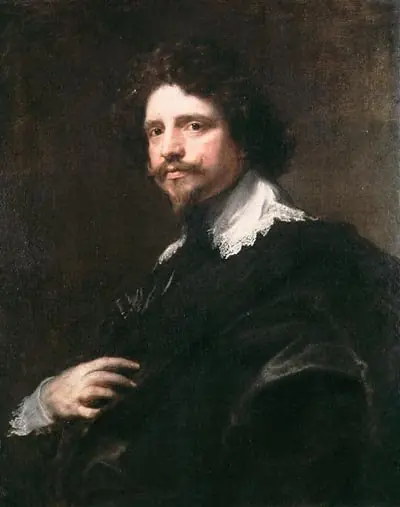
Portrait of Paulus Pontius (1603-1685) is an oil painting by the Flemish Baroque painting artist Anthony van Dyck. It dates from 1630 and is held in the collection of the Israel Museum.
About this work
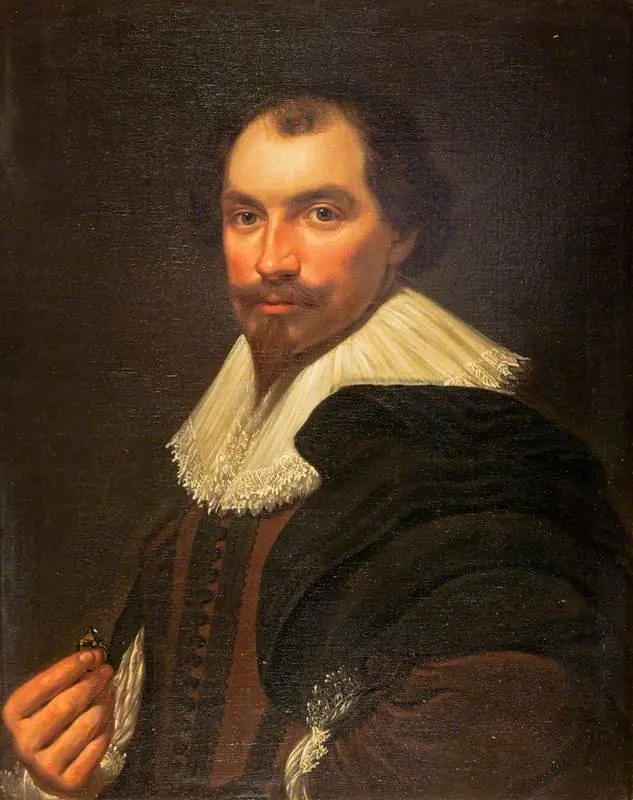
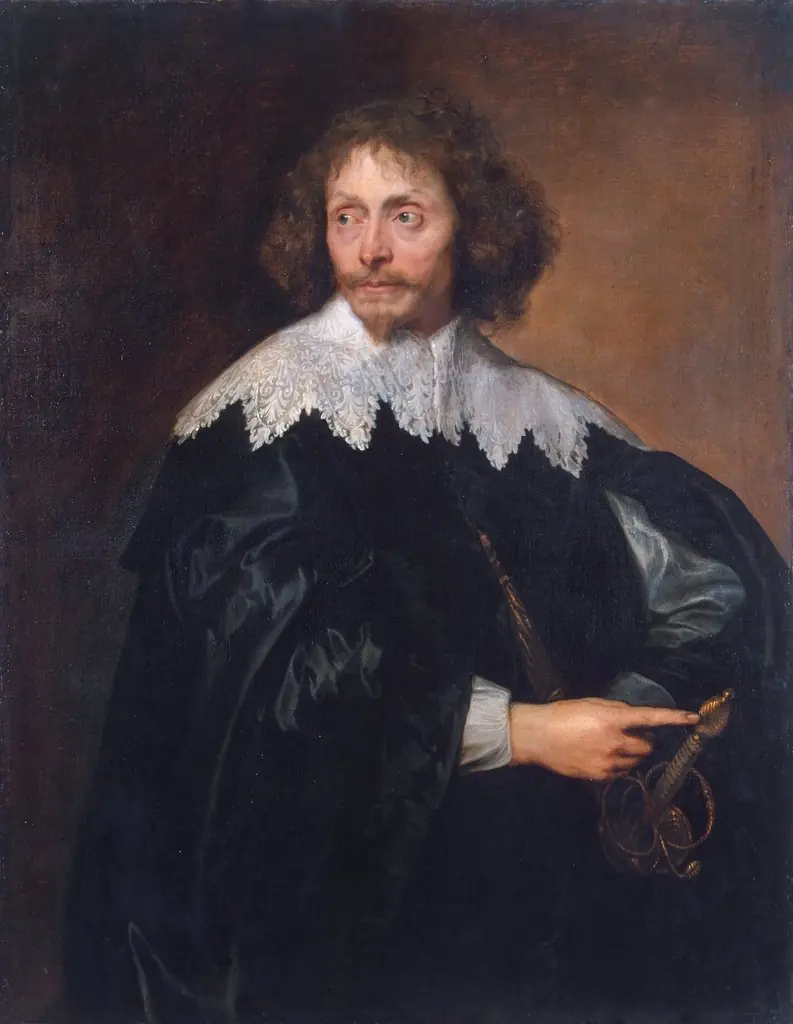
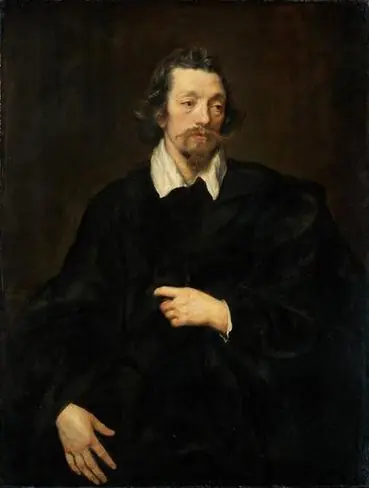
This portrait shows a man with dark, curly hair and a mustache, wearing a black jacket with white ruffles on the collar and cuffs.
This portrait shows a man with dark, curly hair and a mustache, wearing a black jacket with white ruffles on the collar and cuffs. His right hand is visible, with the palm facing down. The background is dark, which makes the man stand out.
The man's clothing and hairstyle suggest that the painting is from the 17th century. The way the artist has used light and shadow to create depth and dimension in the painting is also notable.
If you're interested in learning more about the artist who created this portrait, you might want to look up Anthony van Dyck.
Overview
Painted in 1630, this oil portrait captures Paulus Pontius, a Flemish engraver and draftsman, by the hand of Anthony van Dyck. Executed during van Dyck’s mature period, the work reflects his refined approach to portraiture, emphasizing quiet dignity over theatricality. The painting is held in the collection of the Israel Museum, where it stands as a testament to the artist’s skill in rendering character through subtle detail and controlled composition.
Subject & Meaning
Paulus Pontius was a skilled reproductive printmaker who translated the works of leading painters into engravings, helping to disseminate their imagery. Van Dyck’s portrayal presents him not as an artist in action, but as a cultured professional—calm, composed, and introspective. The restrained pose and direct gaze suggest intellectual authority, aligning the sitter with the humanist ideals of the time, where craftsmanship and erudition were closely linked.
Technique & Style
Van Dyck employed a muted palette dominated by blacks and grays, with delicate highlights on the white lace collar and cuffs to draw attention to the sitter’s face and hands. The dark, indistinct background isolates Pontius, enhancing the three-dimensionality of his form. Brushwork is precise yet fluid, particularly in the rendering of curls and fabric textures, demonstrating van Dyck’s mastery of chiaroscuro and his ability to convey texture without overt detail.
History & Provenance
The portrait was likely commissioned during van Dyck’s time in the Spanish Netherlands, where he maintained close ties with artists and publishers. Pontius, based in Antwerp, was part of a network of printmakers who collaborated with painters like Rubens. The painting remained in private collections for centuries before entering the Israel Museum’s holdings, its journey reflecting the mobility of Northern European art across borders and centuries.
Context
In early 17th-century Antwerp, printmaking was a vital medium for artistic dissemination, and engravers like Pontius played a key role in shaping public taste. Van Dyck, having studied under Rubens and traveled in Italy, brought a courtly elegance to portraiture that elevated the status of his sitters—even those outside the nobility. This portrait reflects a broader cultural shift in which artistic labor, not just aristocratic lineage, earned visual recognition.
Legacy
Van Dyck’s portraits of printmakers and intellectuals helped redefine the social standing of non-noble subjects in art. The portrait of Pontius exemplifies how the artist used restraint and psychological depth to convey dignity, influencing later generations of portraitists across Europe. Its presence in a major public collection ensures continued scholarly engagement with the intersection of visual art and print culture in the Baroque era.
Artist & collection
Artist
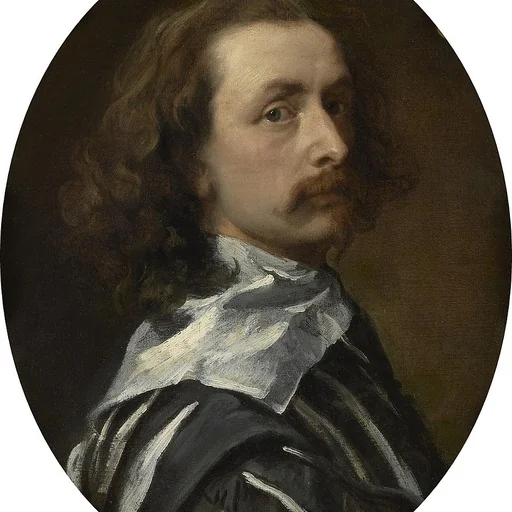
Sir Anthony van Dyck (; Dutch: Antoon van Dijck ; 22 March 1599 – 9 December 1641) was a Flemish Baroque artist, who became the leading court painter in England after success in the Spanish Netherlands and Italy.