Artwork
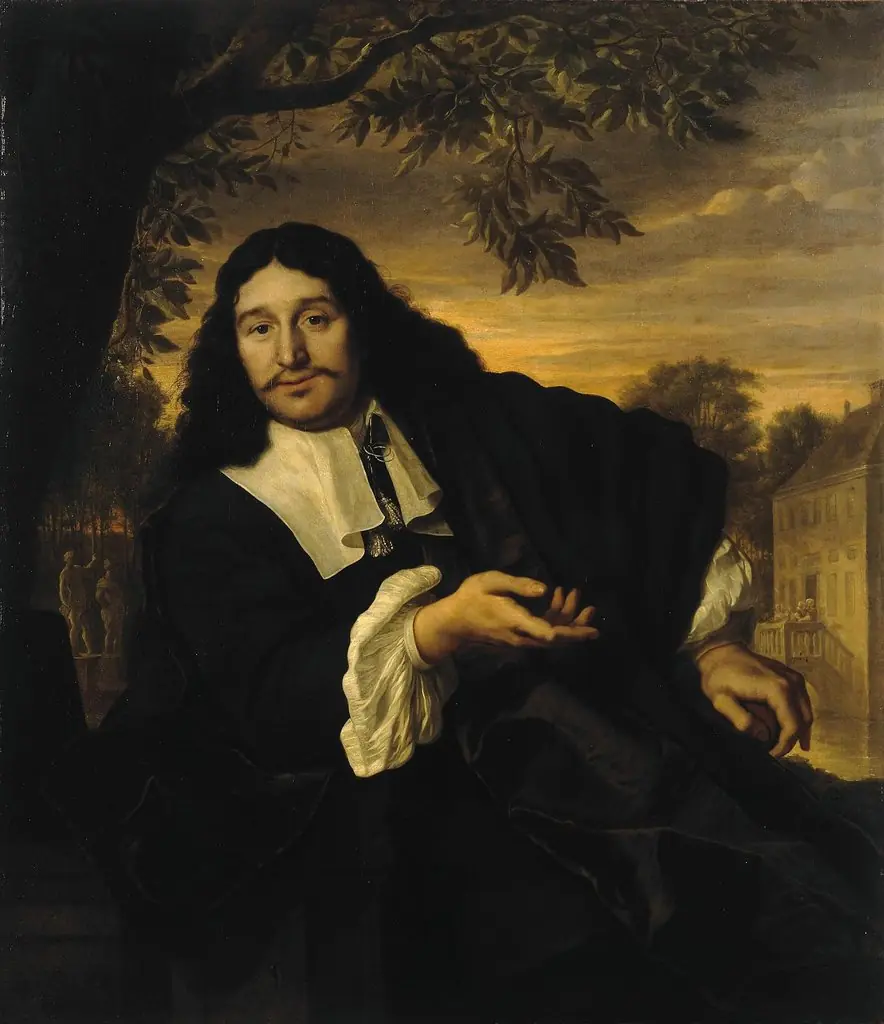
Portrait of a Man
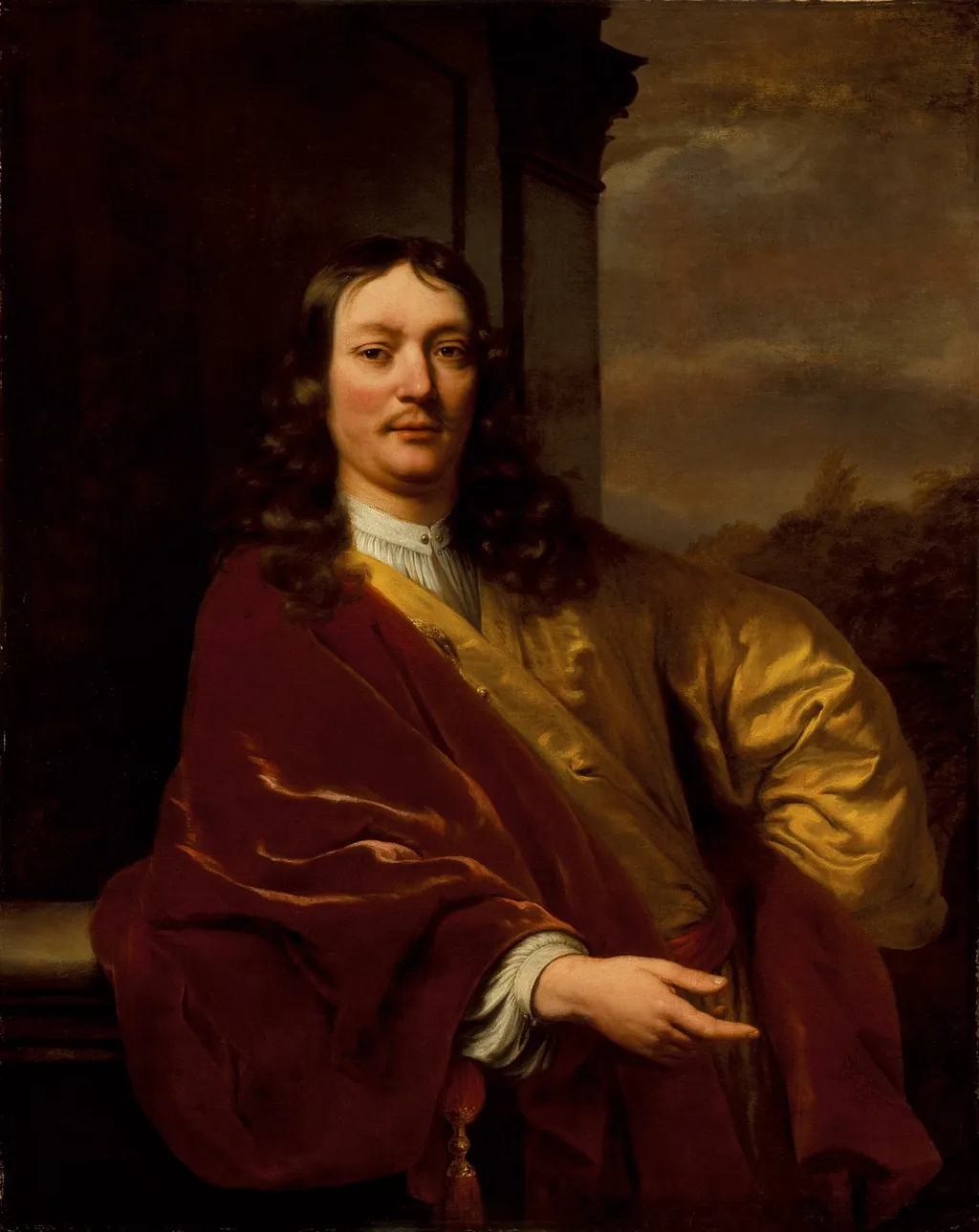
Portrait of a Man is an oil painting by the Dutch Golden Age artist Ferdinand Bol. It dates from 1670 and is held in the collection of the Los Angeles County Museum of Art.
About this work
Overview
Bol, a Dutch artist trained under Rembrandt, worked during the height of the Dutch Golden Age, a time when portraiture flourished among the urban elite.
Painted in 1670 by Ferdinand Bol, this oil portrait captures a man in formal attire against a dark, undefined background. Bol, a Dutch artist trained under Rembrandt, worked during the height of the Dutch Golden Age, a time when portraiture flourished among the urban elite. The painting reflects the period’s emphasis on individual presence and material detail, rendered with careful attention to texture and light.
Subject & Meaning
The subject is a man with dark, shoulder-length hair and a mustache, dressed in a rich red robe lined with gold embroidery and a sash, over a crisp white shirt. His seated posture, with one arm resting on a ledge, suggests authority or social standing. Though his identity remains unknown, the clothing and composed demeanor imply a figure of civic or professional importance, likely a member of Amsterdam’s merchant or administrative class.
Technique & Style
Bol employs chiaroscuro to model the figure with subtle gradations of light and shadow, lending volume to the fabric and face. The red robe and gold accents are rendered with layered glazes, enhancing their luminosity. Brushwork varies from smooth transitions in the skin to more textured strokes in the fabric, reflecting both influence from Rembrandt and Bol’s own refined approach to surface detail and spatial depth.
History & Provenance
The painting entered the collection of the Los Angeles County Museum of Art in the 20th century, though its earlier ownership history is not fully documented. It has been consistently attributed to Bol since its modern rediscovery, with stylistic analysis supporting its dating to the 1670s. No records indicate it was commissioned for a specific individual, leaving its original context partially speculative.
Context
In late 17th-century Amsterdam, portraiture served as both personal commemoration and social assertion. Wealthy citizens commissioned likenesses to signal status, often adopting the visual language of nobility through rich fabrics and dignified poses. Bol, though less renowned than Rembrandt, was a sought-after portraitist whose work aligned with these conventions, bridging the personal and the ceremonial in Dutch civic culture.
Legacy
Ferdinand Bol’s portraits, including this one, exemplify the transition from Rembrandt’s expressive intensity toward a more polished, restrained aesthetic. While not as widely studied as his master’s works, Bol’s paintings remain valuable for understanding the evolution of Dutch portraiture and the broader artistic ecosystem of the Golden Age, where technical skill and social nuance converged.
Own this work as a print
Artist & collection
Artist
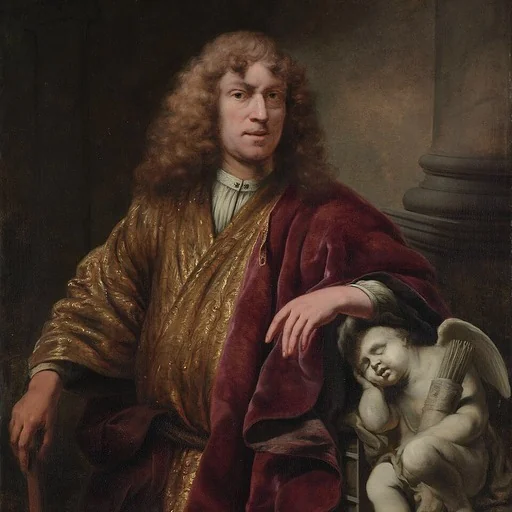
Ferdinand Bol (24 June 1616 - 24 August 1680) was a Dutch painter, etcher and draftsman.

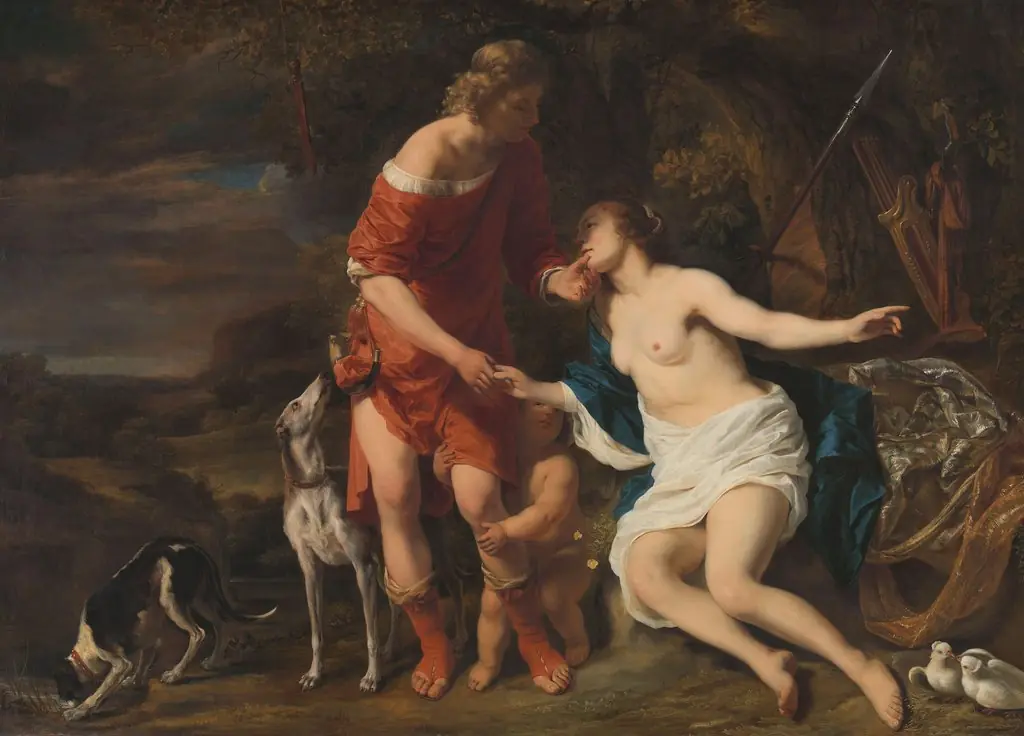 Venus and Adonis
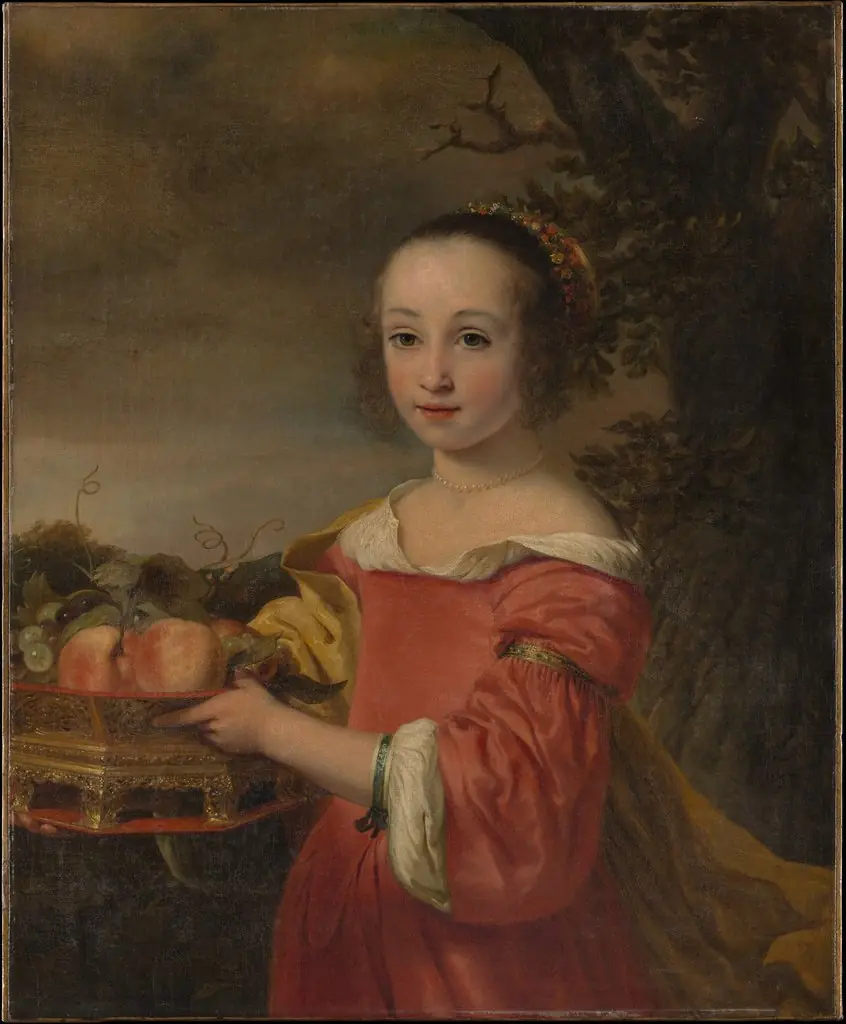 Petronella Elias (1648–1667) with a Basket of Fruit
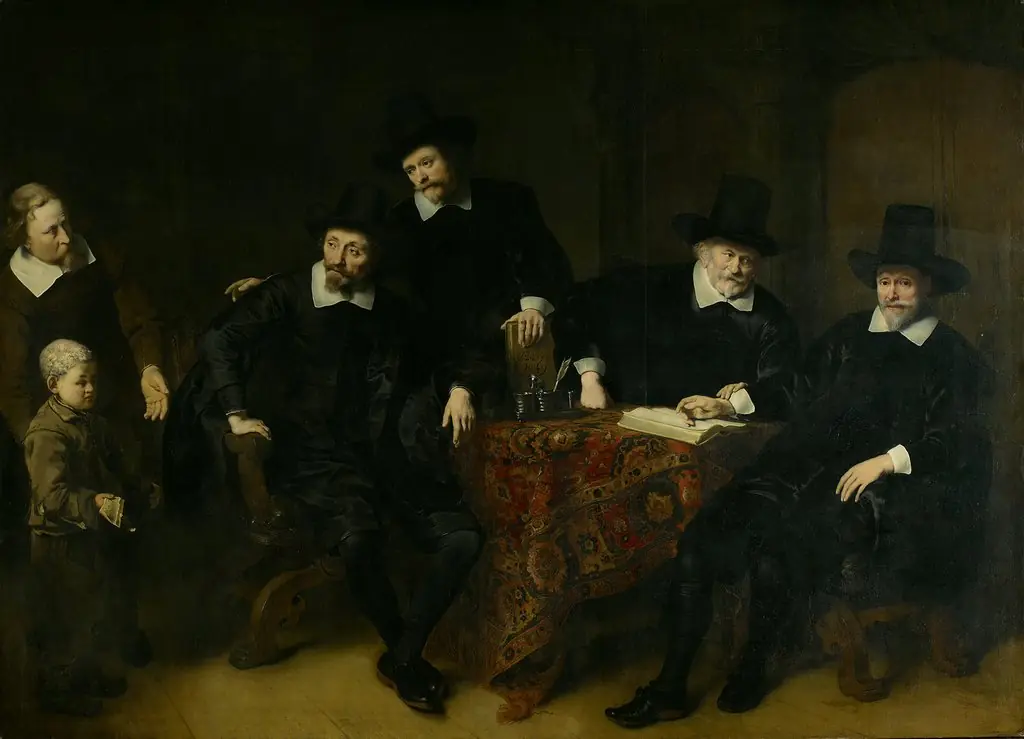 The Regents of the Leper's house in Amsterdam in 1649
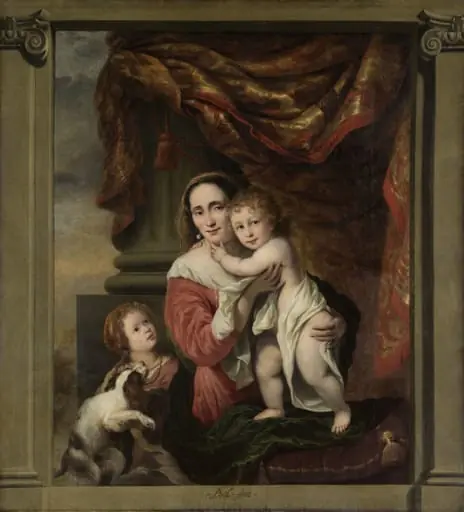 Caritas: Joanna de Geer (1629-1691) with her Children Cecilia Trip (1660-1728) and Laurens Trip (b. 1662)
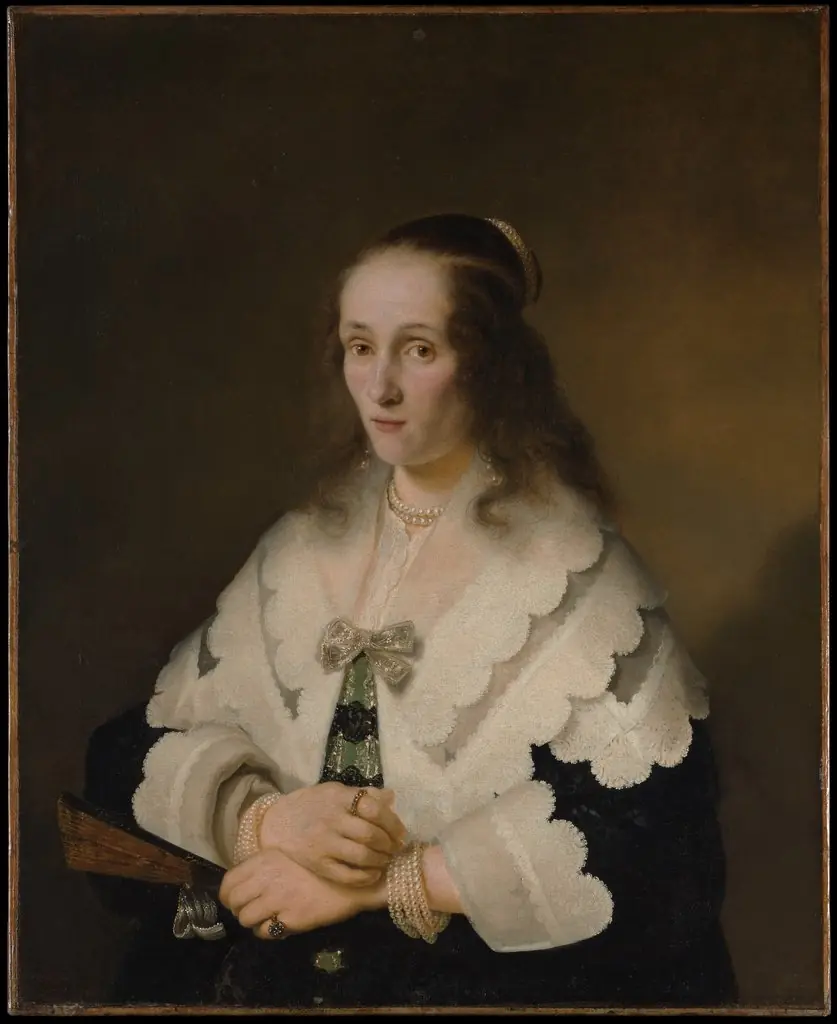 Portrait of a Woman
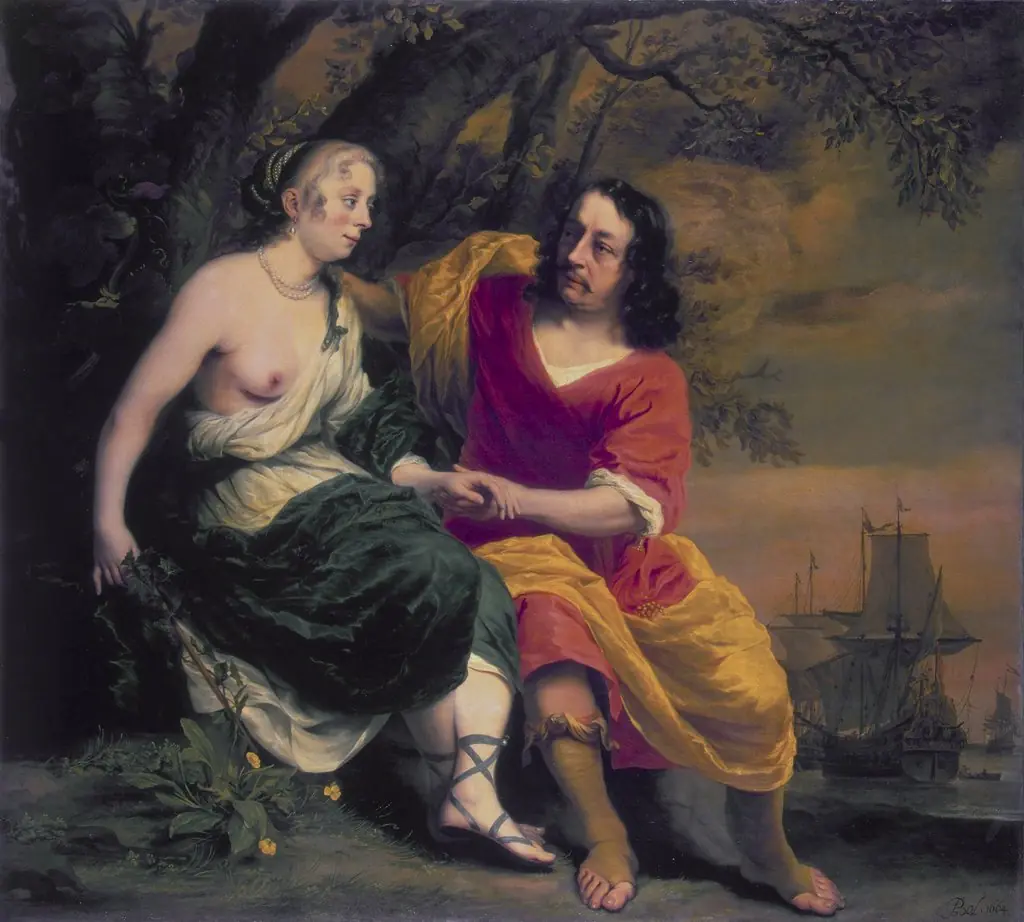 Bacchus and Ariadne
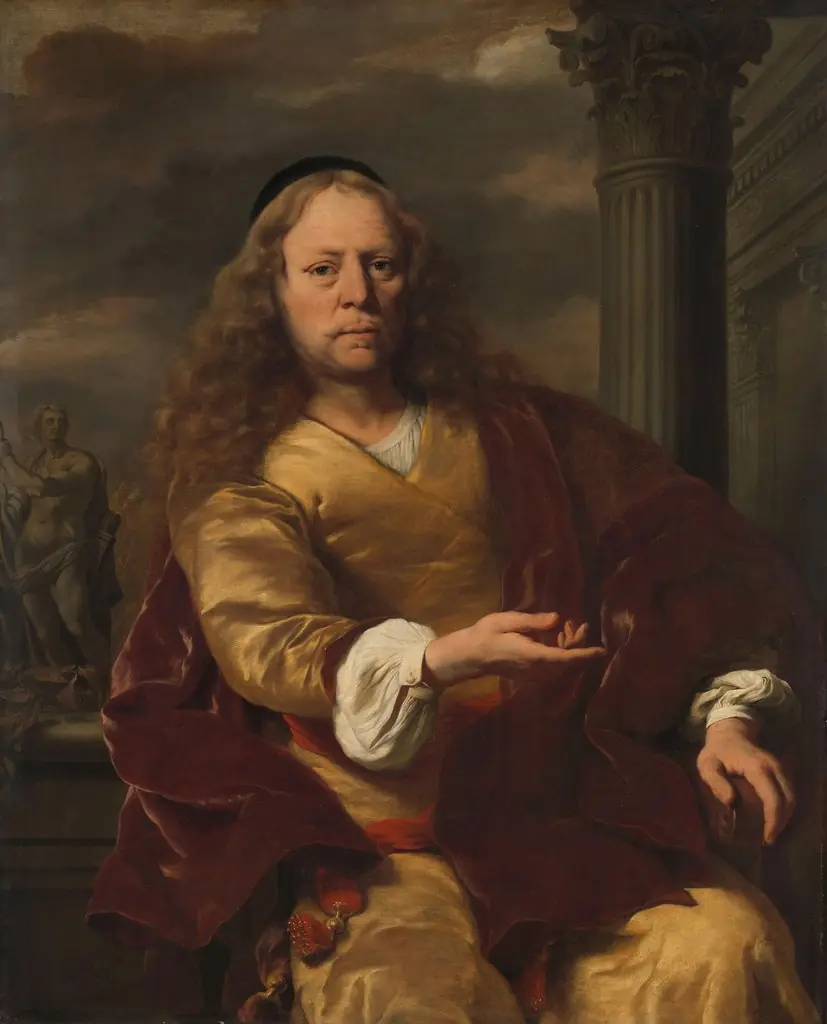 Portrait of a man
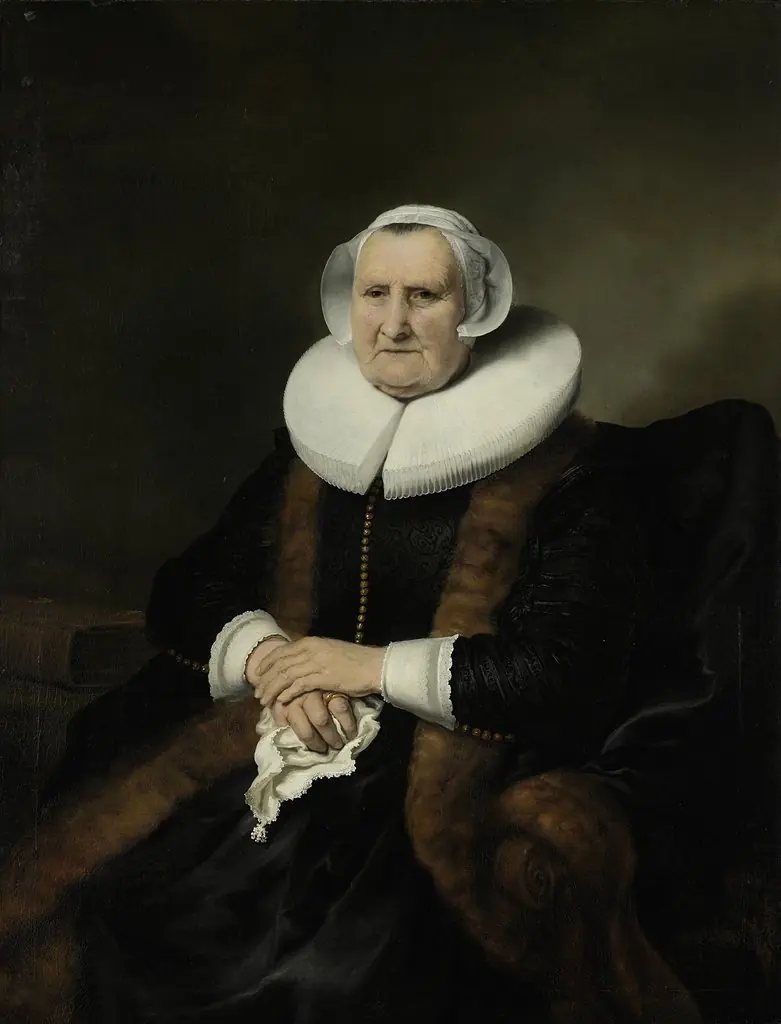 Portrait of an Old Lady, Possibly Elisabeth Bas
 Portrait of a Man
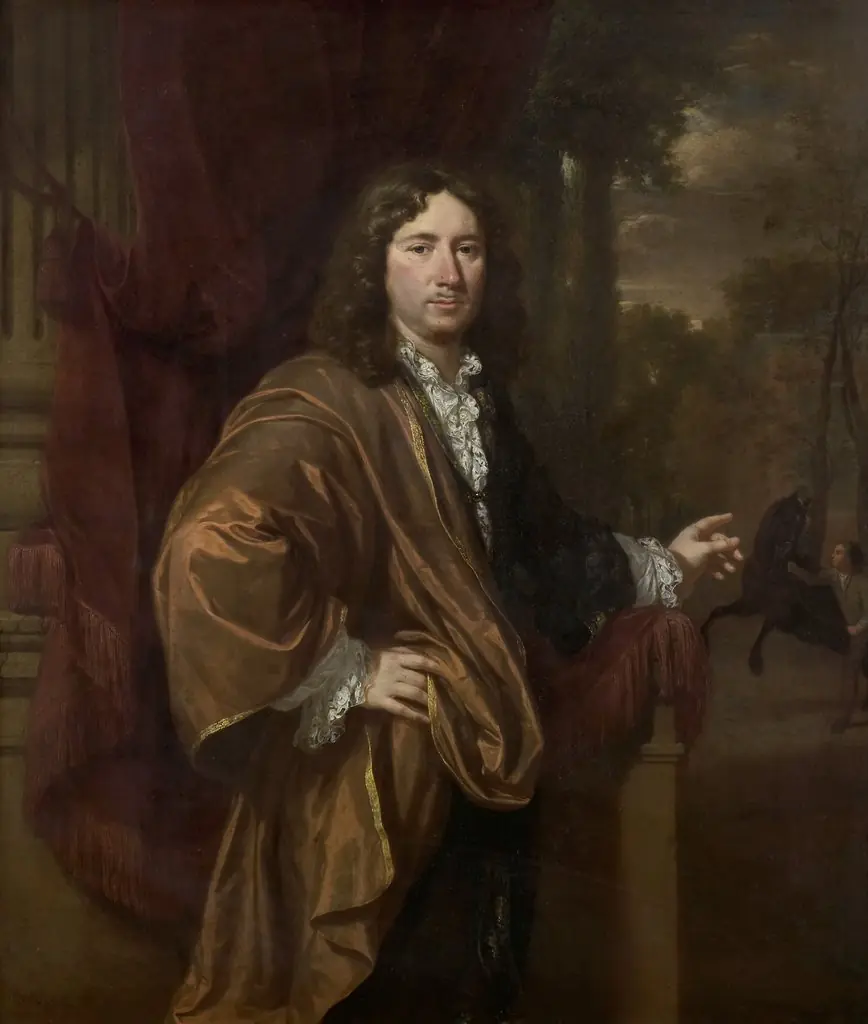 Portrait of a Man
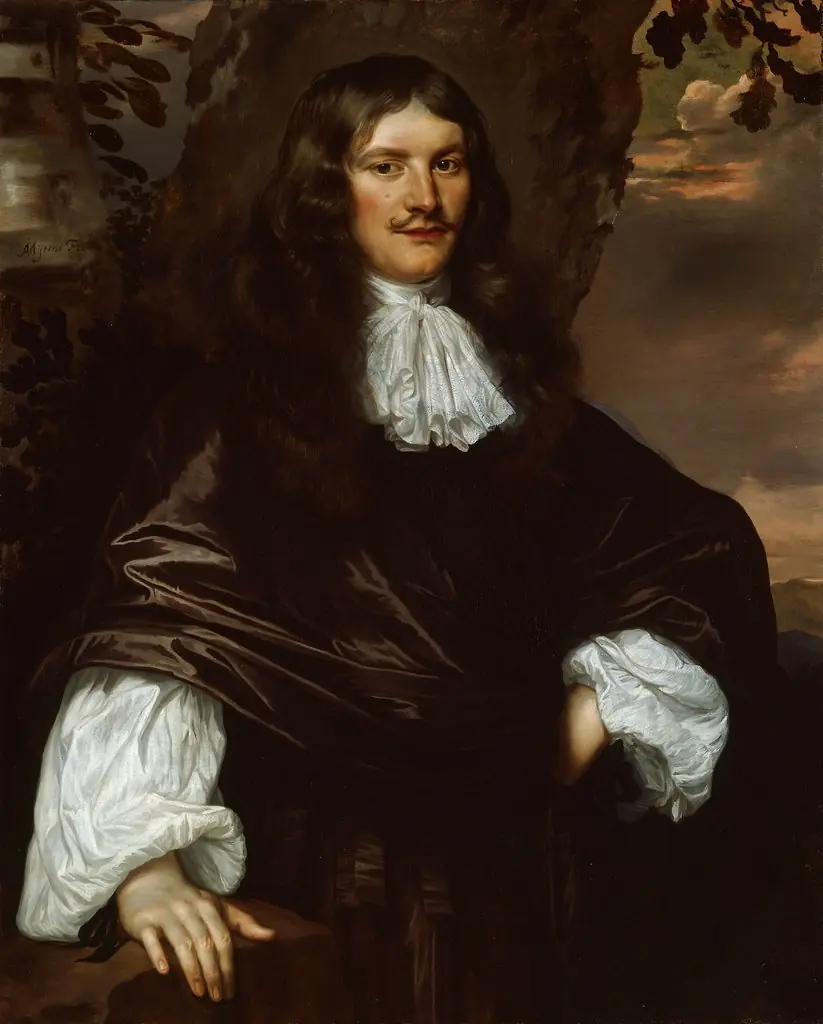 Portrait of a Man
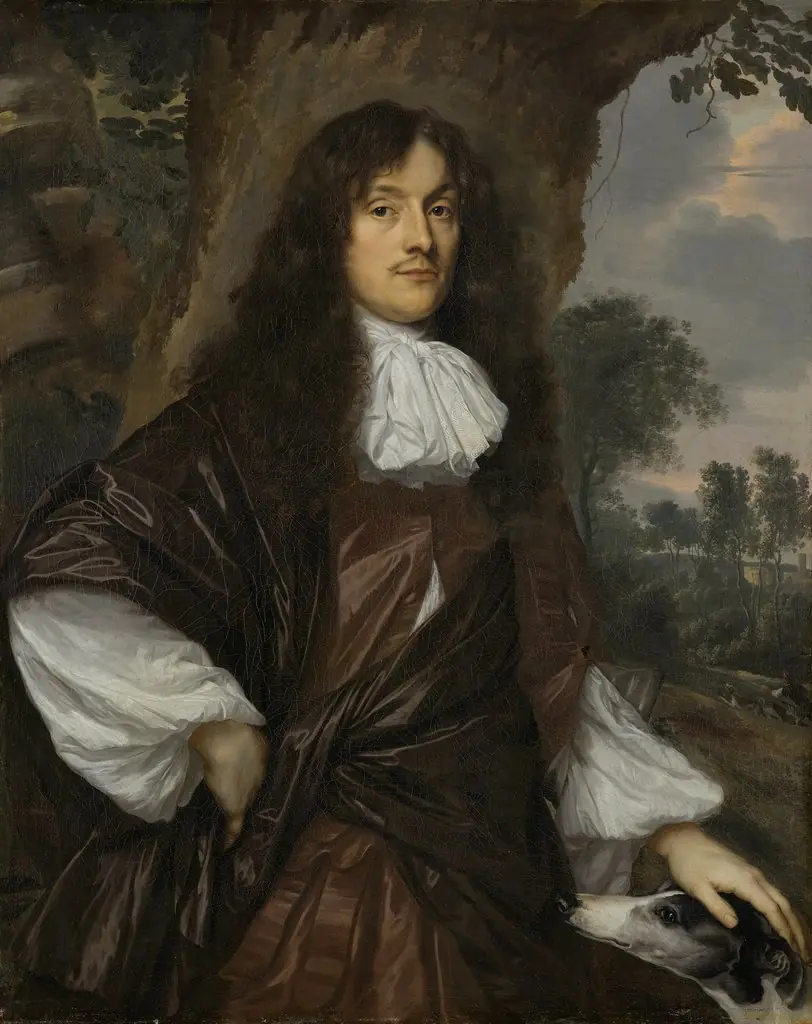 Jacob de Witte (1628-79), lord of Haamstede
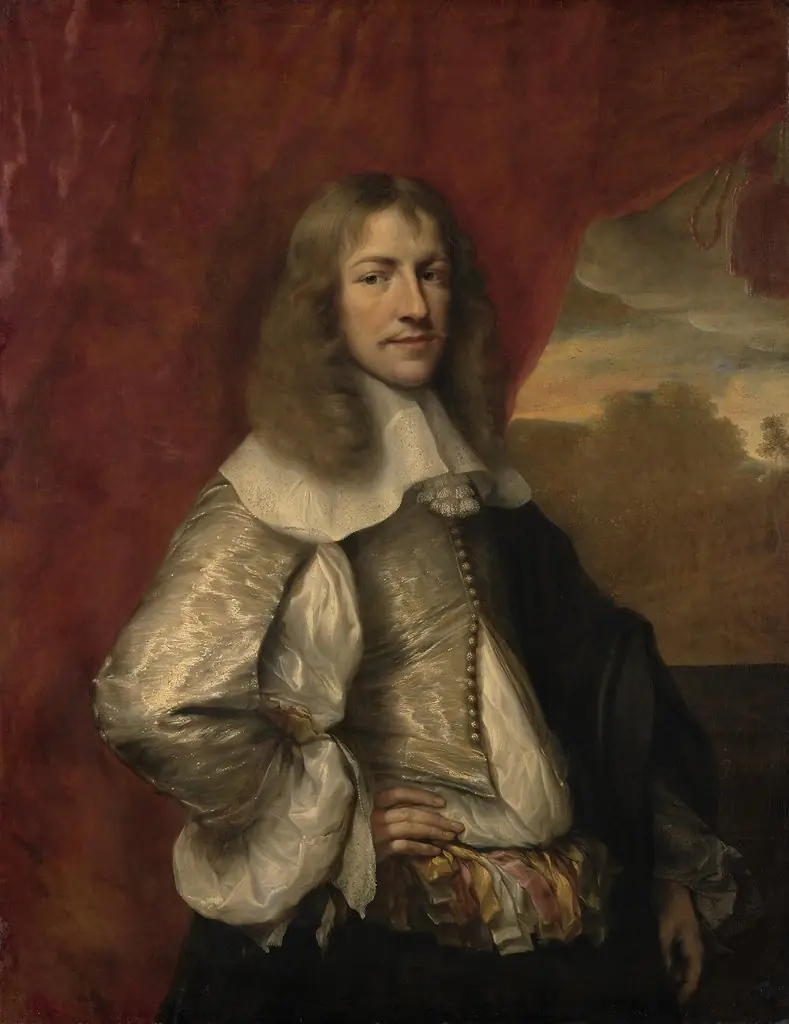 Portrait of Mr. Jan Bernd Schaep (1633-1666)
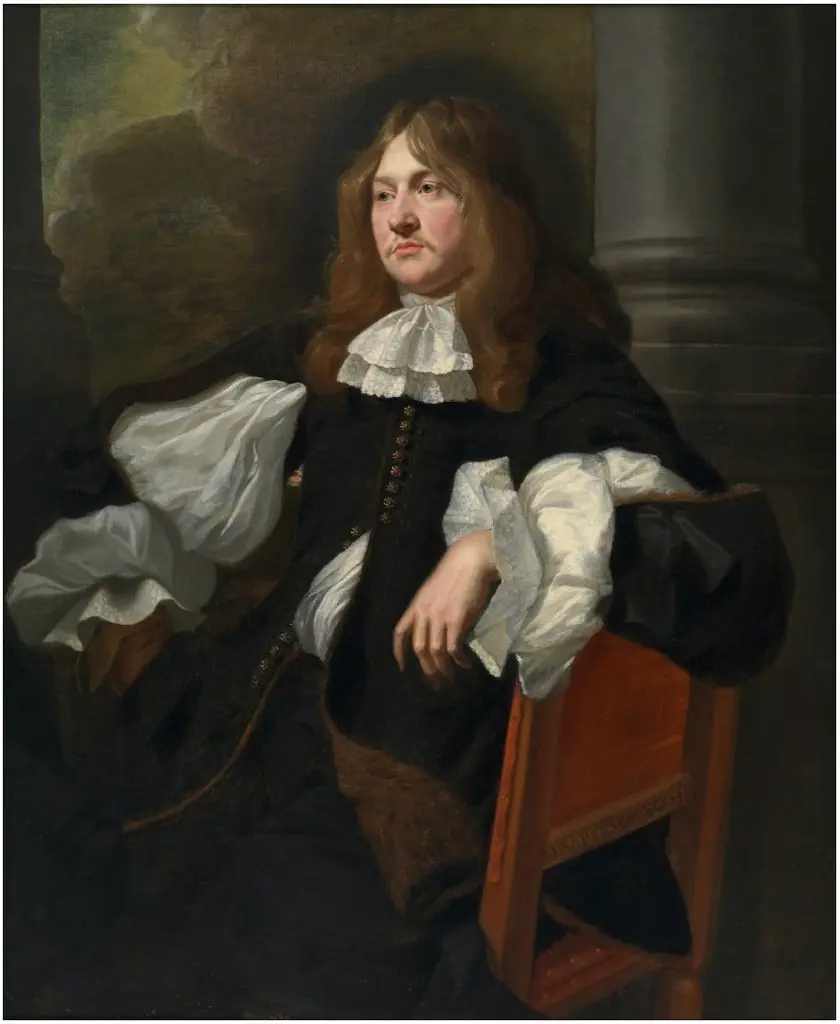 Portrait of Edward Hyde
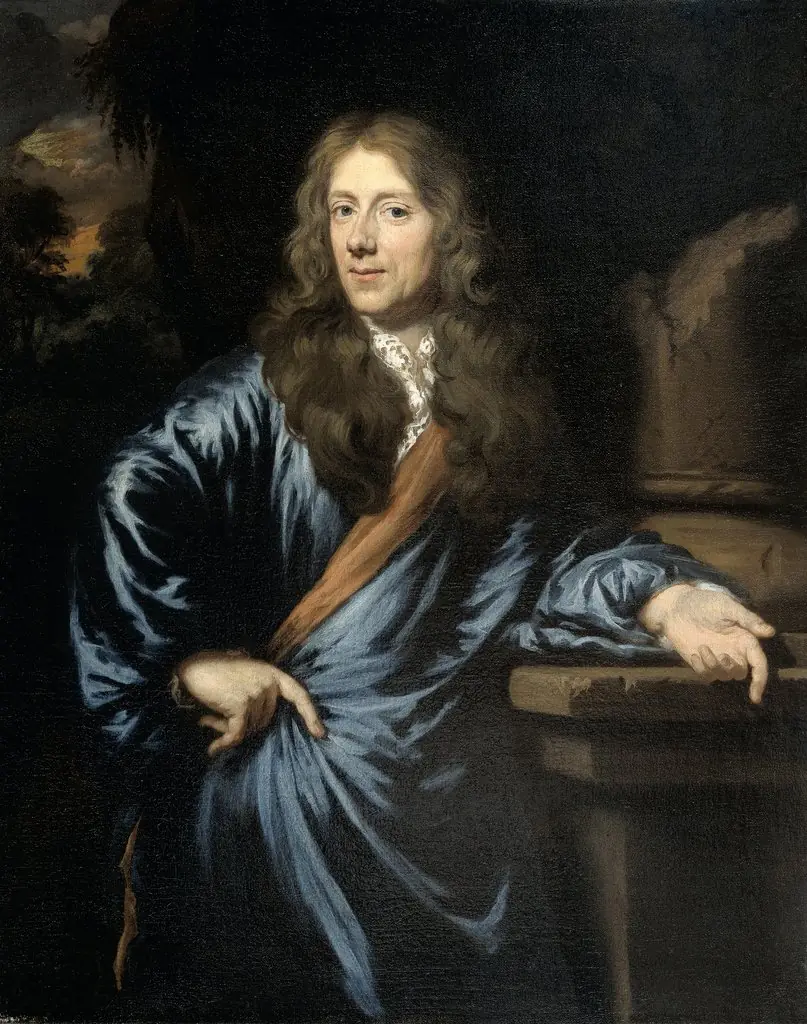 Portrait of Willem Pottey (1666-94), lawyer and treasurer-general of Vlissingen
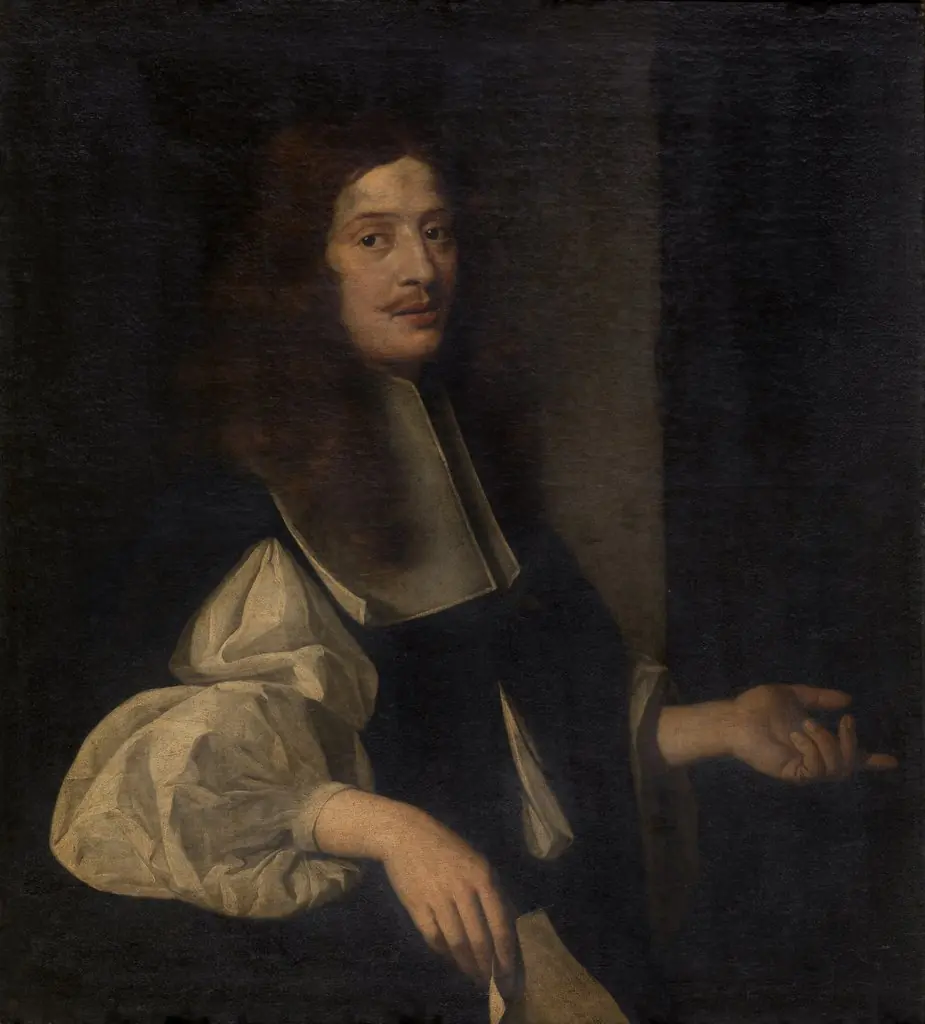 Portrait of a Man
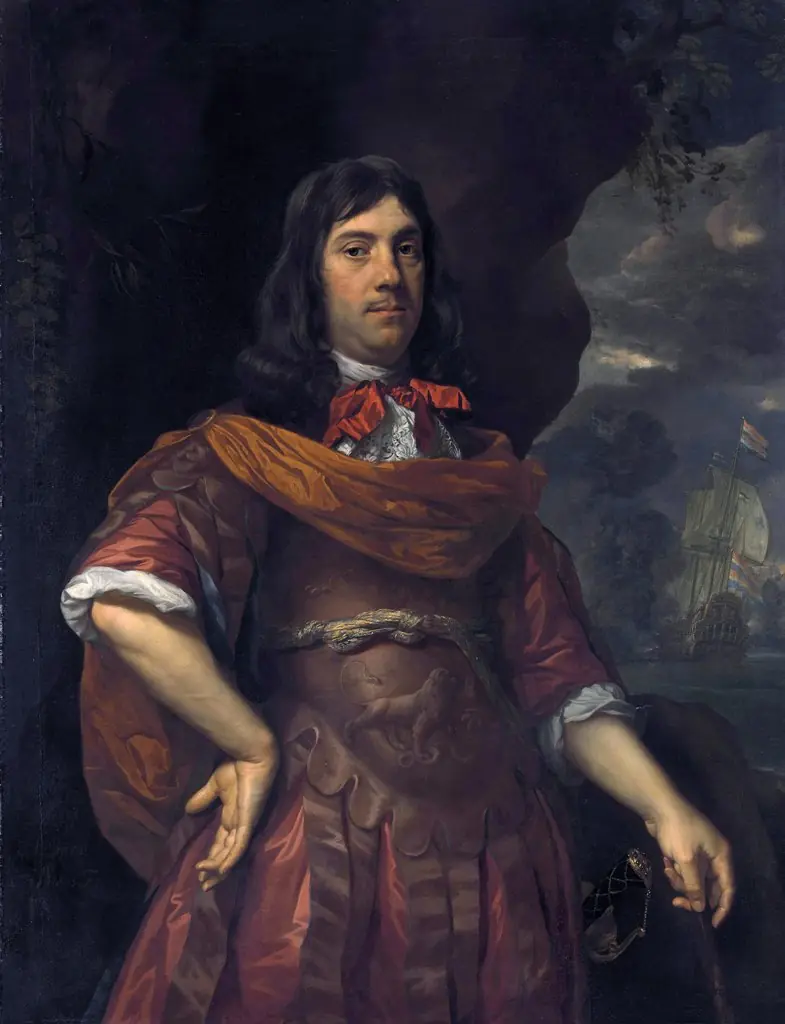 Cornelis Tromp (1629-91). Lieutenant-admiral general
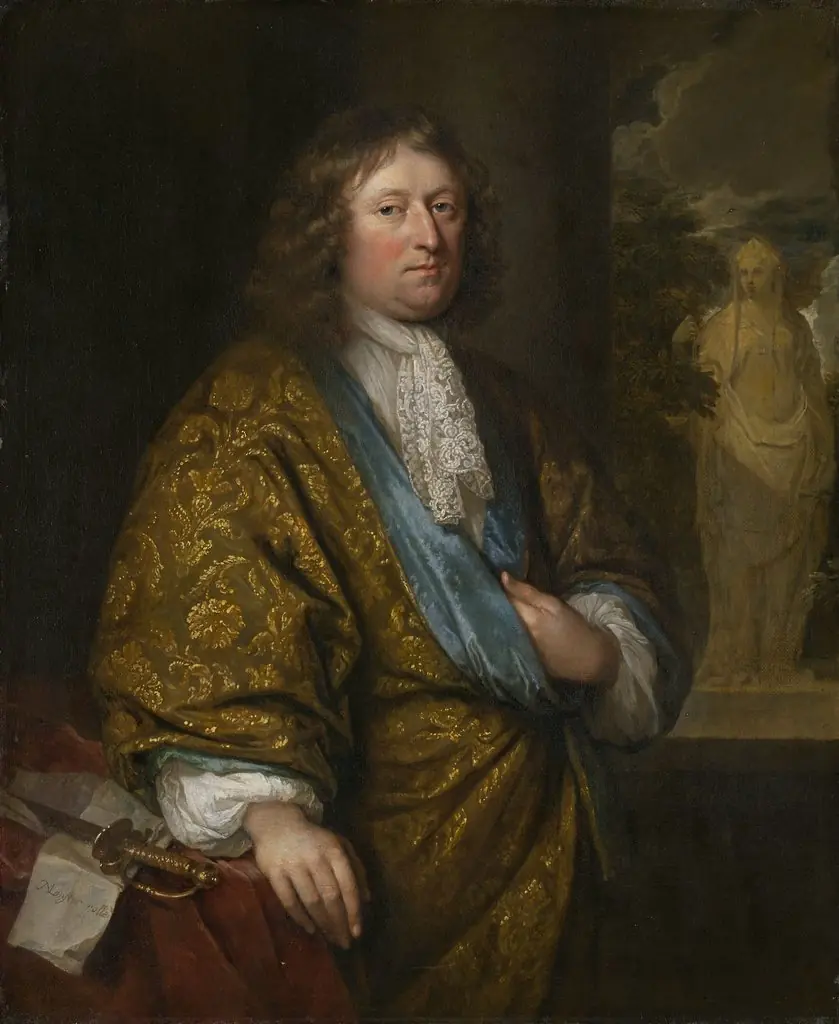 Portrait of a Gentleman
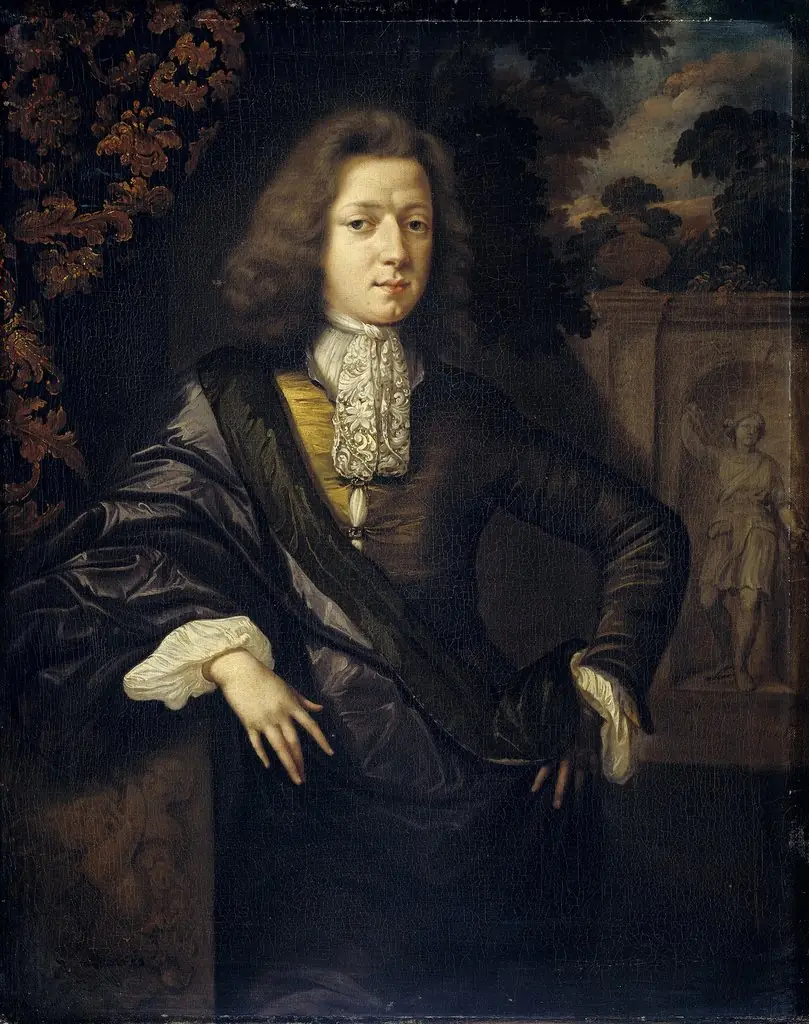 Portrait of Johan van Bochoven (1624-93), Public prosecutor and councillor at the court of Flanders
 Portrait of a Man