Artwork
Studies of Sheep
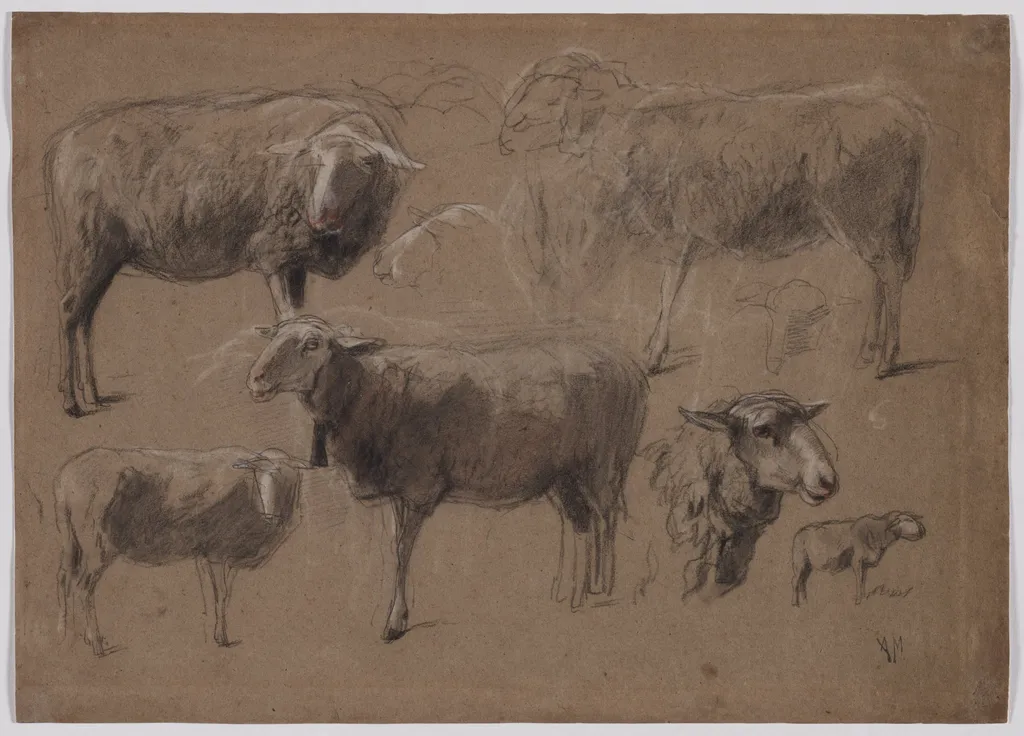
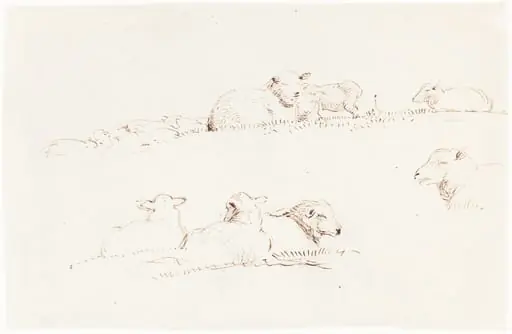
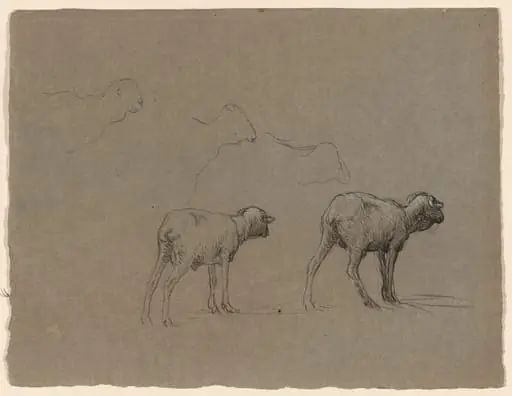
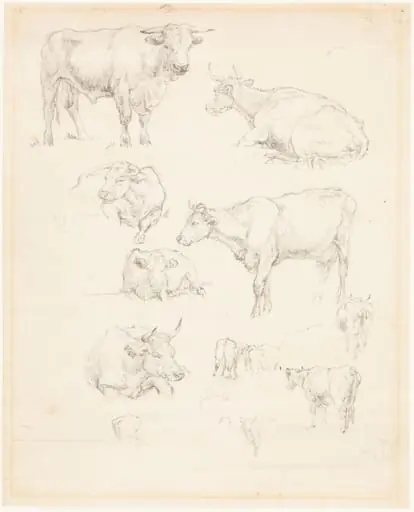
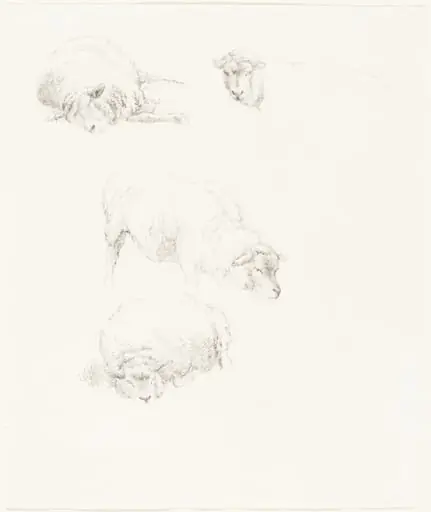
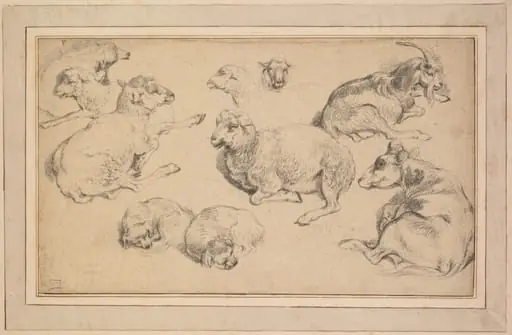
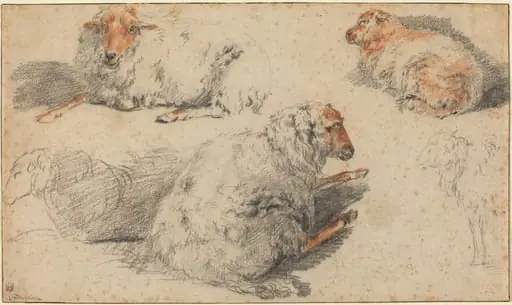
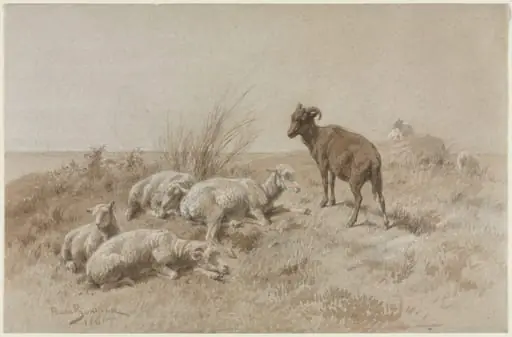
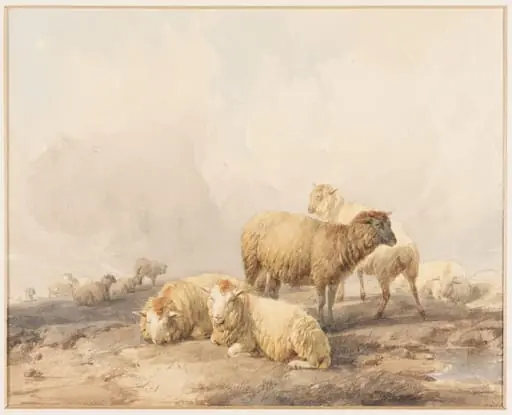
Studies of Sheep is a drawing by the Impressionist artist Anton Mauve. It dates from 1869 and is held in the collection of the Cleveland Museum of Art.
About this work
Overview
This drawing, like much of his work, captures ordinary moments with sensitivity, avoiding theatricality in favor of observed truth.
Anton Mauve produced *Studies of Sheep* in 1869 as part of his sustained engagement with rural Dutch life. A central figure in the Hague School, he favored quiet, unidealized scenes of the countryside. This drawing, like much of his work, captures ordinary moments with sensitivity, avoiding theatricality in favor of observed truth. His focus on livestock reflects a broader interest in the rhythms of agricultural existence.
Subject & Meaning
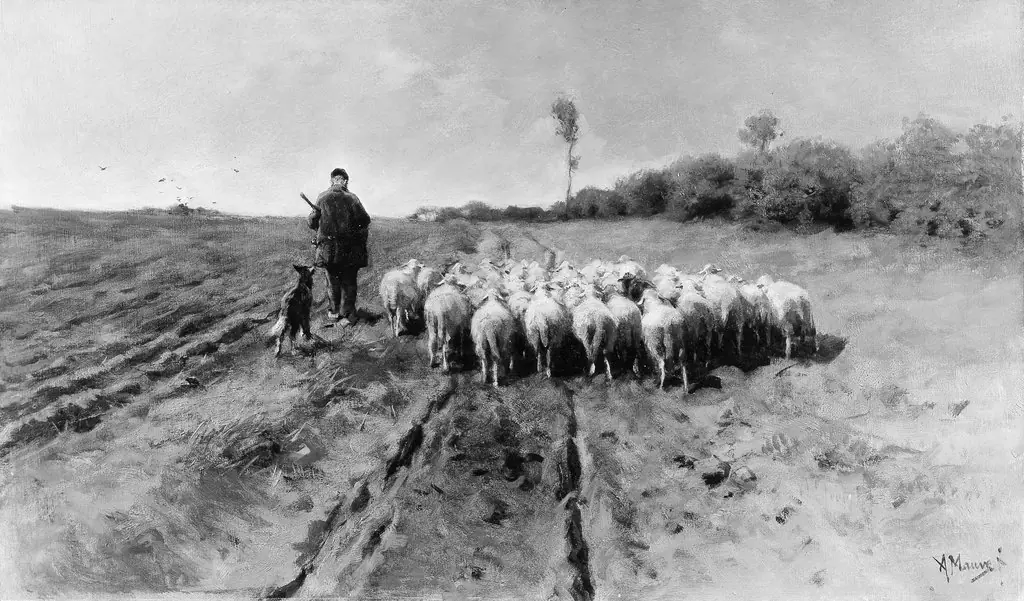
The drawing depicts a small group of sheep grazing on a modest patch of grass, one adorned with a bell. There is no narrative drama—only stillness and presence. Mauve’s choice to render these animals without human figures emphasizes their quiet autonomy within the landscape. The work suggests an appreciation for the dignity of everyday rural life, valued by both Dutch and American audiences of the time.
Technique & Style
Mauve employed delicate tonal gradations to capture the texture of wool under soft, diffused light. His use of gray and white hues conveys the subtle interplay of atmosphere and surface, avoiding bold outlines or vivid color. The drawing’s restrained palette and loose, observational lines reflect the Hague School’s commitment to naturalism and atmospheric realism, prioritizing mood over detail.
History & Provenance
Created during Mauve’s early mature period, *Studies of Sheep* emerged from his frequent sketching trips in the Dutch countryside. The work gained traction among American collectors drawn to its serene realism and technical finesse. While specific ownership records from the 19th century are limited, its presence in institutions like The Cleveland Museum of Art confirms its enduring recognition within collections of Dutch realism.
Context
In the late 1860s, the Hague School was redefining Dutch art by turning away from romanticized history painting toward intimate depictions of rural labor and landscape. Mauve’s sheep studies align with this movement’s ethos—valuing authenticity over spectacle. His work resonated with contemporaries who sought to document the vanishing textures of peasant life amid industrialization.
Legacy
Mauve’s animal studies, including this one, helped establish a visual language for rural realism in Dutch art. Though less celebrated than his portraits or larger compositions, these drawings reveal his consistent attention to quiet observation. They influenced later artists interested in naturalism and contributed to the broader acceptance of everyday subjects in 19th-century European drawing.
Own this work as a print
Artist & collection
Artist
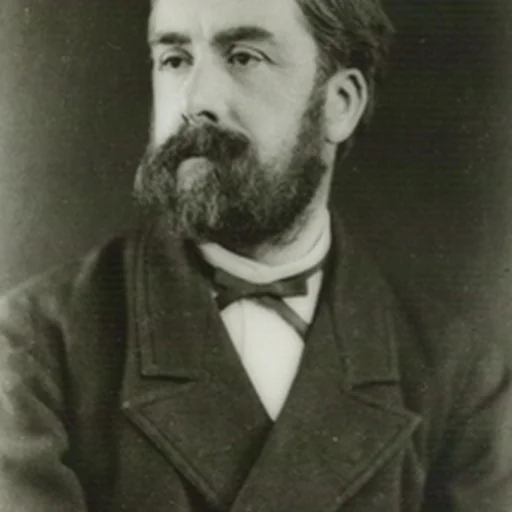
Anthonij "Anton" Rudolf Mauve (Dutch pronunciation: ; 18 September 1838 – 5 February 1888) was a Dutch realist painter who was a leading member of the Hague School.