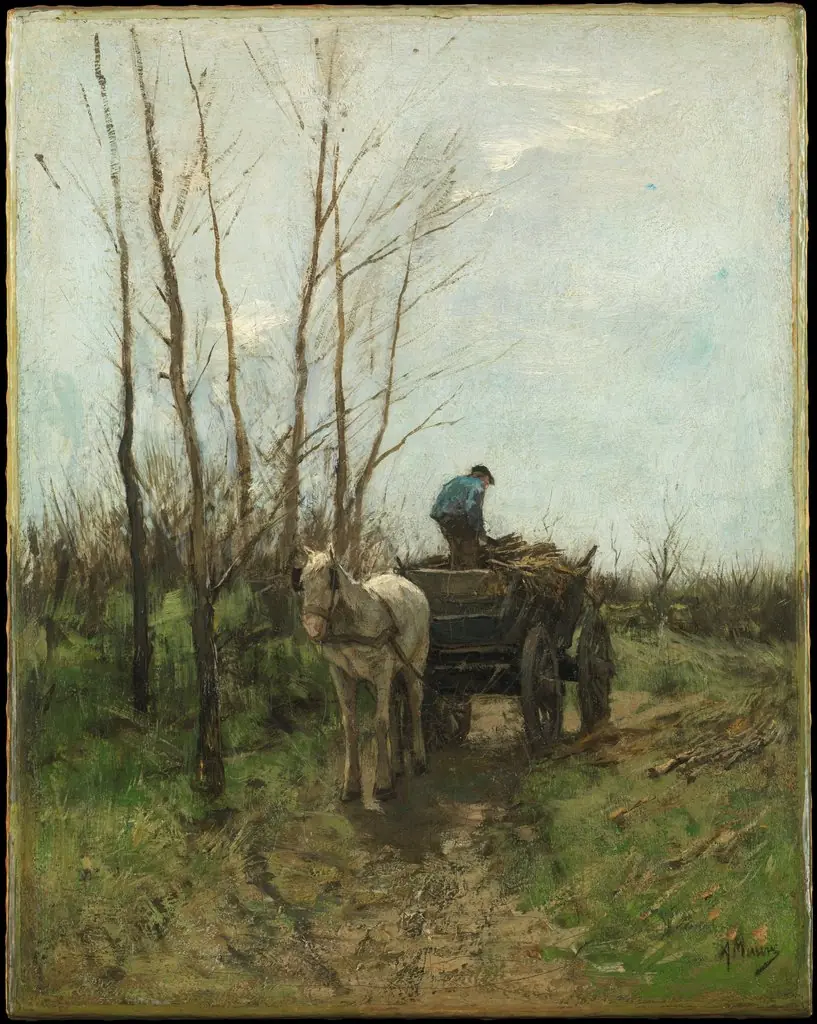
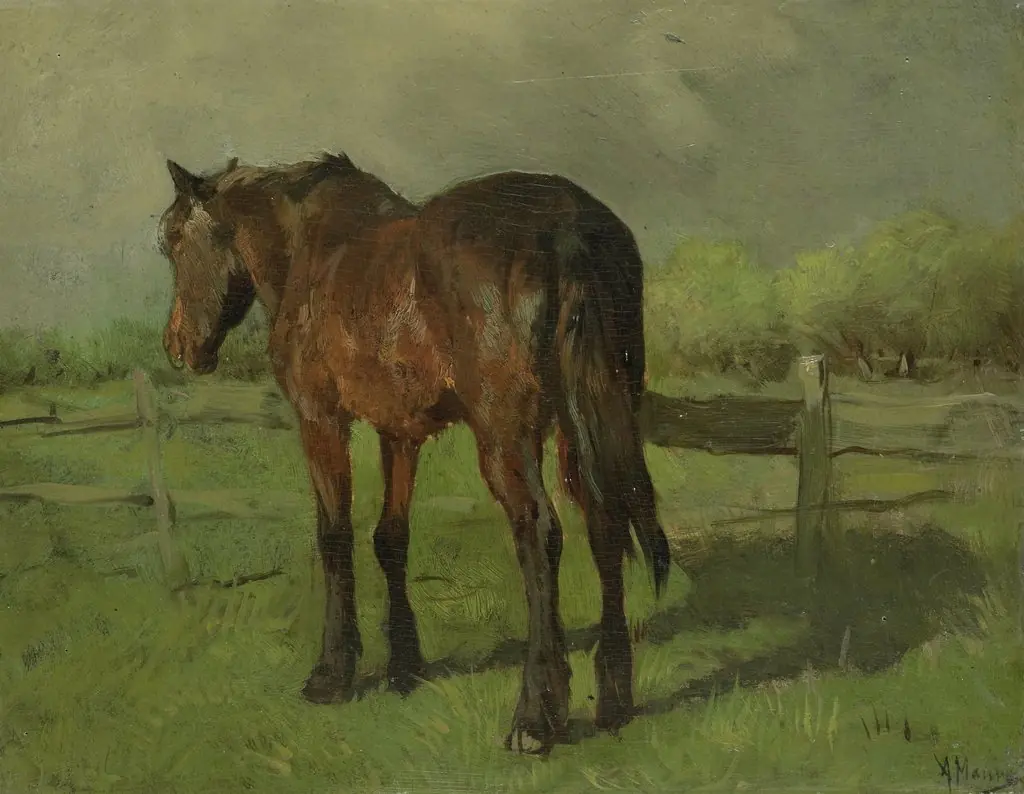
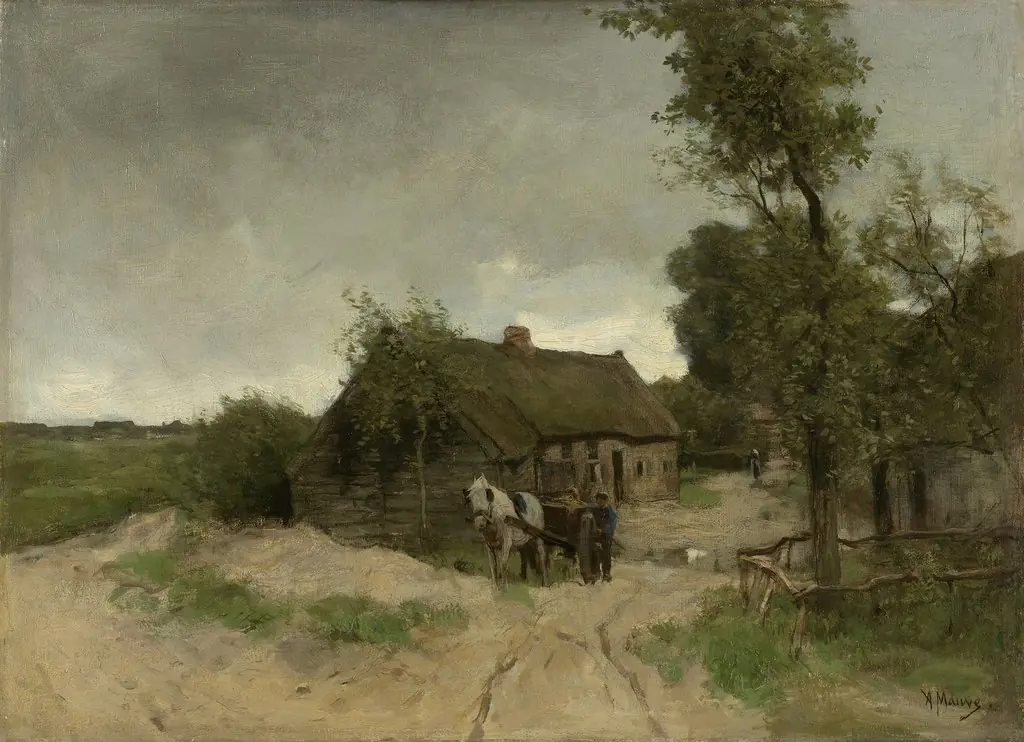
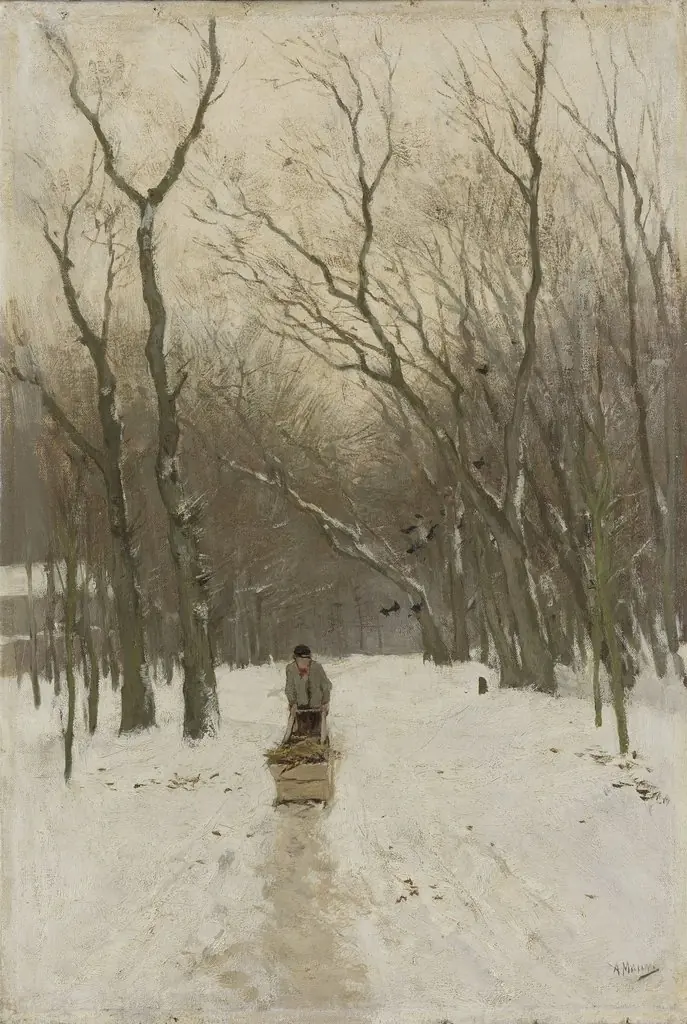
Artwork
Shepherd and Sheep on a Woodland Road
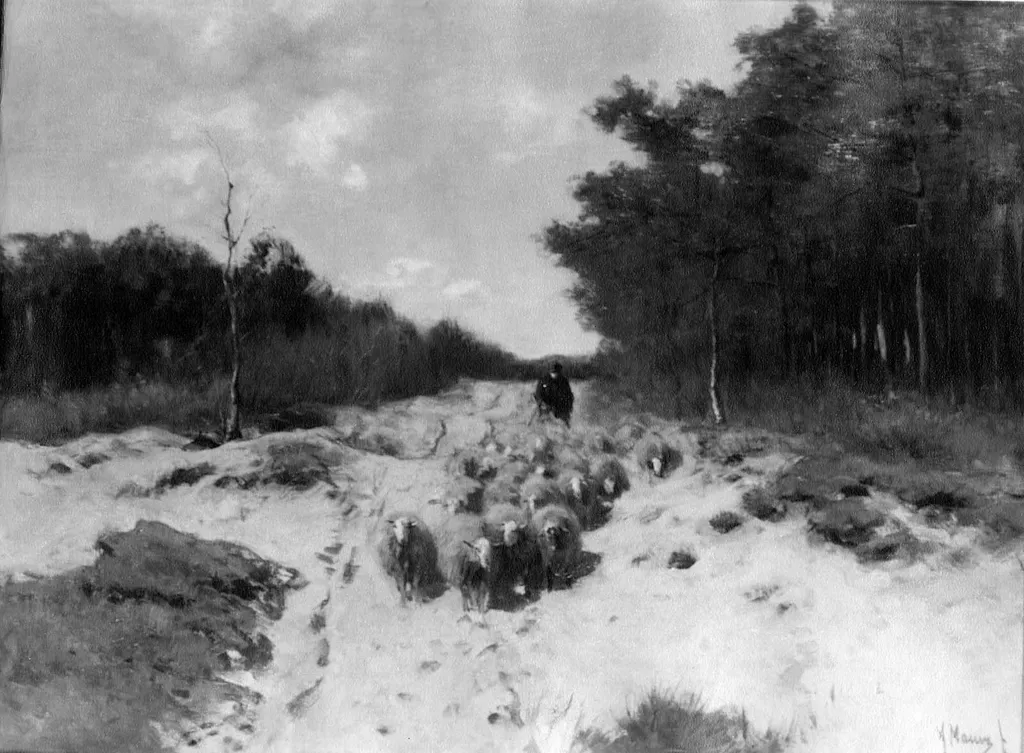
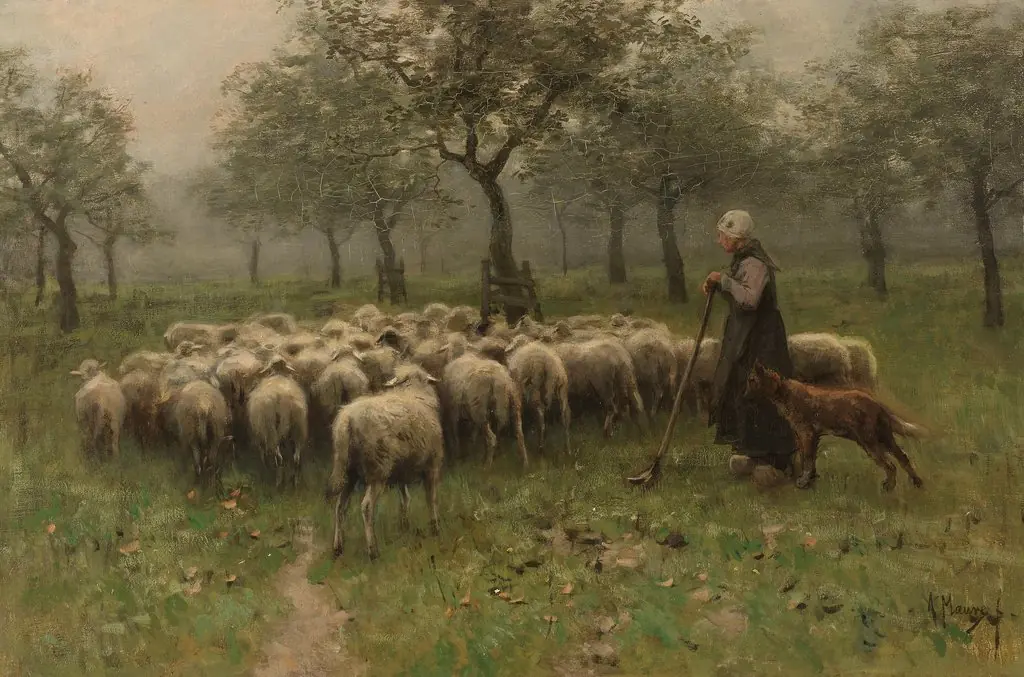
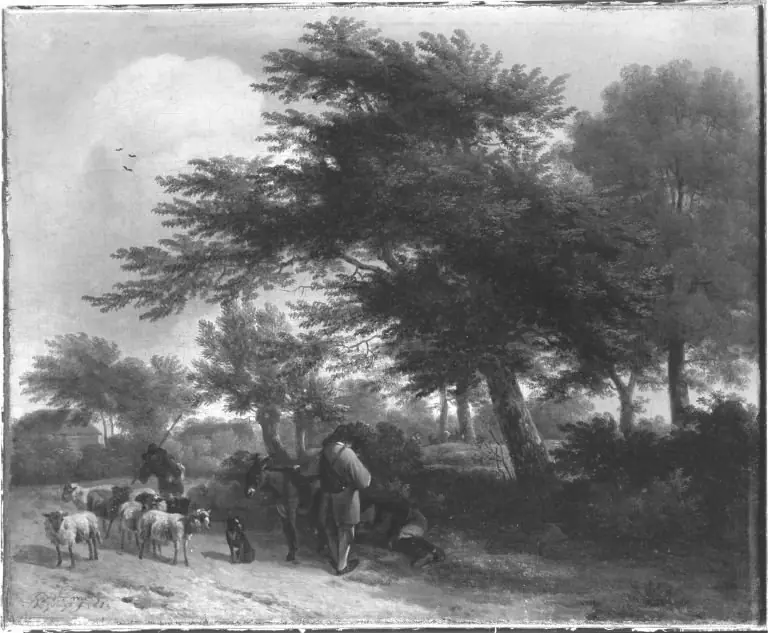
Shepherd and Sheep on a Woodland Road is an oil painting by the Hague School artist Anton Mauve. It dates from 1873 and is held in the collection of the Museum of Fine Arts Boston.
About this work
Overview
His treatment of light and terrain reflects the movement’s commitment to naturalism, grounding his scenes in the tangible rhythms of rural labor and landscape.
Anton Mauve painted *Shepherd and Sheep on a Woodland Road* circa 1873 in oil, capturing a quiet rural moment along a forest path. As a central figure in the Hague School, he focused on ordinary life in the Dutch countryside, avoiding idealization in favor of observed truth. His treatment of light and terrain reflects the movement’s commitment to naturalism, grounding his scenes in the tangible rhythms of rural labor and landscape.
Subject & Meaning
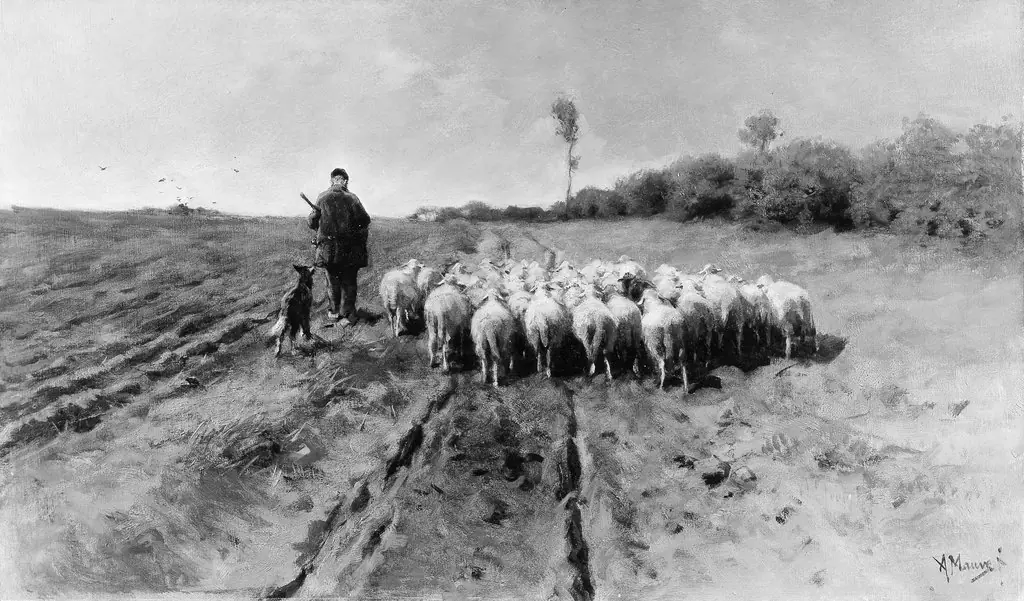
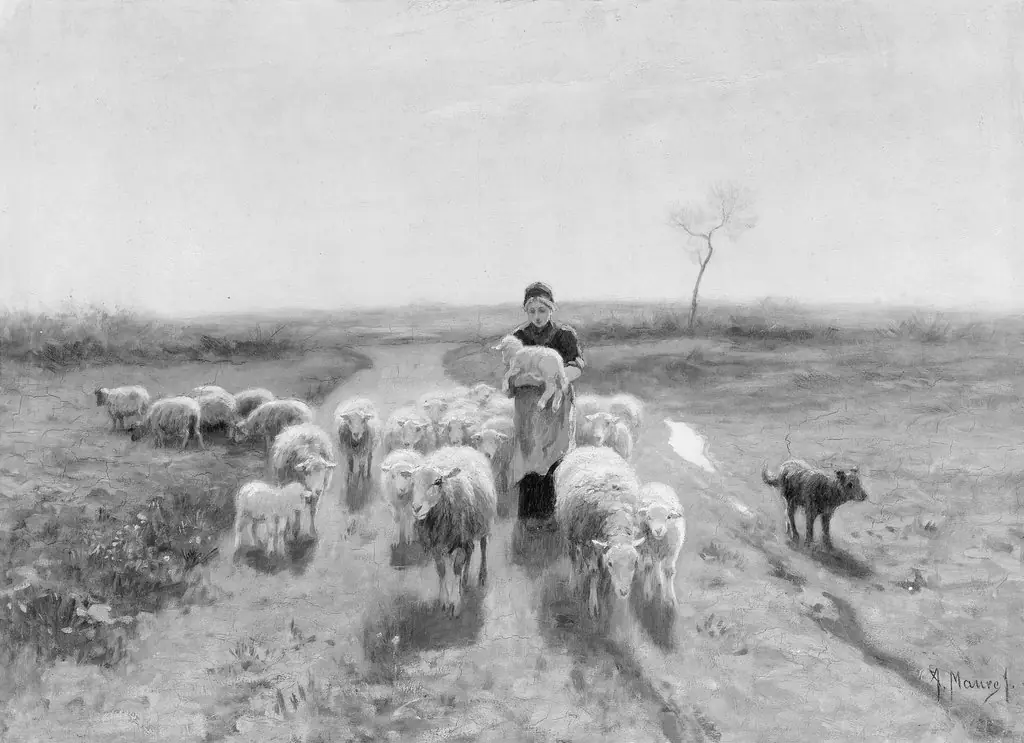
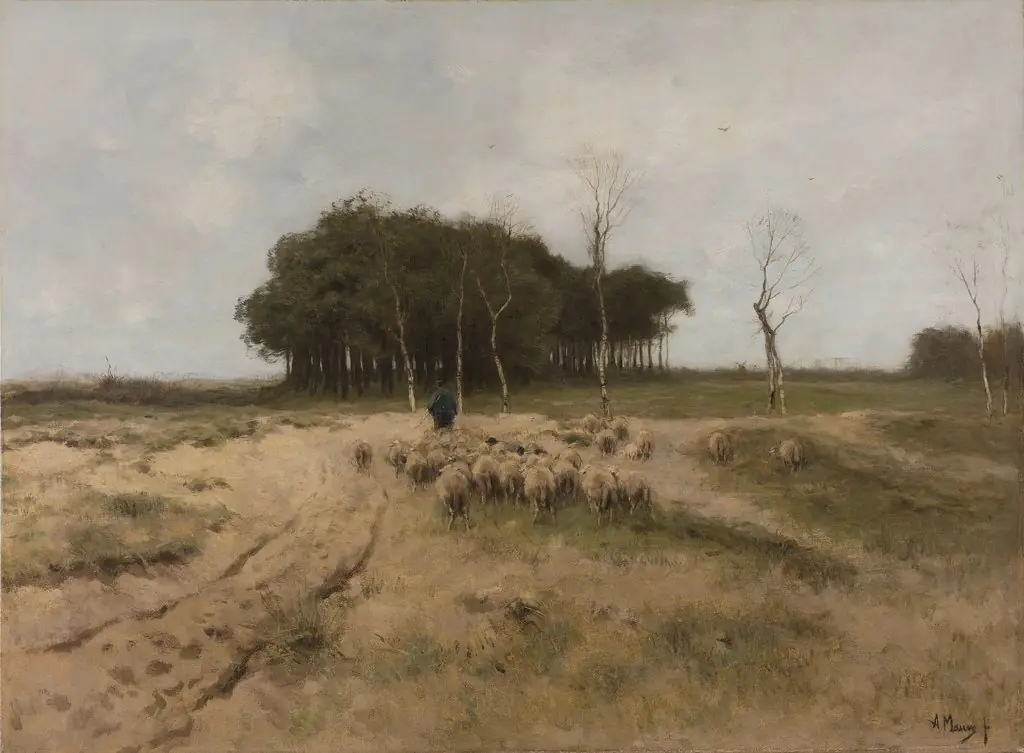
The painting portrays a shepherd guiding a flock of sheep along a narrow, tree-lined road that recedes into soft distance. The figures are engaged in quiet, repetitive motion—sheep pausing, turning, or moving forward, the shepherd steady and watchful. No dramatic event occurs; the meaning lies in the dignity of routine, the harmony between human and animal within a subdued natural setting, evoking stillness rather than narrative.
Technique & Style
Mauve employed layered oil glazes to achieve subtle shifts in tone, particularly in the dappled light filtering through foliage. His brushwork is loose yet deliberate, defining forms without sharp outlines. The shepherd’s dark figure contrasts with the muted greens and ochres of the landscape, drawing attention without disrupting the scene’s calm. Atmospheric perspective is rendered through softening edges and diminishing color saturation toward the horizon.
History & Provenance
Created during Mauve’s mature period, the work was part of a broader series of pastoral scenes that gained traction in American collections during the late 19th century. While specific ownership records from the 1870s are sparse, its reception in the U.S. reflects a growing interest in European realism among collectors seeking emotional resonance over grand historical themes. The painting remained within private hands until entering institutional care in the 20th century.
Context
Mauve worked alongside other Hague School artists who rejected academic conventions in favor of painting outdoors and capturing transient weather and light. His focus on shepherds and livestock aligned with a broader 19th-century European trend toward valuing rural life as authentic and morally grounded. Unlike urbanizing centers, the Dutch countryside offered a refuge from industrial change, a theme resonant with contemporary audiences.
Legacy
Mauve’s influence extended beyond his own output; his mentorship of Vincent van Gogh shaped the younger artist’s early palette and compositional restraint. Though Mauve’s reputation faded in the 20th century amid rising modernism, his careful observation of light and everyday labor remains a touchstone for studies of Dutch realism. His work continues to inform understandings of how quiet scenes can carry cultural weight.
Artist & collection
Artist
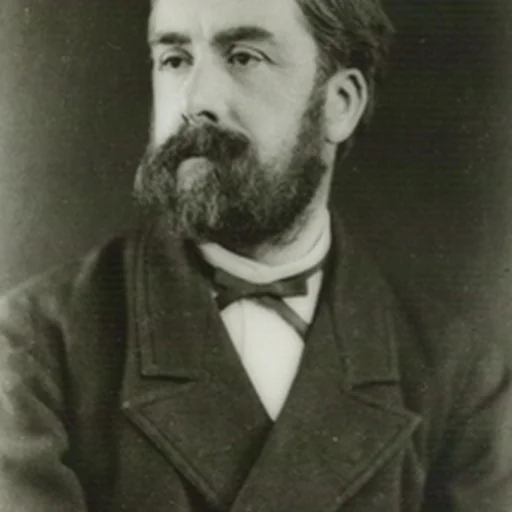
Anthonij "Anton" Rudolf Mauve (Dutch pronunciation: ; 18 September 1838 – 5 February 1888) was a Dutch realist painter who was a leading member of the Hague School.