Artwork
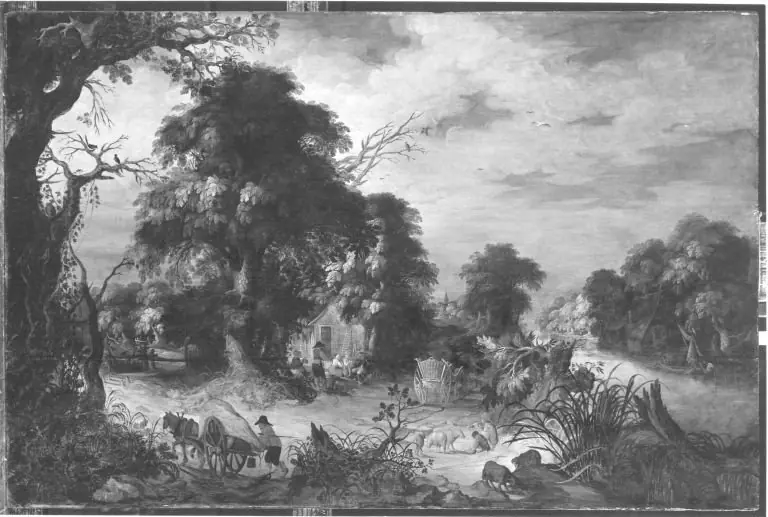
Waldlandschaft
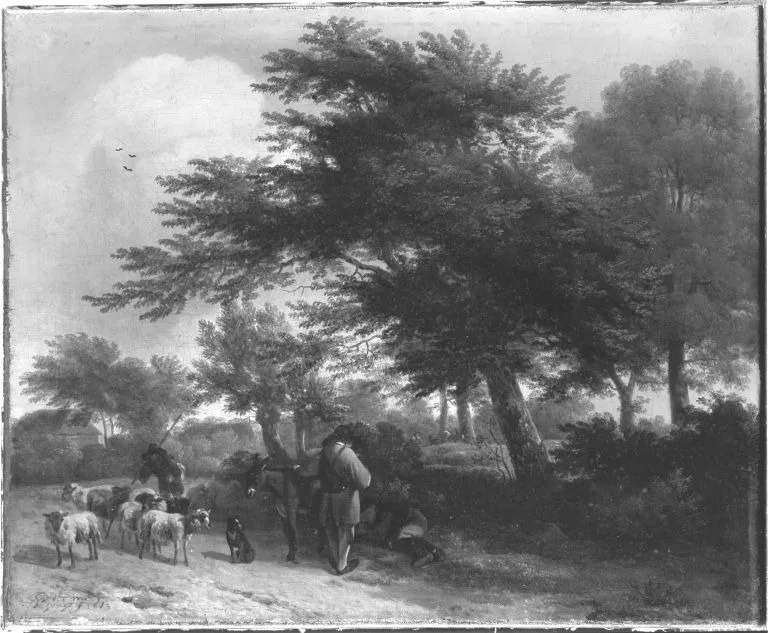
Waldlandschaft is an unspecified painting by the Dutch Golden Age artist Jan Vermeer van Haarlem. It dates from 1690 and is held in the collection of the Bavarian State Painting Collections.
About this work
Overview
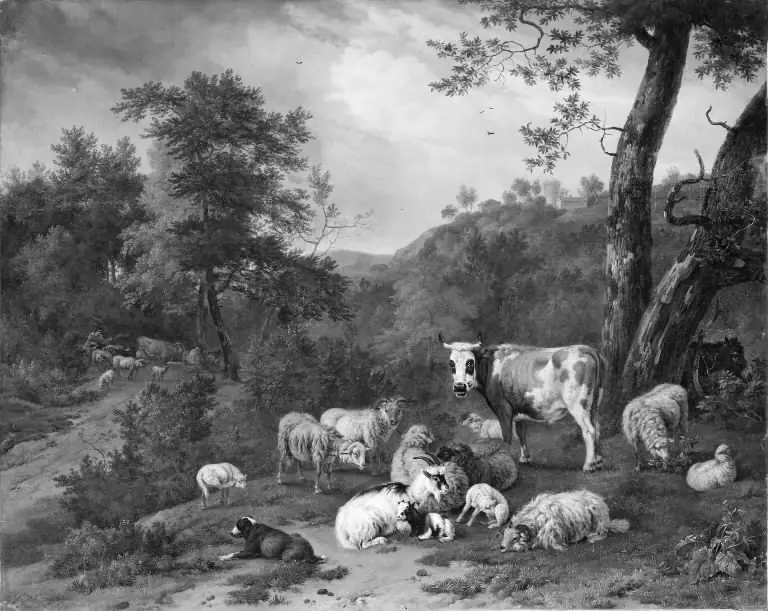
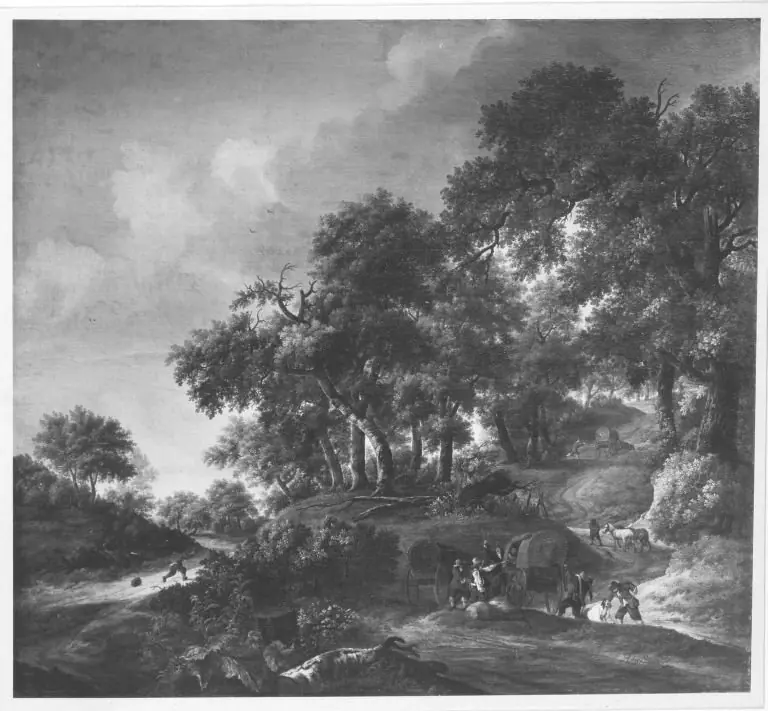
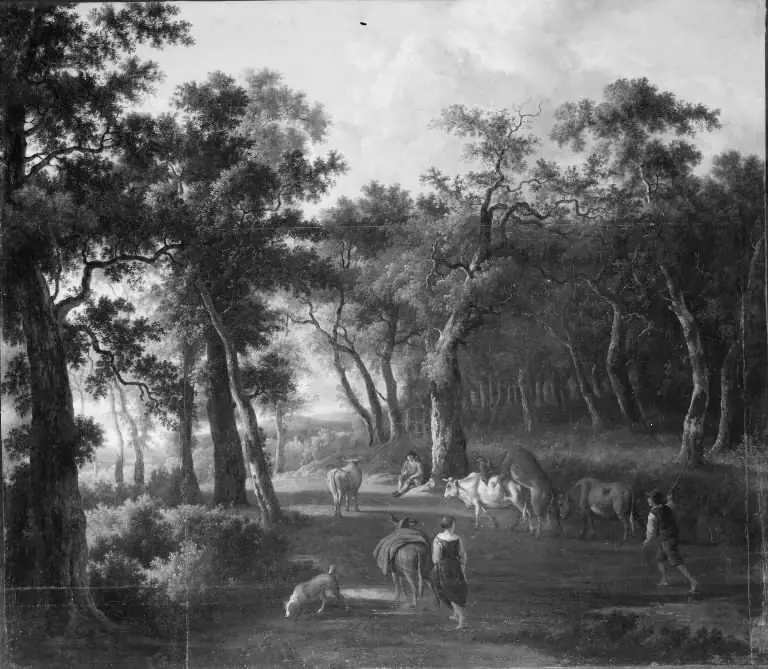
Waldlandschaft, painted in 1690, is a landscape work by Jan Vermeer van Haarlem, a Dutch artist active during the Golden Age. The canvas presents a quiet wooded scene centered on a solitary tree, with a modest path winding through the middle. Figures and livestock— a standing man, sheep and goats—populate the foreground, contributing to the work’s calm, pastoral atmosphere.
Subject & Meaning
The composition emphasizes the harmony between humanity and nature, a common theme in Vermeer van Haarlem’s oeuvre. The central tree serves as a focal point, anchoring the scene while the grazing animals and solitary figure suggest a tranquil, everyday rural life, inviting contemplation of the simple pleasures found within a forested landscape.
Technique & Style
Executed with the restrained palette typical of late‑17th‑century Dutch landscape painting, the work balances light and shadow to model forms and convey depth. Subtle chiaroscuro highlights the central tree and the figures, while the cloudy sky and distant foliage are rendered with delicate brushwork that softens edges and enhances the overall sense of serenity.
History & Provenance
Born in Haarlem in 1656, Vermeer van Haarlem spent his career depicting natural scenery. Waldlandschaft entered the collection of Munich’s Alte Pinakothek, where it remains on display. The painting’s provenance reflects the museum’s long‑standing interest in Dutch Golden Age works, preserving the piece as part of its European landscape holdings.
Artist & collection
Artist
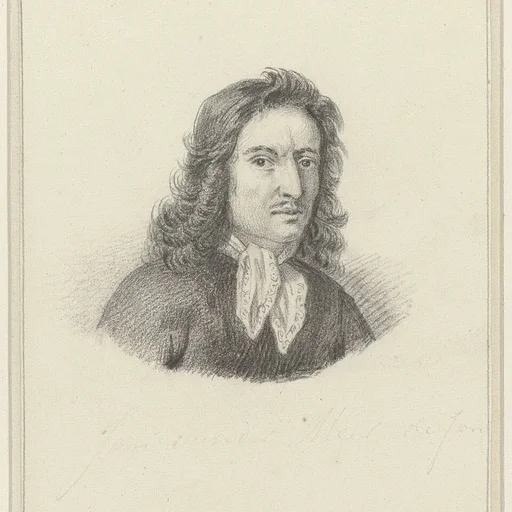
Jan Vermeer van Haarlem, or Jan van der Meer II (1656 – May 28, 1705) was a Dutch Golden Age painter from Haarlem. A landscape painter primarily, he was baptized there on November 29, 1656.

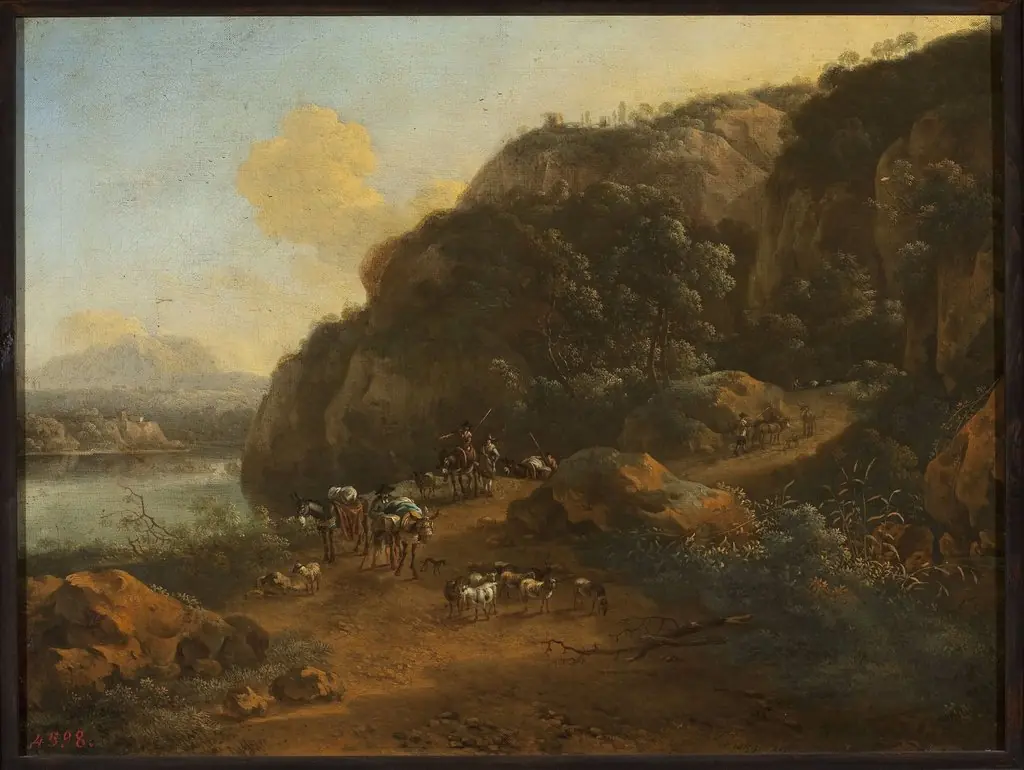
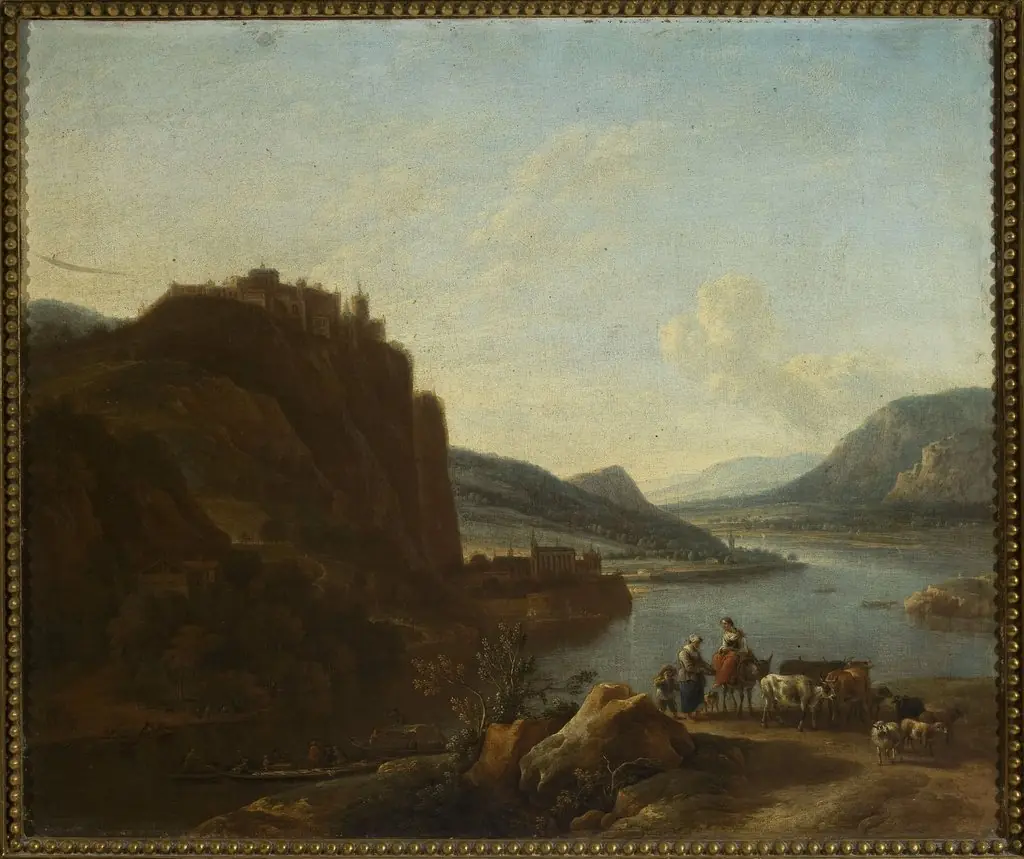
 Landscape
 Landscape
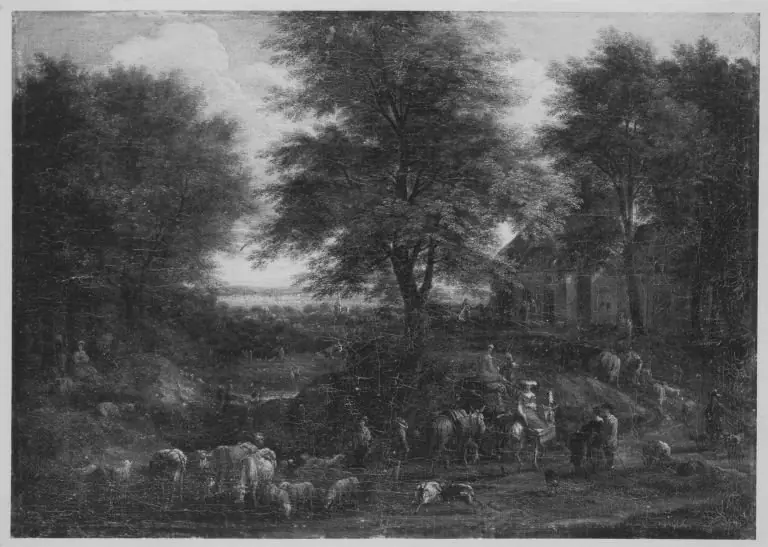 Landschaft mit Staffage
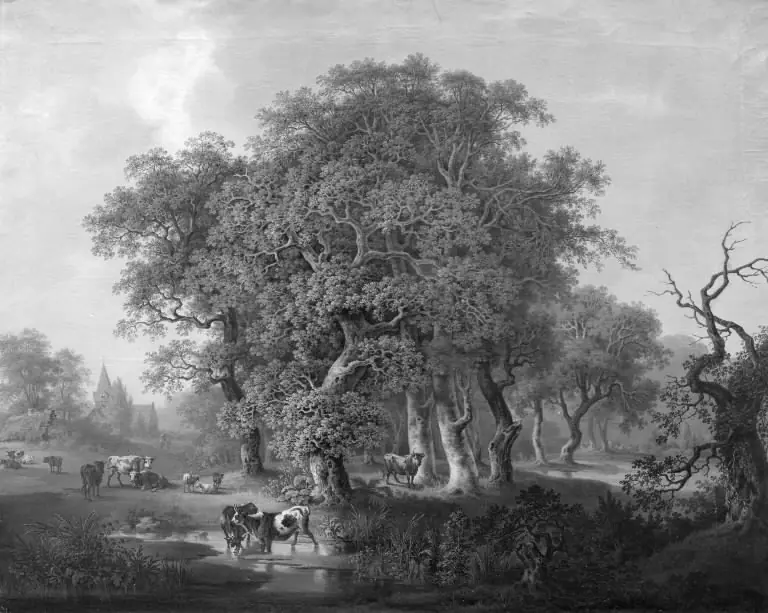 Kvæg i en skov
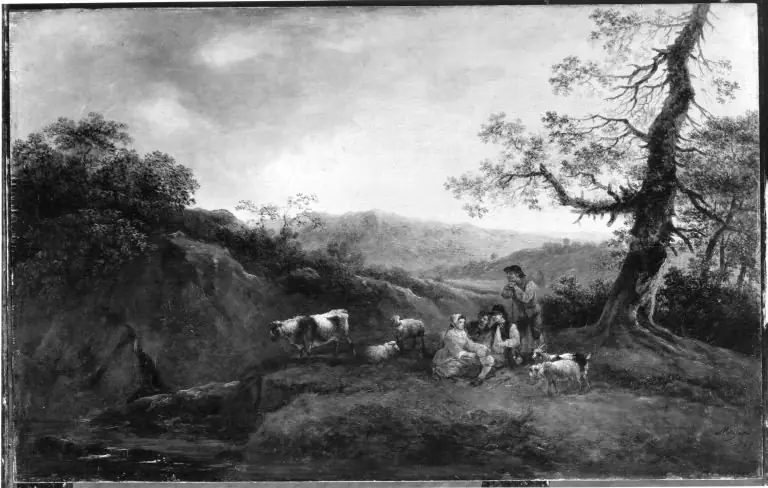 Landschaft
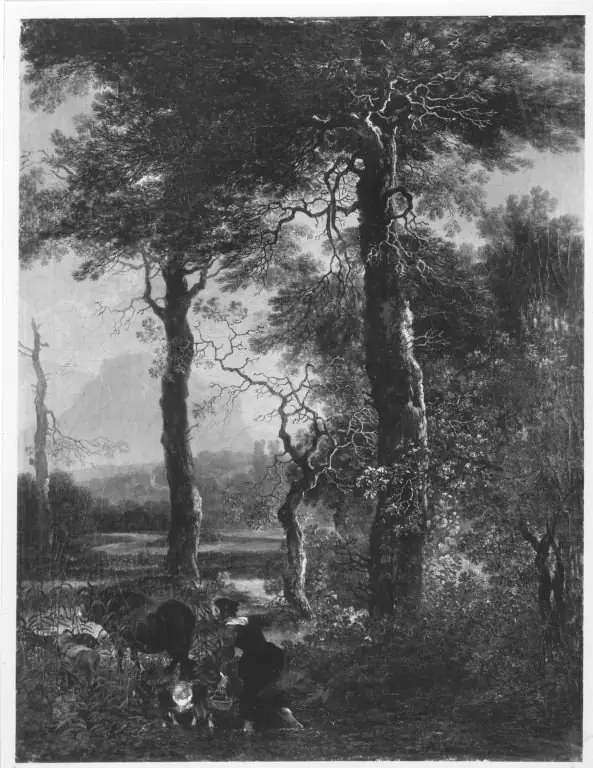 Landschaft mit hochstämmigen Bäumen
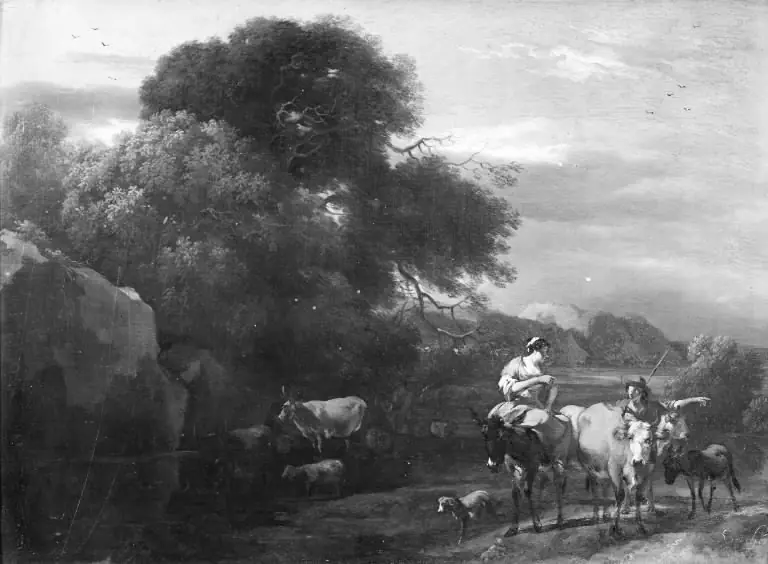 Evening Landscape with Wooded Rocks and Cattle
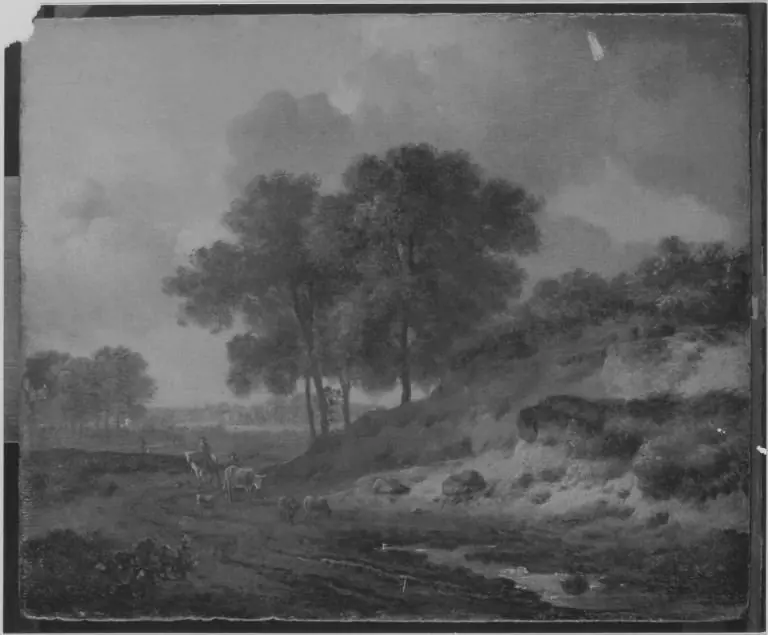 Landschaft
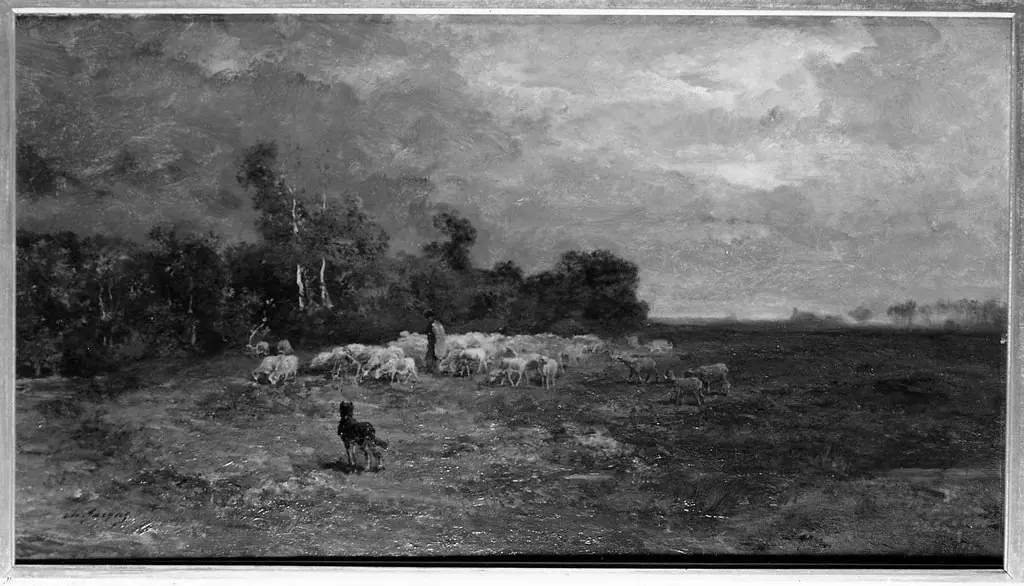 Shepherd and Sheep on the Edge of a Plain
 Evening Landscape with Wooded Rocks and Cattle
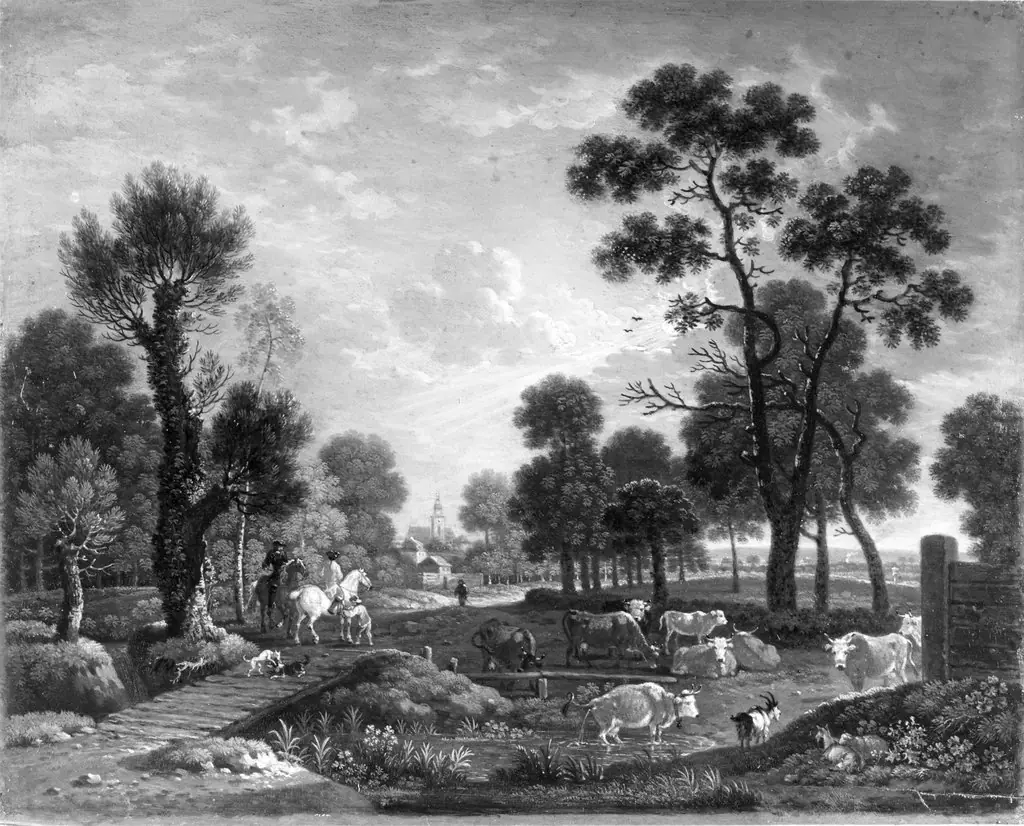 Landscape with Horsemen and Cattle
 Waldlandschaft mit Bauern