Artwork
The Holy Family with Saint Augustine
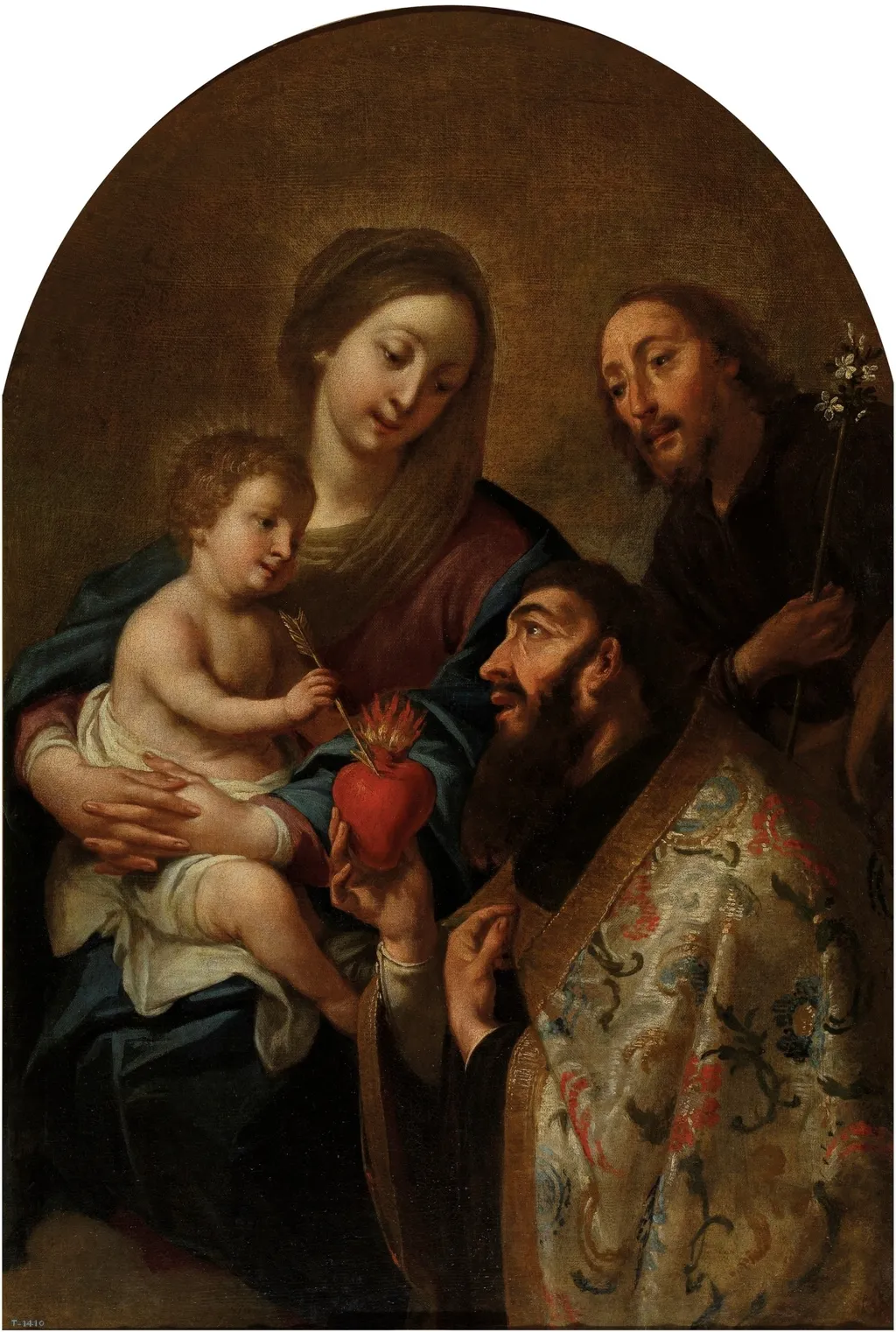
The Holy Family with Saint Augustine is an oil painting by the Rococo painting artist Antoni Viladomat i Manalt. It dates from 1720 and is held in the collection of the Museo del Prado.
About this work
Overview
The Holy Family with Saint Augustine is a 1720 oil painting by Antoni Viladomat i Manalt, blending Baroque tradition with Rococo style, now part of the Museo del Prado's collection.
Subject & Meaning
The painting depicts the Holy Family (Mary with infant Jesus, Joseph) accompanied by Saint Augustine, who kneels in devotion. Symbolic elements include Jesus holding a wheat stalk (purity) and a heart with a crown of thorns (future sacrifice), while Joseph's lily represents innocence.
Technique & Style
Executed in oil paint, the work features a warm color palette and harmonious composition. Viladomat i Manalt employed chiaroscuro to create depth, focusing attention on the central Holy Family through strategic lighting and shadow.
History & Provenance
Created in 1720, the painting is attributed to Antoni Viladomat i Manalt. It is currently housed in the Museo del Prado, though specific acquisition details are not provided.
Context
This work reflects the artistic transition from Baroque to Rococo in early 18th-century Spain, with Viladomat i Manalt's style adapting these influences for religious subjects.
Legacy
While specific impact or notable exhibitions of *The Holy Family with Saint Augustine* are not highlighted, its presence in the Museo del Prado ensures its contribution to the study of Spanish Baroque-Rococo transitional art.
Artist & collection
Artist
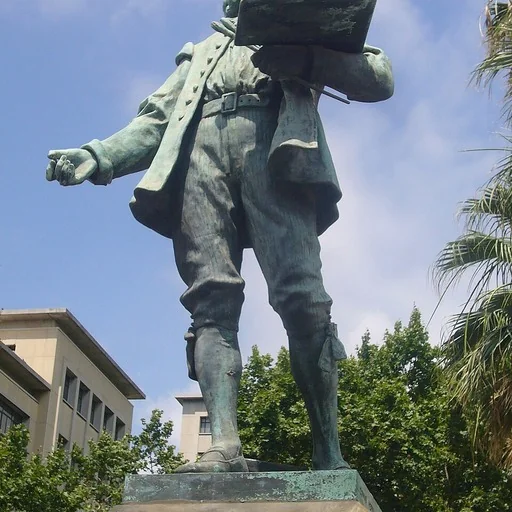
Antoni Viladomat i Manalt (20 March 1678 in Barcelona, Spain – 22 January 1755 in Barcelona, Spain) was a Spanish painter in the Baroque style.

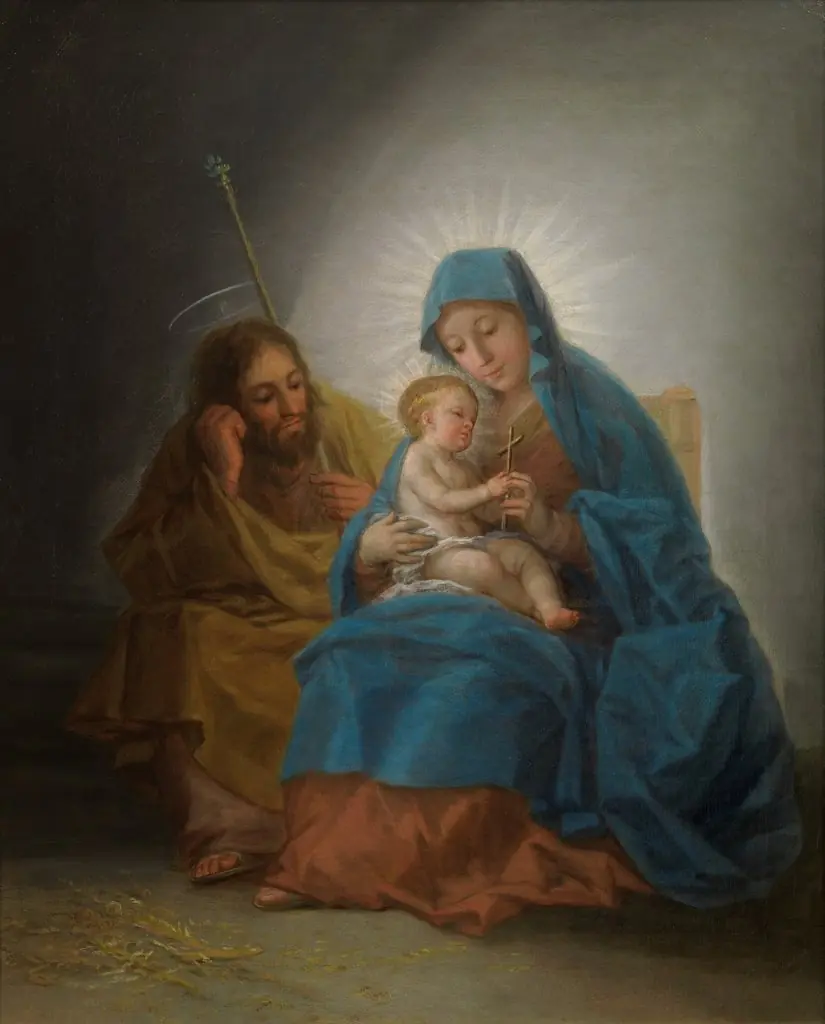 The Holy Family
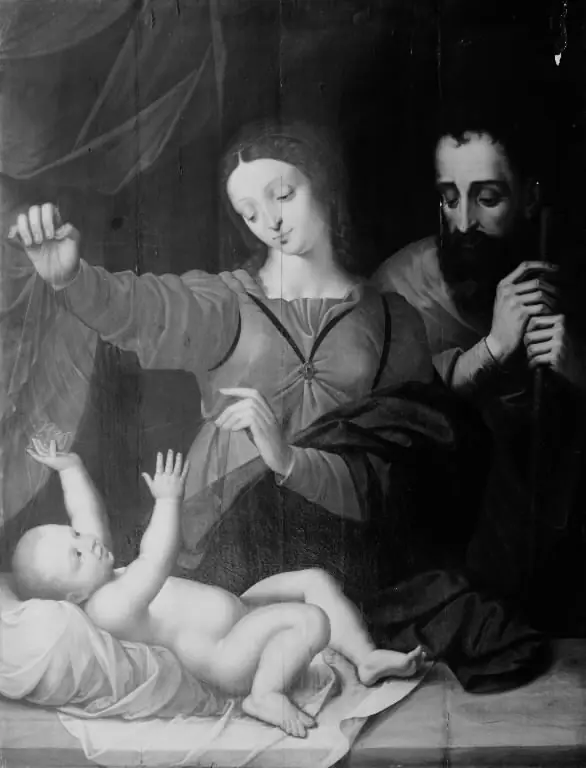 The Holy Family
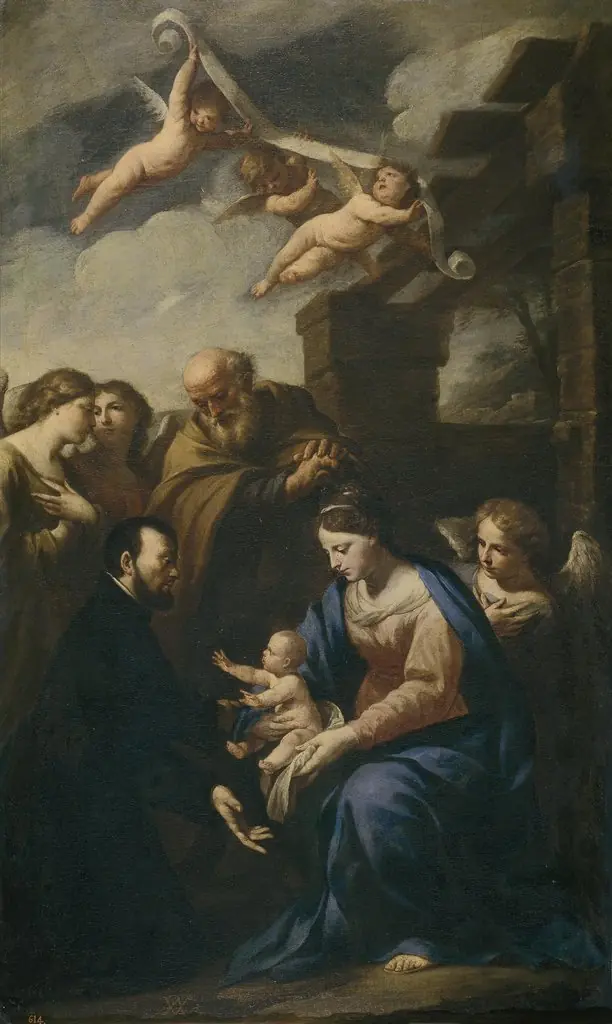 San Cayetano ante la Sagrada Familia
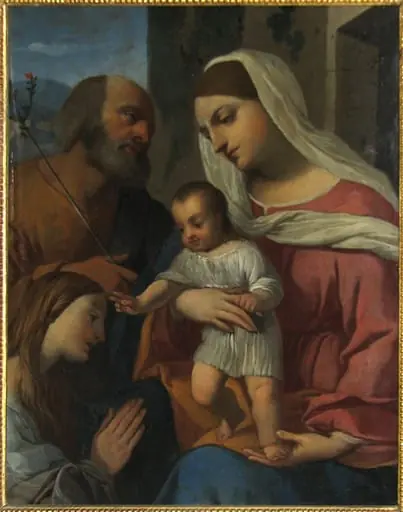 Sfânta Familie
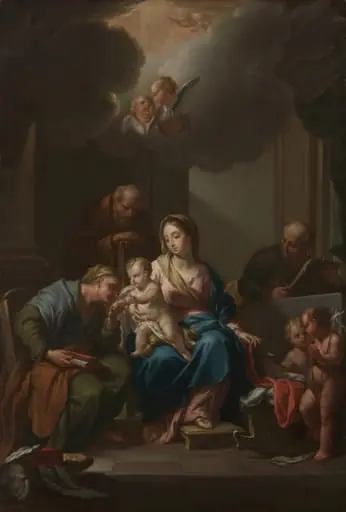 Presentation Sketch for "The Holy Family with Saints Anne, Joachim, and John the Baptist" (for Santa Maria in Via Lata, Roma)
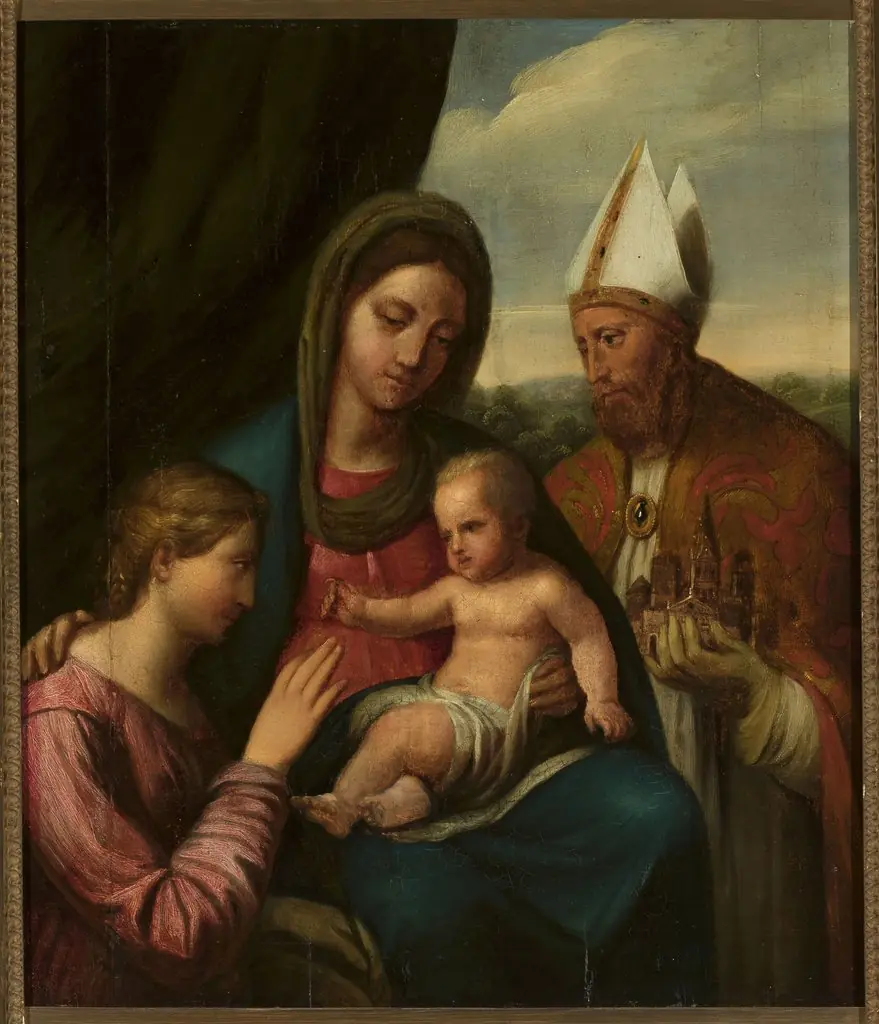 Mystical marriage of St. Catherine
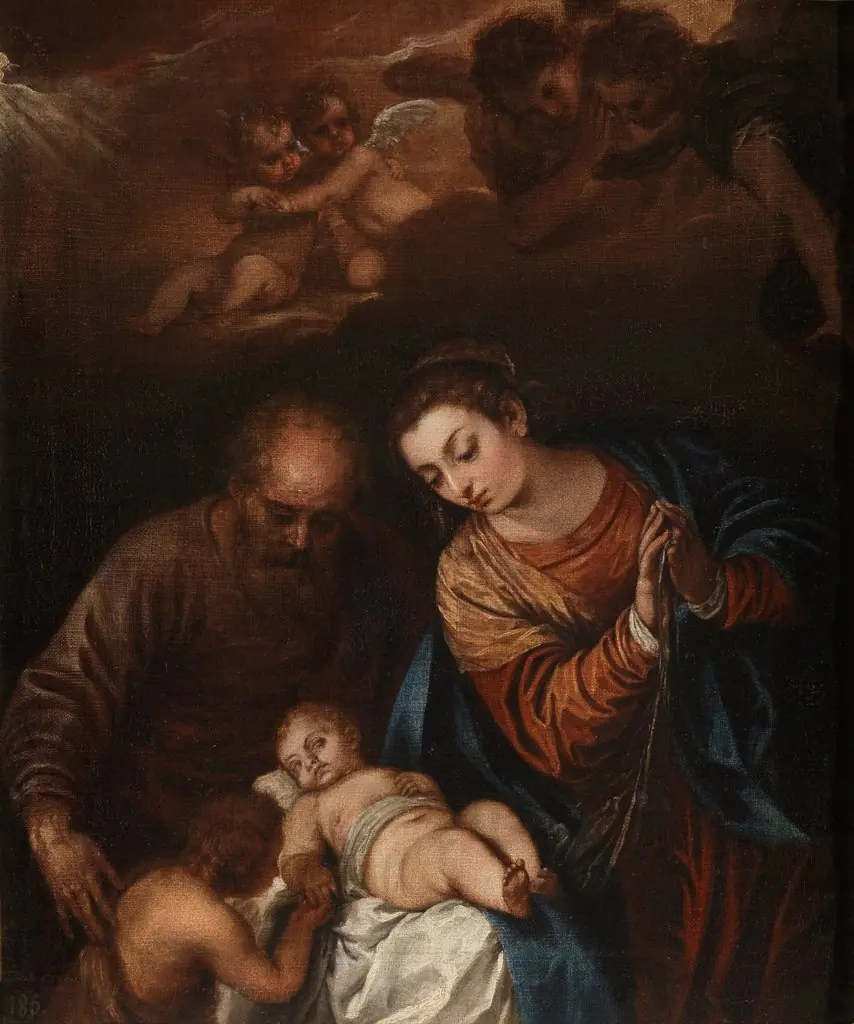 La Sagrada Familia
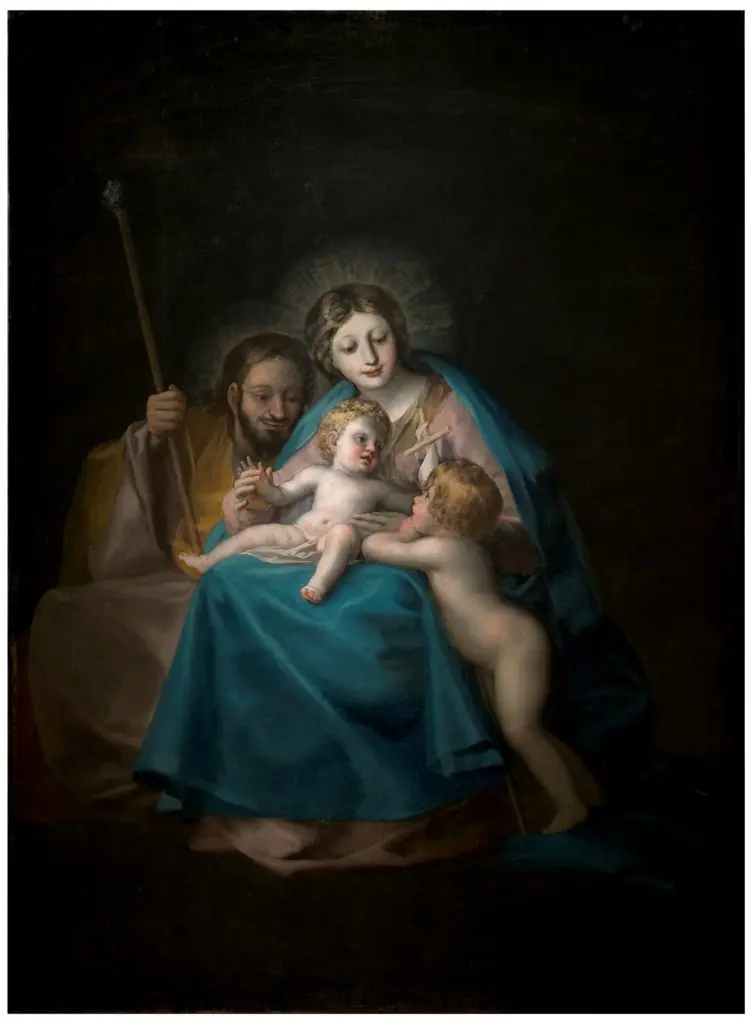 The Holy Family
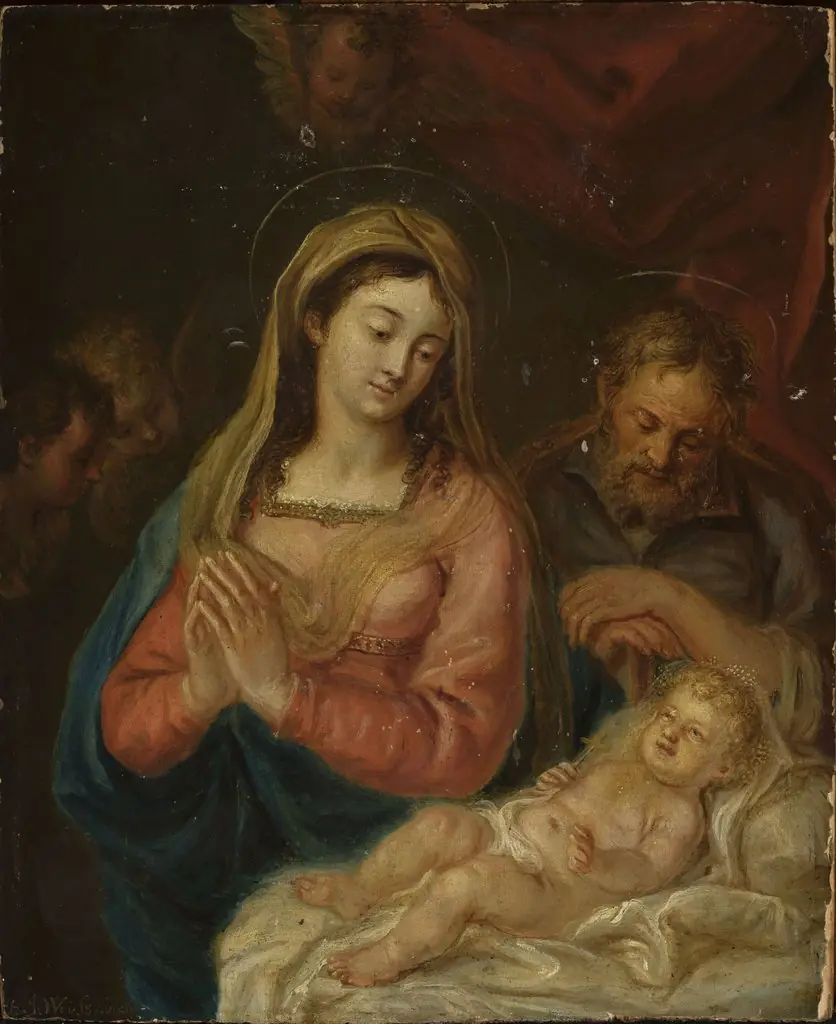 Holy Family
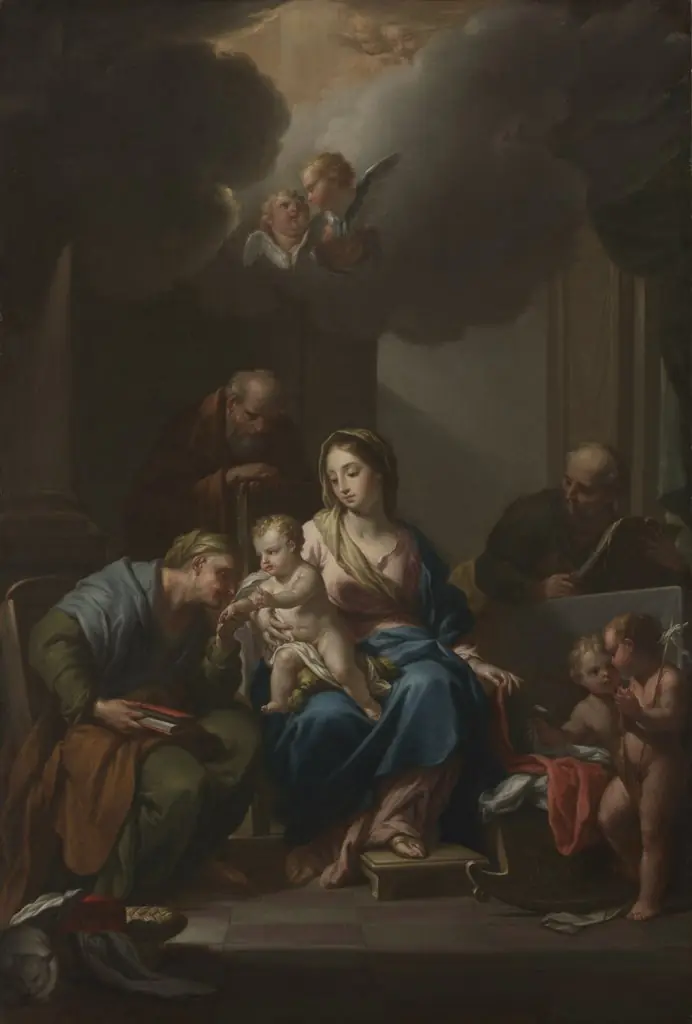 Presentation Sketch for "The Holy Family with Saints Anne, Joachim, and John the Baptist" (for Santa Maria in Via Lata, Roma)
 Adoration of the Shepherds
 The Flight into Egypt