Artwork
Mystical marriage of St. Catherine
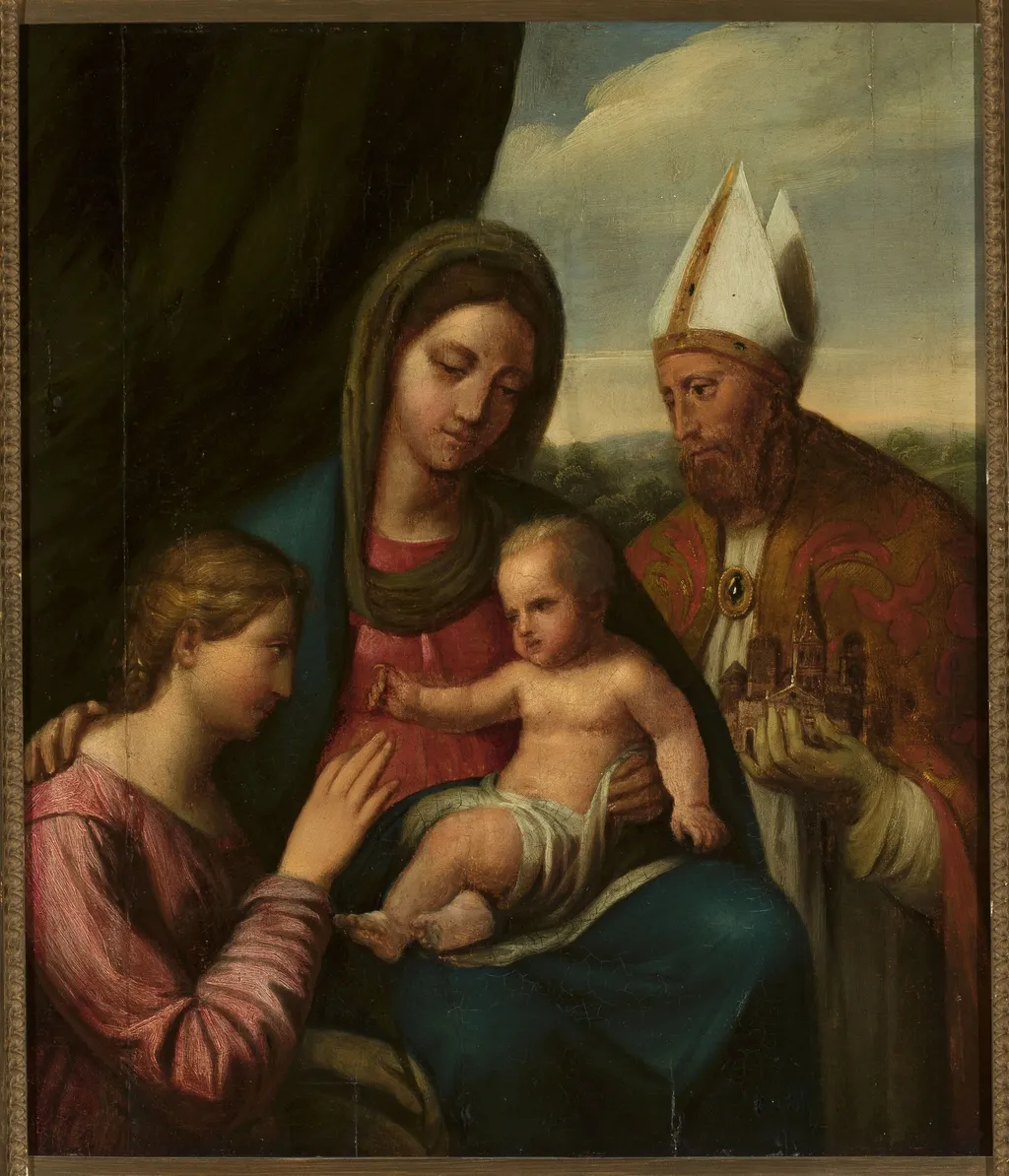
Mystical marriage of St. Catherine is an oil painting by Giovanni da Udine. It dates from 1535 and is held in the collection of the National Museum in Warsaw. Created circa 1535, the oil painting titled *Mystical Marriage of St.
About this work
Overview
A woman in a red dress and blue mantle cradles an infant, while a standing man in a white hat and brown robe gestures toward a small architectural model.
Created circa 1535, the oil painting titled *Mystical Marriage of St. Catherine* presents a compact group of figures against a dimly lit backdrop. A woman in a red dress and blue mantle cradles an infant, while a standing man in a white hat and brown robe gestures toward a small architectural model. The composition balances intimate gestures with symbolic objects, characteristic of devotional works of its era.
Subject & Meaning
The scene illustrates the legendary mystical marriage of Saint Catherine, a motif in Christian iconography where the saint is spiritually united with Christ. The tender contact between the woman, the child, and the man underscores the theological idea of Catherine’s betrothal to the divine, while the miniature building may allude to the saint’s association with learning and wisdom.
Technique & Style
Executed in oil on panel, the work displays the refined brushwork and luminous coloration typical of the High Renaissance. Giovanni da Udine employs a restrained palette—rich reds, deep blues, and earthy browns—against a dark background that heightens the figures’ three‑dimensional presence. The handling of fabric and the delicate rendering of the infant’s veil reveal the artist’s skill in rendering texture.
History & Provenance
The painting is part of the collection of the National Museum in Warsaw, where it has been displayed since its acquisition by the institution. Its attribution to Giovanni da Udine, a noted painter and architect from Udine born in 1487, rests on stylistic parallels with his documented fresco work and decorative projects.
Context
Giovanni da Udine was a close collaborator of Raphael, contributing to decorative frescoes and architectural schemes in the early 16th century. While most of his surviving output consists of ornamental panels, this devotional piece reflects the broader Renaissance interest in merging narrative religious themes with the period’s heightened naturalism and compositional balance.
Artist & collection

Artist
Giovanni Nanni, also Giovanni de' Ricamatori, better known as Giovanni da Udine (1487–1564), was an Italian painter and architect born in Udine. A painter also named Giovanni da Udine was exiled from his native city in 1472.

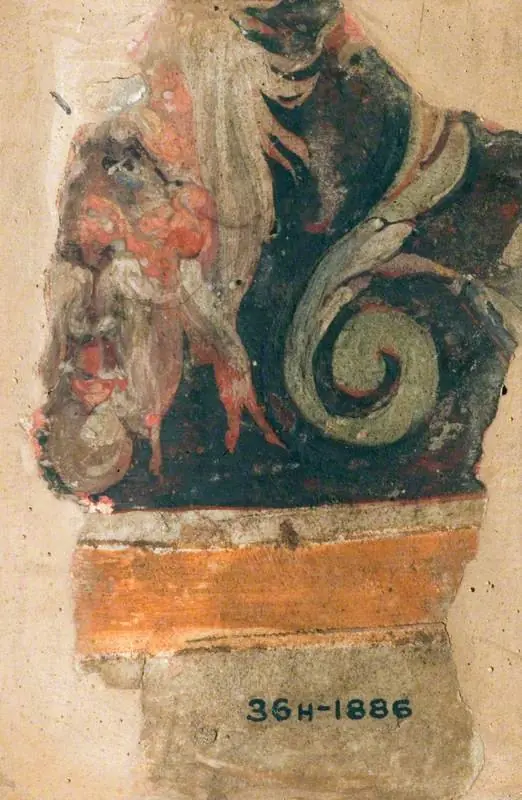 Decorative Pattern (fragment of a wall decoration)
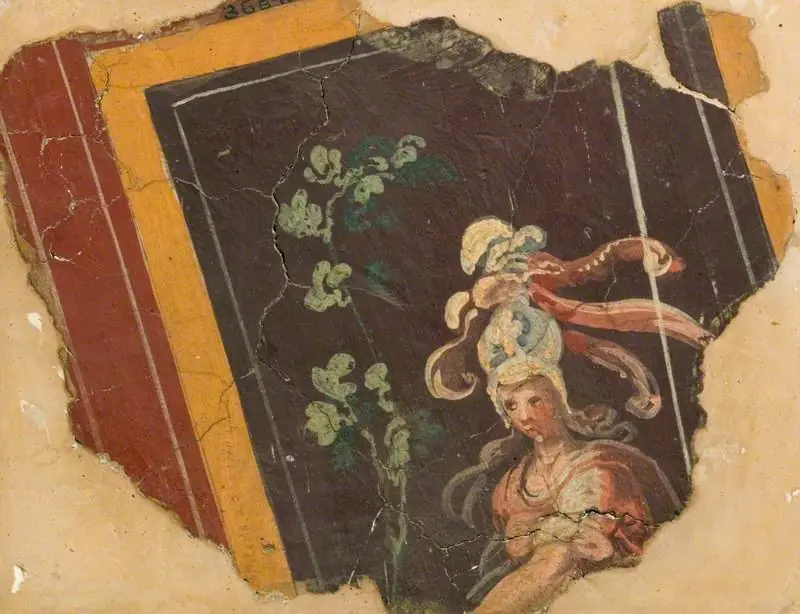 Upper Half of a Decorative Figure, with the Remnant of a Rectangular Frame (fragment of a wall decoration)
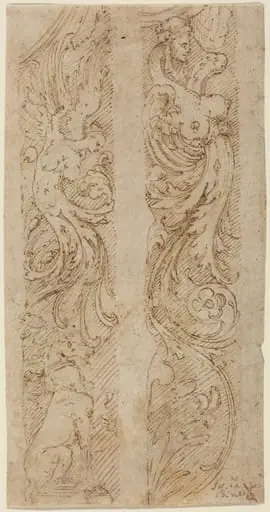 Grotesque Decorations for Wall Panels
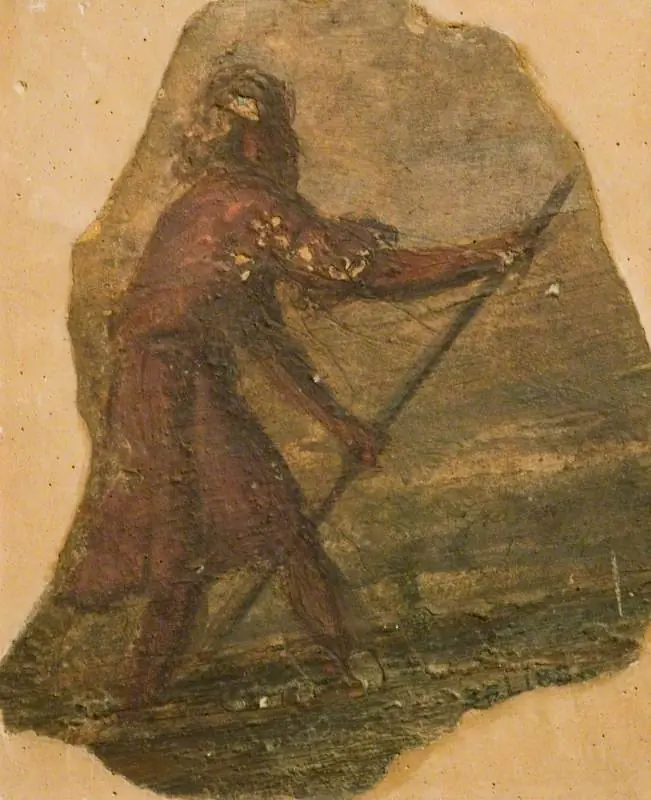 A Figure in the Attitude of Punting (fragment of a wall decoration)
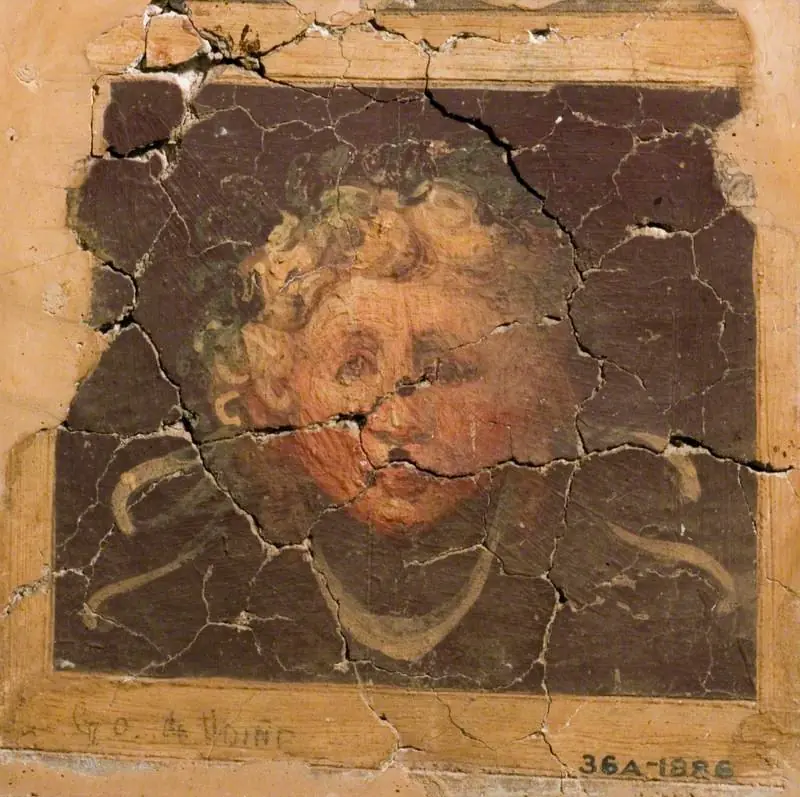 Female Head Framed by a Pattern of Ribbons (fragment of a wall decoration)
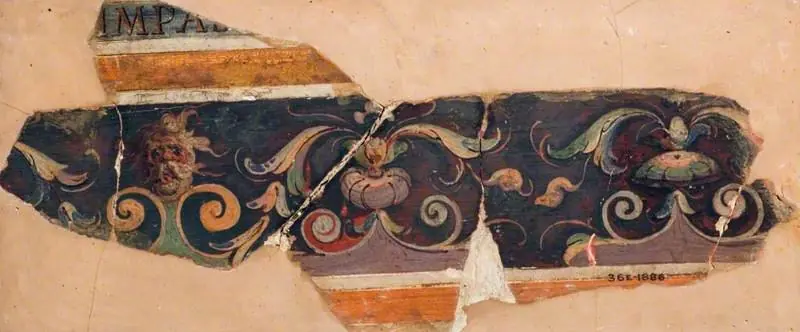 Part of a Decorative Frieze (fragment of a wall decoration)
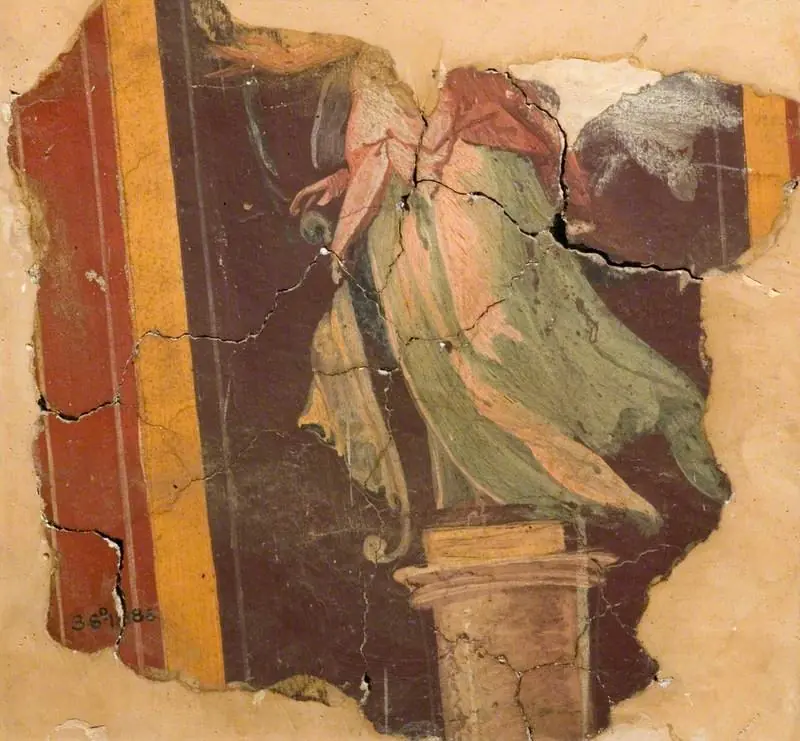 Lower Half of a Decorative Figure (fragment of a wall decoration)
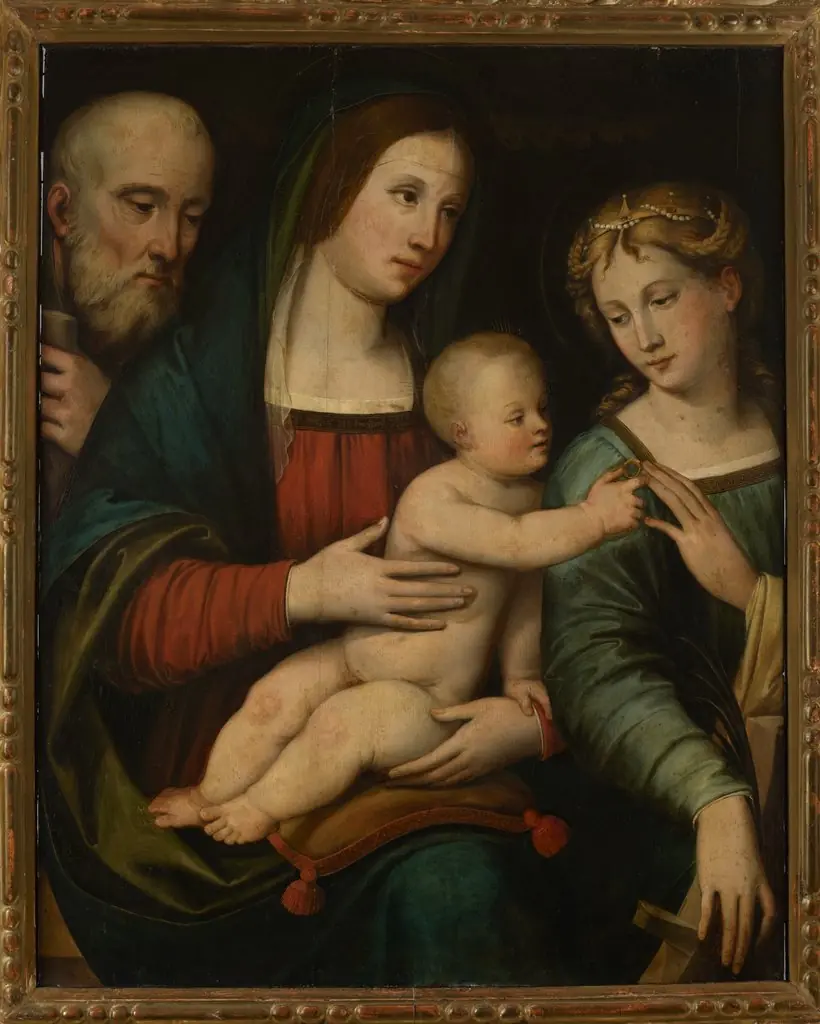 Mystic Marriage of St Catherine of Alexandria
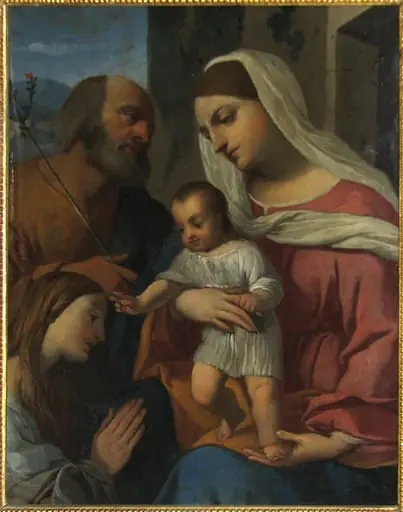 Sfânta Familie
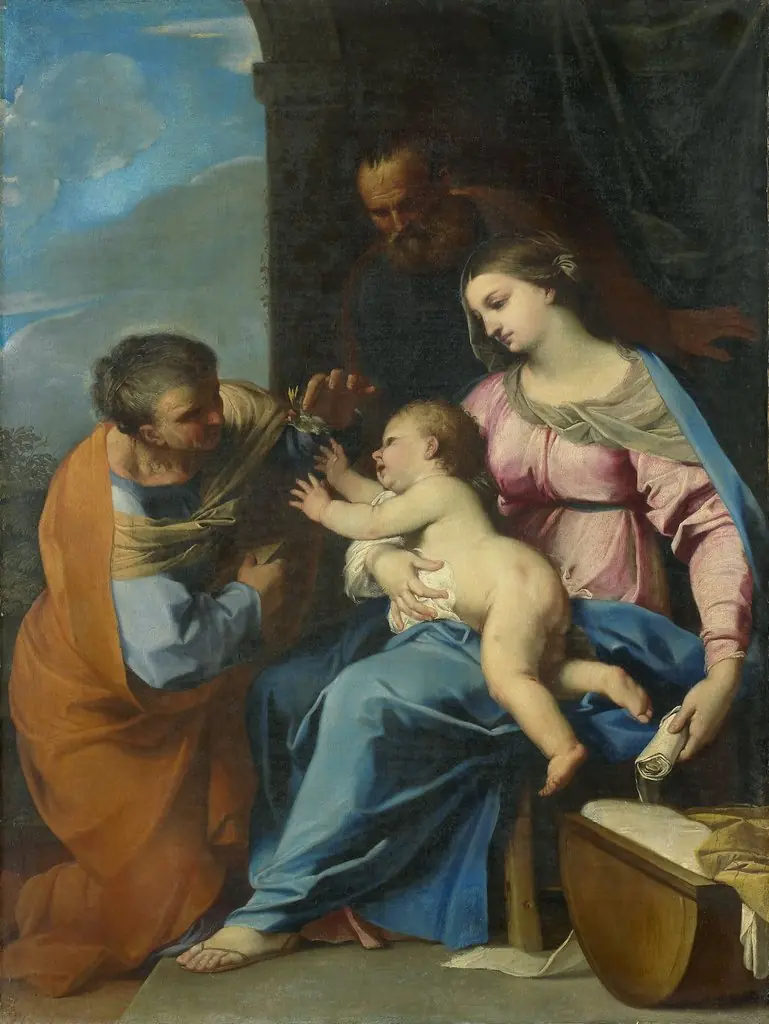 Holy Family
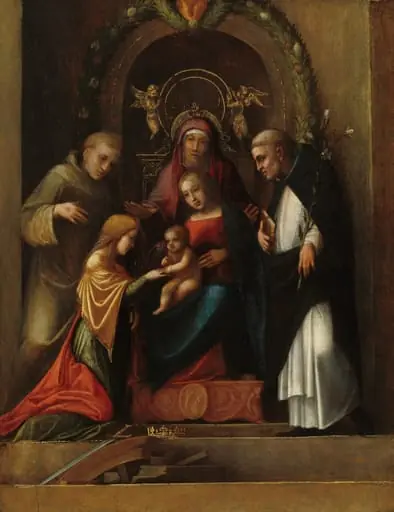 The Mystic Marriage of Saint Catherine
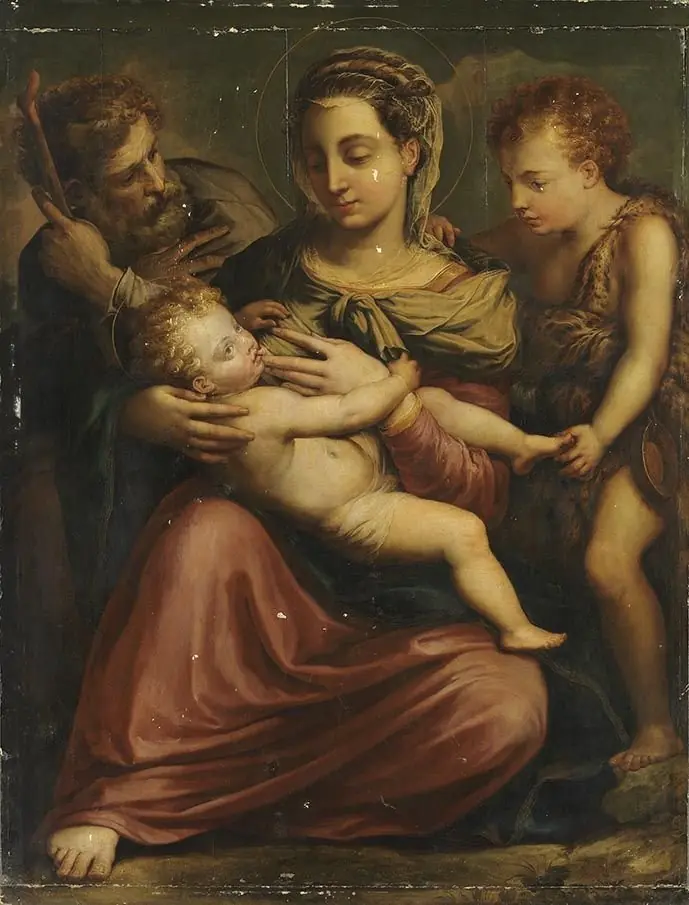 Holy Family with John the Baptist as child
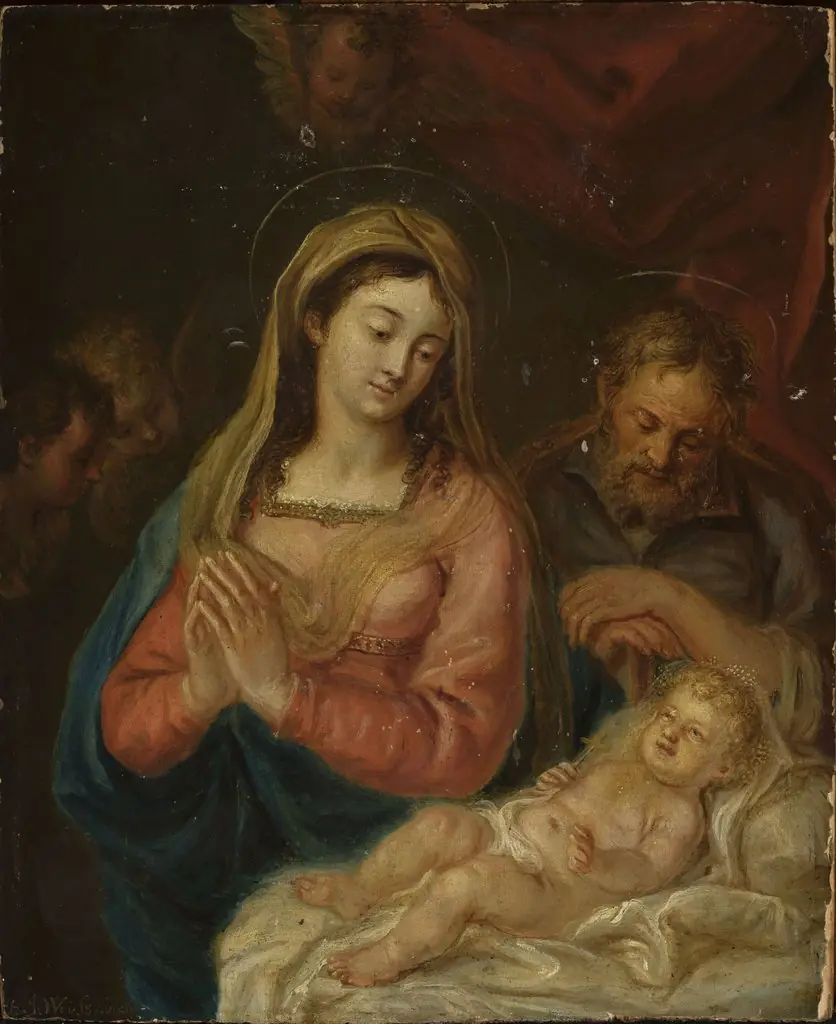 Holy Family
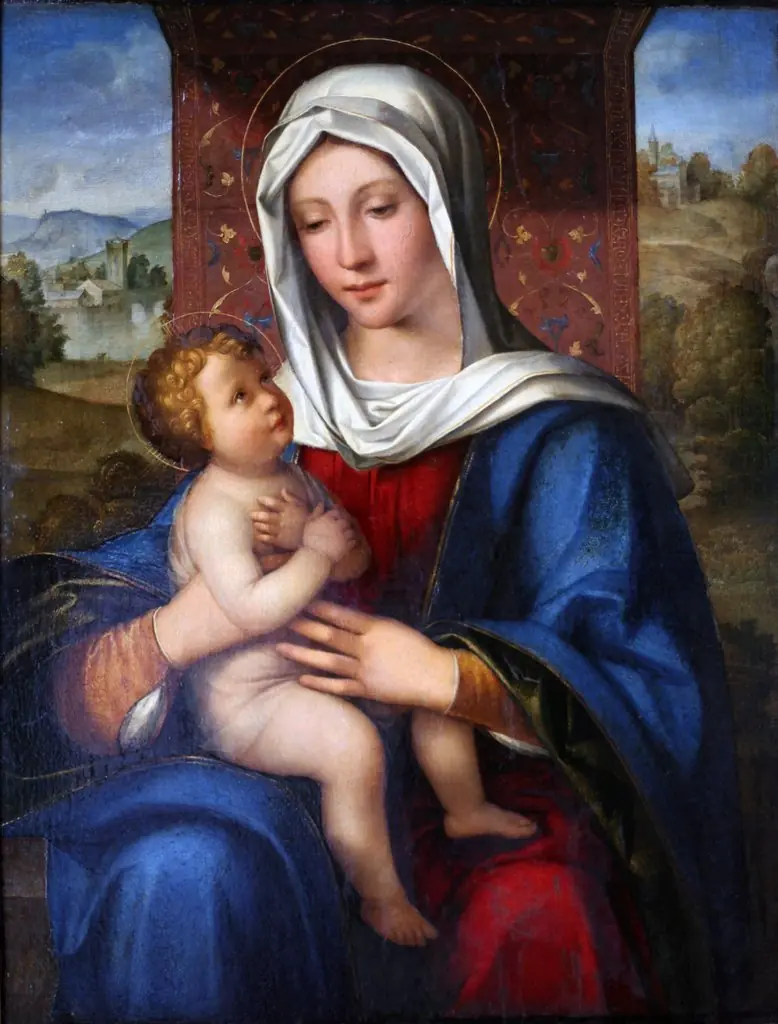 Virgin and Child
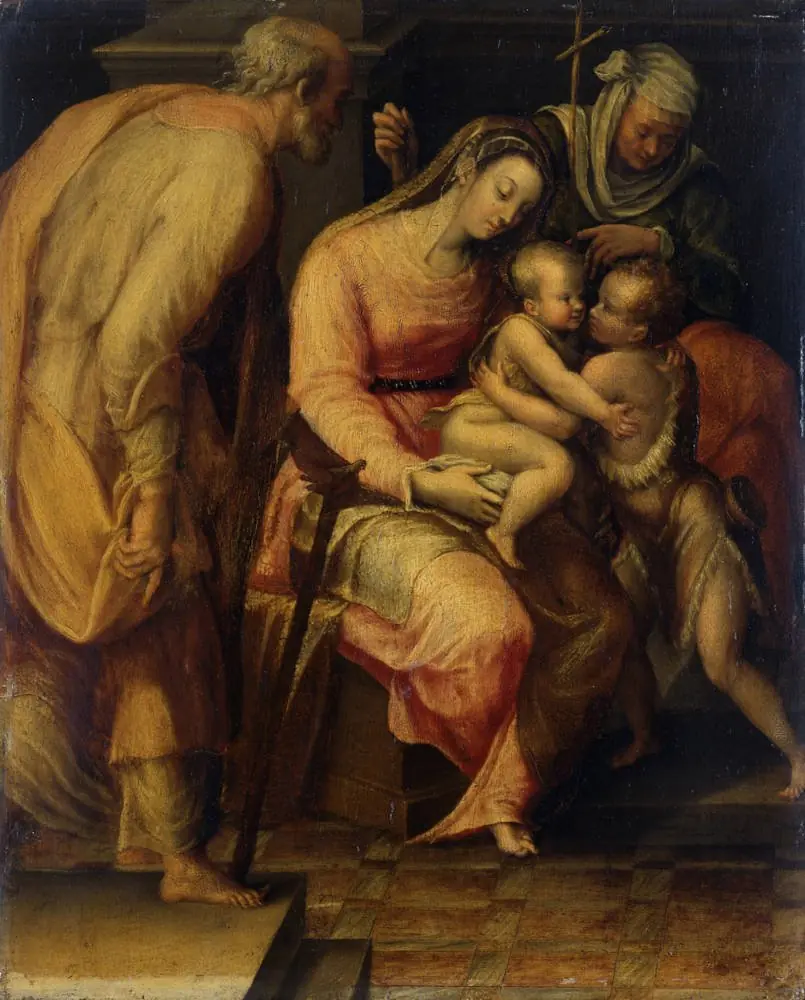 The Holy Family
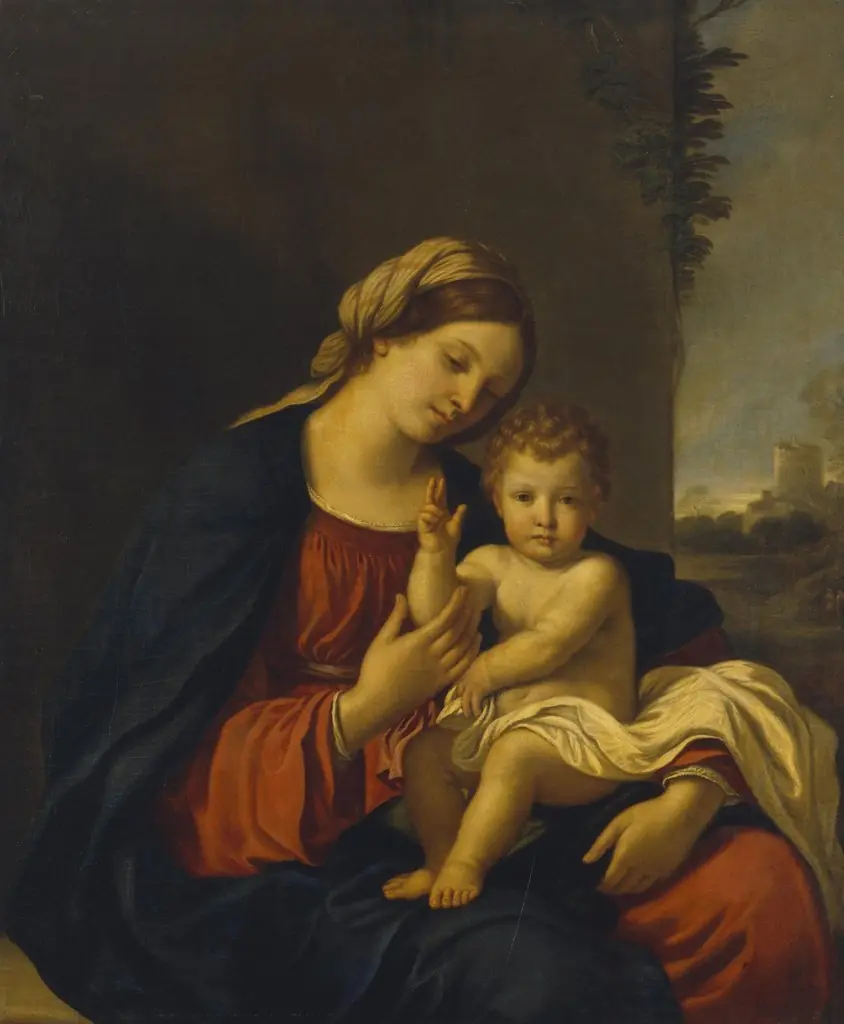 Madonna and Child
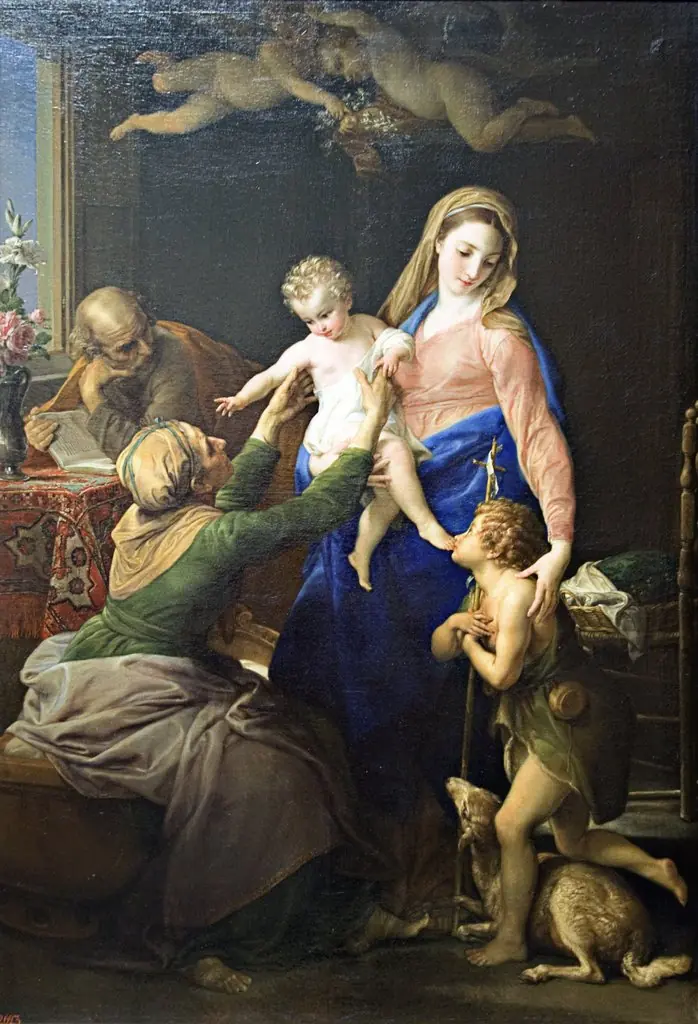 Holy Family with Sts Elizabeth and John the Baptist
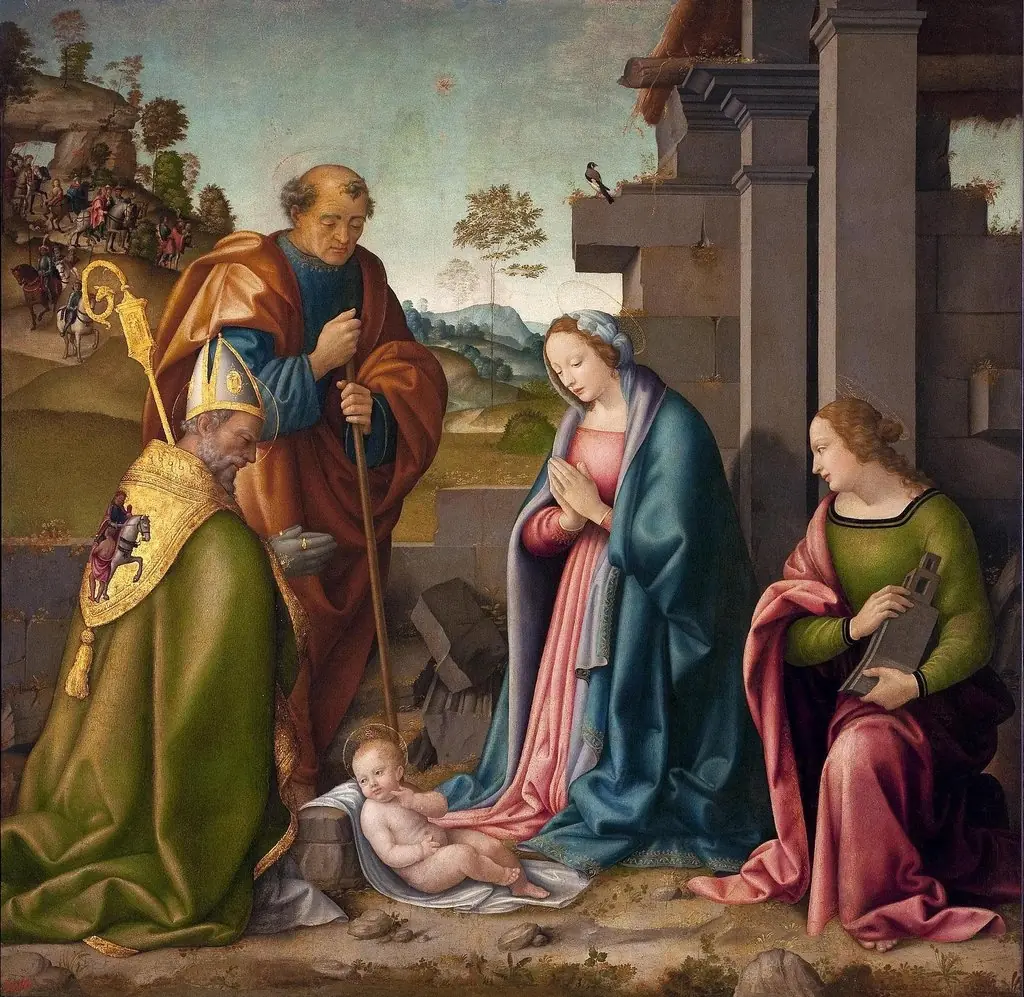 Adoration of the Christ Child, with Sts Barbara and Martin
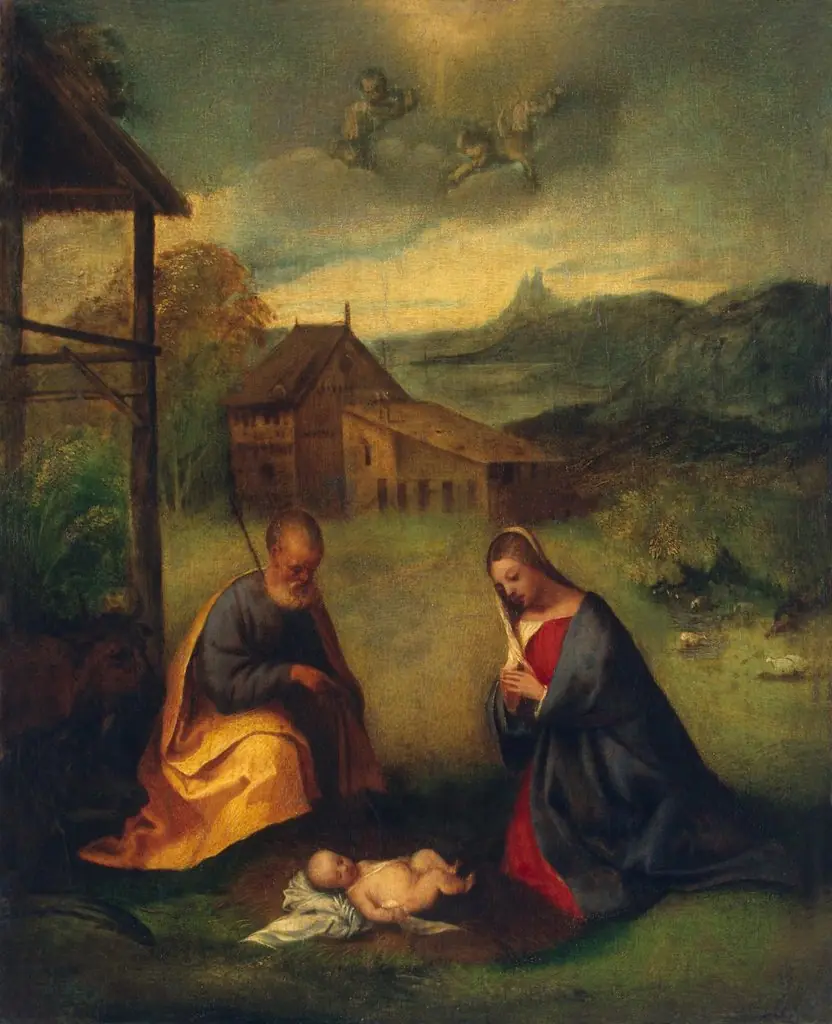 Adoration of the Christ Child