Artwork
Sewing Woman
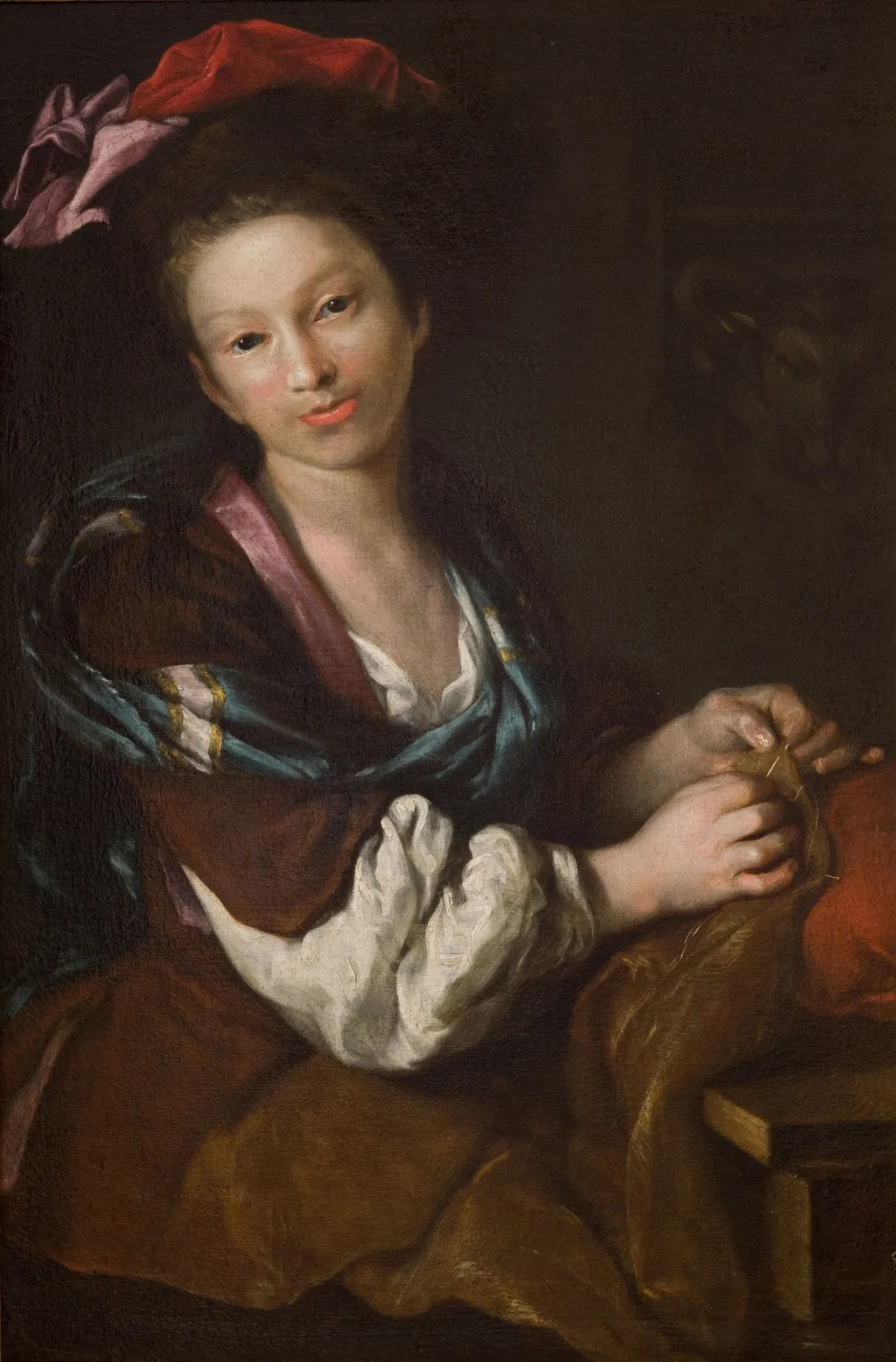
Sewing Woman is an oil painting by Antonio Amorosi. It dates from 1709 and is held in the collection of the National Museum in Kraków.
About this work
The artist's use of oil paint creates a warm and intimate atmosphere, drawing the viewer's attention to the woman's quiet activity.
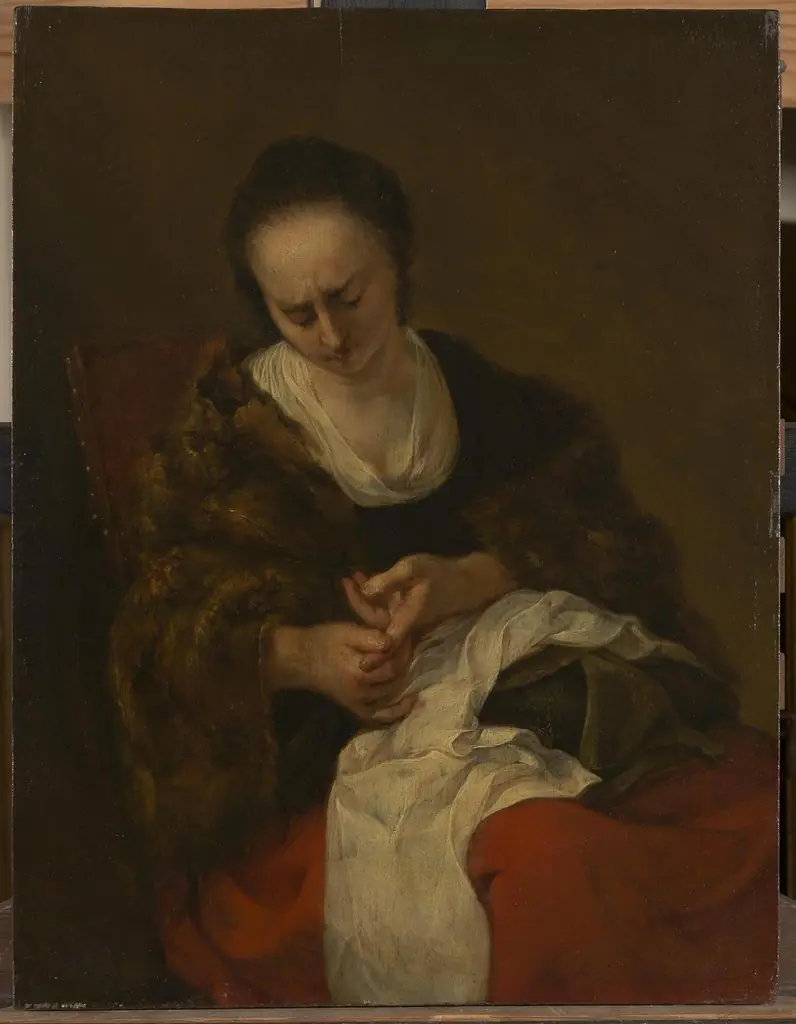
The painting depicts a woman sitting at a table, sewing. She is dressed in a brown dress with a white apron and a red hat. Her hands are busy with the needle and thread, and her face is focused on the task.
The woman's attire and the setting suggest a domestic scene, possibly from the 18th or 19th century. The artist's use of oil paint creates a warm and intimate atmosphere, drawing the viewer's attention to the woman's quiet activity.
To learn more about the artist's technique, explore the use of chiaroscuro in his works.
Overview
Antonio Amorosi, an Italian painter active in the early 18th century, executed the oil painting known as *Sewing Woman* around 1709. The work portrays a solitary female figure absorbed in needlework, set within a modest interior. Today the canvas forms part of the collection of the National Museum in Kraków, offering a glimpse into everyday life as rendered by a late‑Baroque hand.
Subject & Meaning
The central figure is a woman seated at a simple table, dressed in a brown gown, white apron and a red cap, her hands deftly guiding needle and thread. The composition emphasizes quiet concentration, suggesting a dignified view of domestic labor and the private sphere of household tasks in a period when such scenes were rarely elevated to fine‑art status.
Technique & Style
Amorosi employs oil pigments to achieve a warm tonal palette, using subtle contrasts of light and shadow to model the figure and surrounding objects. The handling reflects the influence of the Bamboccianti, with attention to realistic detail and a modest, unidealized portrayal of common folk, while the chiaroscuro lends depth and intimacy to the scene.
History & Provenance
Born in Comunanza in the Papal States, Amorosi trained in Rome under Giuseppe Ghezzi before establishing a career that included work in Ascoli Piceno and the capital. *Sewing Woman* entered the National Museum in Kraków’s holdings in the 20th century, though the precise acquisition path remains undocumented in public records.
Own this work as a print
Artist & collection
Artist
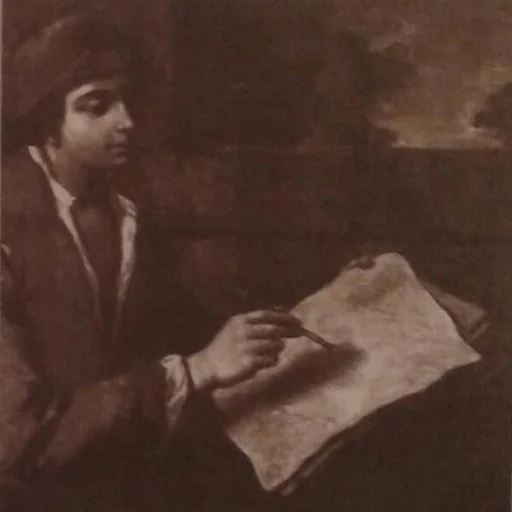
Antonio Amorosi (1660 – 5 October 1738) was an Italian painter of the late-Baroque, active in Ascoli Piceno and Rome.

 Portrait of a Woman
 Slumbering girl
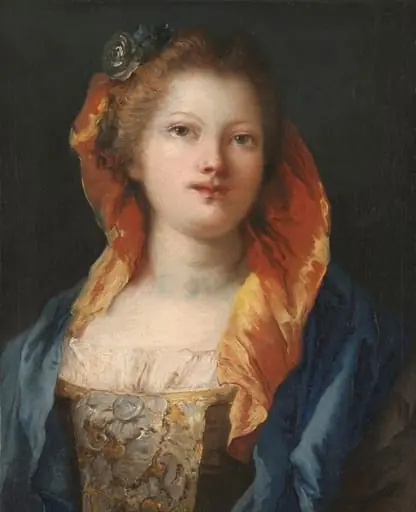 Portrait of a Woman
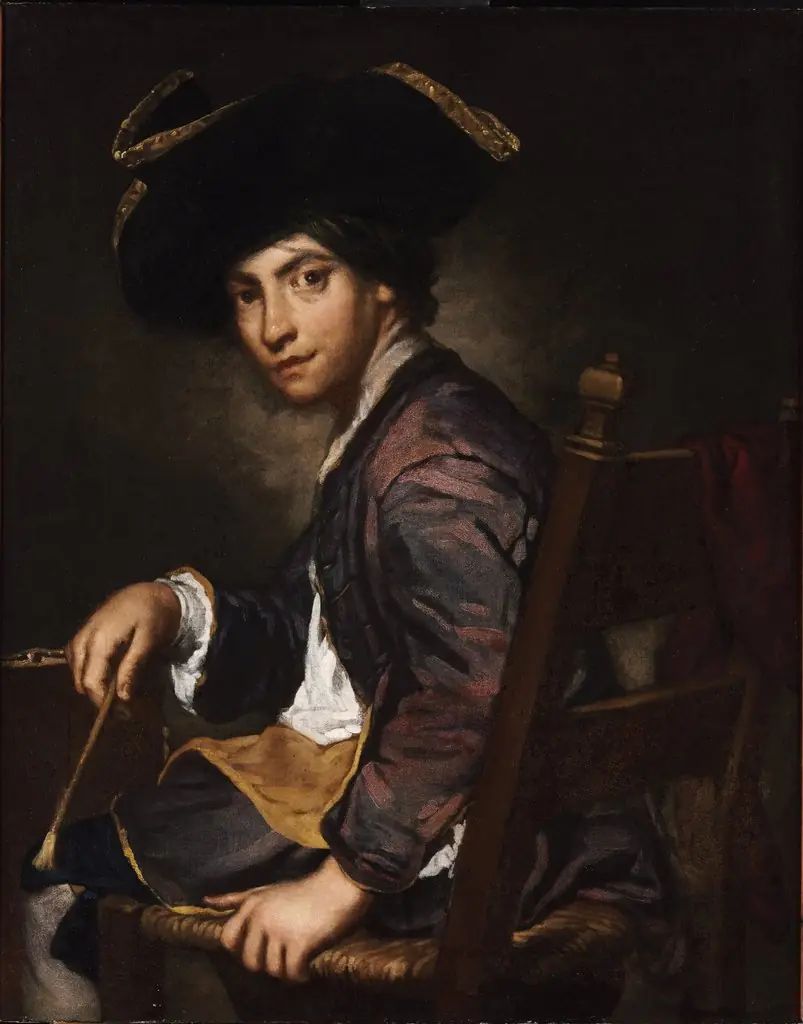 Young Painter in His Studio
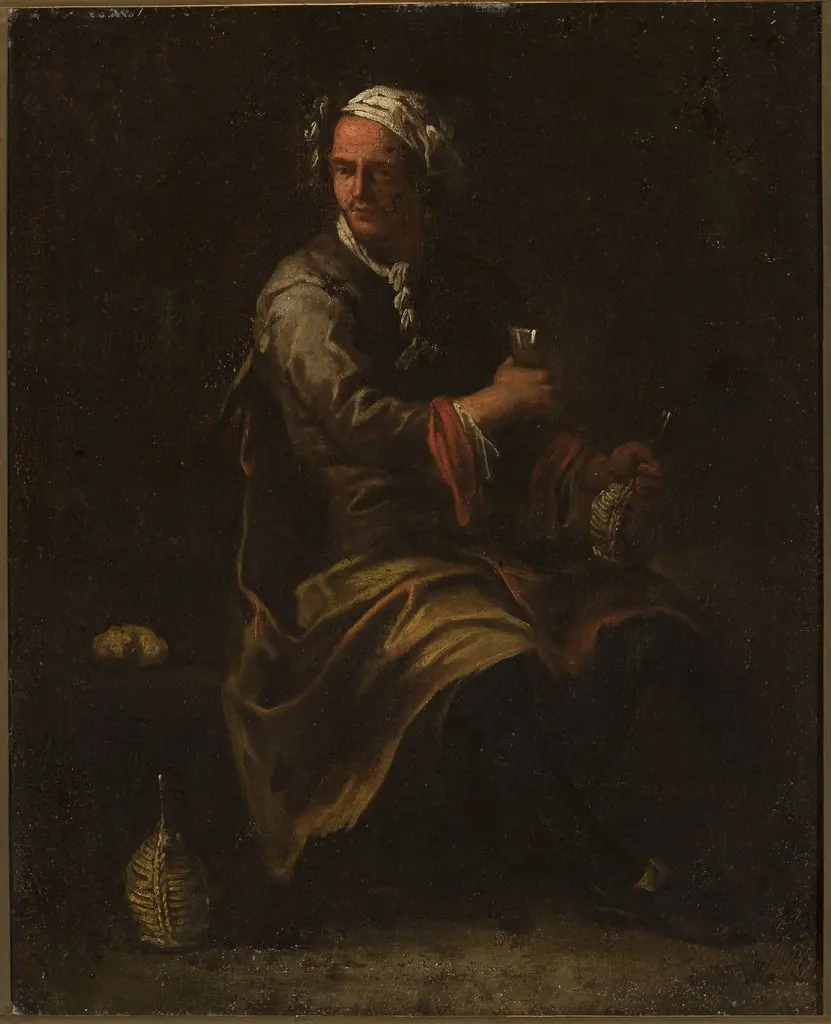 A man drinking wine
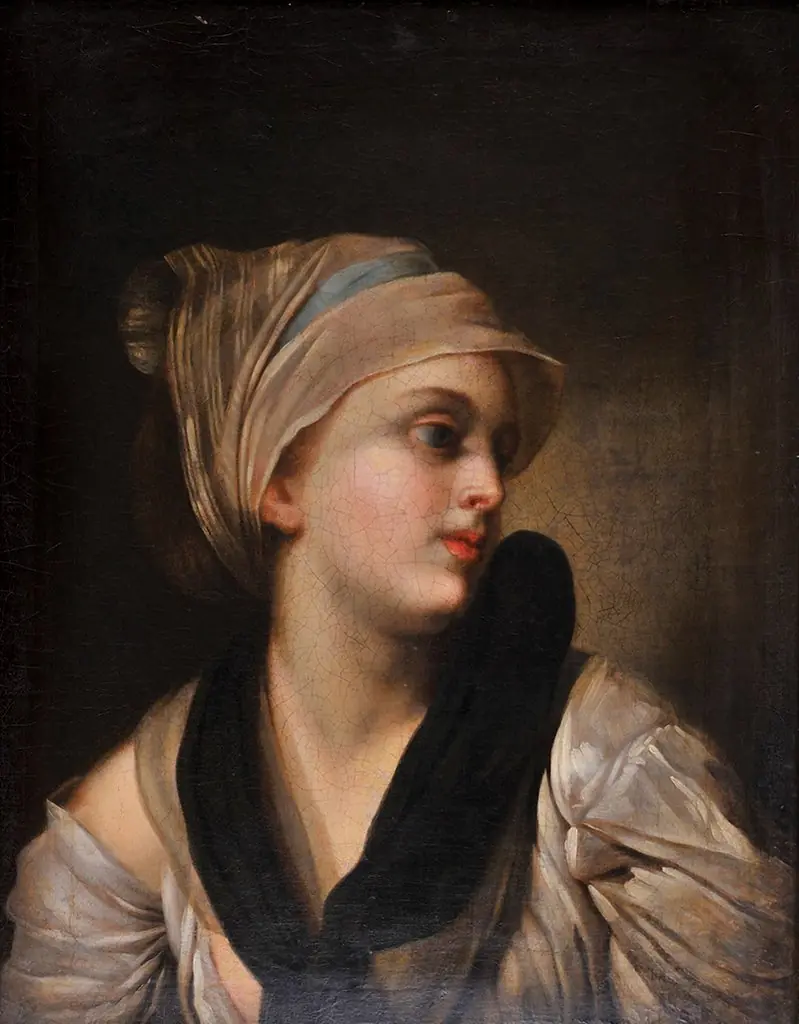 Portrait of a young woman
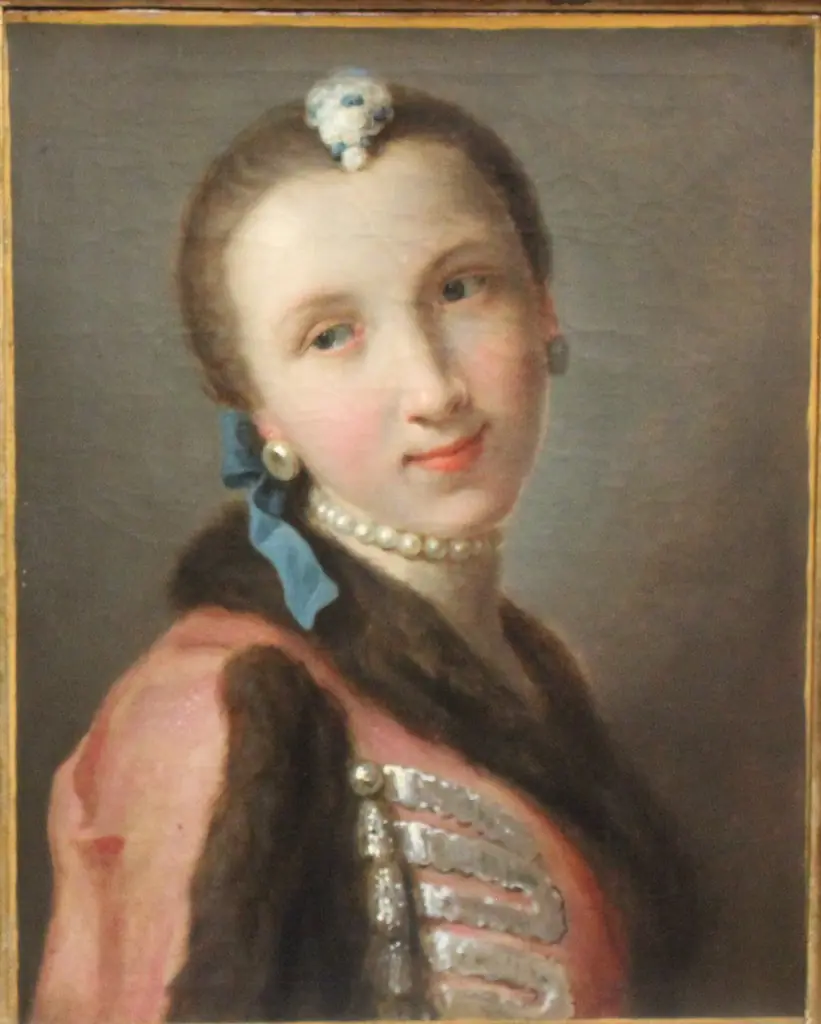 Smiling girl with pearl necklace
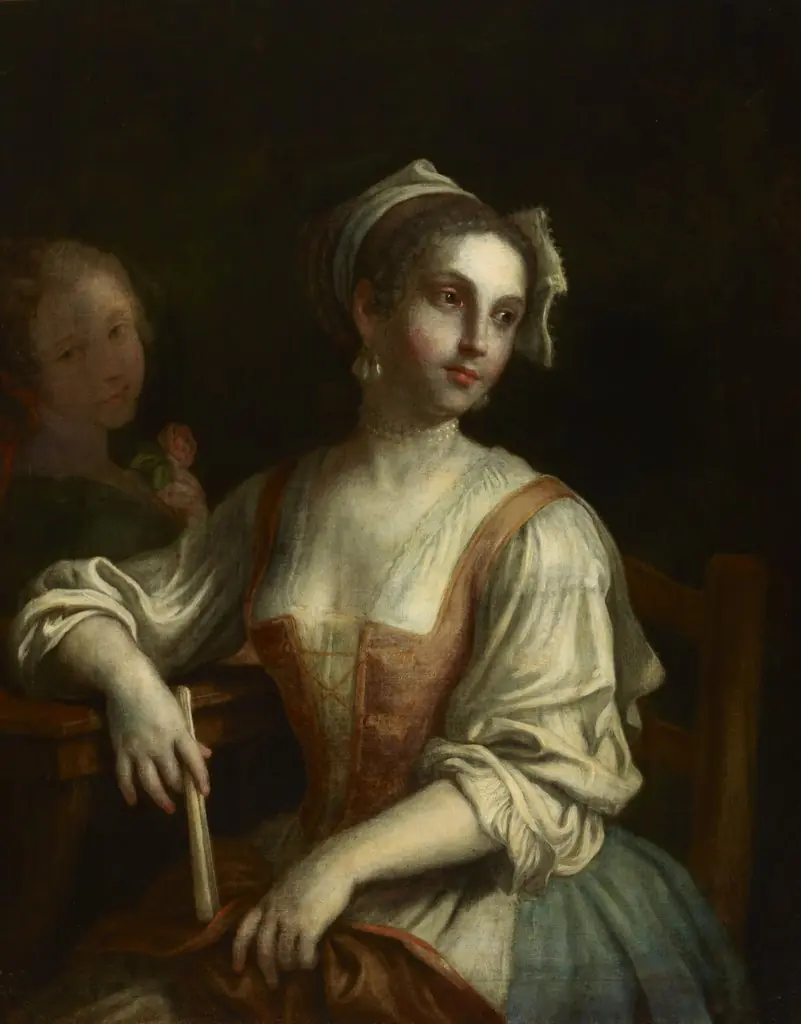 Woman with a Fan and a Woman with a Rose
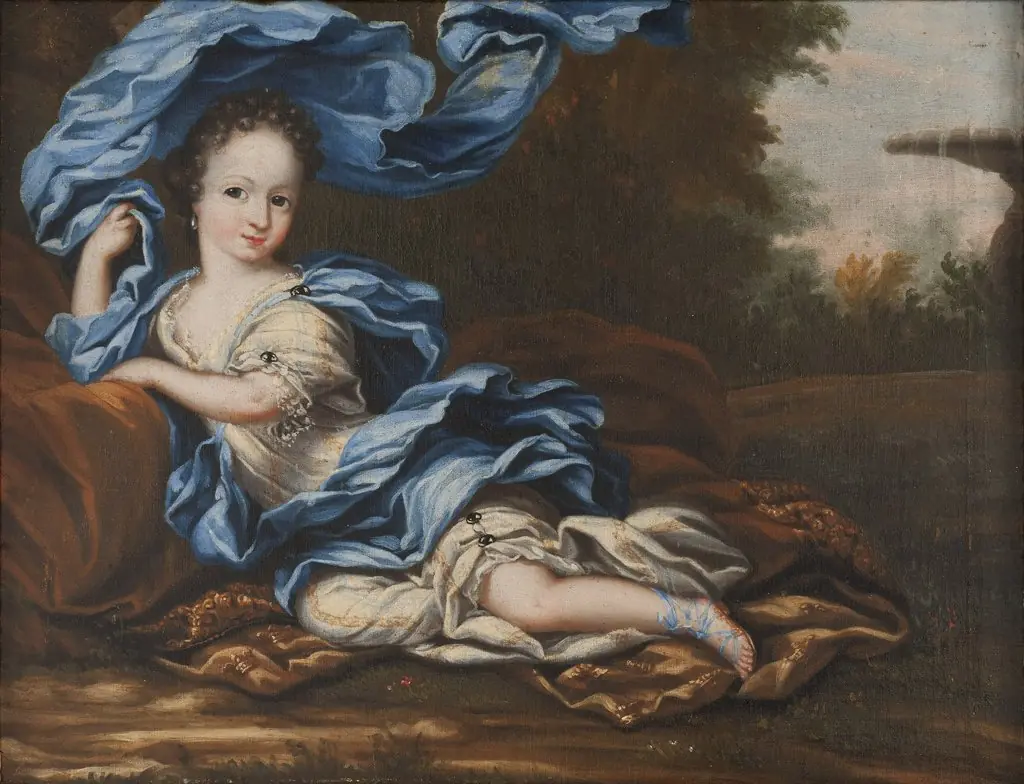 Hedvig Sophia of Sweden (1681–1708), Swedish princess and a Duchess Consort of Holstein-Gottorp, Spouse Frederick IV, Duke of Holstein-Gottorp
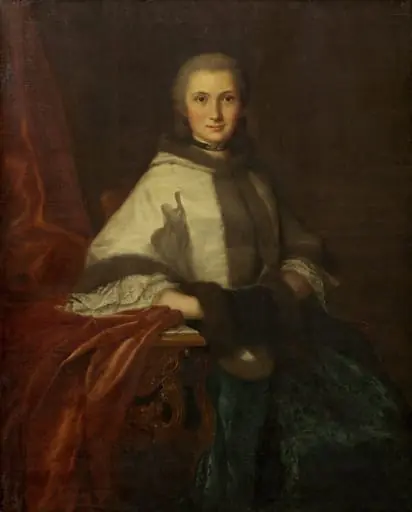 Young Woman with a Muff
 Portrait of a Lady
 Seamstress