Artwork
Hedvig Sophia of Sweden (1681–1708), Swedish princess and a Duchess Consort of Holstein-Gottorp, Spouse Frederick IV, Duke of Holstein-Gottorp
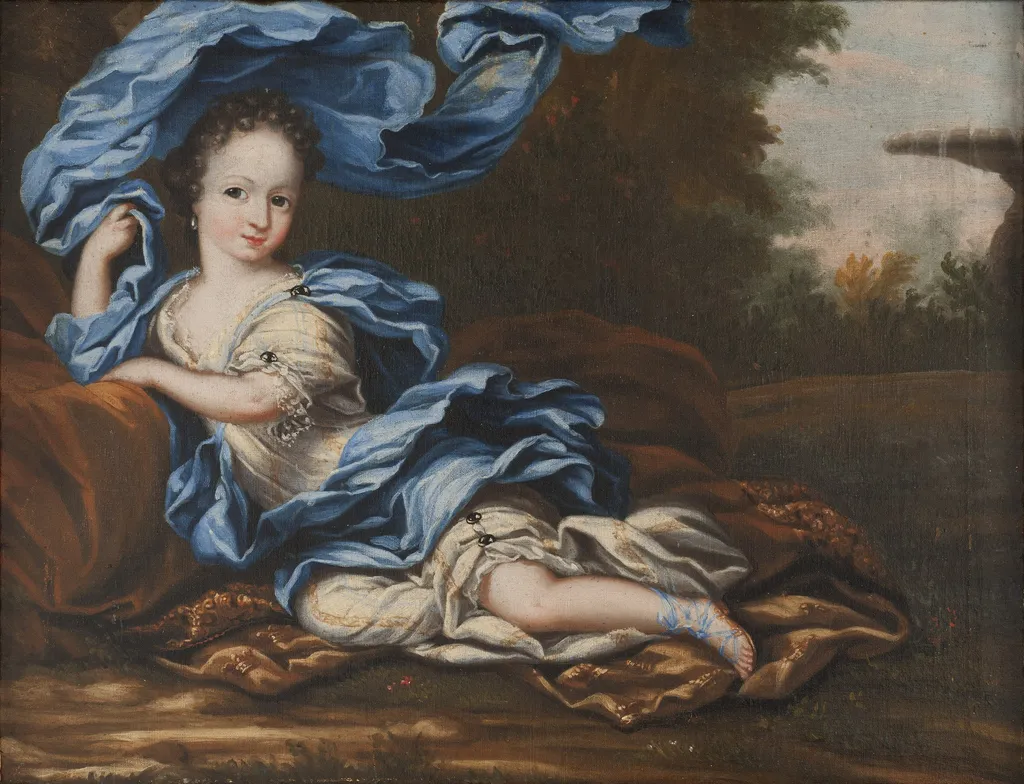
Hedvig Sophia of Sweden (1681–1708), Swedish princess and a Duchess Consort of Holstein-Gottorp, Spouse Frederick IV, Duke of Holstein-Gottorp is an unspecified painting by the Barbizon school artist Anna Maria Ehrenstrahl. It dates from 1692 and is held in the collection of the Nationalmuseum.
About this work
Overview
This 1692 portrait depicts Hedvig Sophia of Sweden, daughter of King Charles XI and Duchess Consort of Holstein-Gottorp through her marriage to Frederick IV.
This 1692 portrait depicts Hedvig Sophia of Sweden, daughter of King Charles XI and Duchess Consort of Holstein-Gottorp through her marriage to Frederick IV. Painted by Anna Maria Ehrenstrahl, it is one of several royal commissions from the Swedish Baroque period. The work is part of the Nationalmuseum’s collection in Stockholm, where it remains a key example of aristocratic portraiture from late 17th-century Sweden.
Subject & Meaning
Hedvig Sophia is portrayed at approximately eleven years old, dressed in a white gown with blue trim and a draped shawl, suggesting both youth and noble status. Her reclining posture and serene expression convey a sense of calm dignity, typical of royal portraiture meant to project legitimacy and grace. The blue accents on her foot may reference classical motifs or simply serve as a decorative flourish, reinforcing her connection to refined courtly ideals.
Technique & Style
Ehrenstrahl employs soft chiaroscuro to model the figure against a muted landscape background of trees and overcast sky. The brushwork is precise yet fluid, particularly in the rendering of fabric folds and hair. The use of light emphasizes the princess’s face and hands, drawing attention to her poise. The blue details on her foot and shawl introduce subtle chromatic contrast without disrupting the painting’s restrained elegance.
History & Provenance
Commissioned in 1692, the portrait was likely created for the Swedish royal family to affirm Hedvig Sophia’s status as a dynastic figure. It remained within royal collections before being transferred to the Nationalmuseum in the 19th century. No records indicate significant alterations or reattributions; its attribution to Ehrenstrahl has been consistently supported by stylistic analysis and archival documentation.
Context
Anna Maria Ehrenstrahl was among the few professional female artists in Sweden during the late 1600s, trained in her father’s workshop and active in royal circles. Her portraits of nobility reflect the influence of Dutch and French court painting, adapted to Swedish tastes. This work aligns with broader European trends of depicting young royals in naturalistic yet idealized settings, balancing intimacy with ceremonial formality.
Legacy
The portrait endures as a rare visual record of a Swedish princess in childhood, offering insight into aristocratic upbringing and gendered representation in the Baroque era. Ehrenstrahl’s role as a female artist in a male-dominated field adds historical significance. The painting contributes to scholarly understanding of how royal identity was visually constructed in early modern Scandinavia.
Own this work as a print
Artist & collection
Artist
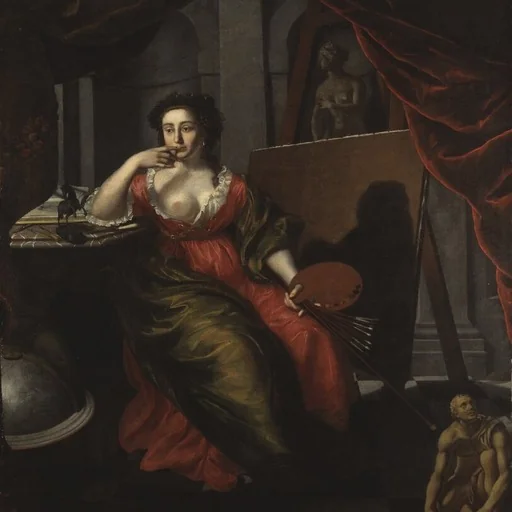
Anna Maria Ehrenstrahl (4 September 1666 – 22 October 1729), was a Swedish Baroque painter. She is known for her allegorical works paintings, portraits and group portraits.

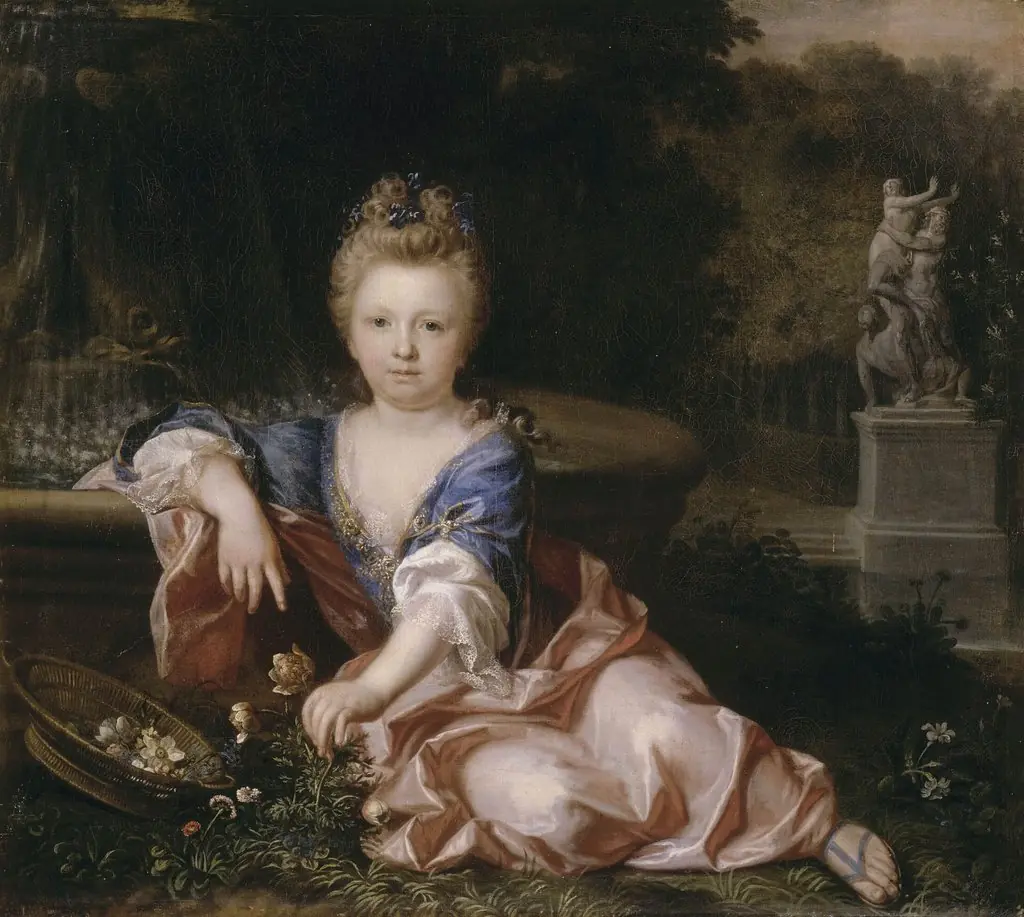 Marie-Anne-Victoire, Infanta of Spain (1718-1781)
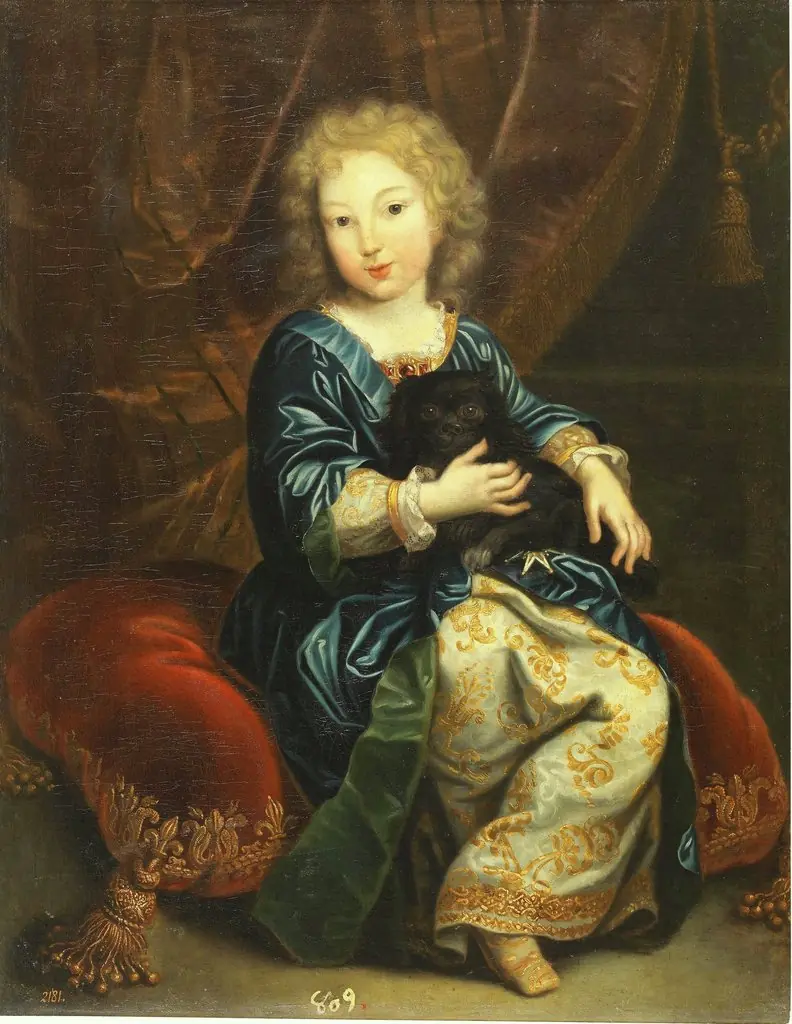 Felipe de Borbón duque de Anjou y futuro Felipe V de España niño
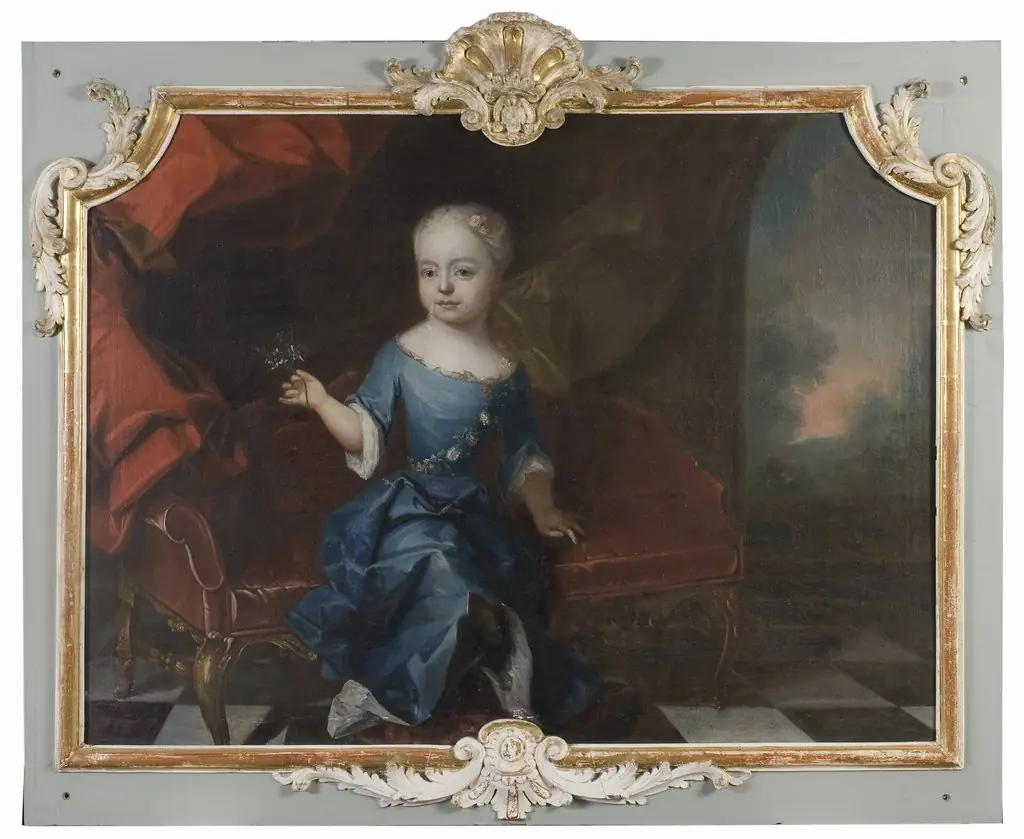 Okänd flicka
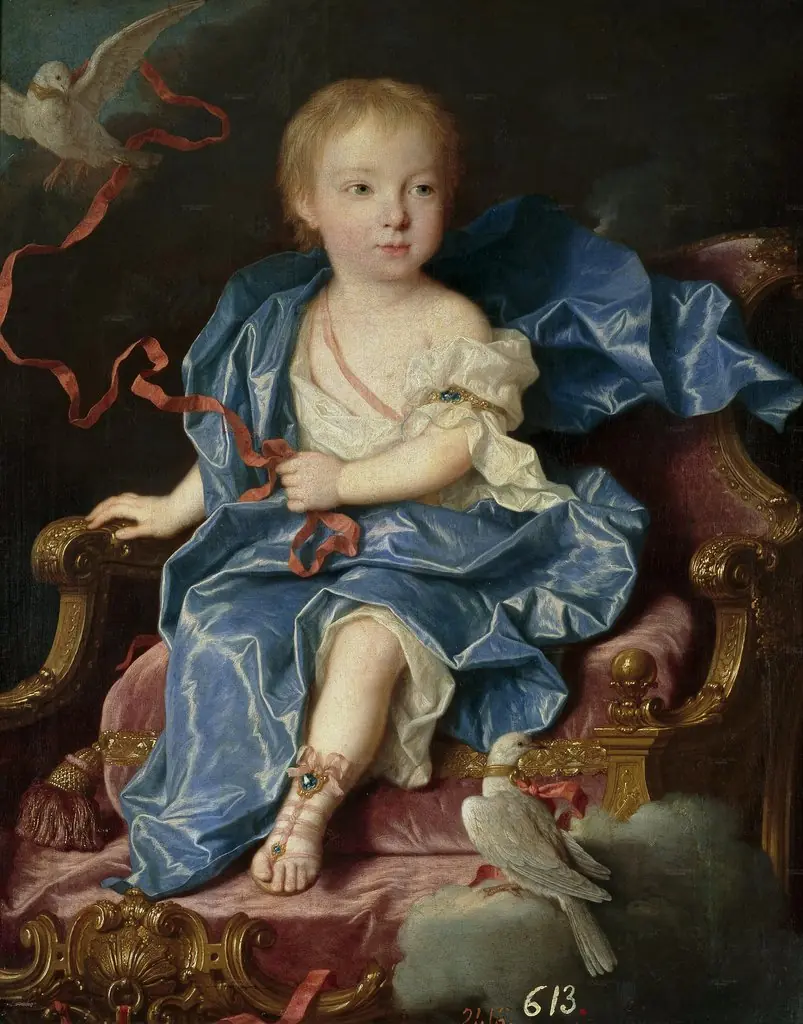 Maria Antonia of Spain
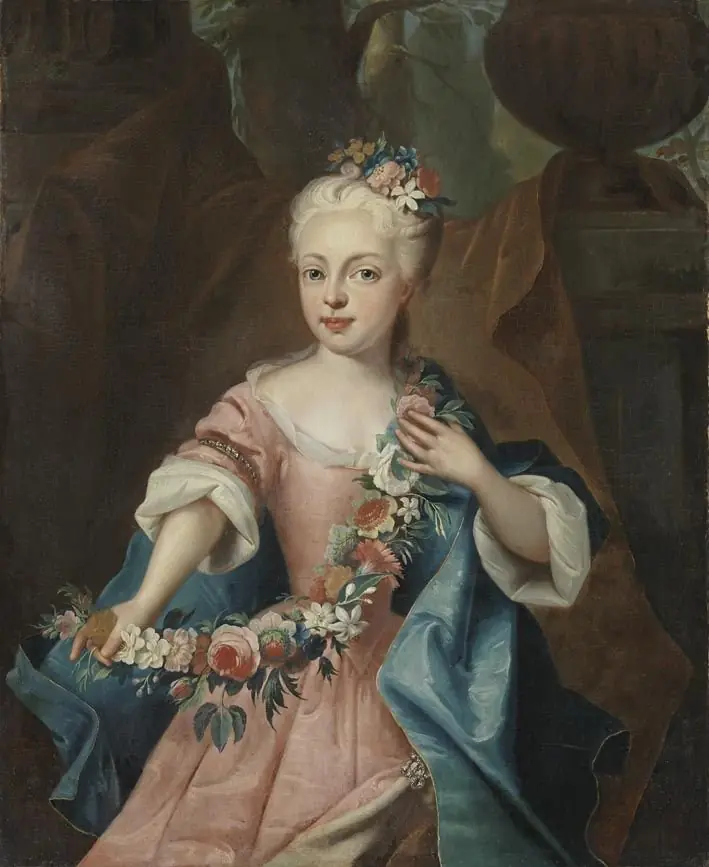 Bildnis der Erzherzogin Maria Theresia von Österreich, spätere Kaiserin (1717-1780) (Replik)
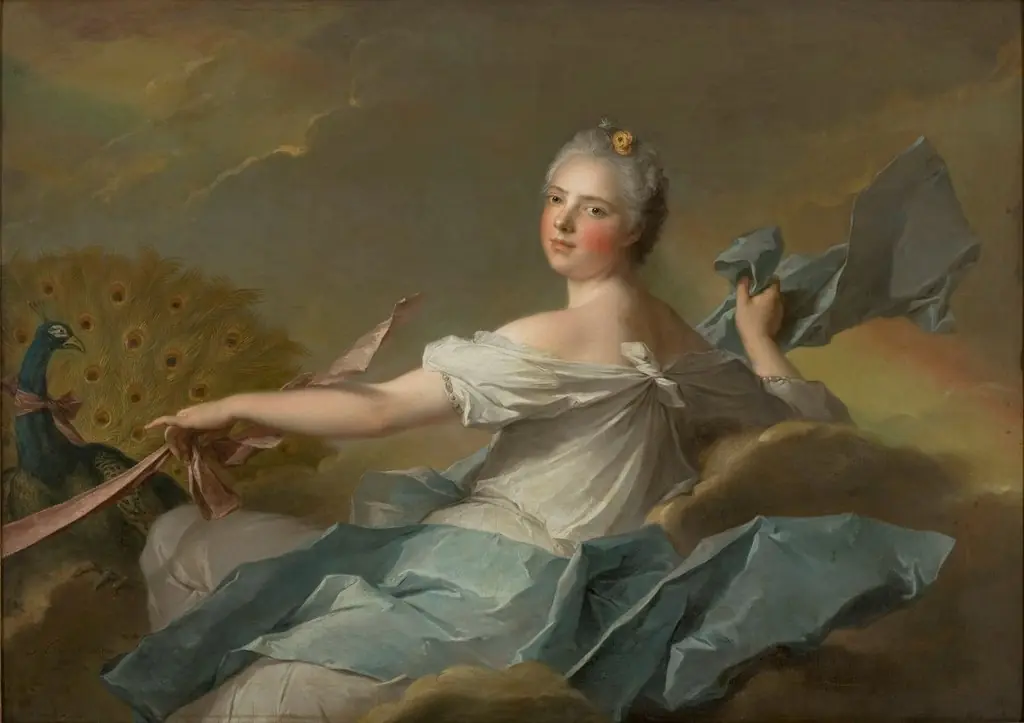 Princess Marie Adélaïde of France - The Air
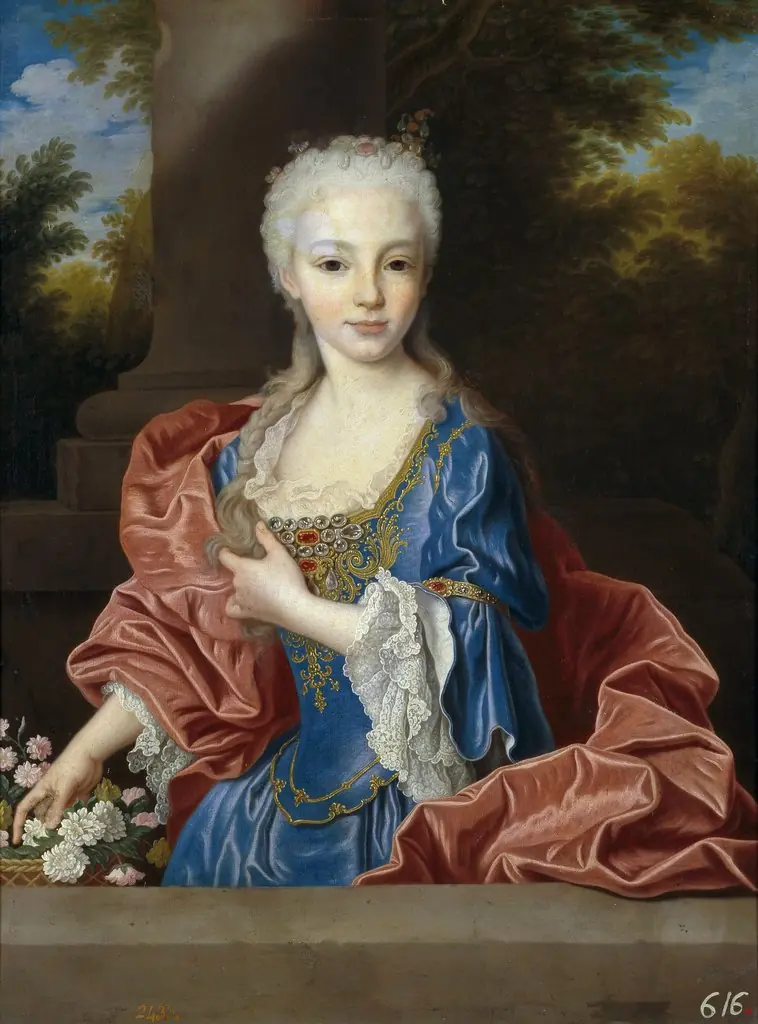 María Ana Victoria de Borbón
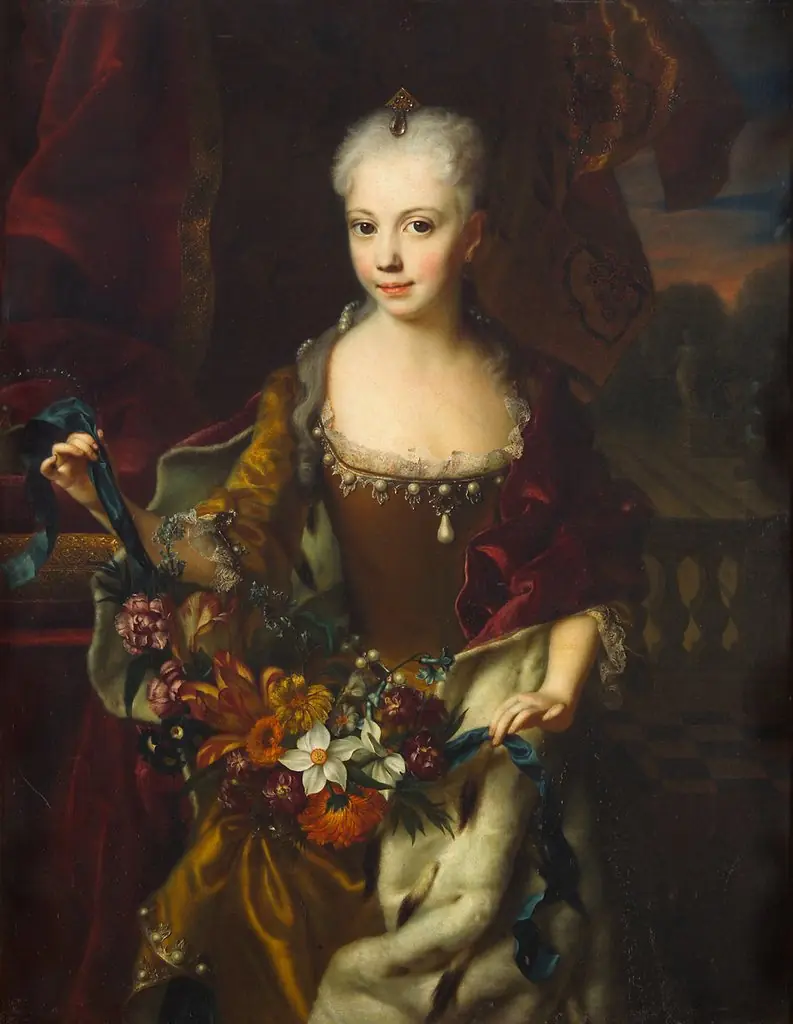 Erzherzogin Maria Anna (1718-1744), Tochter von Karl VI. im Alter von neun Jahren, Kniestück
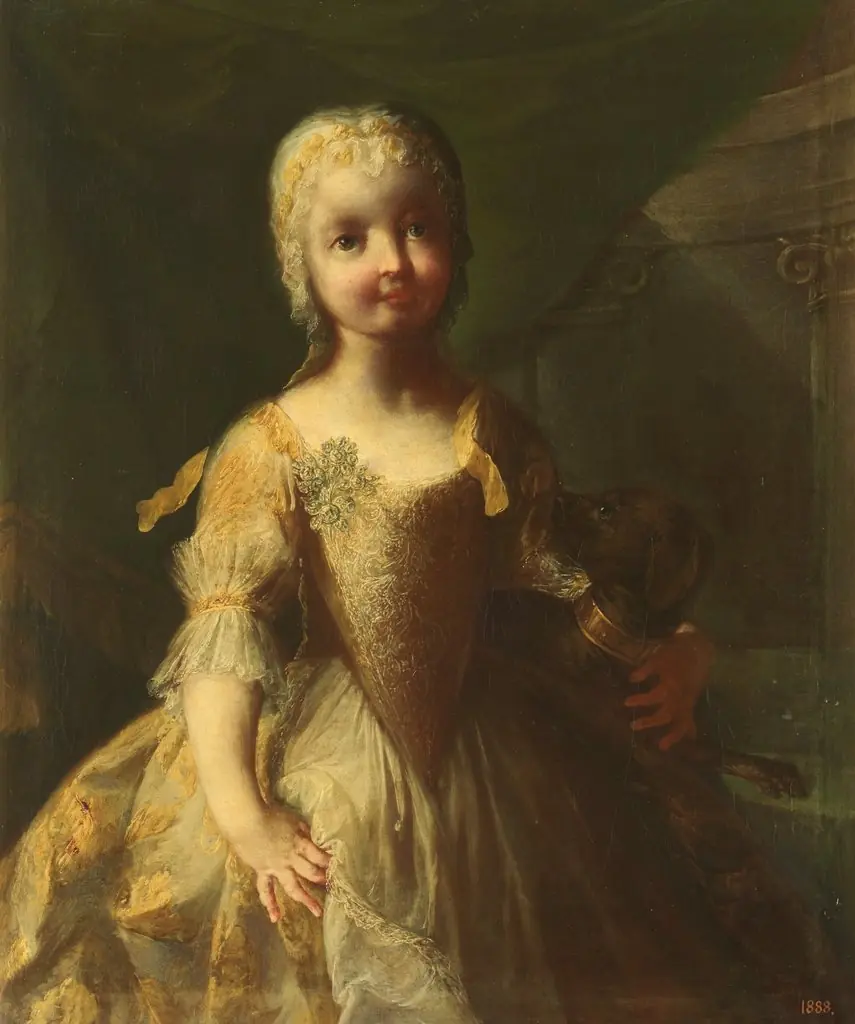 María Isabel of Bourbon and Saxony, Infanta of Naples and Spain
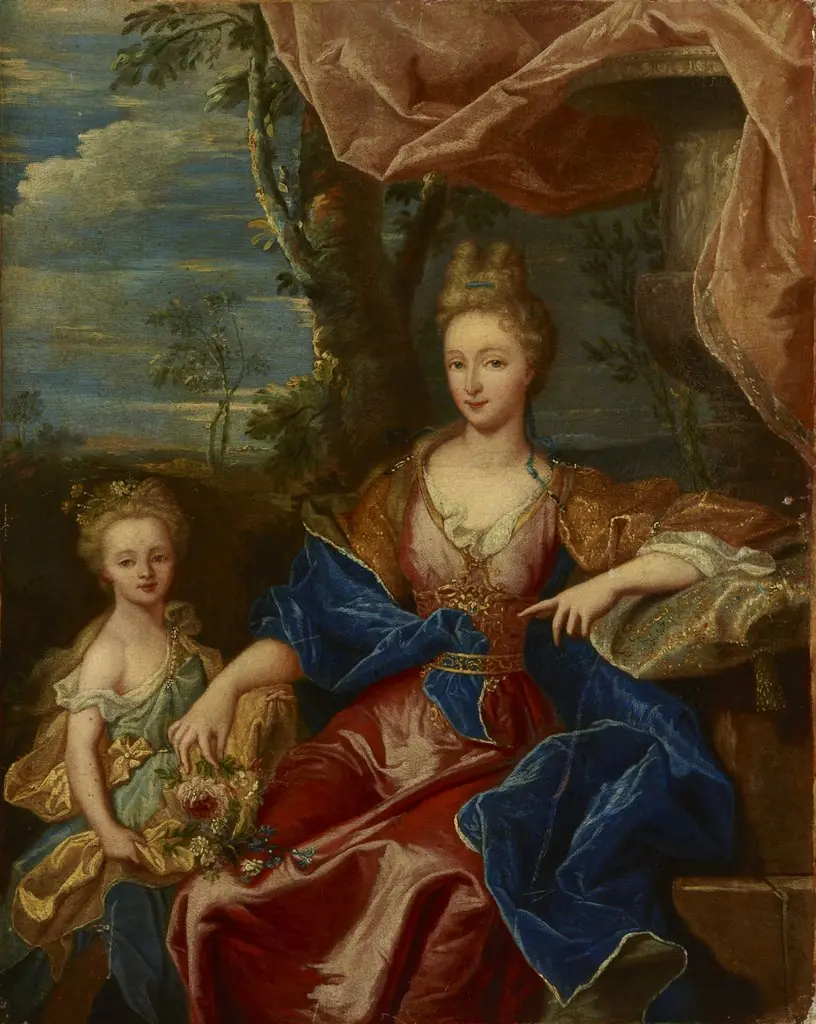 Portrait of a Lady with a Child
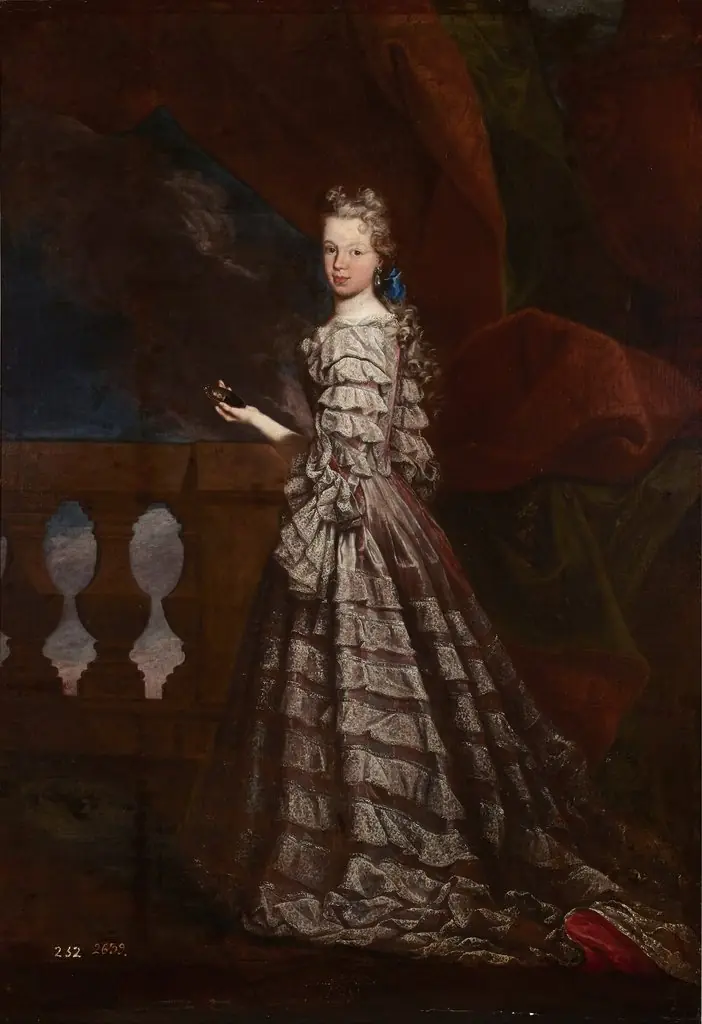 Portrait of Maria Luisa of Savoy, Queen of Savoy
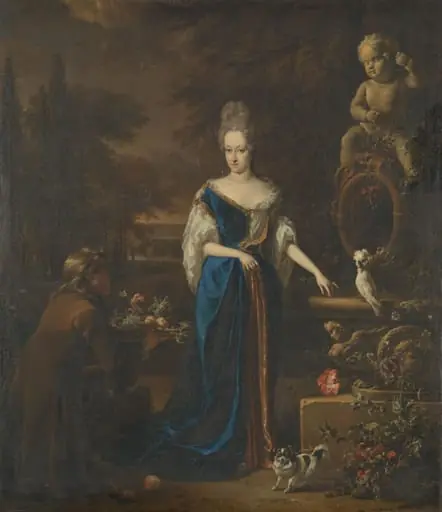 Portrait of Maria Cornelisz, Wife of Silvester van Tongeren