Artwork
Saint Benedict Joseph Labre
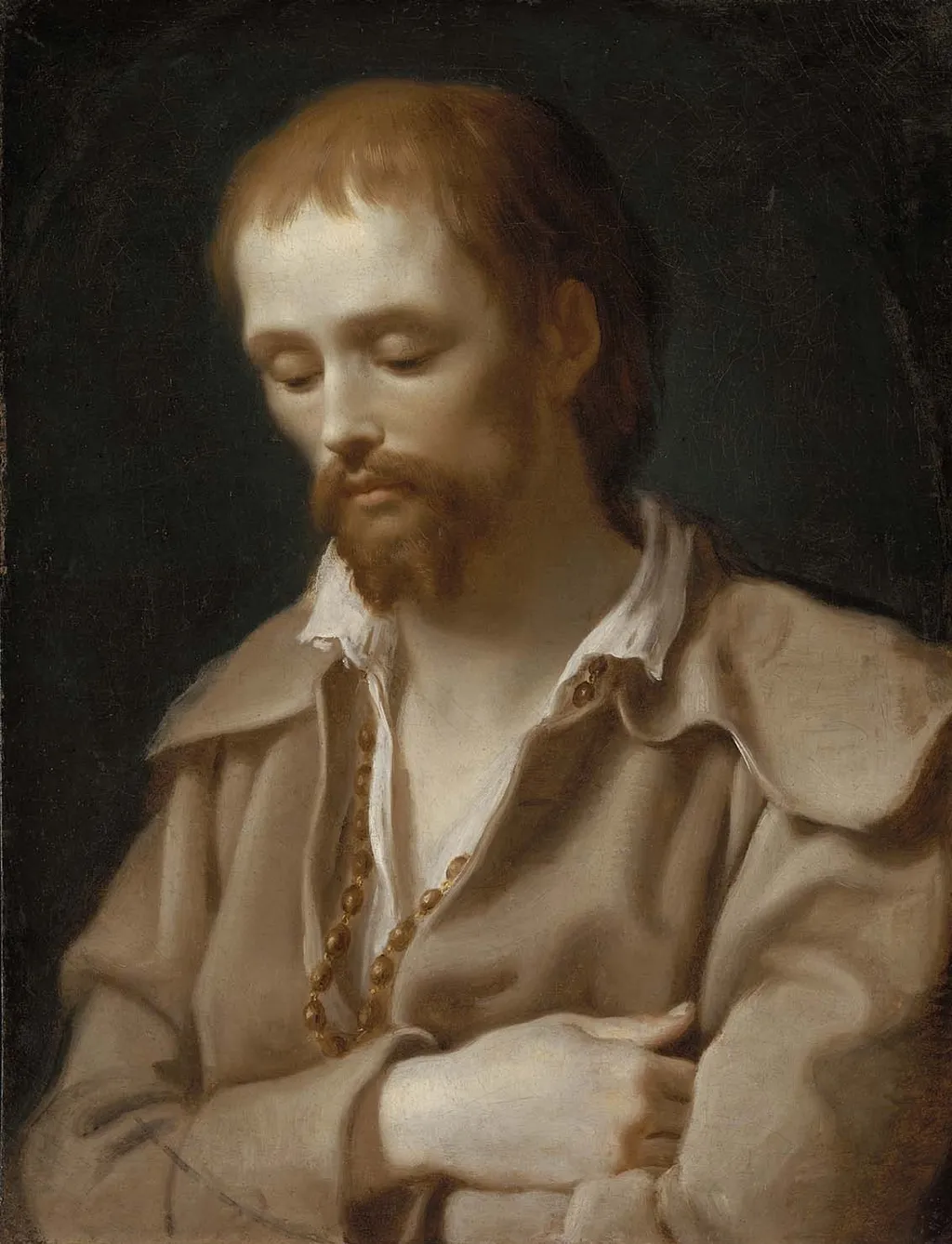
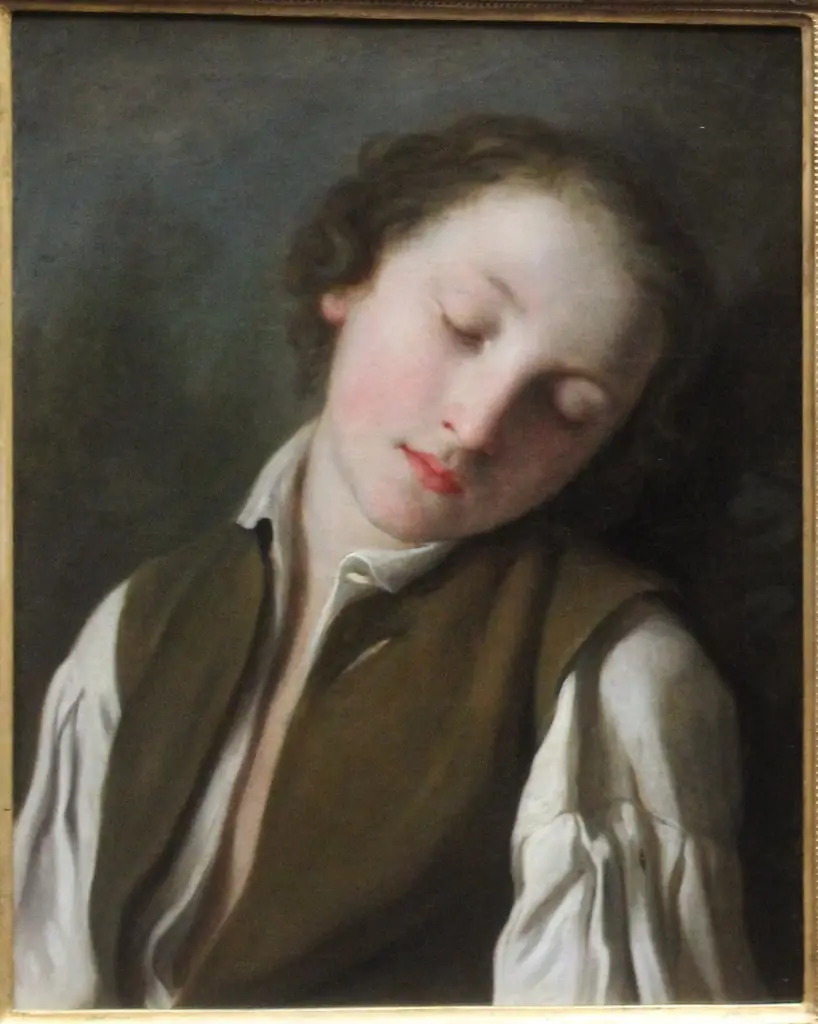
Saint Benedict Joseph Labre is an oil painting by Antonio Cavallucci. It is held in the collection of the Museum of Fine Arts Boston.
About this work
Overview
Cavallucci, a prominent Roman artist of the late eighteenth century, employed a restrained palette and focused composition to convey spiritual stillness.
Painted in 1798 by Antonio Cavallucci, this oil on canvas portrait depicts Saint Benedict Joseph Labre, a French ascetic known for his life of pilgrimage and devotion. Cavallucci, a prominent Roman artist of the late eighteenth century, employed a restrained palette and focused composition to convey spiritual stillness. The work resides in the Museum of Fine Arts, Boston, as part of its European painting collection.
Subject & Meaning
The subject, Saint Benedict Joseph Labre, lived as a homeless pilgrim, traveling between shrines and living in extreme humility. Cavallucci captures him in quiet contemplation, eyes closed and hands folded, emphasizing inner devotion over external grandeur. The rosary beads at his neck and plain attire reflect his renunciation of worldly comfort, aligning the image with ideals of mendicant piety common in Counter-Reformation spirituality.
Technique & Style
Cavallucci uses chiaroscuro to model the saint’s face and clothing with subtle gradations of light and shadow, enhancing the three-dimensionality of the figure. The dark, unadorned background isolates the subject, directing attention to his expression and texture of fabric. The rendering of the ruffled collar and beaded necklace shows attention to detail, while the overall composition reflects Neoclassical restraint with touches of northern European realism.
History & Provenance
Created in Rome during the final years of the eighteenth century, the painting was likely commissioned for a religious context, though its early ownership is undocumented. It entered the Museum of Fine Arts, Boston, in the early twentieth century, where it has remained in the collection since. Its survival through political and religious upheavals in Italy speaks to its enduring recognition as a devotional image.
Context
Cavallucci worked in a period when Roman art balanced classical ideals with emerging naturalism. Saint Labre, canonized in 1881, was not yet a formally recognized saint when this portrait was made, but his reputation for holiness was widespread among pilgrims and clergy. The painting reflects a growing interest in depicting humble saints as models of personal piety, distinct from the grandeur of earlier ecclesiastical portraiture.
Legacy
Though not widely reproduced, the portrait remains a quiet example of late Neoclassical religious painting in Italy. Its emphasis on introspection and simplicity influenced later depictions of saints in the 19th century, particularly those emphasizing personal devotion over spectacle. The work continues to serve as a visual anchor for understanding how spiritual humility was rendered in art before the rise of photographic realism.
Artist & collection
Artist
Antonio Cavallucci (21 August 1752 – 18 November 1795) was an eighteenth-century Italian painter of religious scenes and portraits.