Artwork
Saint John the Baptist
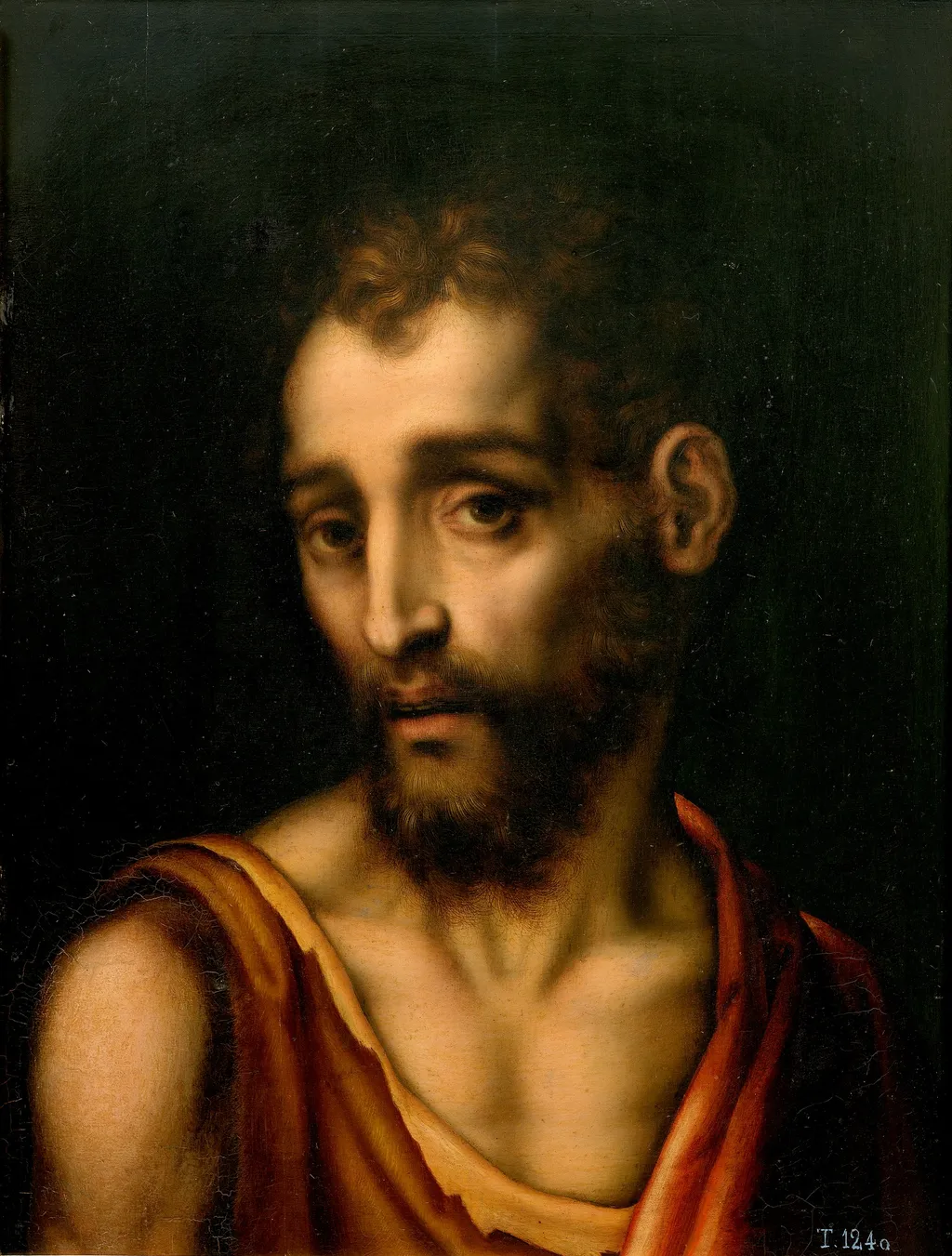
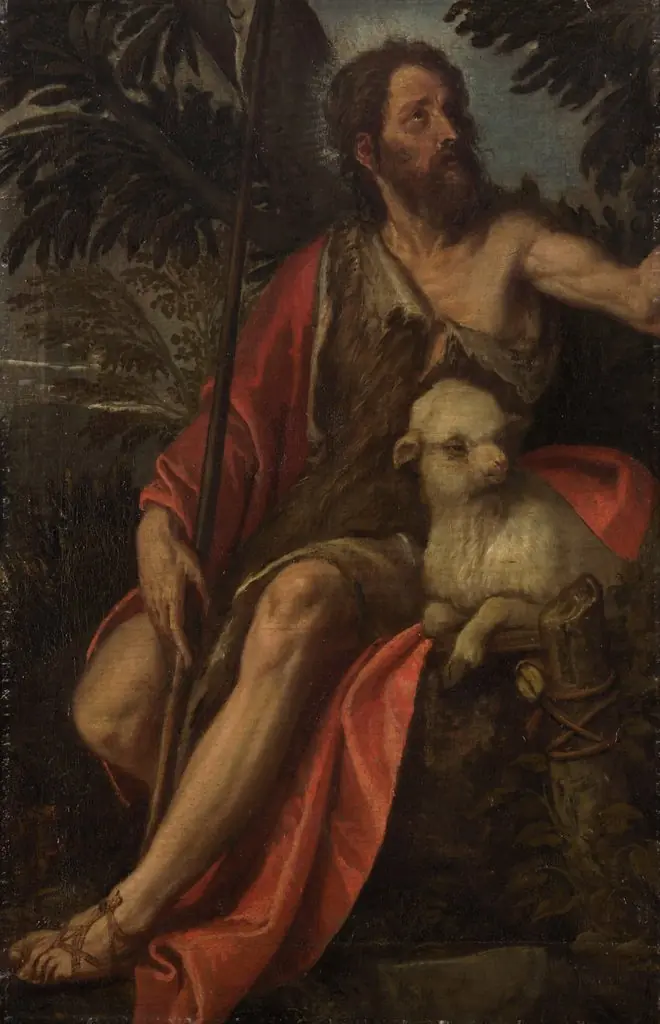
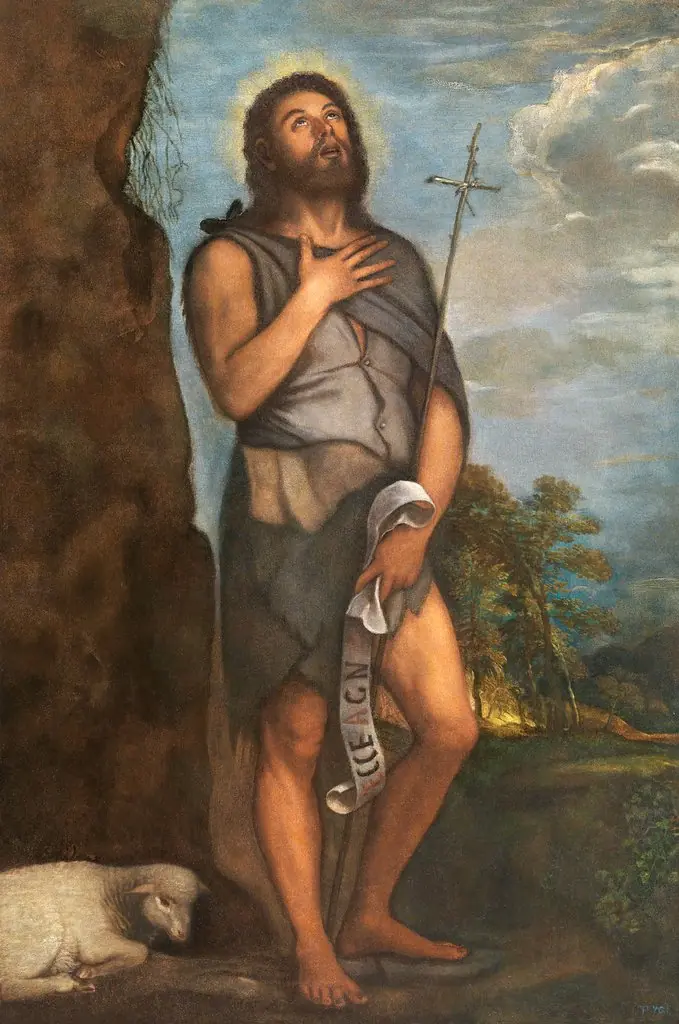
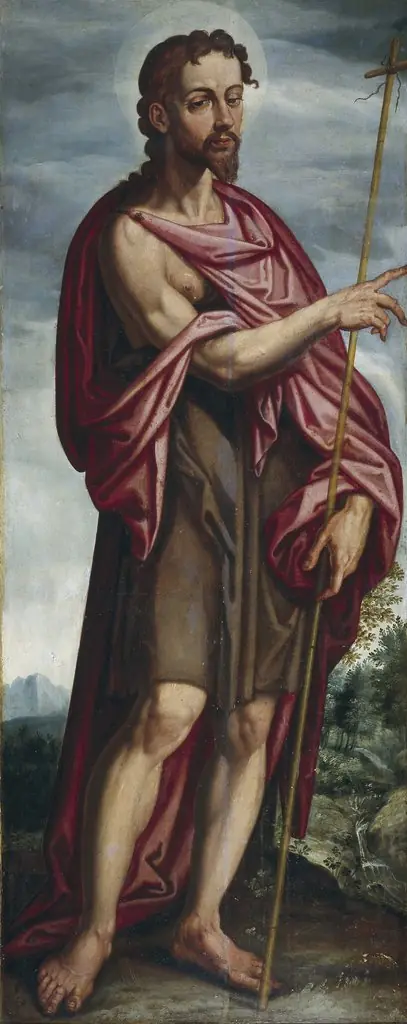
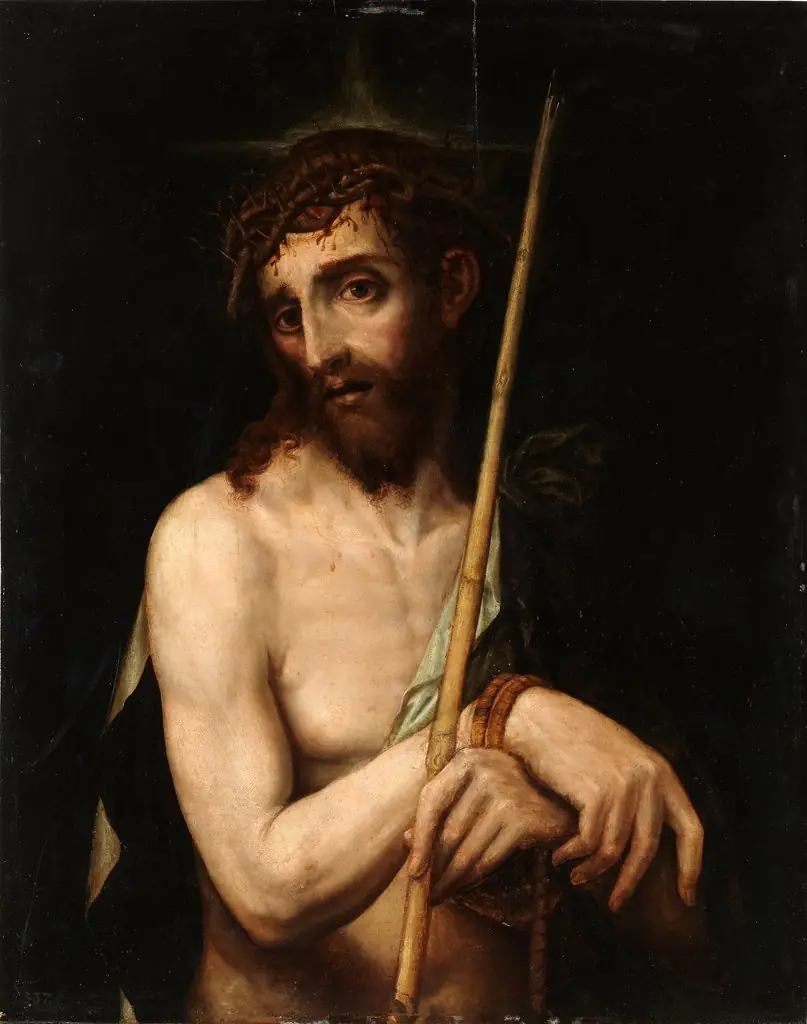
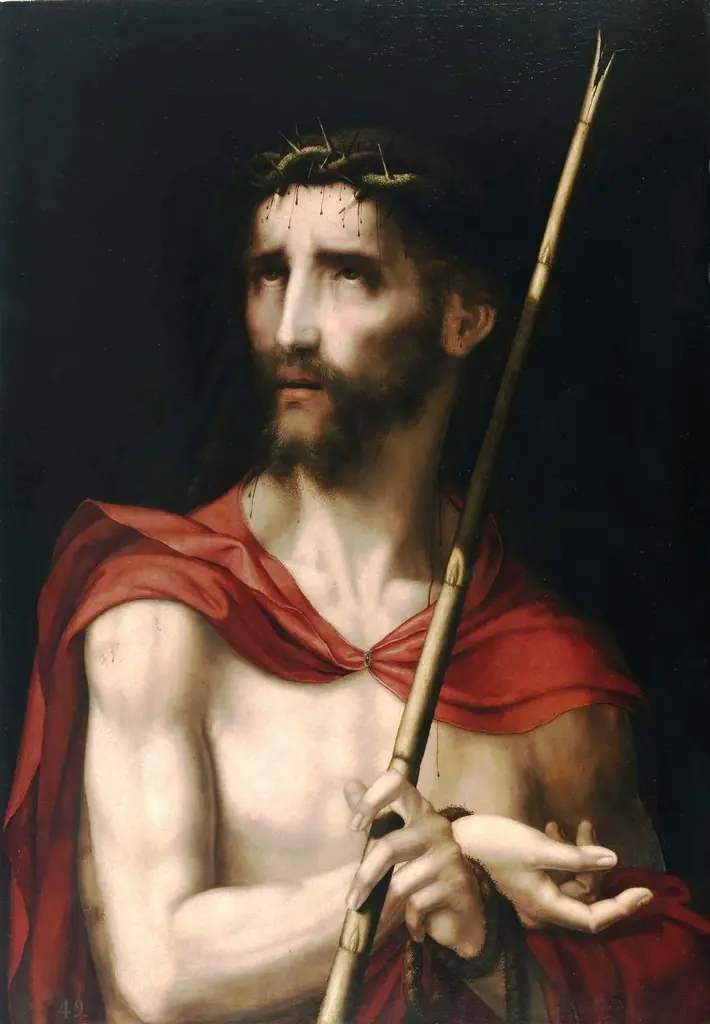
Saint John the Baptist is an oil painting by the Mannerist artist Luis de Morales. It dates from 1566 and is held in the collection of the Museo del Prado.
About this work
Overview
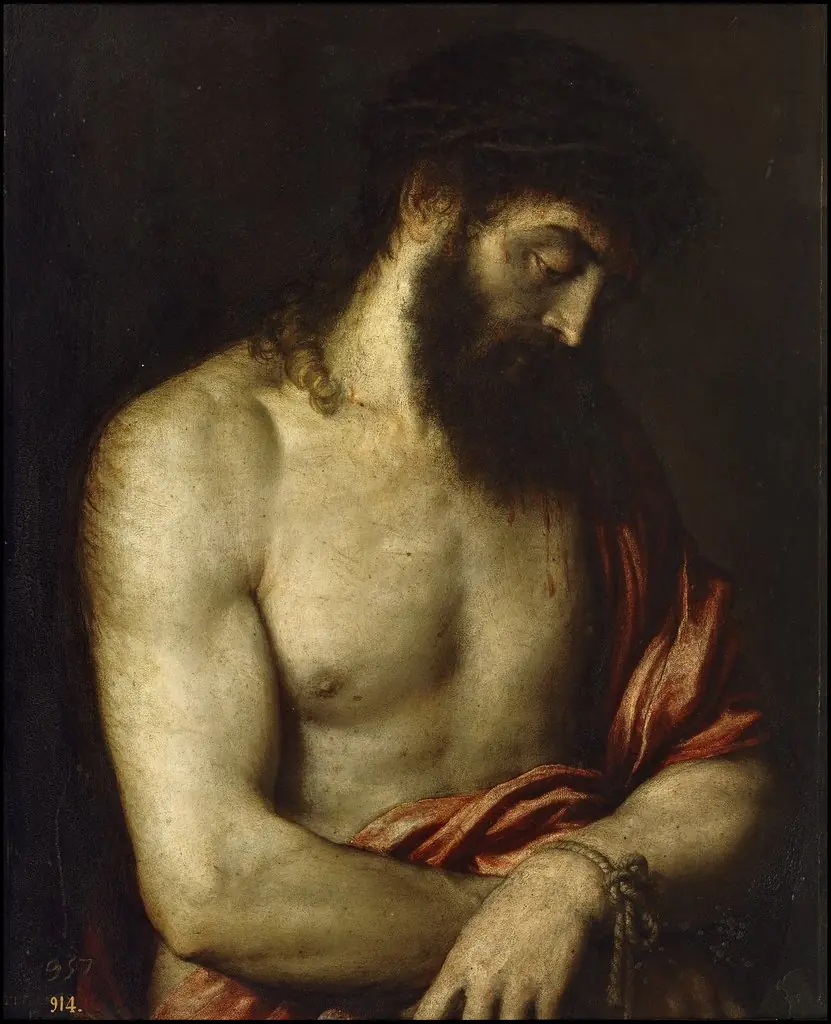
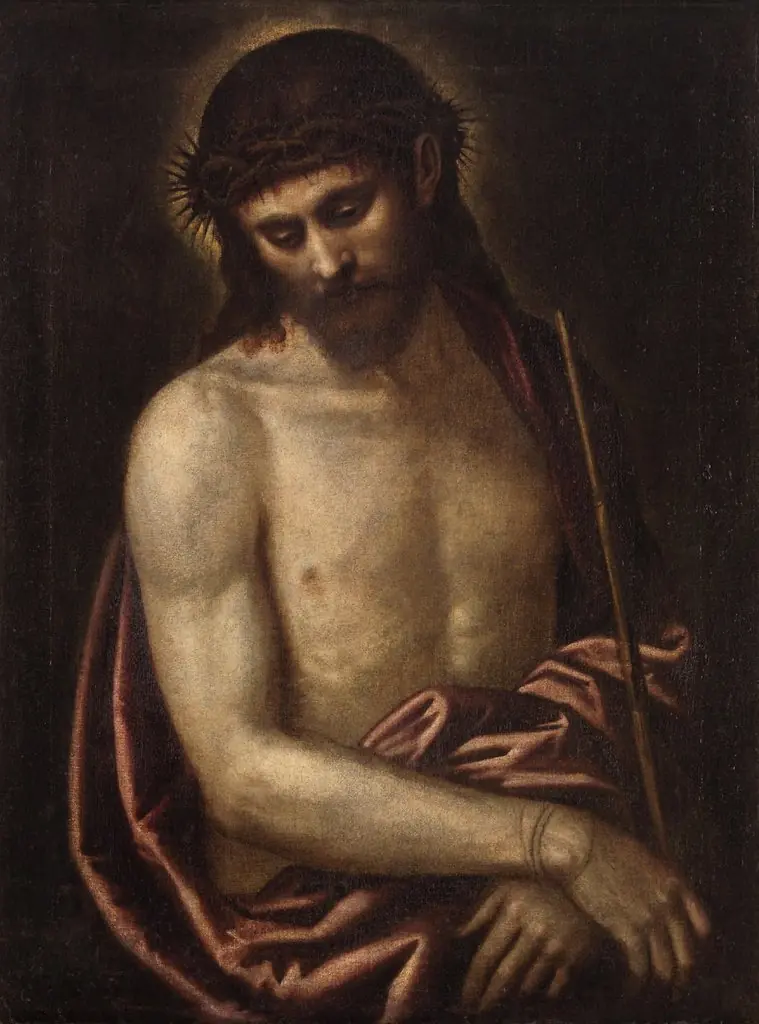
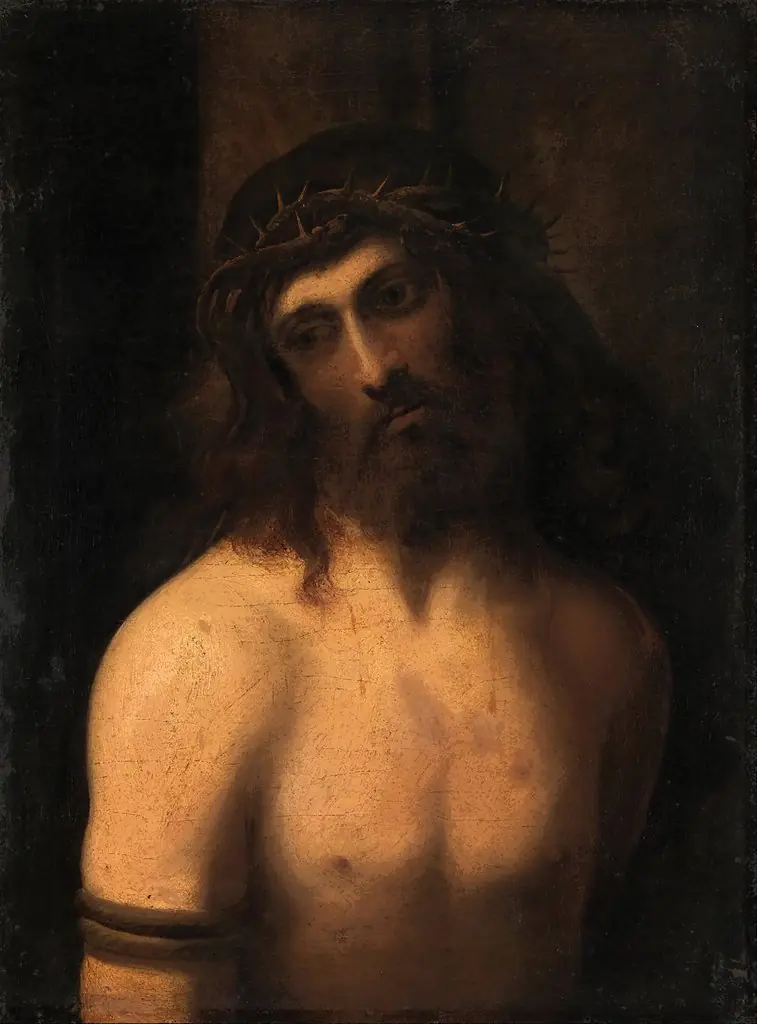
Luis de Morales painted Saint John the Baptist in 1566, employing oil on canvas. The work presents a solitary, bearded figure in a simple red‑orange garment, his torso uncovered, set against an unadorned dark backdrop. The saint gazes directly forward with a composed yet penetrating expression, his face illuminated by a subtle light that defines the cheek and forehead.
Subject & Meaning
The composition focuses on the biblical forerunner of Christ, emphasizing his ascetic character through modest attire and a solemn demeanor. The direct gaze and restrained gesture invite contemplation, reflecting the saint’s role as a prophetic voice and a model of spiritual vigilance within Christian devotion.
Technique & Style
Morales applies a refined chiaroscuro, using gradual tonal shifts to model the face and drapery, creating a gentle glow that separates the figure from the dark ground. The handling shows the influence of Italian Mannerist aesthetics, particularly the anatomical precision of Leonardo’s Lombard school and the compositional balance reminiscent of Raphael.
History & Provenance
Created during the height of the Spanish Renaissance, the painting entered the Museo del Prado’s collection, where it remains on public display. Its acquisition reflects the museum’s commitment to representing the prolific devotional output of 16th‑century Spanish artists.
Context
Morales, often called “El Divino” for the devotional intensity of his oeuvre, produced numerous religious images for churches and private patrons. This portrait of John the Baptist aligns with his broader practice of rendering saints with realistic detail, serving both liturgical function and personal contemplation in Counter‑Reformation Spain.
Own this work as a print
Artist & collection
Artist
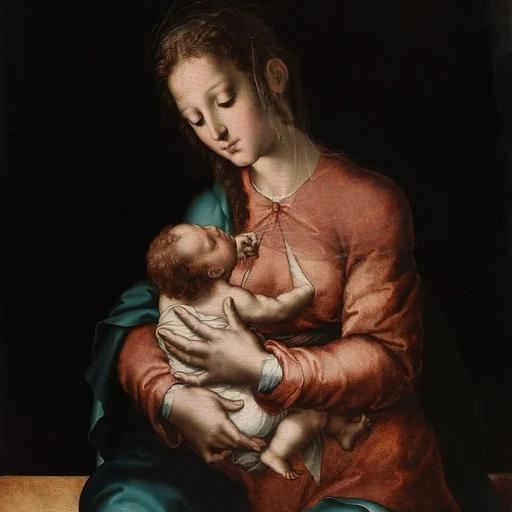
Luis de Morales (1509 – 9 May 1586) was a Spanish painter active during the Spanish Renaissance in the 16th century.