Artwork
Entführung des Ganymed (Kopie nach)
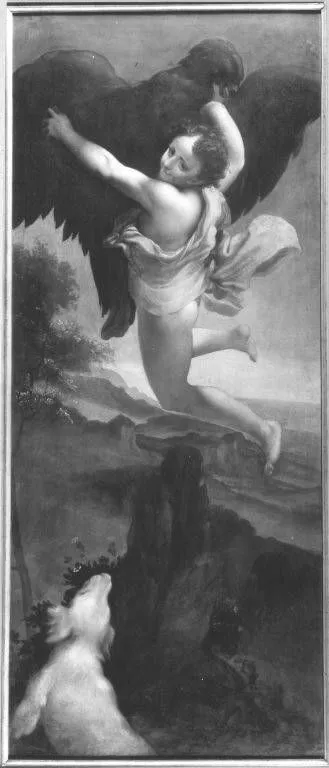
Entführung des Ganymed (Kopie nach) is an unspecified painting by the Early Renaissance artist Correggio. It dates from 1511 and is held in the collection of the Bavarian State Painting Collections.
About this work
Overview
The composition is framed by a soft, atmospheric landscape, suggesting a mythological or allegorical subject rather than a literal narrative.
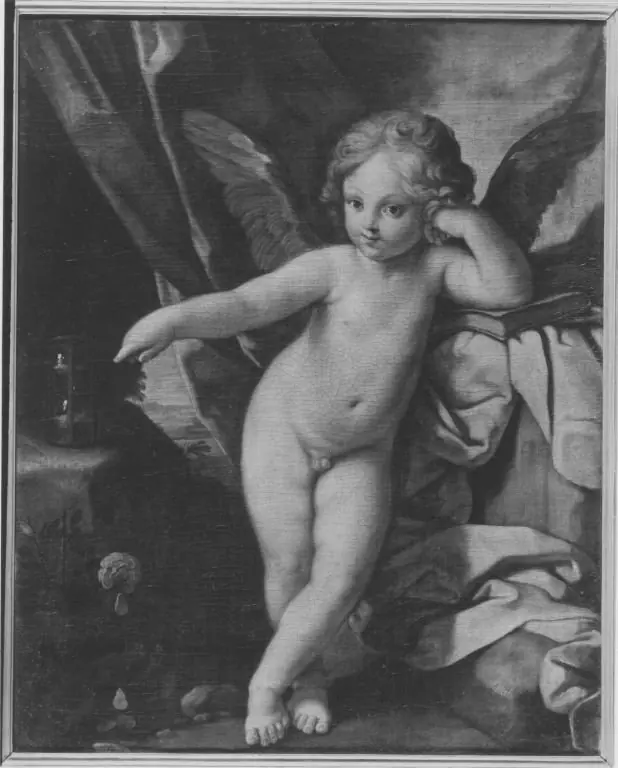
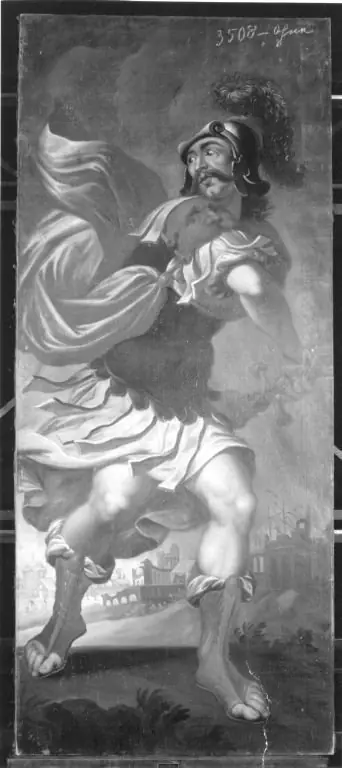
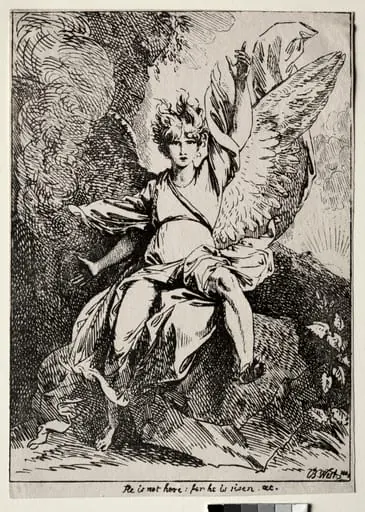
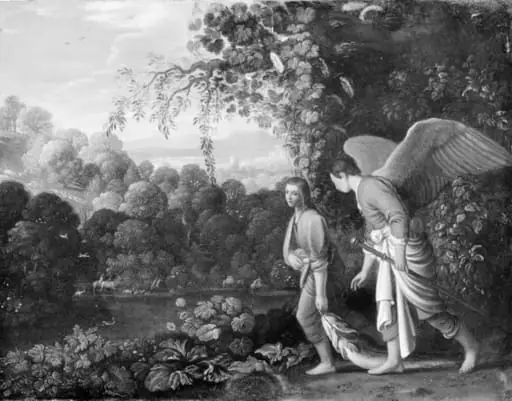
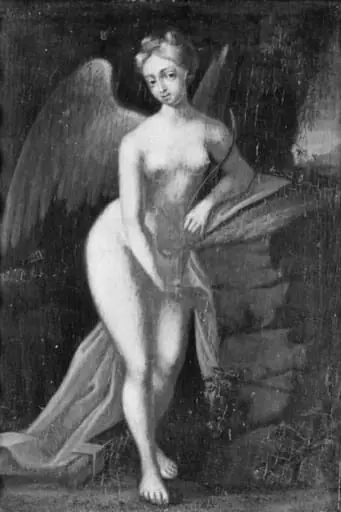
This painting is a 16th-century copy after a work by Antonio da Correggio, dated around 1511. It resides in the Alte Pinakothek in Munich. The scene depicts a youthful, winged figure standing on a rocky ledge, holding a large bird. A small dog gazes upward from below. The composition is framed by a soft, atmospheric landscape, suggesting a mythological or allegorical subject rather than a literal narrative.
Subject & Meaning
The figure is traditionally interpreted as Ganymede, the Trojan youth abducted by Zeus in the form of an eagle, though the bird here appears more raven-like. The presence of the dog and the dreamlike setting may imply themes of divine favor or transition from earthly to celestial realms. The quiet awe of both figures suggests reverence rather than violence, softening the myth’s usual forceful tone.
Technique & Style
The painting employs a hazy, atmospheric perspective with muted tones and delicate modeling of forms. The figure’s nudity is rendered with soft contours, avoiding sharp definition, while the wings and feathers are suggested rather than meticulously detailed. The background dissolves into misty hills and clouds, enhancing the ethereal mood. This approach reflects Correggio’s early interest in luminous, emotive space.
History & Provenance
The original work by Correggio is lost; this painting is a later copy, likely made in the 16th century by a follower or workshop member. It entered the Alte Pinakothek’s collection in the 19th century as part of the Bavarian royal holdings. Its attribution has been debated, but stylistic ties to Correggio’s early style support its connection to his circle.
Context
Created during Correggio’s formative years in Parma, the painting reflects the influence of Renaissance humanism and emerging Mannerist tendencies. Mythological subjects were increasingly favored in private collections, often symbolizing virtue, beauty, or divine grace. The gentle, introspective tone aligns with regional trends that prioritized emotional nuance over dramatic spectacle.
Legacy
Though not the original, this copy preserves key elements of Correggio’s early approach to myth and light. It offers insight into how his compositions were interpreted and transmitted before the rise of Baroque dynamism. The work remains a quiet testament to the period’s fascination with mythological ambiguity and the poetic potential of the human form.
Artist & collection

Artist
Antonio Allegri da Correggio (August 1489 – 5 March 1534), usually known as just Correggio (, also UK: , US: , Italian: ), was an Italian Renaissance painter who was the foremost painter of the Parma school of the High…