Artwork
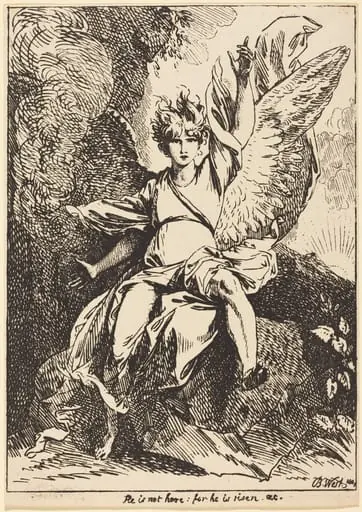
Specimens of Polyautography: The Angel at the Tomb of Christ
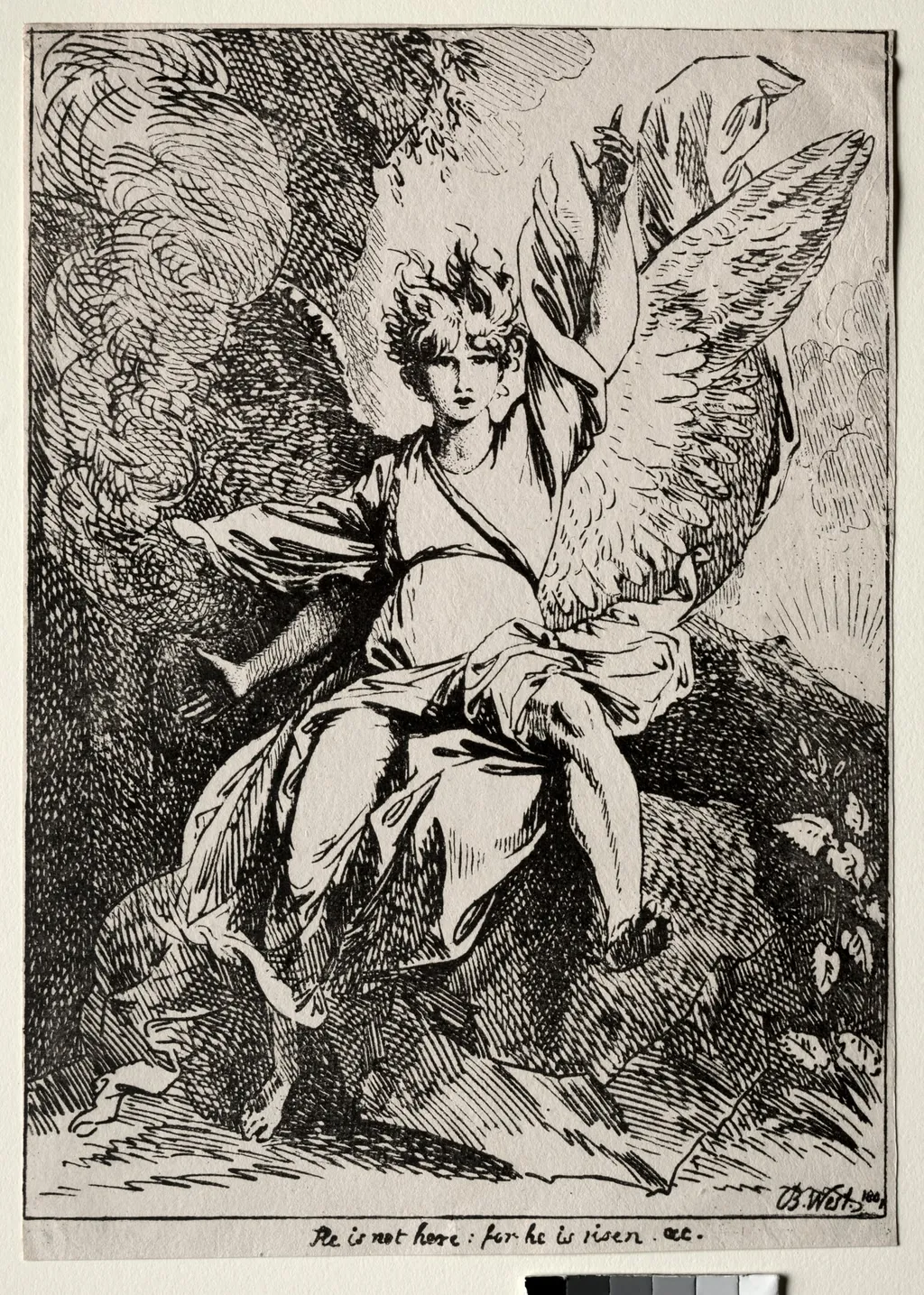
Specimens of Polyautography: The Angel at the Tomb of Christ is a print by the Romanticist artist Benjamin West. It dates from 1801 and is held in the collection of the Cleveland Museum of Art.
About this work
Overview
Specimens of Polyautography: The Angel at the Tomb of Christ is a 1801 print by Benjamin West, an American artist based in London. This religious genre piece is part of The Cleveland Museum of Art's collection.
Subject & Meaning
The print depicts a serene, melancholic scene of an angel at Christ's tomb, conveying emotional depth through subdued color choices, contrasting with the detailed style prevalent during its time.
Technique & Style
West's use of simple, muted colors to evoke emotion aligns with emerging artistic experiments of his era, notably resembling techniques seen in chiaroscuro, which emphasizes contrast to create mood.
History & Provenance
Created in 1801 by Benjamin West, the work is now held by The Cleveland Museum of Art, reflecting West's influence as a prominent historical painter in Britain despite his American origins.
Context
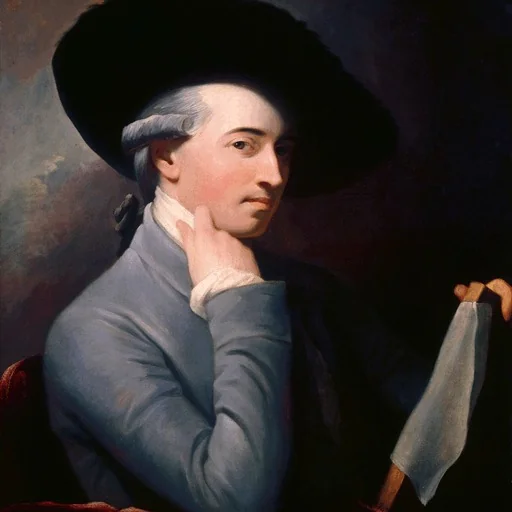
West, part of a group of artists exploring new styles, held significant positions in British art, including Historical Painter to the Court and second President of the Royal Academy, highlighting his dual American-British artistic identity.
Legacy
While specific legacy details of this piece are not highlighted, West's overall contribution to British art history and his experimentation with emotional color palettes continue to be noted in art historical discourse.
Artist & collection

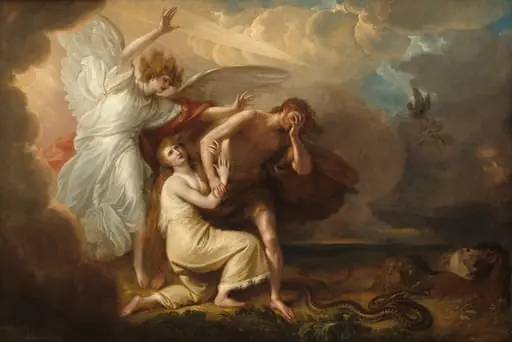 The Expulsion of Adam and Eve from Paradise
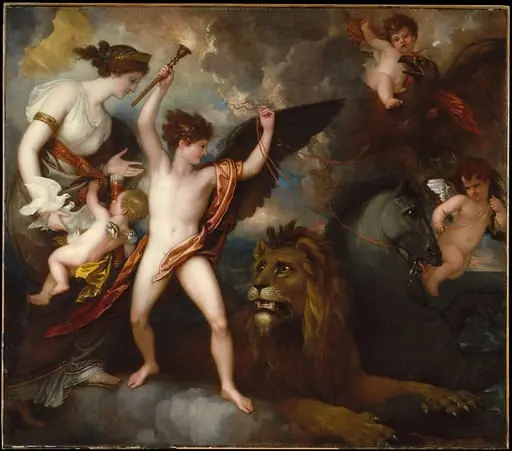 Omnia Vincit Amor, or The Power of Love in the Three Elements
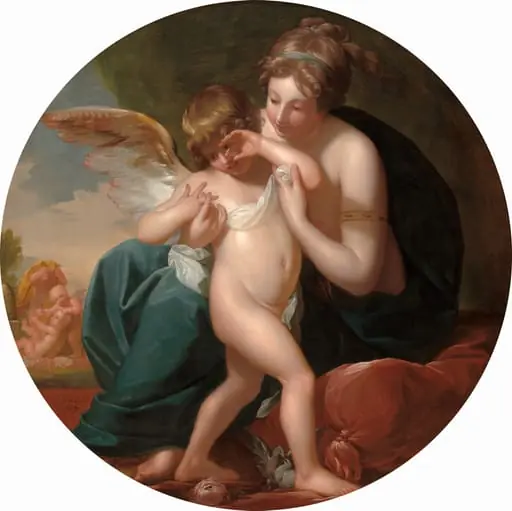 Cupid, Stung by a Bee, Is Cherished by his Mother
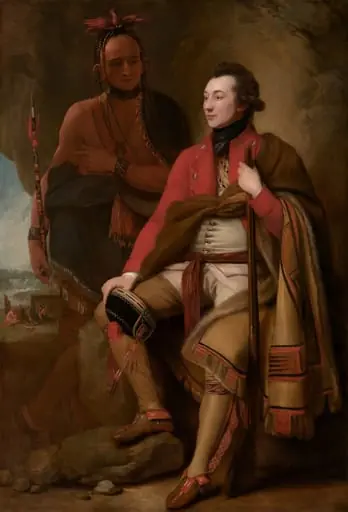 Colonel Guy Johnson and Karonghyontye (Captain David Hill)
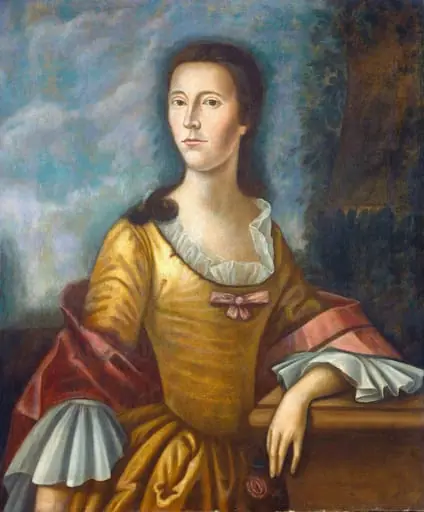 Mary Bethel Boude (Mrs. Samuel Boude)
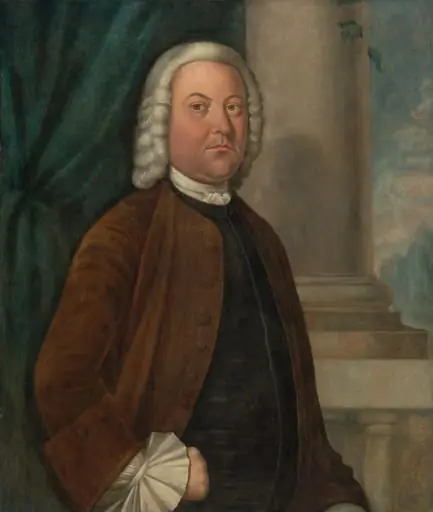 Dr. Samuel Boude
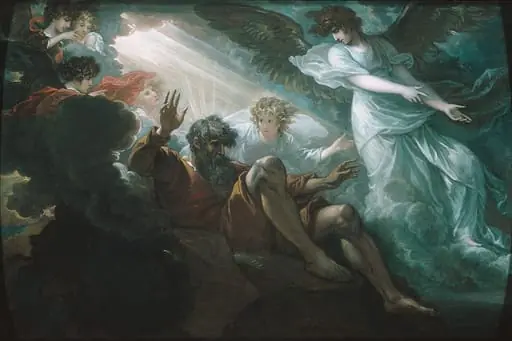 Moses Shown the Promised Land
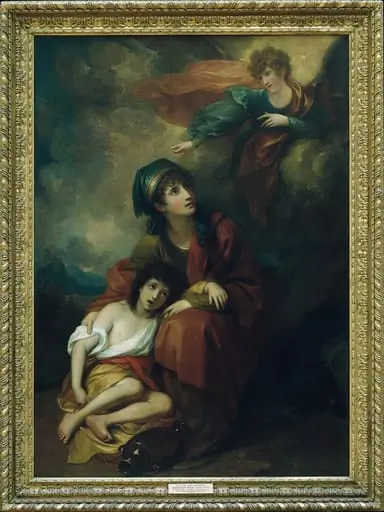 Hagar and Ishmael