Artwork
A View of Paestum
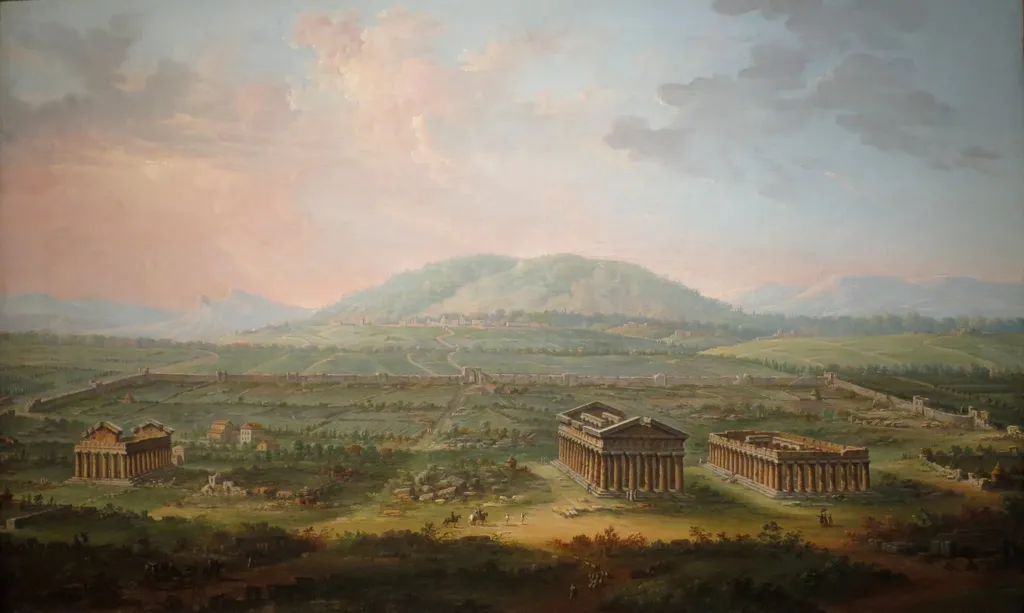
A View of Paestum is an oil painting by the Rococo painting artist Antonio Joli. It dates from 1759 and is held in the collection of the Norton Simon Museum.
About this work
Overview
A View of Paestum is a landscape painting executed in oil by Antonio Joli in 1759. The work is part of the collection at the Norton Simon Museum.
Subject & Meaning
The painting portrays the ancient archaeological site of Paestum in southern Italy, featuring three prominent temples: the Second Temple of Hera, the Temple of Athena, and another. The scene also includes a walled town along a river, set amidst a green valley, hills, and a softly rendered pink sky. Human activity is subtly suggested by tiny figures on horseback and on foot near the temples.
Technique & Style
Joli employed aerial perspective to convey depth, rendering distant hills as hazy and faint. The temples are depicted in a style that emphasizes their ancient Greek architectural characteristics, despite their Italian location.
History & Provenance
Created in 1759, the painting's history prior to its acquisition by the Norton Simon Museum is not detailed here. It is currently held in the museum's collection.
Context
Paestum, the subject of the painting, is an ancient Greek archaeological site in southern Italy, known for its well-preserved Doric temples. Joli's depiction reflects 18th-century European interest in classical antiquity.
Legacy
While specific influence or notable exhibitions of 'A View of Paestum' are not highlighted, the painting contributes to the broader legacy of European landscape painting and the artistic fascination with classical ruins during the 18th century.
Own this work as a print
Artist & collection
Artist
Antonio Francesco Lodovico Joli was born in Modena in 1700 and trained first under the perspective painter Raffaello Rinaldi before moving to Rome, where he studied with Giovanni Paolo Panini and absorbed the tradition of idealized…

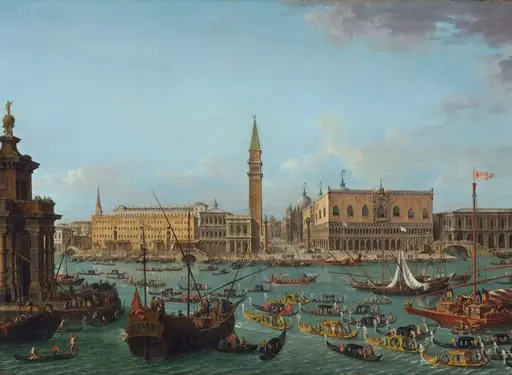 Procession of Gondolas in the Bacino di San Marco, Venice
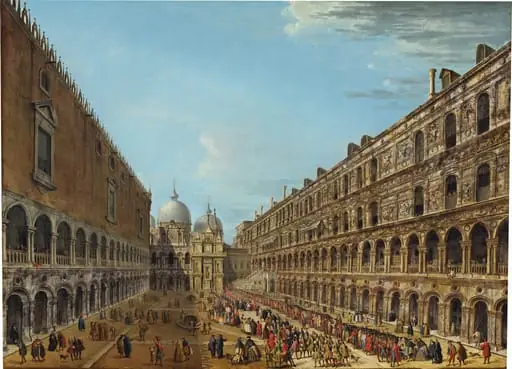 Procession in the Courtyard of the Ducal Palace, Venice
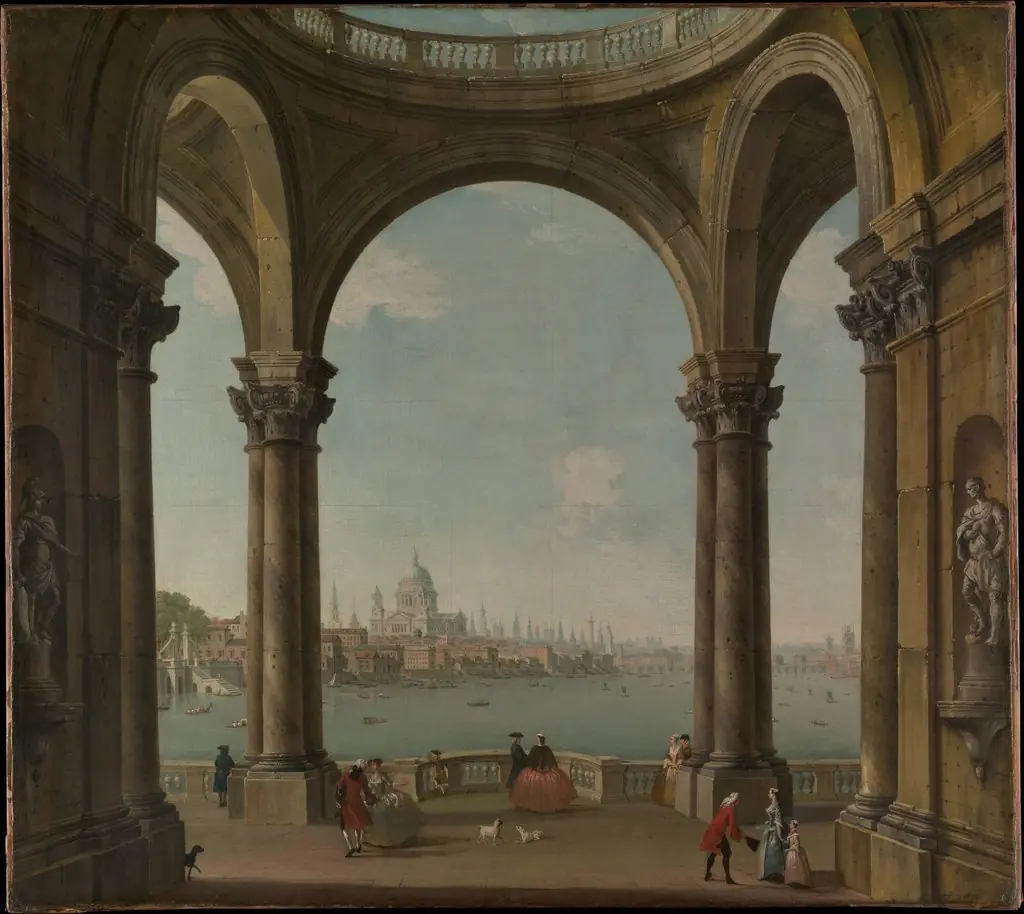 Capriccio with St. Paul's and Old London Bridge
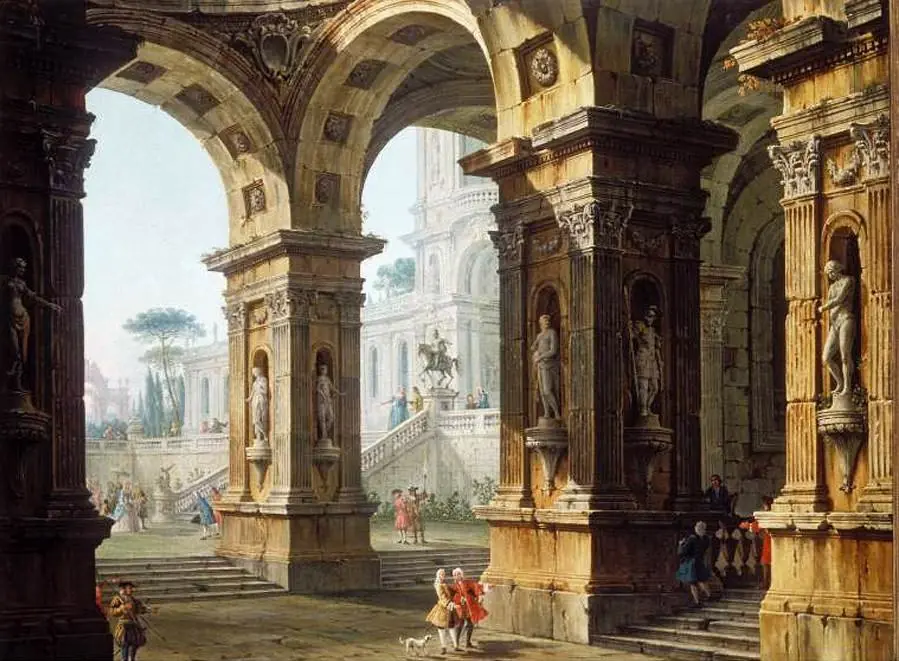 Capriccio with Elegant Figures
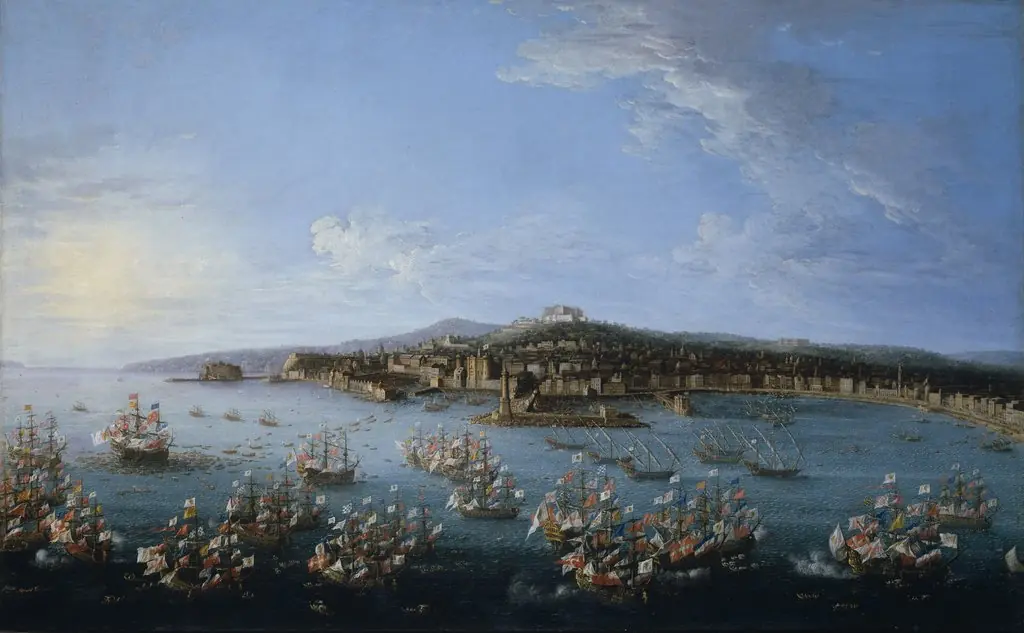 Carlos III leaving the Port of Naples, as Seen from the Sea
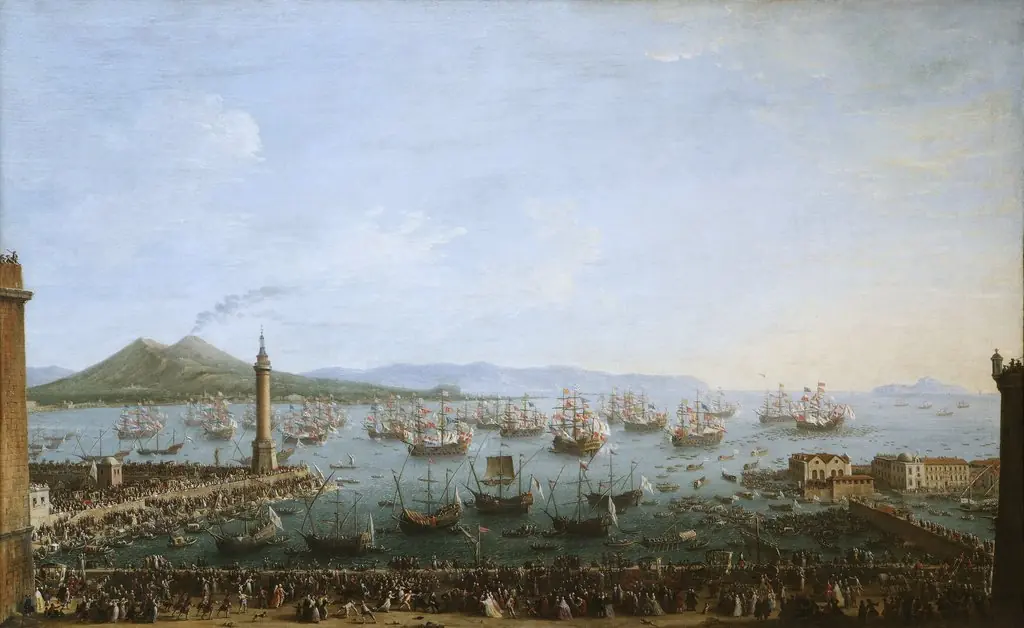 Carlos III leaving the Port of Naples, as Seen from the Land
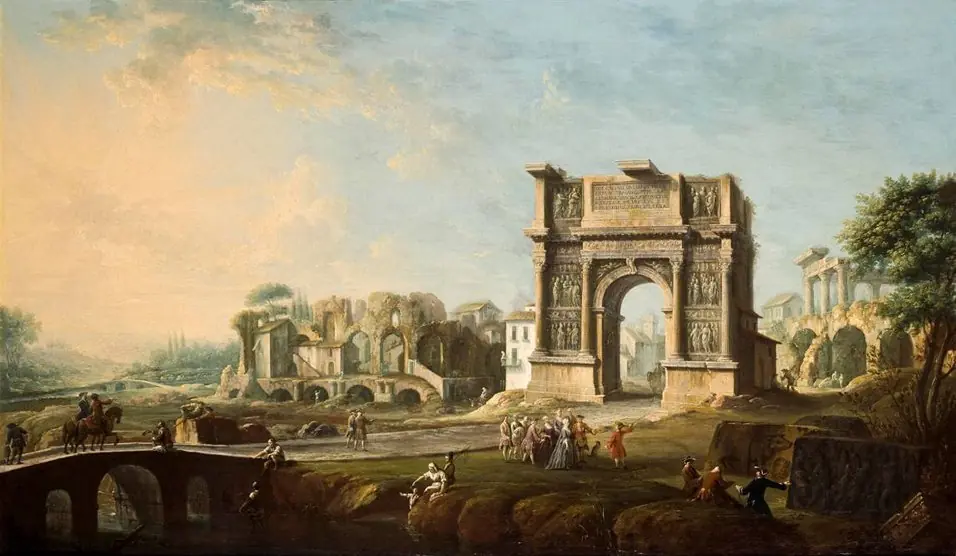 The Arch of Trajan at Benevento
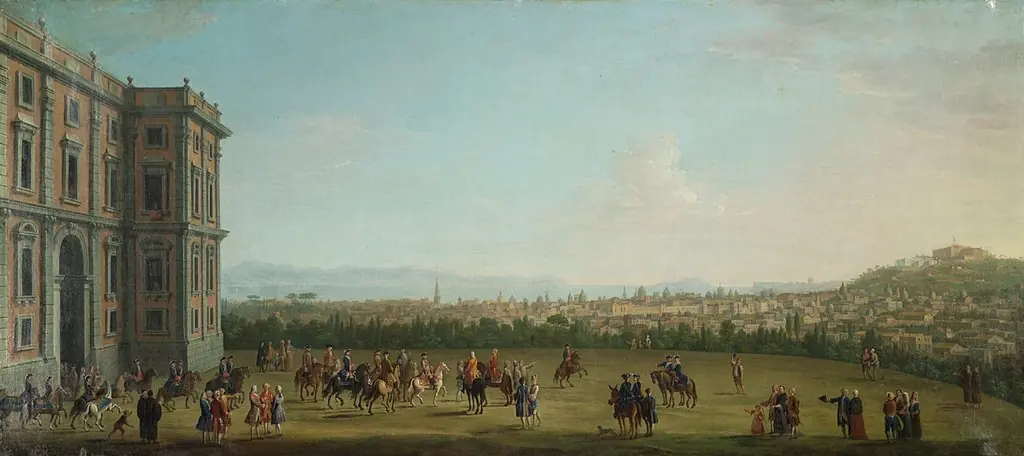 Ansicht von Neapel vom Palazzo di Capodimonte (Im Vordergrund Ferdinand IV. als Kind mit Gefolge beim Ausritt)