Artwork
Portrait of a man
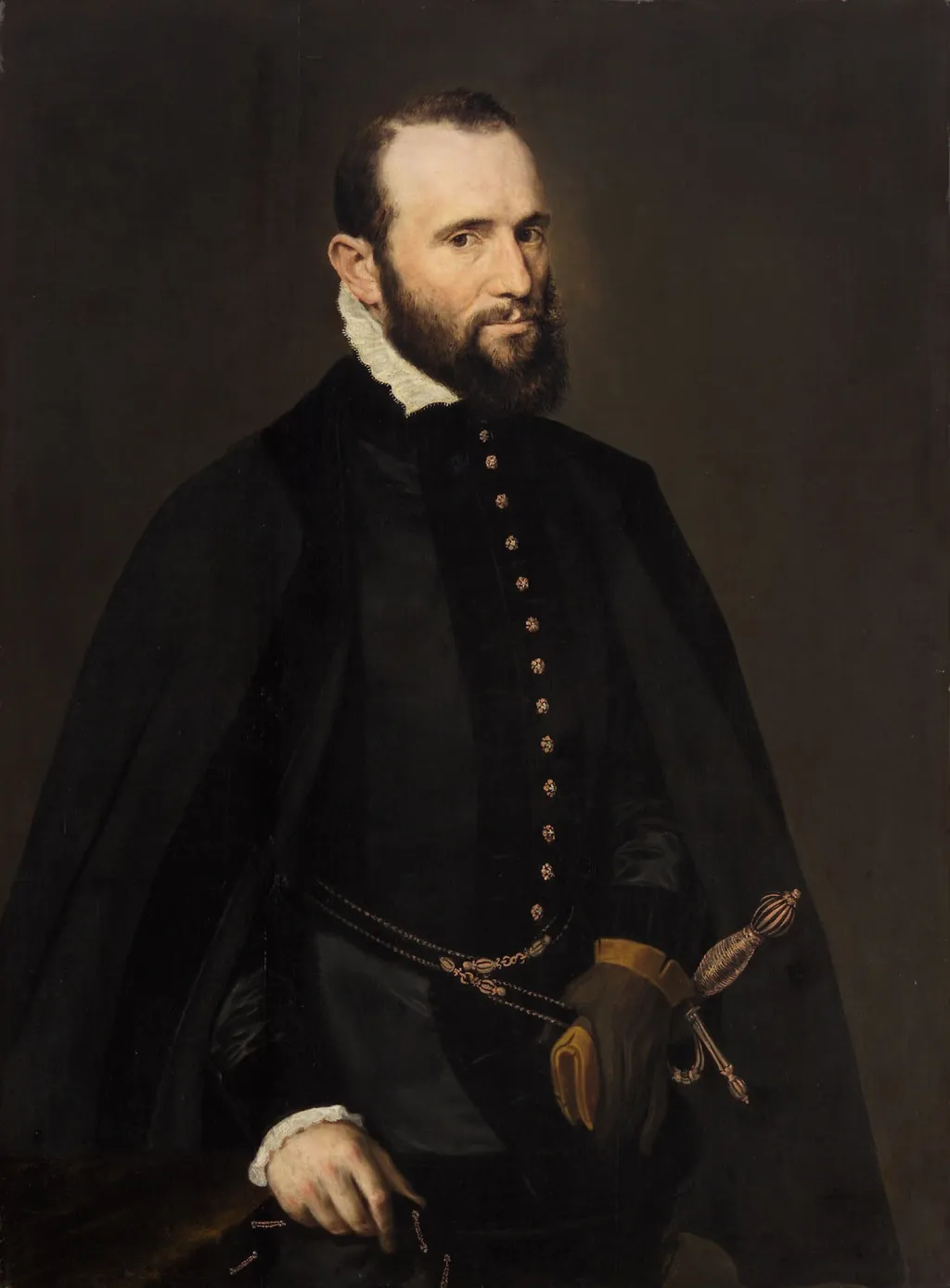
Portrait of a man is an oil painting by the Mannerist artist Antonis Mor. It dates from 1550 and is held in the collection of the Kunsthistorisches Museum.
About this work
Overview
Painted around 1550, this oil portrait is attributed to Antonis Mor, a Netherlandish artist known for his precise and restrained depictions of European elites.
Painted around 1550, this oil portrait is attributed to Antonis Mor, a Netherlandish artist known for his precise and restrained depictions of European elites. The work exemplifies Mor’s skill in capturing individual presence through controlled composition and subtle lighting. It resides today in the Kunsthistorisches Museum in Vienna, part of a broader corpus of courtly portraits that established his international reputation.
Subject & Meaning
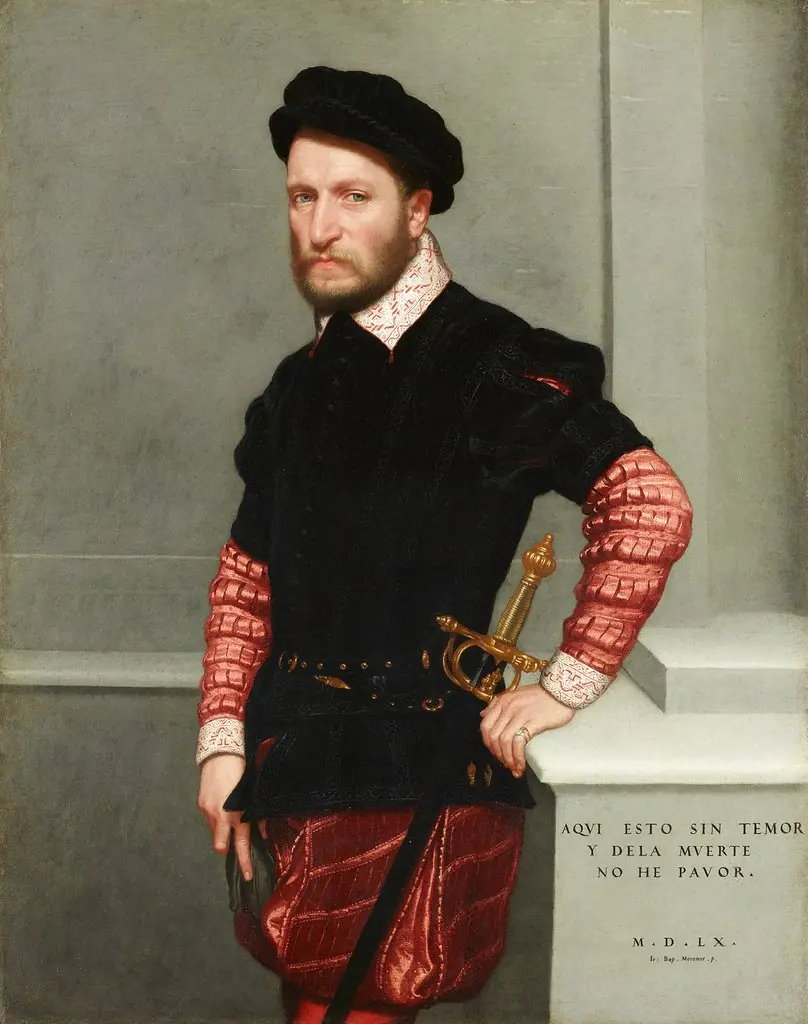
The sitter is a man of elevated social standing, indicated by his attire and the presence of a sword. His dark robe, gold-buttoned and paired with a crisp white collar, signals wealth and refinement. The hand resting on the hilt suggests authority, while the other tucked within the garment conveys composure. The absence of context or symbolism points to a focus on personal dignity rather than narrative or allegory.
Technique & Style
Mor employed oil paint with meticulous attention to texture, rendering fabric, skin, and metal with equal precision. He used chiaroscuro to define the sitter’s features, casting sharp contrasts between light and shadow to model the face and robe. The background remains unadorned and dark, isolating the figure and enhancing the three-dimensionality of his form. This approach reflects Mannerist tendencies toward elegance and psychological depth over naturalism.
History & Provenance
The painting entered the Kunsthistorisches Museum’s collection as part of the Habsburg imperial holdings, likely acquired during the 16th or early 17th century. Mor’s reputation as a court painter for Philip II of Spain ensured his works were sought after by Habsburg patrons. Its continuous presence in imperial collections suggests it was valued early for its formal authority and technical mastery.
Context
Mor worked during a period when portraiture became a tool of political identity across Europe. Influenced by Titian’s psychological depth and compositional balance, he adapted these elements into a cooler, more rigid aesthetic favored in Northern courts. His style became a model for Spanish and Flemish painters, bridging Italian Renaissance ideals with Northern European precision.
Legacy
Mor’s portraits set a standard for aristocratic representation in the late Renaissance, particularly in Spain, where his influence endured for decades. His restrained palette and emphasis on posture and fabric conveyed status without overt symbolism. Though less celebrated today than some contemporaries, his work remains a key reference for understanding the evolution of court portraiture in 16th-century Europe.
Own this work as a print
Artist & collection
Artist
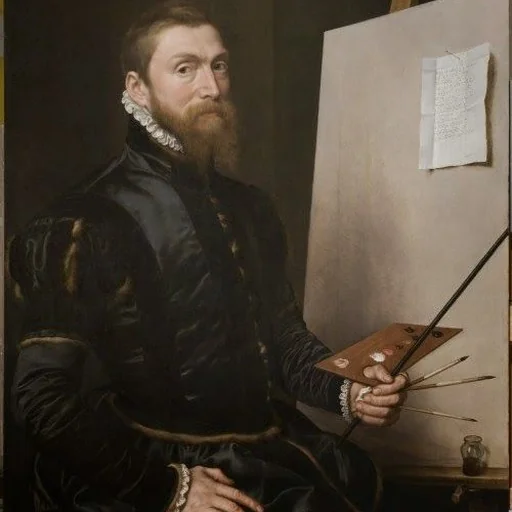
Anthonis Mor, also known as Anthonis Mor van Dashorst and Antonio Moro (c. 1517 – 1577), was a Netherlandish portrait painter, much in demand by the courts of Europe. He has also been referred to as Antoon, Anthonius,…

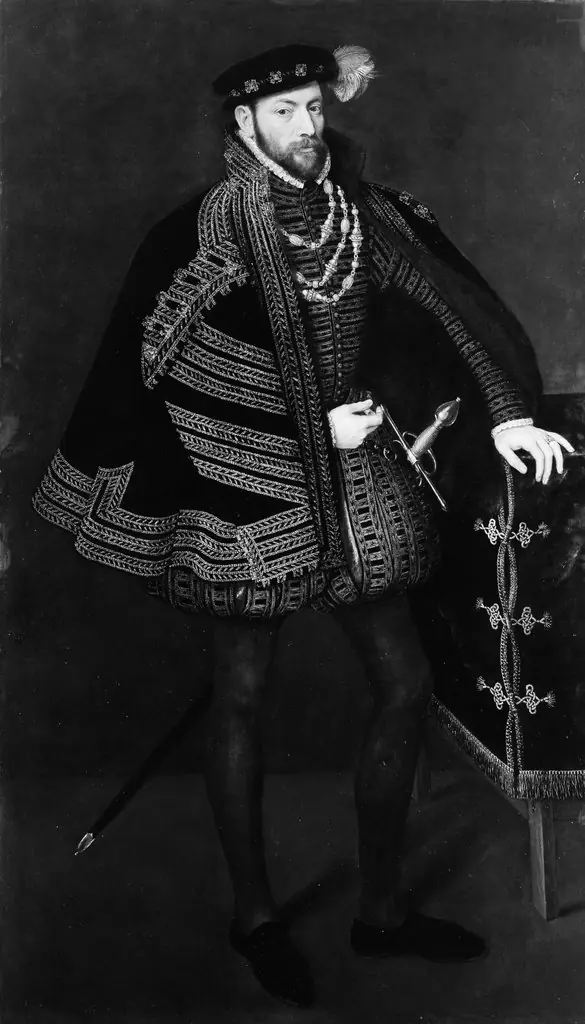 Portrait of a Man, Possibly Ottavio Farnese (1524–1586), Duke of Parma and Piacenza
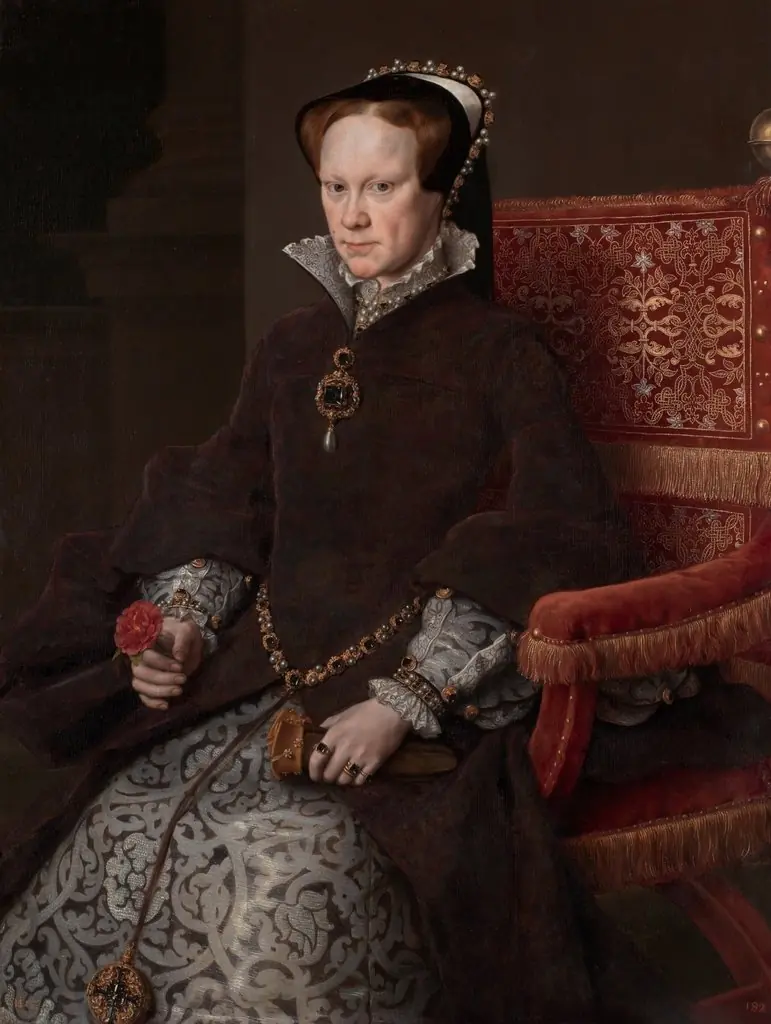 Portrait of Mary Tudor
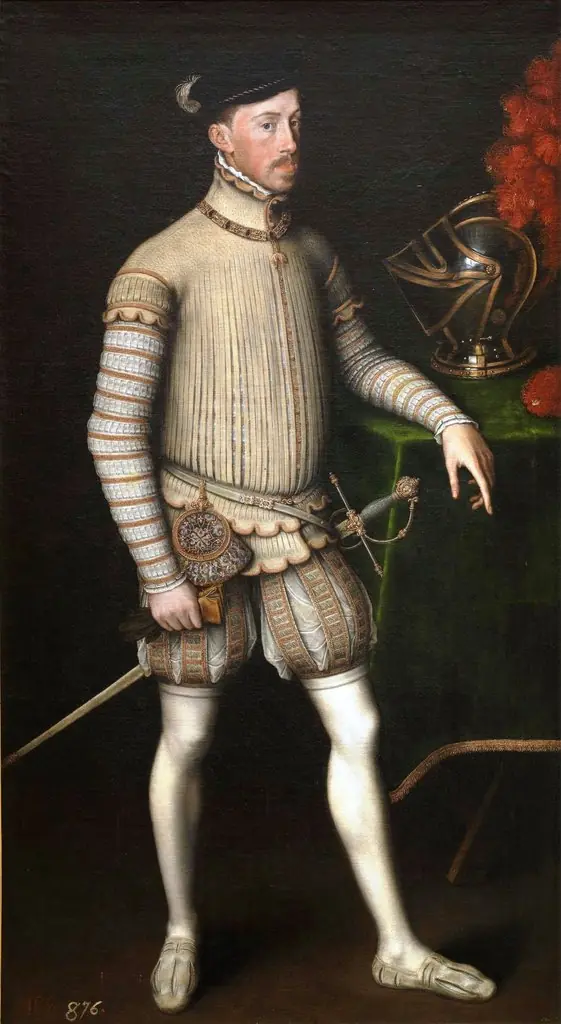 Emperor Maximilian II
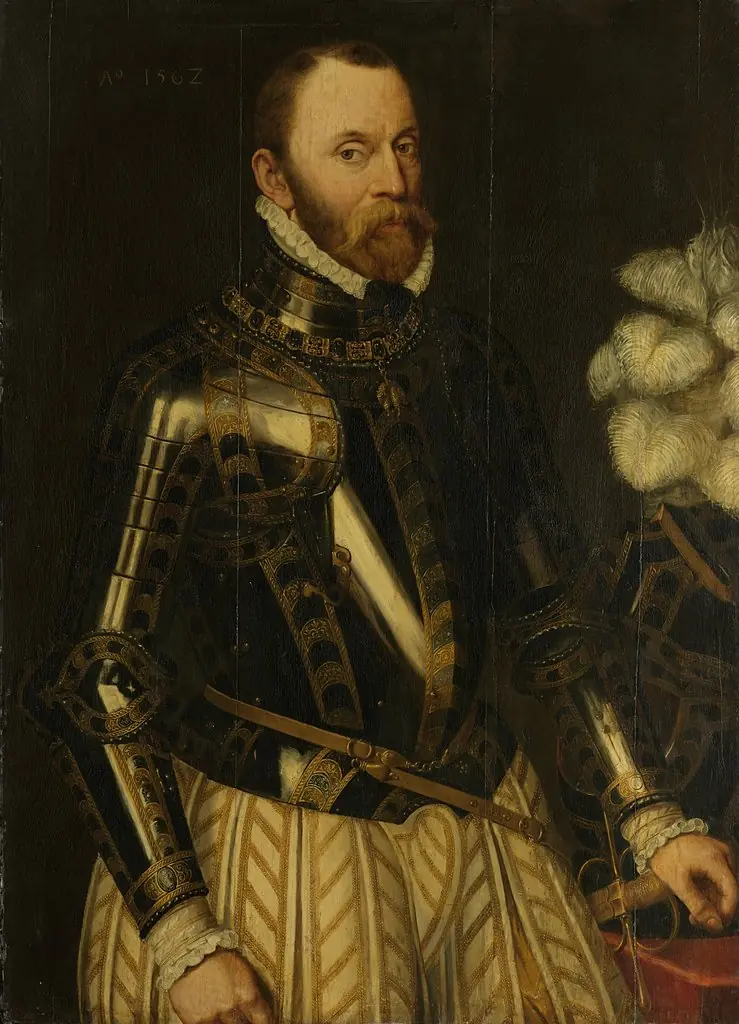 Philippe de Montmorency
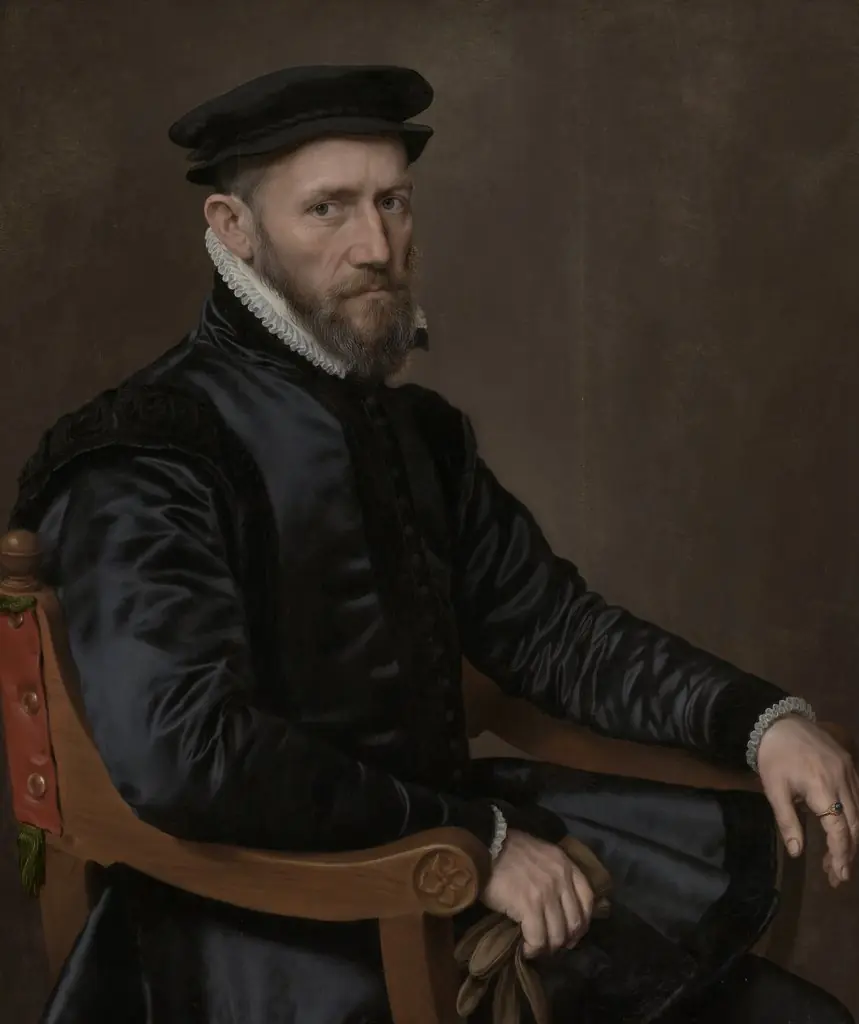 Portrait of Sir Thomas Gresham, pendant to portrait of Anne Fernely
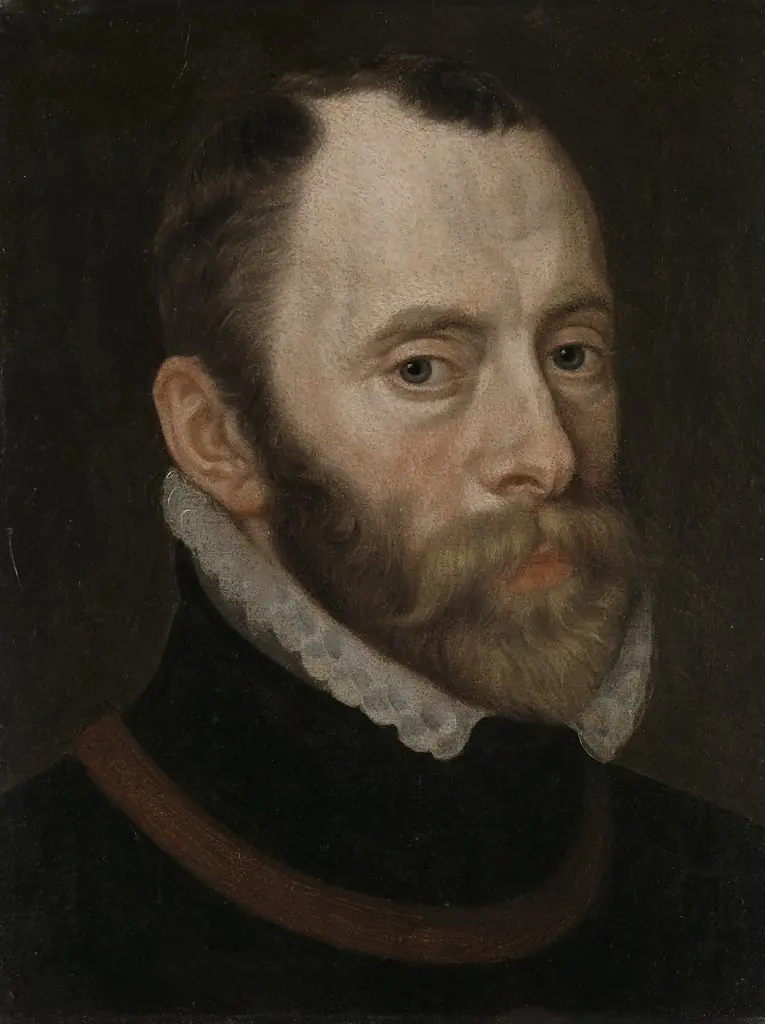 Portrait of Philippe de Montmorency, Count of Hoorne, Admiral of the Netherlands, Member of the Council of State
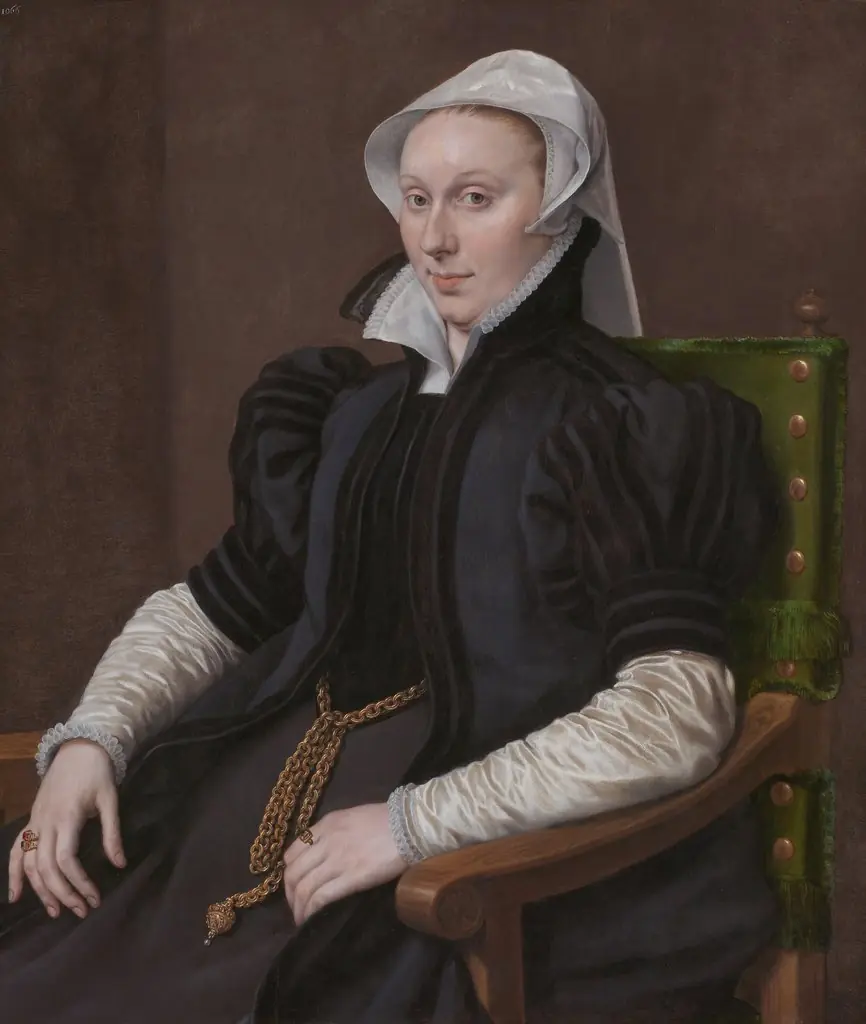 Portrait of Anne Fernely, pendant to Sir Thomas Gresham
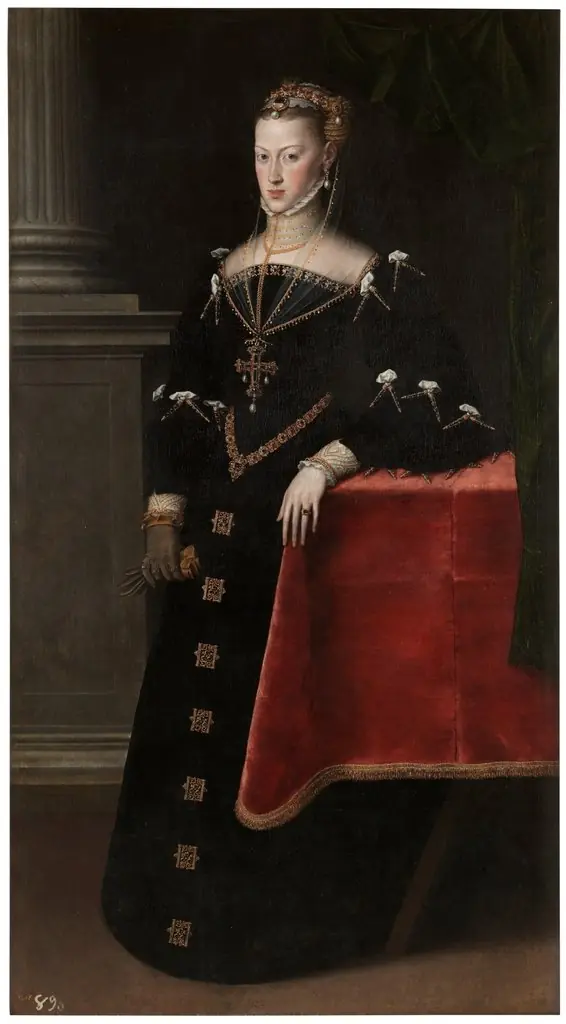 Empress Maria of Austria, Wife of Maximilian II
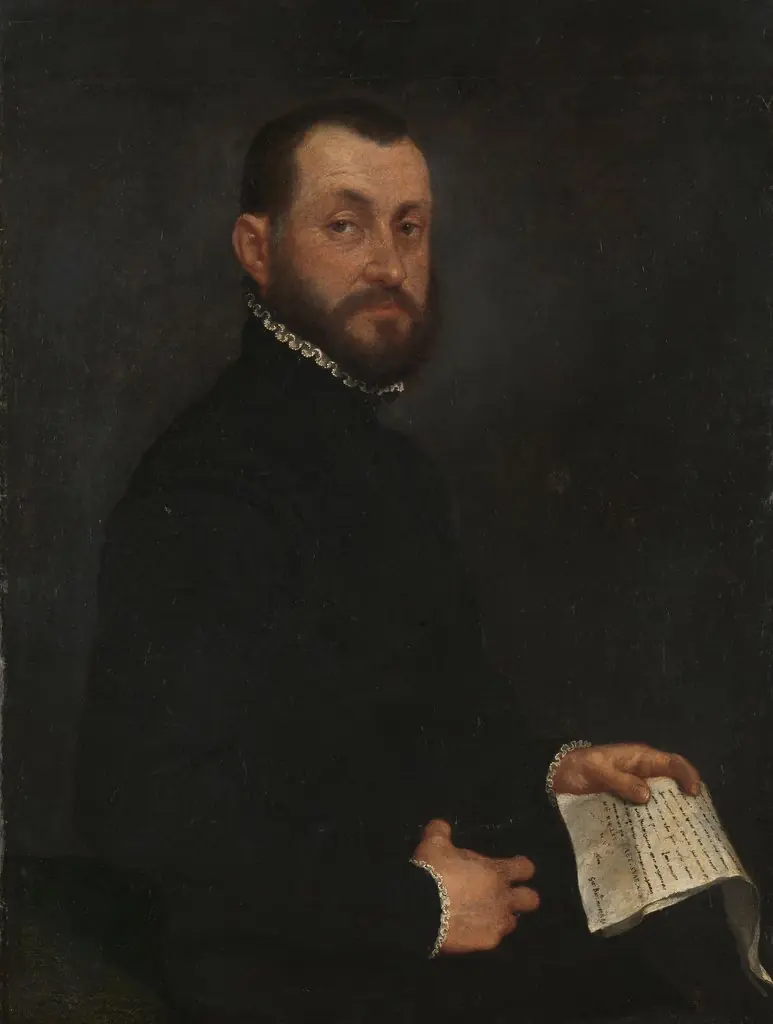 Portrait of a Man
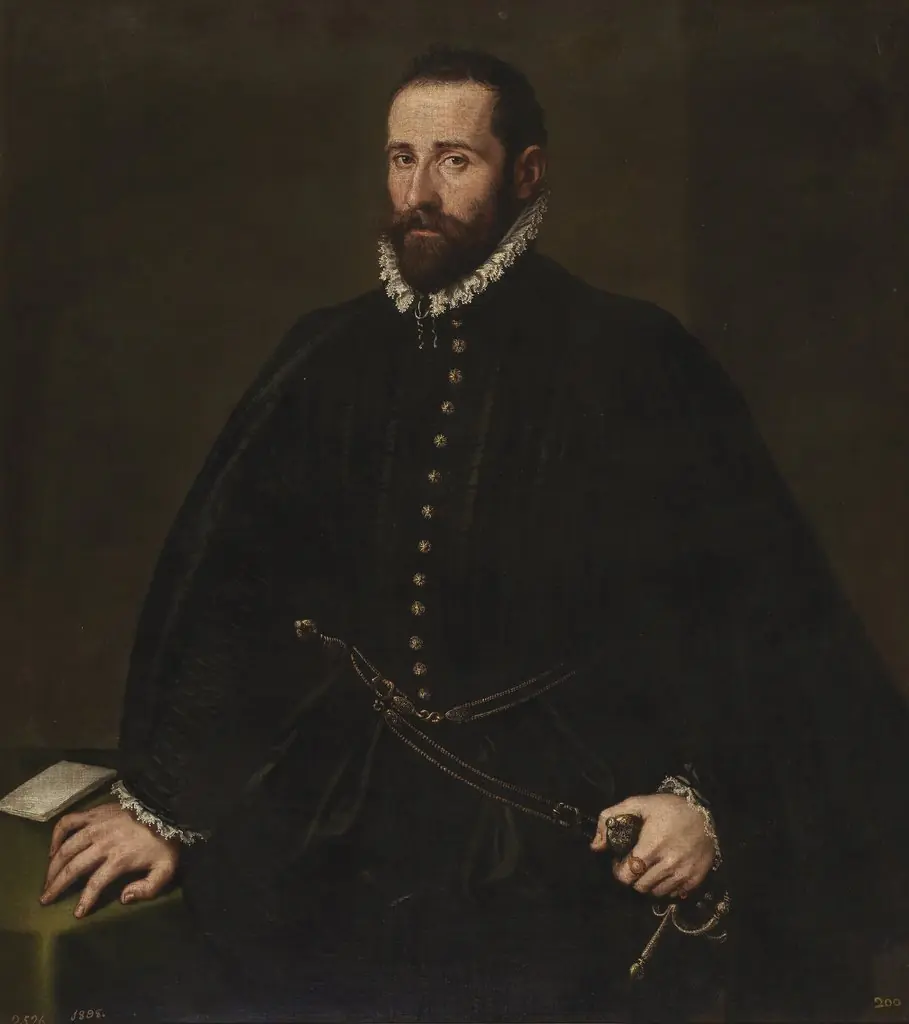 Portrait of a Gentleman
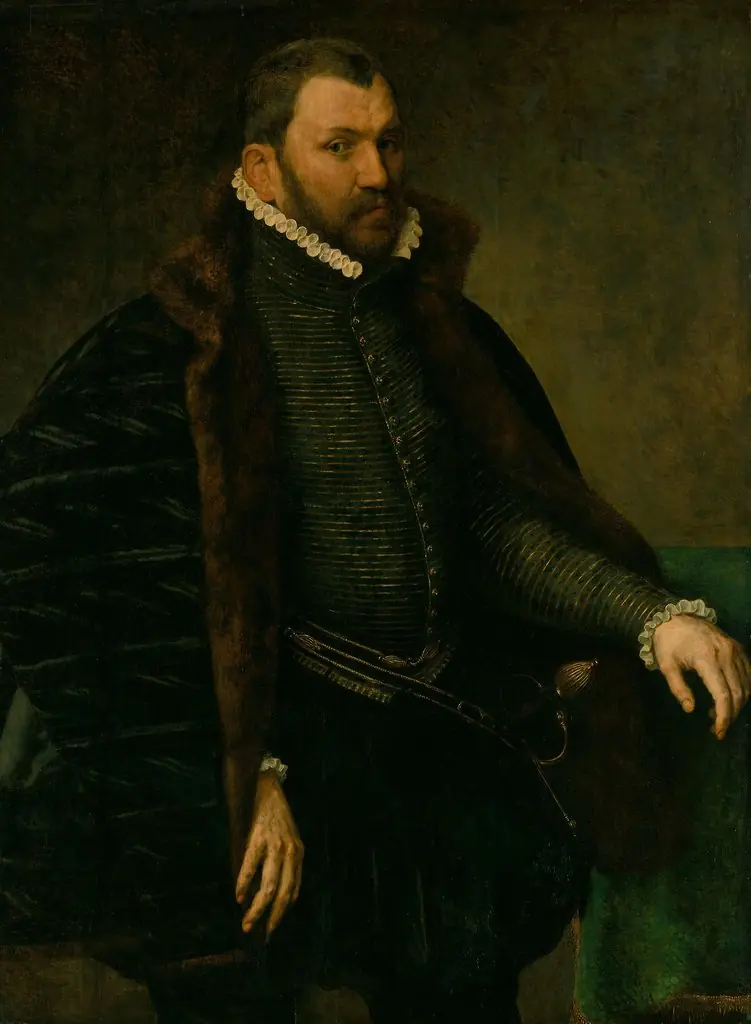 Portrait of a Man
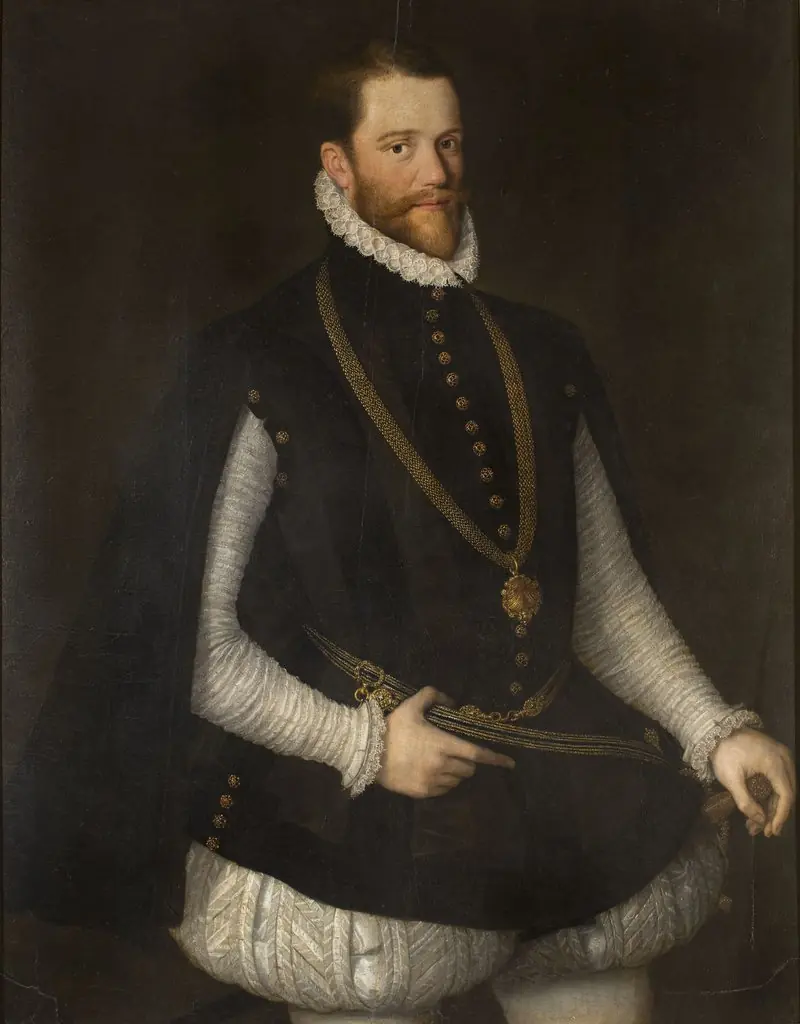 Portrait of a Gentleman of the order of Saint James
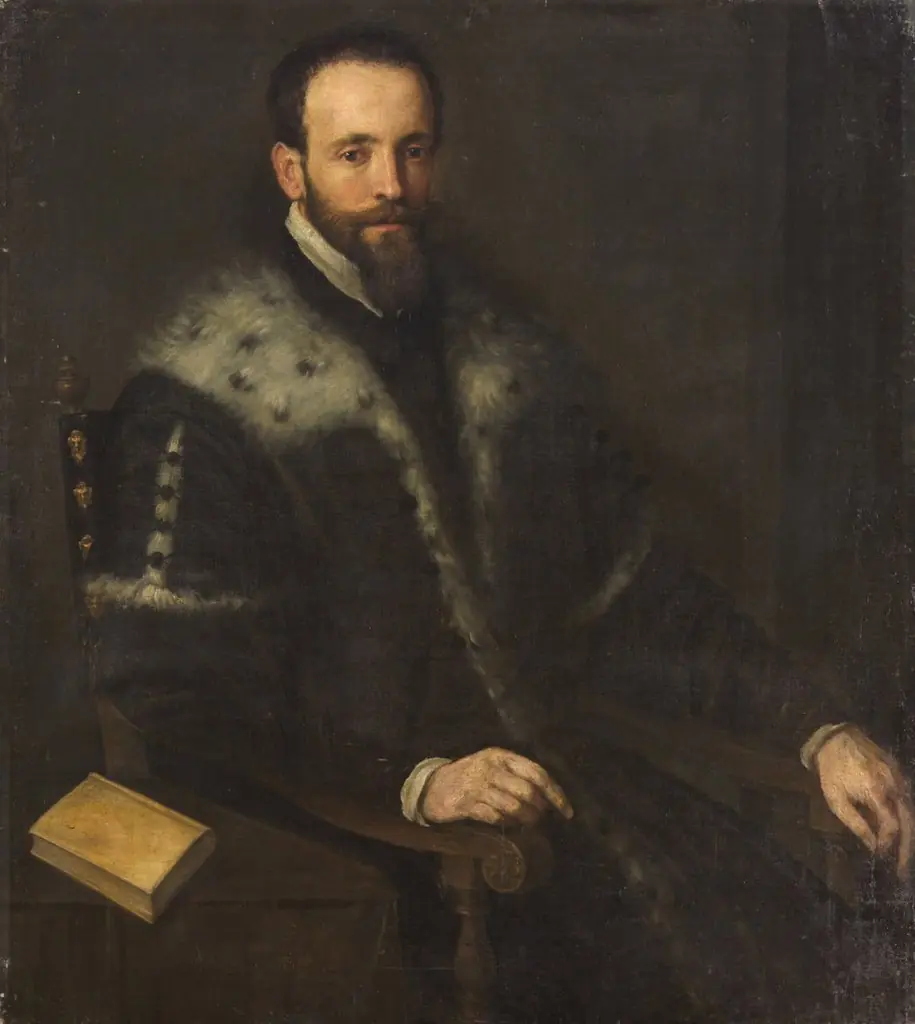 Bildnis eines Mannes im Lehnstuhl
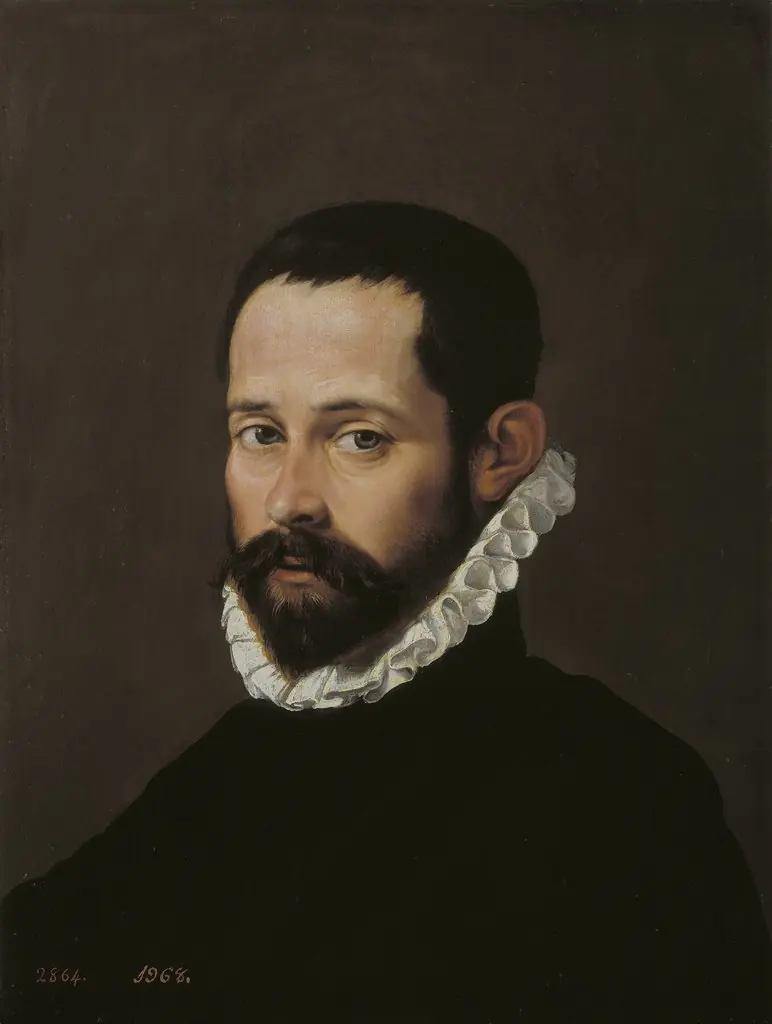 Portrait of Diego Hurtado de Mendoza
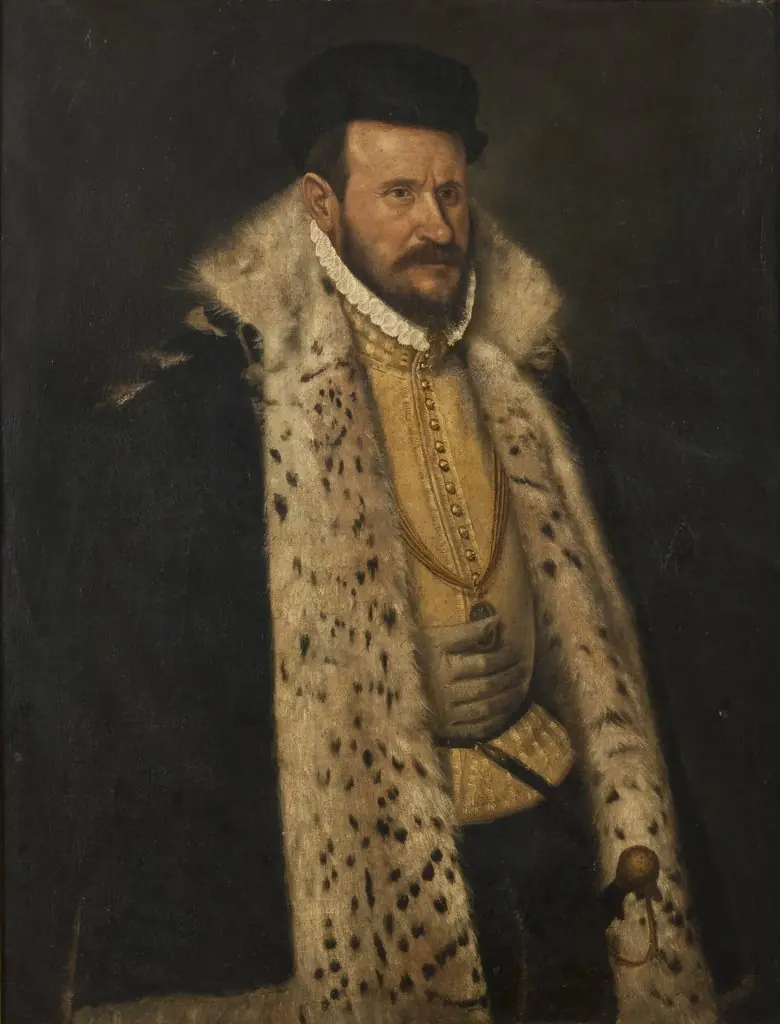 Portrait of a Man in a Furlined Coat
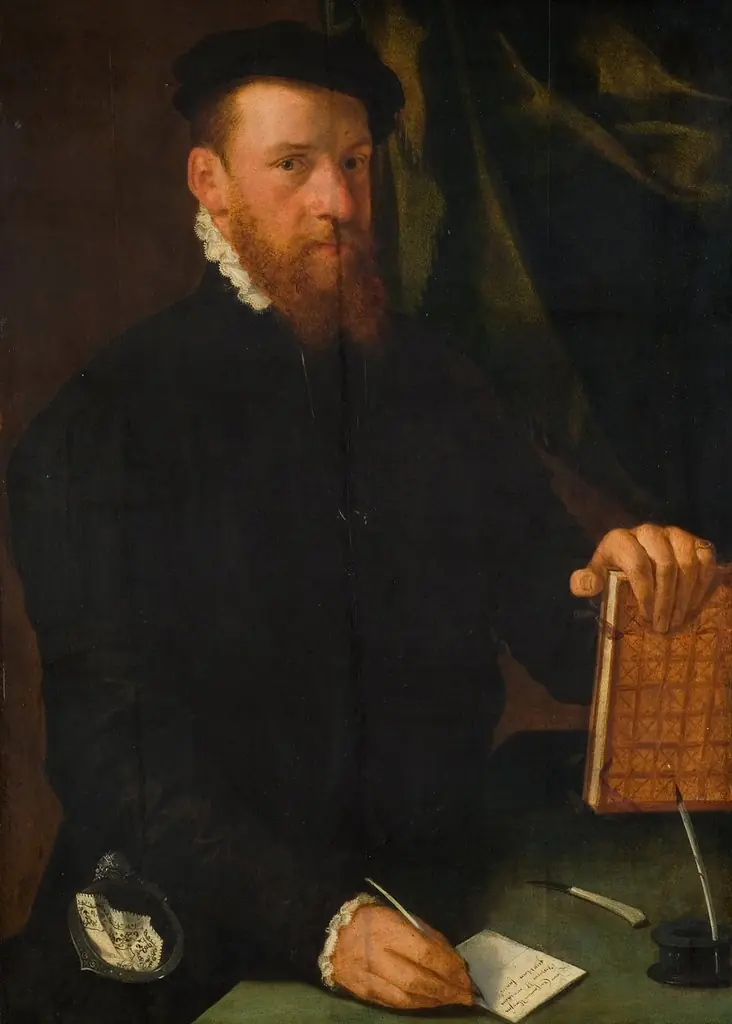 Männliches Bildnis
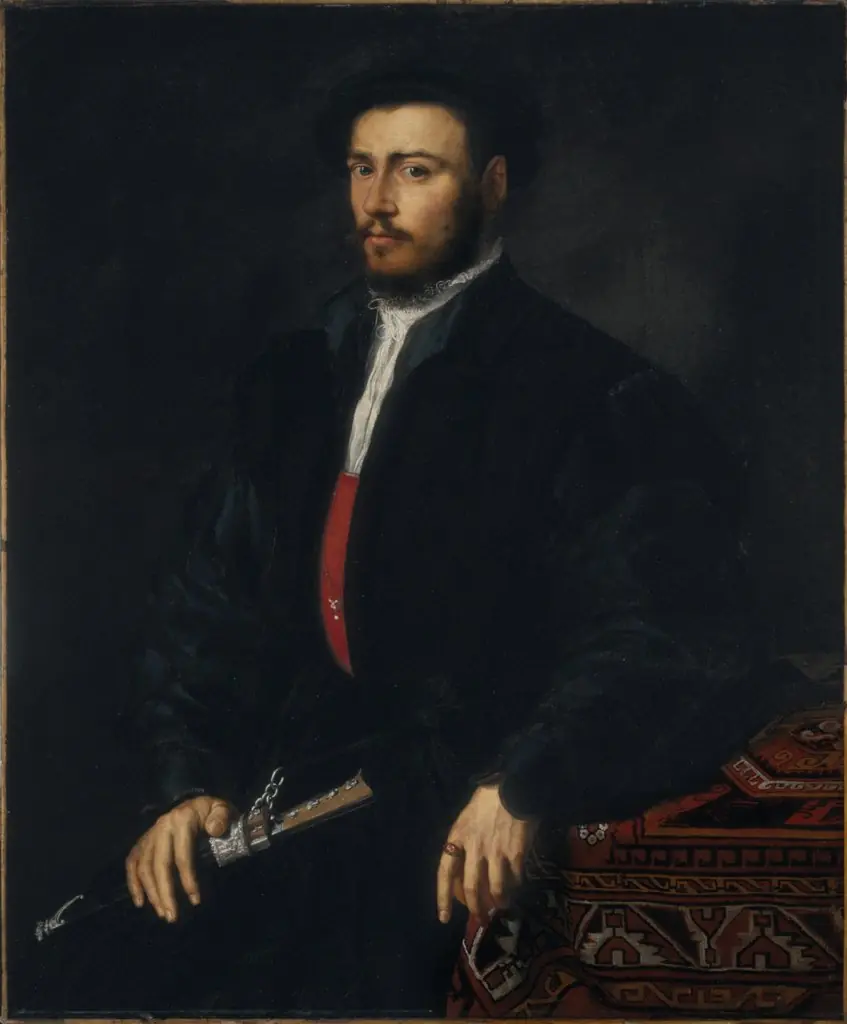 Portrait of a Young Nobleman
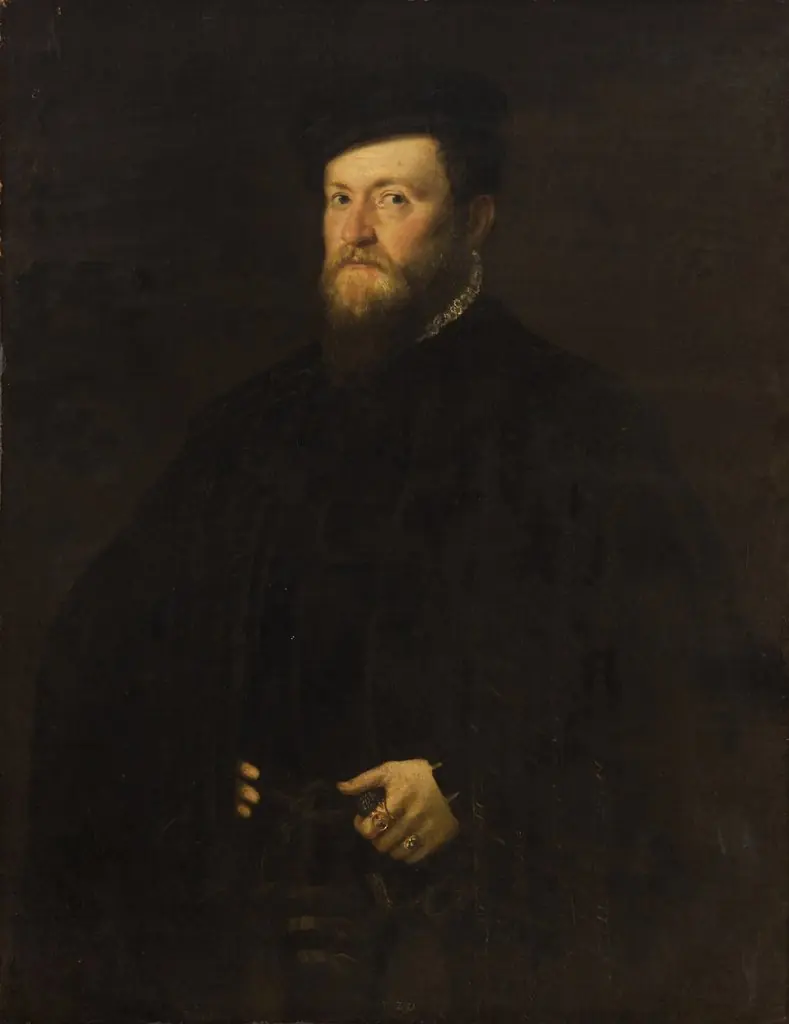 Portrait of a Man in a Cape
 Portrait of a Knight of the Order of Calatrava, probably of the Sorias or Soreau Lineage (Sorel)
 Gabriel de la Cueva, duke of Alburquerque