Artwork
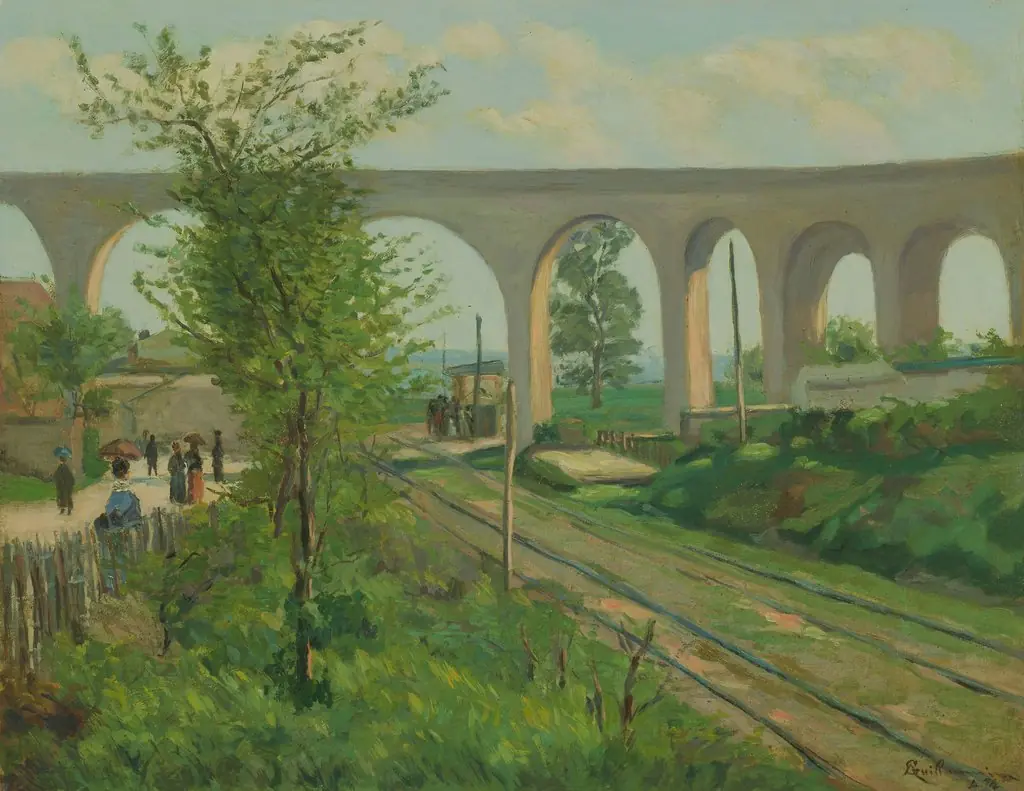
Palace Bridge over the Yauza River. Lefortovo
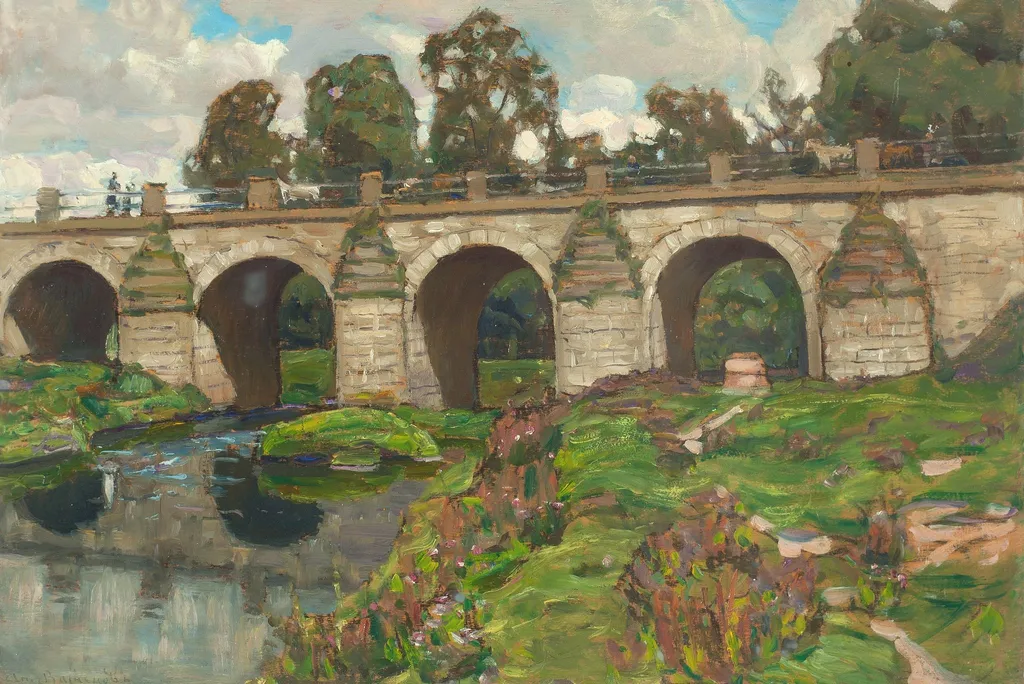
Palace Bridge over the Yauza River. Lefortovo is an oil painting by Apollinary Vasnetsov. It dates from 1904 and is held in the collection of the Tretyakov Gallery.
About this work
Overview
The work belongs to Vasnetsov’s broader focus on Russian landscapes and architectural remnants, rendered with careful observation rather than idealization.
Painted around 1904, this oil on canvas by Apollinary Vasnetsov captures the Palace Bridge crossing the Yauza River in Lefortovo, a district on the outskirts of Moscow. The work belongs to Vasnetsov’s broader focus on Russian landscapes and architectural remnants, rendered with careful observation rather than idealization. Its quiet composition reflects a personal engagement with place, distinct from the mythic historicism of his brother Viktor’s work.
Subject & Meaning
The painting presents a modest, unembellished view of a stone bridge with five arches, partially veiled by vegetation. The absence of human figures and the subdued atmosphere suggest a contemplative mood, emphasizing the bridge as a quiet witness to time. Rather than celebrating engineering or grandeur, Vasnetsov highlights the integration of structure with nature, evoking a sense of enduring, unremarkable beauty in everyday Russian scenery.
Technique & Style
Vasnetsov employed layered oil paint to build texture in foliage, stone, and sky, using visible, deliberate brushwork that enhances the tactile quality of the scene. The palette is restrained—dominated by muted greens, earthy browns, and soft grays—creating harmony without contrast. His approach favors atmospheric depth over sharp detail, aligning with the lyrical realism of the Abramtsevo circle, where he absorbed influences from Vasily Polenov’s naturalism.
History & Provenance
The painting entered the collection of the Tretyakov Gallery in Moscow, where it remains today. It was produced during a period when Vasnetsov was deeply engaged in documenting Moscow’s changing topography, particularly its older bridges and riverside sites. Though not widely exhibited during his lifetime, its inclusion in the Tretyakov reflects its significance as part of his systematic study of the city’s vernacular landscapes.
Context
Created at the turn of the 20th century, the work emerges amid Russia’s growing interest in national identity through landscape and heritage. While urbanization transformed Moscow, Vasnetsov turned to peripheral sites like Lefortovo, preserving their quiet character. His focus on such locations contrasted with the monumental themes of academic art, offering instead an intimate, almost archival record of places on the edge of modernization.
Legacy
Vasnetsov’s paintings of Moscow’s bridges and rivers contributed to a visual archive of the city’s pre-revolutionary geography. Though less celebrated than his brother’s historical epics, his landscapes influenced later generations of Russian realists who sought to document the nation’s physical and cultural terrain with honesty. This work endures as a quiet testament to the value of ordinary places in shaping collective memory.
Own this work as a print
Artist & collection
Artist
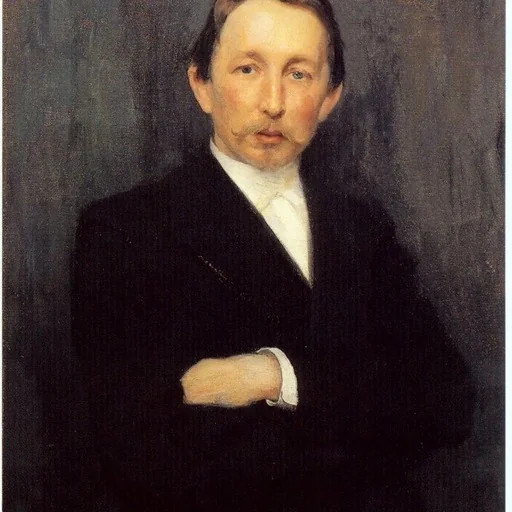
Apollinary Mikhaylovich Vasnetsov (Russian: Аполлина́рий Миха́йлович Васнецо́в; 6 August 1856 – 23 January 1933) was a Russian painter and graphic artist.

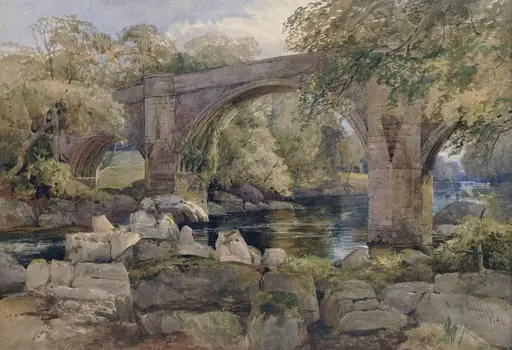 The bridge at Kirby Lonsdale
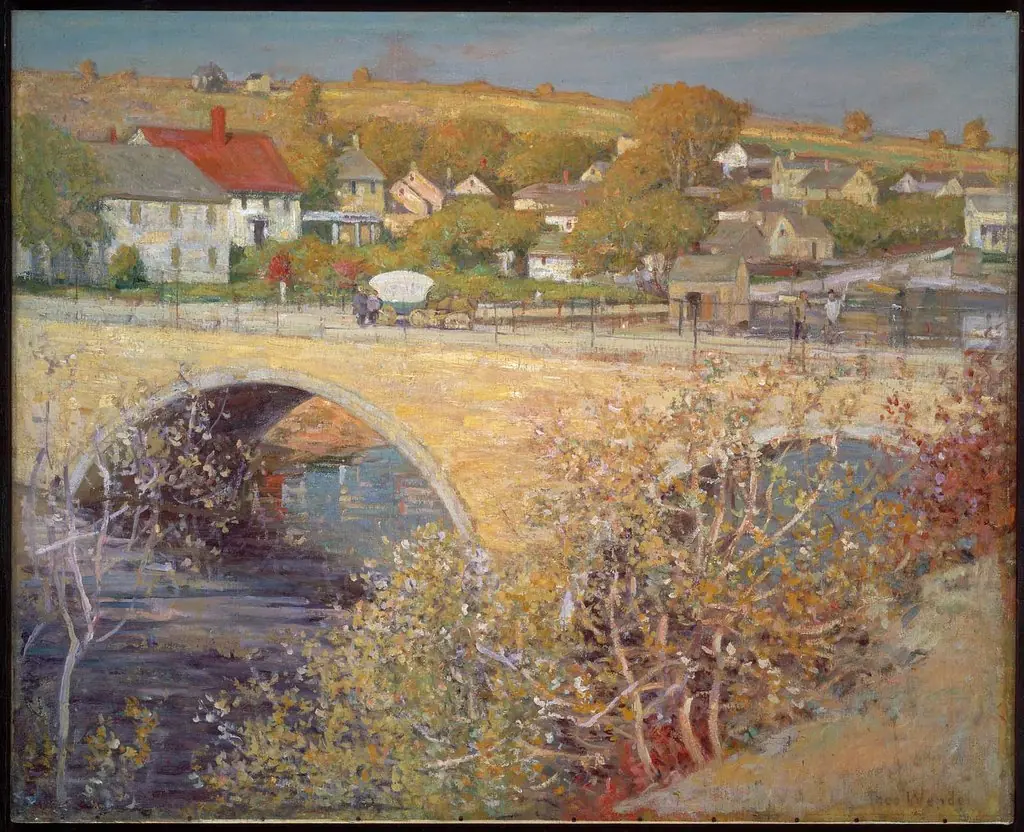 Bridge at Ipswich
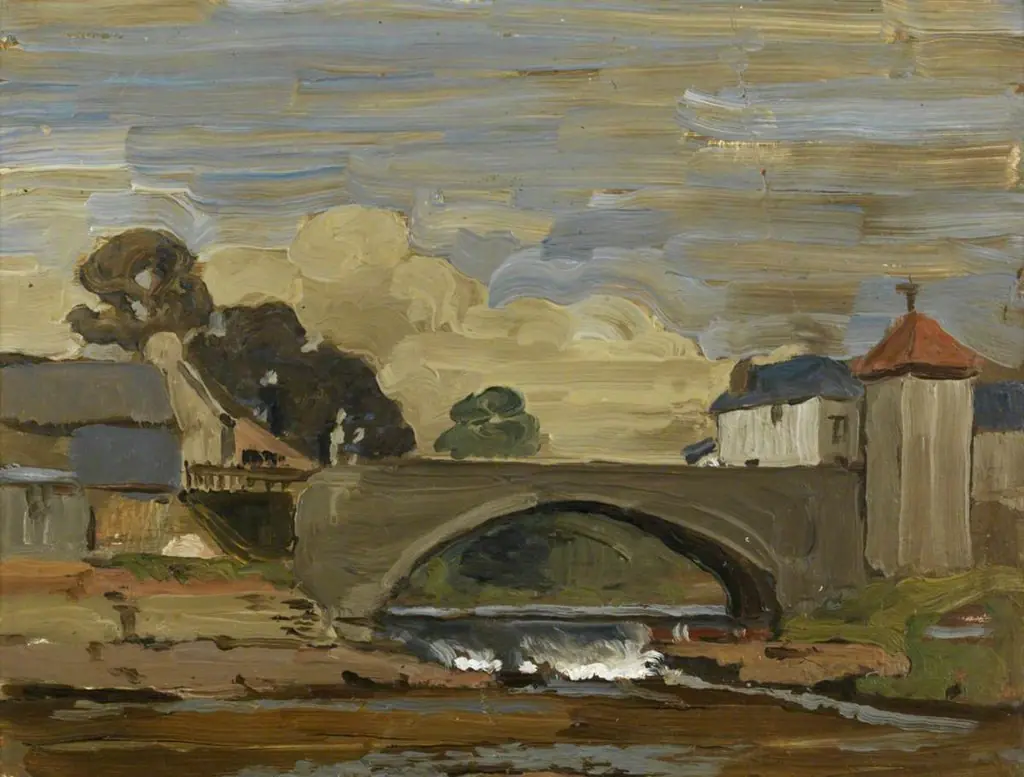 Senny Bridge, Brecon
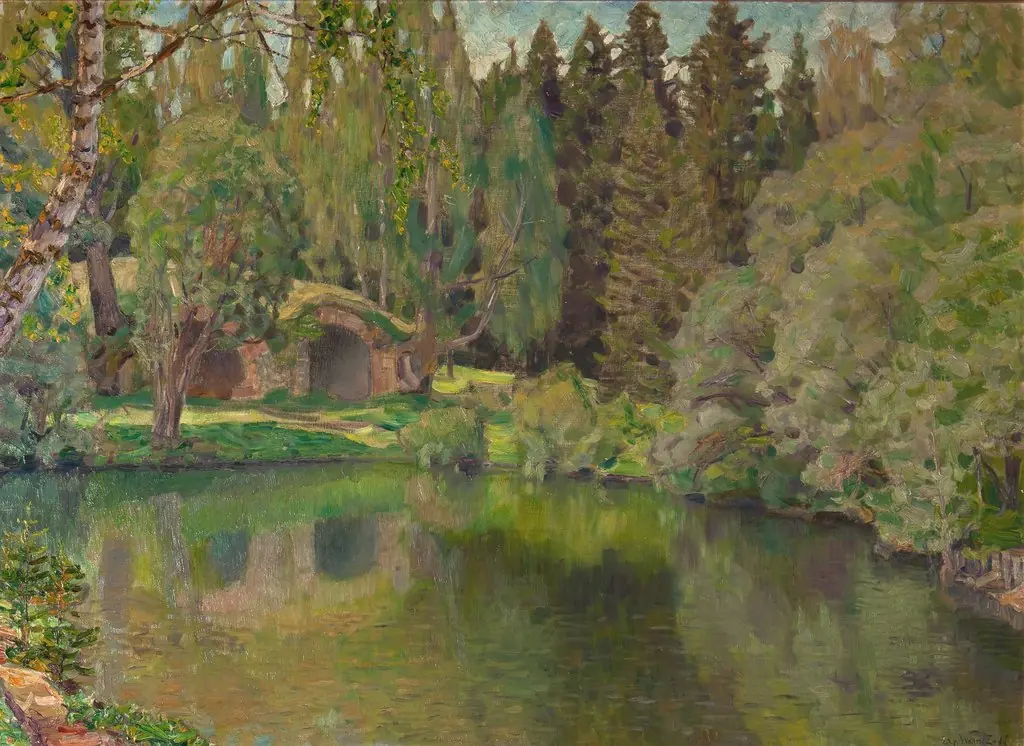 pond catacombs
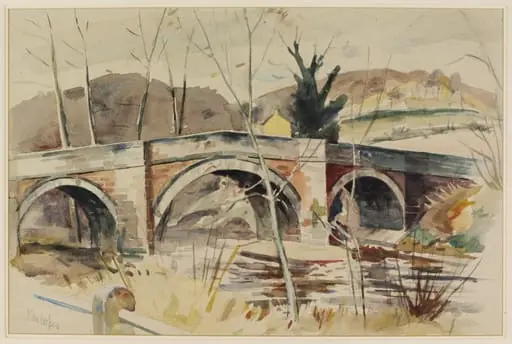 Ashberry Bridge (North side), Rievaulx
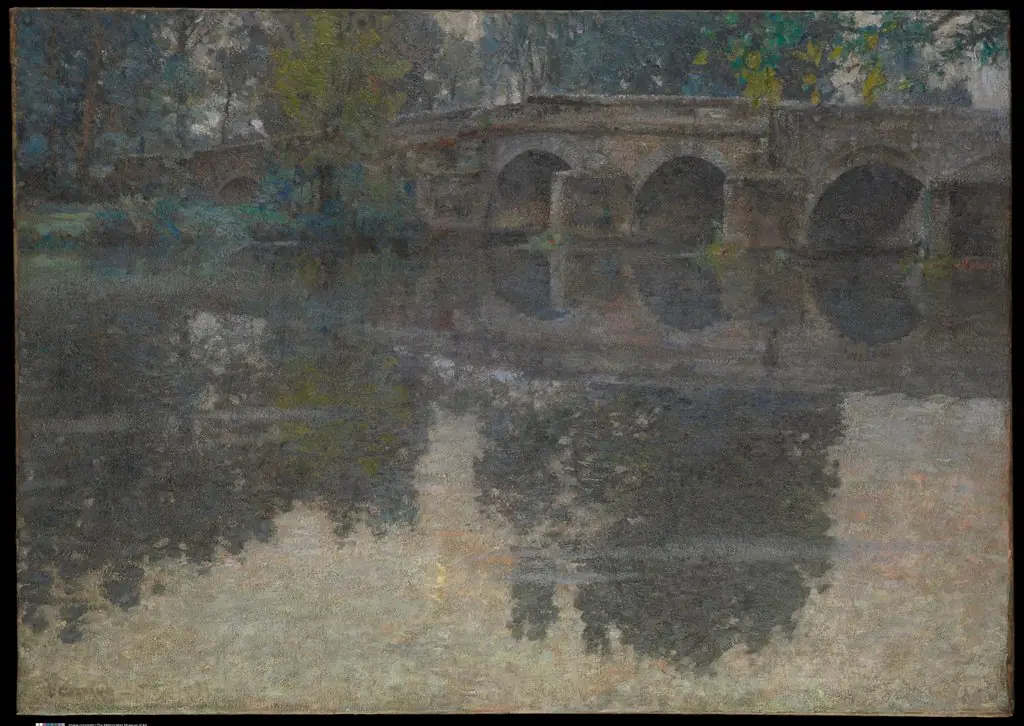 The Bridge at Grez
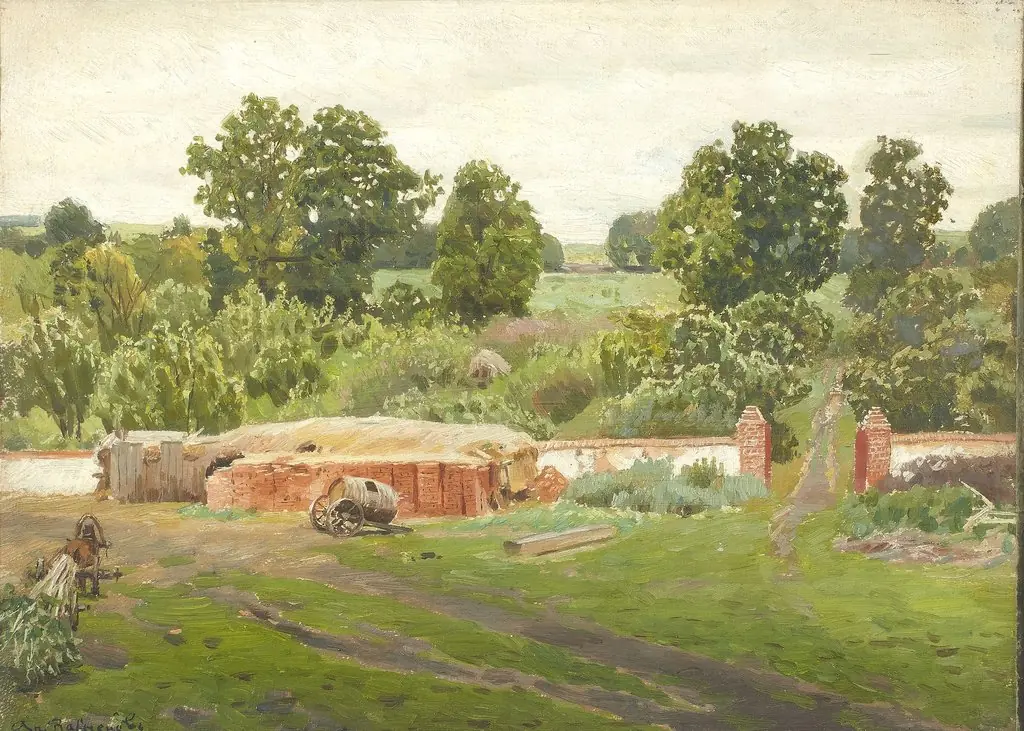 Grey day. Kozlovka
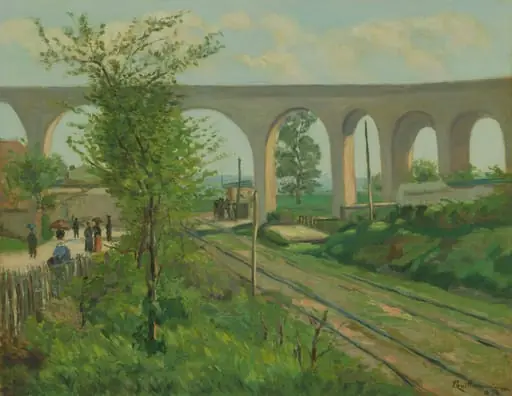 The Arcueil Aqueduct at Sceaux Railroad Crossing
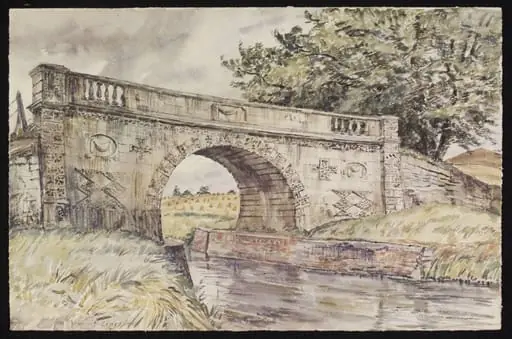 Lady Bridge over the Kennett and Avon Canal, Wilcot
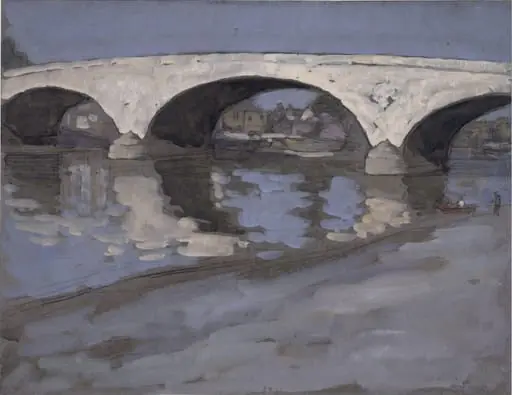 Kew Bridge
 The Arcueil Aqueduct at Sceaux Railroad Crossing