Artwork
The Trustees in the Temporary Elgin Room, 1819
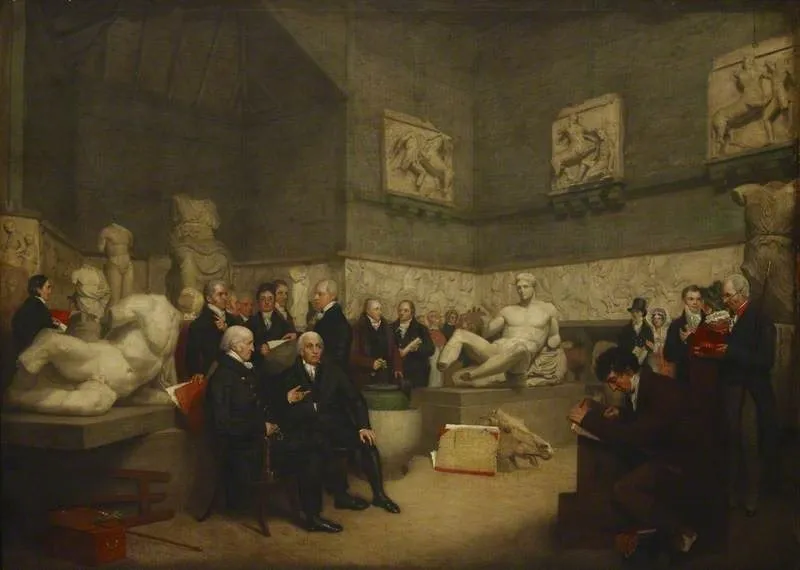
The Trustees in the Temporary Elgin Room, 1819 is an oil painting by the British Romanticist artist Archibald Archer. It dates from 1819 and is held in the collection of the British Museum.
About this work
Overview
The painting serves as both a record of the museum’s early public engagement and a testament to the cultural weight assigned to these antiquities at the time.
Painted in 1819 by Archibald Archer, this oil work depicts a gathering of British Museum trustees in a temporary gallery housing the Elgin Marbles. The scene captures a moment of institutional contemplation, with figures arranged around classical sculptures newly acquired from Greece. The painting serves as both a record of the museum’s early public engagement and a testament to the cultural weight assigned to these antiquities at the time.
Subject & Meaning
The painting portrays a group of male trustees, dressed in formal 19th-century attire, observing the Parthenon sculptures. Their postures—pointing, leaning, conversing—suggest scholarly interest and civic pride. The central reclining figure, likely a river god from the Parthenon pediment, anchors the composition, symbolizing the classical ideal that the trustees sought to preserve and promote within British public life.
Technique & Style
Archer employed precise brushwork to render textures of marble, wool, and stone, emphasizing the contrast between the cool, polished surfaces of the statues and the muted fabrics of the men’s clothing. Lighting is subdued but directional, highlighting sculptural details while casting the room in a quiet, reverent atmosphere. The composition is orderly, reflecting the Enlightenment values of observation and rational appreciation.
History & Provenance
Commissioned by the British Museum, the painting was created shortly after the Elgin Marbles were transferred to its care in 1816. It was likely intended to document the institution’s stewardship of the collection during a period of public debate over their legitimacy. The work has remained in the museum’s holdings since its completion, serving as a historical artifact of its own.
Context
In the early 19th century, classical antiquities were central to British identity and education. The Elgin Marbles, acquired amid controversy, became symbols of imperial cultural authority. This painting reflects the institutional effort to legitimize their presence in London, framing the trustees as guardians of civilization, aligning the museum with the intellectual traditions of ancient Greece.
Legacy
The painting endures as a quiet record of how cultural heritage was curated and perceived in its early institutional phase. It offers insight into the social rituals surrounding art acquisition and display, illustrating the intersection of power, education, and aesthetics in Victorian-era Britain. Though not widely exhibited, it remains a key visual document of the British Museum’s formative years.
Artist & collection

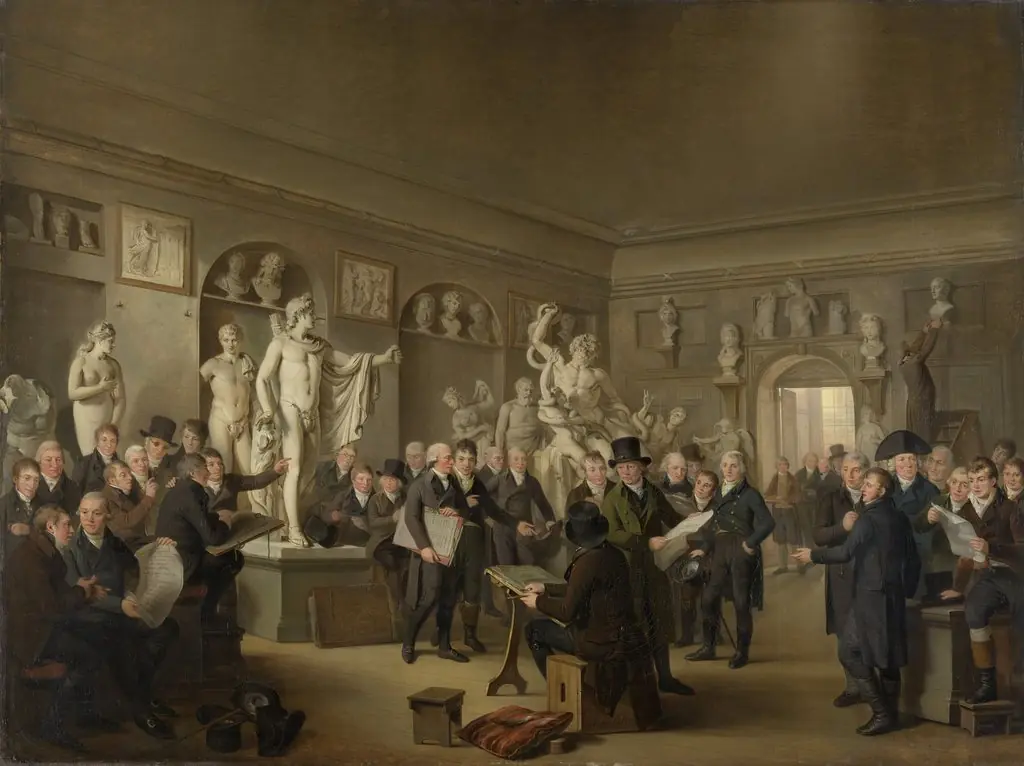 The Sculpture Gallery of the Felix Meritis Society
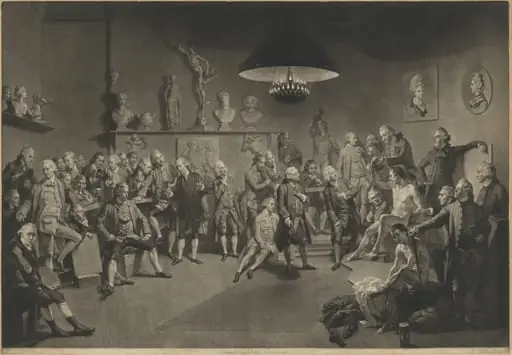 The Royal Academy of Arts
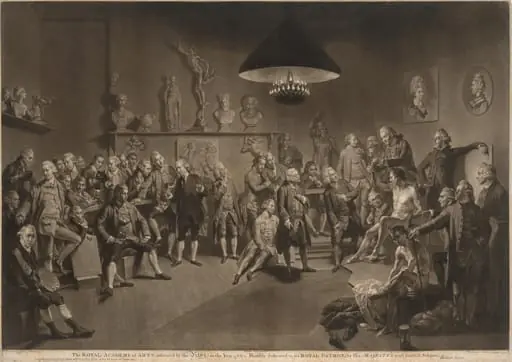 The Royal Academy of Arts
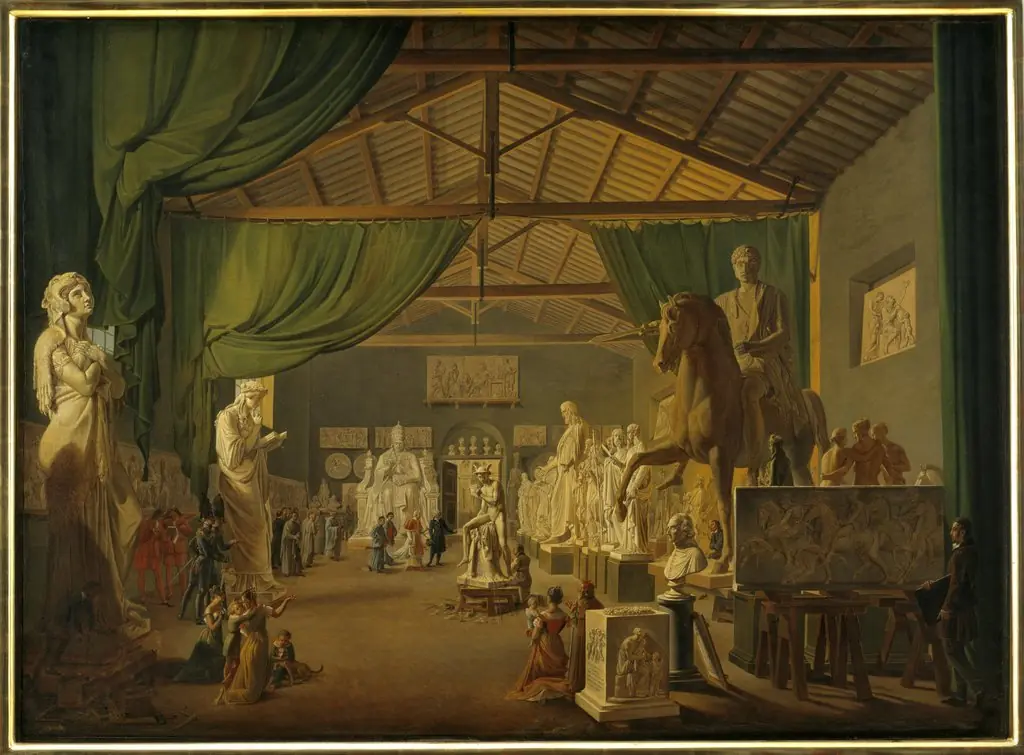 Pave Leo Xll aflægger besøg i Thorvaldsens værksteder ved Piazza Barberini, 18. oktober 1826
 Pope Leo XII Visiting Thorvaldsen's Studios in the Piazza Barberini, 18 October 1826
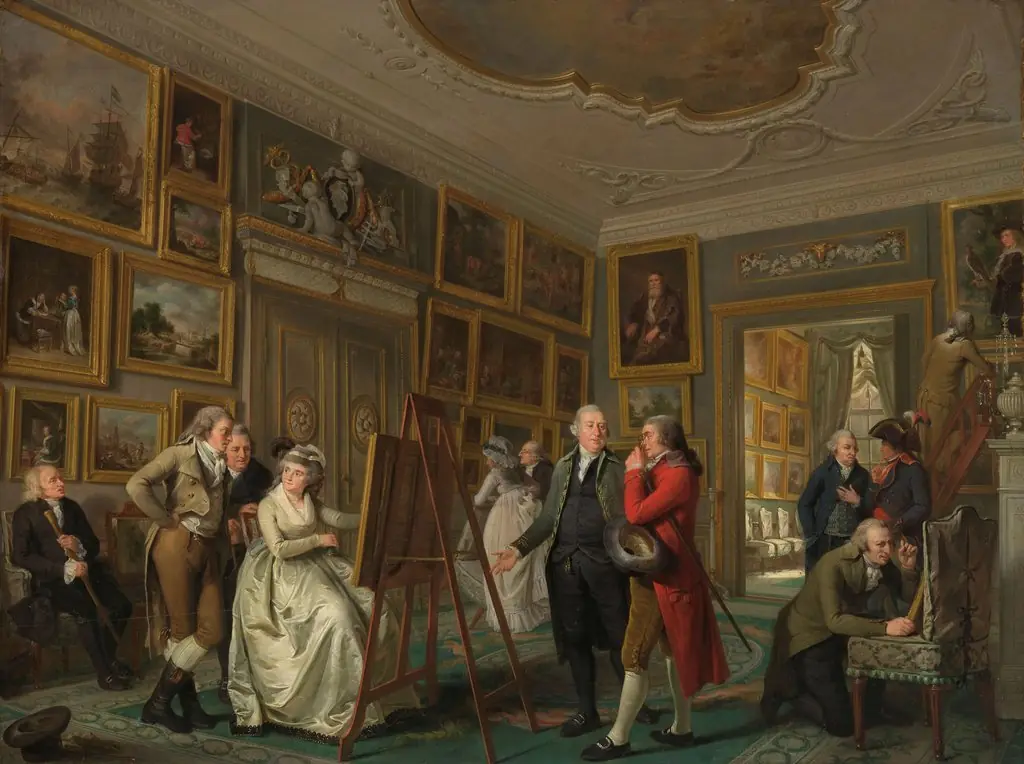 The Art Gallery of Jan Gildemeester Jansz
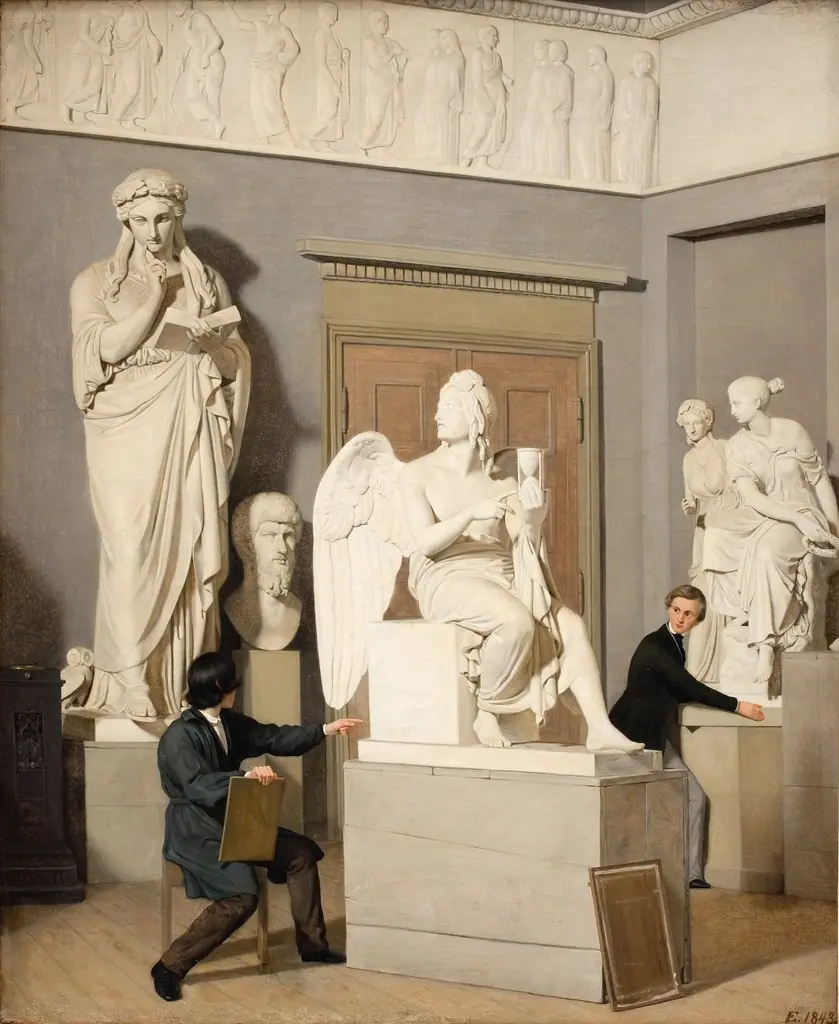 The Plaster Cast Collection in the Royal Academy of Fine Arts
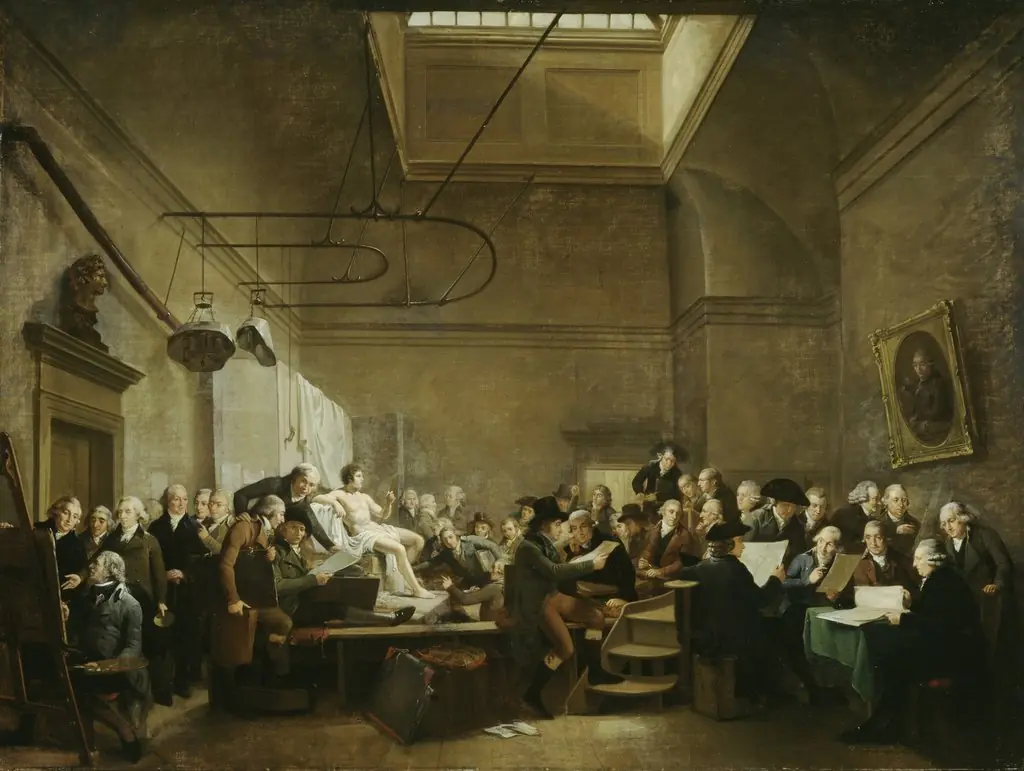 The Drawing Gallery of the Felix Meritis Society
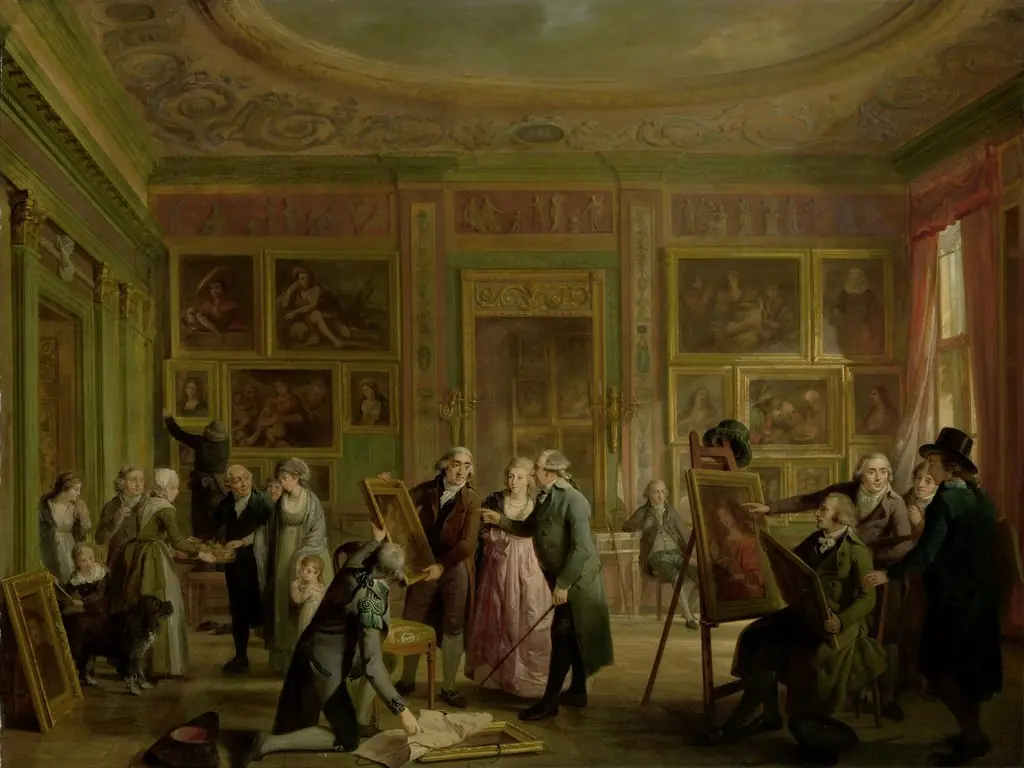 The Art Gallery of Josephus Augustinus Brentano
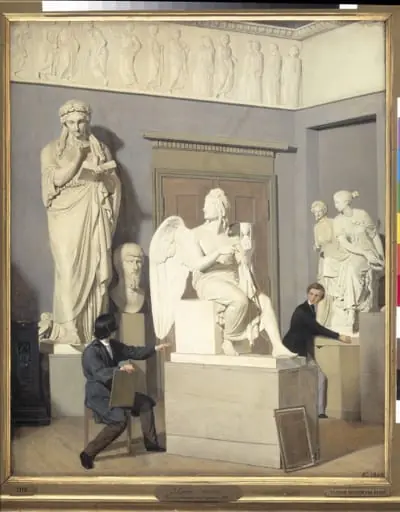 The Plaster Cast Collection in the Royal Academy of Fine Arts
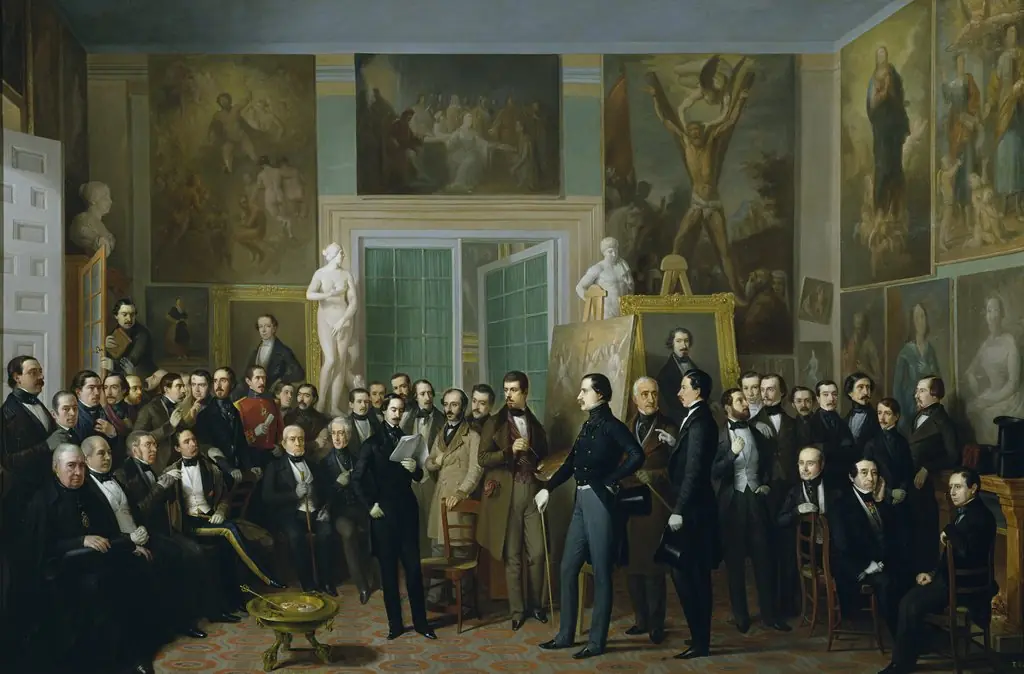 The Contemporary Poets. A Reading of Zorrilla in the Artist's Studio
 Eed van de kleermakers