Artwork
Den persiske kong Ahasverus giver Mordokaj ringen
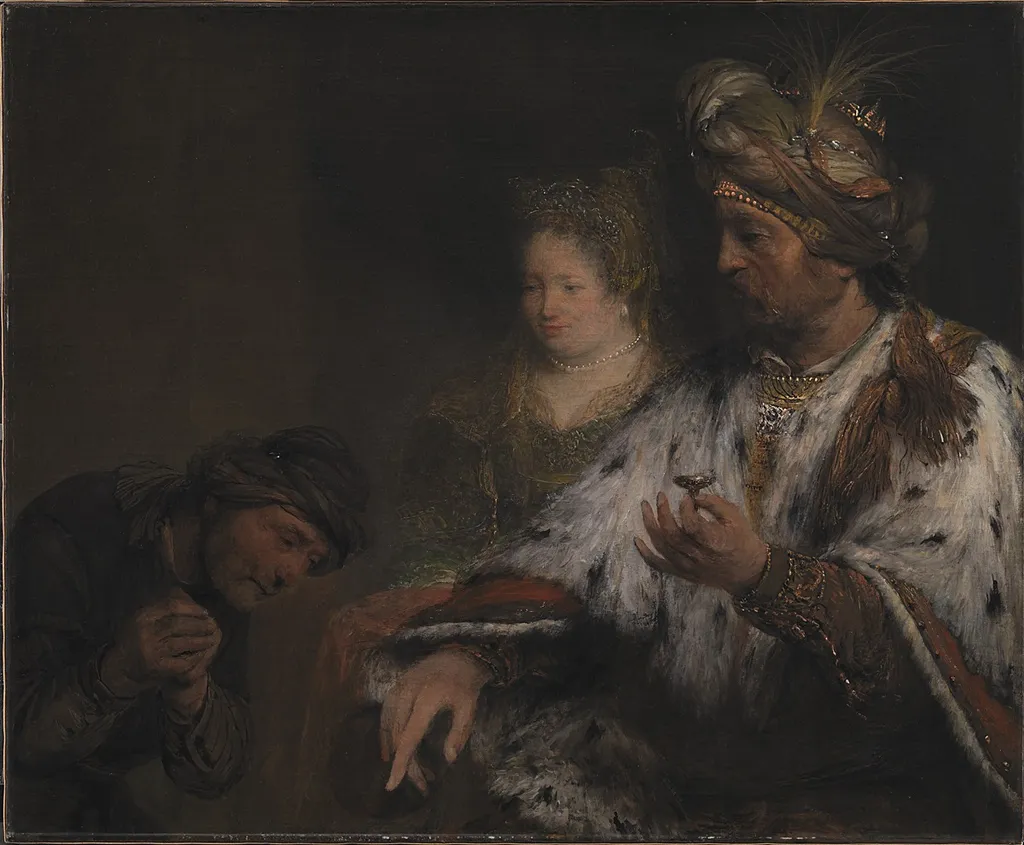
Den persiske kong Ahasverus giver Mordokaj ringen is an oil painting by the Dutch Golden Age artist Arent de Gelder. It dates from 1692 and is held in the collection of the Statens Museum for Kunst.
About this work
Overview
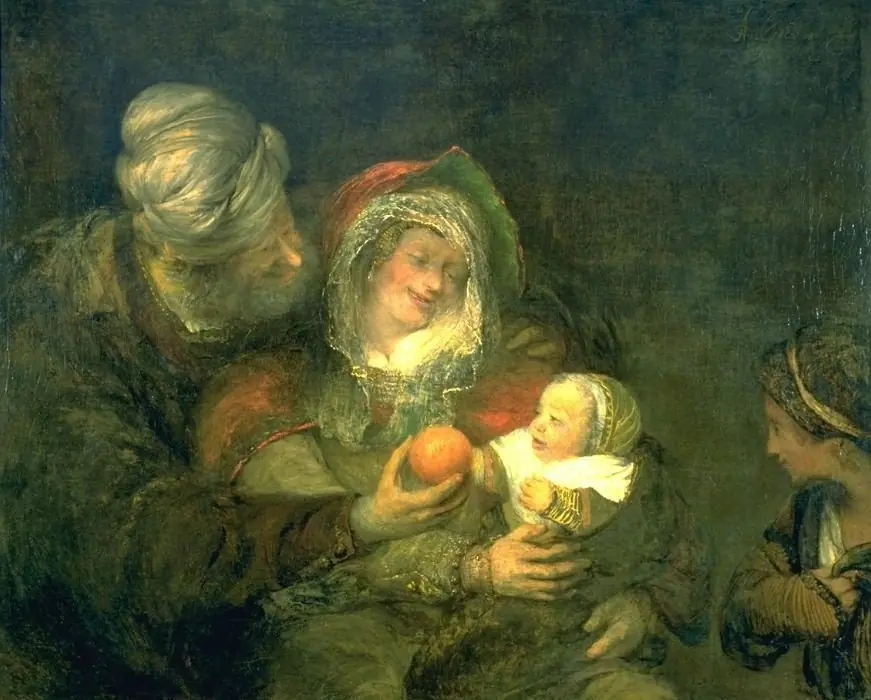
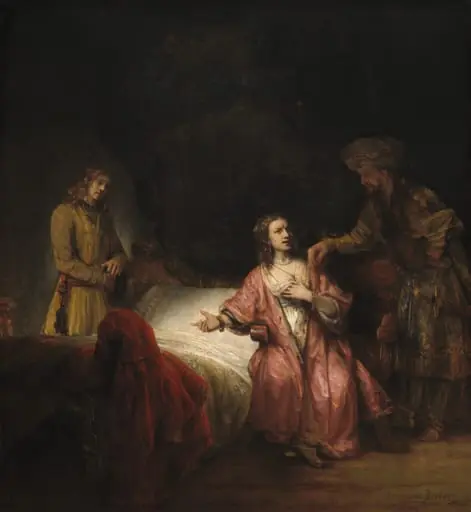
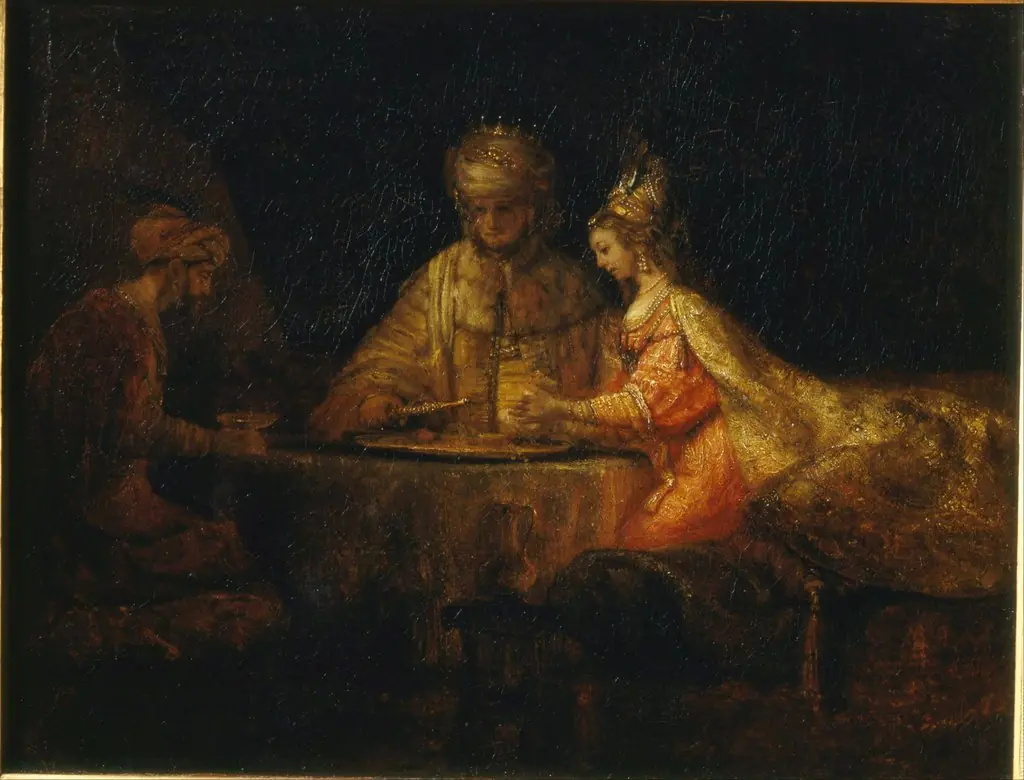
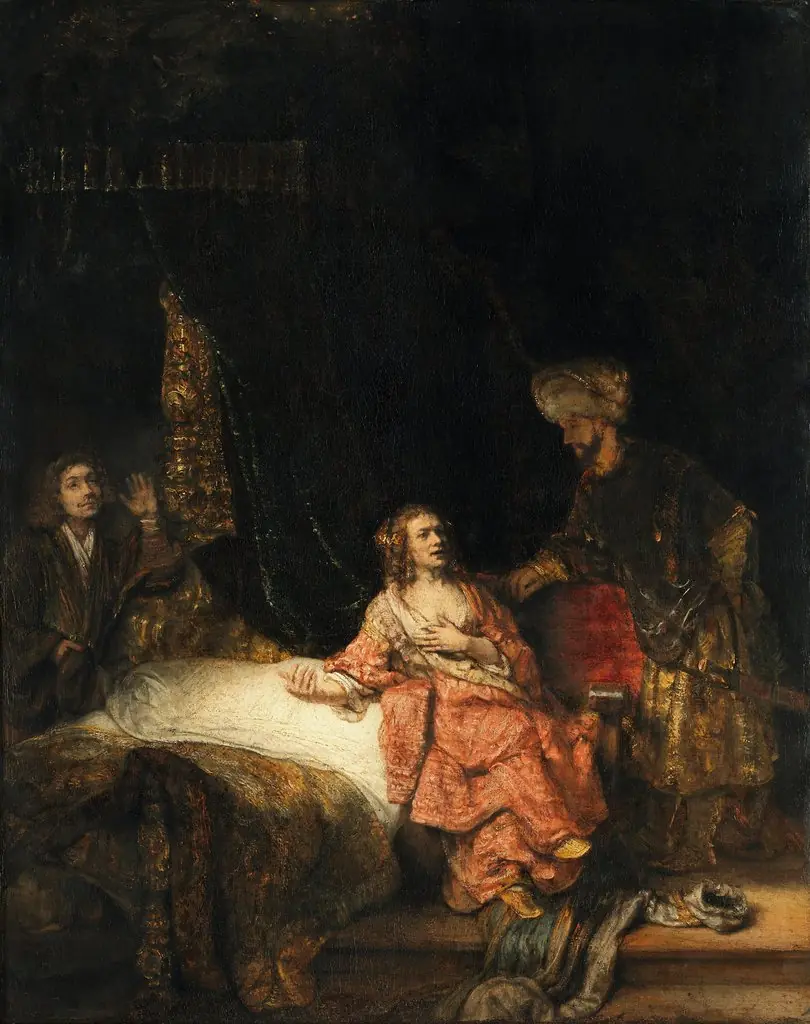
In 1692 the Dutch artist Arent de Gelder painted *Den persiske kong Ahasverus giver Mordokaj ringen*, an oil work now in the Statens Museum for Kunst. De Gelder, active from the mid‑17th to early 18th century, is noted for extending the late style of Rembrandt during the Dutch Golden Age.
Subject & Meaning
The composition illustrates a moment from the biblical Book of Esther: the Persian monarch Ahasuerus presents a ring to Mordecai, a gesture that conveys royal favor and authority. A woman, likely Esther, observes the exchange, while a kneeling figure covers his face, suggesting humility or supplication.
Technique & Style
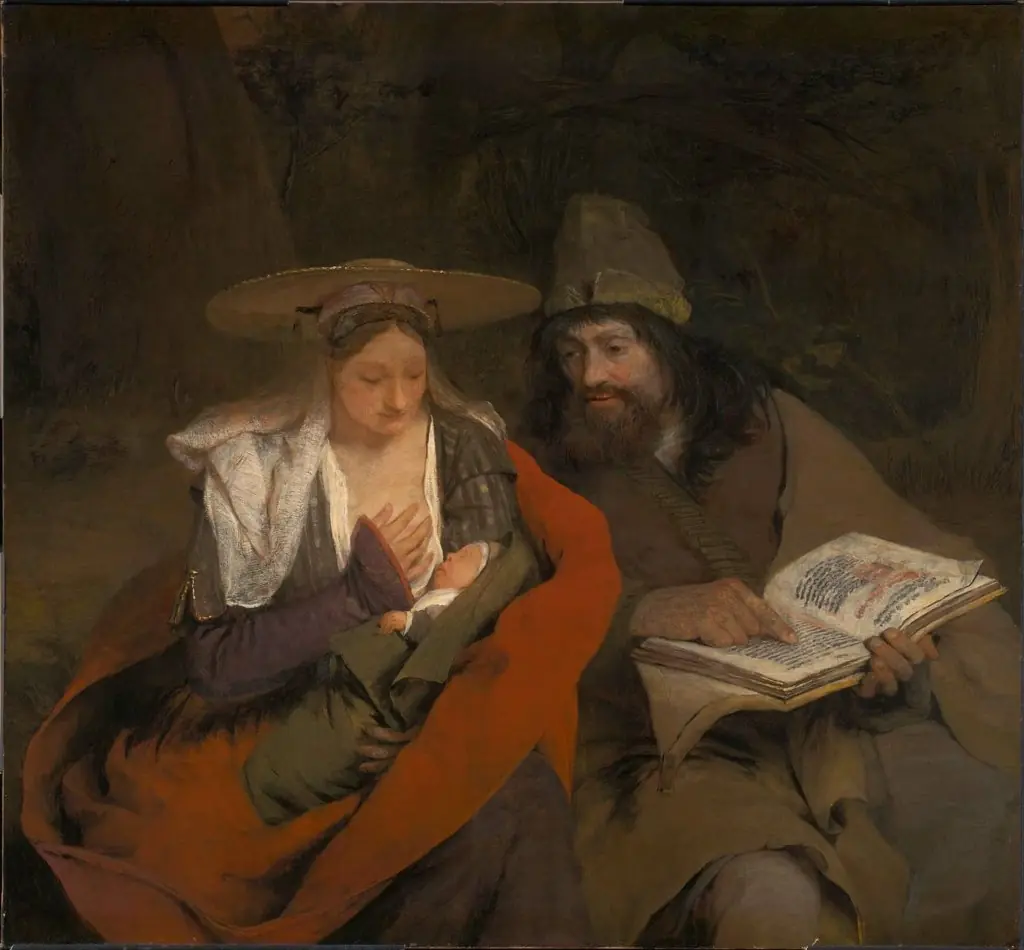
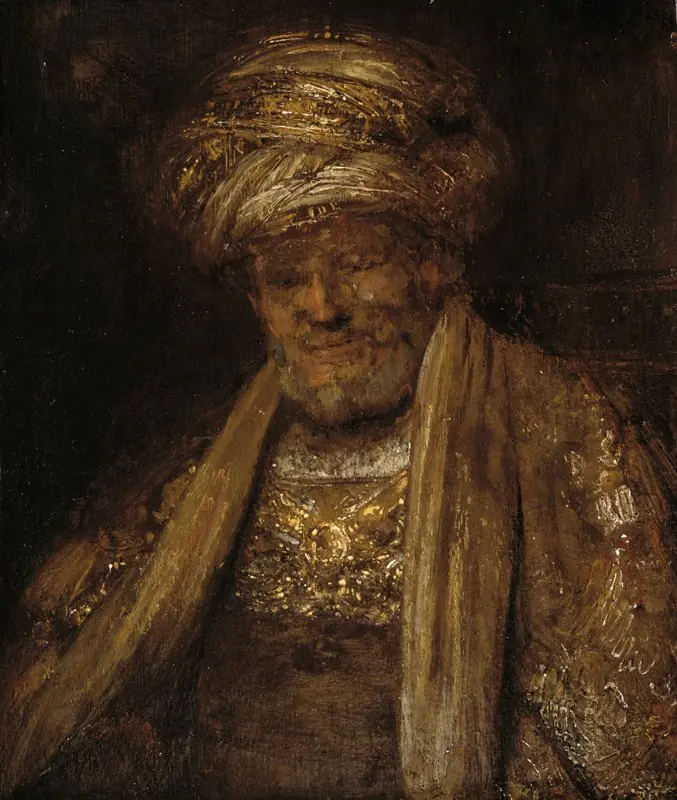
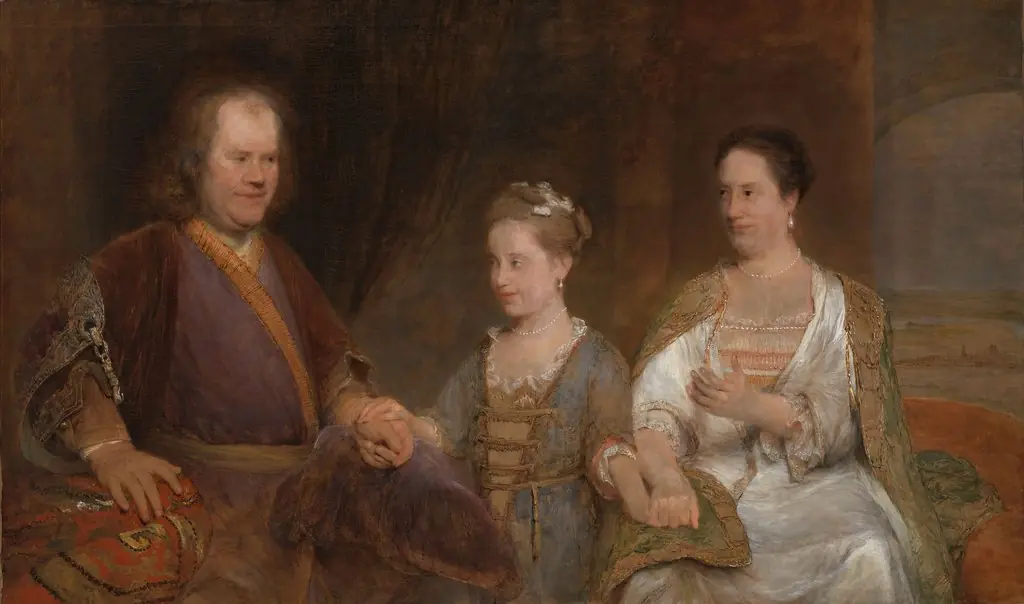
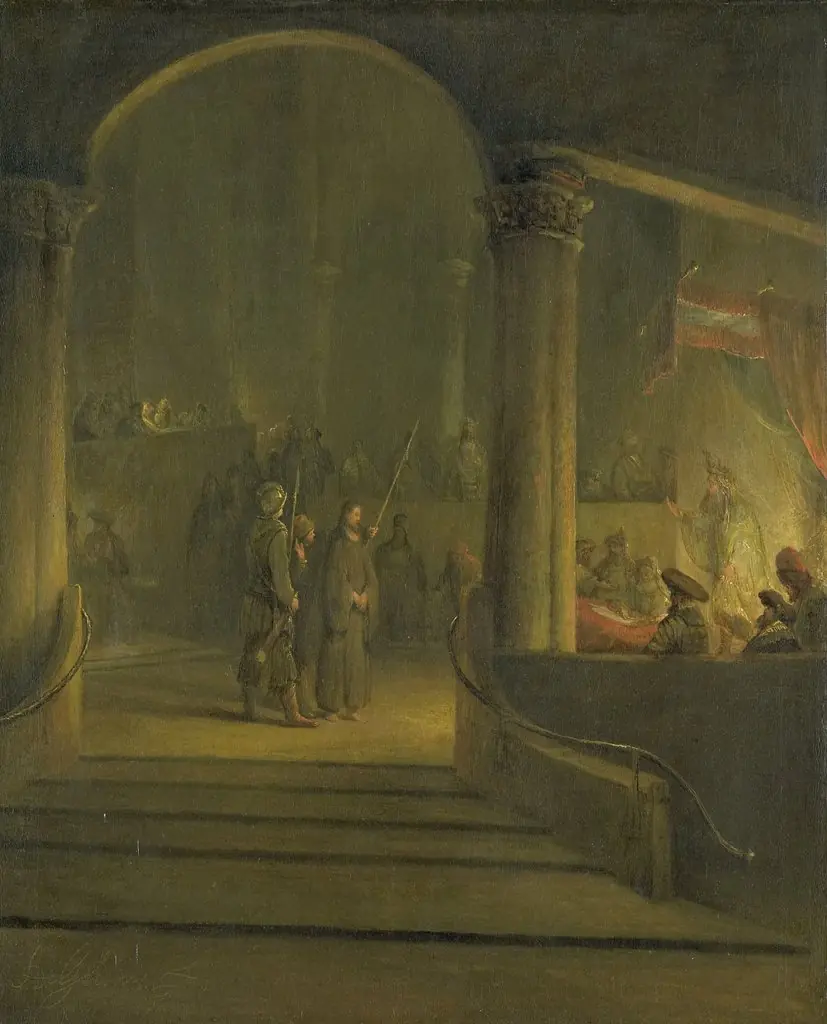
De Gelder employs a chiaroscuro scheme, casting the scene in deep shadows illuminated by a focused light that highlights the ring and the figures’ faces. The use of rich textures—fur‑trimmed robes, feathered headgear, and a pearl necklace—demonstrates his mastery of oil paint and his continuation of Rembrandt’s dramatic tonal contrasts.
History & Provenance
Created toward the end of de Gelder’s career, the painting entered the collection of Denmark’s national gallery, Statens Museum for Kunst, where it remains on display. Its provenance reflects the broader European interest in biblical subjects during the late 17th century.
Artist & collection
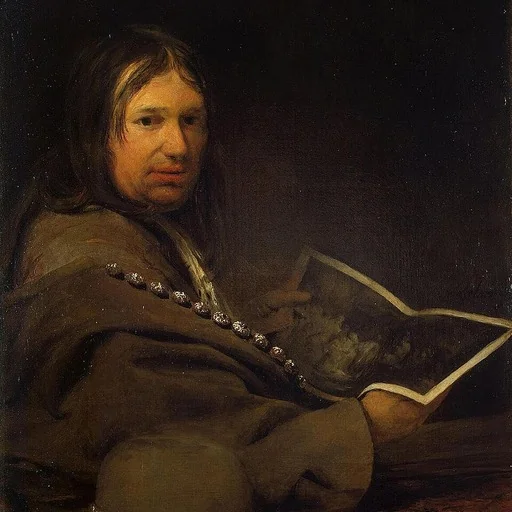
Artist
Aert de Gelder (Dutch: ; October 26, 1645 – August 27, 1727) was a Dutch painter, the only Dutch artist to paint in the tradition of Rembrandt's late style into the 18th century.