Artwork
Portrait of Alexander Morus, Professor at Amsterdam
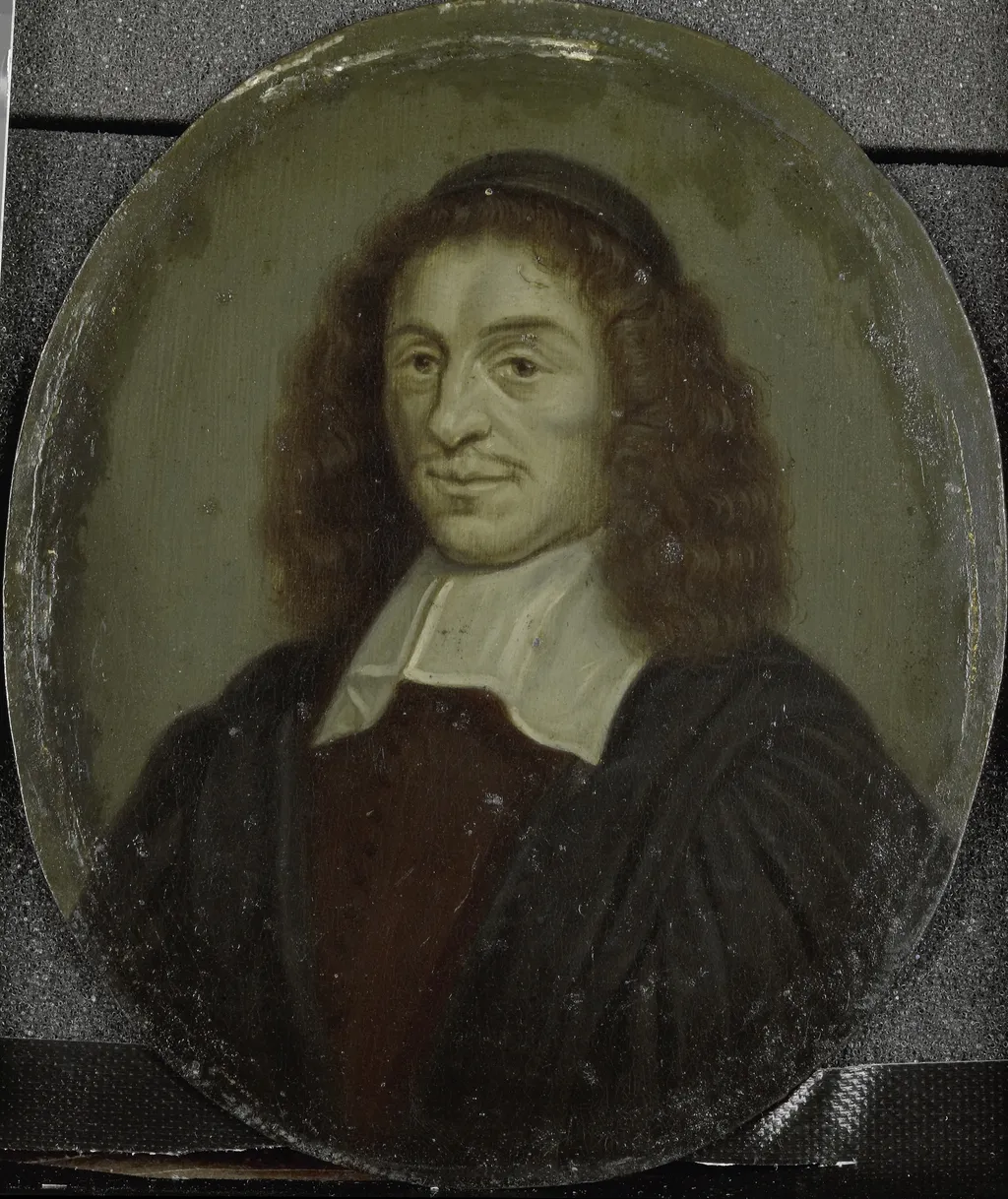
Portrait of Alexander Morus, Professor at Amsterdam is an oil painting by the Rococo painting artist Arnoud van Halen. It dates from 1716 and is held in the collection of the Rijksmuseum.
About this work
Overview
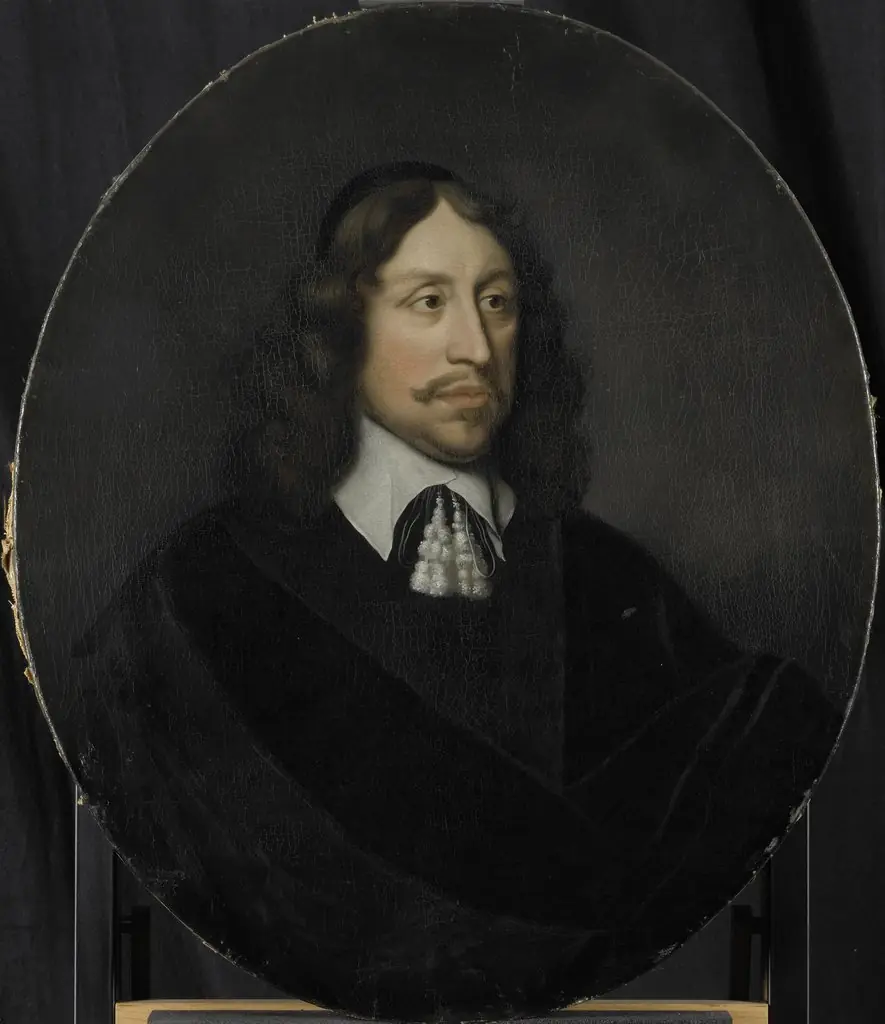
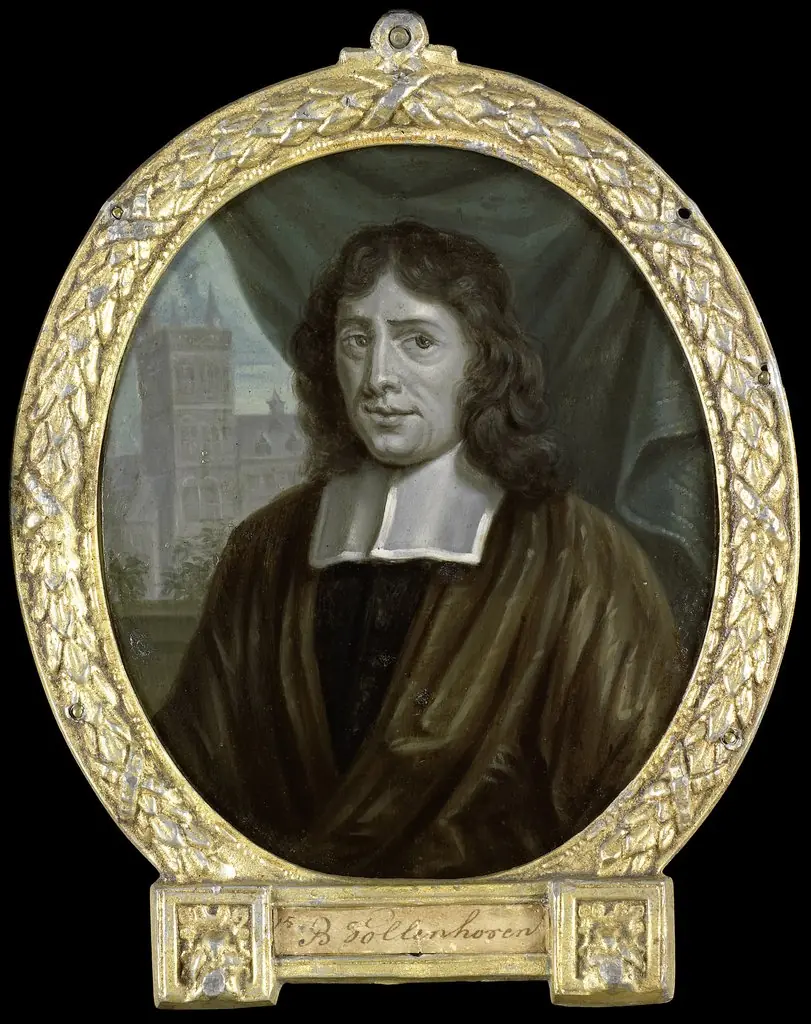
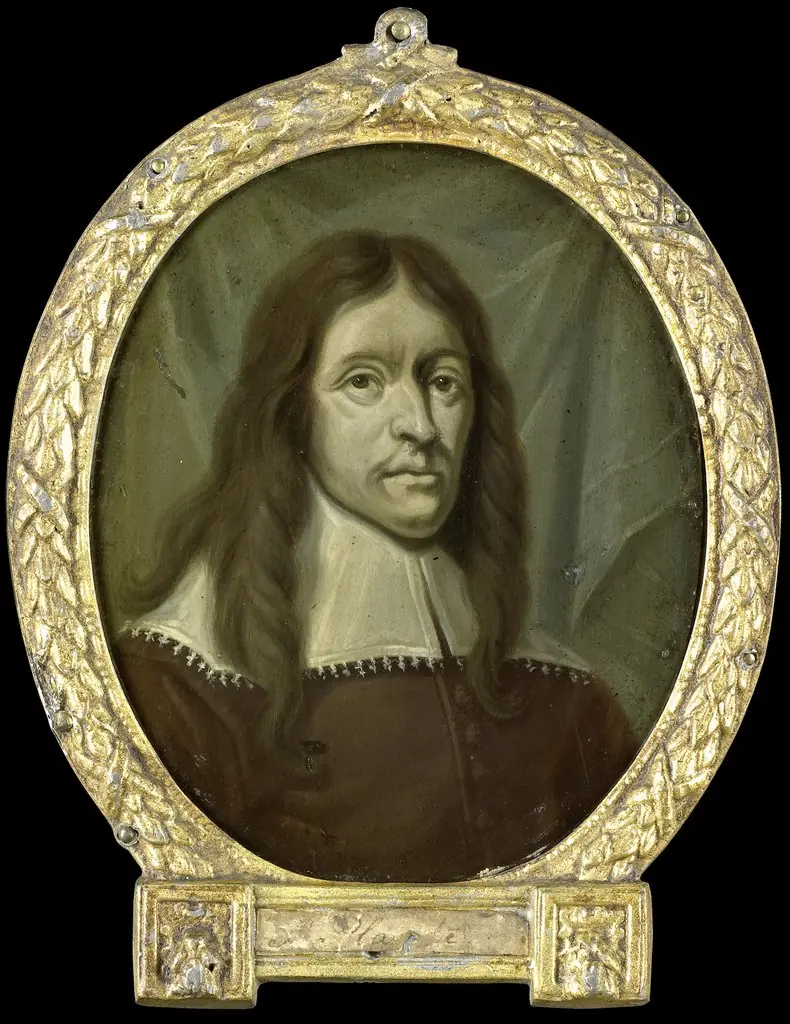
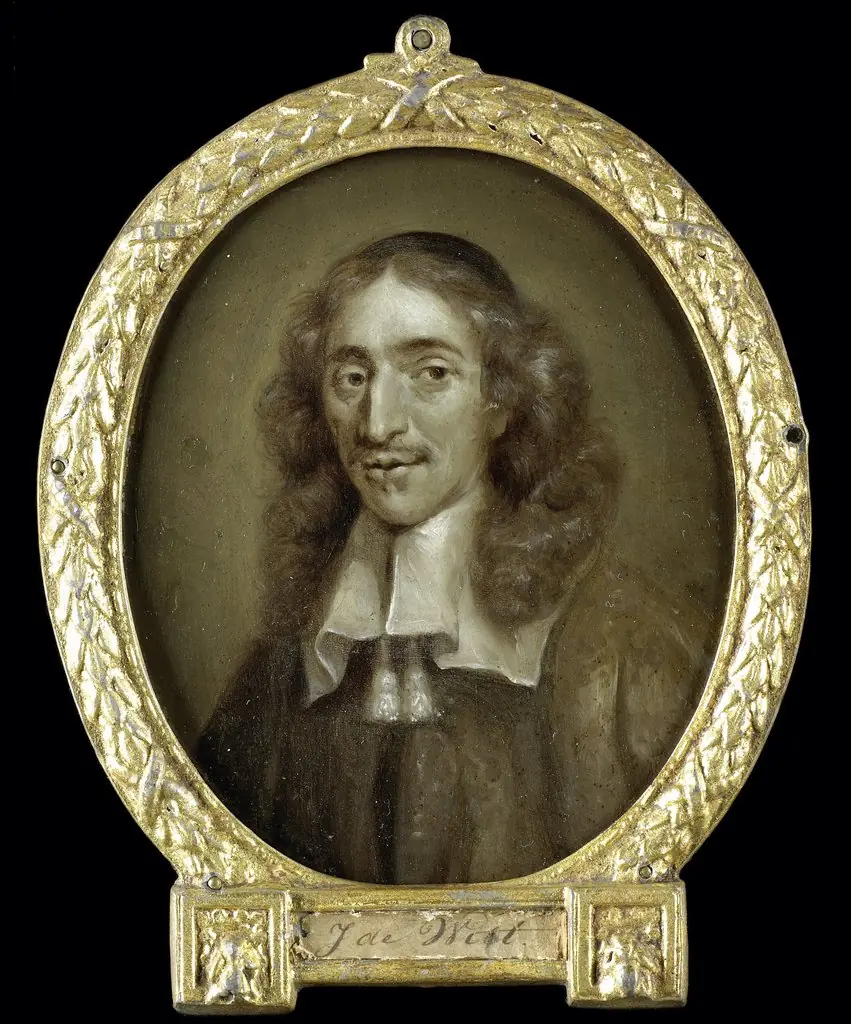
Arnoud van Halen’s 1716 portrait presents Alexander Morus, a professor associated with Amsterdam. Executed on tin, the work measures a modest size and is part of the Rijksmuseum’s collection. The composition centers on Morus’s face, set against a uniform background, conveying a restrained, contemplative presence typical of early‑18th‑century academic portraiture.
Subject & Meaning
The sitter, Alexander Morus, appears as a learned figure, his expression solemn and his gaze directed outward, suggesting intellectual engagement. The plain backdrop and subdued attire emphasize his scholarly identity rather than personal wealth, aligning the portrait’s intent with the representation of academic stature in the Dutch Republic.
Technique & Style
Van Halen employed a tin support, a less common substrate that allowed for a smooth, luminous surface. The brushwork renders fine details—particularly in the hair’s loose curls and the crisp white collar—while maintaining a restrained palette of dark jacket and muted tones, reflecting the restrained Baroque sensibility of the period.
History & Provenance
Created in 1716, the painting entered the Rijksmuseum’s holdings as part of its early‑modern Dutch collection. Documentation traces its provenance to the artist’s workshop and subsequent acquisition by the museum, where it has remained on display as an example of van Halen’s portraiture.
Context
The portrait belongs to a tradition of academic portraiture that flourished in the Dutch Republic, where scholars and clergy were often commemorated in modest yet dignified formats. Van Halen, active in Amsterdam, catered to this market, producing works that balanced realistic detail with an understated elegance.
Artist & collection

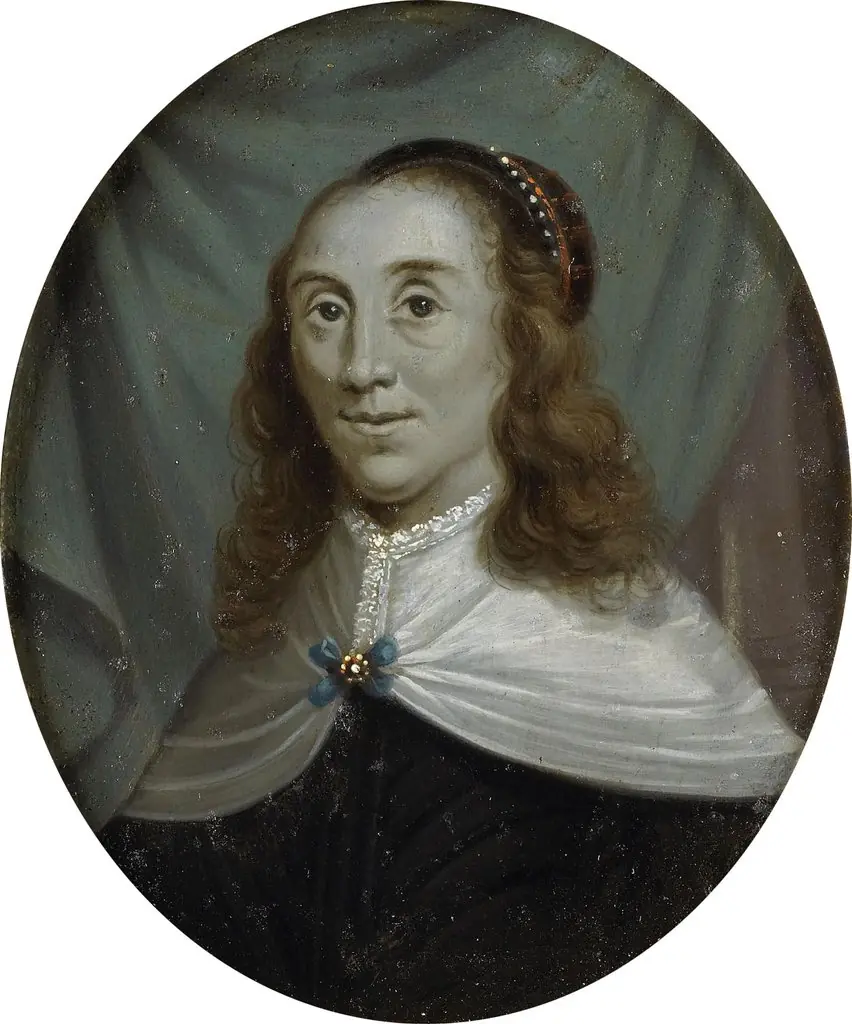 Portrait of Sibylle van Griethuysen (ca.1620-na 1662)
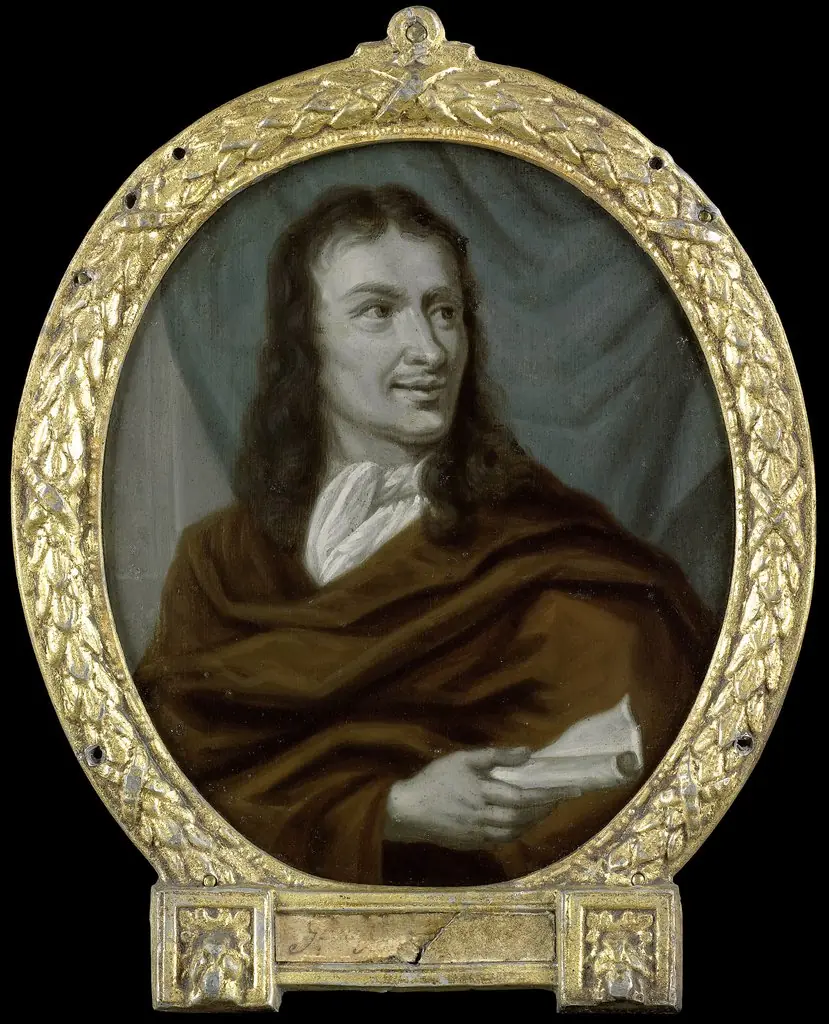 Portrait of Pieter Verhoek (1633-1702)
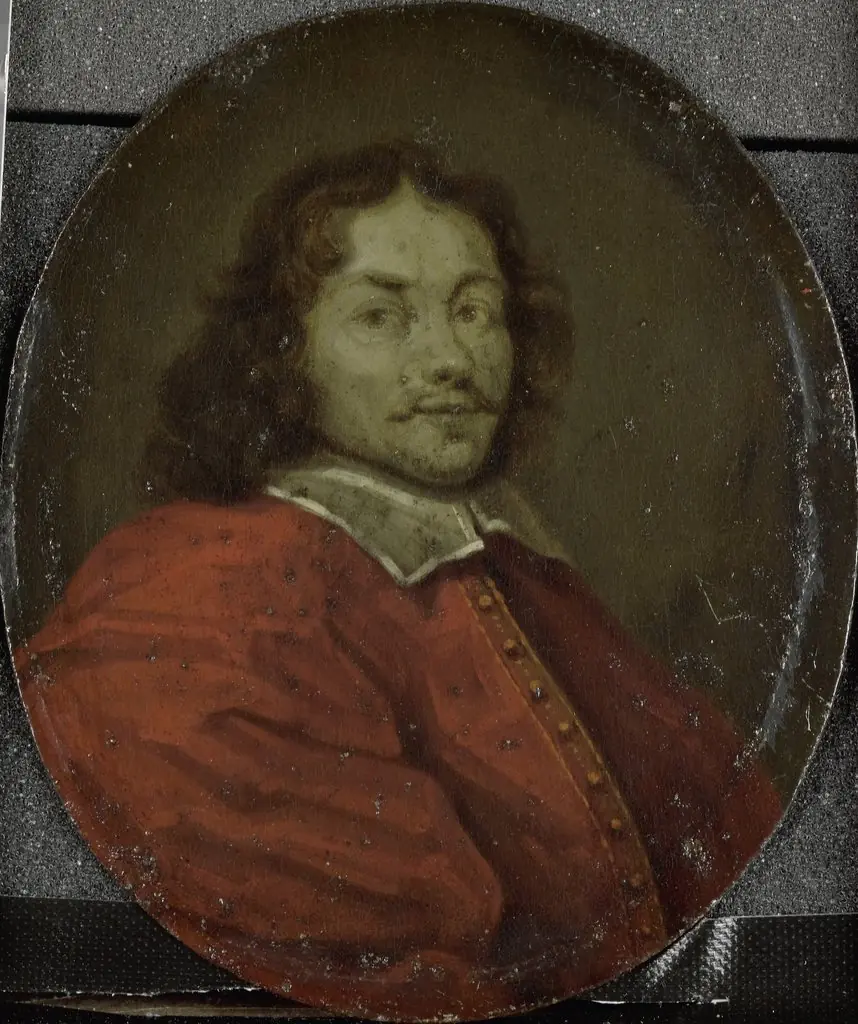 Portrait of Matthijs Gansneb, called Tengnagel, Poet in Amsterdam
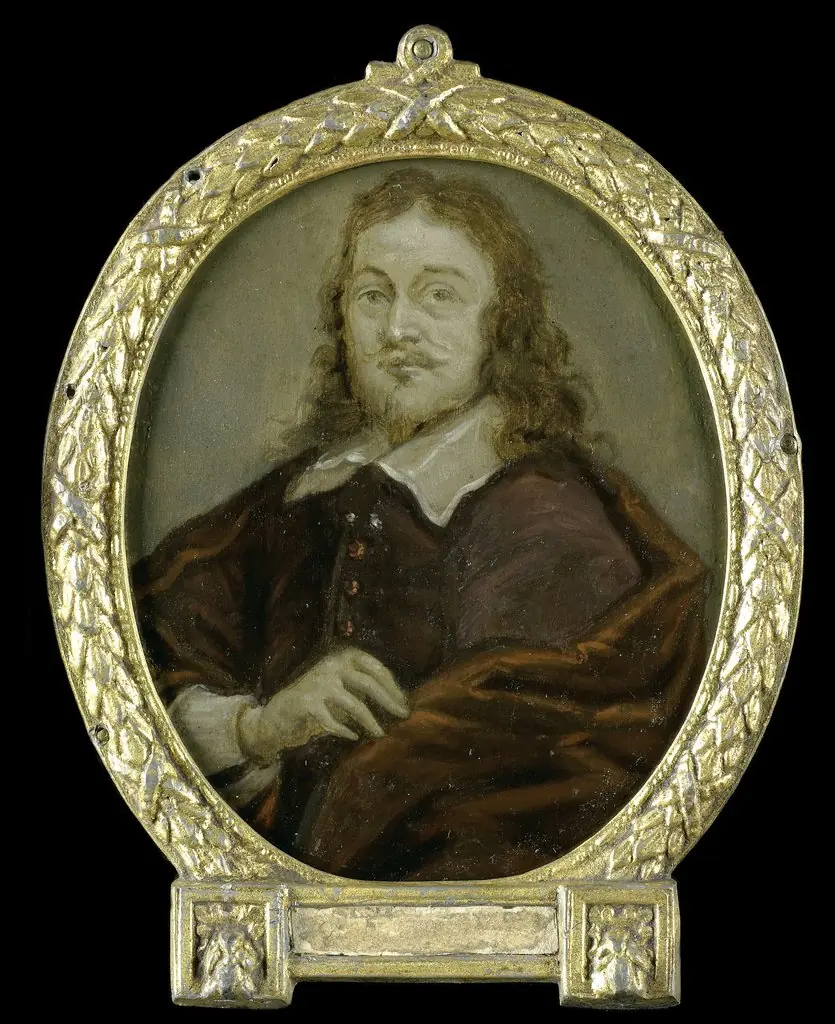 Portrait of the painter Bonaventura Peeters I (1614-52)
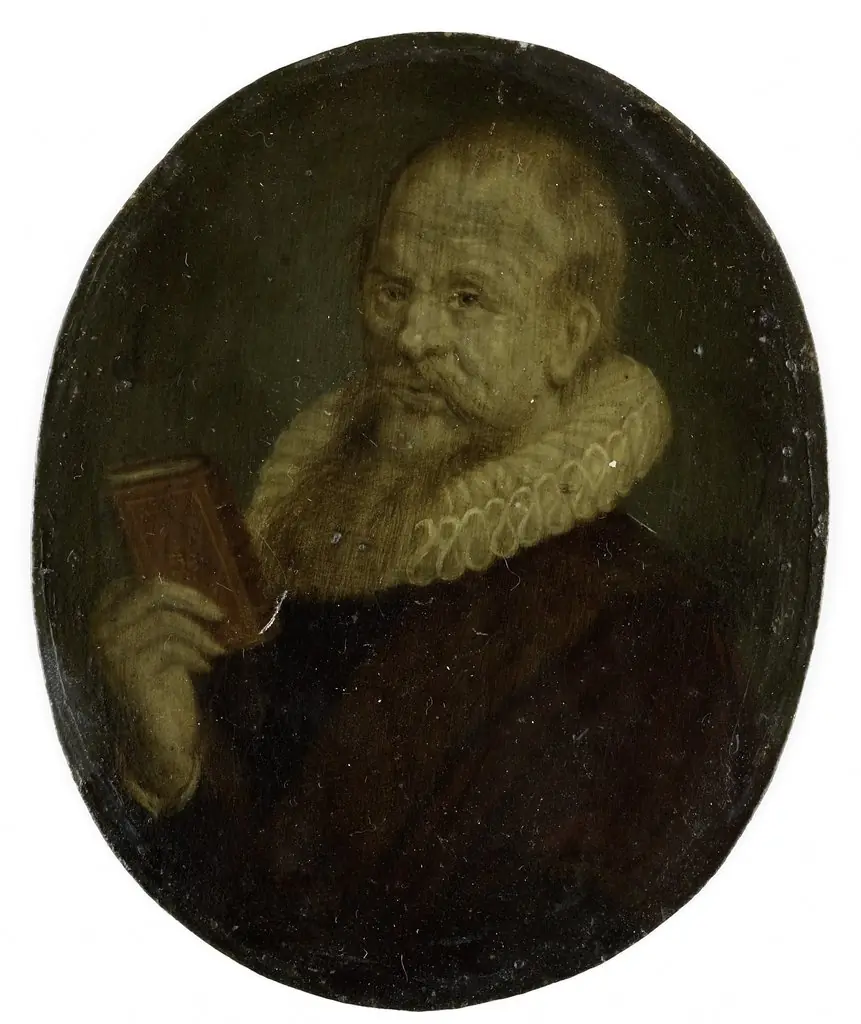 Portrait of Theodorus Schrevelius (1572-1653)
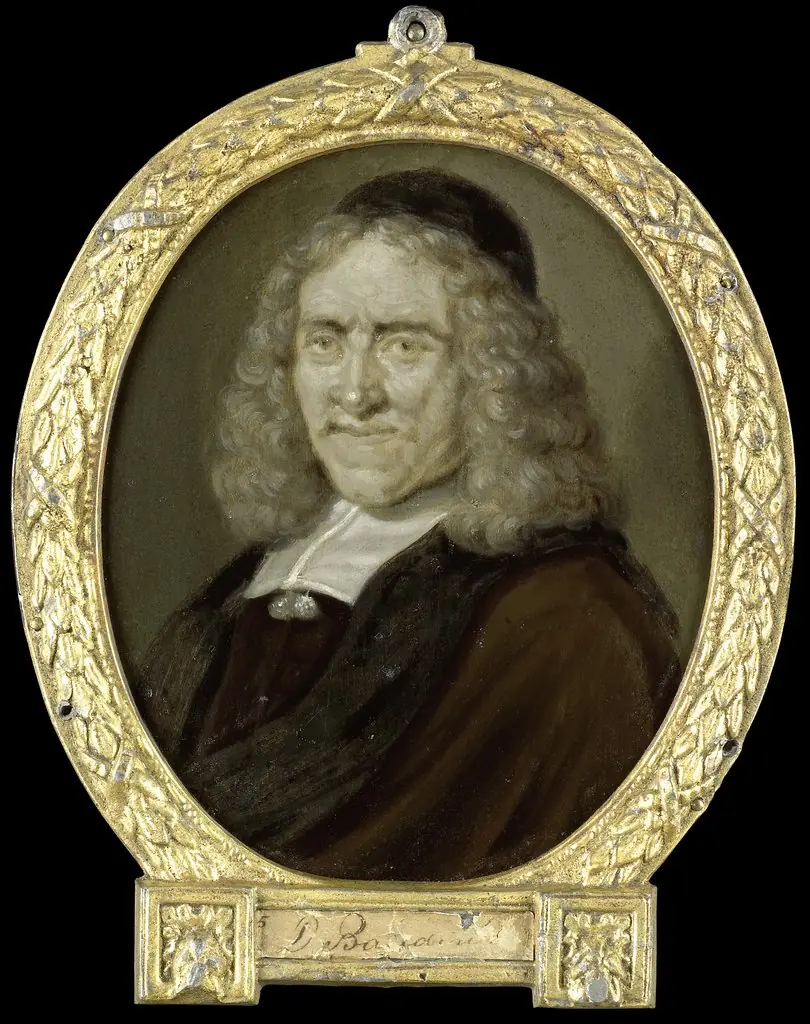 Portrait of Willem Jacobsz van Heemskerck, Poet and Engraver on Glass
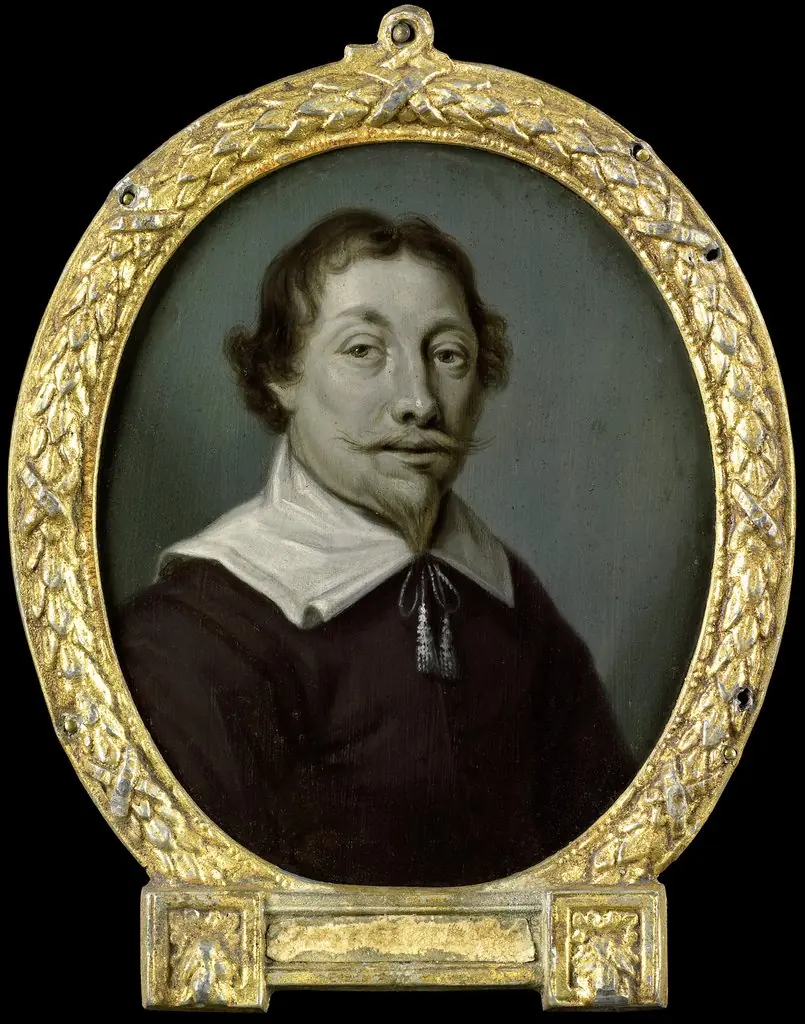 Portrait of Jan van der Veen, Pharmacist and Poet in Deventer
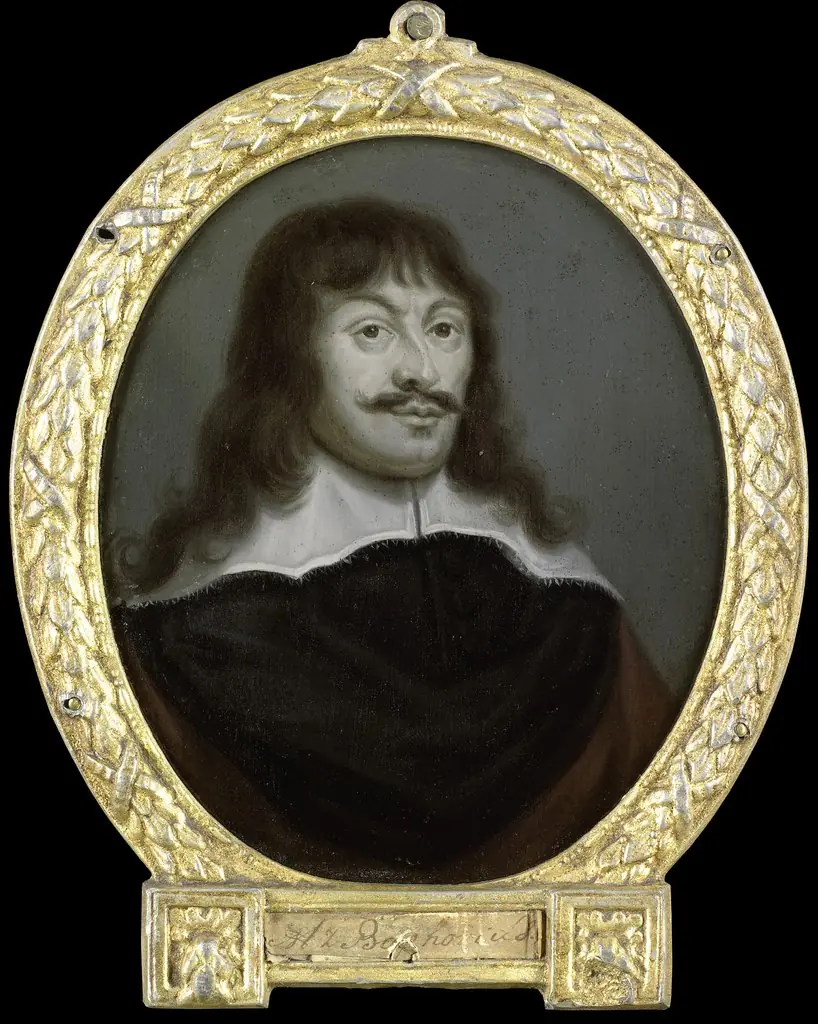 Portrait of Marcus Zuërius van Boxhorn, Historian and Professor at Leiden