Artwork
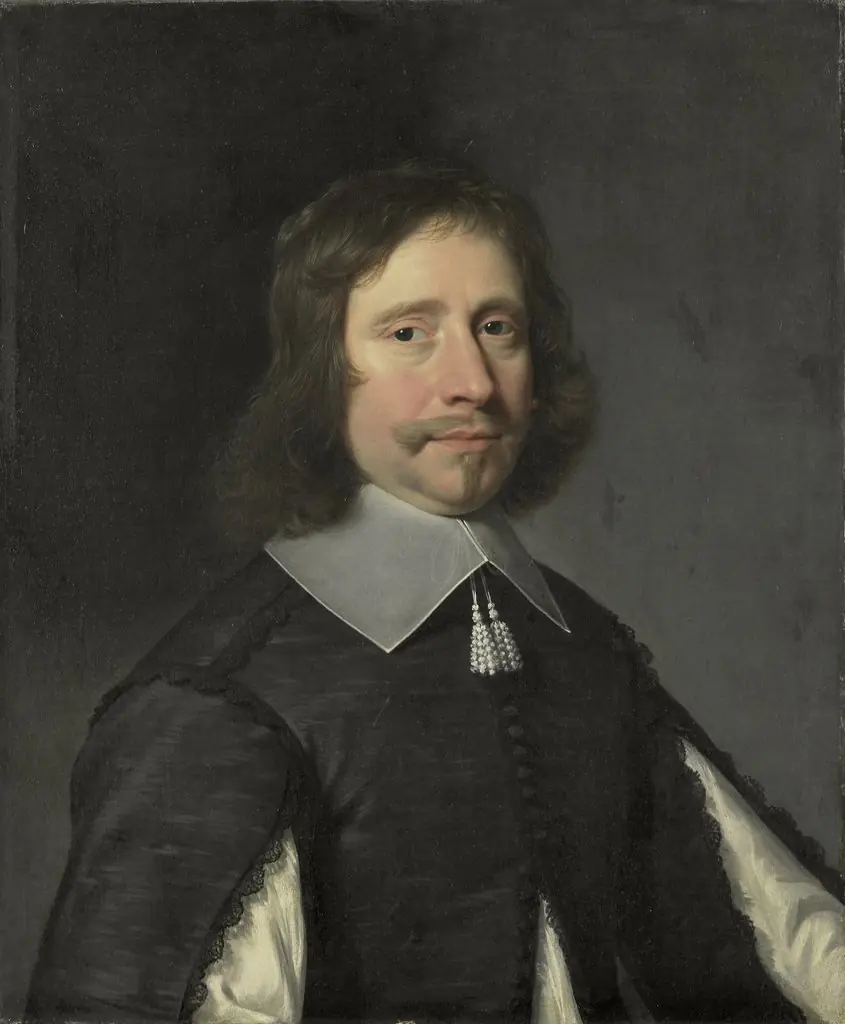
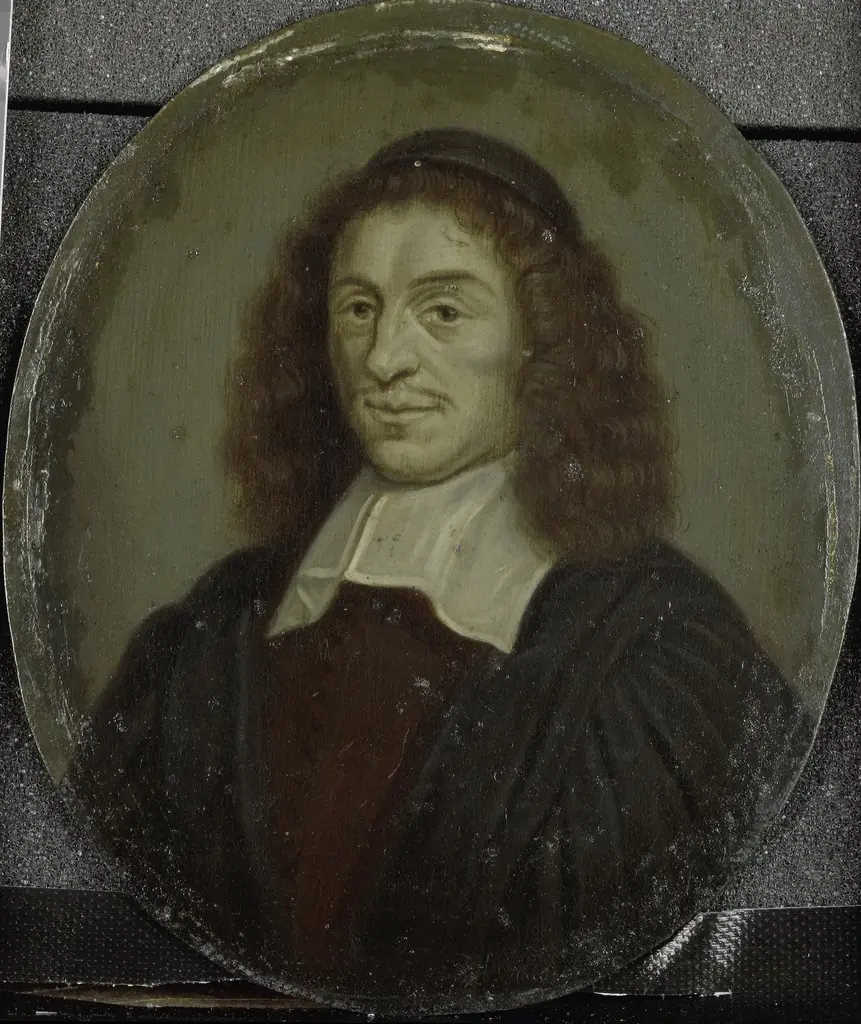
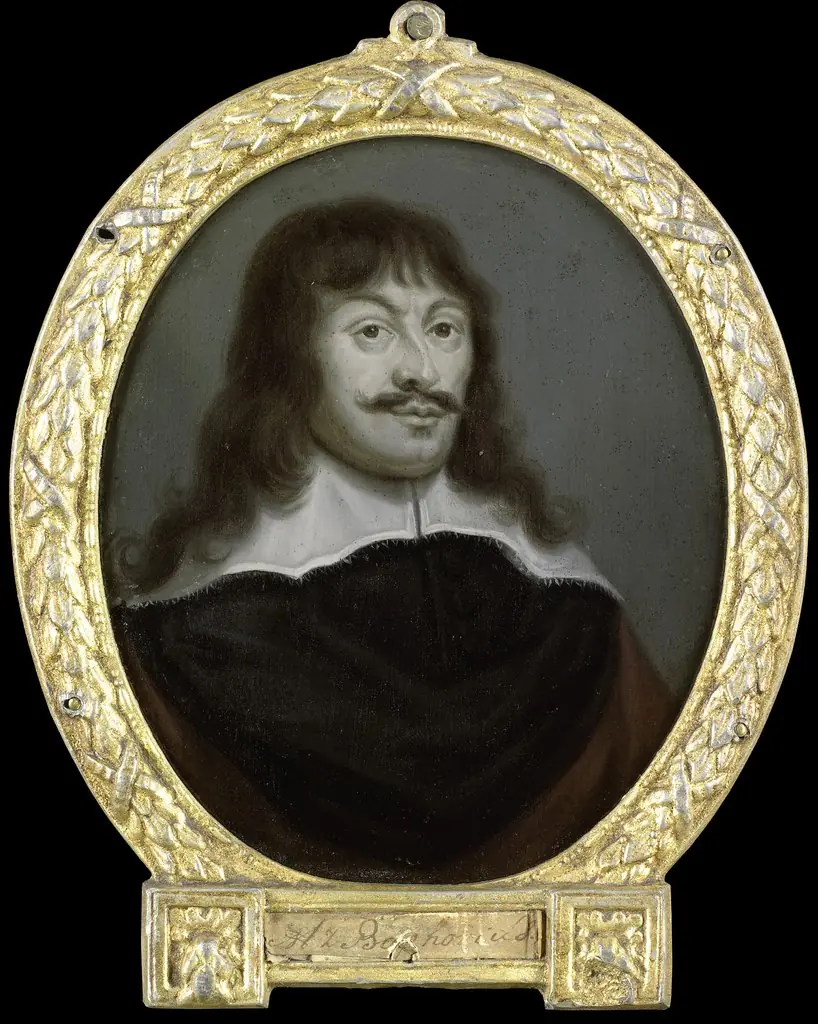
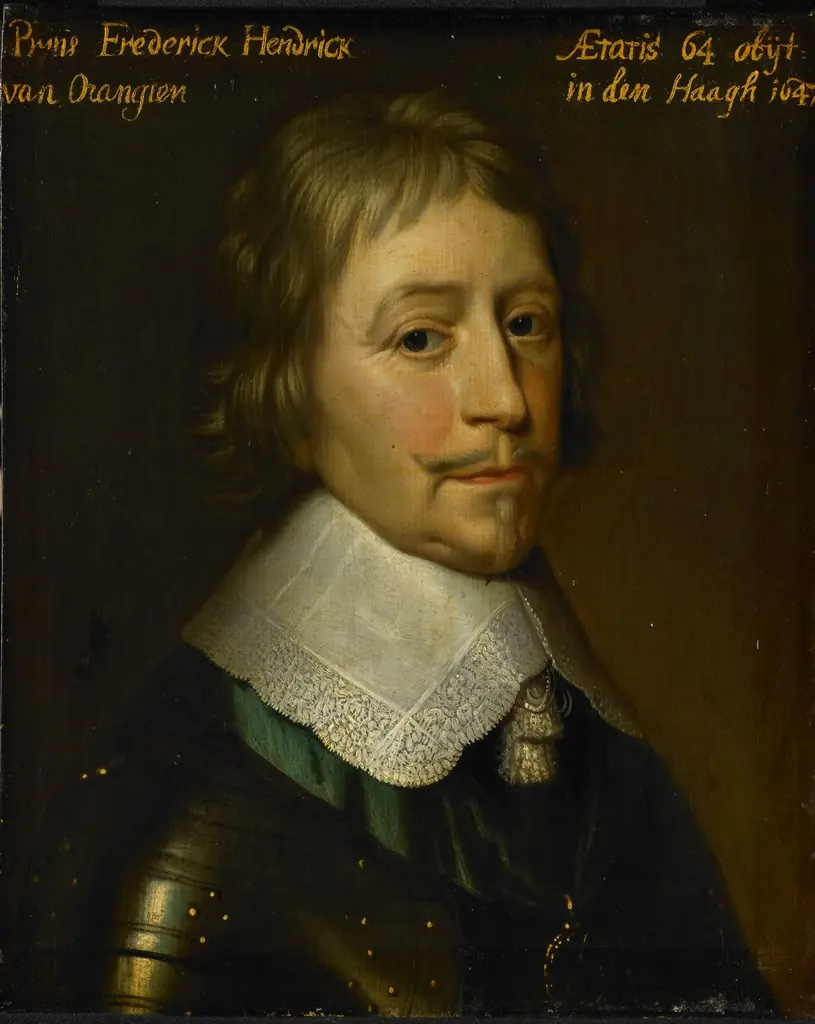
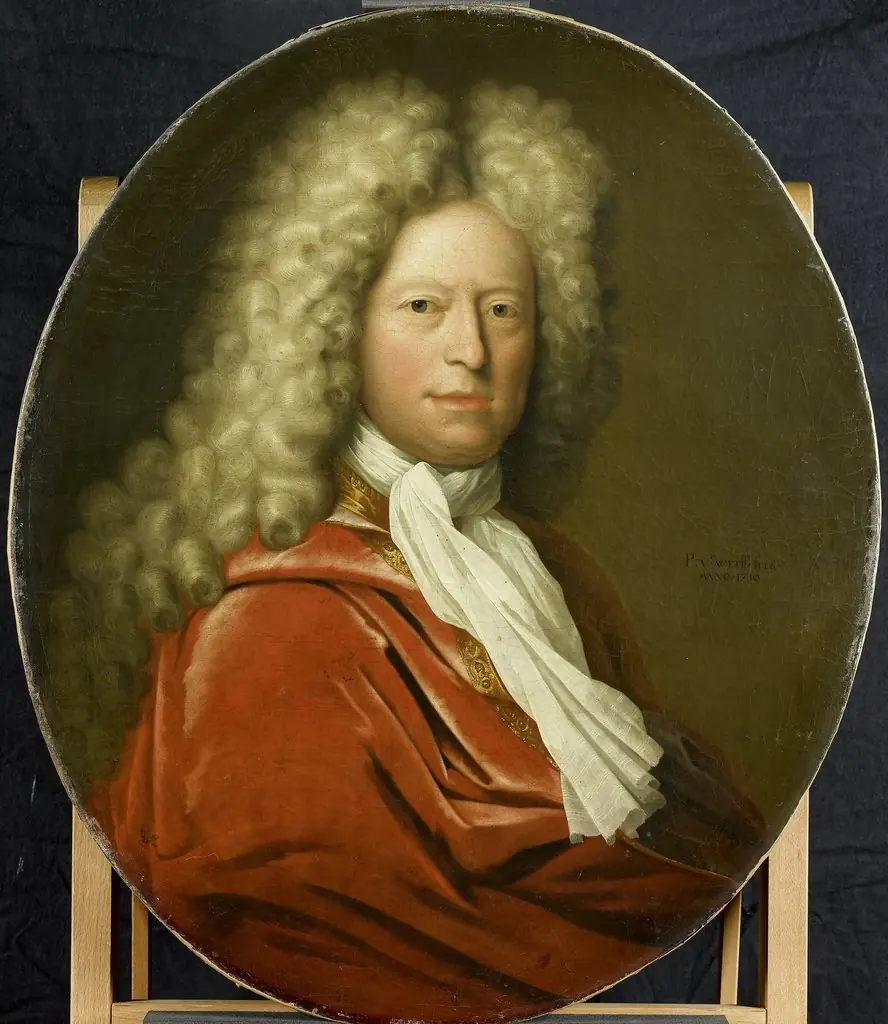
Portrait of Johan de Vries, Director of the Rotterdam Chamber of the Dutch East India Company, elected 1667
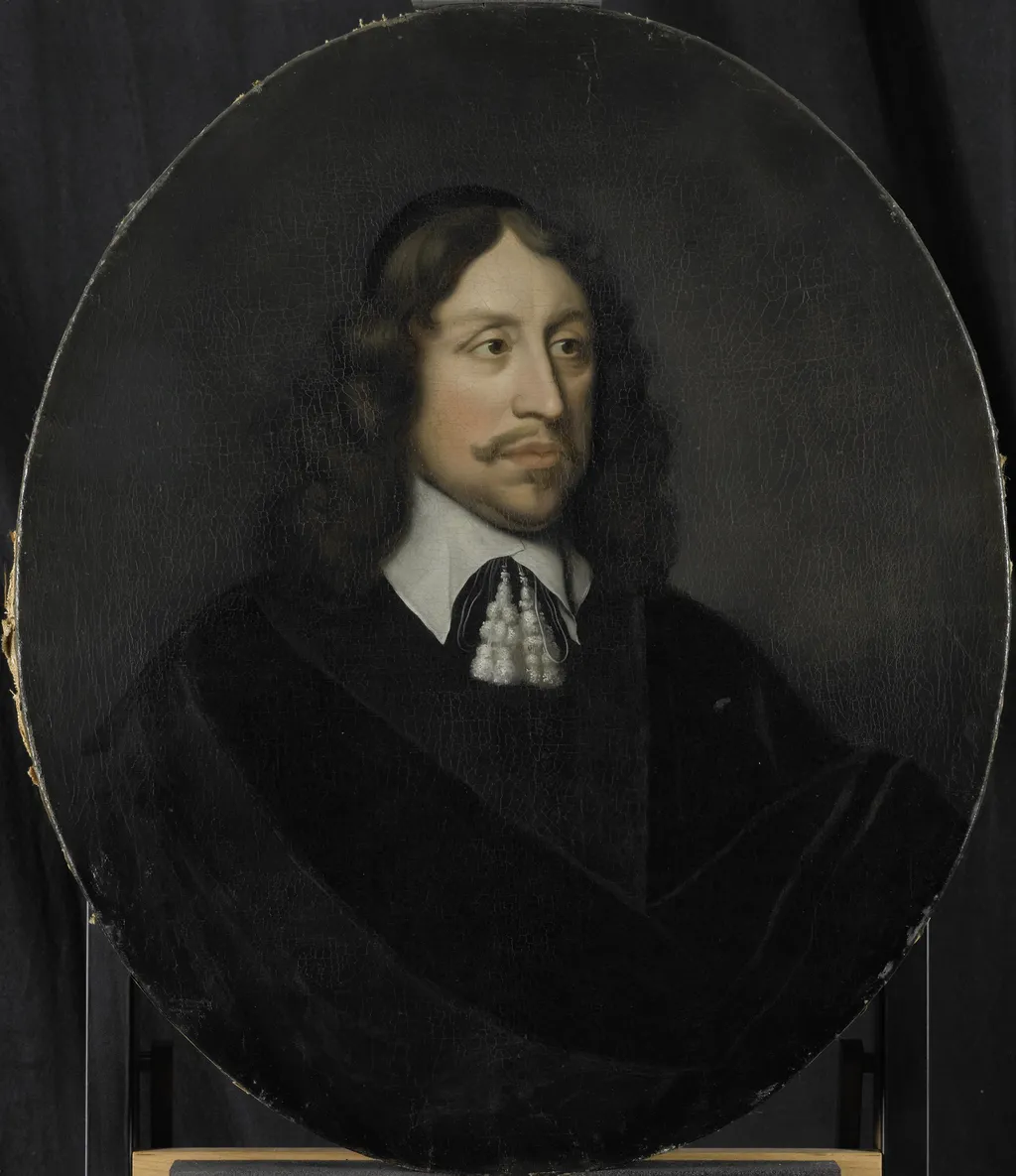
Portrait of Johan de Vries, Director of the Rotterdam Chamber of the Dutch East India Company, elected 1667 is an oil painting by the Rococo painting artist Pieter van der Werff. It dates from 1708 and is held in the collection of the Museum Rotterdam.
About this work
Overview
Created in 1708 by Pieter van der Werff, this oil-on-canvas portrait records Johan de Vries, who had been elected director of the Rotterdam Chamber of the Dutch East India Company in 1667. Executed in a Rococo idiom, the work is part of the Rijksmuseum’s collection and exemplifies the formal portraiture typical of the Dutch Golden Age’s later period.
Subject & Meaning
The sitter, Johan de Vries, is presented as a dignified corporate leader. His attire—a black coat trimmed with a white collar and an elaborately rendered lace cuff—signals both his social rank and the mercantile prestige of the East India Company. The plain black background isolates his visage, emphasizing his authority and personal character.
Technique & Style
Van der Werff employs a smooth, almost polished brushwork that highlights the delicate lace detailing and the subtle modeling of flesh tones. The Rococo influence appears in the lightness of the composition and the refined rendering of textures, while the overall execution retains the restrained realism associated with Dutch portraiture of the era.
History & Provenance
Since its creation, the painting has remained in Dutch hands, ultimately entering the Rijksmuseum’s holdings where it is displayed as part of the museum’s representation of early‑18th‑century portraiture. Its documented provenance traces back to the artist’s workshop and subsequent acquisitions by private collectors before its accession by the national institution.
Artist & collection
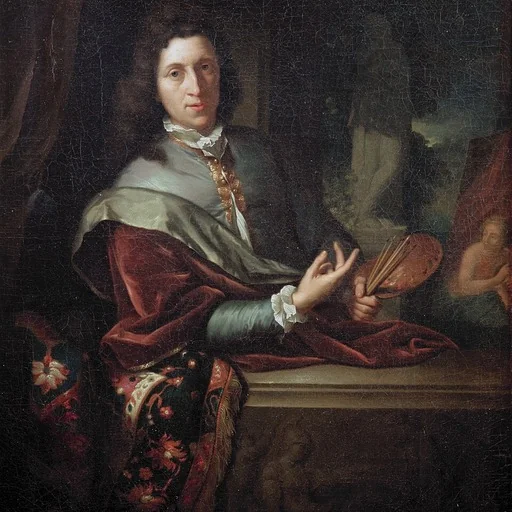
Artist
Pieter van der Werff (1665 – 26 September 1722) was a Dutch Golden Age painter. He assisted his older brother, Adriaen van der Werff.

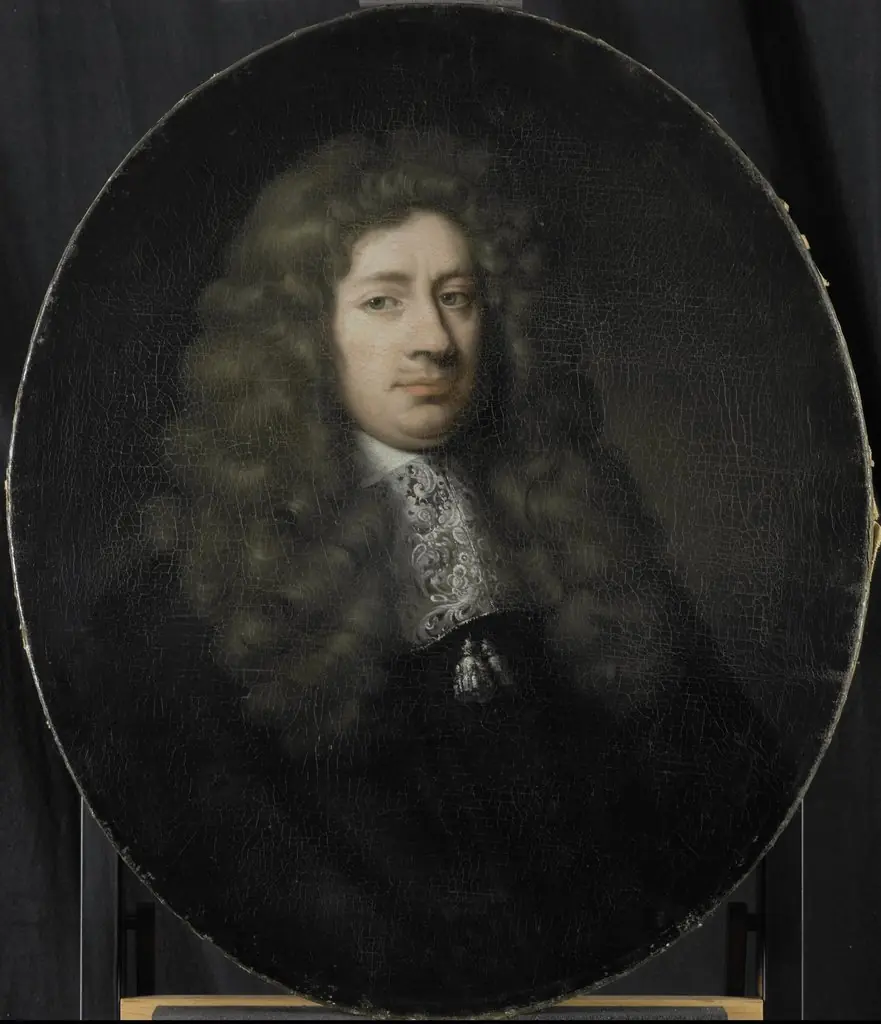 Portrait of Dominicus Rosmale, Director of the Rotterdam Chamber of the Dutch East India Company, elected 1677
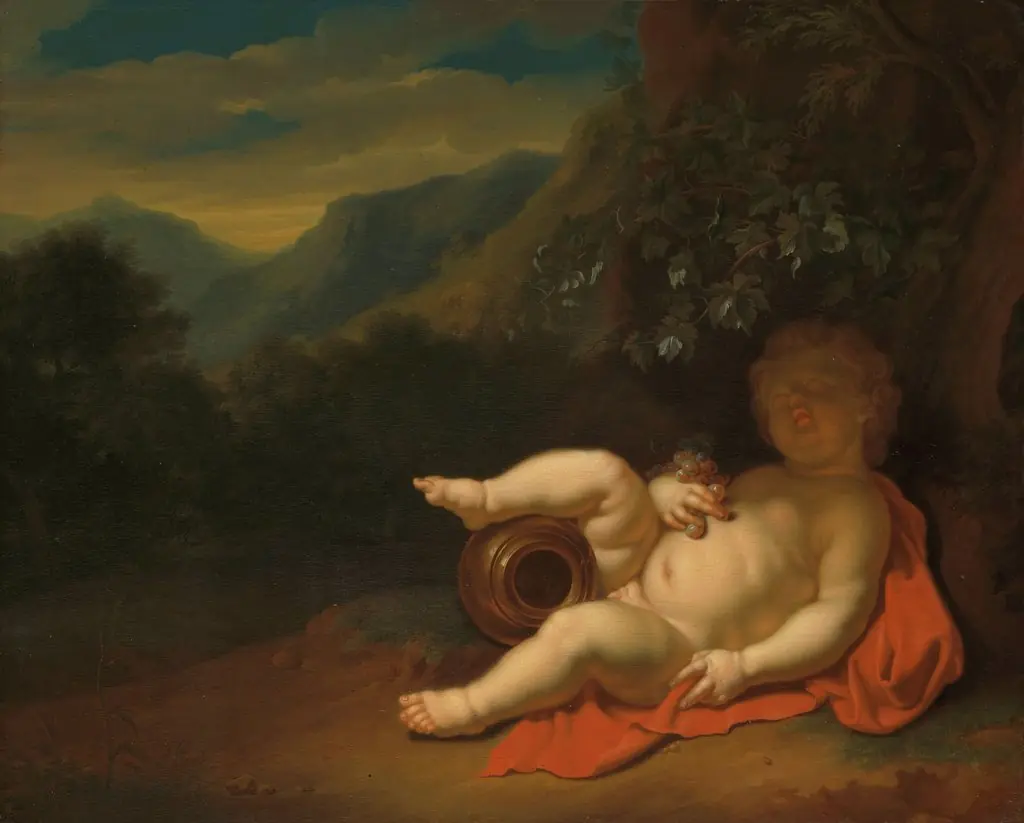 The Infant Bacchus
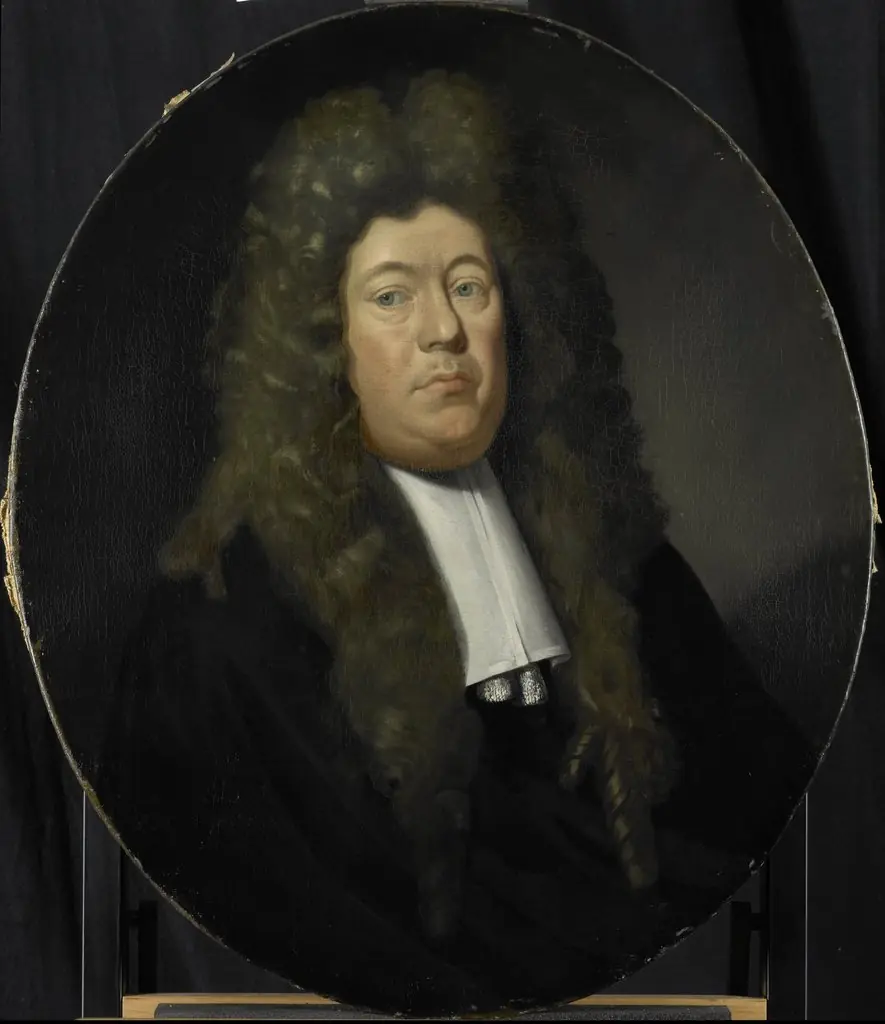 Portrait of Adriaen Paets, Director of the Rotterdam Chamber of the Dutch East India Company, elected 1668
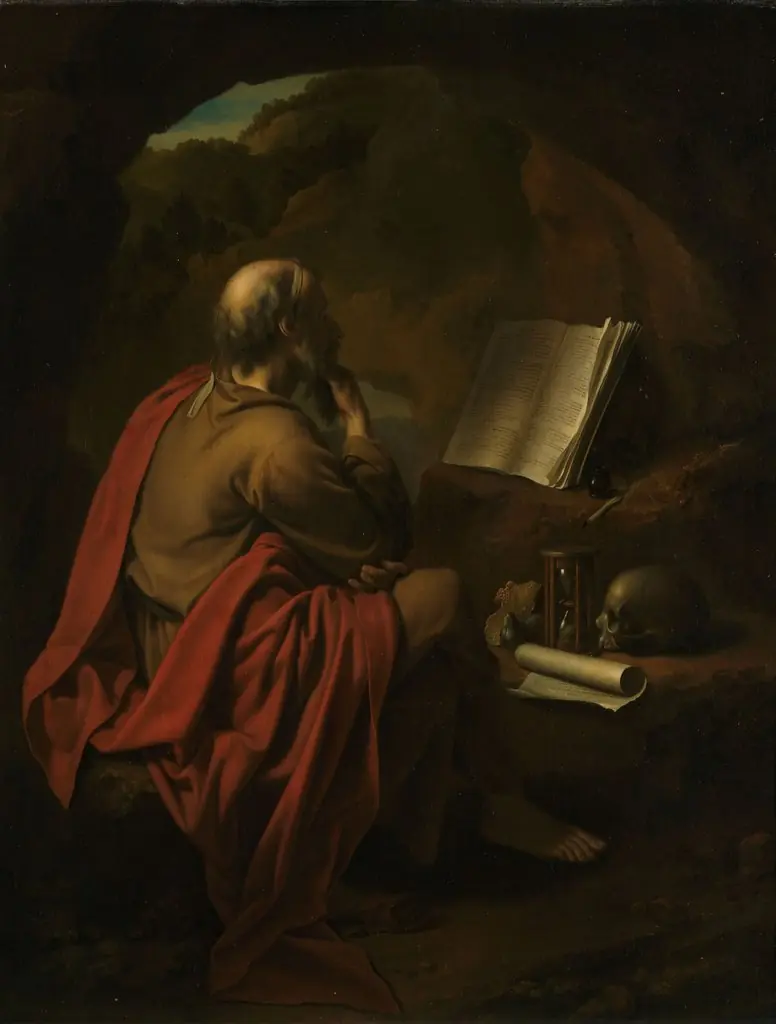 Saint Jerome
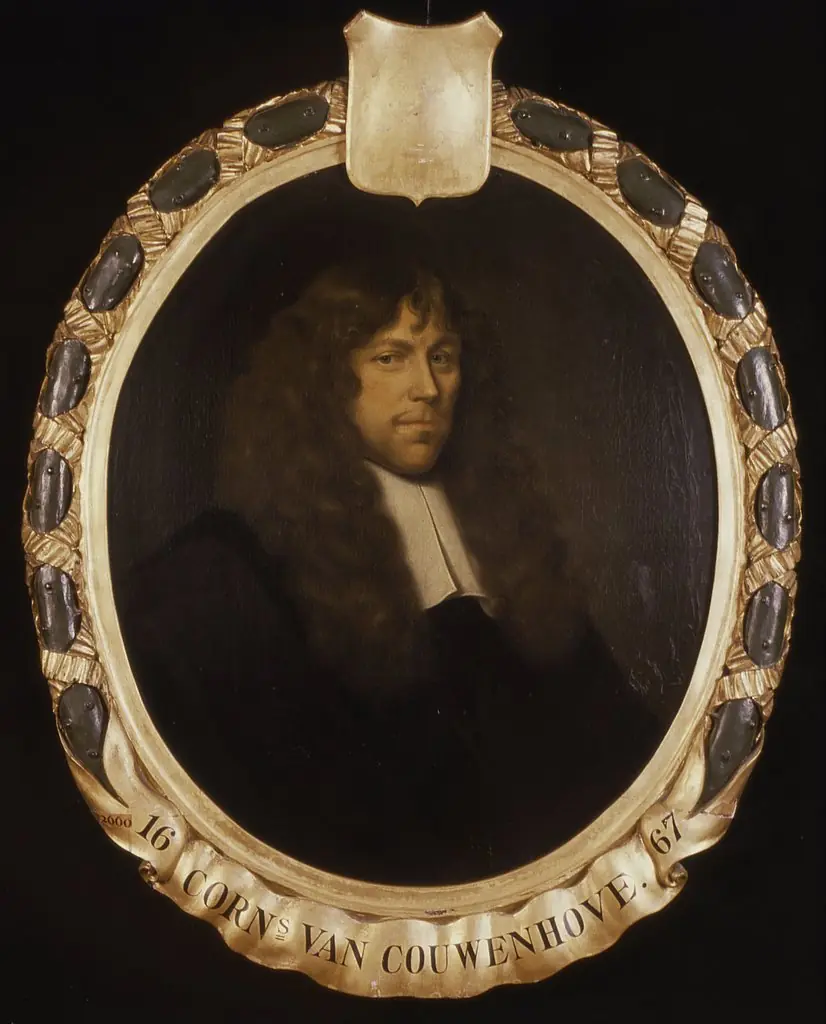 Portrait of Cornelis van Couwenhove, Director of the Rotterdam Chamber of the Dutch East India Company, elected 1667
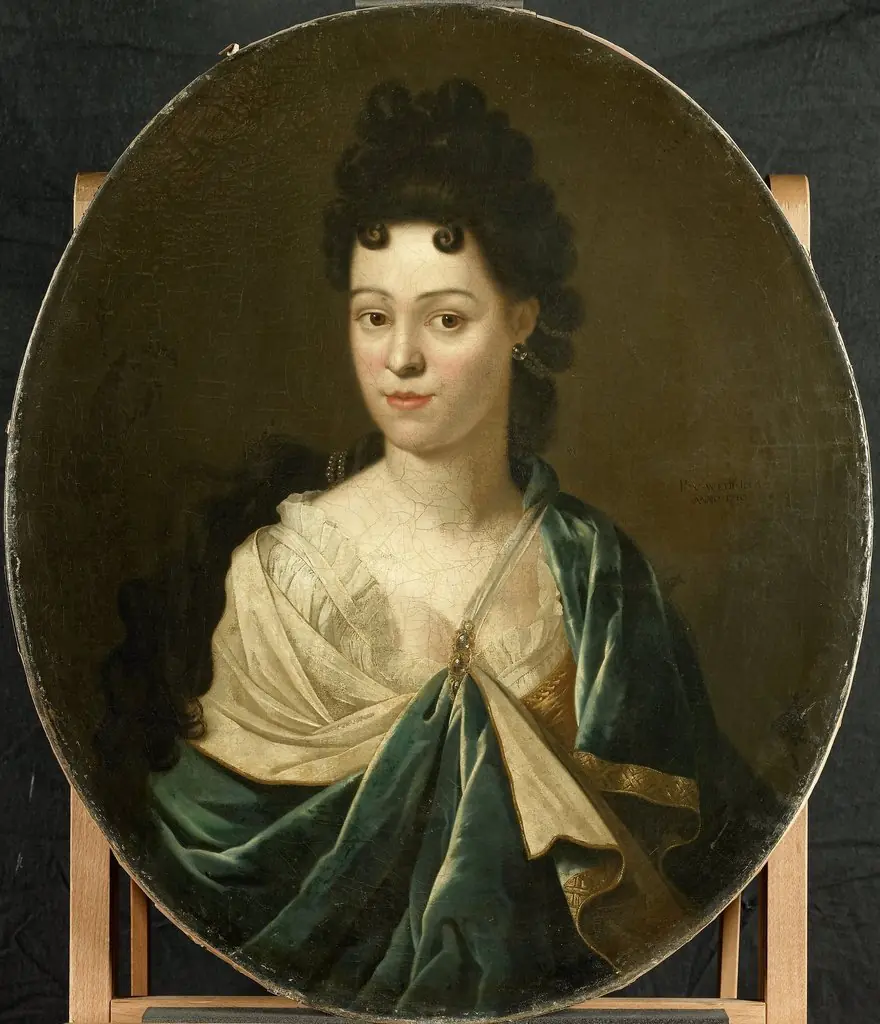 Portrait of Mrs. Brust-Batailhy
 Portrait of Mr. Brust
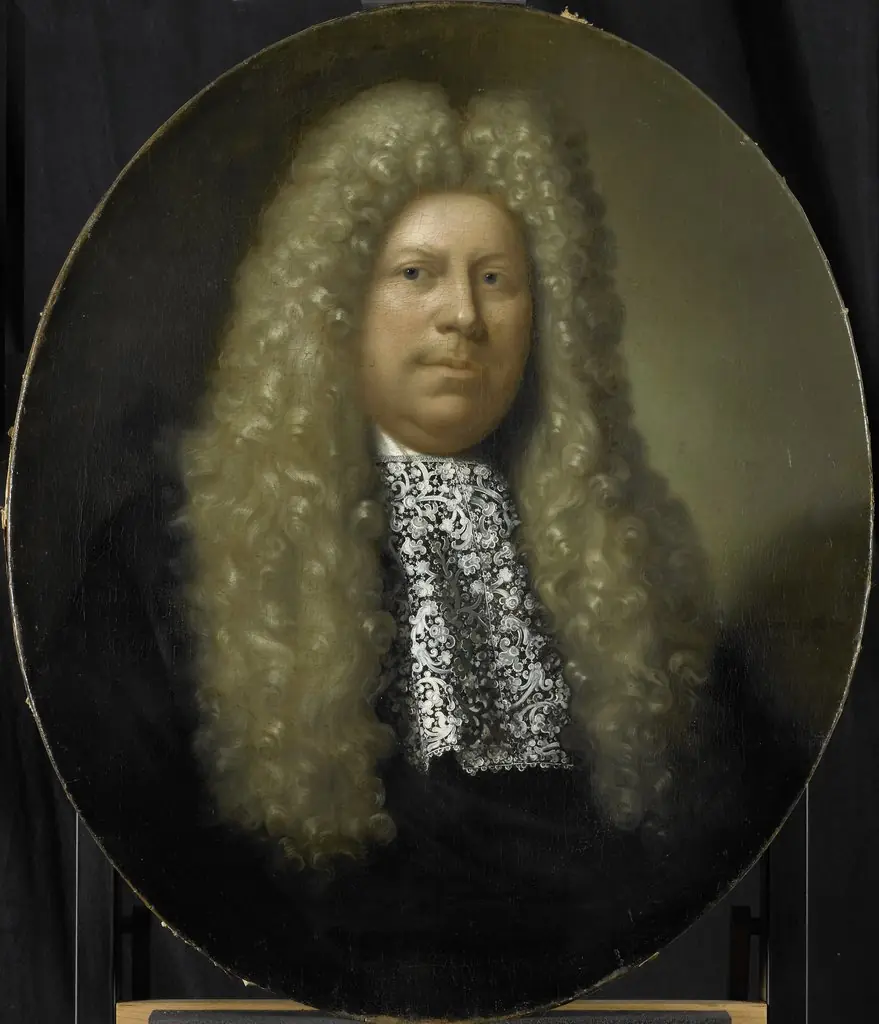 Portrait of Jacob Dane, Director of the Rotterdam Chamber of the Dutch East India Company, elected 1689