Artwork
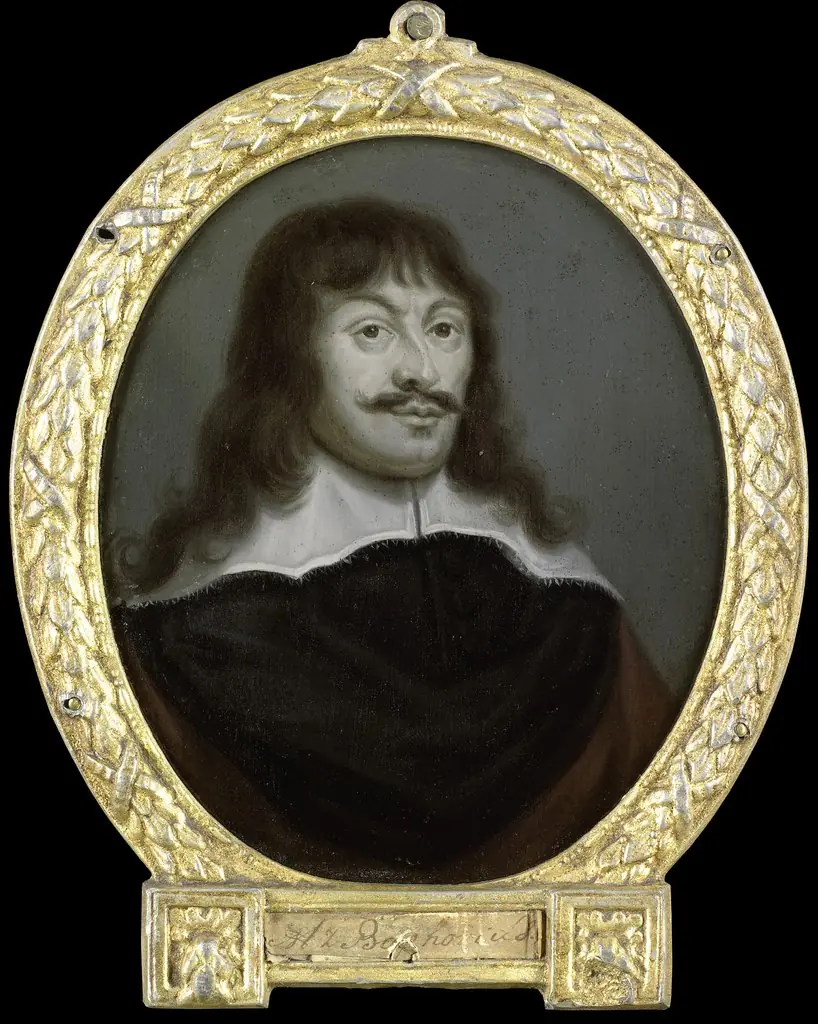
Portrait of Balthasar Bekker, Clergyman and Man of Letters in Amsterdam
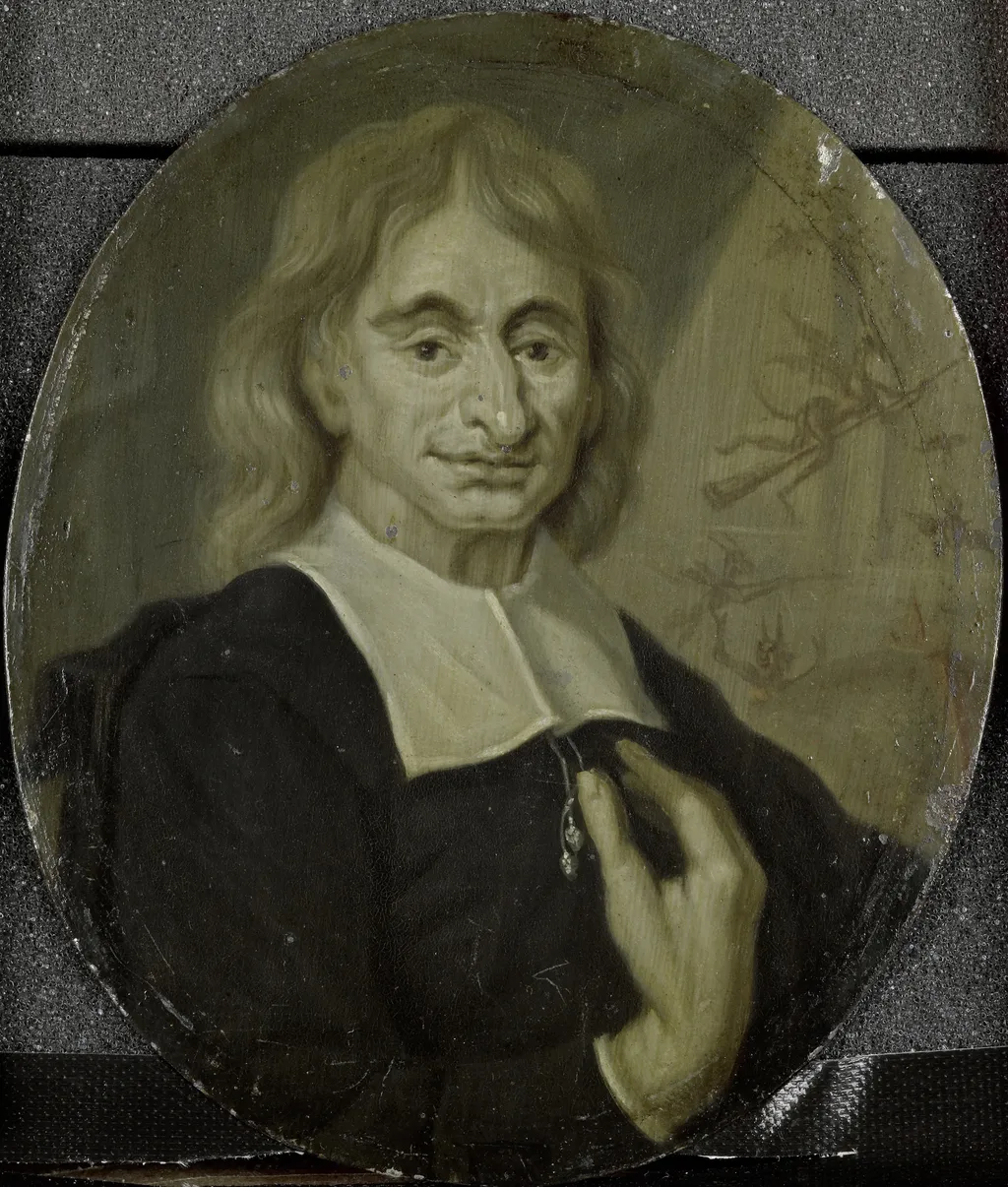
Portrait of Balthasar Bekker, Clergyman and Man of Letters in Amsterdam is an oil painting by the Rococo painting artist Arnoud van Halen. It dates from 1716 and is held in the collection of the Rijksmuseum.
About this work
Overview
Arnoud van Halen's 1716 portrait of Balthasar Bekker is a tin-mounted painting housed at the Rijksmuseum, capturing the likeness of the Amsterdam clergyman and scholar.
Subject & Meaning
The portrait focuses on Balthasar Bekker, portraying him with a serious expression, curly hair, and attire indicative of his clerical and intellectual standing. His right hand, resting on his chest with a small object, may symbolize his scholarly pursuits.
Technique & Style
Unconventionally executed on tin, the portrait utilizes soft shading to create depth, particularly around the eyes and cheeks, employing techniques akin to chiaroscuro to enhance facial dimensionality.
History & Provenance
Created in 1716 by Arnoud van Halen, the portrait is part of the Rijksmuseum's collection, with its history of ownership leading up to the museum not detailed in available records.
Context
The use of tin as a medium was unusual for portraits of this era, which typically employed canvas, setting this work apart in terms of material choice.
Legacy
While specific influences or subsequent artistic impacts of this portrait are not prominently documented, it remains a notable example of 18th-century Dutch portraiture and a representation of Amsterdam's intellectual clergy.
Artist & collection

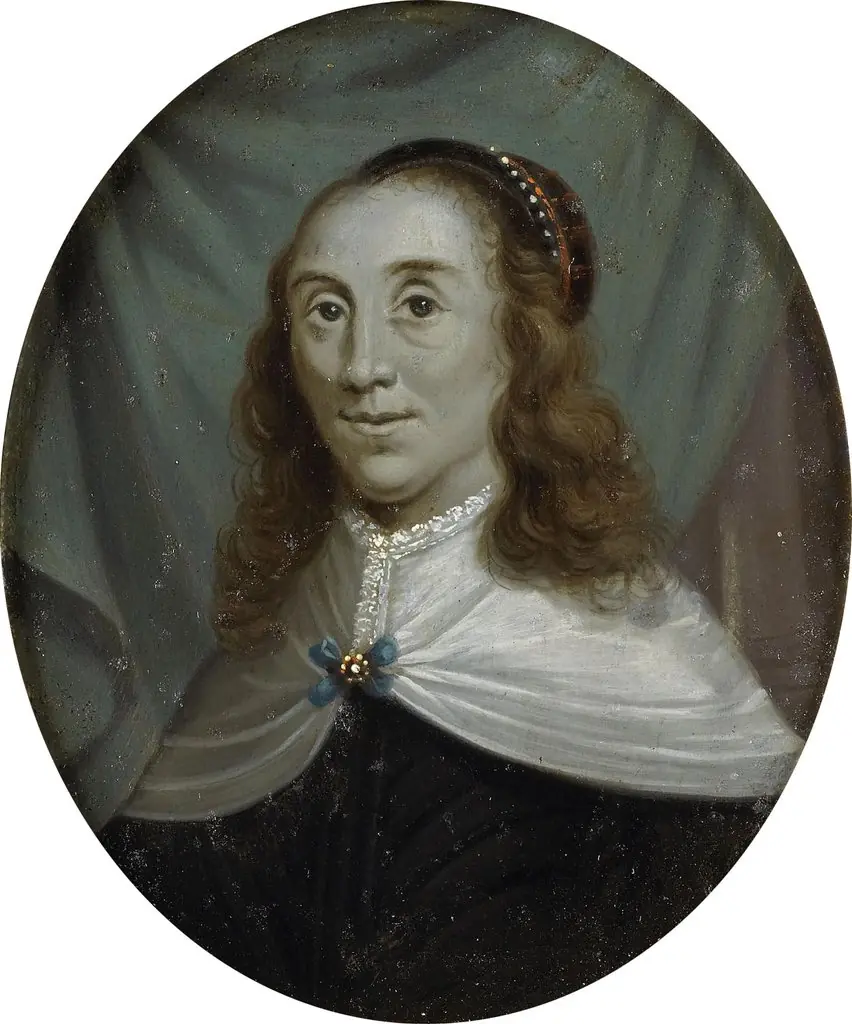 Portrait of Sibylle van Griethuysen (ca.1620-na 1662)
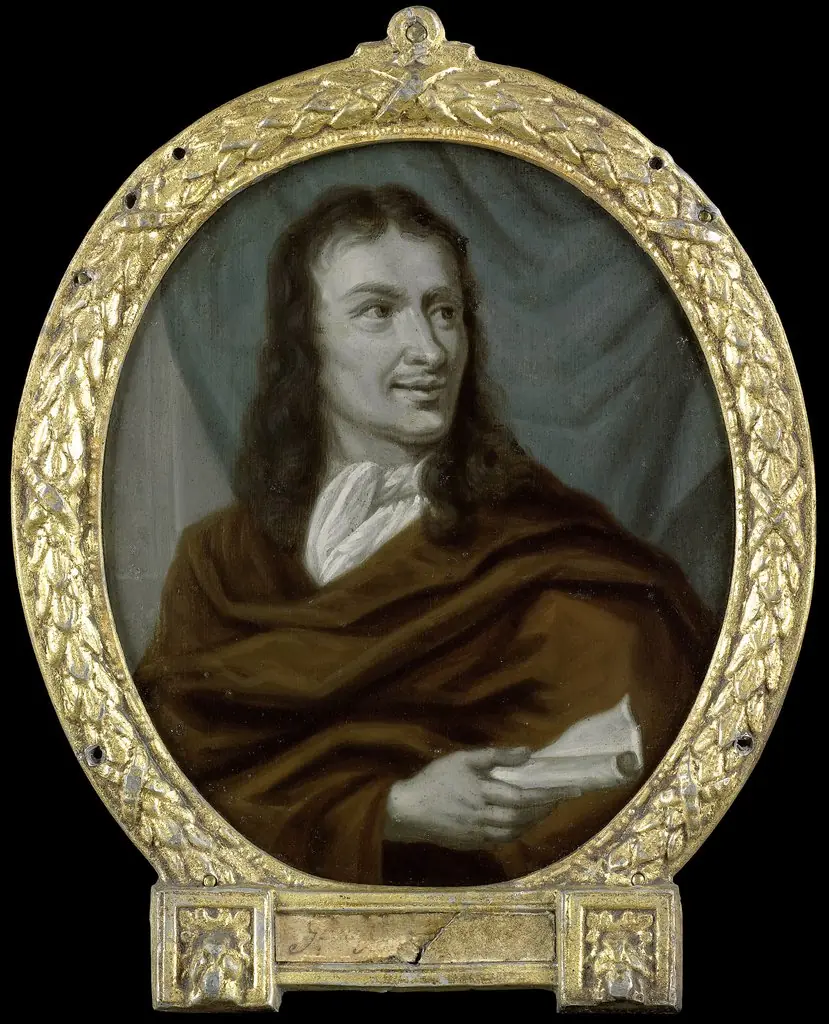 Portrait of Pieter Verhoek (1633-1702)
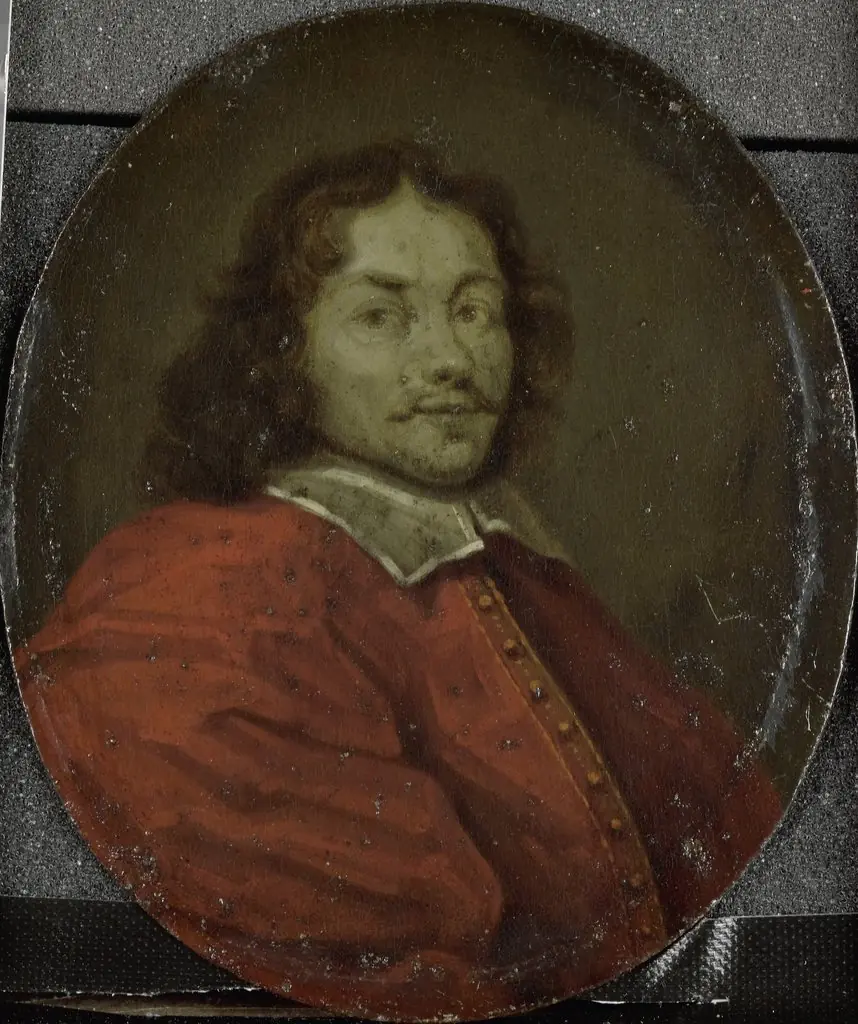 Portrait of Matthijs Gansneb, called Tengnagel, Poet in Amsterdam
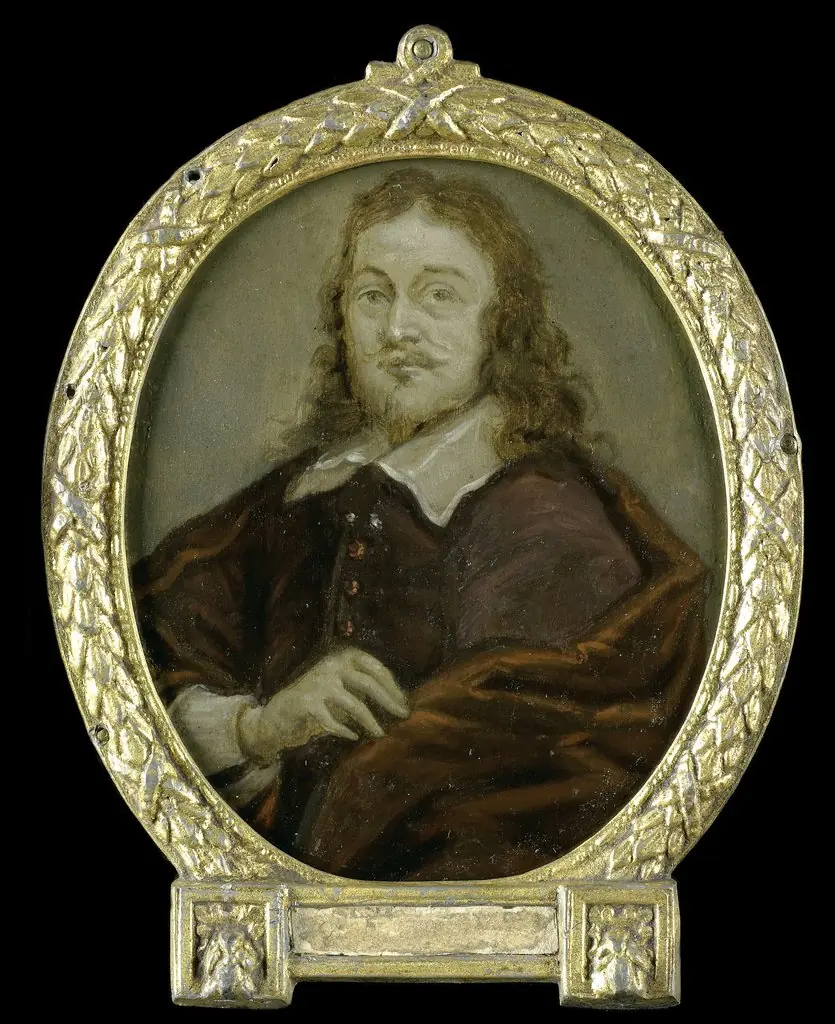 Portrait of the painter Bonaventura Peeters I (1614-52)
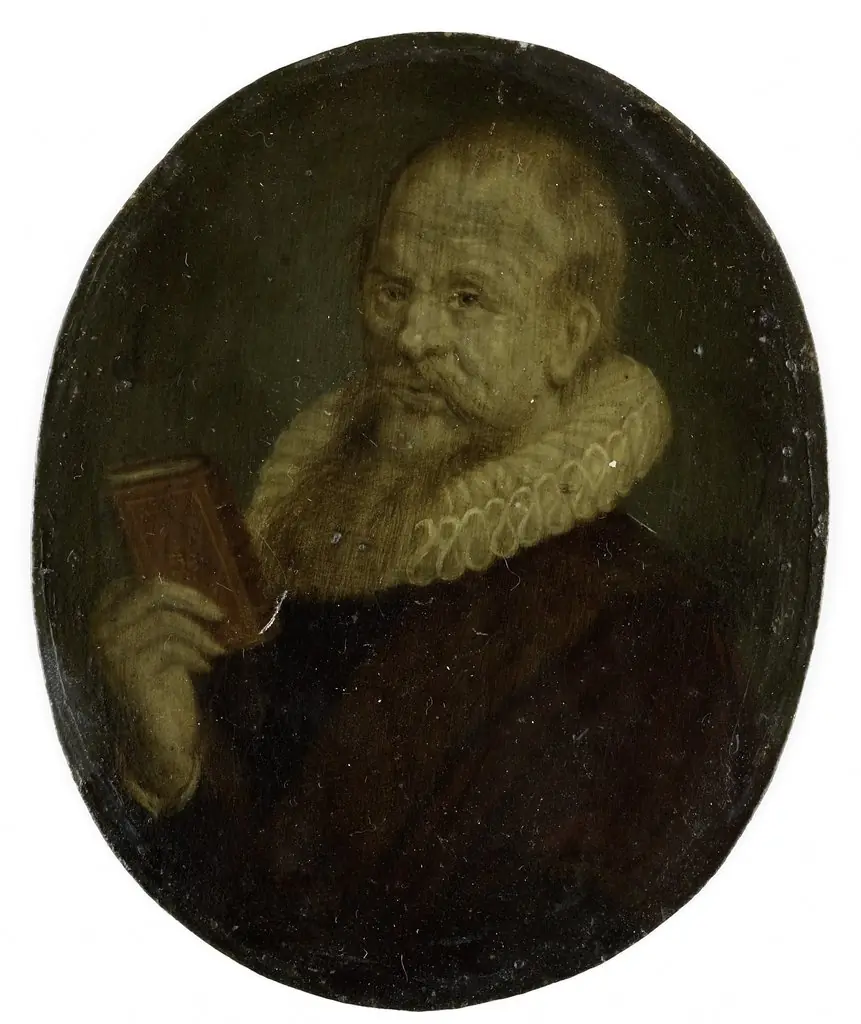 Portrait of Theodorus Schrevelius (1572-1653)
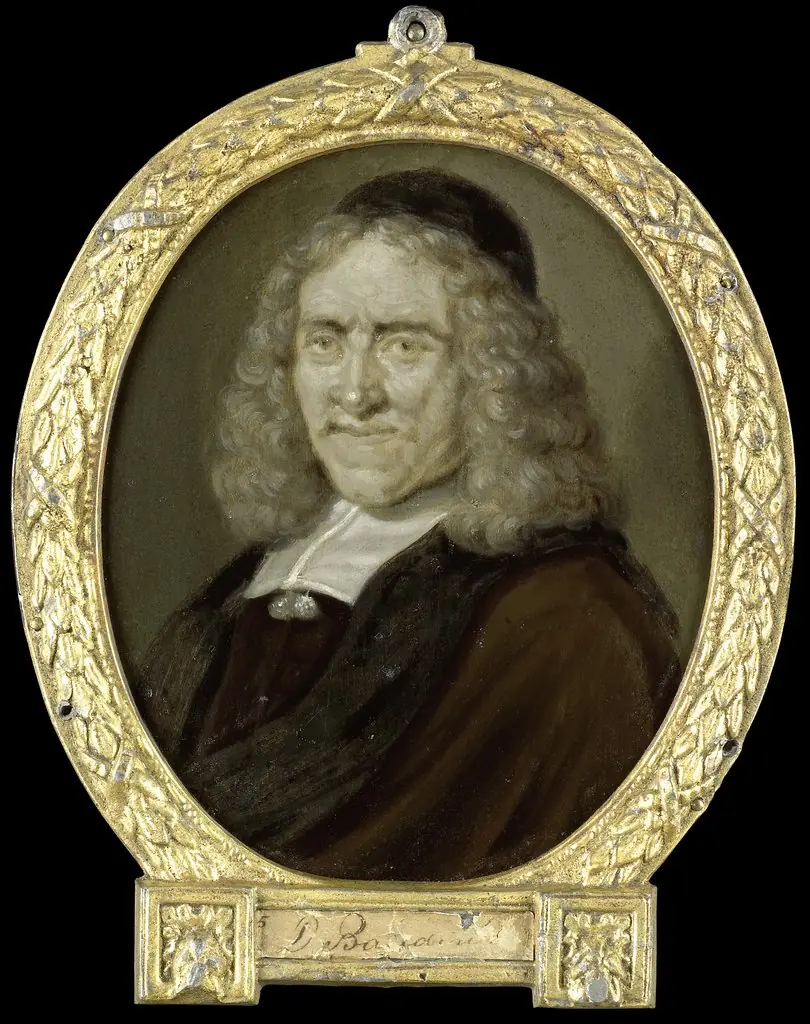 Portrait of Willem Jacobsz van Heemskerck, Poet and Engraver on Glass
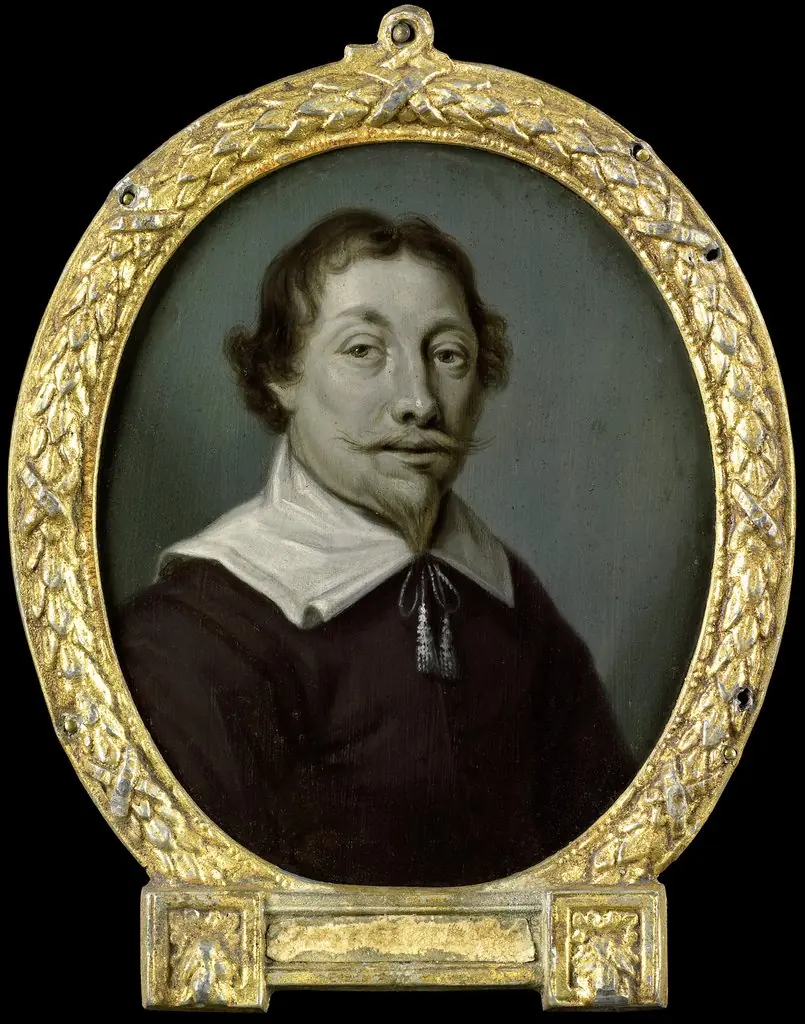 Portrait of Jan van der Veen, Pharmacist and Poet in Deventer
 Portrait of Marcus Zuërius van Boxhorn, Historian and Professor at Leiden