Artwork
Portrait of Theodorus Schrevelius, Rector of the Latin School in Leiden
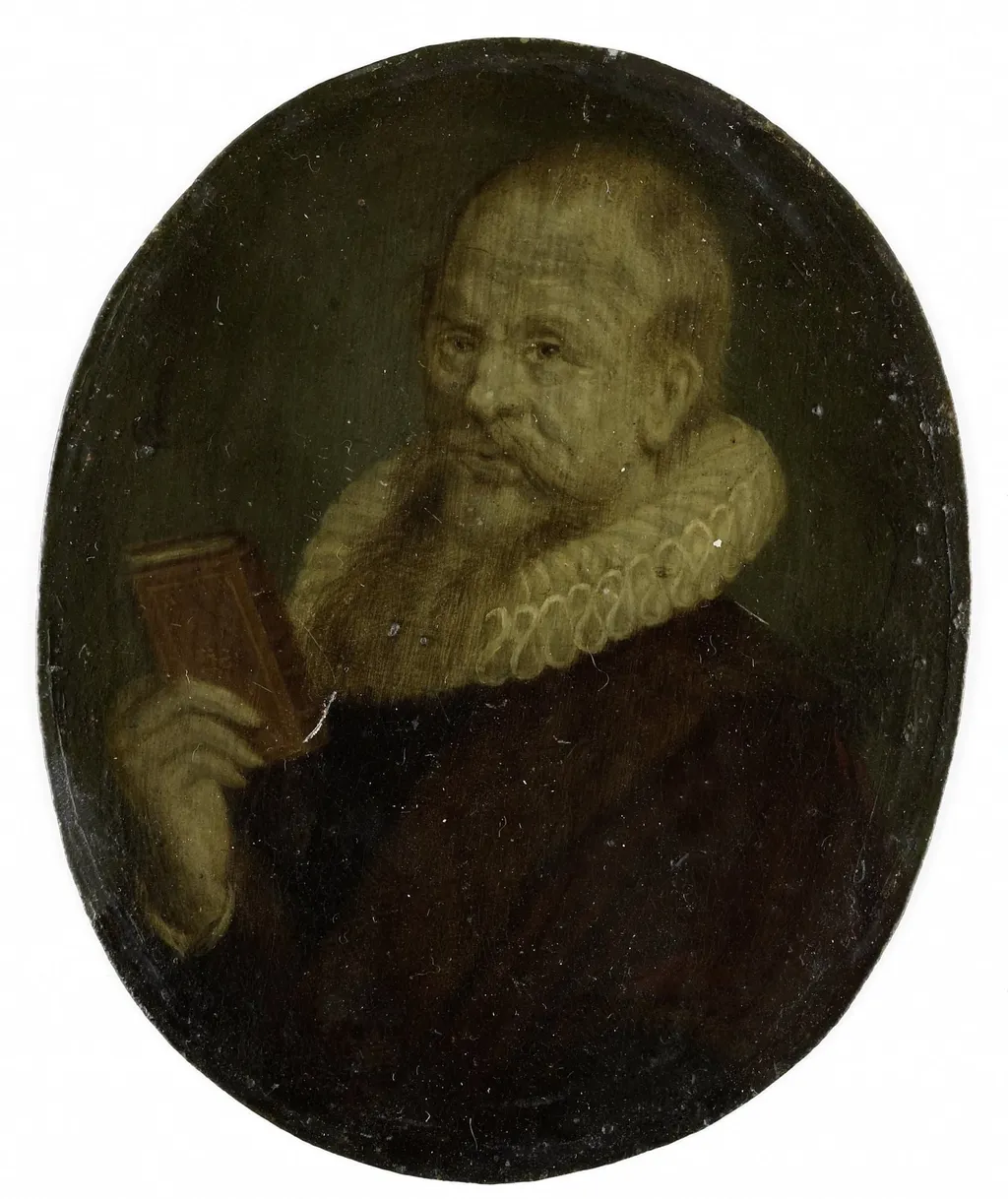
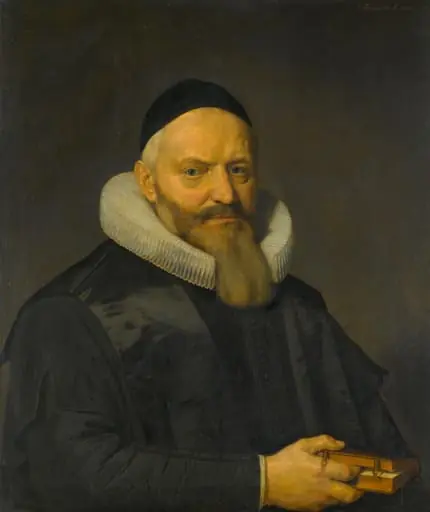
Portrait of Theodorus Schrevelius, Rector of the Latin School in Leiden is an unspecified painting by the Rococo painting artist Arnoud van Halen. It dates from 1716 and is held in the collection of the Rijksmuseum. A small oval portrait depicts Theodorus Schrevelius, head and shoulders, turned slightly to the left.
About this work
Overview
The composition is intimate, confined to his upper body, with soft lighting emphasizing his face and the book he holds.
A small oval portrait depicts Theodorus Schrevelius, head and shoulders, turned slightly to the left. He wears a dark, high-collared garment typical of early 17th-century Dutch scholars. The composition is intimate, confined to his upper body, with soft lighting emphasizing his face and the book he holds. The work lacks a signature, and its creator remains unidentified, though it was produced decades after his death.
Subject & Meaning
Schrevelius served as rector of the Latin School in Leiden, an institution that prepared students for university studies in law, medicine, and theology. The book in his hand signifies his role as an educator and keeper of classical knowledge. His expression is calm and composed, reflecting the dignity associated with academic leadership in the Dutch Republic, where learning was closely tied to civic identity.
Technique & Style
The painting employs a muted palette dominated by dark tones, with subtle highlights on the face and book to create depth. The brushwork is restrained, favoring smooth transitions over texture, typical of portrait conventions in the Netherlands during the early 1600s. The oval format suggests it was intended as part of a series, possibly for display in an educational or institutional setting.
History & Provenance
The portrait was painted after Schrevelius’s death in 1653, likely as a posthumous tribute. It was once part of a collection of portraits of Dutch poets and scholars, assembled to honor intellectual contributions to Dutch culture. Its current location within the Rijksmuseum’s holdings indicates its recognition as a representative artifact of academic life in the Dutch Golden Age.
Context
During Schrevelius’s lifetime, Leiden’s Latin School was a vital feeder institution for the university, training boys in Latin, rhetoric, and classical literature. Portraits like this were not merely personal memorials but public affirmations of scholarly values. Such images circulated among institutions to reinforce the prestige of education and the social standing of its leaders.
Legacy
Though the artist is unknown, the portrait endures as a quiet testament to the role of educators in shaping Dutch intellectual life. It contributes to a broader visual record of early modern academia, where authority was conveyed through stillness, attire, and the symbolic presence of books. The work remains a reference point for understanding how learning was visually represented in the Netherlands.
Artist & collection

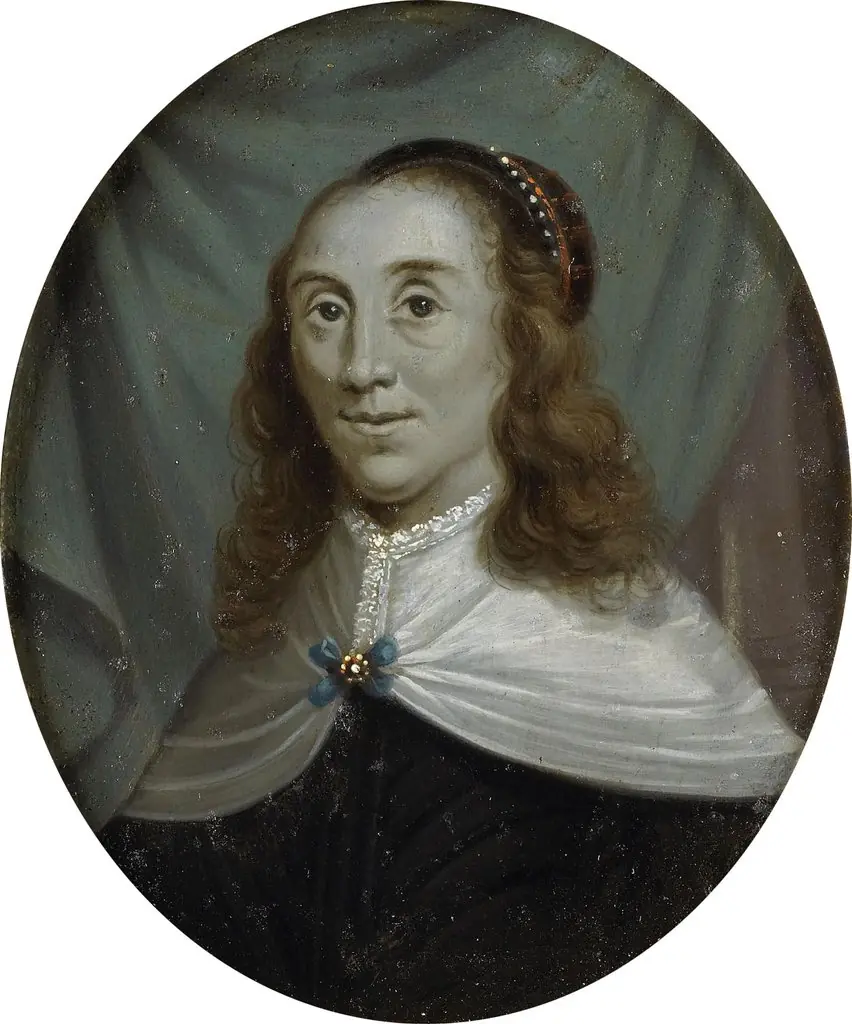 Portrait of Sibylle van Griethuysen (ca.1620-na 1662)
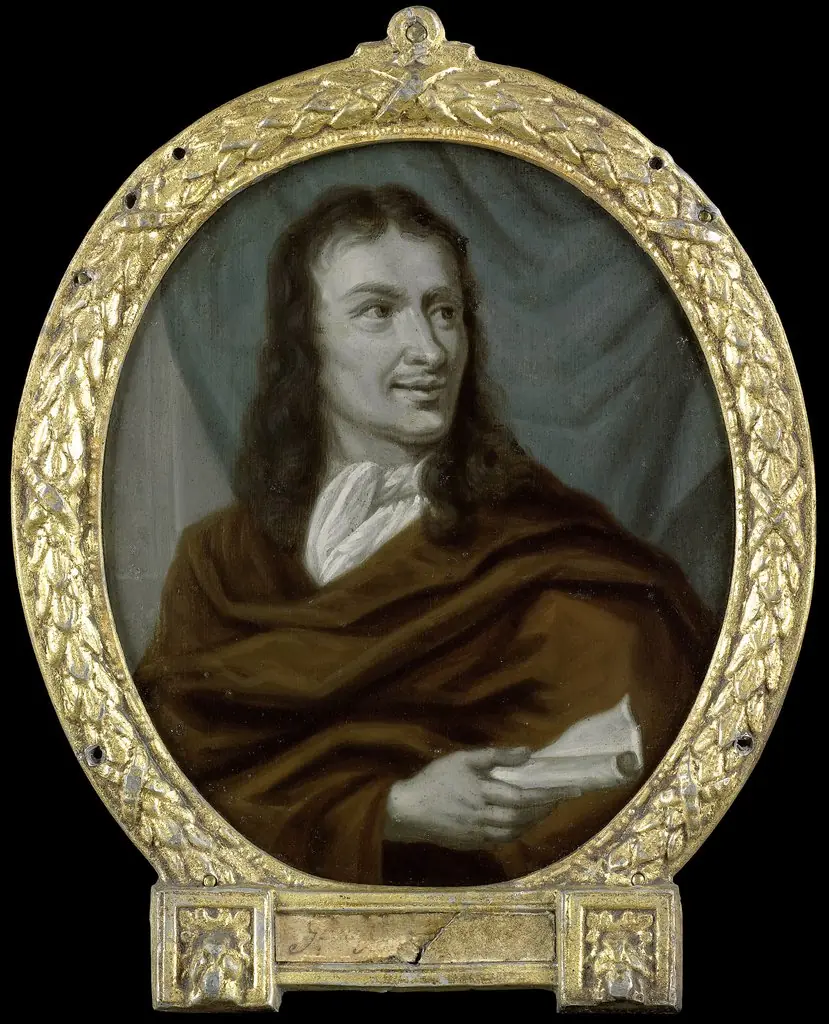 Portrait of Pieter Verhoek (1633-1702)
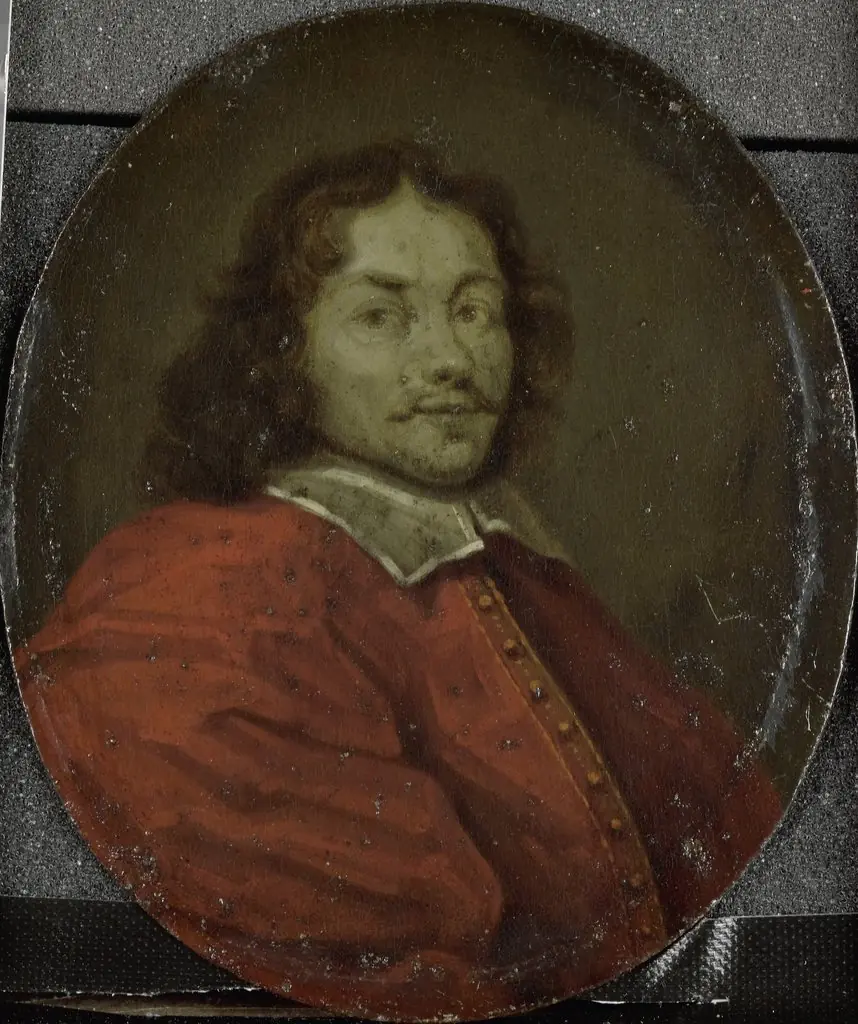 Portrait of Matthijs Gansneb, called Tengnagel, Poet in Amsterdam
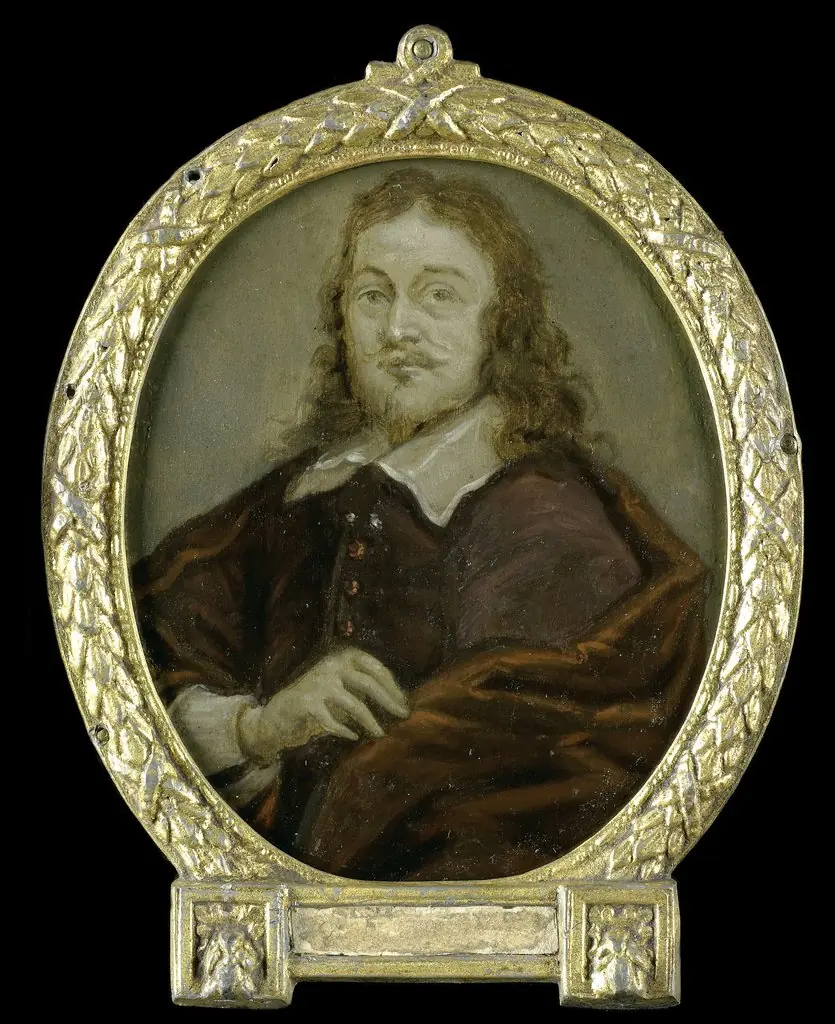 Portrait of the painter Bonaventura Peeters I (1614-52)
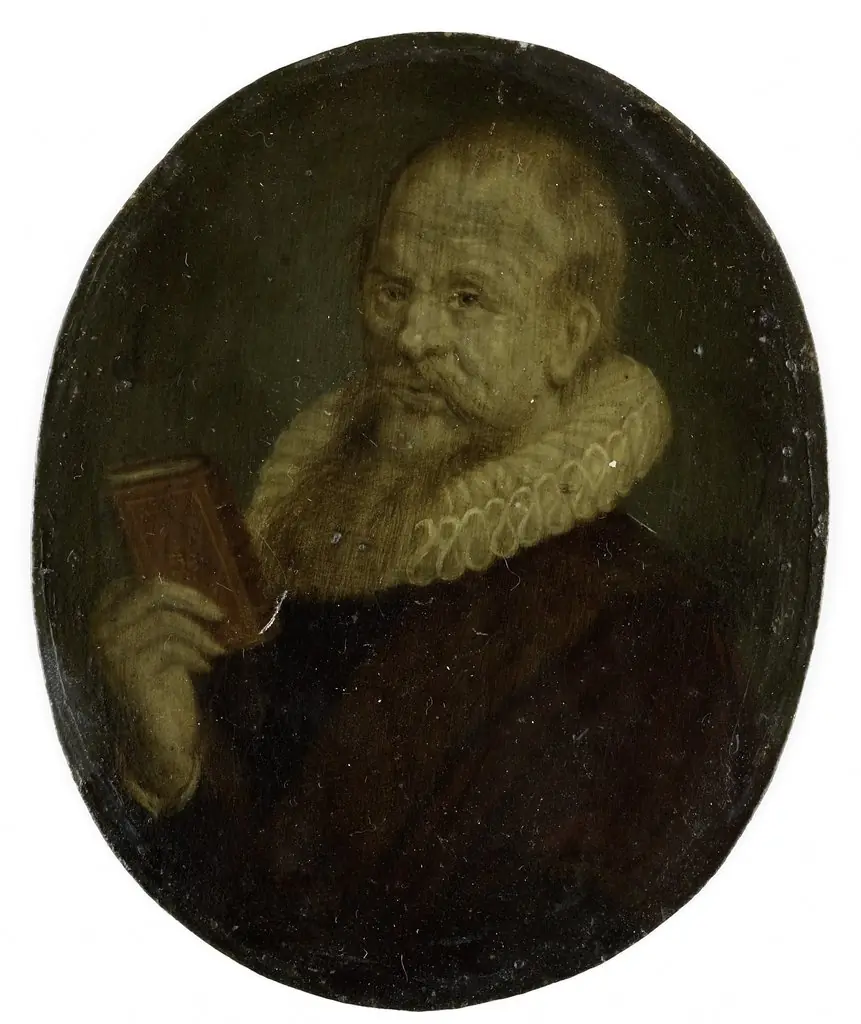 Portrait of Theodorus Schrevelius (1572-1653)
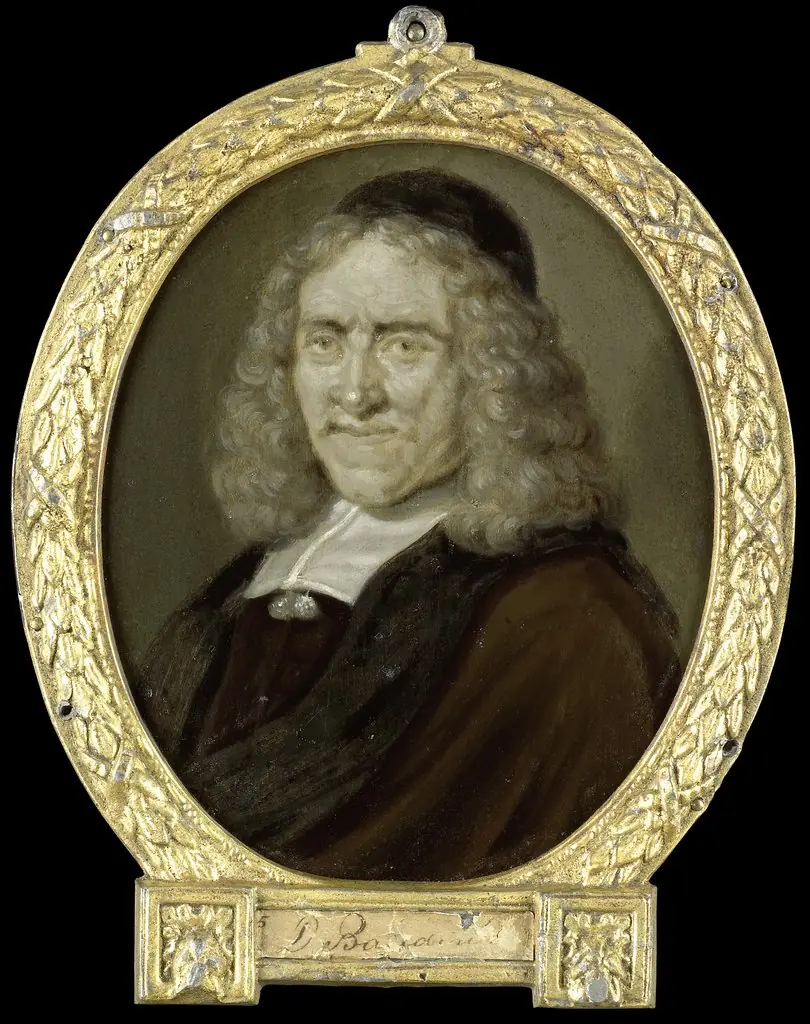 Portrait of Willem Jacobsz van Heemskerck, Poet and Engraver on Glass
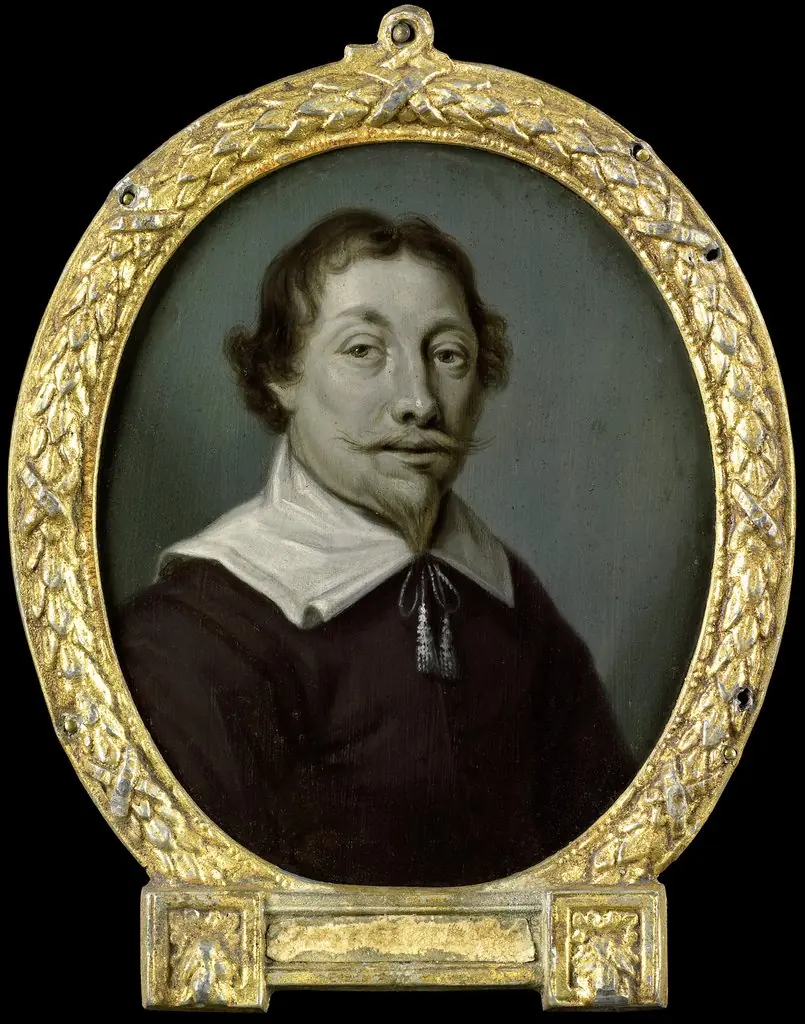 Portrait of Jan van der Veen, Pharmacist and Poet in Deventer
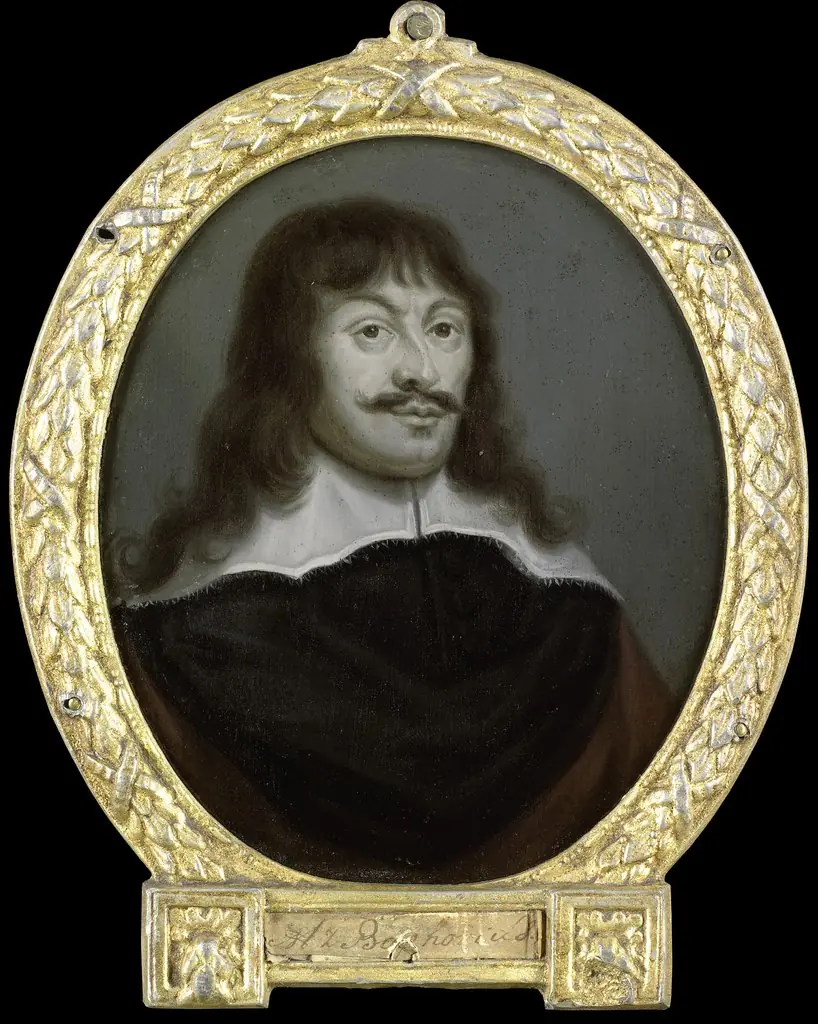 Portrait of Marcus Zuërius van Boxhorn, Historian and Professor at Leiden
 Untitled
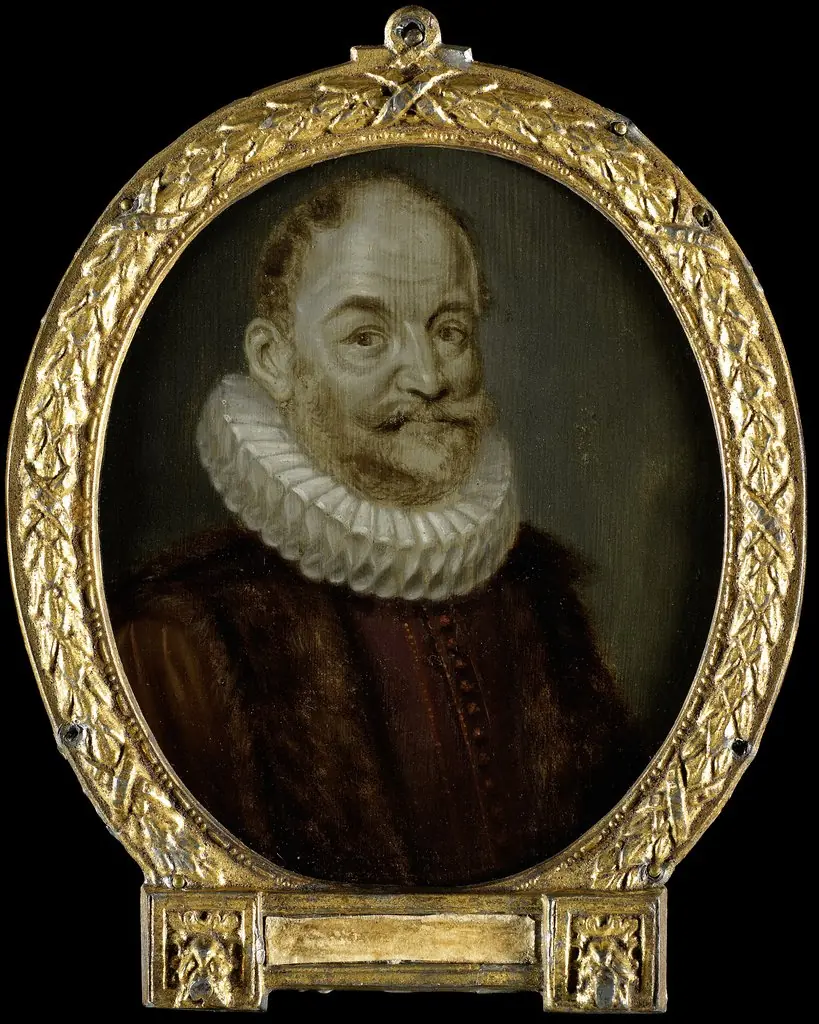 Portrait of Johannes Polyander à Kerckhoven, Professor of Theology in Leiden
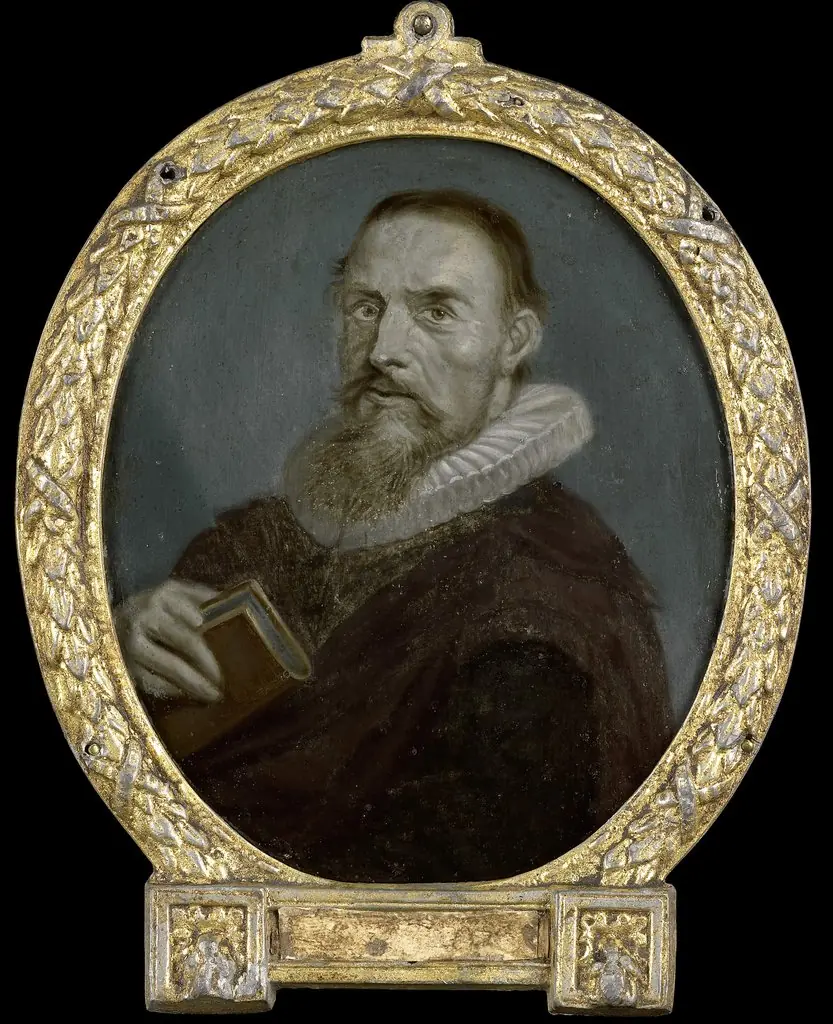 Portrait of Samuel Ampzing (ca.1591-1632)
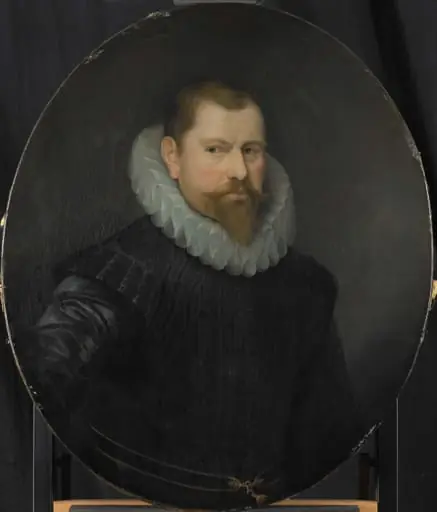 Portrait of Cornelis Matelieff the Younger, Director of the Rotterdam Chamber of the Dutch East India Company, elected 1602
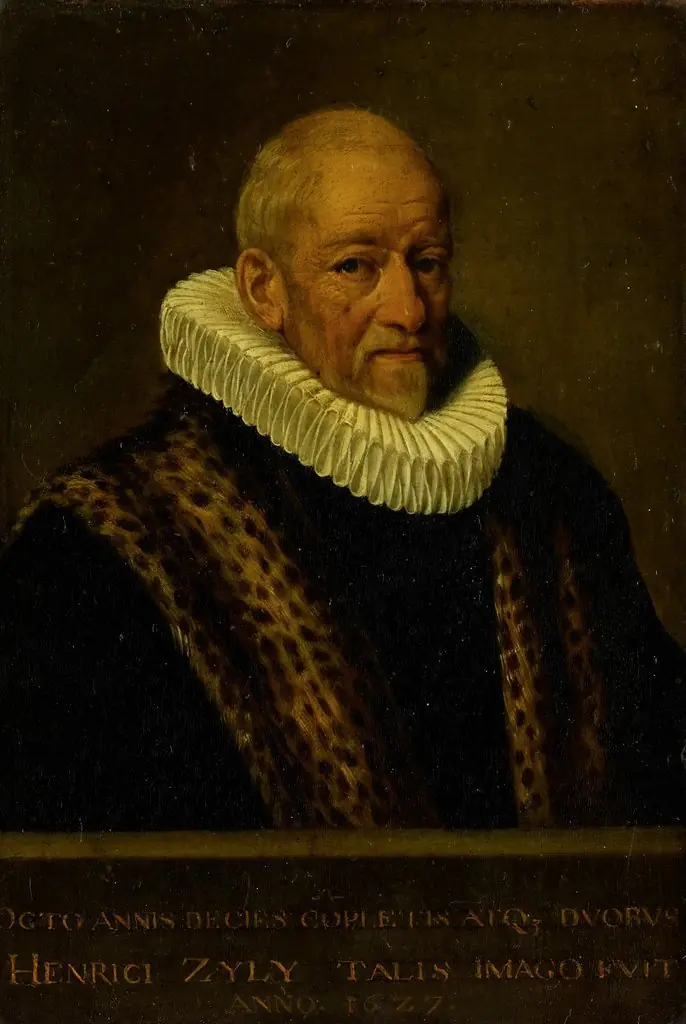 Portrait of Henricus van Zijl (1545-1627)
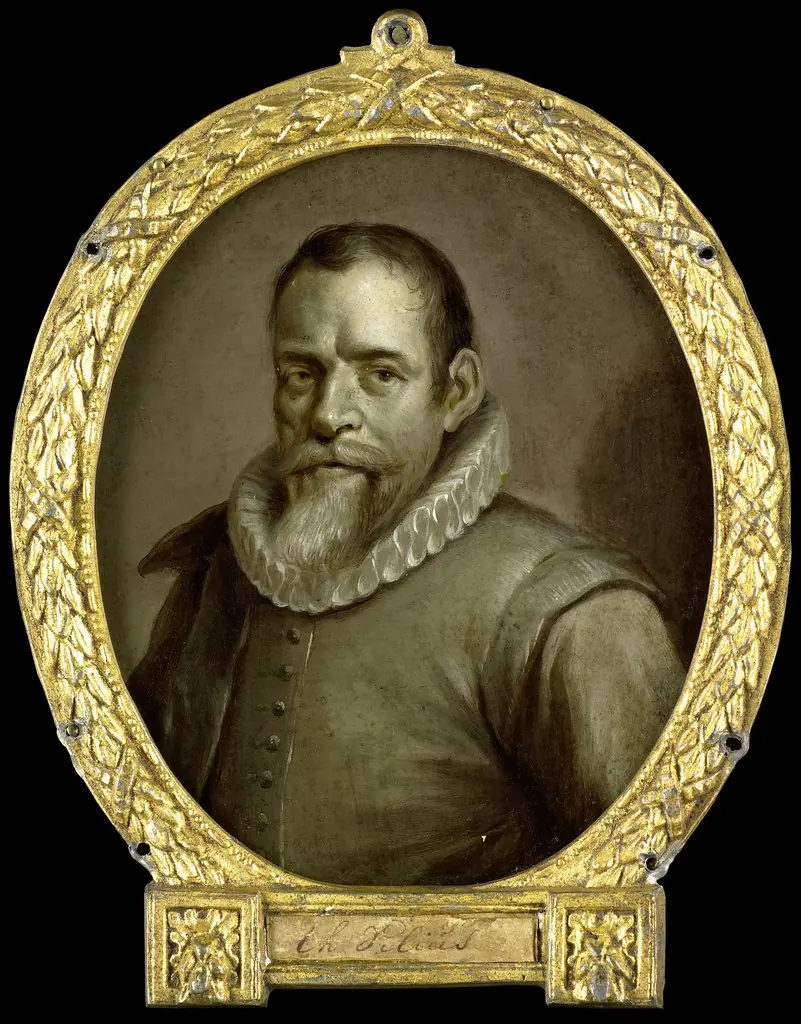 Portrait of Theodorus Velius, Writer of the Chronicle of Horn
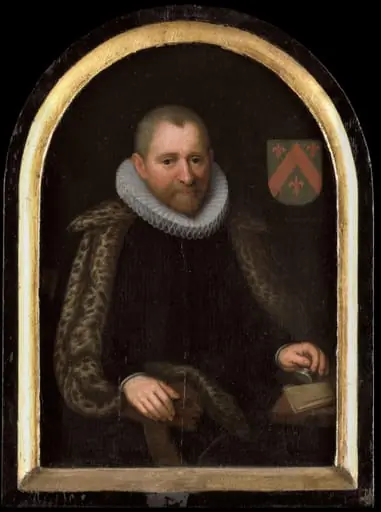 Portrait of Gerrit Willemsz van Schoterbosch (c. 1538-1611)
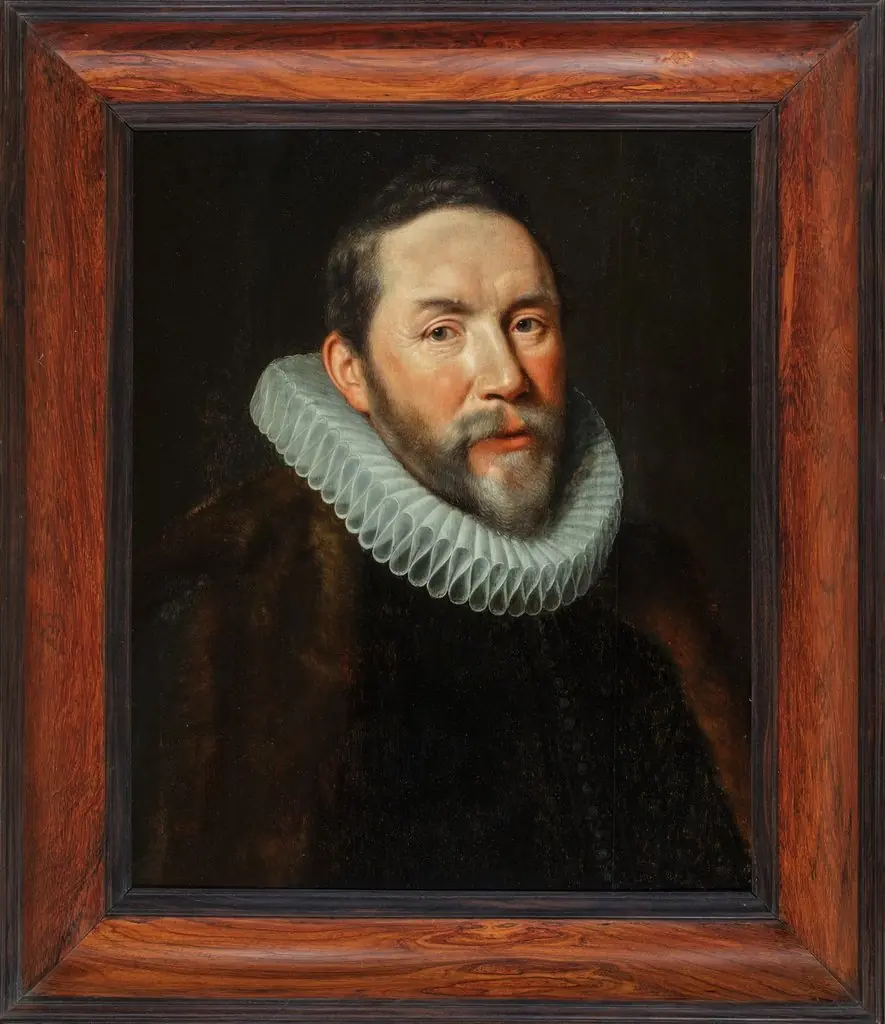 Portrait of Nicolaes Grevinckhoven (1577-1632)