Artwork
The Calling of the Sons of Zebedee
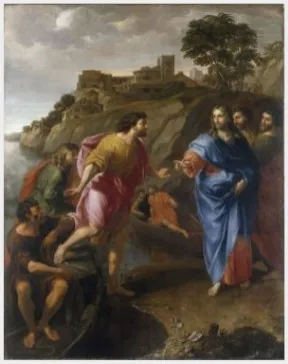
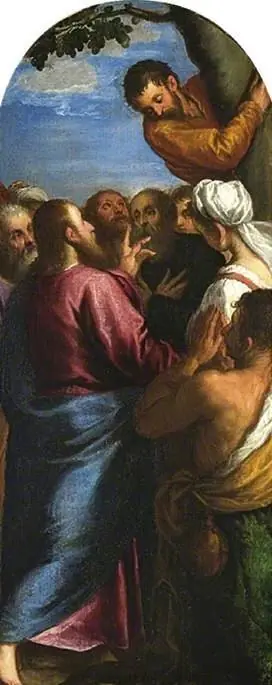
The Calling of the Sons of Zebedee is an oil painting by the French Classical Baroque artist Arnould de Vuez. It dates from 1690 and is held in the collection of the National Gallery of Ireland.
About this work
Overview
Painted in 1690 by Arnould de Vuez, this oil-on-canvas work illustrates a moment from the Gospels in which Jesus calls Simon Peter and Andrew, sons of Zebedee, to become his disciples. The painting is part of the collection at the National Gallery of Ireland, where it remains one of the few documented religious works by the artist.
Subject & Meaning
The scene captures Jesus addressing two fishermen on the shore, signaling them to leave their nets and follow him. The gesture conveys divine authority, while the figures’ hesitation and turned bodies suggest the weight of the decision. The moment reflects a broader theme of spiritual vocation and the abandonment of worldly labor for a higher calling.
Technique & Style
De Vuez employs a restrained palette of earth tones and muted blues, emphasizing naturalism over dramatic flair. Figures are rendered with careful attention to posture and drapery, showing influence from Flemish realism. The composition is balanced, with Jesus positioned slightly off-center to draw the viewer’s eye toward the interaction between the divine and the mortal.
History & Provenance
The painting was likely commissioned for a private devotional setting in the late 17th century. It entered the National Gallery of Ireland’s collection in the 19th century, possibly through a donation or acquisition from a private Irish collector. Its provenance before that remains poorly documented, reflecting the limited archival record for de Vuez’s oeuvre.
Context
Arnould de Vuez worked primarily in Lille during a period when religious imagery remained central to Northern European art, despite growing secular trends. His style aligns with regional traditions that favored quiet, intimate biblical scenes over the theatricality of Italian Baroque. This work reflects the continued demand for devotional art in Catholic regions of the Low Countries.
Legacy
Though not widely exhibited or studied, the painting offers insight into the persistence of religious narrative painting in late 17th-century Flanders. It stands as a modest but authentic example of a regional artist’s engagement with biblical themes, preserving a visual language that connected everyday piety with scriptural story.
Artist & collection

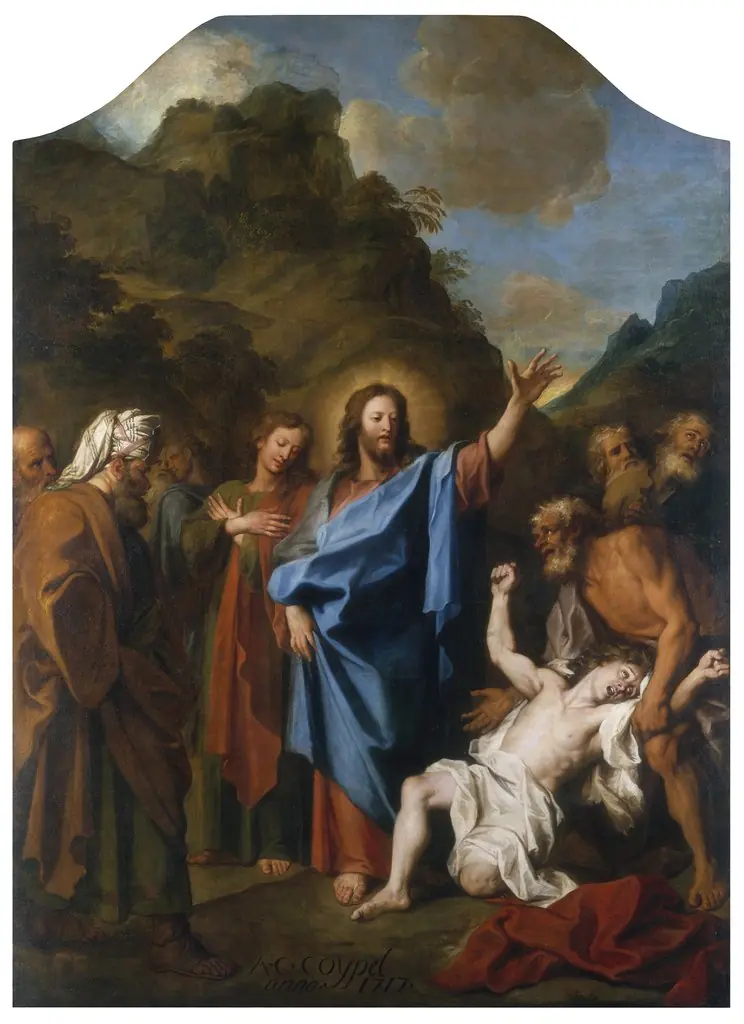 Christ Curing a Possessed Man
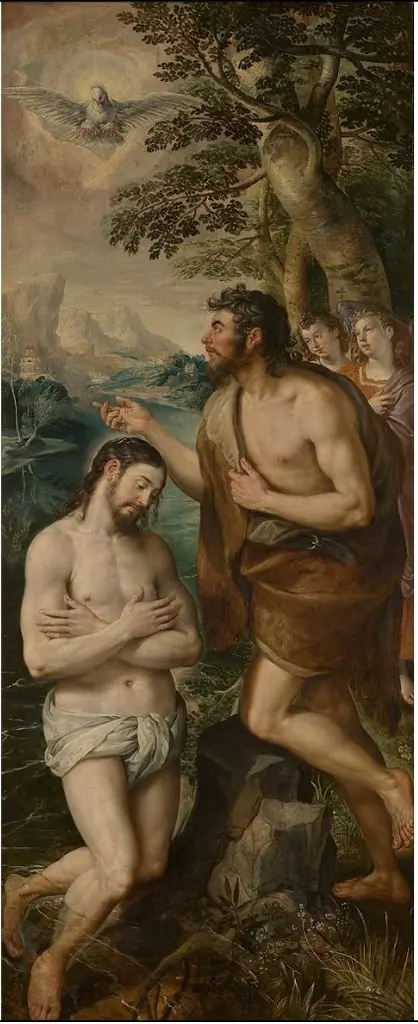 The Baptism of Christ
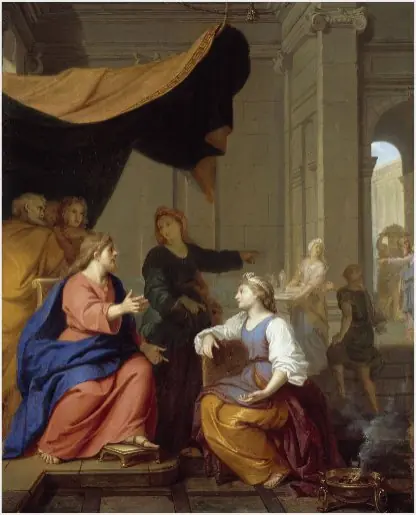 Christ in the House of Martha and Mary
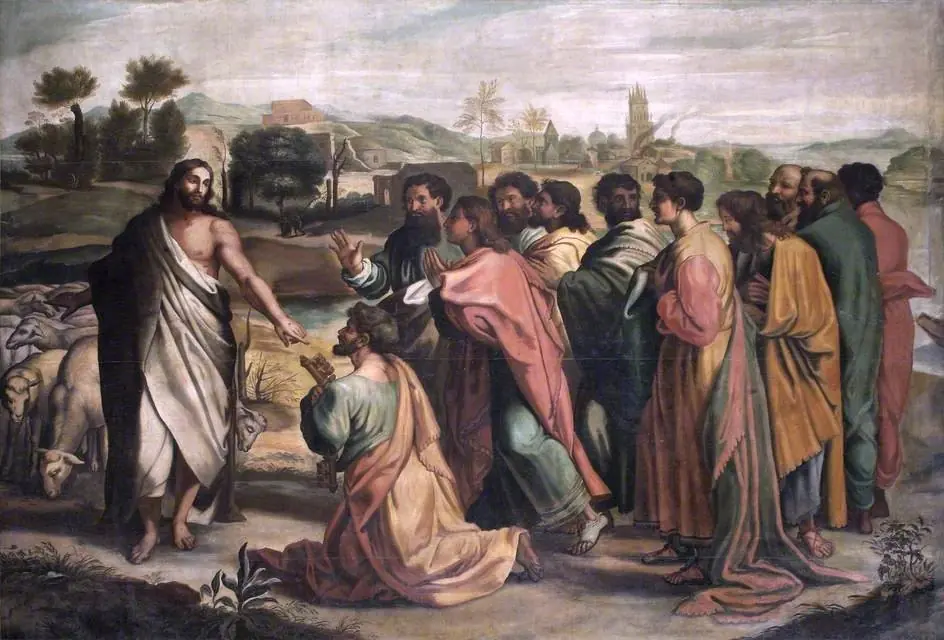 Christ's Charge to St Peter
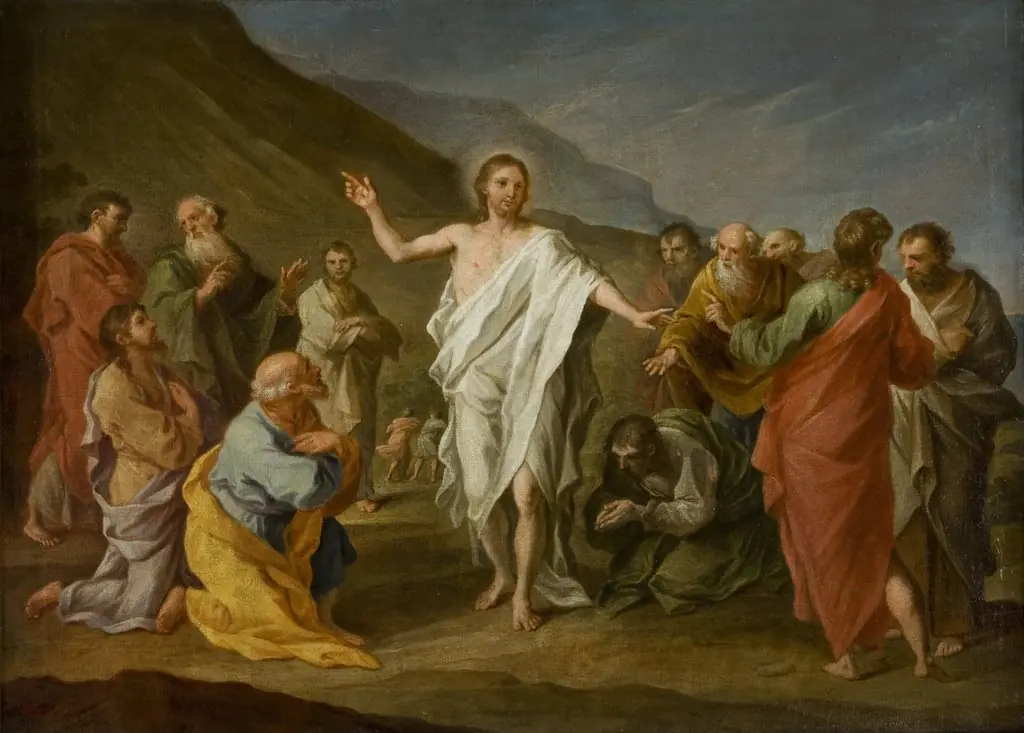 Christ Appearing to the Apostles after the Resurrection
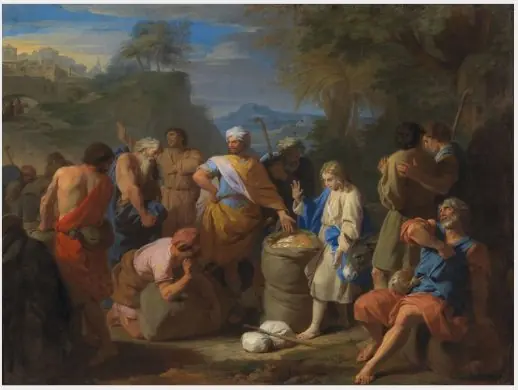 The Finding of Joseph's Cup in Benjamin's Sack
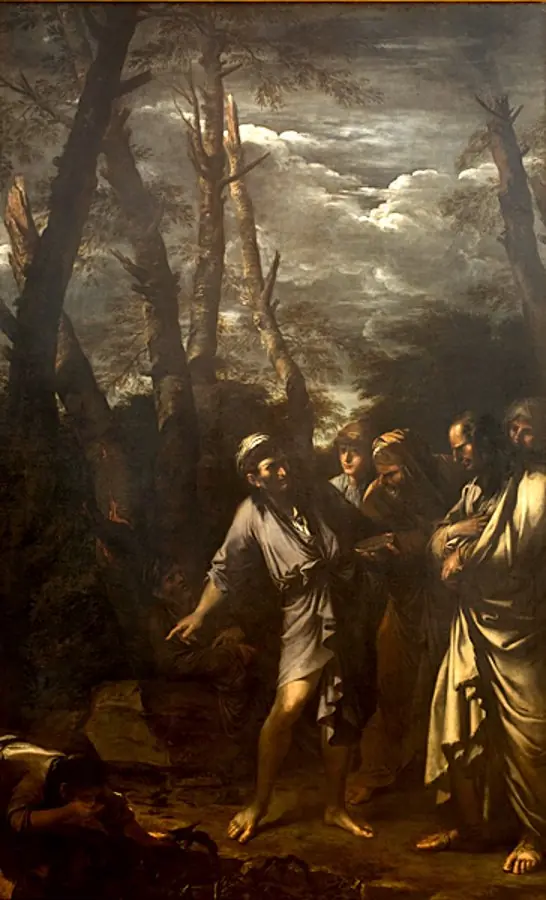 Diogenes Throwing away his Drinking Cup
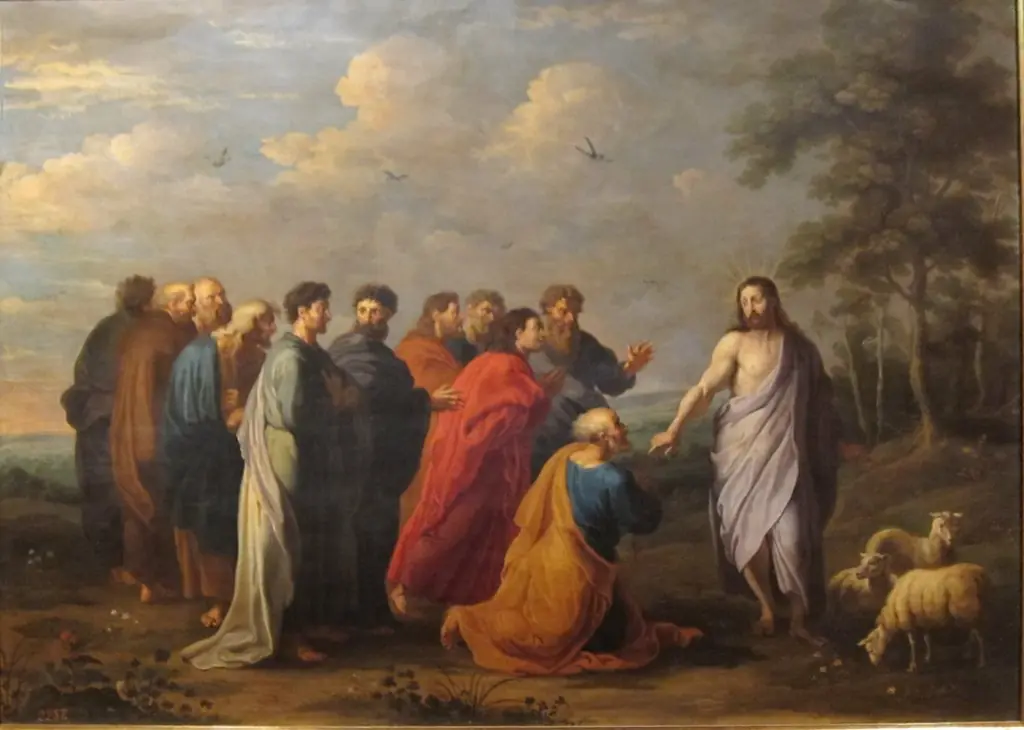 Jesucristo entregando las llaves a San Pedro
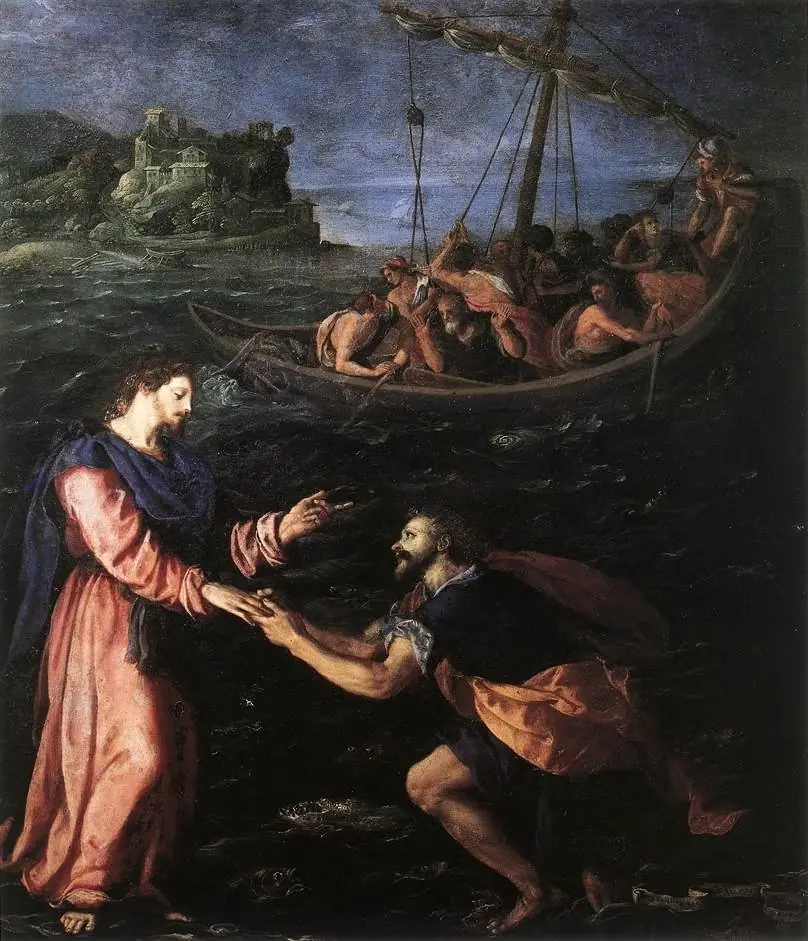 St Peter Walking on the Water
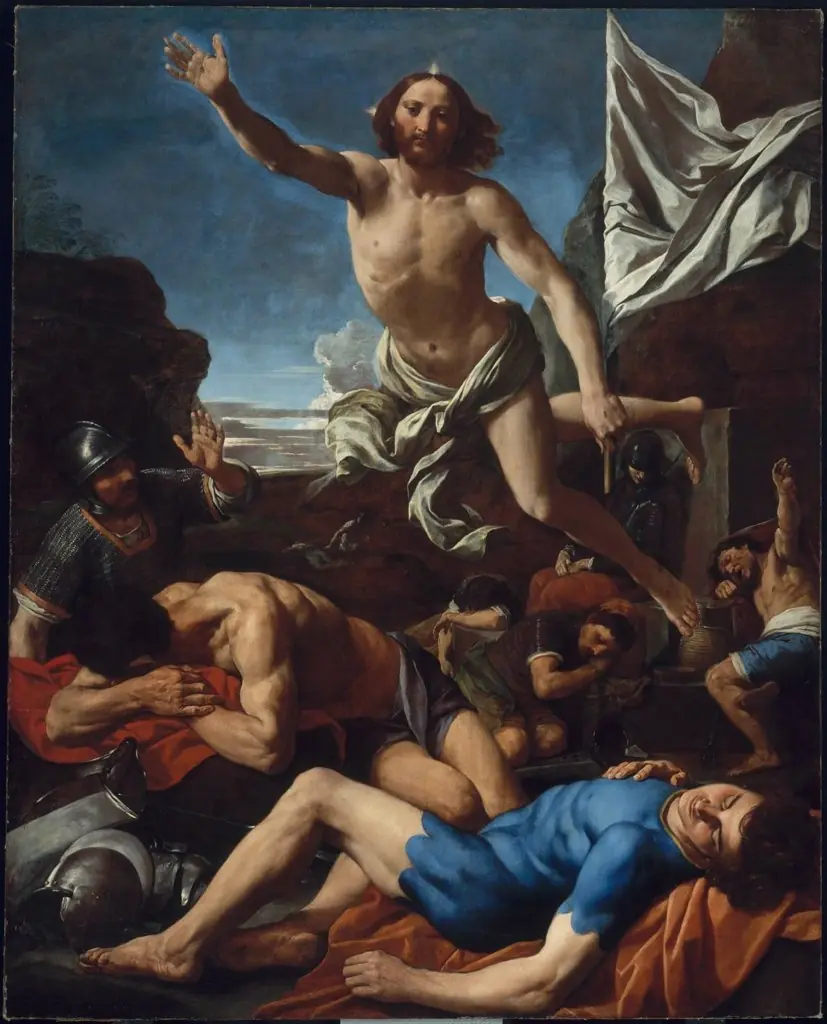 The Risen Christ
 The Resurrection
 Christ calling Zacchaeus