Artwork
Christ's Charge to St Peter
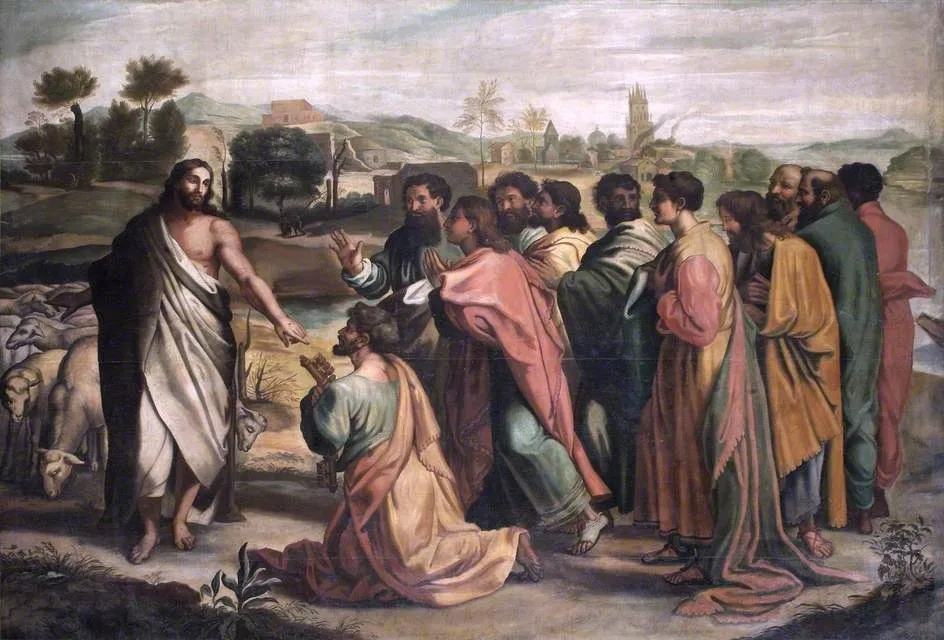
Christ's Charge to St Peter is an oil painting by the High Renaissance artist Raphael. It dates from 1511 and is held in the collection of the Ashmolean Museum.
About this work
Overview
Raphael's 'Christ's Charge to St Peter' is a religious oil painting from circa 1511, housed at the Ashmolean Museum. The work depicts a pivotal biblical moment through a composition emphasizing figure interactions and subtle lighting.
Subject & Meaning
The painting illustrates the moment Jesus Christ commissions St Peter, shown kneeling, to lead the Church. Christ, distinguished by a white robe and dark cloak, extends his hand in a gesture of authority and trust, while a group of onlookers to the right observe the scene.
Technique & Style
Executed in oil paint, the work showcases a mastery of chiaroscuro, where contrasts of light and dark enhance the emotional depth of the scene. The focus on the figures' dynamics and the muted, naturalistic background of trees, hills, and buildings under a cloudy sky reflects Raphael's characteristic balance of detail and restraint.
History & Provenance
Created around 1511, the painting's early history is not extensively detailed in the provided sources, but it is currently part of the Ashmolean Museum's collection.
Context
Painted during the High Renaissance, 'Christ's Charge to St Peter' aligns with the period's emphasis on religious themes, classical influences, and innovative uses of light and shadow, characteristic of Raphael's contributions to the era.
Artist & collection
Artist
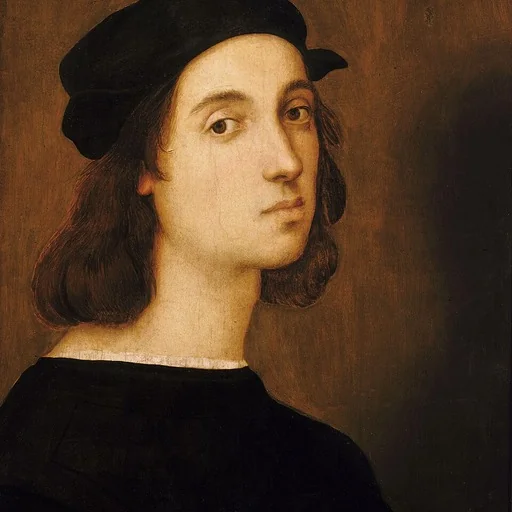
Raphael was born Raffaello Sanzio in Urbino on April 6, 1483, the son of Giovanni Santi, a painter and poet attached to the ducal court.

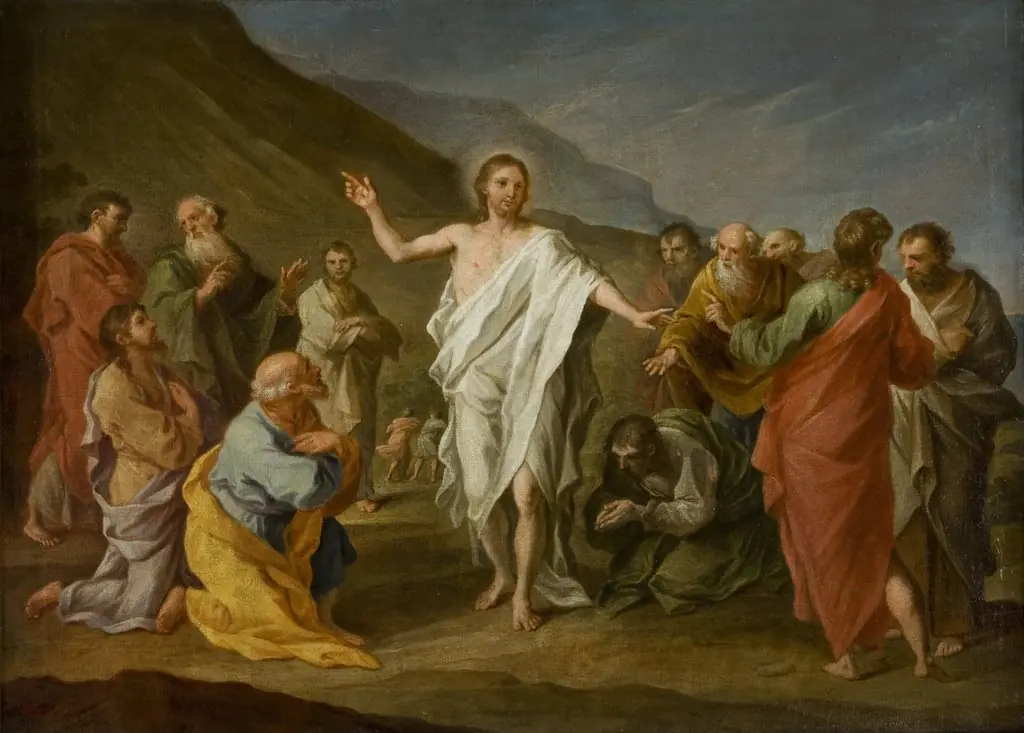 Christ Appearing to the Apostles after the Resurrection
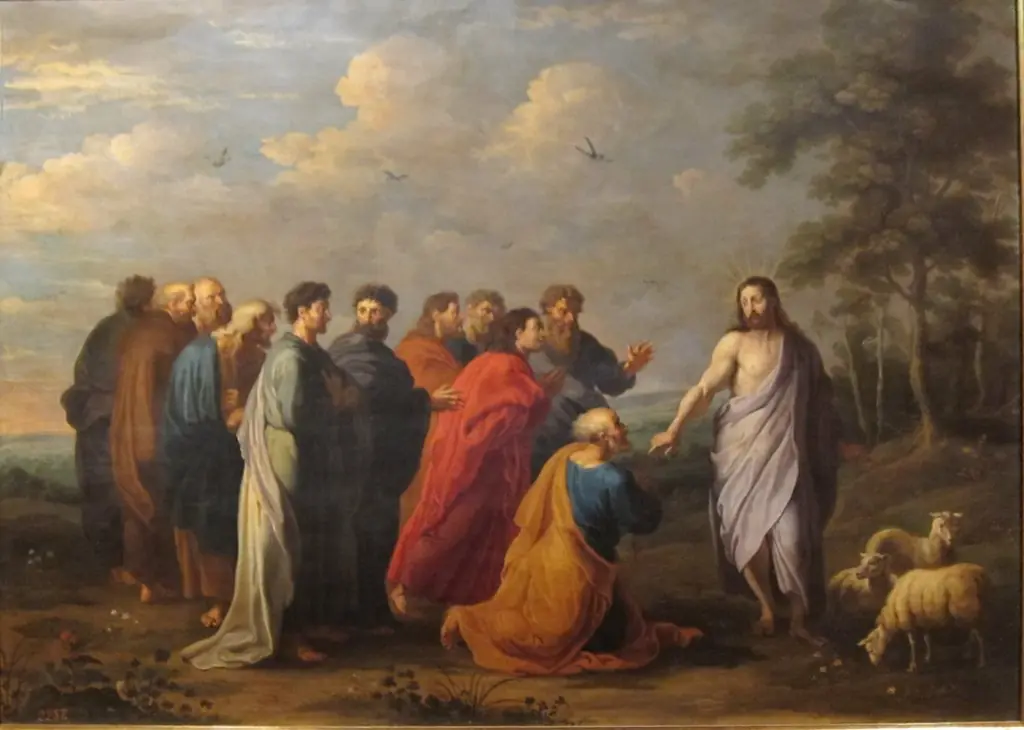 Jesucristo entregando las llaves a San Pedro
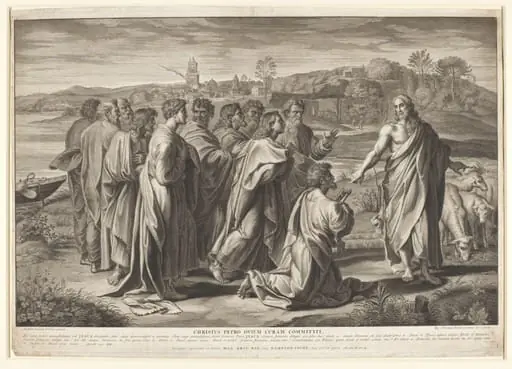 Christ's Charge to Peter
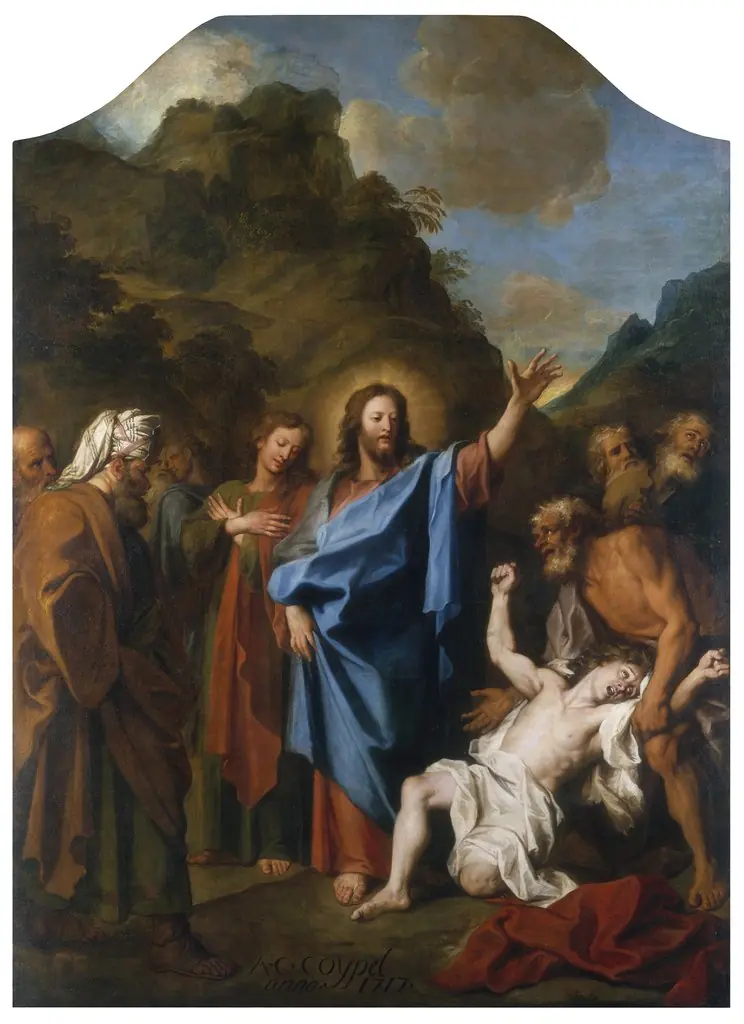 Christ Curing a Possessed Man
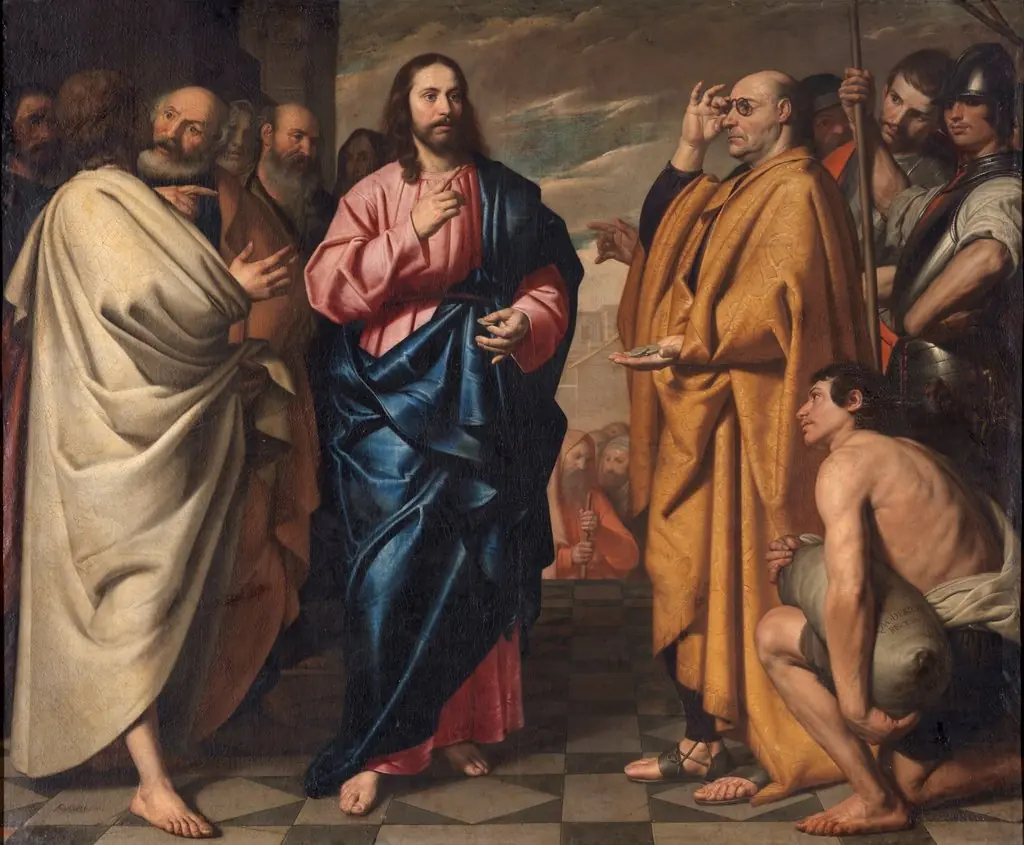 La moneda del César
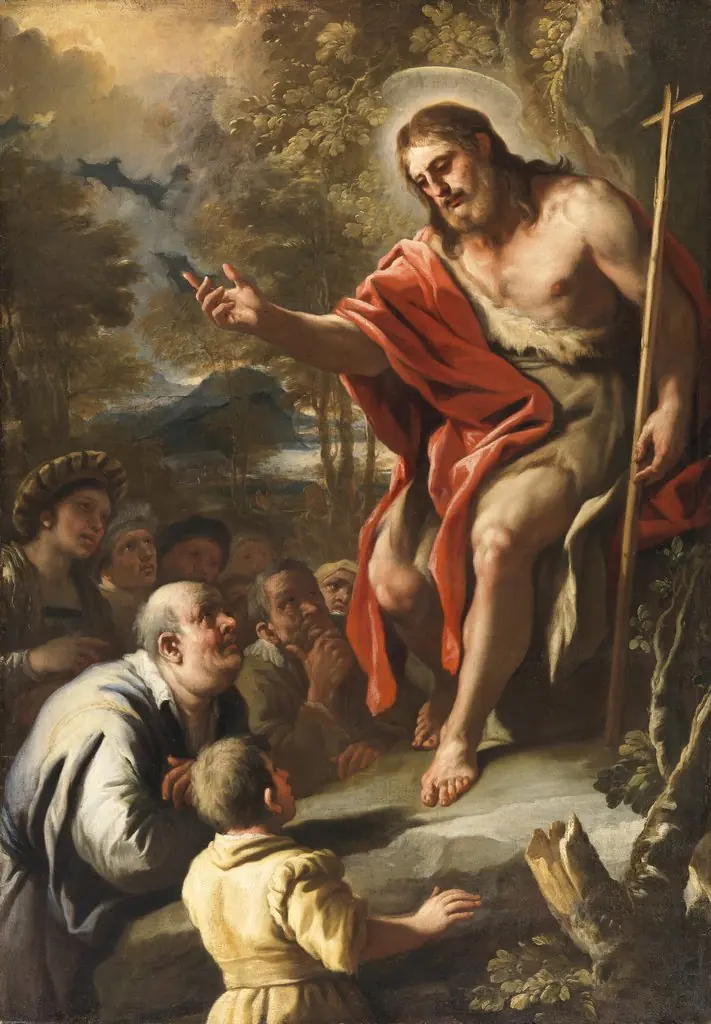 Saint John Preaching in the Wilderness
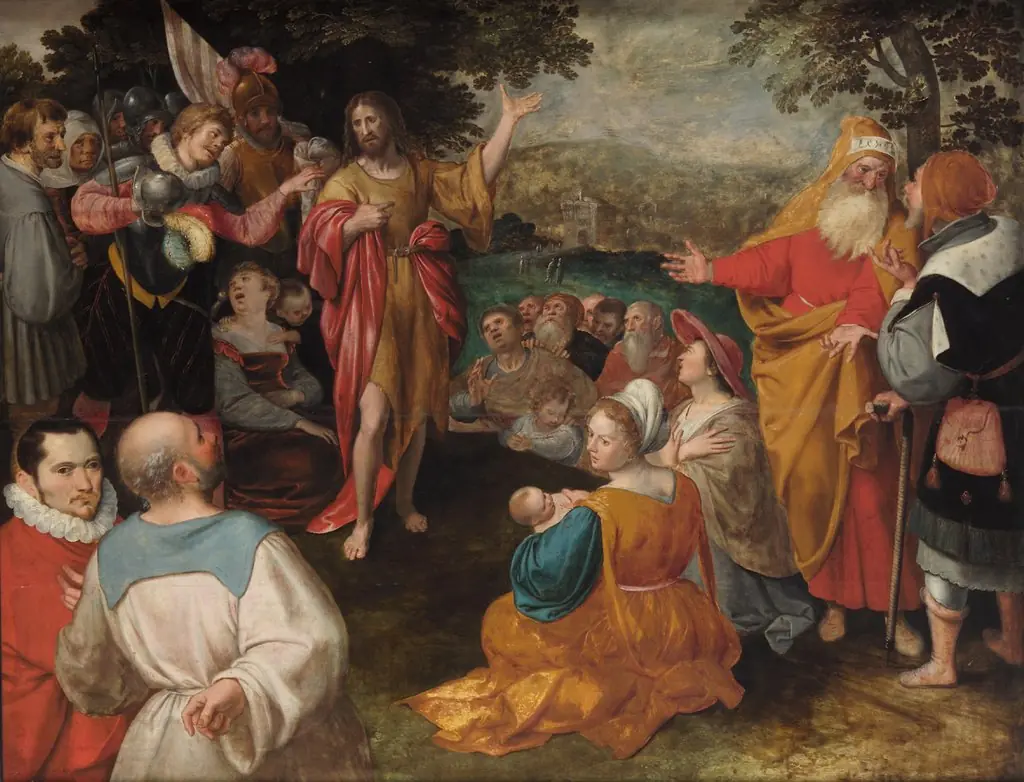 Predigt Johannes d. Täufers
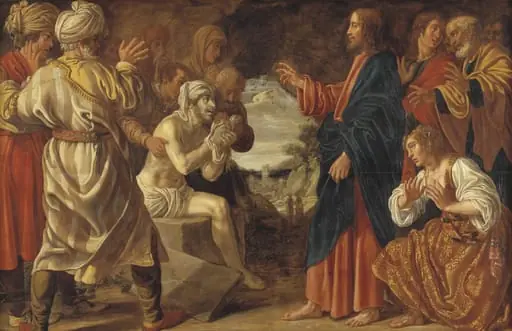 The Raising of Lazarus
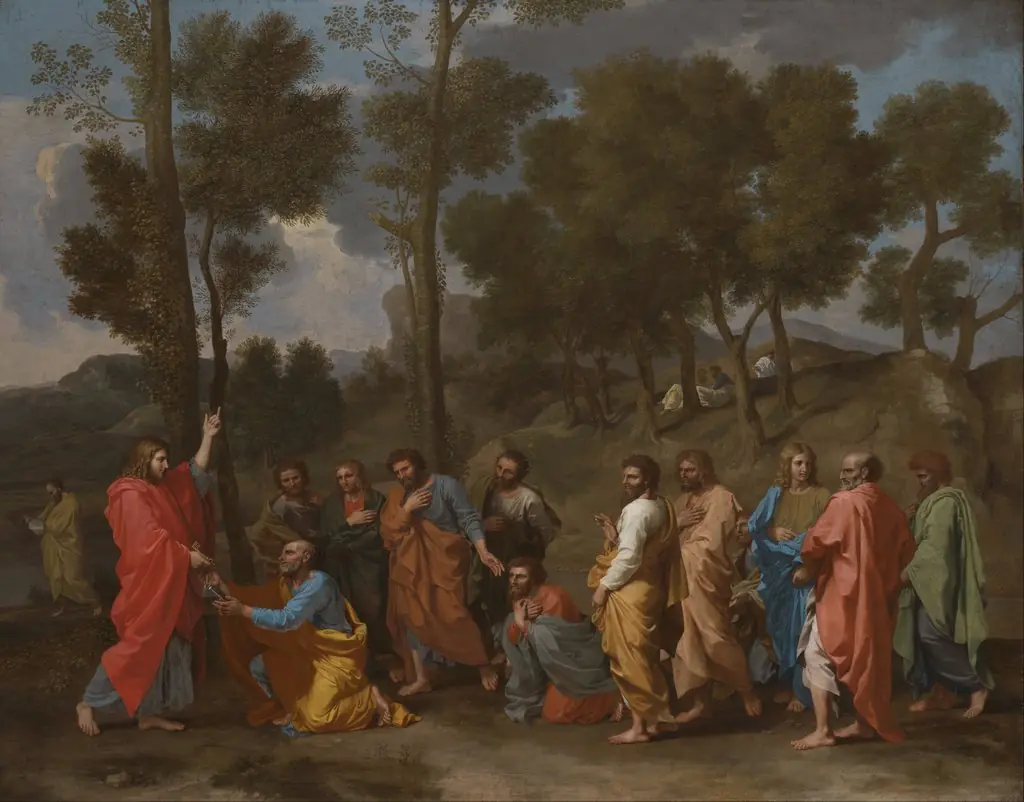 Ordination
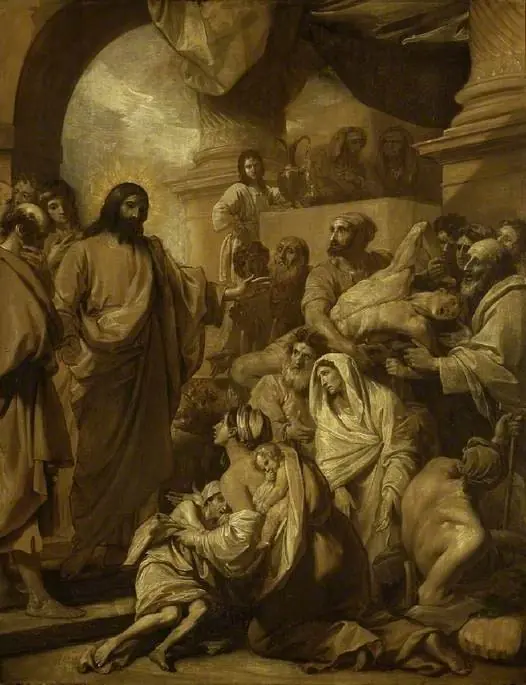 Christ healing the sick in the temple