Artwork
Diogenes Throwing away his Drinking Cup
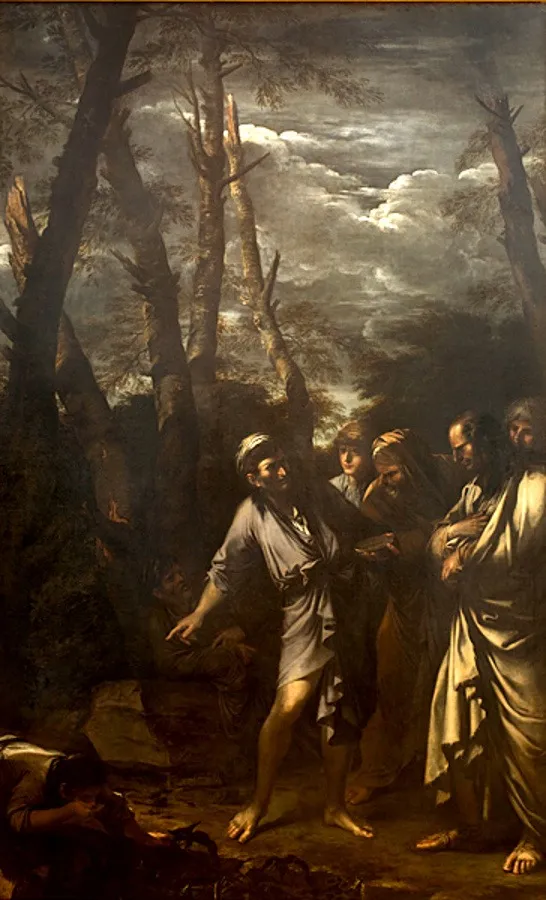
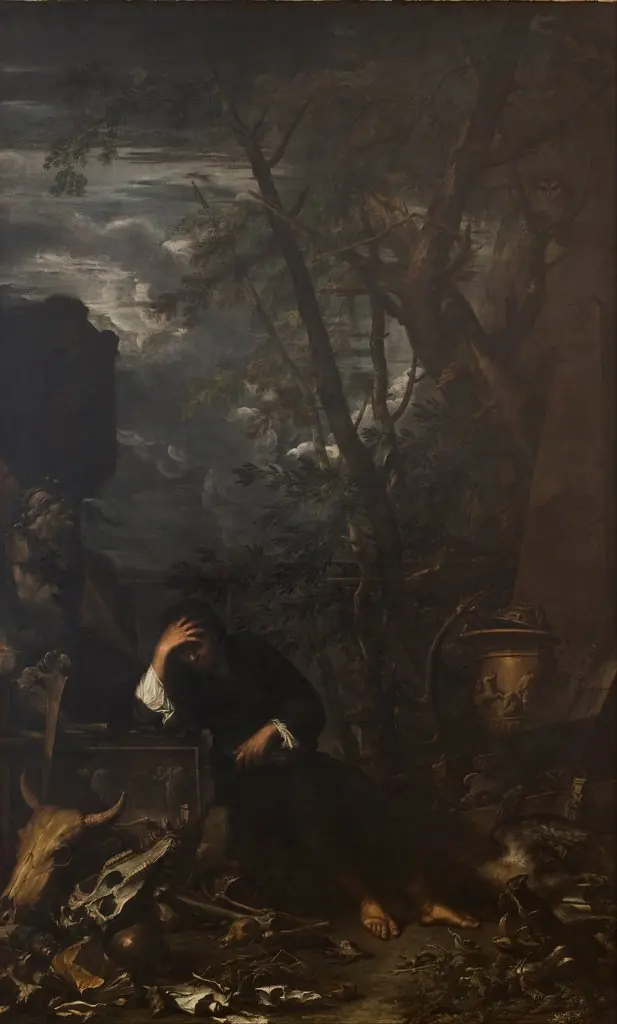
Diogenes Throwing away his Drinking Cup is an oil painting by the Early Baroque Italian artist Salvator Rosa. It dates from 1651 and is held in the collection of the Statens Museum for Kunst.
About this work
Overview
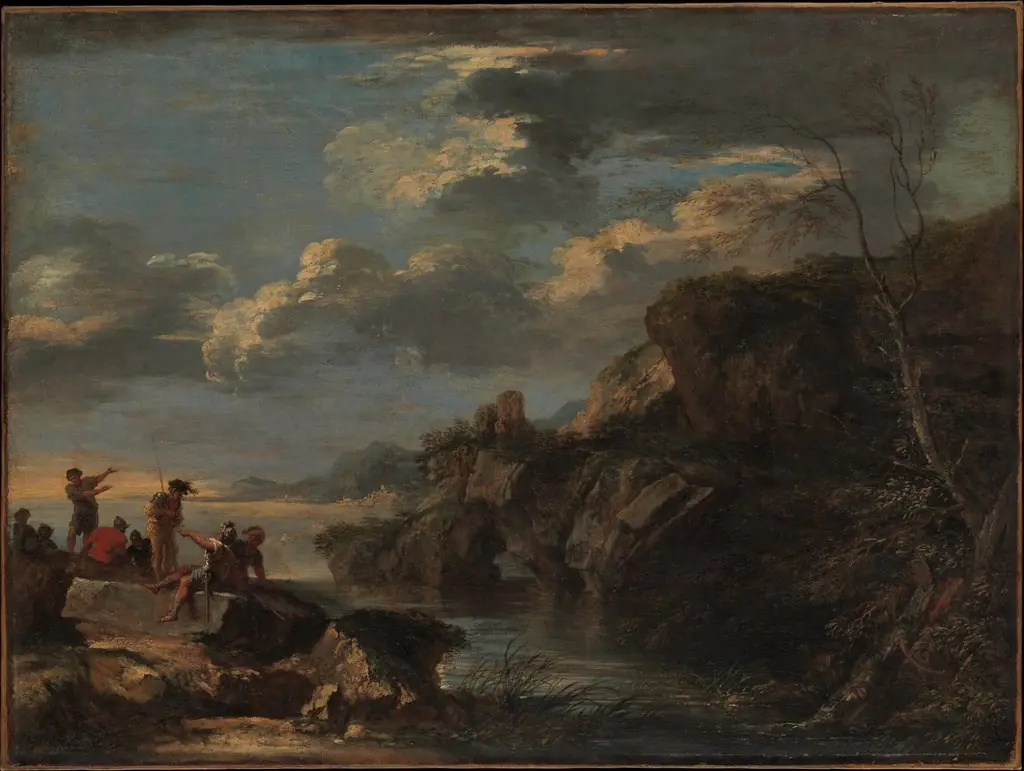
Created in 1651, this oil painting by the Italian Baroque artist Salvator Rosa portrays a moment from the life of the ancient philosopher Diogenes of Sinope. The composition shows the cynic discarding a drinking vessel while a small group of onlookers reacts, set against a dimly lit, forested landscape. The work is part of the collection of Denmark’s Statens Museum for Kunst.
Subject & Meaning
The scene captures Diogenes rejecting a cup, an episode traditionally interpreted as a symbolic renunciation of material comforts and conventional values. By casting the philosopher’s gesture in a dramatic, almost confrontational pose, the painting emphasizes his disdain for worldly pleasures, inviting viewers to contemplate the tension between ascetic ideals and societal expectations.
Technique & Style
Rosa employs the chiaroscuro typical of early Baroque painting, contrasting deep shadows with illuminated figures to heighten emotional intensity. The brushwork renders the torn tunic and rugged terrain with a tactile quality, while the limited palette of earth tones reinforces the twilight atmosphere. The arrangement of the surrounding figures, each reacting differently, adds narrative depth.
History & Provenance
Salvator Rosa, known for his landscapes, history scenes, and literary pursuits, produced this work while active in the artistic centers of Naples, Rome, and Florence. After changing hands over the centuries, the canvas entered the Statens Museum for Kunst, where it remains on display as part of the museum’s Baroque holdings.
Artist & collection
Artist
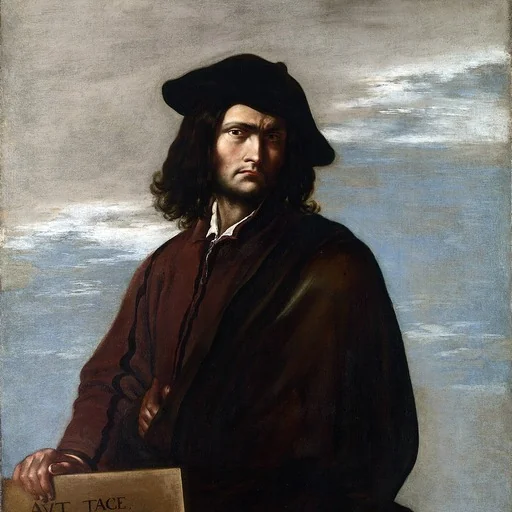
Salvator Rosa (1615 – 15 March 1673) is best known today as an Italian Baroque painter, whose romanticised landscapes and history paintings, often set in dark and untamed nature, exerted considerable influence from the 17th century into…

 Christ Led to Calvary
 Die Verleugnung Petri
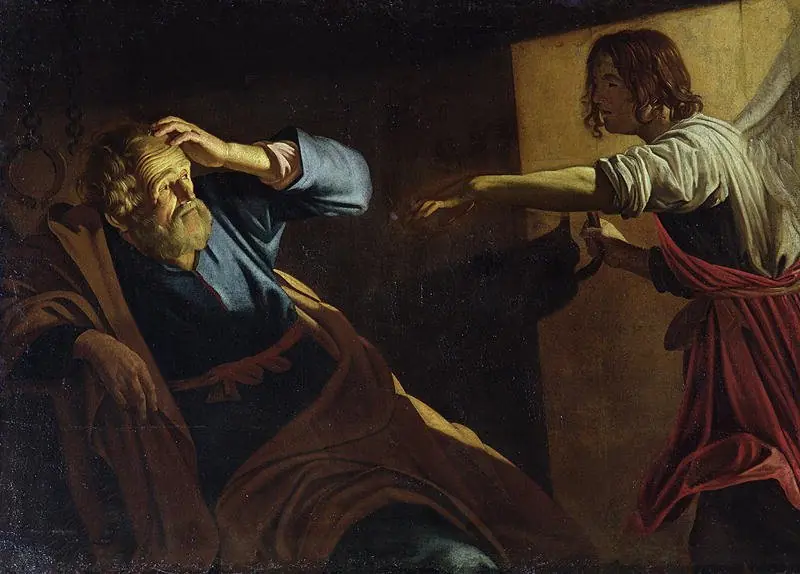 St. Peter's release from prison by the angel
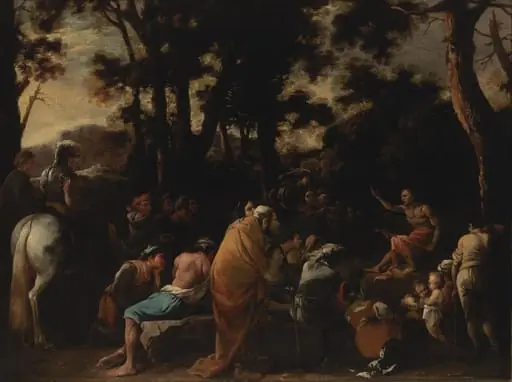 Johannes Kastaja saarnaa
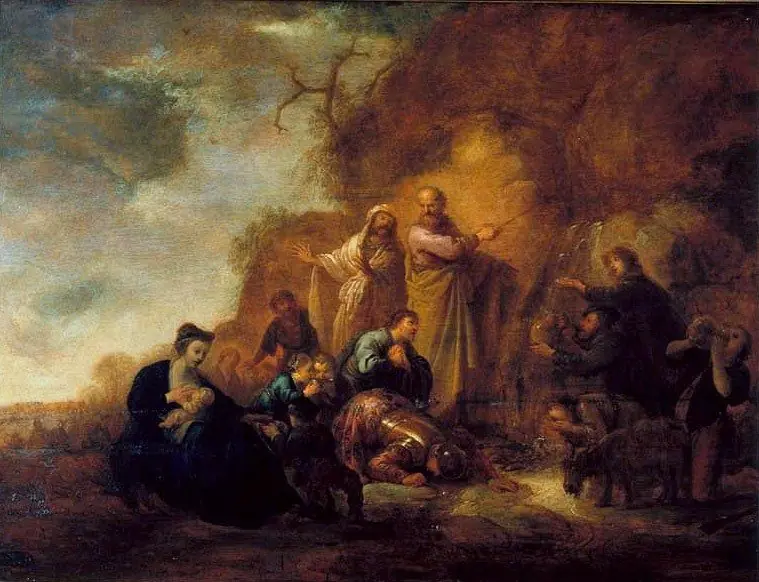 Moisés no Rochedo de Horeb
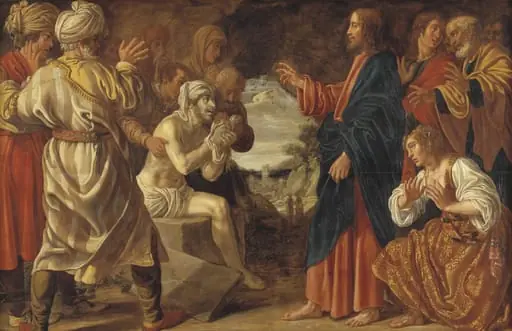 The Raising of Lazarus
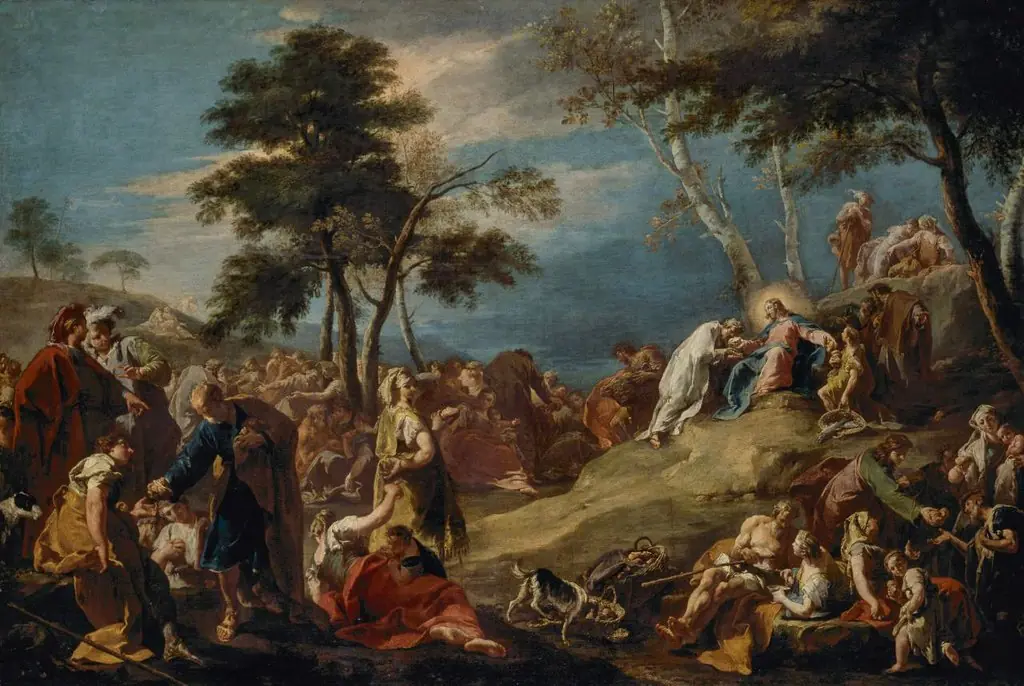 The miracle of the loaves and fishes
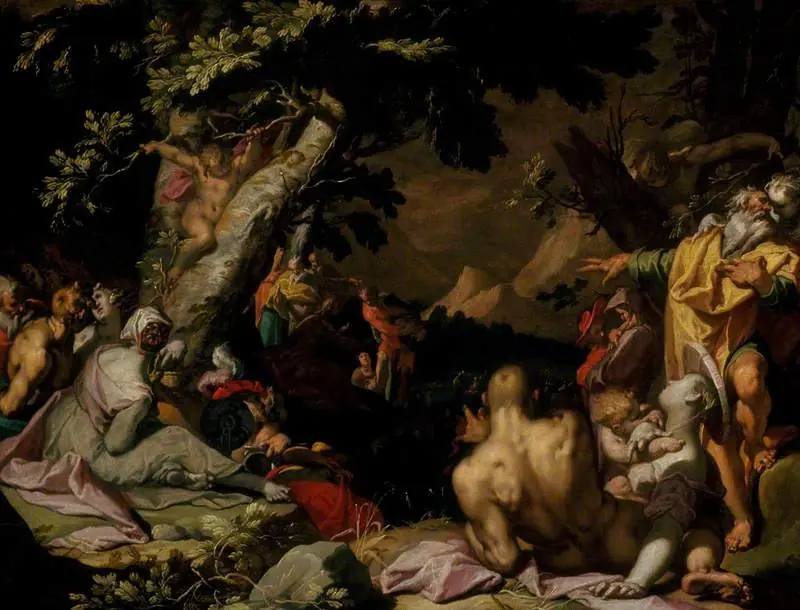 Miracle of the loaves (Jesus feeds the five thousand)
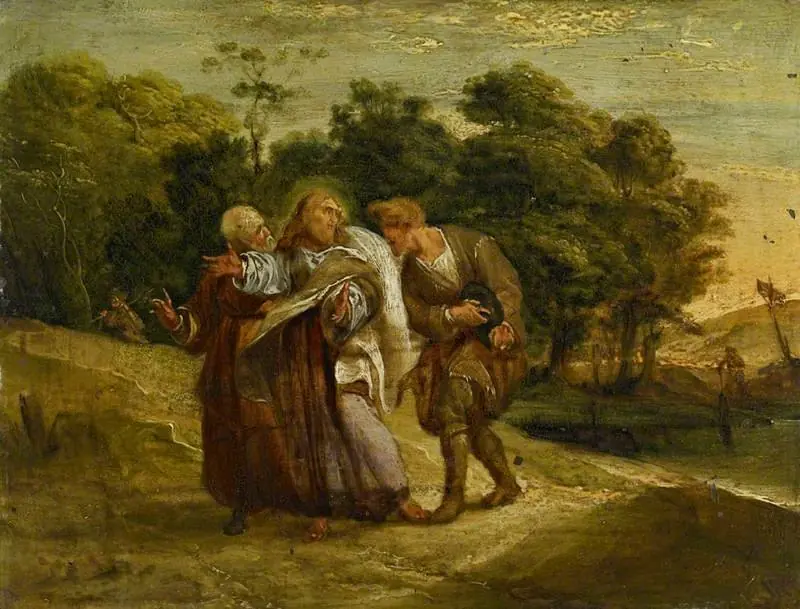 Christ with his Disciples on the Road to Emmaus
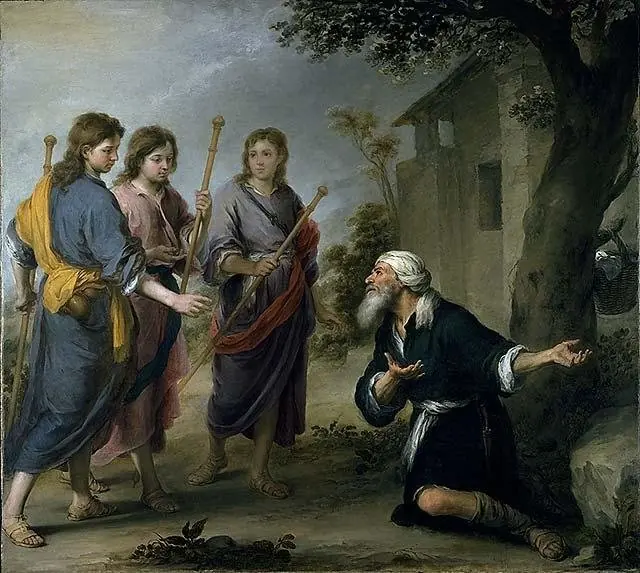 Abraham Receiving the Three Angels
 The Tribute Money
 Saint John the Baptist says goodbye to his Parents