Artwork
Sea wave
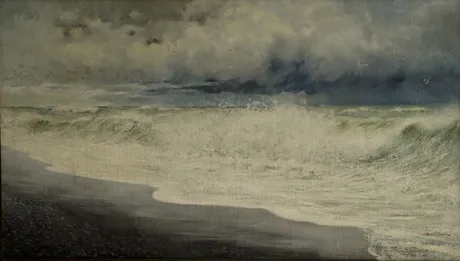
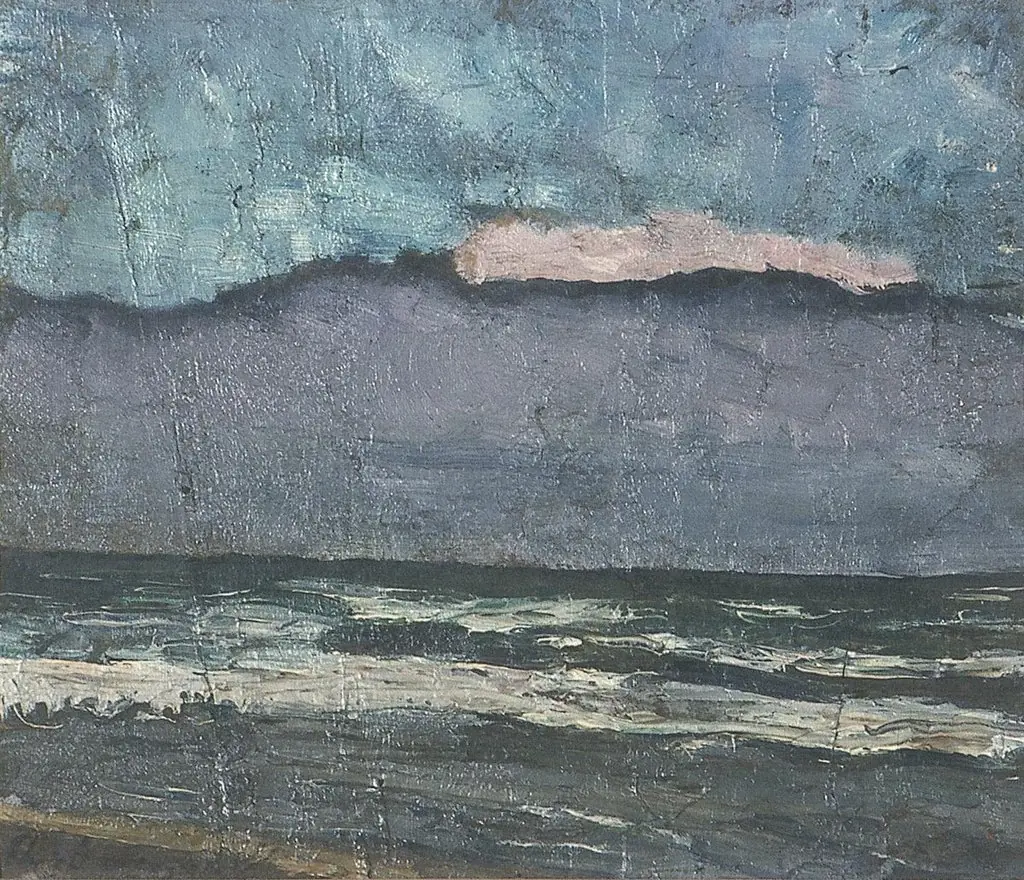
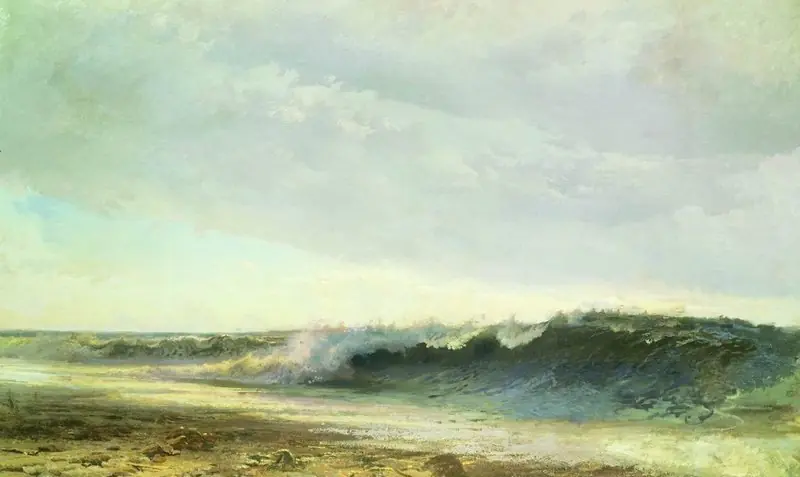
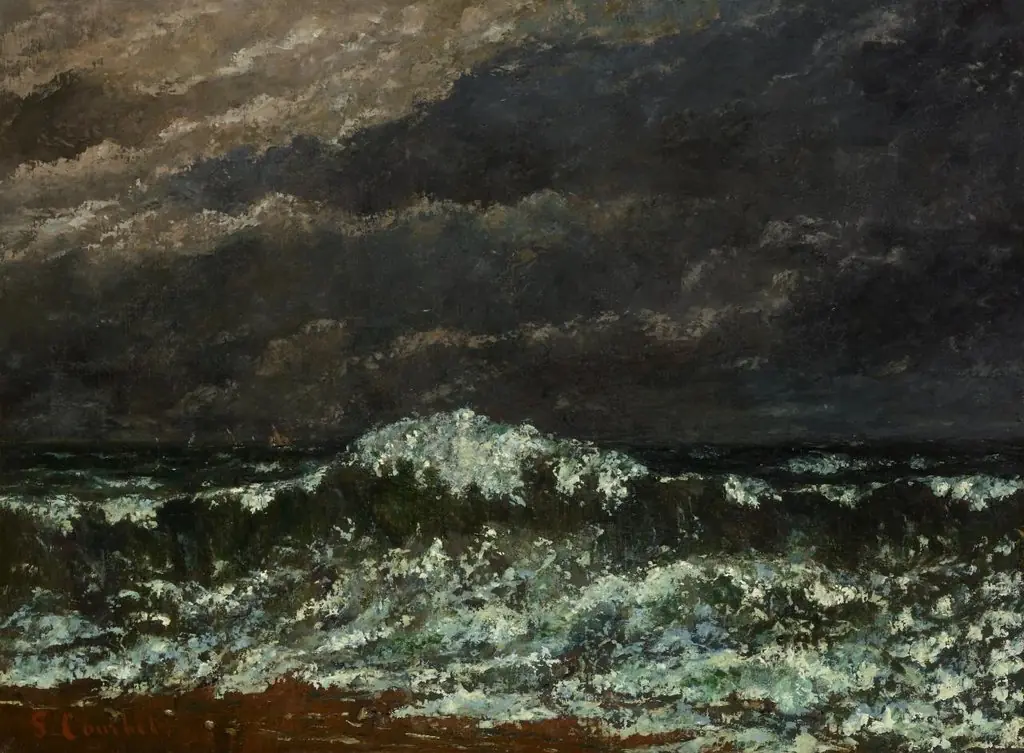
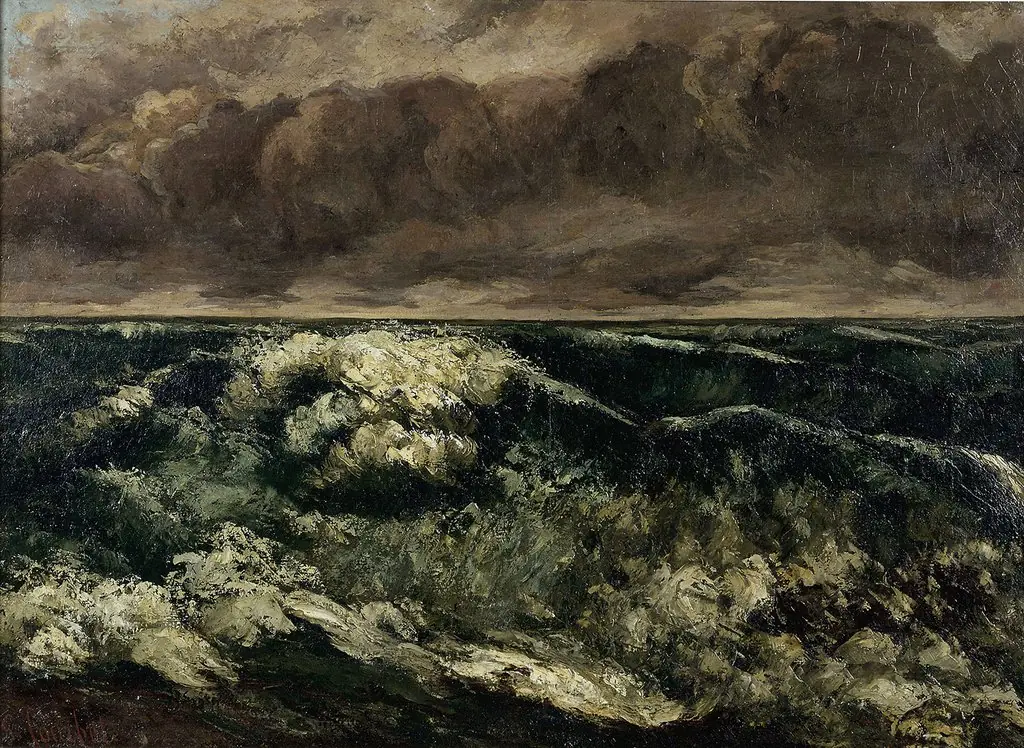
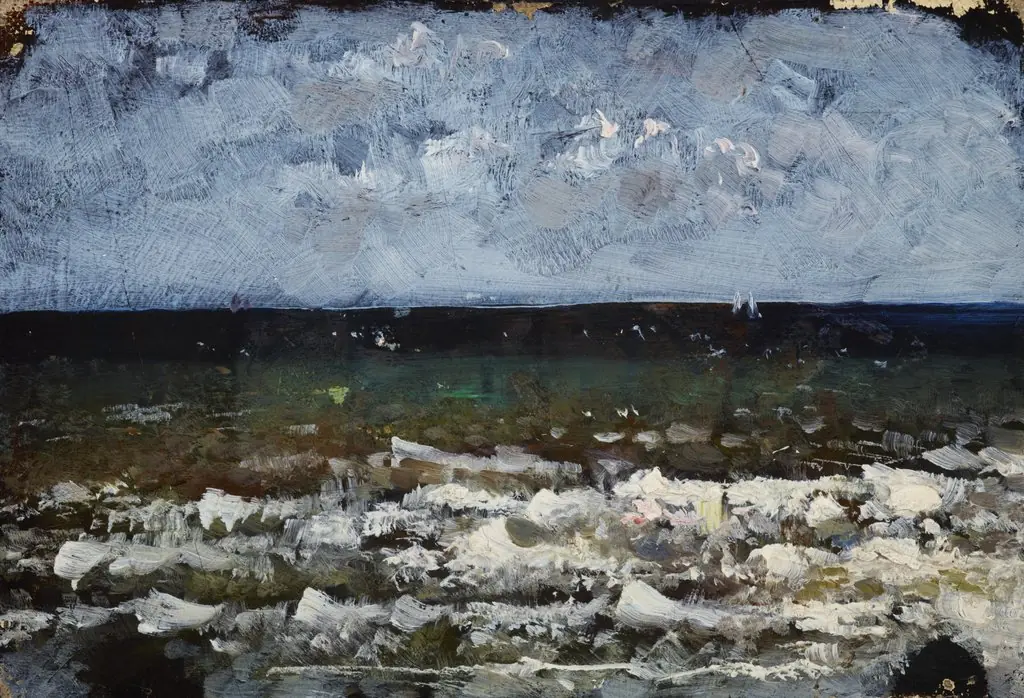
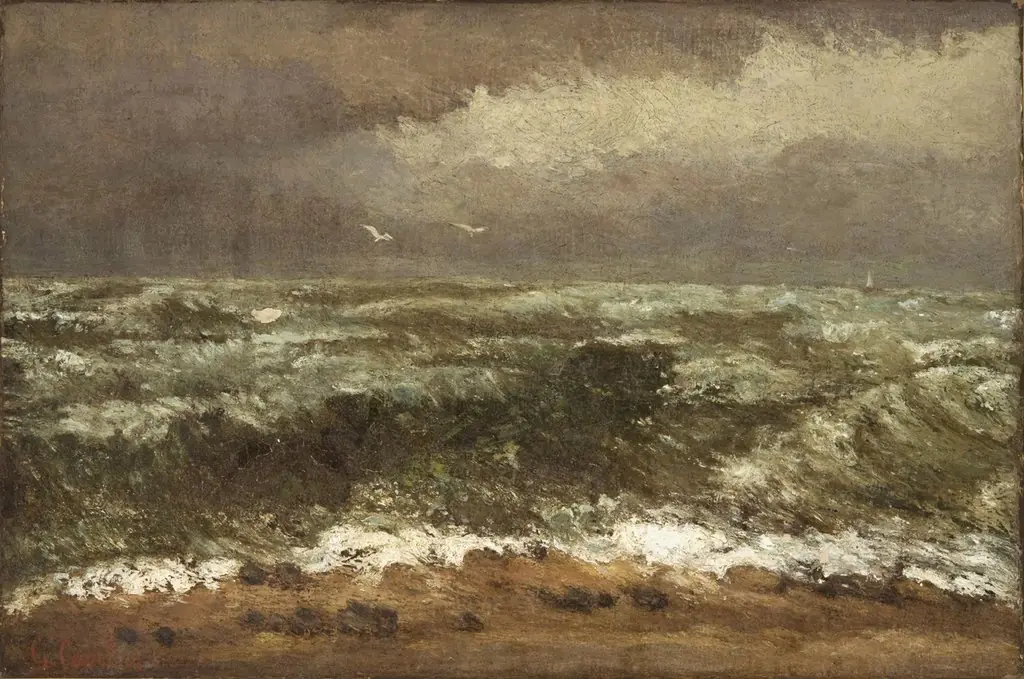
Sea wave is an oil painting by the Impressionist artist Arshak Fetvadjian. It dates from 1903 and is held in the collection of the National Gallery of Armenia.
About this work
Overview
Unlike his architectural subjects, this piece engages directly with nature’s force, capturing a moment of oceanic violence with emotional intensity.
Arshak Fetvadjian painted Sea Wave in 1903, marking a departure from his more familiar watercolor studies of Armenian architecture. This oil-on-canvas work belongs to the marine tradition and reflects the influence of Impressionism through its emphasis on light, motion, and atmospheric conditions. Unlike his architectural subjects, this piece engages directly with nature’s force, capturing a moment of oceanic violence with emotional intensity.
Subject & Meaning
The painting portrays a towering wave breaking against a rocky shore, its crest rendered in fractured whites and grays, with subtle undertones of blue and green suggesting depth and churning water. Above, a heavy, overcast sky amplifies the sense of impending tension. The scene conveys nature’s raw power without narrative or symbolism, inviting contemplation of the sea’s unpredictability and the fragility of the land it meets.
Technique & Style
Fetvadjian employed thick, directional brushwork to build the wave’s form, creating a tactile surface that mimics the physicality of water in motion. Oil paint allowed for layered impasto, enhancing the wave’s three-dimensionality. The palette is restrained—dominated by cool tones—with contrasts between the turbulent sea and the brooding sky achieved through value shifts rather than chromatic variation, reinforcing the scene’s dramatic mood.
History & Provenance
Completed in 1903, Sea Wave entered the collection of the National Gallery of Armenia, where it remains today. While Fetvadjian is better known for his watercolors of historic sites, this oil painting represents a lesser-known but significant phase of his career, reflecting his engagement with European artistic trends during a period of cultural exchange in the Caucasus.
Context
In the early 20th century, Armenian artists increasingly engaged with Western styles as part of broader cultural modernization. Fetvadjian, trained in Europe, brought Impressionist techniques back to his homeland. Sea Wave reflects this synthesis—rooted in local identity yet formally aligned with contemporary European marine painting, a genre popular among artists exploring natural forces beyond architectural subjects.
Legacy
Though Fetvadjian’s architectural works dominate scholarly attention, Sea Wave stands as a rare example of his engagement with landscape as an independent subject. It demonstrates his technical versatility and willingness to explore emotional expression through non-traditional themes. The painting contributes to a broader understanding of Armenian art’s diversity during the late Ottoman and early Soviet periods.
Artist & collection
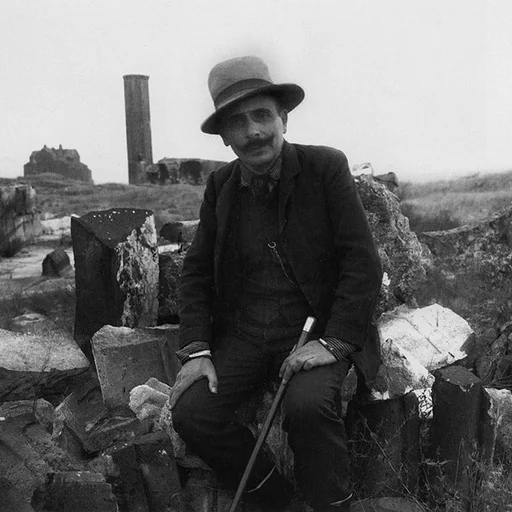
Artist
Arshak Abrahami Fetvadjian (Armenian: Արշակ Աբրահամի Ֆեթվաճյան; October 1, 1866 – October 7, 1947) was an Armenian artist, painter and designer.