Artwork
Maternal Solicitude
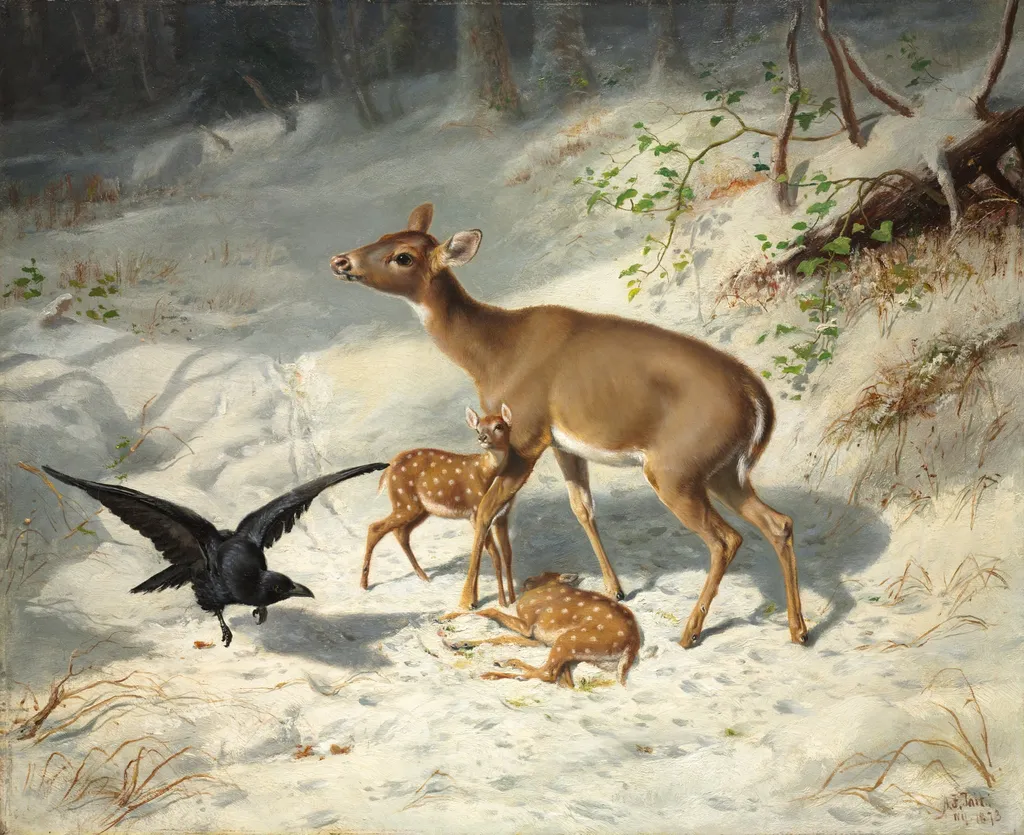
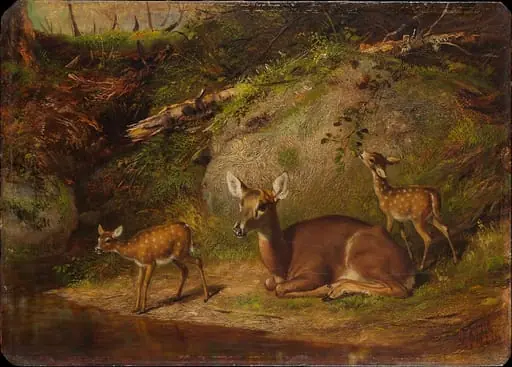
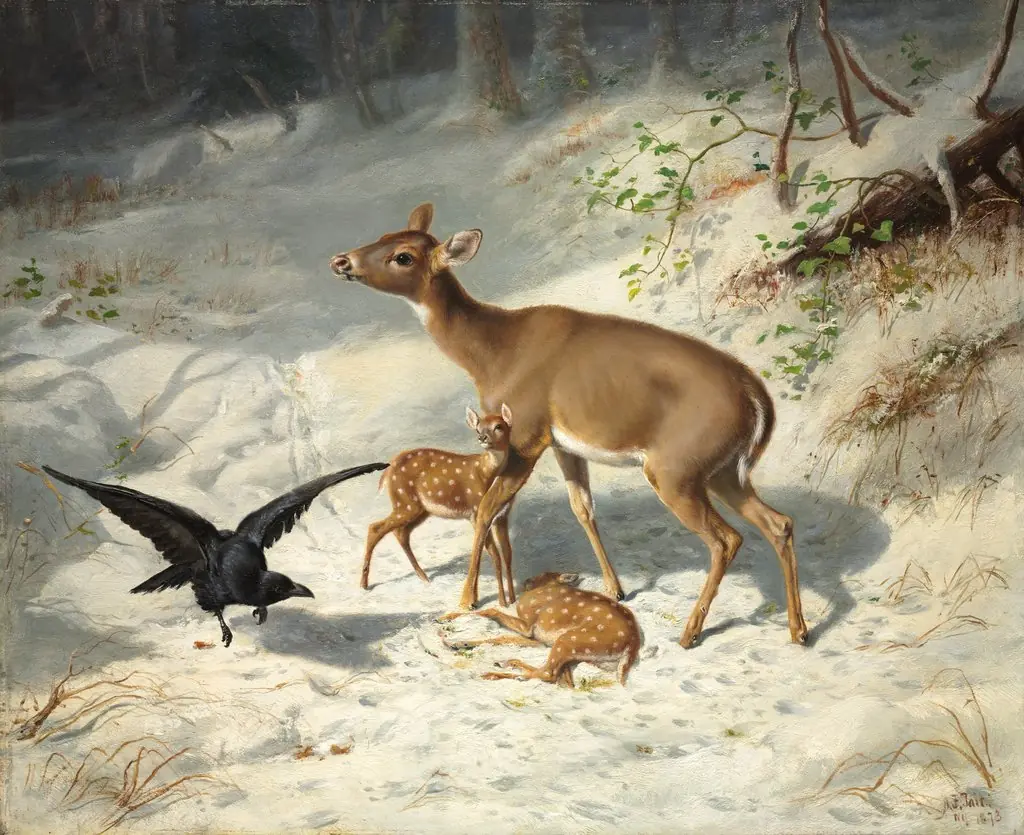
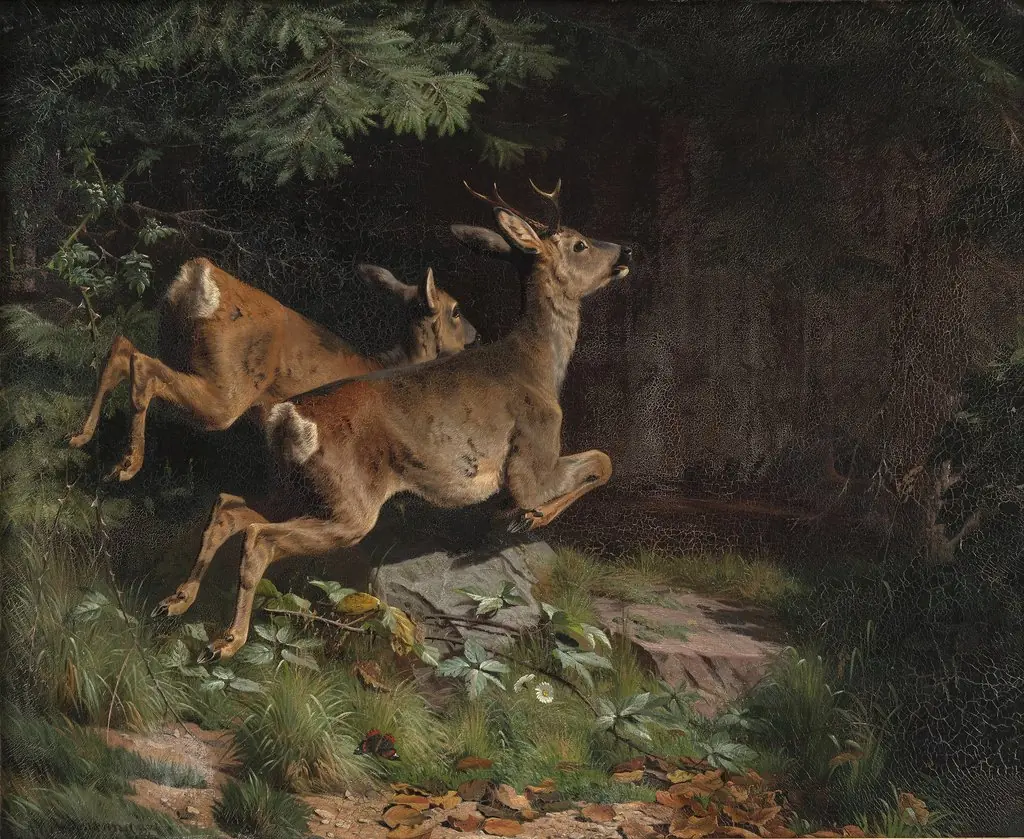
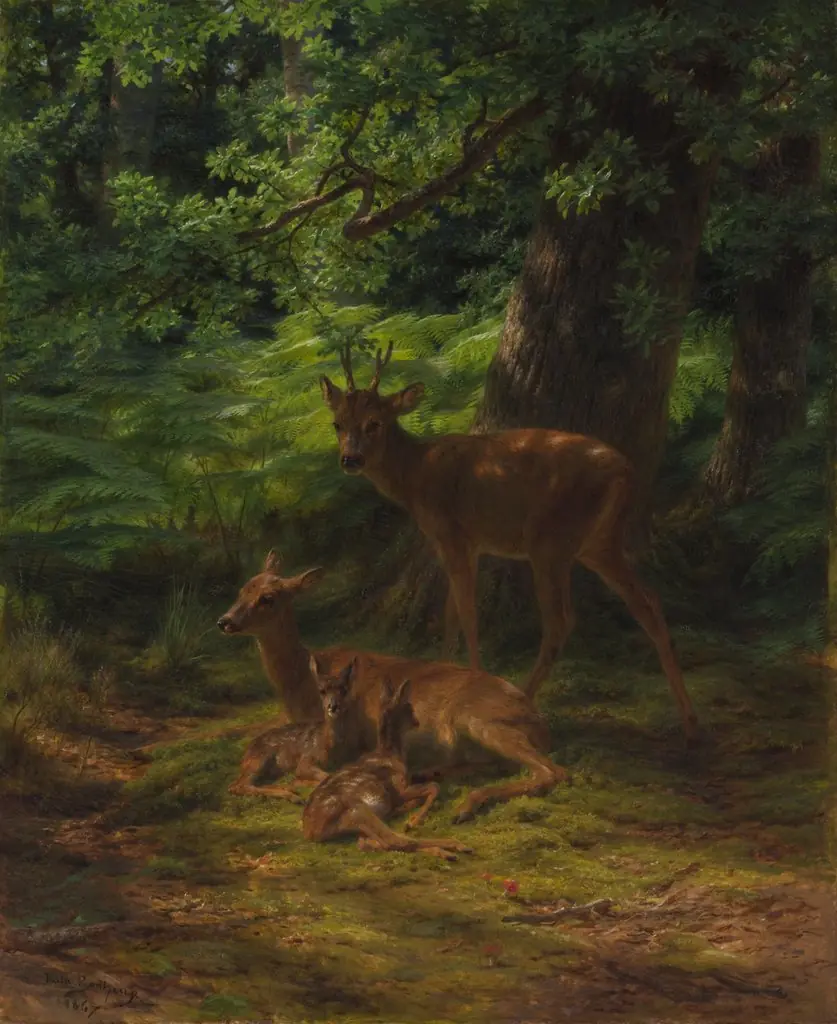
Maternal Solicitude is an unspecified painting by the American Impressionist artist Arthur Fitzwilliam Tait. It dates from 1873 and is held in the collection of the Cleveland Museum of Art.
About this work
Overview
Created in 1873 by Arthur Fitzwilliam Tait, *Maternal Solicitude* is an oil painting that resides in the Cleveland Museum of Art. The work belongs to the American Impressionist movement and presents a quiet domestic scene that emphasizes the tender interaction between a mother and her child.
Subject & Meaning
The composition centers on a mother attending to her infant, her gentle hand and attentive gaze conveying care and affection. The intimate setting invites viewers to contemplate everyday familial bonds, reflecting Tait’s interest in portraying ordinary moments of American life with emotional nuance.
Technique & Style
Tait employs a soft palette and loose brushwork characteristic of American Impressionism, allowing light to diffuse across the figures and surrounding space. The delicate handling of texture and subtle color transitions create a sense of immediacy, while the composition’s restrained detail focuses attention on the emotional core of the scene.
History & Provenance
After its completion, the painting entered the collection of the Cleveland Museum of Art, where it remains on display. Its acquisition reflects the museum’s broader effort to represent 19th‑century American genre painting and the work of artists who documented everyday life during that period.
Context
Although Tait is primarily known for wildlife subjects, *Maternal Solicitude* illustrates his broader range, capturing domestic life at a time when American artists were beginning to explore Impressionist techniques. The work aligns with a mid‑19th‑century shift toward depicting ordinary, intimate moments rather than grand historical narratives.
Own this work as a print
Artist & collection

Artist
Arthur Fitzwilliam Tait (February 5, 1819 – April 28, 1905) was a British-American artist who is known mostly for his paintings of wildlife. During most of his career, he was associated with the New York City art scene.