Artwork
Le Rocher isolé
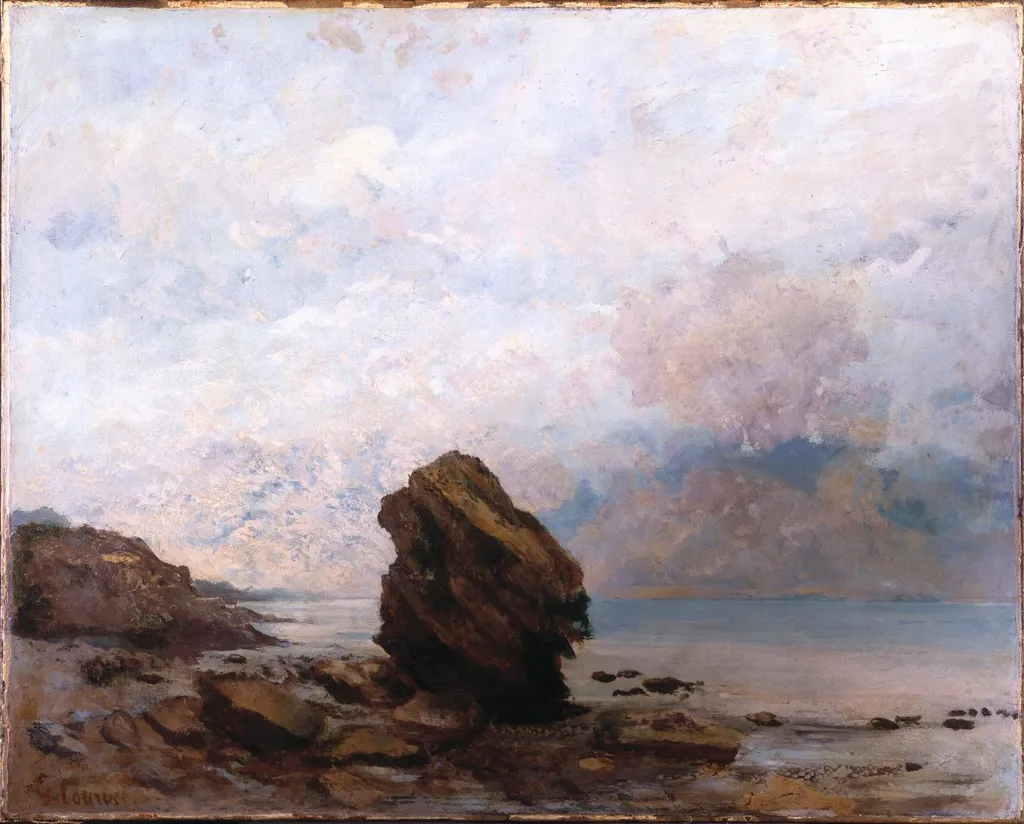
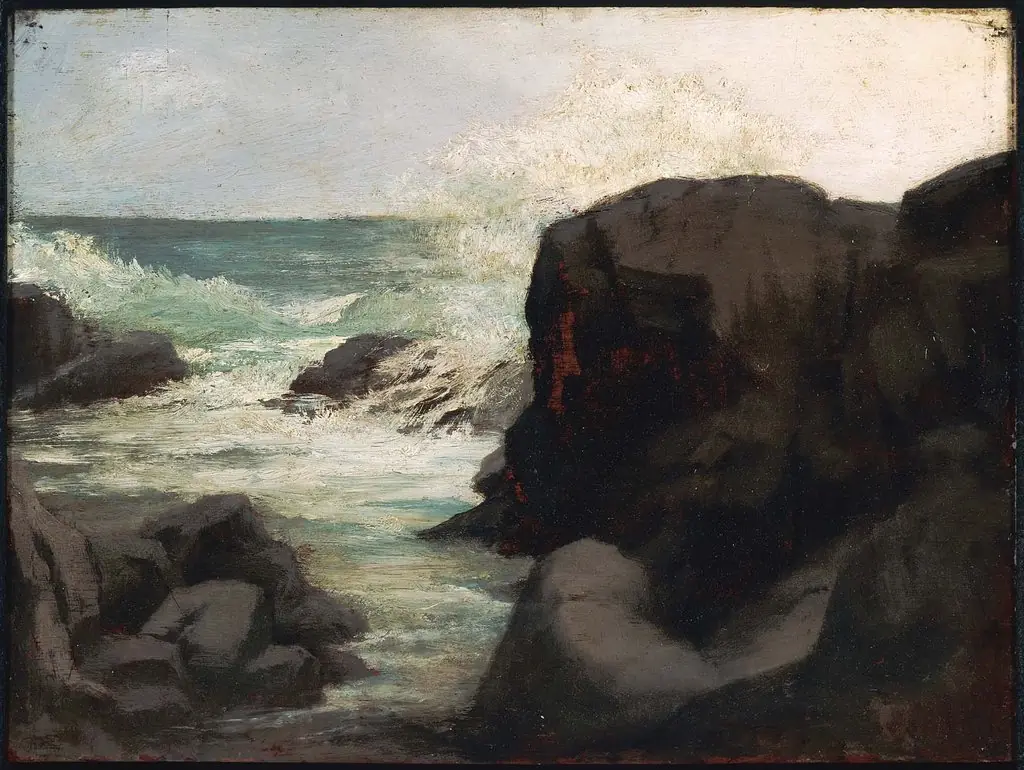
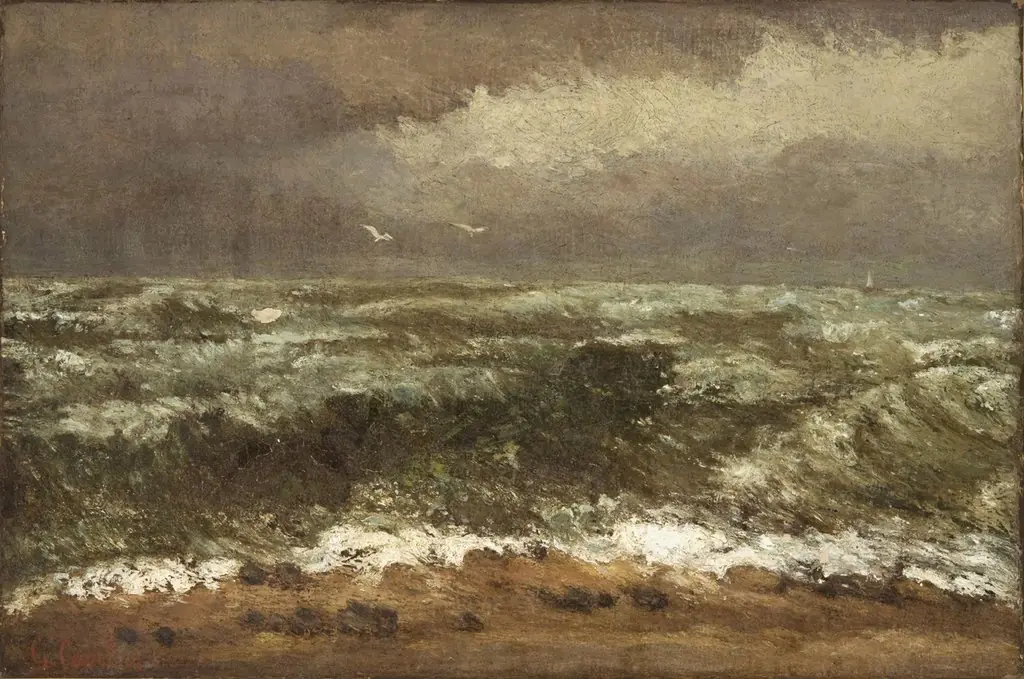
Le Rocher isolé is an oil painting by the Realist artist Gustave Courbet. It dates from 1862 and is held in the collection of the Brooklyn Museum.
About this work
Overview
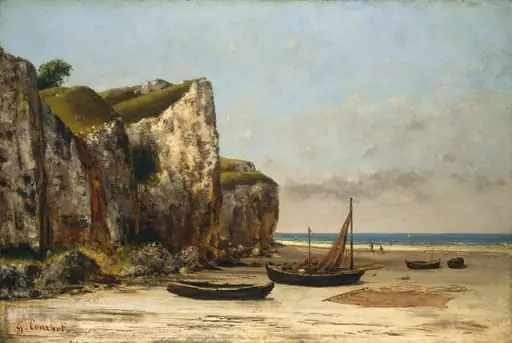
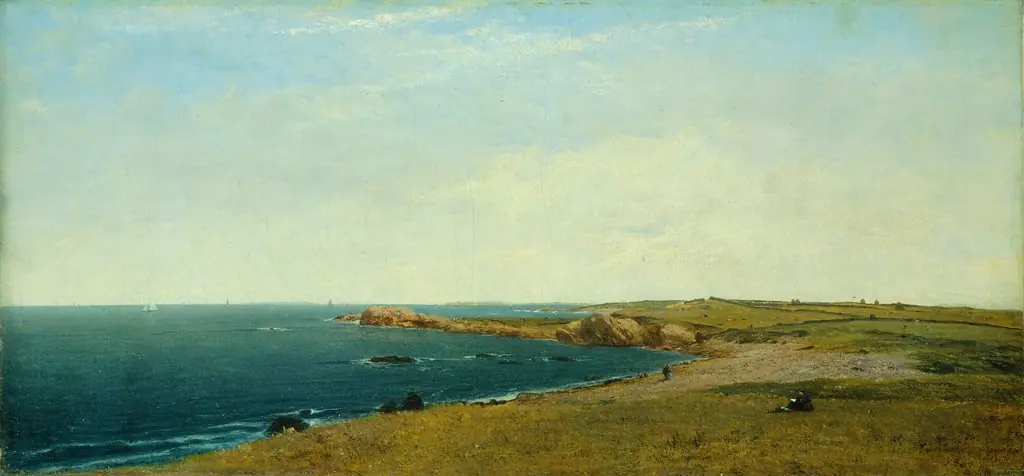
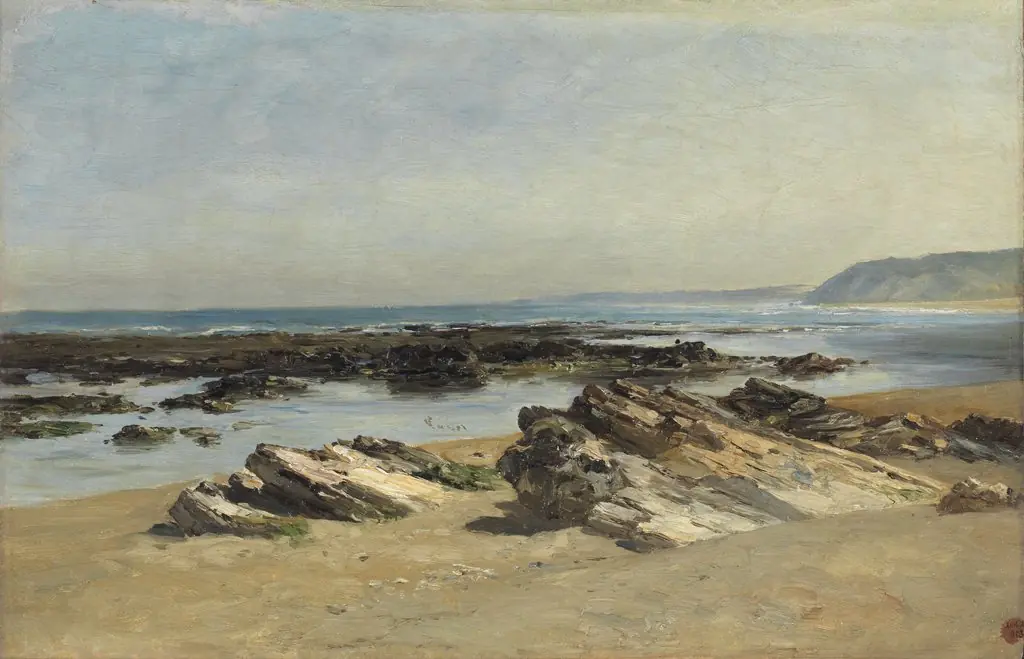
Created in 1862, *Le Rocher isolé* is an oil painting by French Realist Gustave Courbet. The work presents a single, weathered rock set against a muted landscape, rendered with the unembellished clarity that defines Courbet’s departure from the idealized visions of earlier academic art.
Subject & Meaning
The composition isolates a natural stone formation, emphasizing its texture and the subtle play of light across its surface. By focusing on an ordinary geological feature, Courquet invites viewers to consider the inherent value of everyday nature, a core tenet of his realist philosophy.
Technique & Style
Executed in oil on canvas, the painting employs a restrained palette of earth tones and a direct brushwork that captures the rock’s roughness without decorative flourish. Courbet’s handling avoids dramatization, favoring a straightforward observation that aligns with the realist commitment to depict the world as it appears.
History & Provenance
After its completion, the canvas entered private collections before being acquired by the Brooklyn Museum, where it now forms part of the institution’s European painting holdings. The museum’s acquisition reflects the broader 20th‑century reassessment of Courbet’s role in modern art history.
Legacy
Courbet’s insistence on portraying unidealized subjects laid groundwork for subsequent avant‑garde movements. Elements of his observational rigor can be traced in the atmospheric concerns of Impressionism and the fragmented perspectives later explored by Cubist artists, marking *Le Rocher isolé* as a link in the evolution of modern visual language.
Artist & collection
Artist
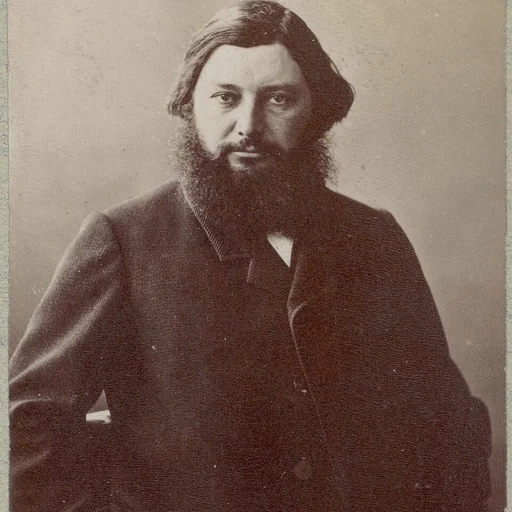
Jean Désiré Gustave Courbet (UK: KOOR-bay; US: koor-BAY; French: ; 10 June 1819 – 31 December 1877) was a French painter who led the Realism movement in 19th-century French painting.