Artwork
The Hofberg at Brussels
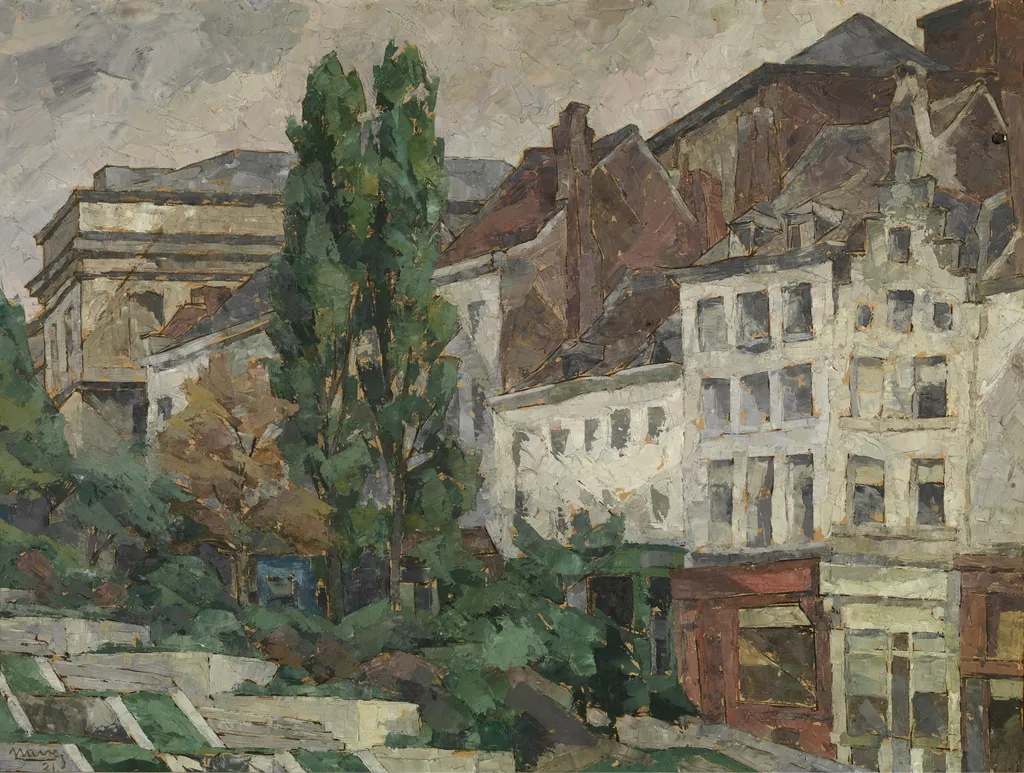
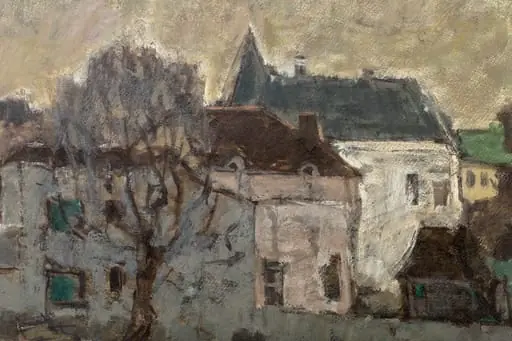
The Hofberg at Brussels is an unspecified painting by the Impressionist artist Arthur Navez. It dates from 1921 and is held in the collection of the Royal Museum of Fine Arts Antwerp.
About this work
Overview
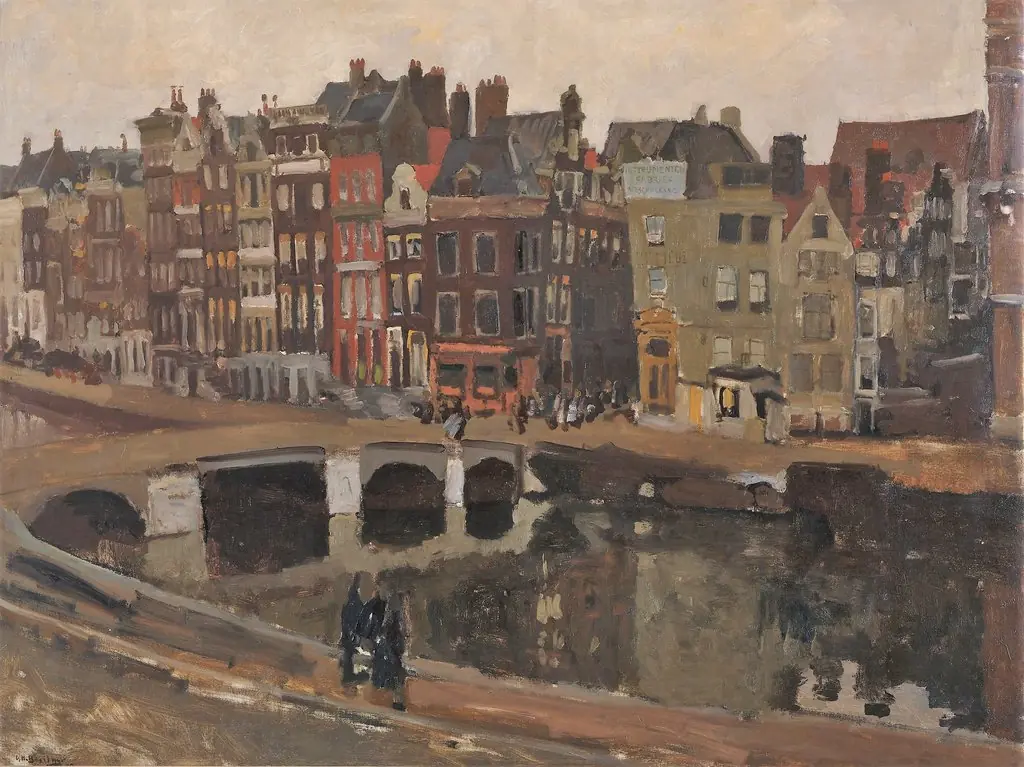
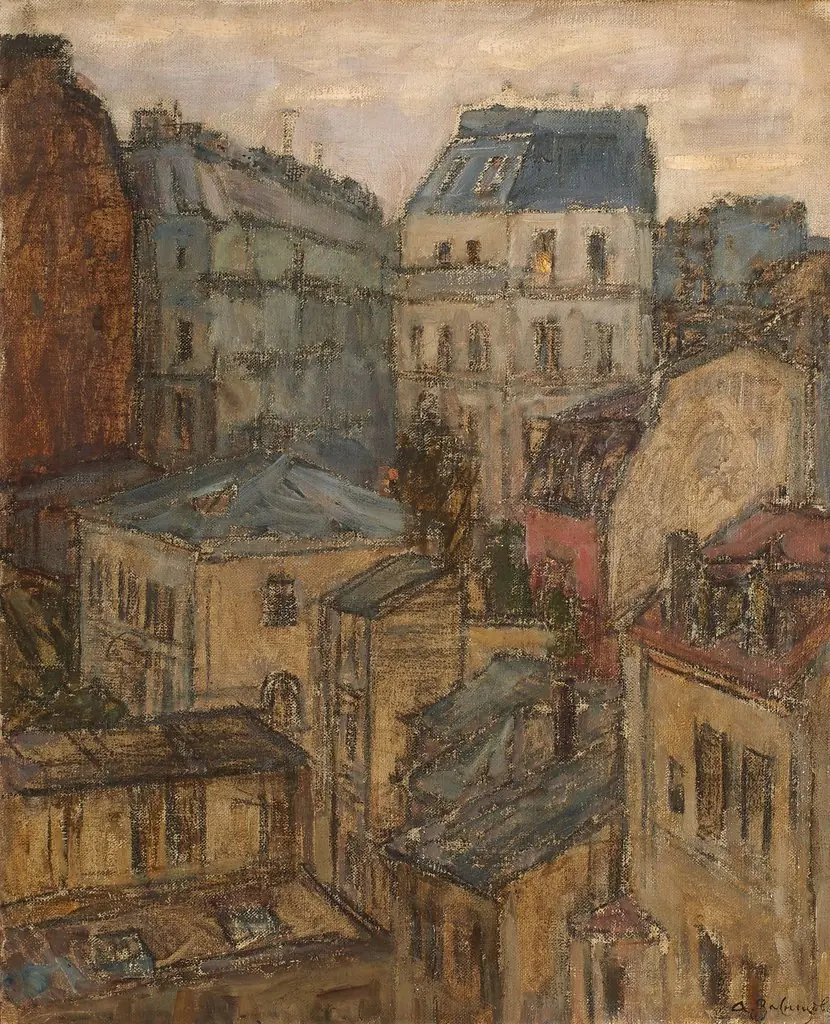
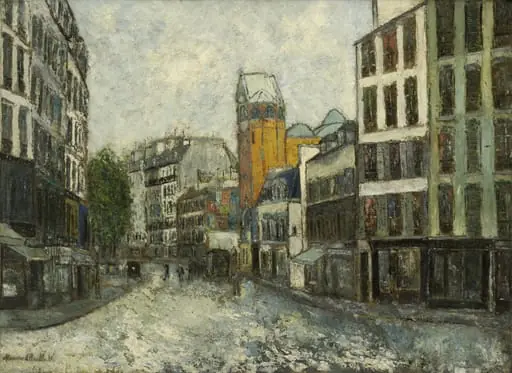
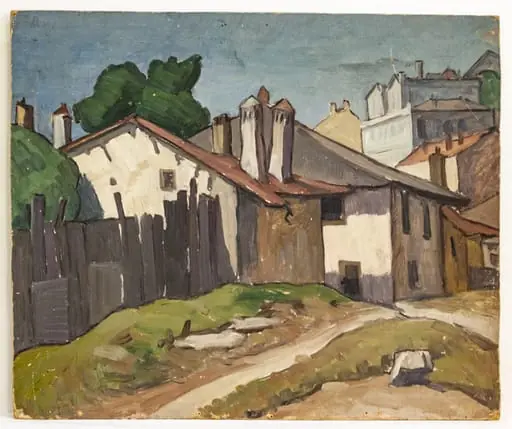
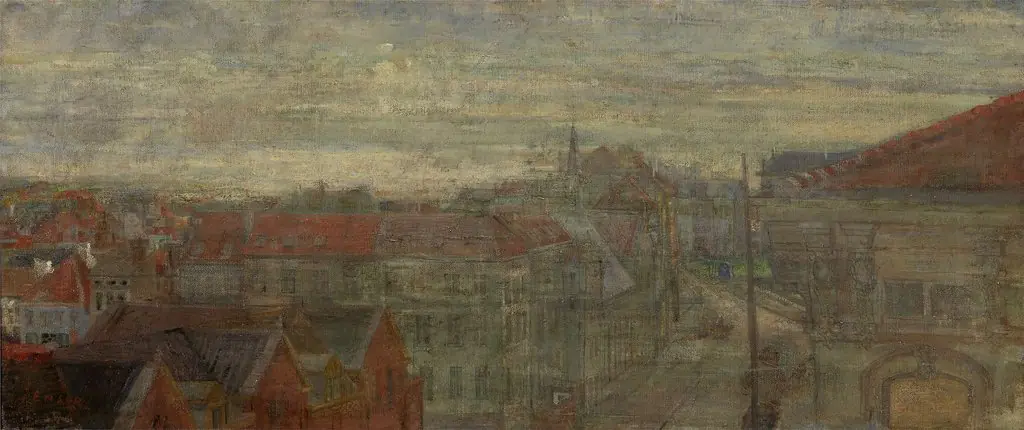
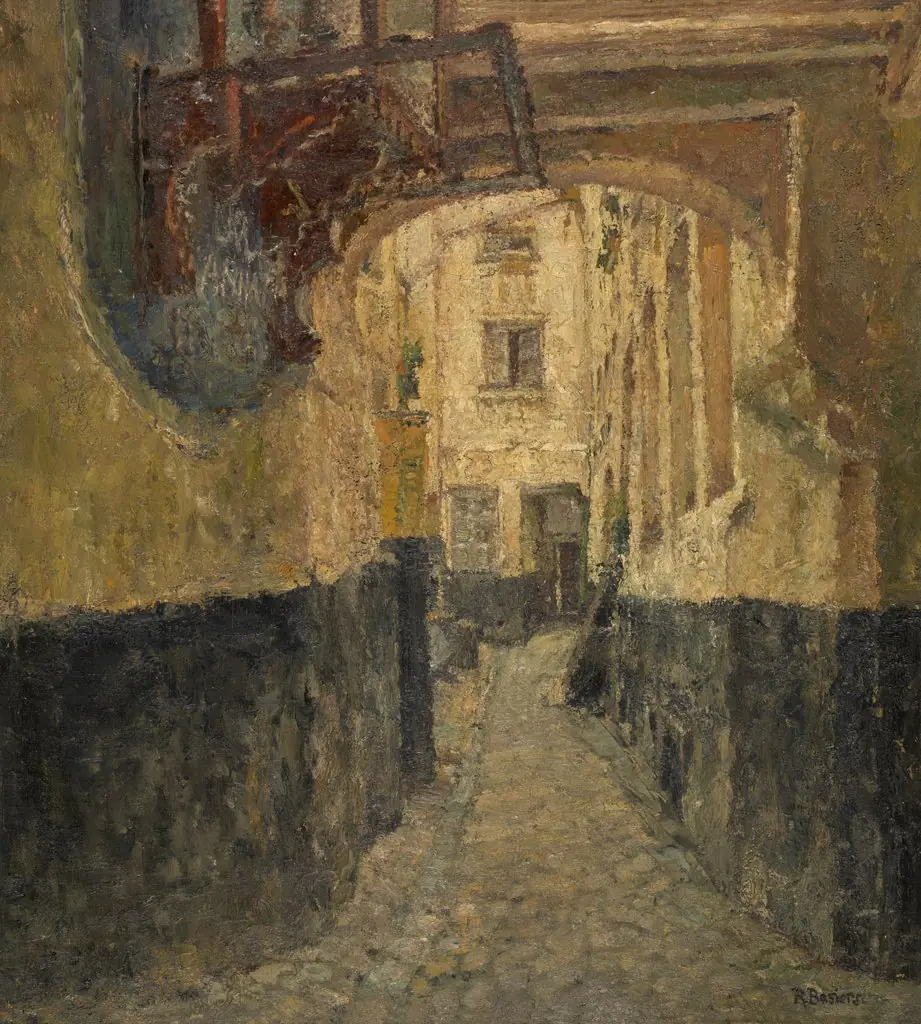
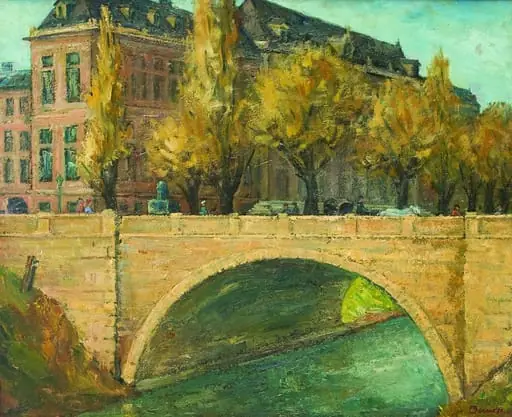
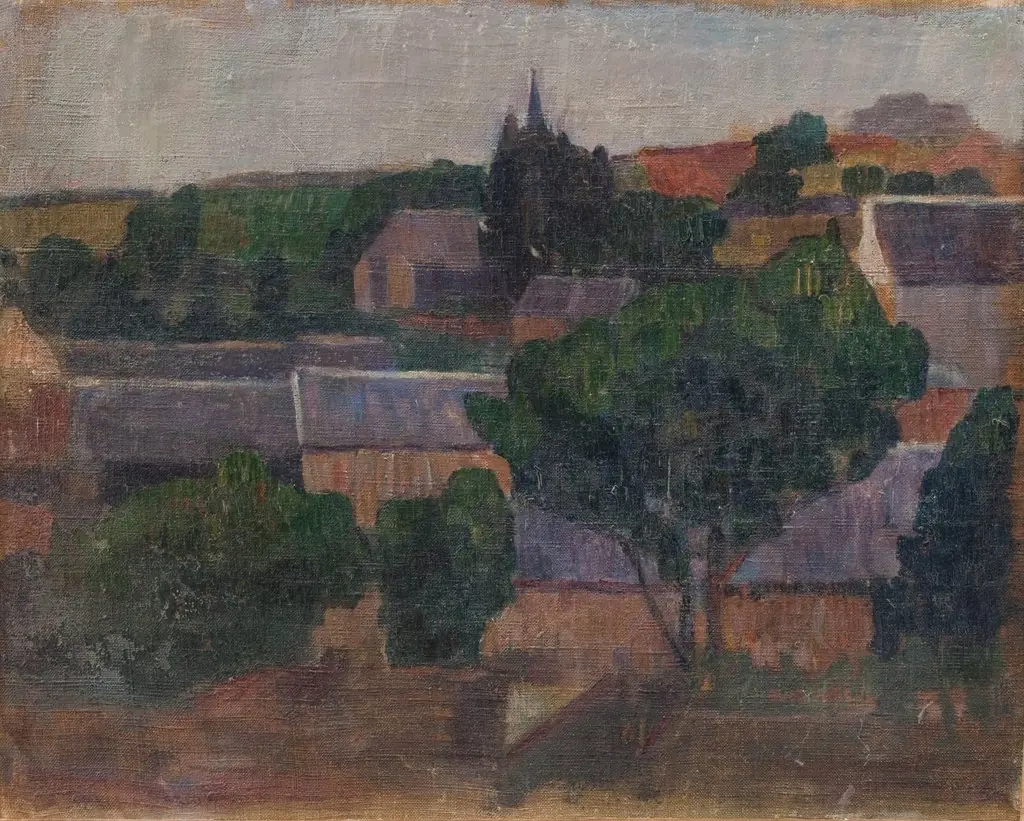
Painted in 1921 by Belgian artist Arthur Navez, The Hofberg at Brussels depicts a quiet urban view of the Hofberg square in Brussels.
Painted in 1921 by Belgian artist Arthur Navez, The Hofberg at Brussels depicts a quiet urban view of the Hofberg square in Brussels. The work is part of the collection at the Royal Museum of Fine Arts Antwerp, where it stands as a representative example of early 20th-century Belgian landscape painting. Its composition balances architectural structure with natural elements, capturing a moment of everyday urban life.
Subject & Meaning
The scene centers on a row of modest, light-colored buildings with numerous windows, flanked by a large, leafy tree that dominates the foreground. The gray, overcast sky suggests a subdued, overcast day, reinforcing a sense of stillness. The painting avoids dramatic narrative, instead offering a contemplative observation of a public space, reflecting the quiet rhythm of city life in the postwar period.
Technique & Style
Navez employed thick, deliberate brushwork to build texture in both the foliage and façades, creating a tactile surface that emphasizes materiality over precision. A restrained palette of earthy browns, muted greens, and soft whites unifies the composition. The paint’s physical presence is evident in areas where pigment is layered, suggesting an interest in the act of painting itself rather than idealized realism.
History & Provenance
The painting was completed in 1921 and entered the collection of the Royal Museum of Fine Arts Antwerp shortly thereafter. It remained relatively unremarked upon in broader art historical discourse until later 20th-century reassessments of Belgian regional painting. Its consistent presence in the museum’s holdings indicates early institutional recognition of Navez’s contribution to Belgian visual culture.
Context
Created in the aftermath of World War I, the work reflects a broader European tendency toward introspective, non-heroic depictions of urban environments. Navez’s focus on ordinary architecture and weathered trees aligns with contemporaneous movements that valued quiet observation over grandeur. His approach resonates with the Belgian tradition of intimate, atmospheric landscape painting.
Legacy
Though not widely known outside Belgium, The Hofberg at Brussels exemplifies Navez’s commitment to capturing the subtleties of local scenes. It contributes to a body of work that helped define a distinctly Belgian sensibility in interwar painting—one grounded in everyday observation, restrained color, and tactile surface. The painting remains a quiet reference point in studies of regional modernism.
Own this work as a print
Artist & collection