Artwork
The Hon. William Monson and His Wife, Ann Debonnaire
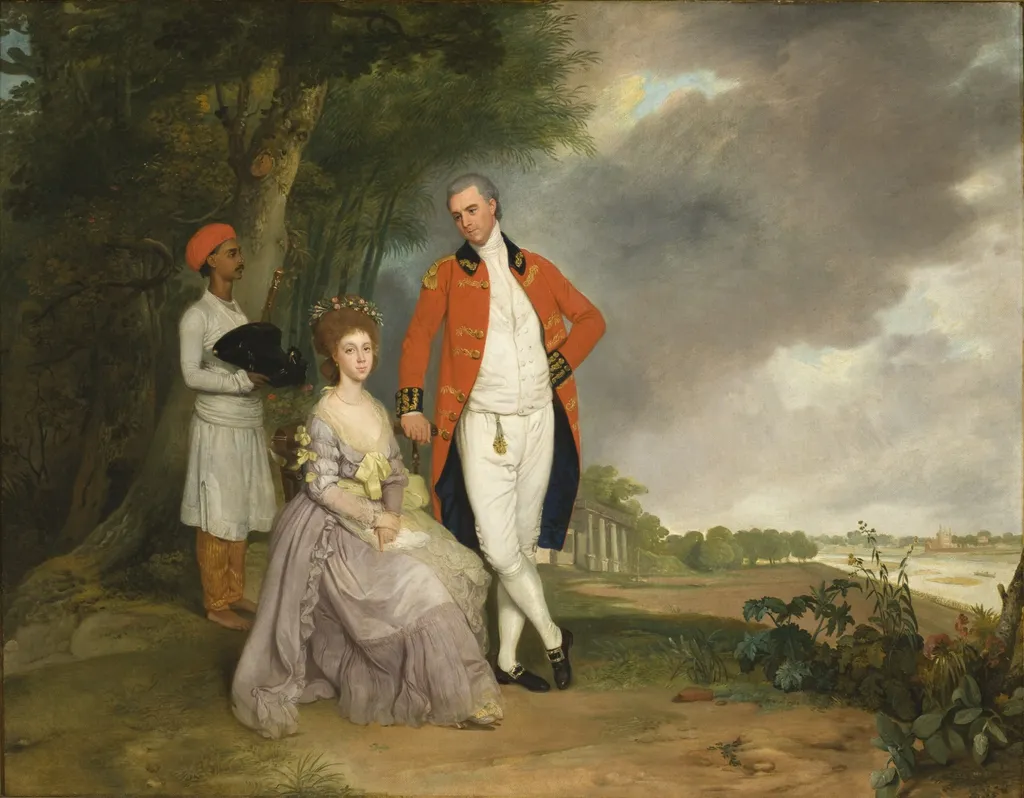
The Hon. William Monson and His Wife, Ann Debonnaire is an unspecified painting by the Rococo painting artist Arthur William Devis. It dates from 1794 and is held in the collection of the Los Angeles County Museum of Art.
About this work
Overview
The composition reflects the lingering influence of rococo sensibilities, emphasizing grace and decorum over dramatic intensity.
Painted in 1794 by Arthur William Devis, this portrait captures the Hon. William Monson and his wife, Ann Debonnaire, in a cultivated outdoor setting. Devis, an English artist active in the late 18th and early 19th centuries, specialized in portraiture and historical scenes, exhibiting regularly at the Royal Academy. The composition reflects the lingering influence of rococo sensibilities, emphasizing grace and decorum over dramatic intensity.
Subject & Meaning
The couple is portrayed not in a domestic interior but in a landscaped garden, suggesting a blend of social status and natural refinement. Monson’s military coat signals his rank, while his wife’s floral crown and light attire evoke an idealized pastoral femininity. The presence of a servant in distinctive dress hints at their wealth and global connections, reinforcing the portrait’s function as a statement of aristocratic identity rather than mere likeness.
Technique & Style
Devis employs soft, diffused lighting to model the figures against a hazy background, avoiding harsh contrasts. The textures of silk, wool, and foliage are rendered with careful attention to detail, yet the brushwork remains restrained. The composition is balanced and symmetrical, with the figures positioned to guide the viewer’s eye toward the distant water, enhancing the sense of tranquil spaciousness characteristic of late rococo portraiture.
History & Provenance
The painting was completed during a period when Devis was actively exhibiting at the Royal Academy, where he showed over sixty works between 1779 and 1821. While its early ownership is undocumented, the portrait likely remained within the Monson family until entering public collections. Its survival reflects the enduring interest in aristocratic portraiture of the late Georgian era.
Context
In the 1790s, British portraiture increasingly favored naturalistic settings over formal studio backdrops, aligning with broader cultural shifts toward romanticized nature and personal virtue. Devis’s work sits between the formality of earlier Georgian portraiture and the emerging Romantic sensibility. The inclusion of a servant in non-European attire also reflects Britain’s expanding imperial networks and the visual language of global wealth.
Legacy
Though Devis is less widely remembered today than contemporaries like Reynolds or Gainsborough, his portraits offer insight into the quiet aspirations of the landed gentry. This painting exemplifies how portraiture functioned as social documentation, capturing not only appearance but the values of refinement, order, and cultivated leisure that defined elite identity in late 18th-century England.
Own this work as a print
Artist & collection
Artist
Arthur William Devis (10 August 1762 – 11 February 1822) was an English painter of history paintings and portraits.

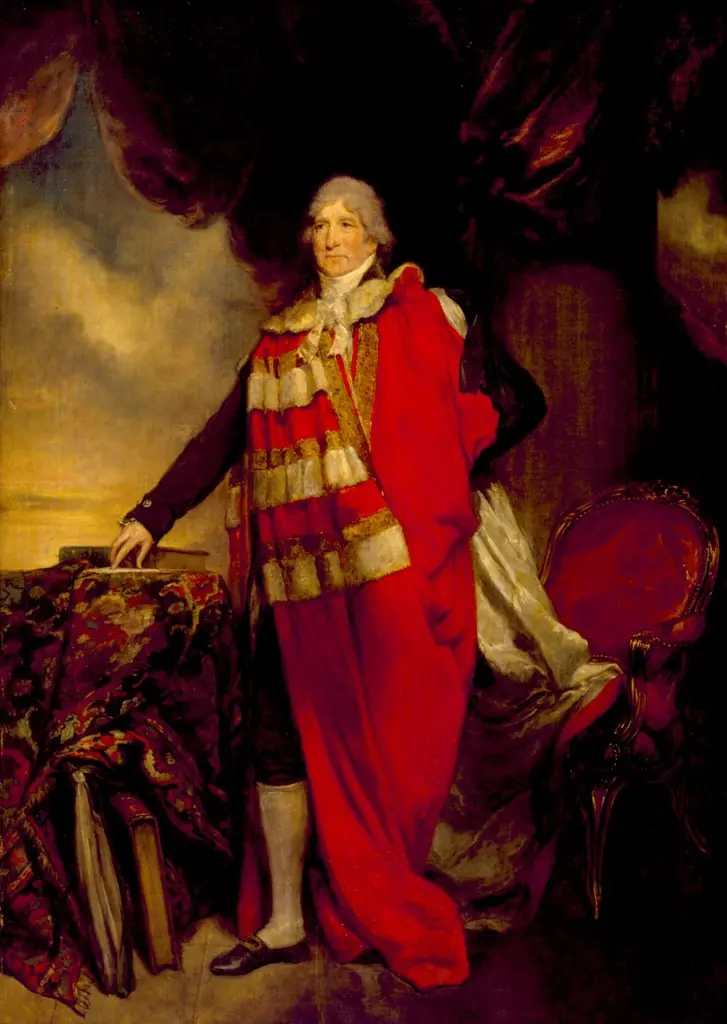 James Duff, 2nd Earl Fife
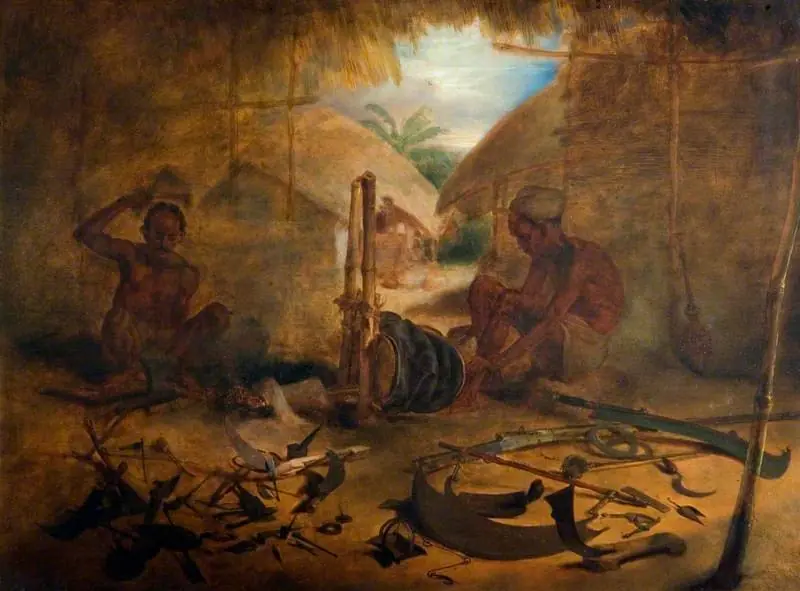 A Blacksmith's Shop beside Village Dwellings in Bengal
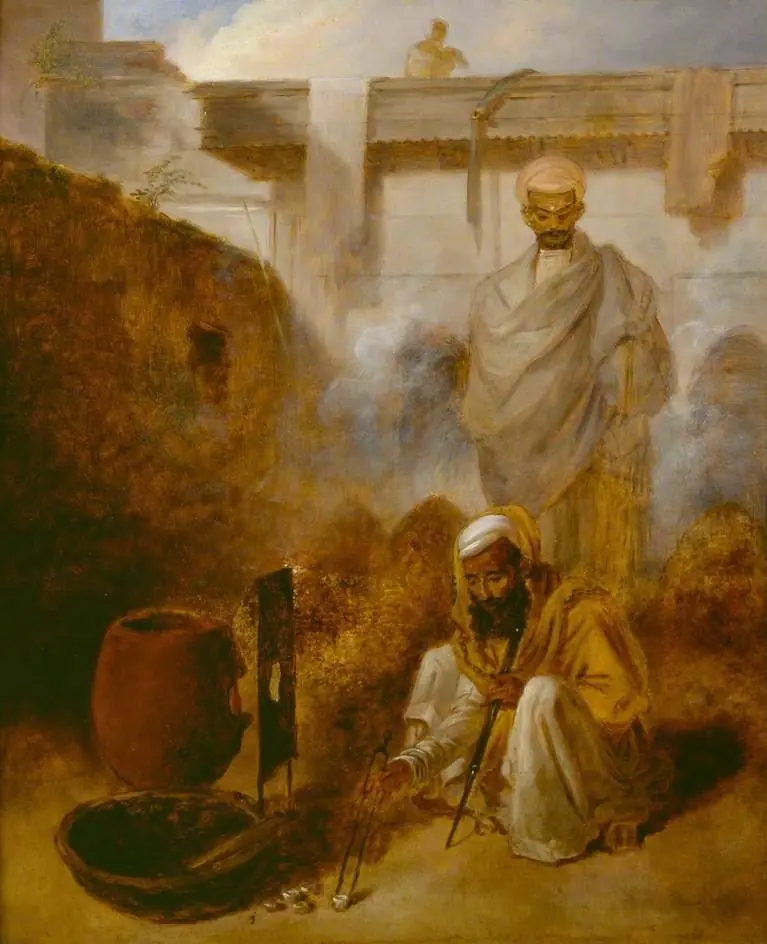 Assayer at Work in the Mint, Calcutta
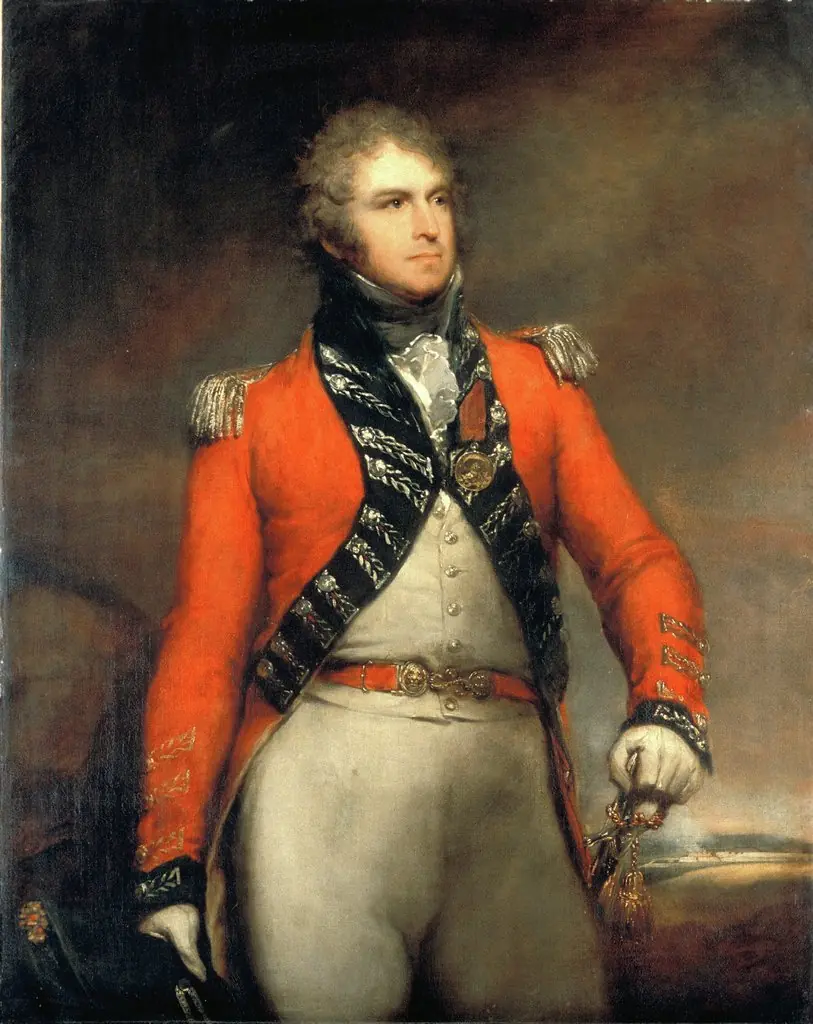 Sir Alexander Allan
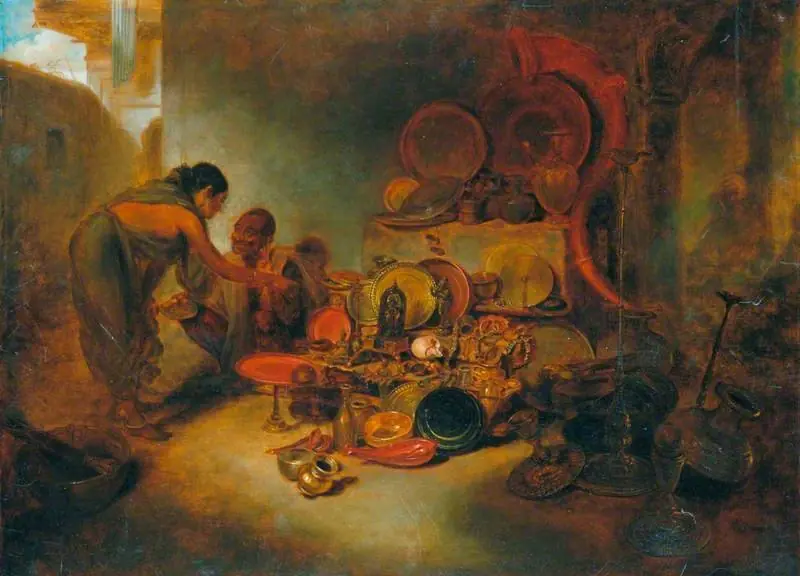 Scene in a Brazier's Shop in Bengal
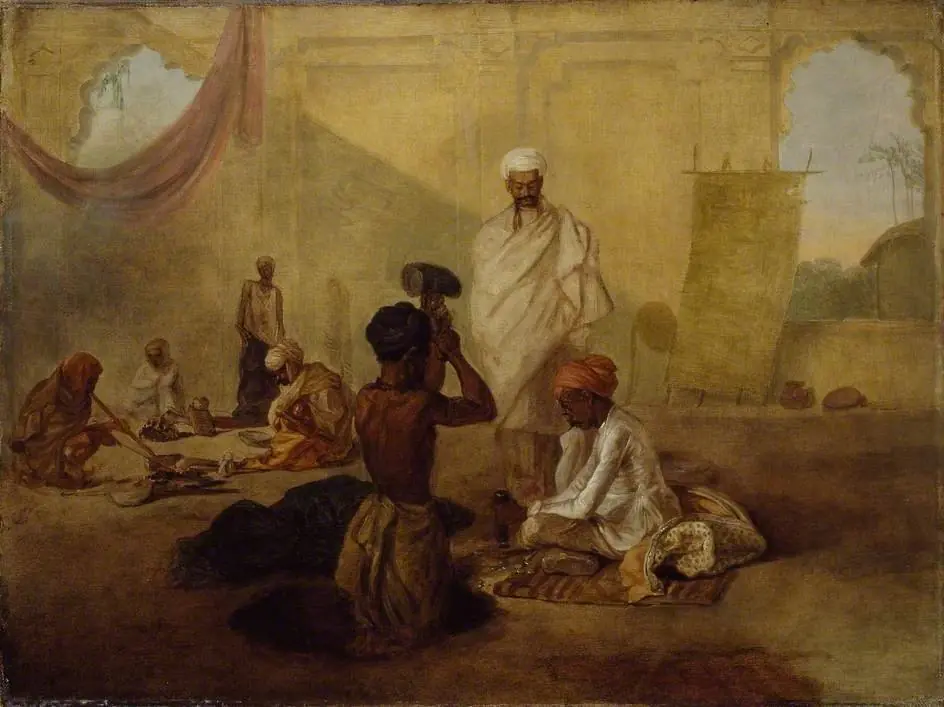 Stamping Coinage in the Mint, Calcutta
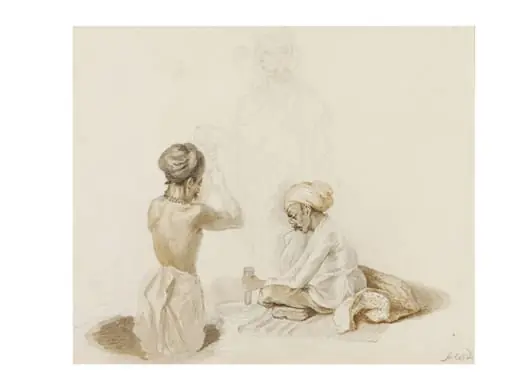 An Indian metal-worker seated cross-legged with his assistant, who raises and hammer, and another figure standing behind
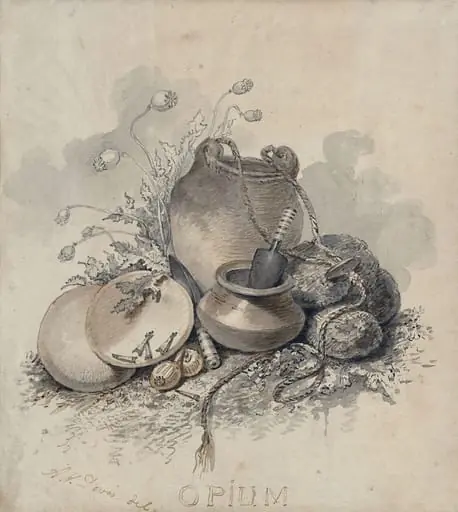 A group of objects associated with the cultivation of opium
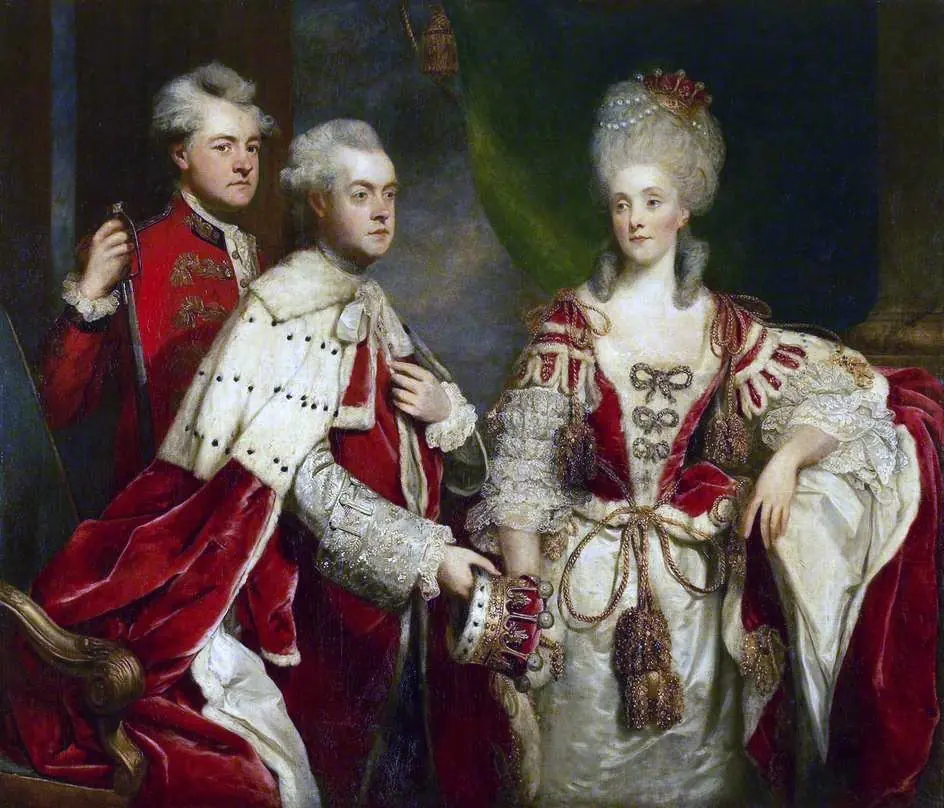 George, 2nd Earl Harcourt, his wife Elizabeth, and brother William
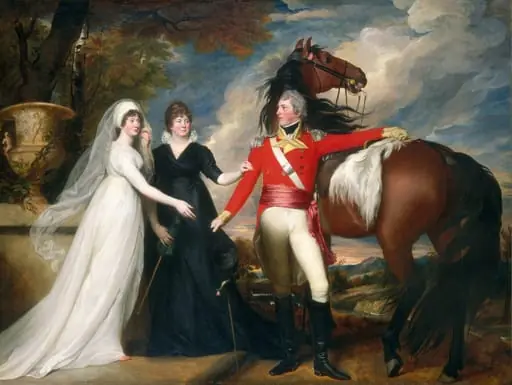 Colonel William Fitch and His Sisters Sarah and Ann Fitch
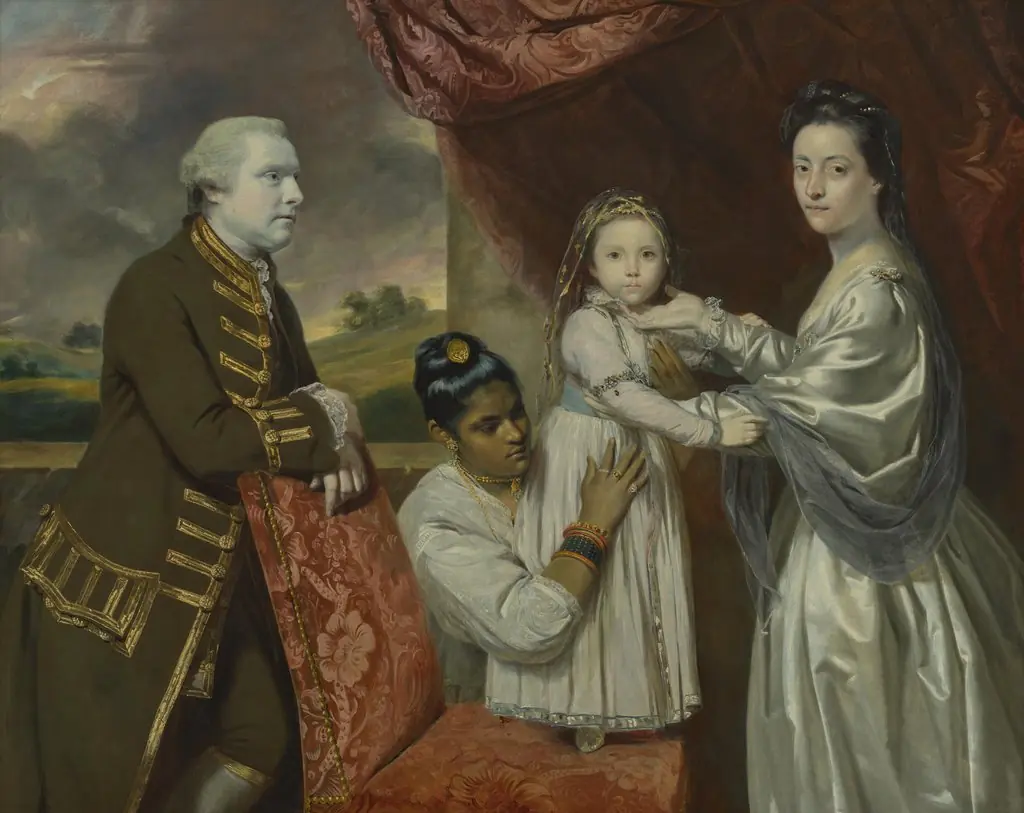 Tysoe Saul Hancock, his wife Philadelphia, their daughter Elizabeth and their Indian maid Clarinda
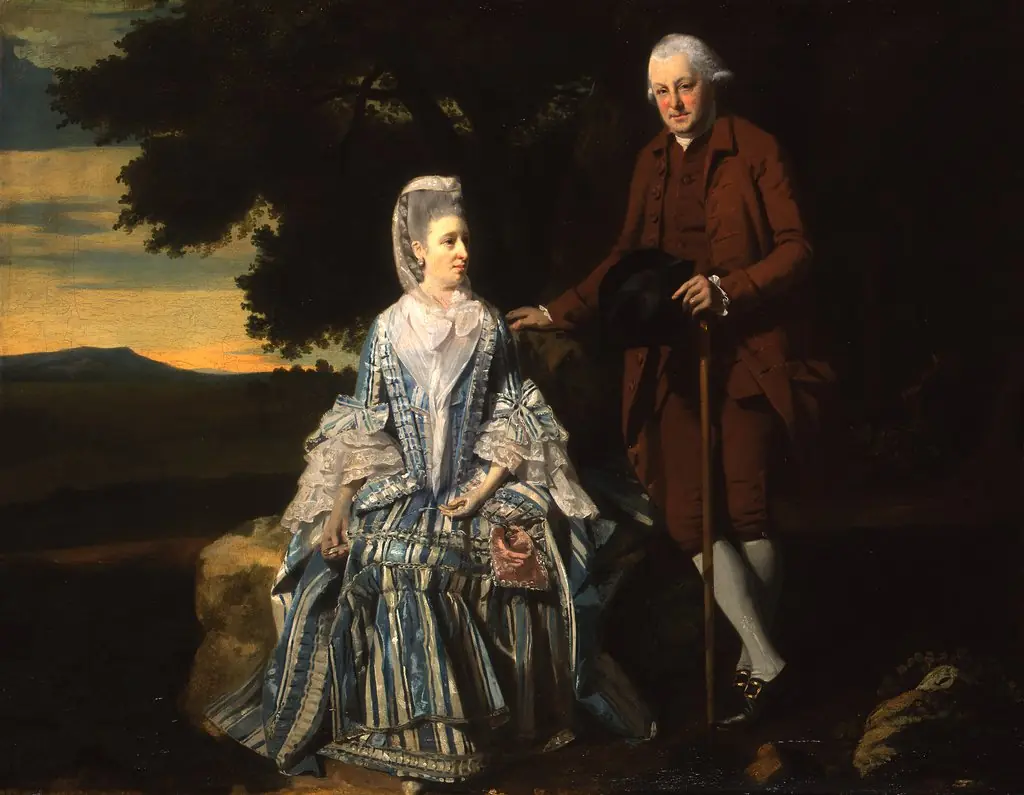 Portrait of a Married Couple in a Park
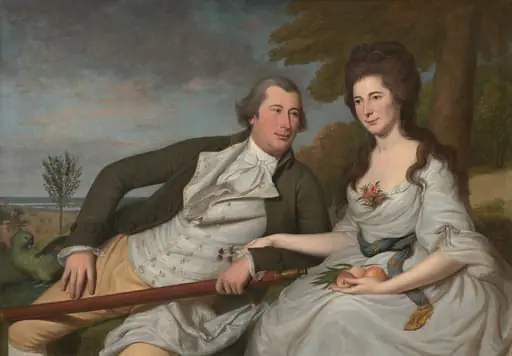 Benjamin and Eleanor Ridgely Laming
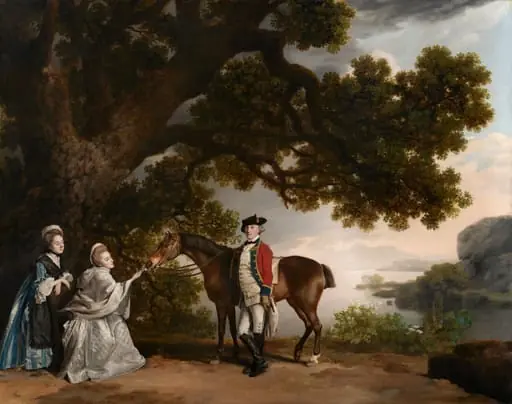 Captain Samuel Sharpe Pocklington with His Wife, Pleasance, and possibly His Sister, Frances
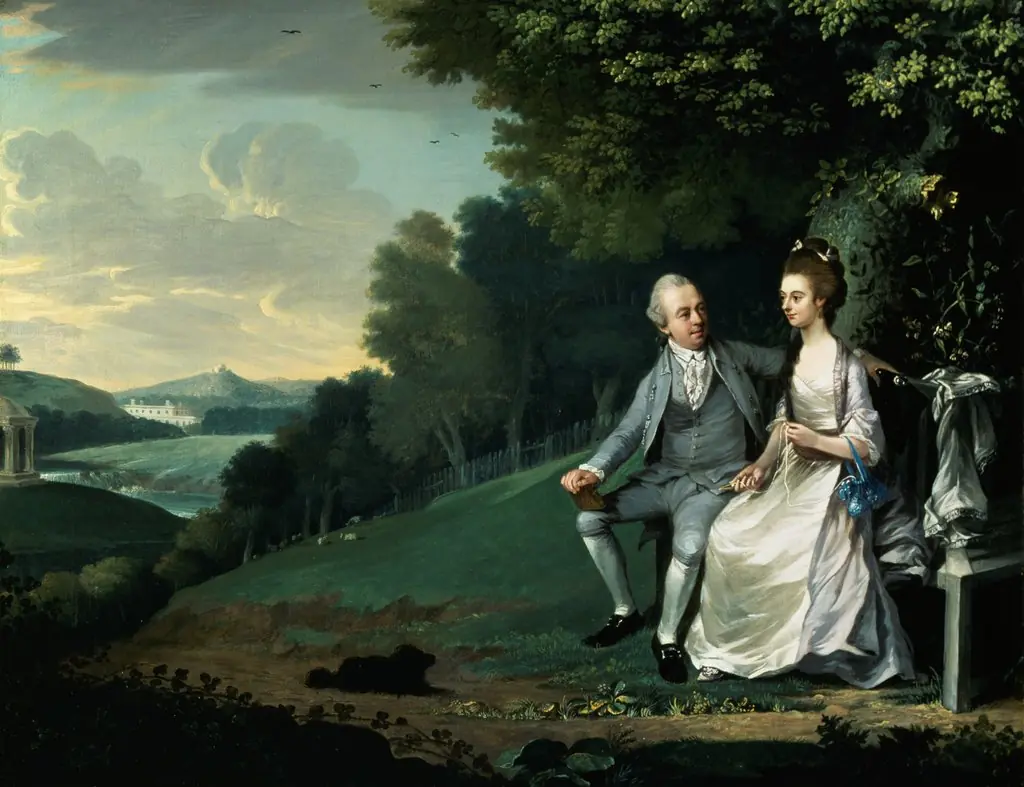 Portrait of a Couple, said to be Sir Francis and Lady Dashwood at Wycombe Park
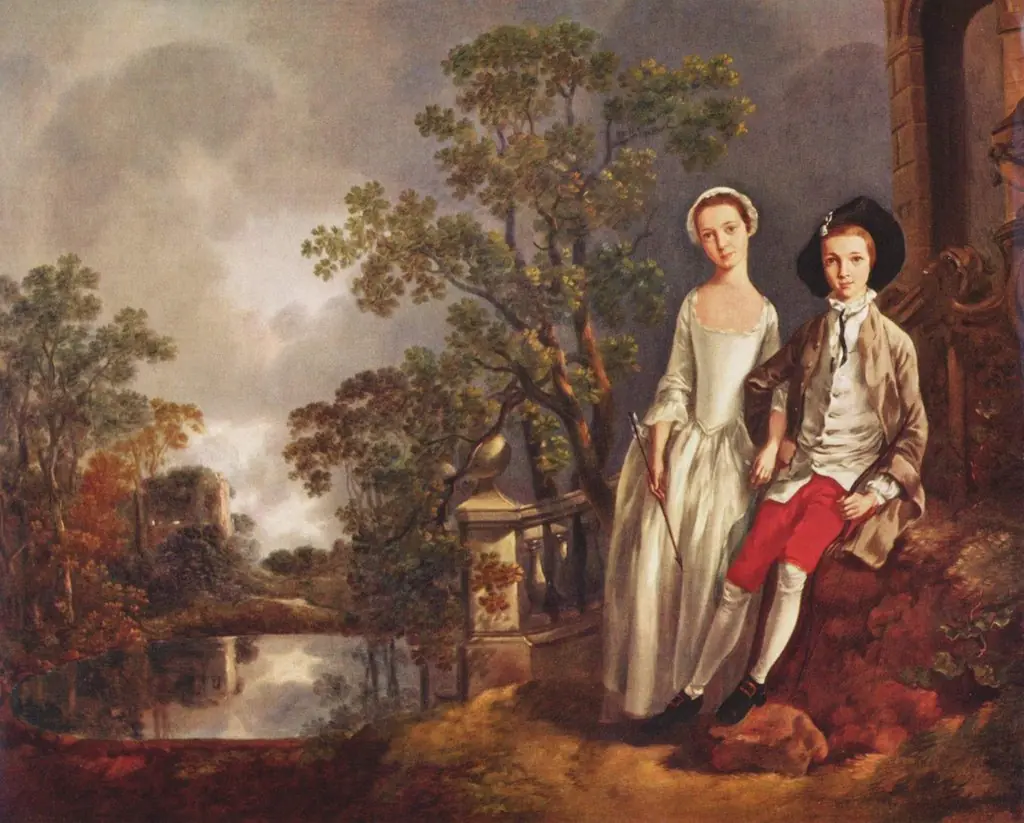 Heneage Lloyd and His Sister
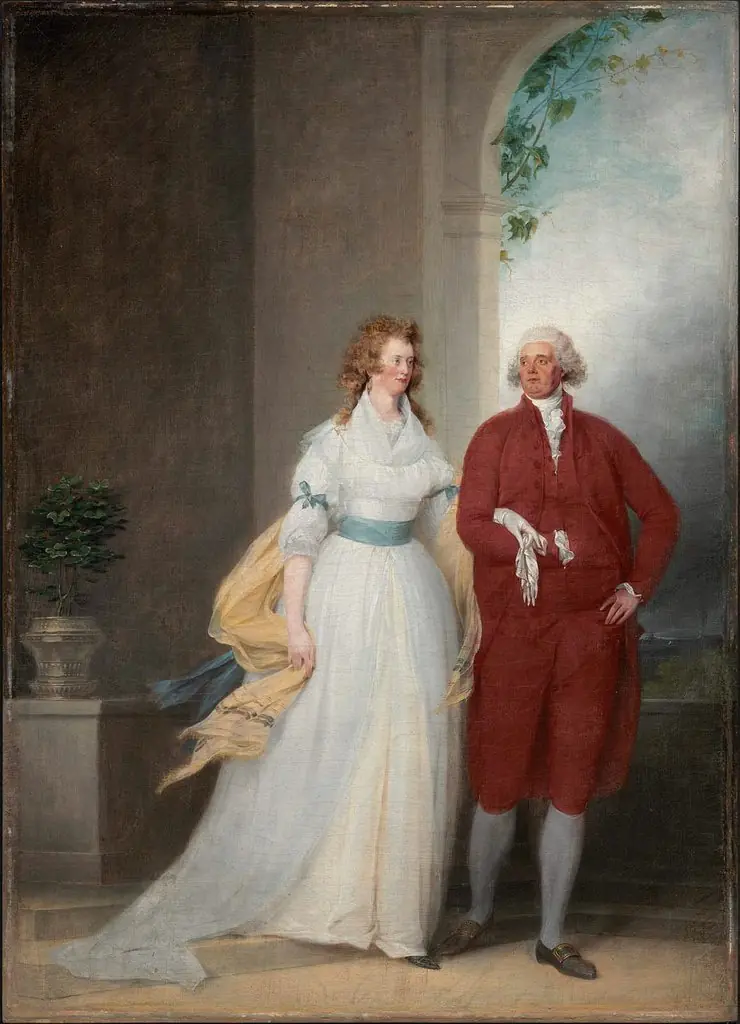 Mr. and Mrs. Thomas Russell
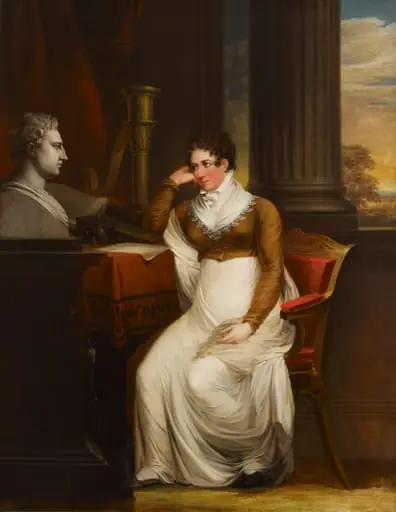 Beata Charlotta Gripenwaldt
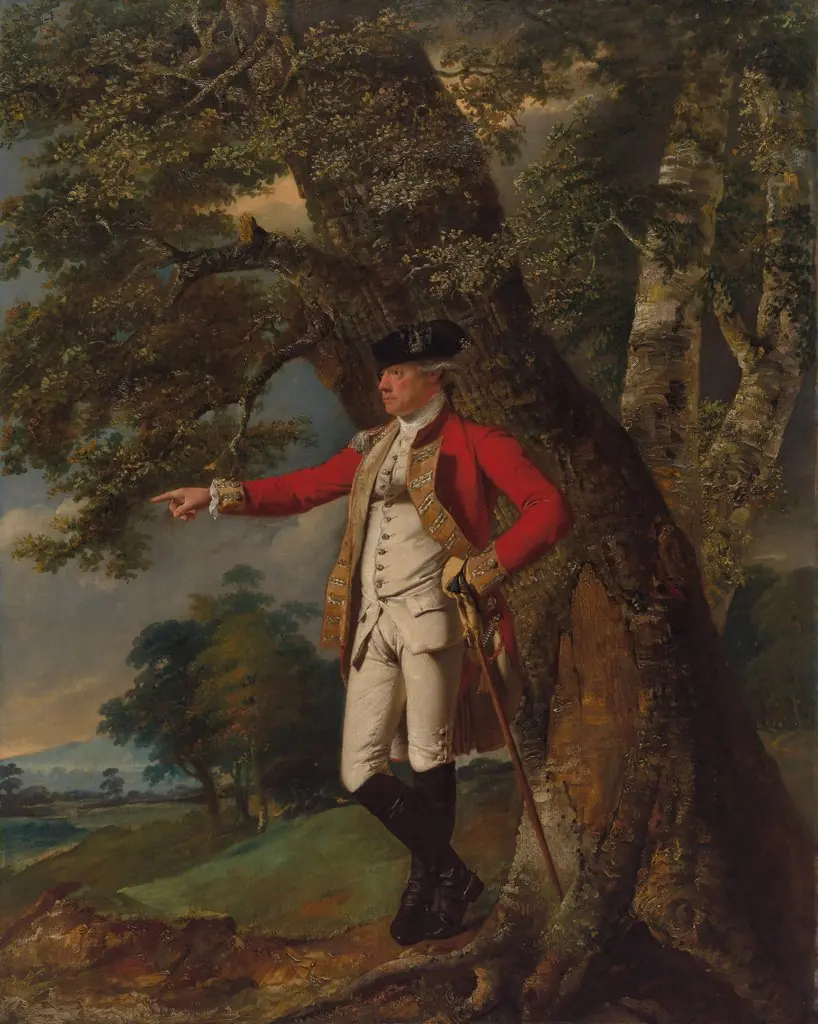 Portrait of Colonel Charles Heathcote
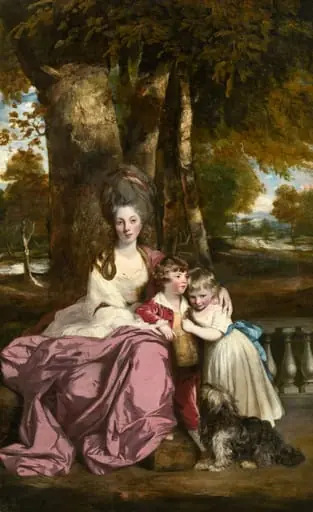 Lady Elizabeth Delmé and Her Children