Artwork
Beata Charlotta Gripenwaldt
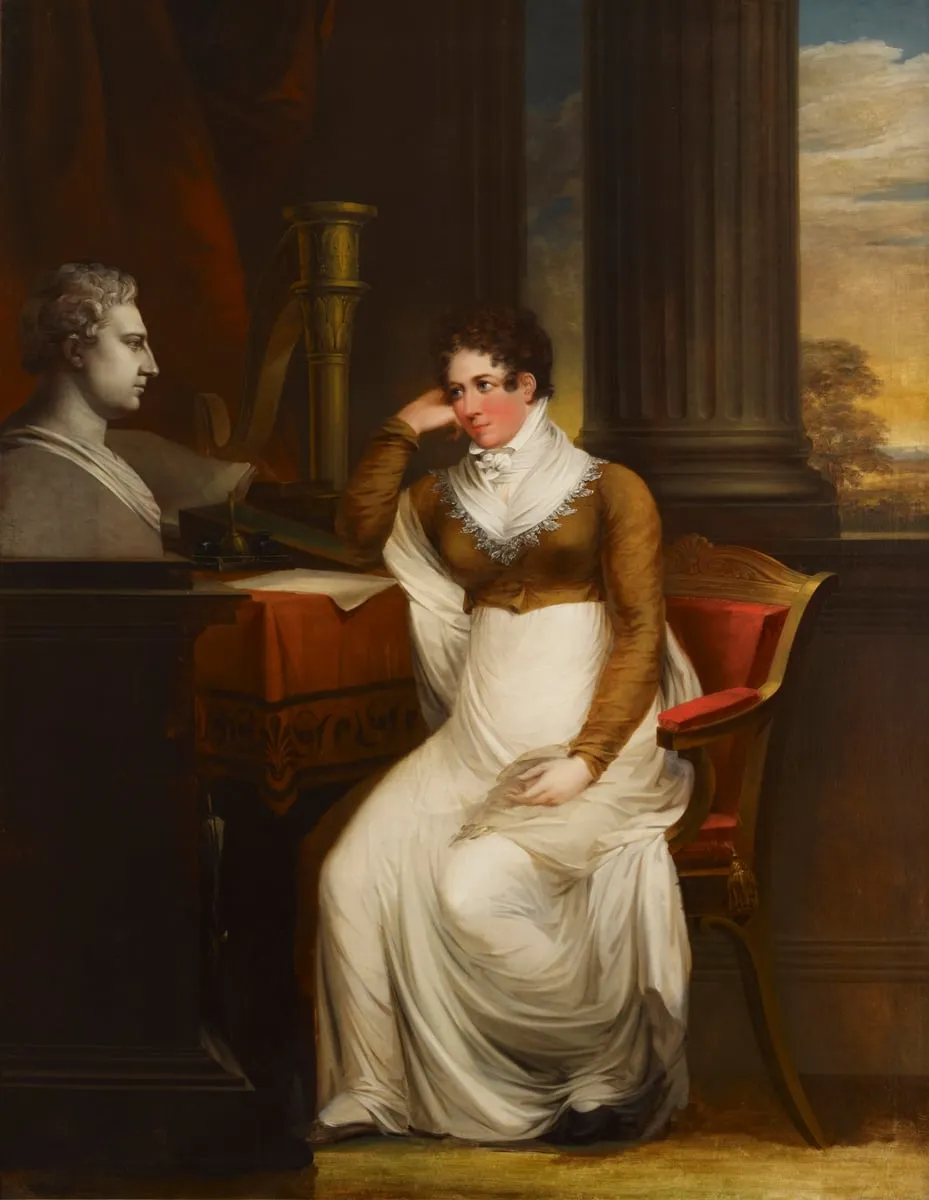
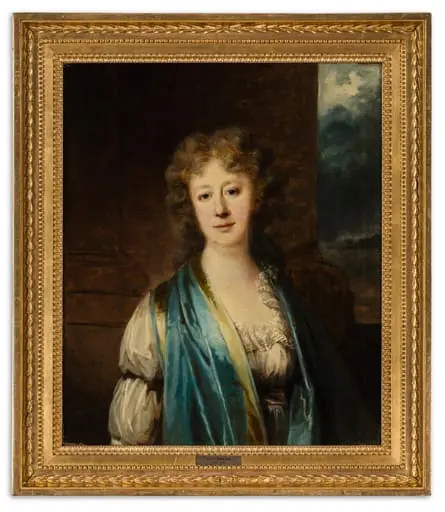
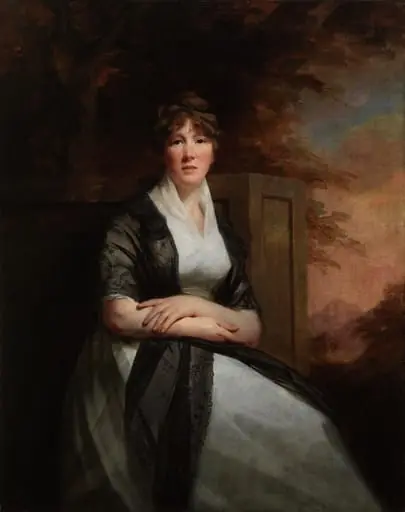
Beata Charlotta Gripenwaldt is an unspecified painting by the Rococo painting artist Carl Fredrik von Breda. It is held in the collection of the Finnish National Gallery.
About this work
Overview
Painted around 1801 by Carl Fredrik von Breda, this portrait depicts Beata Charlotta Gripenwaldt in a quiet, introspective moment.
Painted around 1801 by Carl Fredrik von Breda, this portrait depicts Beata Charlotta Gripenwaldt in a quiet, introspective moment. The composition centers on her seated figure, rendered with subtle attention to posture and expression. The setting is modest yet refined, featuring domestic objects that suggest intellectual engagement and personal taste, all rendered in a restrained palette dominated by soft light and deep shadows.
Subject & Meaning
Beata Charlotta Gripenwaldt, a Swedish noblewoman, is portrayed not as a symbol of status but as an individual engaged in quiet contemplation. The bust of a man behind her, likely a family ancestor or intellectual figure, and the books on the desk imply a connection to lineage and learning. Her gaze, neither direct nor averted, conveys a sense of inner reflection rather than performative elegance.
Technique & Style
Von Breda employs chiaroscuro to model the sitter’s face and hands, drawing focus to her expression against the dim surroundings. The white dress contrasts with the dark walls and red cushion, enhancing spatial depth. Brushwork is precise yet unobtrusive, favoring smooth transitions over texture, typical of late 18th-century Swedish portraiture influenced by Neoclassical ideals of composure and restraint.
History & Provenance
The painting was created during von Breda’s tenure as a leading portraitist in Sweden, following his training in Paris and Rome. It remained within the Gripenwaldt family for generations before entering a public collection. Documentation confirms its completion circa 1801, aligning with the artist’s mature period and his focus on intimate, psychologically nuanced portraits of the Swedish elite.
Context
In early 19th-century Sweden, portraiture served both personal and social functions, often reflecting Enlightenment values of reason and individuality. Von Breda’s work stood apart from grand ceremonial portraits by emphasizing quiet dignity. The inclusion of books and a bust signals a cultural shift toward valuing intellectual life among women of the upper class, even as societal roles remained constrained.
Legacy
This portrait exemplifies von Breda’s contribution to Swedish art through his sensitive rendering of private character. While not widely exhibited, it remains a key example of domestic portraiture from the period, illustrating how personal identity was expressed within the bounds of social expectation. Its preservation offers insight into the visual culture of Swedish aristocracy at the turn of the century.
Artist & collection


 Portrait of Princess Charlotte of Wales
 A Young Lady
 Lady Maitland (Catherine Connor, died 1865)
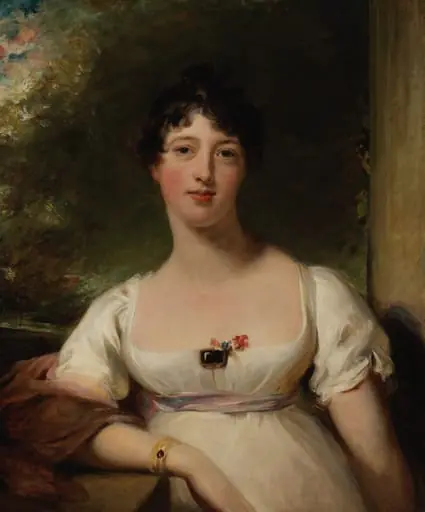 Anna Maria Dashwood, later Marchioness of Ely
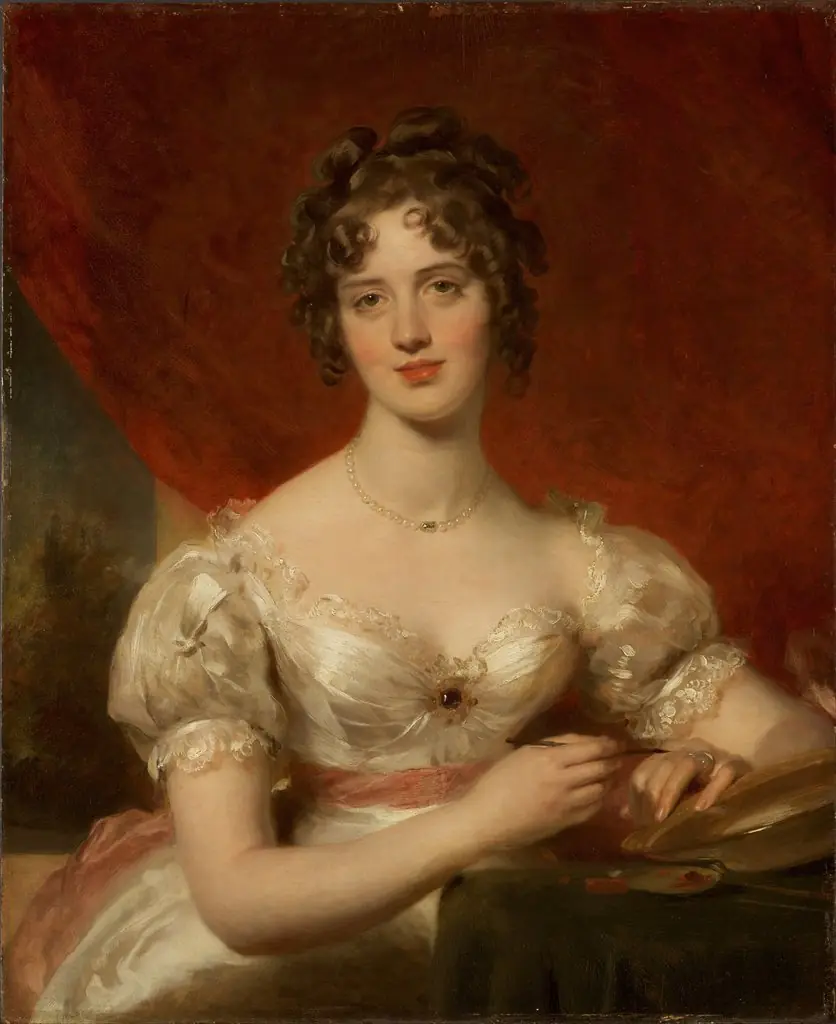 Portrait of Mary Anne Bloxam (later Mrs. Frederick H. Hemming)
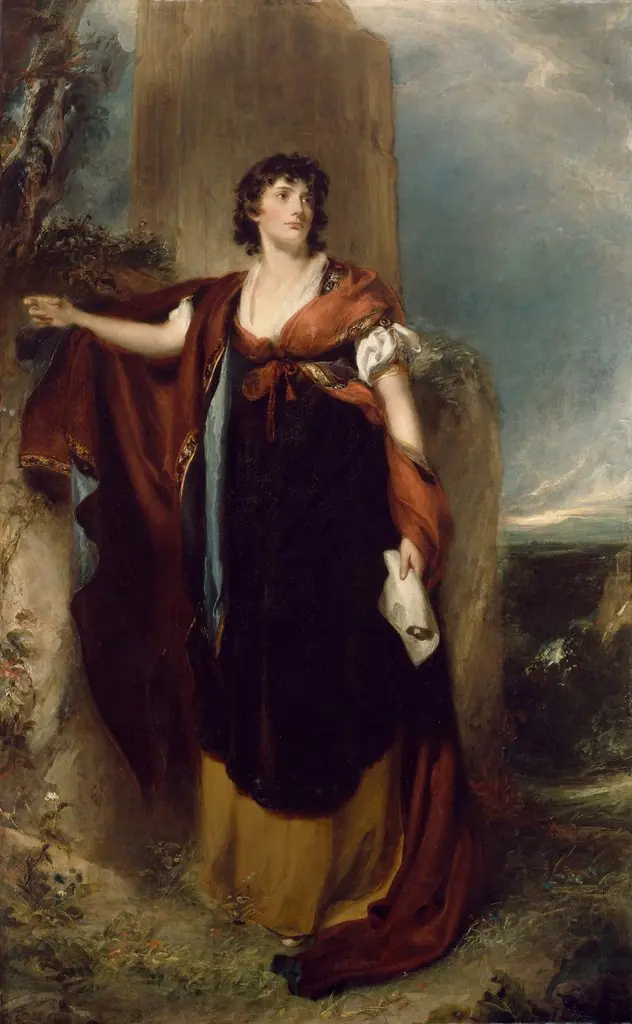 Portrait of Lady Elizabeth Foster, later Duchess of Devonshire (1759-1824)
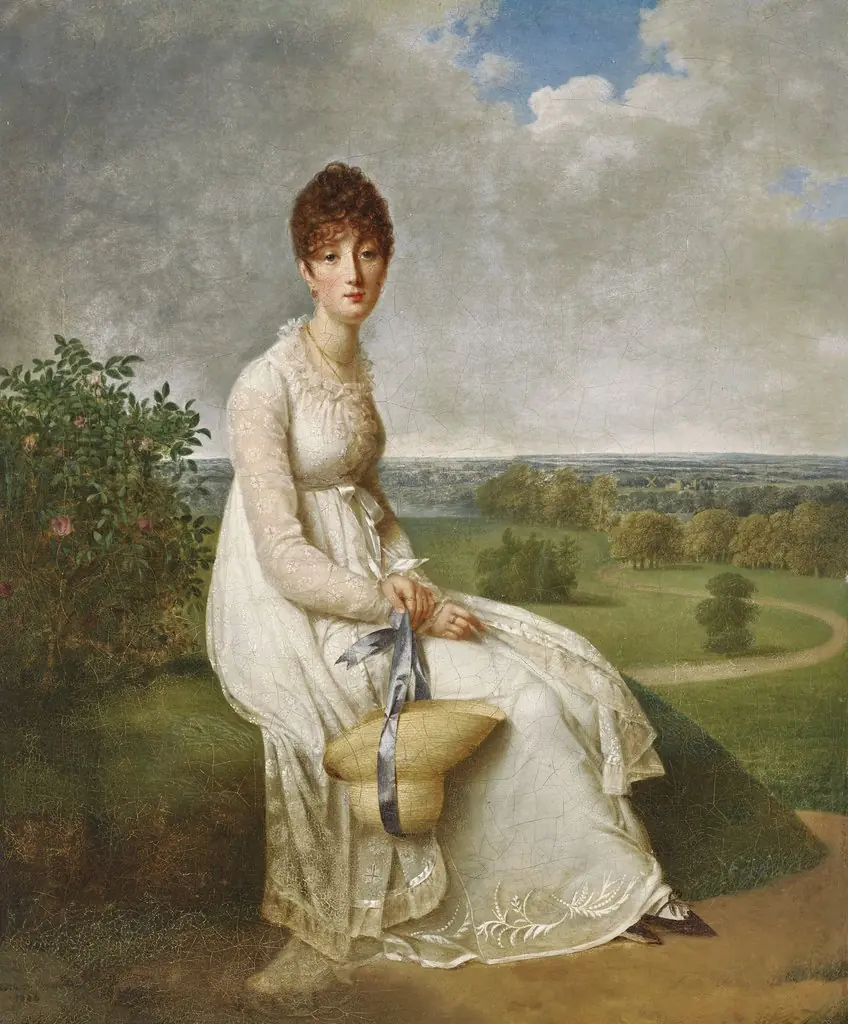 Portrait of a lady, full-length, seated on a rock in a landscape
 H Beard Print Collection
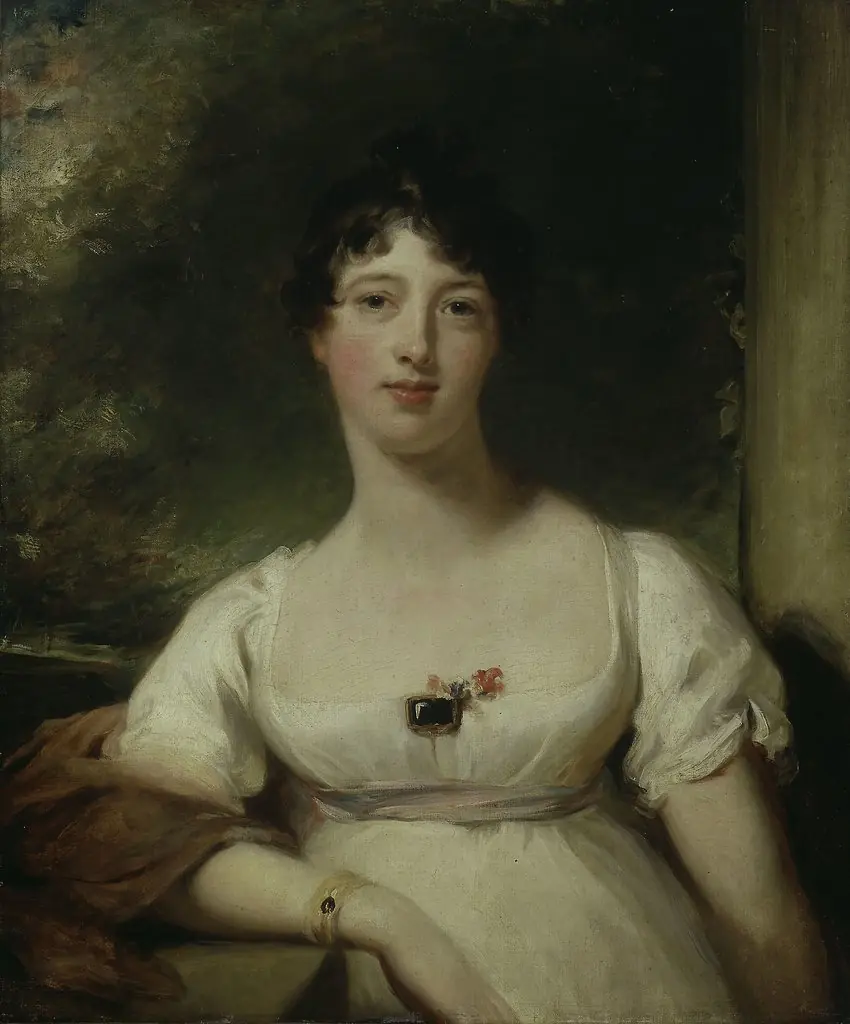 Anna Maria Dashwood, later Marchioness of Ely
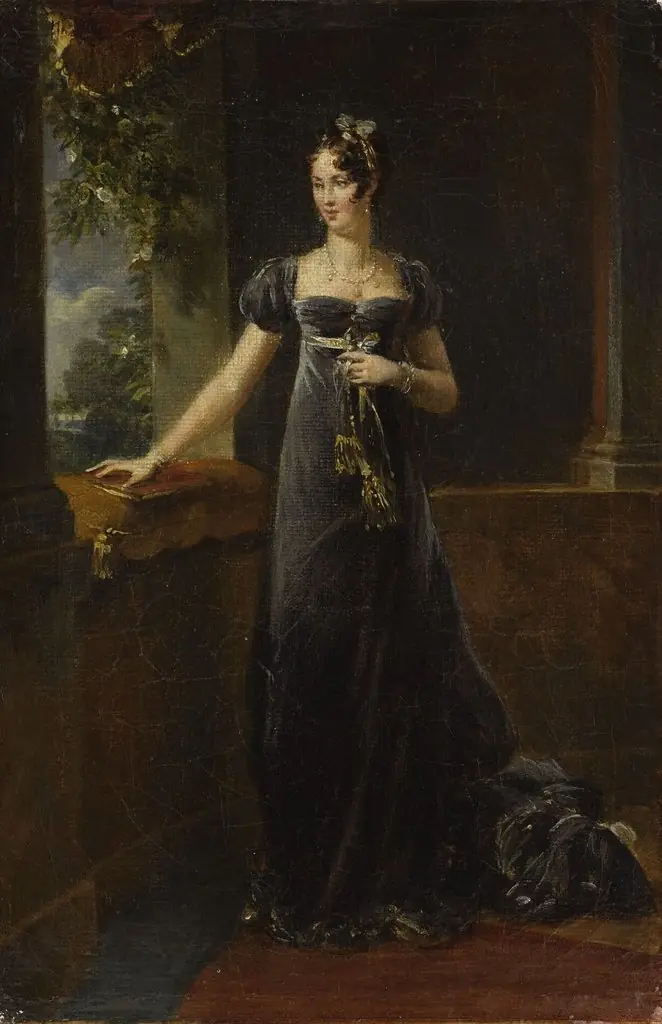 Auguste Amalia von Bayern, Vizekönigin von Italien
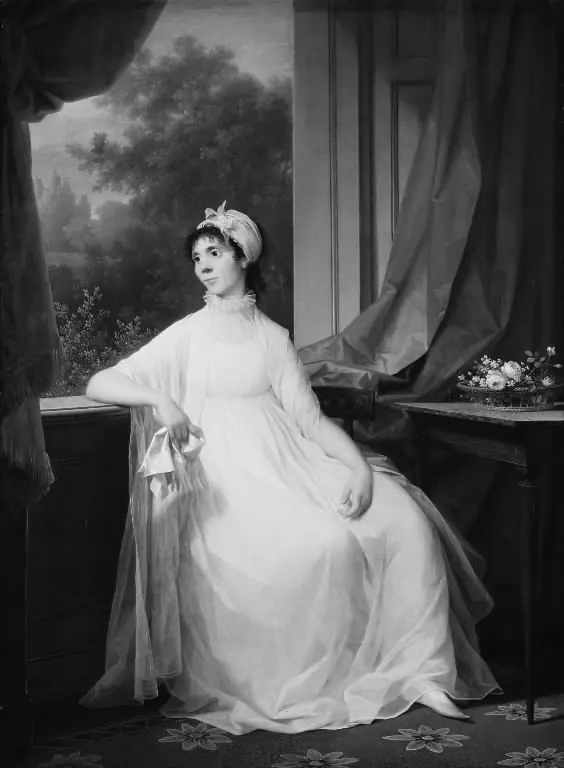 Portrait of Gertrud Hage, née Heitmann
 Lady Anne Torphichen