Artwork
Guy Little Theatrical Photograph
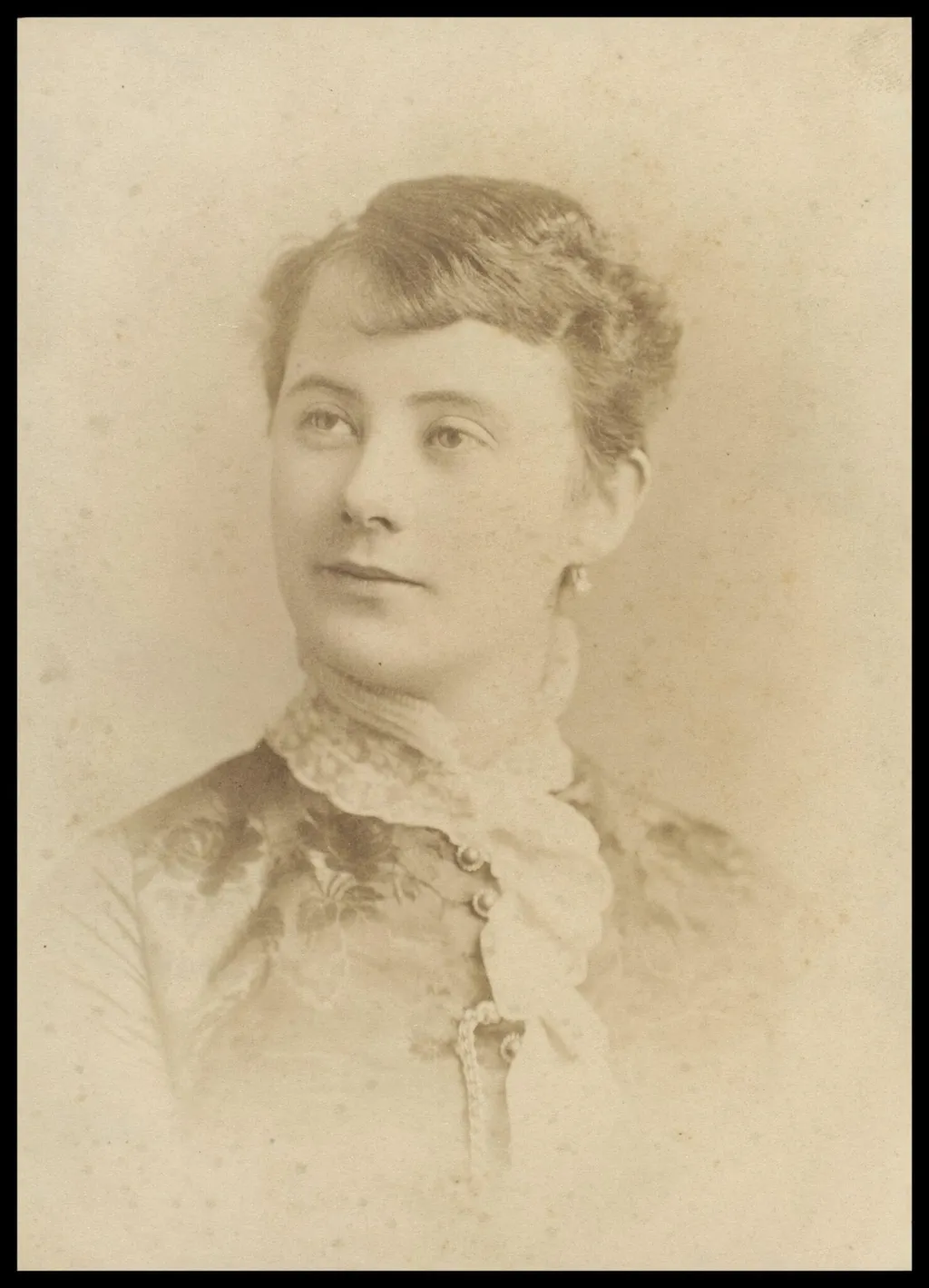
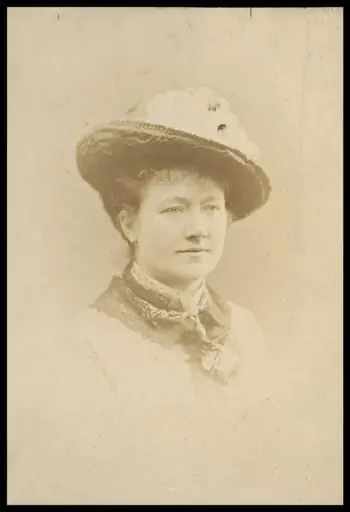
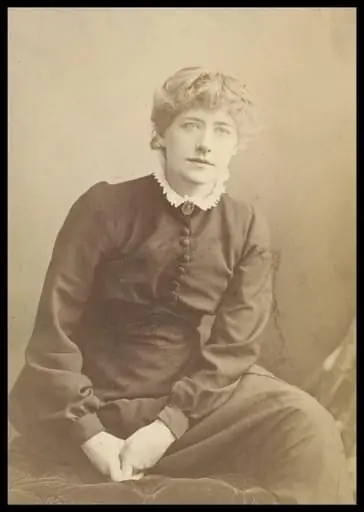
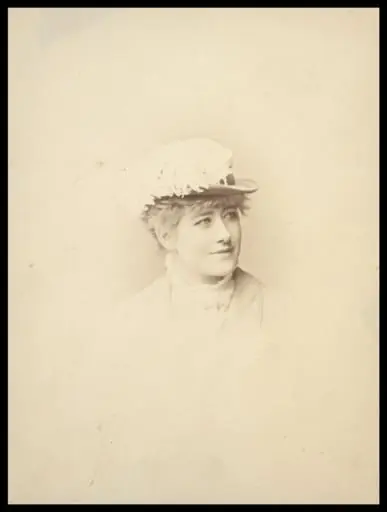
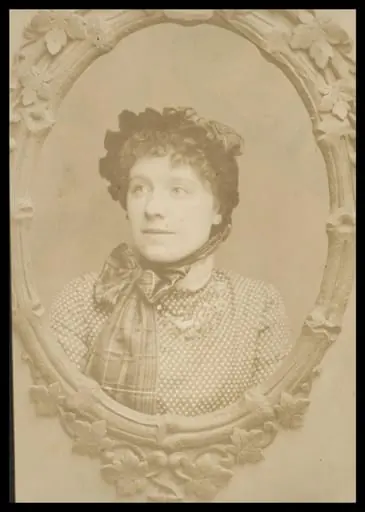
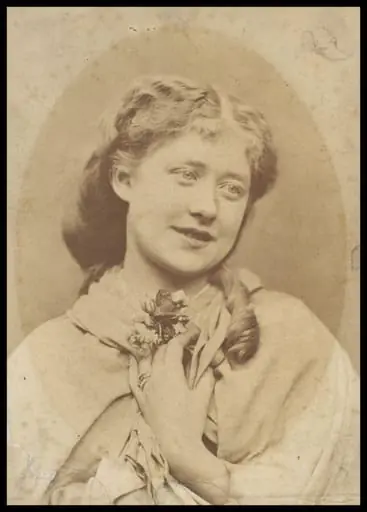
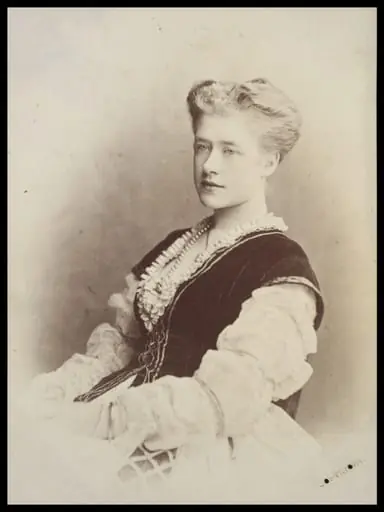
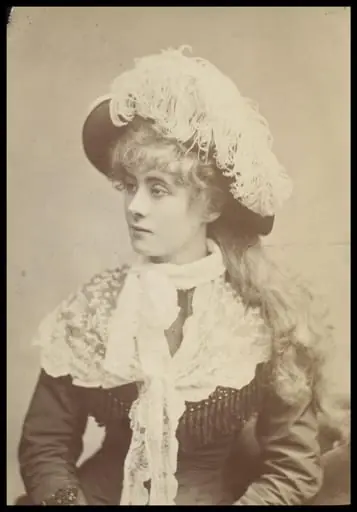
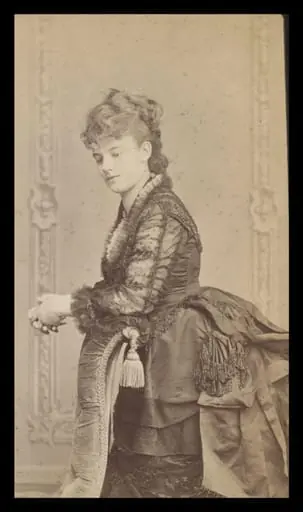
Guy Little Theatrical Photograph is a photographic photography by Henry Ashdown. It dates from 1850 and is held in the collection of the Victoria and Albert Museum. This photograph of actress Florence St.
About this work
Overview
It originates from the personal collection of Guy Tristram Little, who systematically assembled and preserved such materials, later bequeathing them to the V&A.
This photograph of actress Florence St. John was produced in the late 19th century as a cabinet card, a format that succeeded the smaller carte de visite. Taken by Henry Ashdown in a studio setting, it was intended for public circulation among theater enthusiasts. The image was mounted on thick cardstock bearing the photographer’s imprint, typical of commercial portrait practices of the era. It originates from the personal collection of Guy Tristram Little, who systematically assembled and preserved such materials, later bequeathing them to the V&A.
Subject & Meaning
Florence St. John, a prominent stage performer of the Victorian era, is depicted in her theatrical attire, reflecting her professional identity rather than private life. These portraits served as both promotional tools and collectible memorabilia, allowing fans to maintain a tangible connection to performers they admired. The image reinforces the growing cultural practice of celebrity fandom, where public figures became accessible through mass-produced imagery, bridging the gap between stage and audience.
Technique & Style
The photograph is an albumen print derived from a glass negative, a standard process in mid-to-late 19th-century studio photography. The image exhibits soft tonal gradations and fine detail, characteristic of the technique’s ability to capture texture and expression. Mounted on a rigid card, the print was designed for durability and display. The composition is formal, with controlled lighting and a neutral backdrop, emphasizing the subject’s presence without distraction.
History & Provenance
The photograph was part of a larger assemblage of theatrical portraits gathered by Guy Tristram Little, a solicitor and avid collector of ephemera. He removed the images from their original mounts and reorganized them into albums, preserving them for future study. Upon his death in 1953, the collection was donated to the Victoria and Albert Museum. Little’s role as executor of Gabrielle Enthoven’s estate further linked him to the foundation of the V&A’s Theatre Collections.
Context
During the 1860s and 1870s, the carte de visite and later the cabinet card became ubiquitous in British households, fueled by rising literacy, urbanization, and the popularity of theater. Actors and actresses commissioned these portraits as both advertising and personal branding. The format’s affordability and portability enabled widespread collection, turning photography into a social phenomenon that paralleled the growth of mass media and consumer culture.
Legacy
Little’s preservation of these photographs ensured the survival of a significant visual record of Victorian theater. His collection, now housed at the V&A, provides scholars with insight into performance culture, photographic practices, and public engagement with celebrity. The images serve as historical artifacts that document not only individual performers but also the evolving relationship between art, technology, and audience in the modern era.
Artist & collection
Artist