Artwork
Guy Little Theatrical Photographs
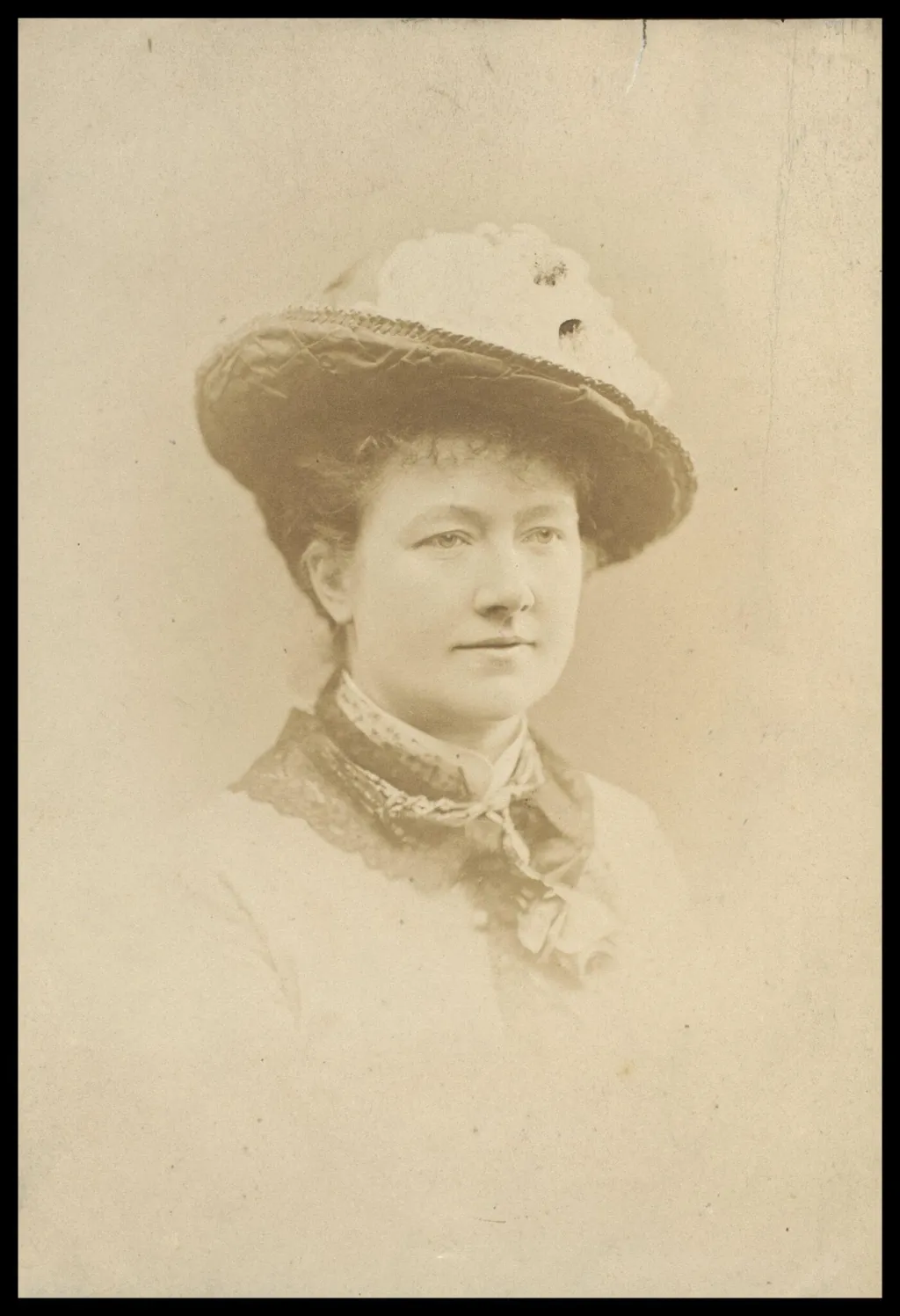
Guy Little Theatrical Photographs is a photographic photography by Elliot & Fry. It dates from 1850 and is held in the collection of the Victoria and Albert Museum.
About this work
Overview
Little bequeathed the collection to the Victoria and Albert Museum, where it now forms part of its broader theatrical archive.
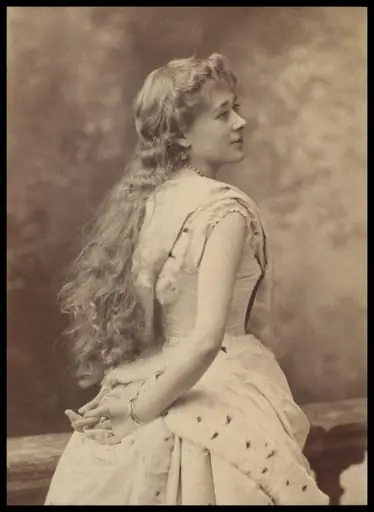
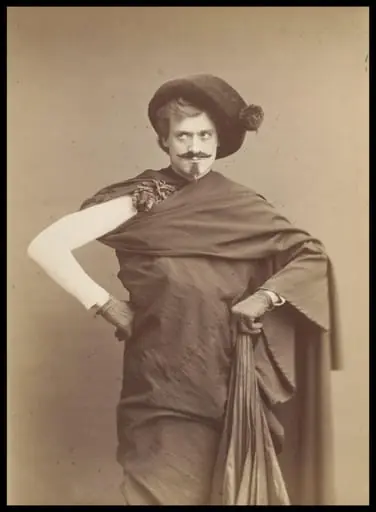
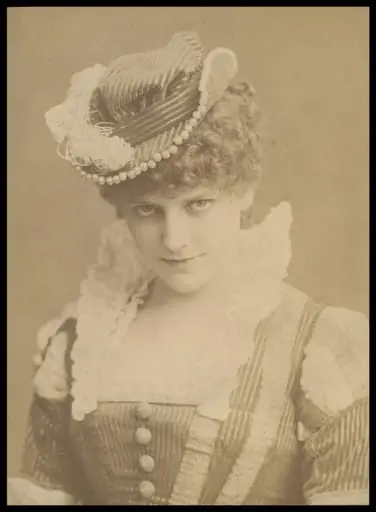
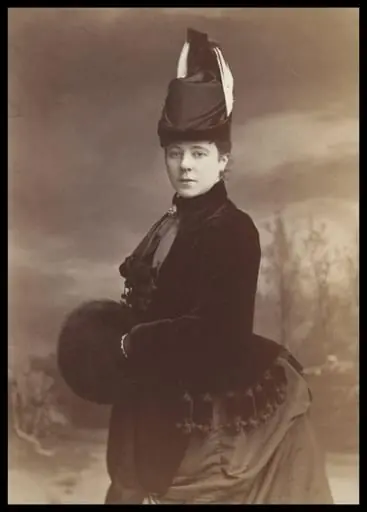
This collection of theatrical photographs consists of albumen prints mounted on cardstock, originally produced as cartes de visite and later cabinet cards during the Victorian era. Acquired and reorganized by Guy Tristram Little, a solicitor and avid collector, the images were removed from their original backings and preserved in bound albums. Little bequeathed the collection to the Victoria and Albert Museum, where it now forms part of its broader theatrical archive.
Subject & Meaning
The photographs depict actors and actresses of the period, captured either in costume or everyday attire, serving as both promotional tools and personal mementos. These images allowed audiences to connect with performers beyond the stage, transforming theatrical figures into accessible cultural icons. Their circulation reflected a growing public fascination with celebrity and the visual documentation of performance.
Technique & Style
Produced using the albumen printing process from glass negatives, these photographs were printed on thin paper and affixed to sturdy card mounts. Cartes de visite measured approximately 2.5 by 4 inches, while cabinet cards were larger and more durable. The photographer’s name was typically printed along the lower edge, standardizing commercial identity. The formal poses and controlled lighting reflect studio conventions of the time.
History & Provenance
Guy Tristram Little, a partner in a London law firm, assembled these images over decades, systematically mounting them into albums. He was also the executor of Gabrielle Enthoven’s estate, whose extensive theatrical holdings became the foundation of the V&A’s Theatre Collections. Little’s personal interest in ephemera—greetings cards, games, and photographs—shaped the scope and preservation of this archive.
Context
The popularity of cartes de visite surged after their 1854 patent, peaking in the 1860s as a social phenomenon akin to modern image-sharing. Collecting and exchanging these cards became a widespread habit, linking domestic life with public culture. By the 1890s, their decline followed the rise of postcards and more casual studio portraits, marking a shift in how the public engaged with visual media.
Legacy
Little’s curated albums preserved a fragile and transient medium, safeguarding images that might otherwise have been lost. The collection now offers scholars a tangible record of Victorian theatrical culture, performer identity, and photographic practice. Its institutional home at the V&A ensures continued access for research into the intersection of performance, photography, and collecting habits of the 19th century.
Artist & collection
Artist

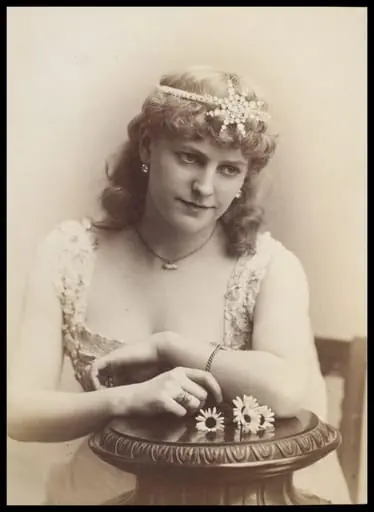
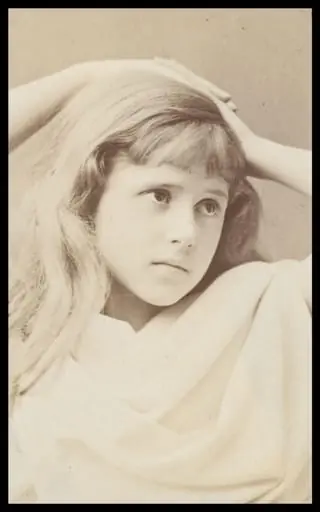
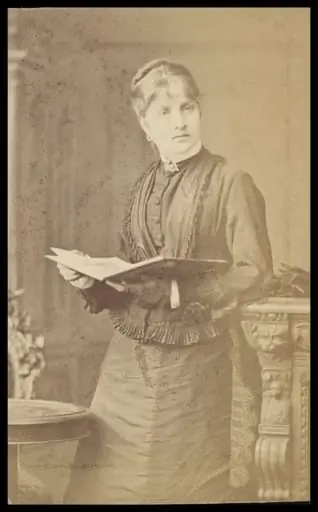
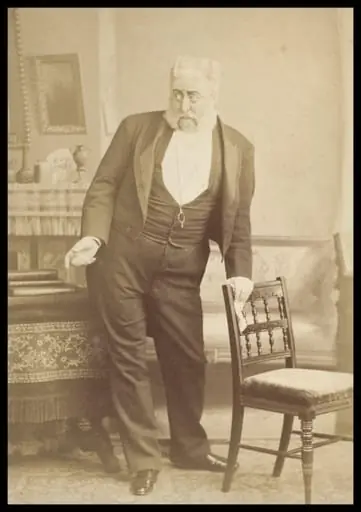
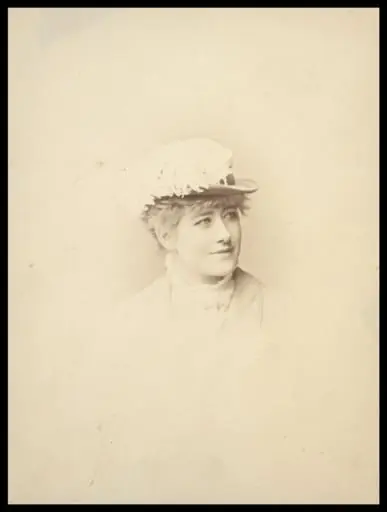 Guy Little Theatrical Photographs
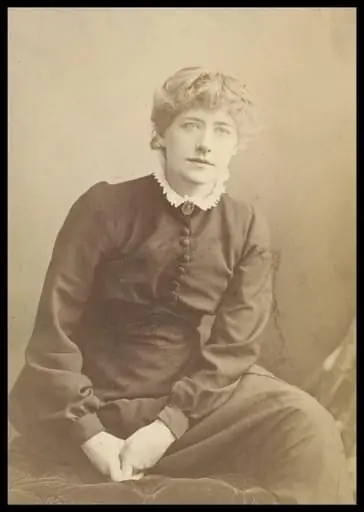 Guy Little Theatrical Photographs
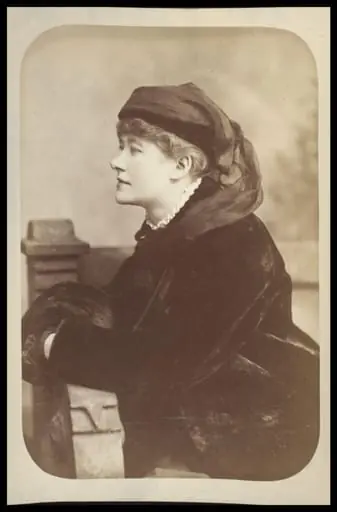 Guy Little Theatrical Photographs
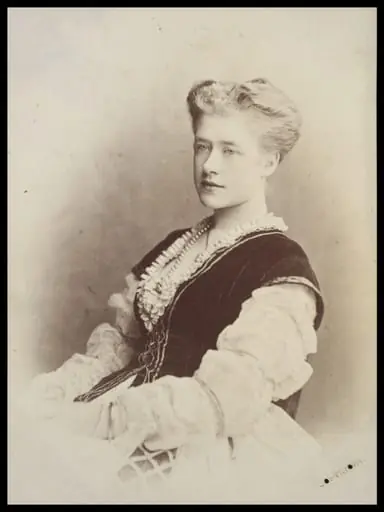 Guy Little Theatrical Photographs
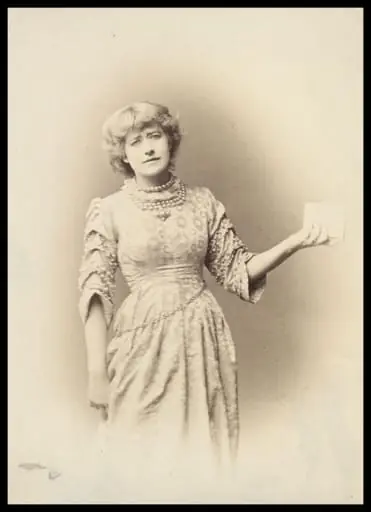 Guy Little Theatrical Photographs
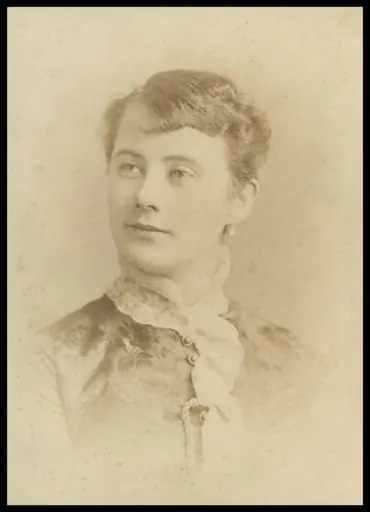 Guy Little Theatrical Photograph
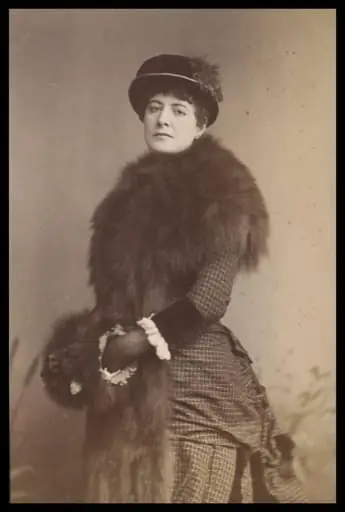 Guy Little Theatrical Photograph
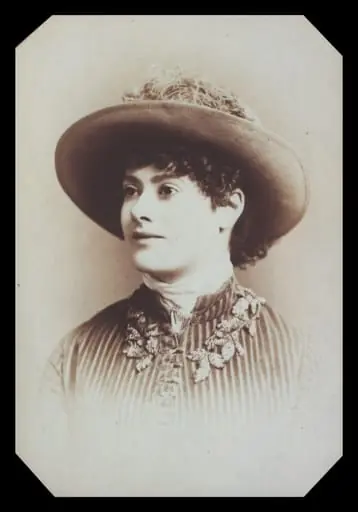 Guy Little Theatrical Photograph
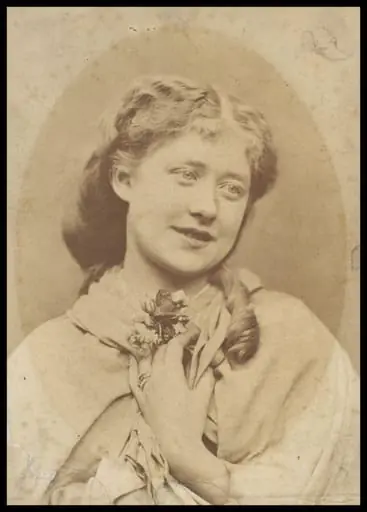 Guy Little Theatrical Photographs
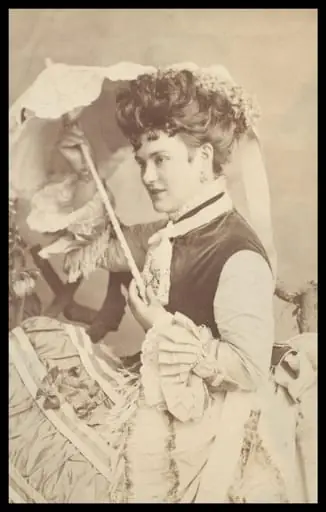 Guy Little Theatrical Photograph
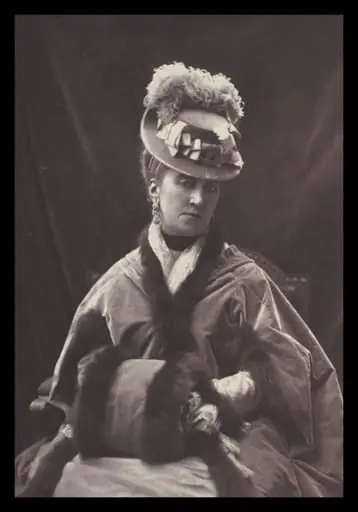 Guy Little Theatrical Photograph