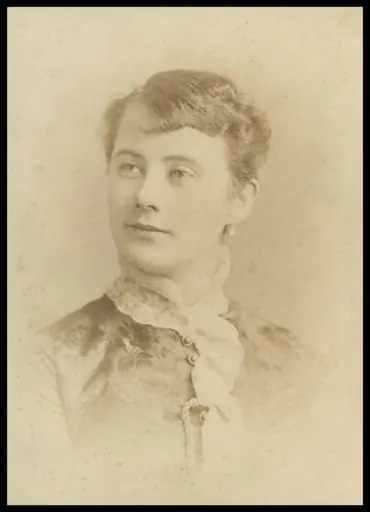
Artwork
Guy Little Theatrical Photographs
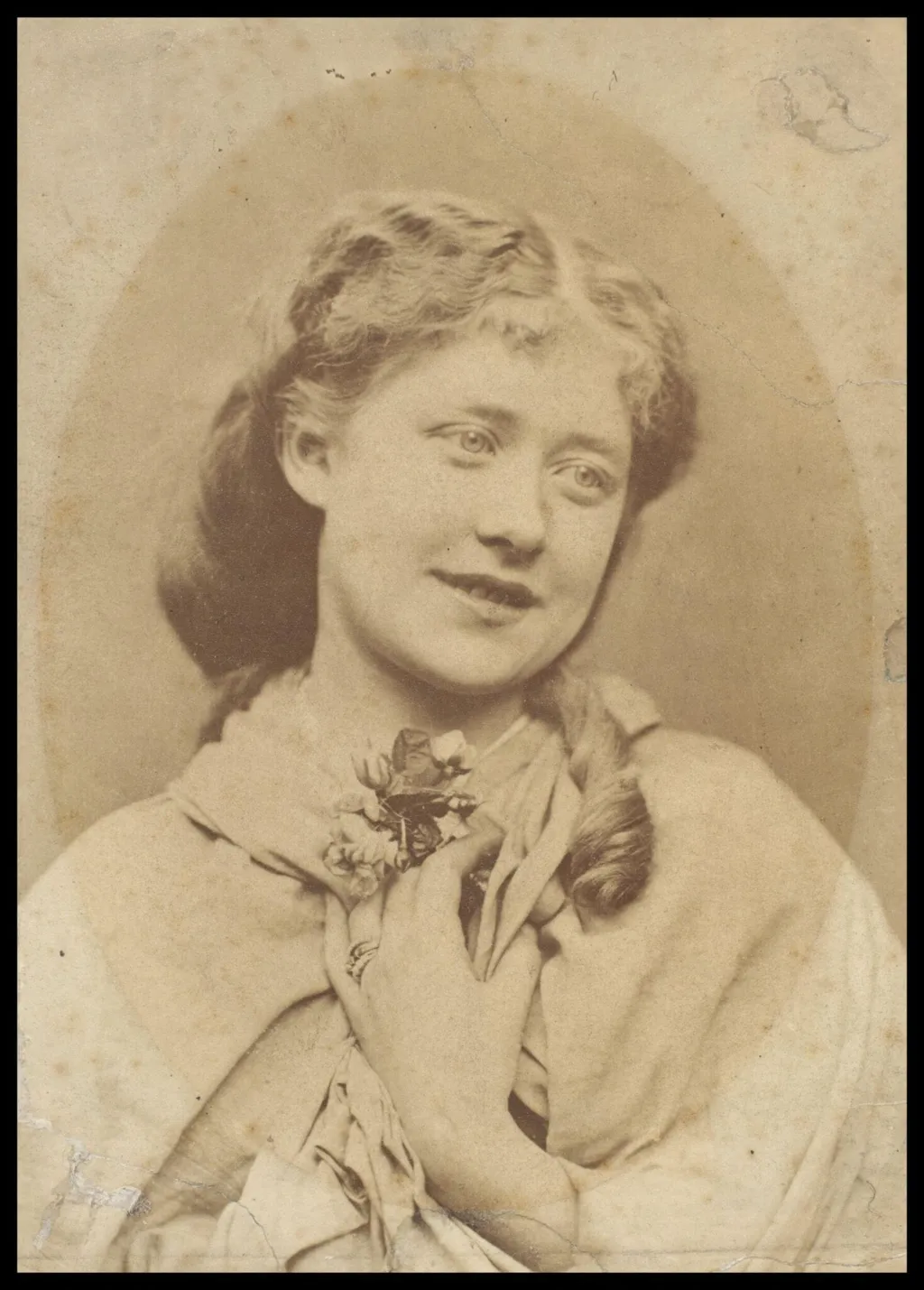
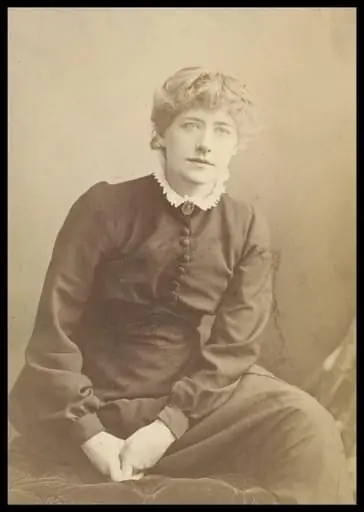
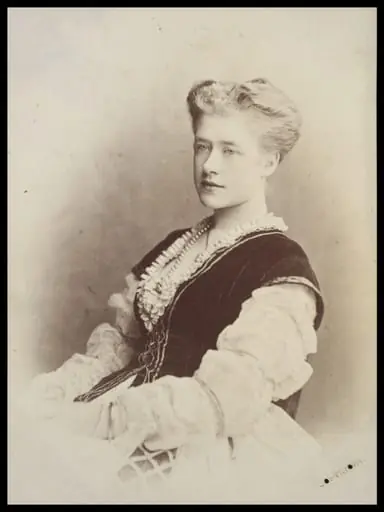
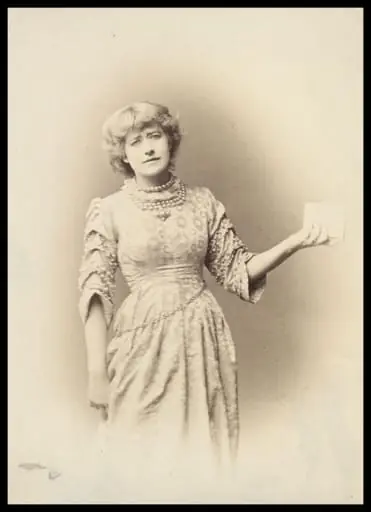
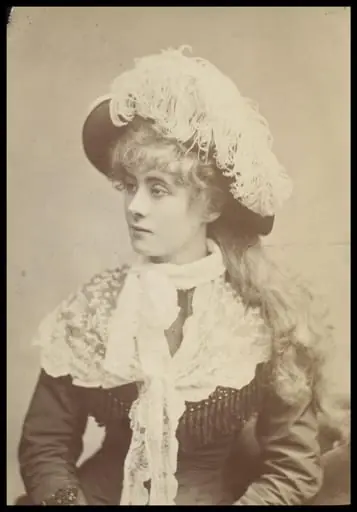
Guy Little Theatrical Photographs is a photographic photography by the Impressionist artist Adolphe Beau. It dates from 27 and is held in the collection of the Victoria and Albert Museum.
About this work
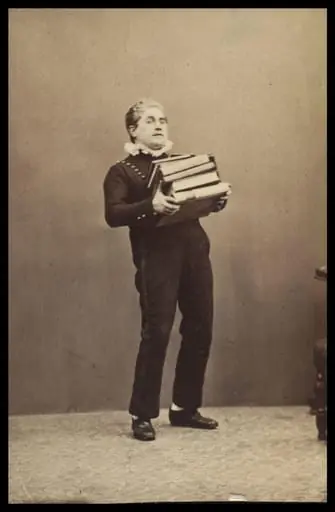
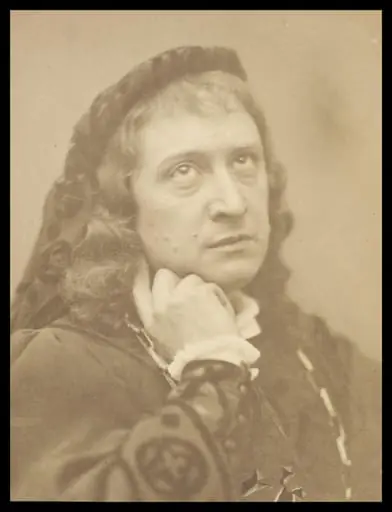
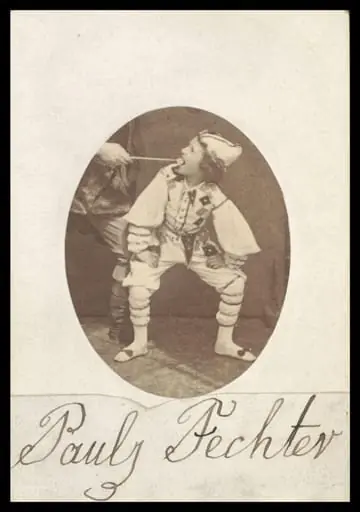
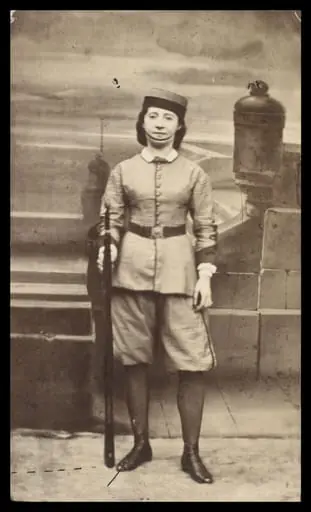
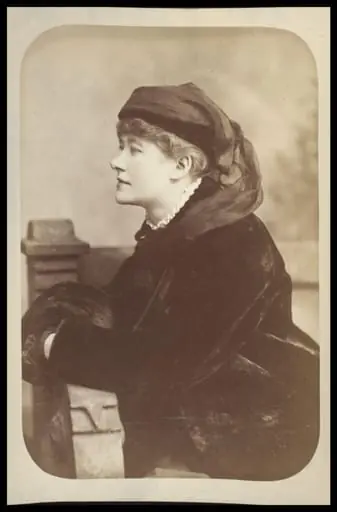
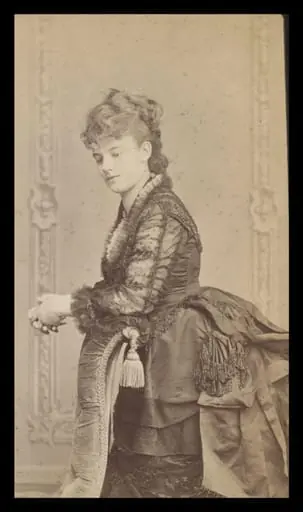
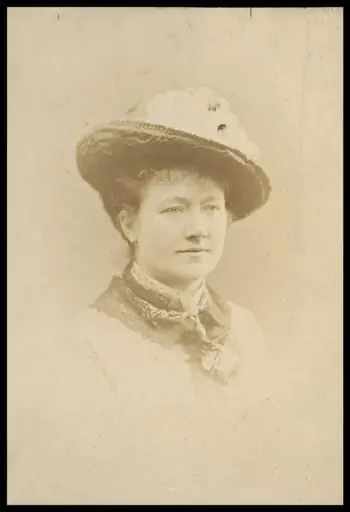
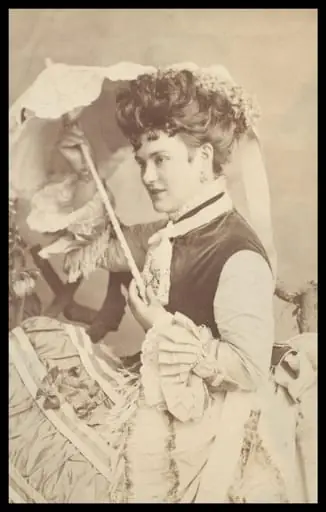
This is a 1864 photograph by Adolphe Beau in the Guy Little Theatrical Photographs collection. It shows an actor or actress in costume, made as a carte de visite.
This style of photo was small like a calling card. It used albumen prints on cardboard. People collected these photos like trading cards back then.
Check out the Victoria and Albert Museum next.
Overview
This photograph is part of a curated collection assembled by Guy Tristram Little, a solicitor and avid collector of ephemeral visual materials.
This photograph is part of a curated collection assembled by Guy Tristram Little, a solicitor and avid collector of ephemeral visual materials. Acquired from the V&A’s holdings, it originates from a trove of theatrical portraits—mostly cartes de visite and cabinet cards—removed from their original mounts and reorganized into albums. Little’s bequest in 1953 significantly enriched the museum’s archive of 19th-century performance culture.
Subject & Meaning
The image depicts a performer in theatrical costume, likely captured for public consumption during the height of the carte de visite trend. Such portraits served as both promotional tools and personal mementos, allowing audiences to connect with actors beyond the stage. The costume signals a specific role, anchoring the sitter in a dramatic narrative while inviting collectors to assemble a visual catalog of contemporary theater.
Technique & Style
Produced in 1864 by Adolphe Beau, the photograph is an albumen print on paper, mounted on a stiff card backing. The small format—roughly the size of a visiting card—was standard for cartes de visite, made from glass plate negatives to ensure sharp detail. The print’s surface reflects the era’s preference for glossy finishes, and the card’s printed studio attribution confirms its commercial origin and professional craftsmanship.
History & Provenance
The photograph was once part of a mass-produced series circulated widely in the 1860s. It was later separated from its original mount and integrated into Guy Little’s personal albums, which he compiled systematically. After his death in 1953, the entire collection was donated to the Victoria and Albert Museum, where it became a foundational resource for the study of Victorian theatrical portraiture.
Context
During the 1860s, cartes de visite became a cultural phenomenon, blending photography with the social ritual of exchanging visiting cards. Theatrical figures were among the most popular subjects, appealing to a public eager to collect likenesses of stars. These images were traded, displayed, and preserved as tokens of fandom, reflecting the growing intersection of celebrity culture and emerging photographic technology.
Legacy
Little’s collection preserved thousands of fragile photographic records that might otherwise have been lost. His systematic approach to archiving—removing cards from their original albums and rehousing them—ensured their survival. Today, the archive remains a vital resource for scholars studying 19th-century performance, fashion, and the social life of photographic media.
Artist & collection
Artist
Adolphe Beau spent his days behind a camera, capturing performers mid-gesture before they stepped offstage.