Artwork
Guy Little Theatrical Photograph
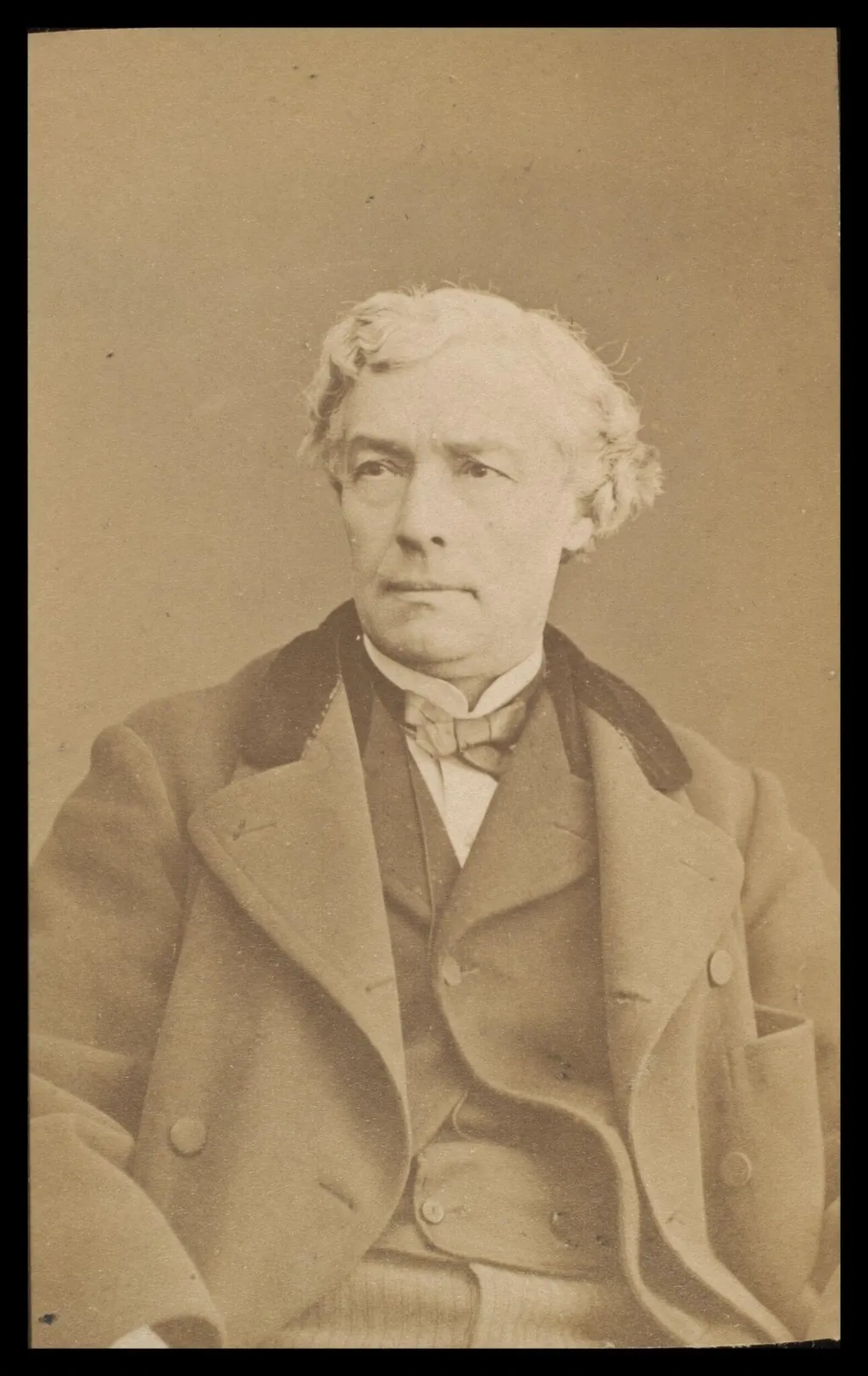
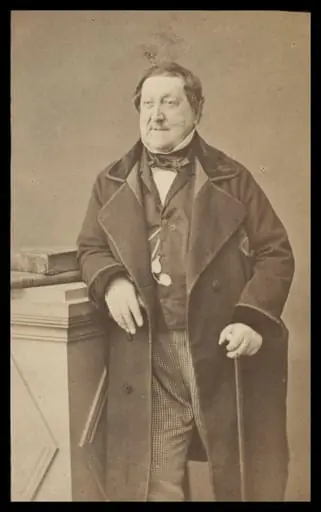
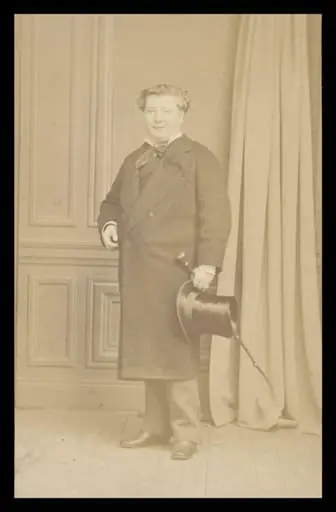
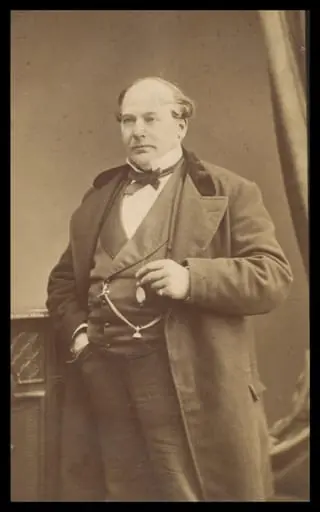
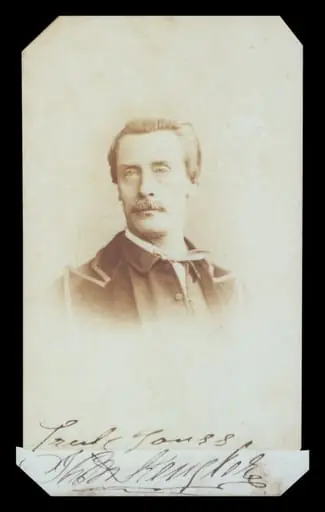
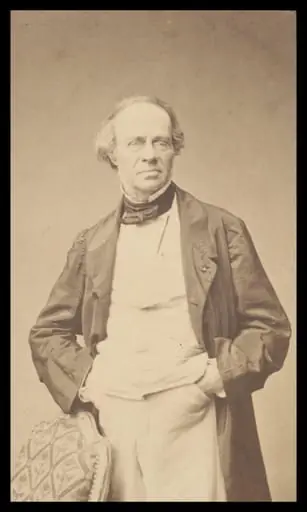
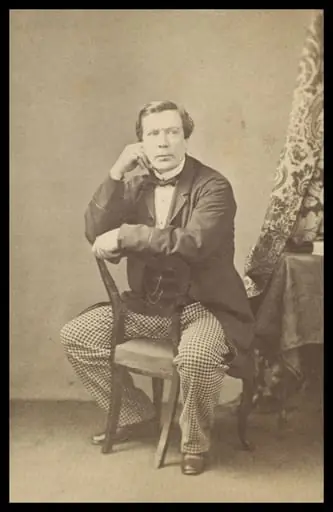
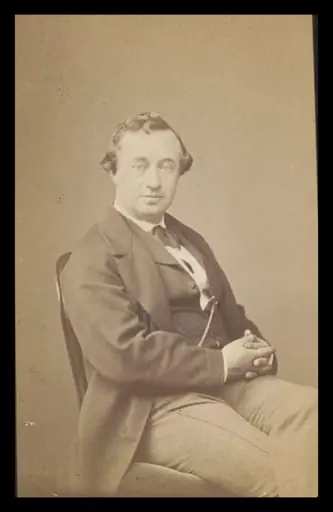
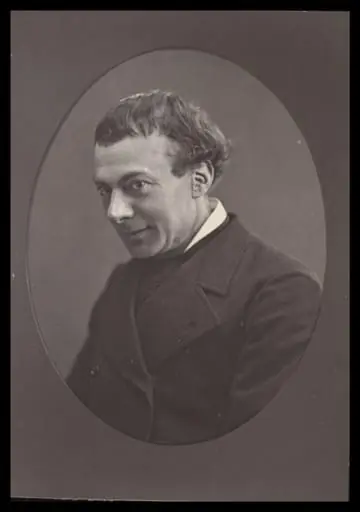
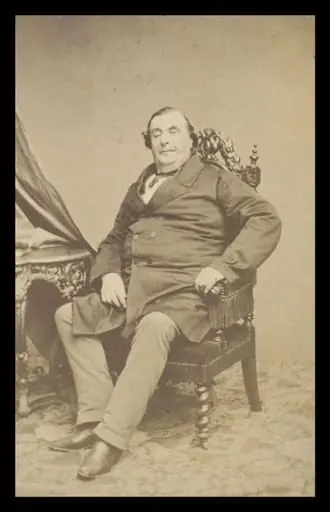
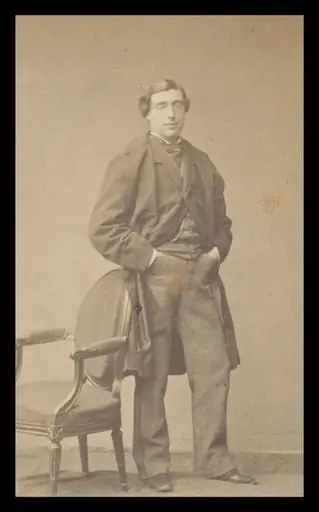
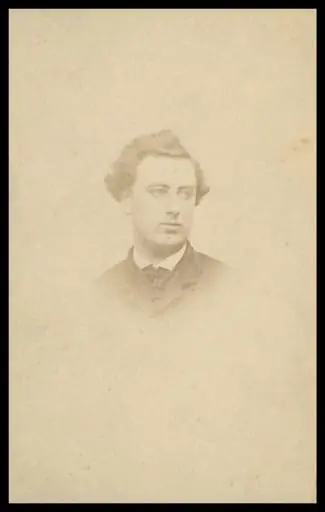
Guy Little Theatrical Photograph is a photographic photography by Auatol Pougnet. It dates from 1850 and is held in the collection of the Victoria and Albert Museum. This photograph of actor M.
About this work
Overview
The photograph was later preserved by Guy Tristram Little, who amassed a significant archive of such images, now held by the V&A.
This photograph of actor M. Chéry was produced by A. Pougnet in the 19th century as part of a widespread practice of capturing theatrical performers in studio settings. Made as a carte de visite, it reflects the era’s emerging culture of photographic portraiture, where images were printed on albumen paper and mounted on cardstock for easy collection and display. The photograph was later preserved by Guy Tristram Little, who amassed a significant archive of such images, now held by the V&A.
Subject & Meaning
The image portrays M. Chéry, a stage actor of the period, likely in costume or stylized attire to emphasize his theatrical identity. Such portraits served both as promotional tools and personal mementos, allowing audiences to connect with performers beyond the stage. The formal pose and controlled lighting reflect the conventions of studio photography, reinforcing the actor’s public persona while meeting the demand for collectible likenesses.
Technique & Style
The photograph was produced using the albumen print process, common in mid-to-late 19th-century photography. It originated from a glass negative, yielding fine detail and tonal range, and was mounted on a stiff card bearing the photographer’s imprint. The small scale—typical of cartes de visite—made it portable and suitable for inclusion in personal albums, aligning with the period’s social habit of collecting and exchanging photographic portraits.
History & Provenance
The photograph was once part of a personal collection assembled by Guy Tristram Little, a solicitor and avid collector of ephemera. After his death in 1953, his holdings—including thousands of cartes de visite and cabinet cards—were bequeathed to the Victoria and Albert Museum. Little’s role as executor for Gabrielle Enthoven’s theatrical archive further linked him to the institutional foundation of the V&A’s theatre collections.
Context
During the 1860s, cartes de visite became a cultural phenomenon in Britain, fueled by advances in photographic technology and rising middle-class leisure. Actors, celebrities, and public figures were frequent subjects, and collecting their portraits mirrored the popularity of other printed ephemera. By the 1880s, larger cabinet cards replaced cartes, and by the 1890s, postcards and newer formats gradually displaced both, marking a shift in how visual memorabilia was consumed.
Legacy
Little’s collection, now housed at the V&A, preserves a tangible record of 19th-century theatrical culture and photographic practice. These images offer insight into how performers were marketed and remembered, as well as how the public engaged with celebrity through material culture. The archive remains a key resource for scholars studying the intersection of theatre, photography, and social history in the Victorian era.
Artist & collection
Artist
Auatol Pougnet spent her days behind a camera in late 1800s London, snapping portraits of actors on and off the stage.