Artwork
Guy Little Theatrical Photograph
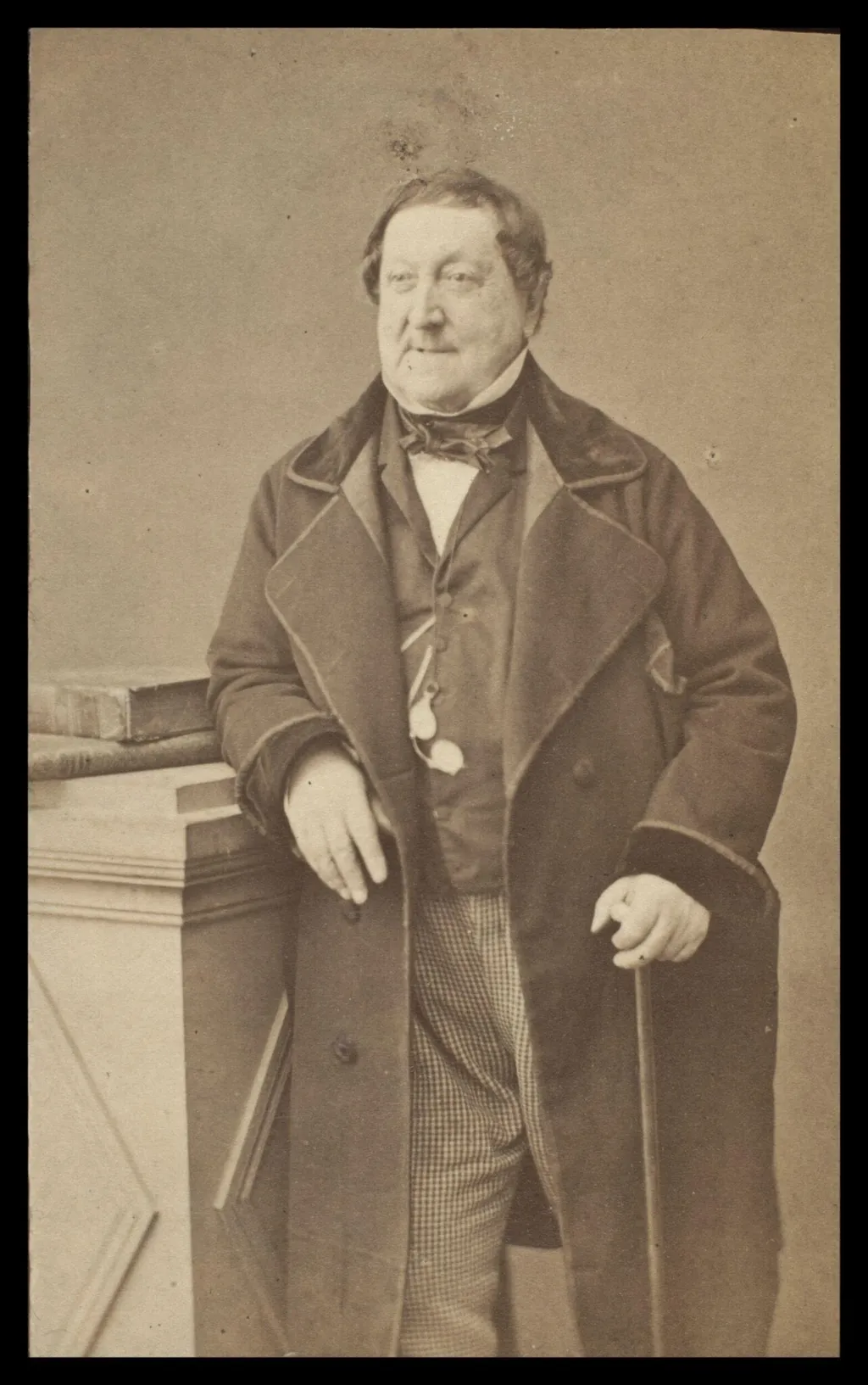
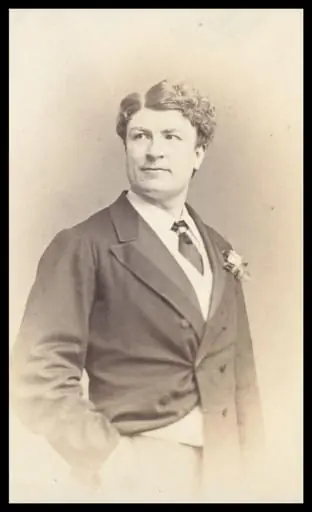
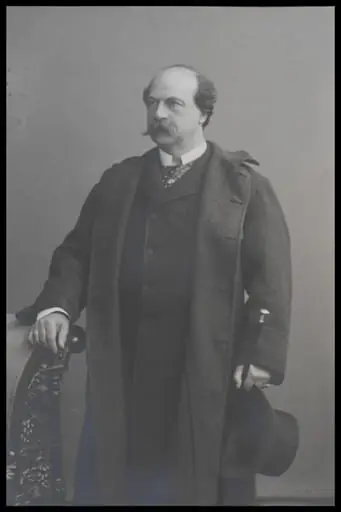
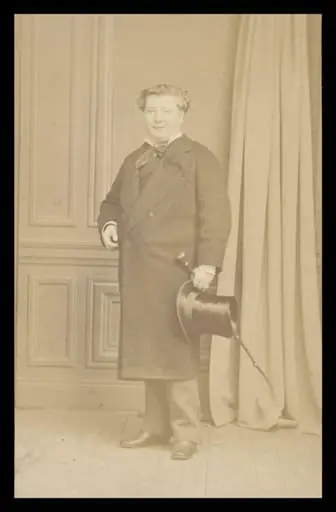
Guy Little Theatrical Photograph is a photographic photography by Giraldon. It dates from 1850 and is held in the collection of the Victoria and Albert Museum.
About this work
Overview
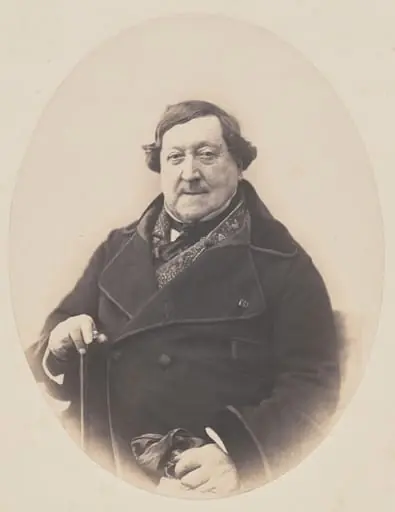
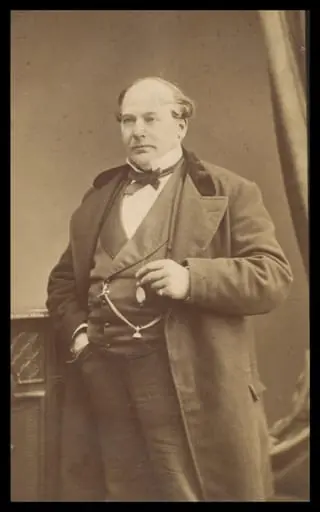
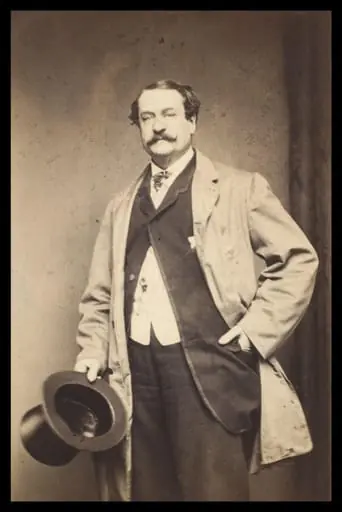
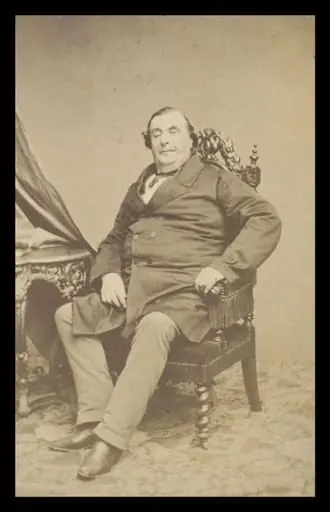
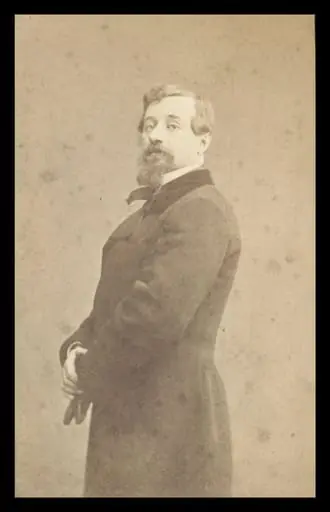
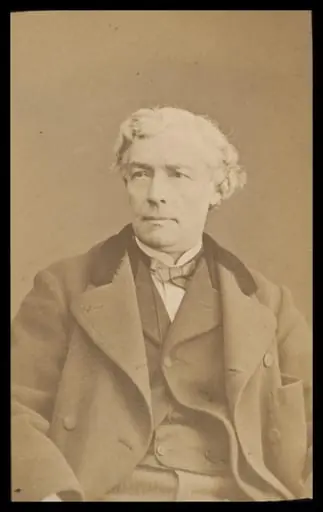
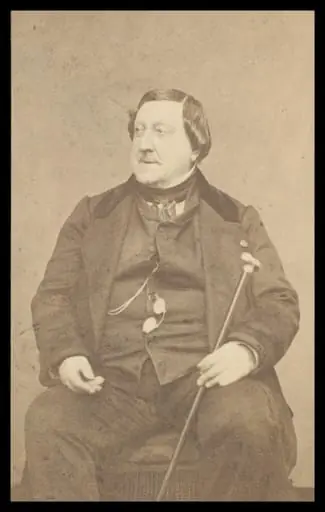
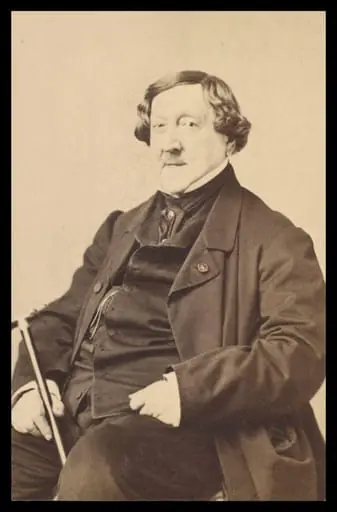
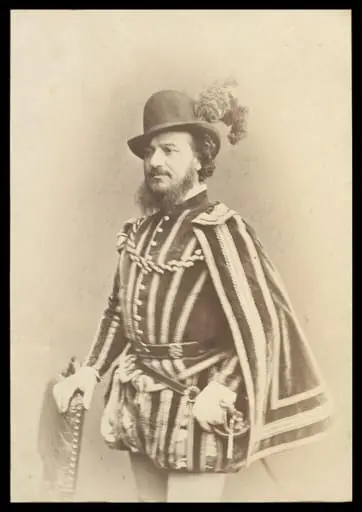
This photograph of Gioacchino Rossini is part of a personal collection assembled by Guy Tristram Little, a solicitor and avid collector of visual ephemera.
This photograph of Gioacchino Rossini is part of a personal collection assembled by Guy Tristram Little, a solicitor and avid collector of visual ephemera. It is an albumen print originally mounted on card, typical of mid-to-late 19th-century photographic portraiture. Little removed such images from their original backings and reorganized them into bound albums, preserving them as cultural artifacts rather than commercial items.
Subject & Meaning
The image captures the renowned Italian composer Gioacchino Rossini, likely in a posed studio setting. Though not in costume, the portrait reflects the Victorian practice of honoring public figures through photographic likeness. Rossini’s fame as a composer made him a natural subject for collectors seeking to document cultural icons, aligning the image with broader trends in celebrity portraiture of the era.
Technique & Style
The photograph is an albumen print derived from a glass negative, a standard process between the 1850s and 1890s. The image would have been printed on thin paper, then affixed to a stiff card backing bearing the photographer’s imprint. The composition is formal, with careful lighting and minimal background detail, emphasizing the subject’s presence without theatrical embellishment.
History & Provenance
The photograph belonged to Guy Tristram Little, who died in 1953 and bequeathed his collection to the Victoria and Albert Museum. Little, a partner in a London law firm, collected theatrical memorabilia and greeting cards. His collection included thousands of cartes de visite and cabinet cards, many sourced from the theatrical circle of Mrs. Gabrielle Enthoven, whose own collection became foundational to the V&A’s Theatre Collections.
Context
During the mid-19th century, cartes de visite became a mass phenomenon, enabling the public to collect images of celebrities, artists, and royalty. Rossini, though retired by the 1860s, remained a cultural symbol, making his portrait desirable. These small photographs functioned as both personal mementos and social currency, circulating among collectors and displayed in albums as markers of taste and connection to public life.
Legacy
Little’s meticulous assembly of these photographs preserved a snapshot of Victorian visual culture. By removing the original mounts and rehousing the images in curated albums, he transformed commercial prints into archival material. His donation to the V&A ensured the survival of a significant body of theatrical and photographic history, offering insight into how 19th-century audiences engaged with image-making and celebrity.
Artist & collection
Artist