Artwork
The Children of Israel and the Plague of Fiery Serpents
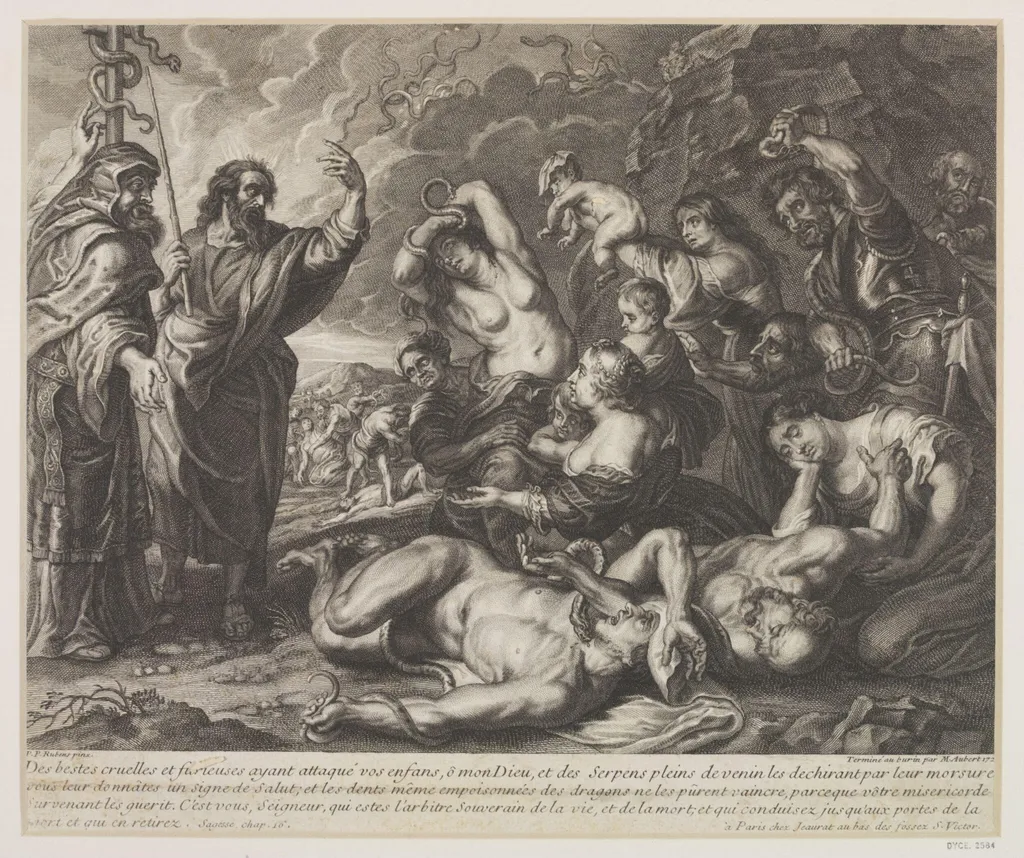
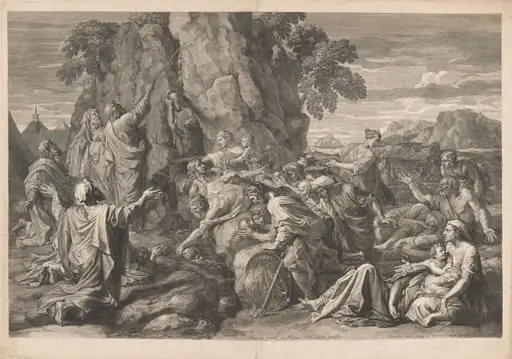
The Children of Israel and the Plague of Fiery Serpents is a print by Michel Aubert. It dates from 1750 and is held in the collection of the Victoria and Albert Museum.
About this work
Overview
The image is presented in reverse to the Rubens drawing, preserving the dramatic narrative in a single printed sheet.
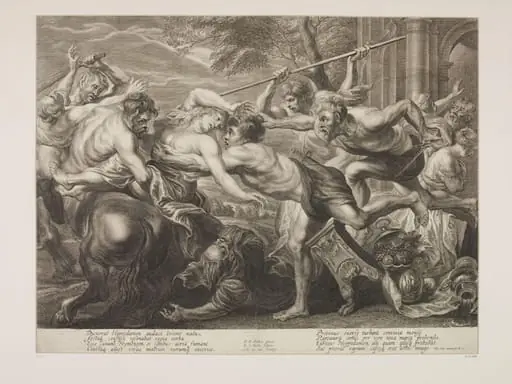
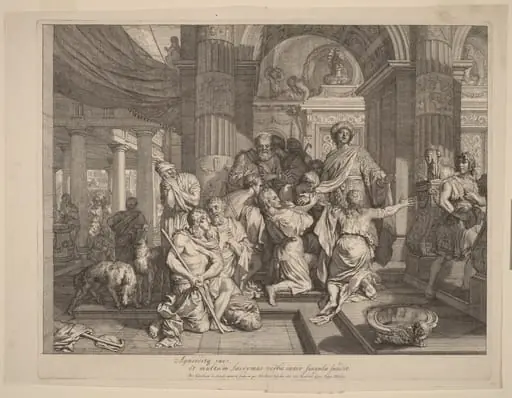
This print, executed by Michel Aubert, reproduces a composition originally devised by Peter Paul Rubens. It portrays the biblical episode in which the Israelites, wandering in the desert, are tormented by venomous serpents and later healed by looking upon a bronze serpent mounted on a pole. The image is presented in reverse to the Rubens drawing, preserving the dramatic narrative in a single printed sheet.
Subject & Meaning
The scene captures the moment of collective suffering among the Israelite camp, with figures contorted in pain and some gazing upward at the serpent‑adorned pole. The bronze serpent, a symbol of divine remedy, is central to the composition, emphasizing themes of punishment, repentance, and salvation that are integral to the Exodus narrative.
Technique & Style
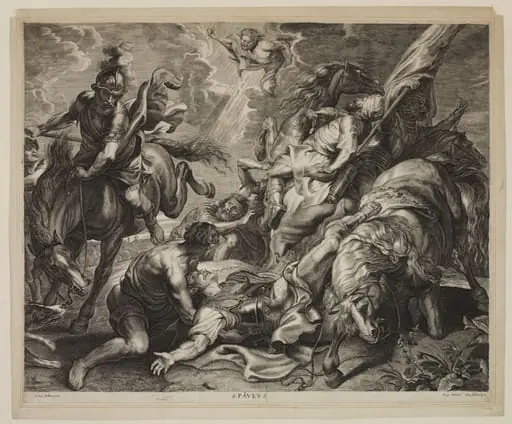
Aubert employed intaglio engraving on paper, translating Rubens’s dynamic Baroque composition into a monochrome medium. The reversed image retains the original’s vigorous chiaroscuro, using dense cross‑hatching to model flesh and fabric against a dark, cloud‑filled sky. The print’s dramatic contrasts and crowded figures reflect Rubens’s influence while showcasing Aubert’s skill in rendering movement and emotion through line.
History & Provenance
Created as a reproductive print, the work circulated in the early 18th century, allowing broader access to Rubens’s design beyond the original drawing. It bears Aubert’s signature and is catalogued among his series of biblical engravings, which were widely collected by patrons interested in devotional imagery and the dissemination of Baroque visual culture.
Artist & collection