Artwork
Honoré Daumier
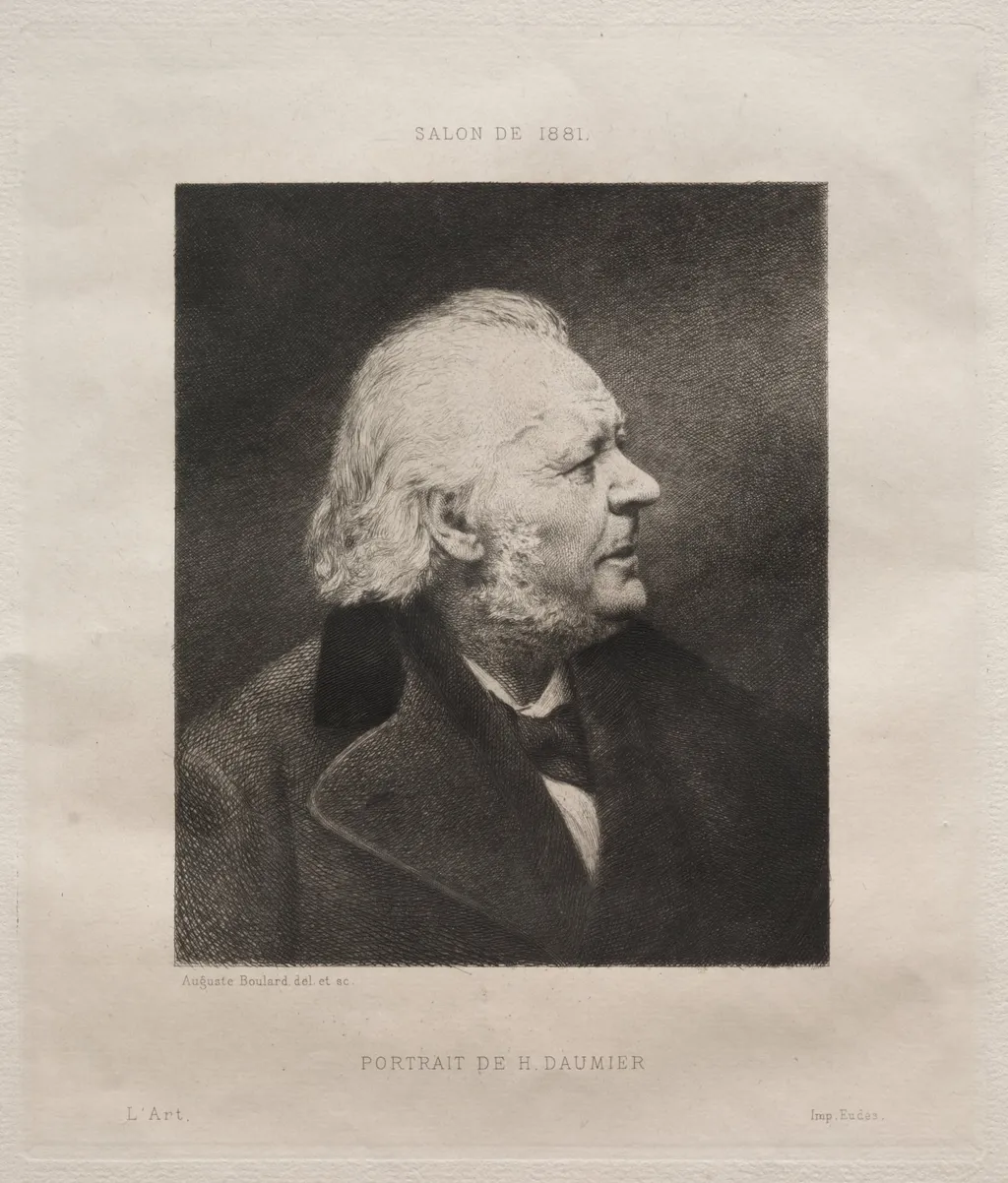
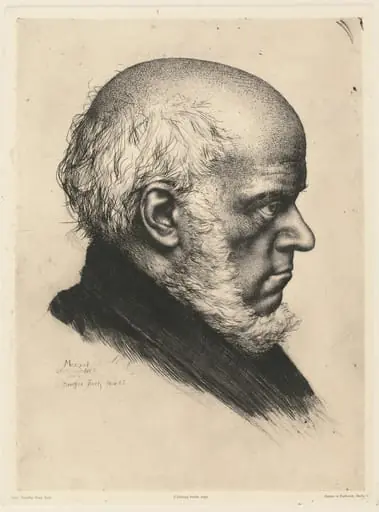
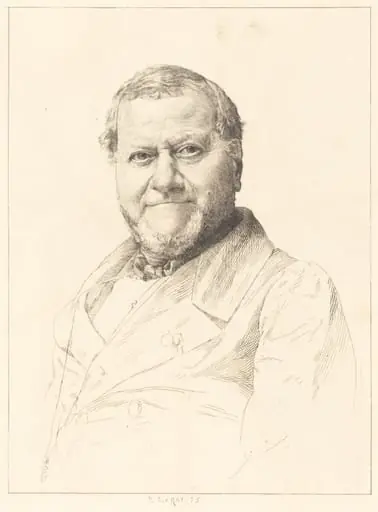
Honoré Daumier is a print by the Impressionist artist Auguste Boulard. It dates from 1881 and is held in the collection of the Cleveland Museum of Art.
About this work
Next, check out chiaroscuro—this technique uses strong light and shadow to shape faces like this one.
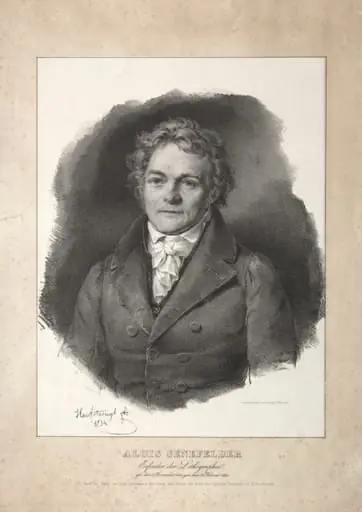
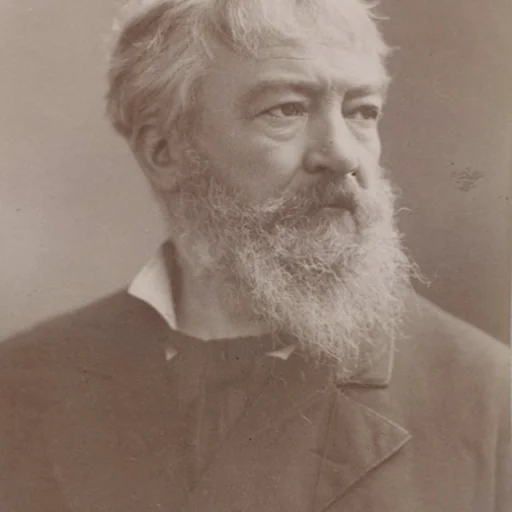
This is a black-and-white portrait of an older man in profile. His face is turned slightly away, showing a lined forehead and a neatly tied cravat. The background is plain, focusing all attention on his wrinkled skin and curly white hair.
The artist signed it "Auguste Boulard del et sc," and the print was shown at the 1881 Salon. The name "Daumier" is written below, but we can’t see who he is from the image alone.
Next, check out chiaroscuro—this technique uses strong light and shadow to shape faces like this one.
Overview
This black-and-white print, created by Auguste Boulard in 1881, depicts the French artist Honoré Daumier in profile. Executed as a lithograph, it captures Daumier’s aged features with quiet precision. The work was exhibited at the 1881 Paris Salon and bears Boulard’s signature, 'del et sc,' indicating he both drew and engraved the plate. The Cleveland Museum of Art holds the print, which emphasizes texture over detail through tonal contrast.
Subject & Meaning
The portrait presents Honoré Daumier, a prominent 19th-century caricaturist and social commentator, in his later years. His turned head and furrowed brow suggest introspection, while the neat cravat and white curls convey dignity amid aging. The absence of context or symbolism directs focus to his physical presence, inviting contemplation of his legacy as a keen observer of French society rather than a dramatic figure.
Technique & Style
Boulard employed lithographic technique to render subtle gradations of tone, using chiaroscuro to model Daumier’s face. Strong contrasts between light and shadow define the contours of his forehead, cheeks, and jaw, while fine lines suggest the texture of wrinkled skin and curly hair. The plain background eliminates distraction, allowing the interplay of ink and paper to convey depth and character without color or ornament.
History & Provenance
Created in 1881, the print was exhibited at the Paris Salon that same year, a significant platform for artists of the time. Boulard, known for his portraits and reproductive prints, likely made this image to honor Daumier’s influence. The work entered the Cleveland Museum of Art’s collection through documented acquisition, preserving its historical connection to both the artist and the cultural moment of late 19th-century French printmaking.
Context
In the 1880s, lithography remained a vital medium for portraiture and journalistic illustration in France. Daumier, though primarily known for his satirical drawings, was increasingly revered as a serious artist. Boulard’s portrait reflects a broader trend of commemorating cultural figures through refined graphic art, shifting from caricature to dignified representation as Daumier’s reputation evolved in his final years.
Legacy
This print endures as a quiet testament to Daumier’s public persona and Boulard’s skill in translating character through monochrome. It contributes to the visual record of 19th-century French artists, capturing a moment when the boundaries between satire and portraiture were being redefined. Though not widely reproduced, it remains a key reference for understanding how Daumier was perceived by contemporaries after his most active creative years.
Artist & collection
Artist
Auguste Boulard (1825–1897) was an artist, born in former 8th arrondissement of Paris.