Artwork
Henri Daumier (Honore Daumier)
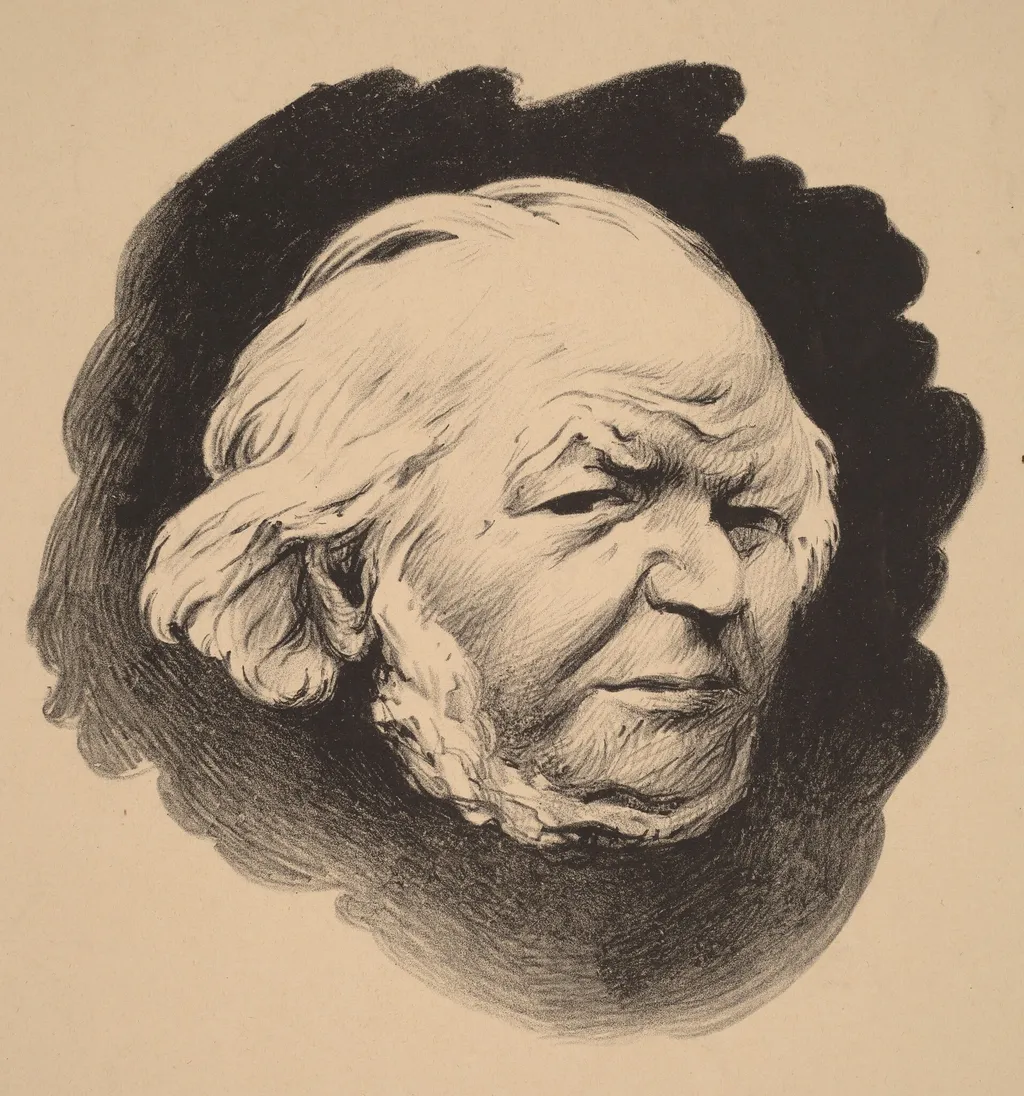
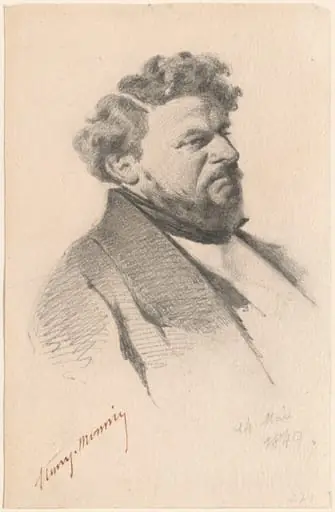
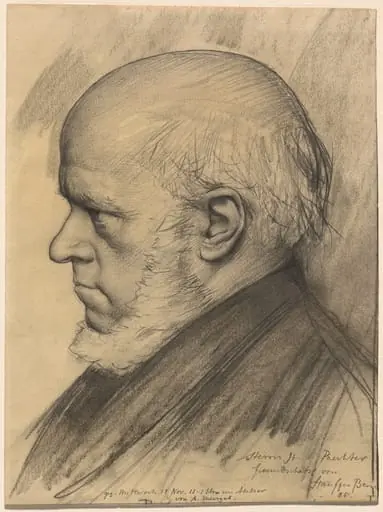
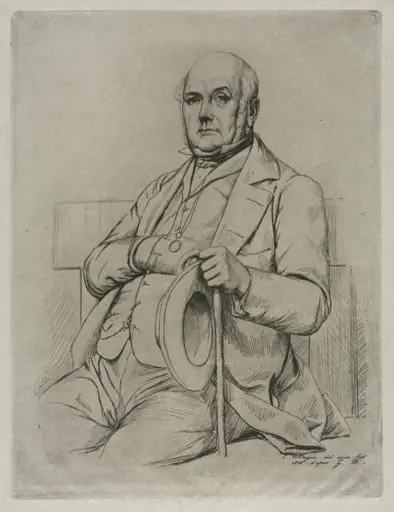
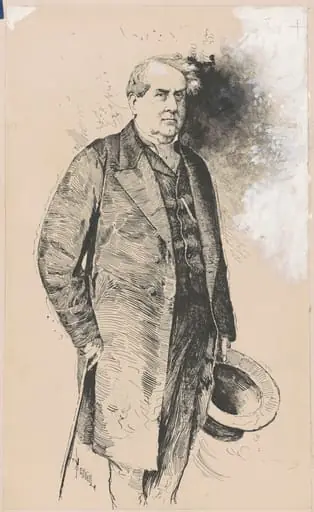
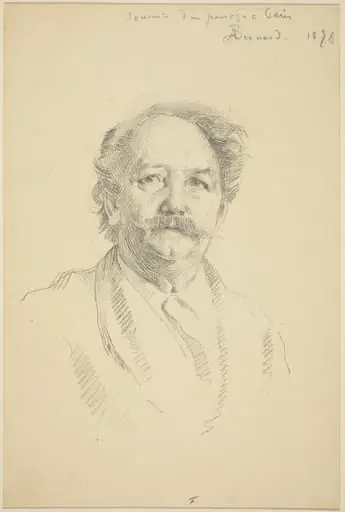
Henri Daumier (Honore Daumier) is an ink print by the Impressionist artist Félix Vallotton. It dates from 1894 and is held in the collection of the National Gallery of Art.
About this work
Overview
Vallotton, a Swiss-French printmaker linked to the Les Nabis, rendered Daumier with minimal detail and muted tones, avoiding idealization.
This 1894 lithograph by Félix Vallotton portrays the French artist Honoré Daumier, a figure renowned for his incisive social satire. Vallotton, a Swiss-French printmaker linked to the Les Nabis, rendered Daumier with minimal detail and muted tones, avoiding idealization. The work belongs to a broader trend in late 19th-century printmaking that valued immediacy over finish, capturing the subject as a fleeting impression rather than a formal portrait.
Subject & Meaning
Daumier is depicted with closed or half-lidded eyes, a short beard, and a broad-brimmed hat casting shadow over his face. The subdued expression and blurred contours suggest introspection or exhaustion, aligning with Daumier’s public image as a weary chronicler of urban life. Vallotton’s choice to omit sharp definition may reflect an acknowledgment of Daumier’s legacy as a quiet observer of societal undercurrents, not a flamboyant figure.
Technique & Style
Vallotton employed rapid, gestural lines and tonal washes typical of lithographic sketching, allowing the paper’s texture to show through. The dark hat and hair contrast sharply with the pale, softly modeled face, creating depth without detail. The technique eschews refinement, favoring spontaneity—a hallmark of Vallotton’s approach to portraiture and his alignment with modernist print practices that prioritized emotional resonance over polish.
History & Provenance
Created in 1894, the lithograph emerged during Vallotton’s most active period in printmaking, shortly after his association with Les Nabis. It was likely produced as part of a series of artist portraits or personal studies. The work entered public collections in the early 20th century, preserved as an example of how modern printmakers engaged with cultural predecessors through understated, intimate representation.
Context
In the 1890s, lithography was being redefined by artists seeking alternatives to academic painting. Vallotton, like Daumier before him, used the medium for its accessibility and directness. This portrait situates Daumier within a lineage of printmakers who valued observation over grandeur, reflecting a broader shift toward documenting the ordinary and the overlooked in modern European art.
Legacy
Vallotton’s portrait of Daumier endures as a quiet testament to artistic lineage and mutual respect between generations of printmakers. It exemplifies how modern artists used lithography not merely to reproduce images, but to convey psychological presence through economy of line. The work remains a reference point in studies of printmaking’s evolution toward expressive simplicity.
Artist & collection
Artist
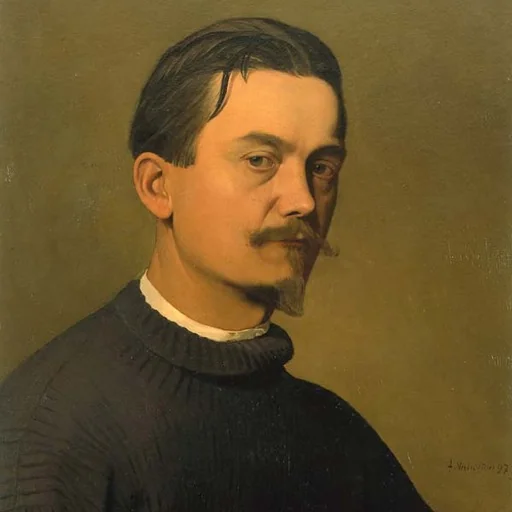
Félix Édouard Vallotton (French: ; December 28, 1865 – December 29, 1925) was a Swiss and French painter and printmaker associated with the group of artists known as Les Nabis.