Artwork
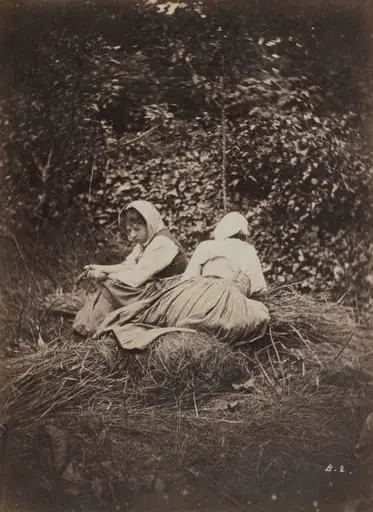
Two Shepherdesses Resting with Two Sheep
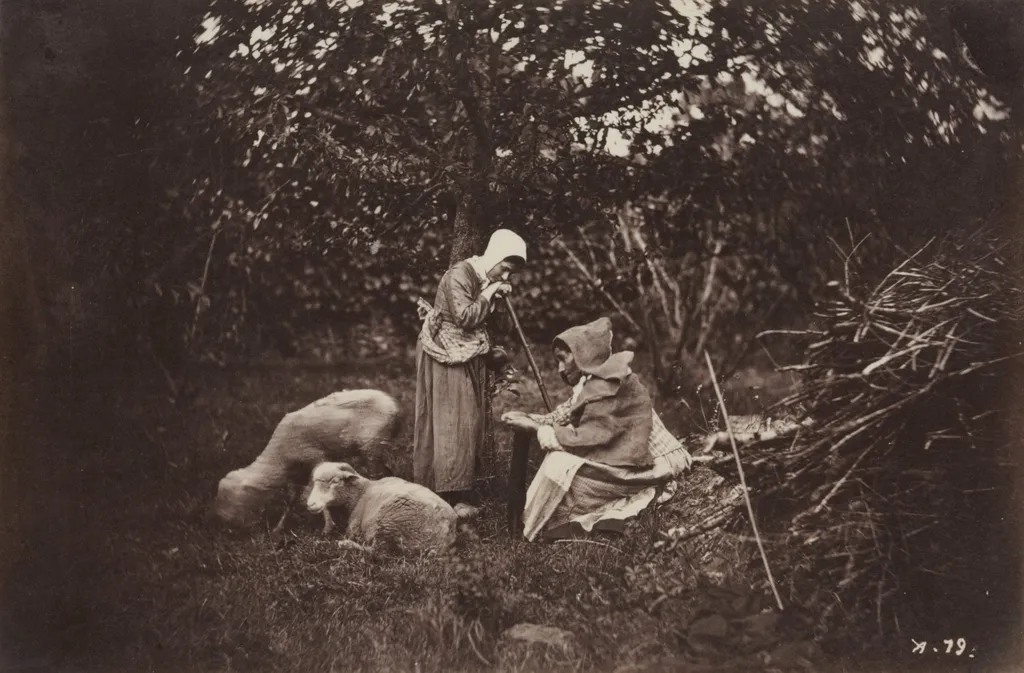
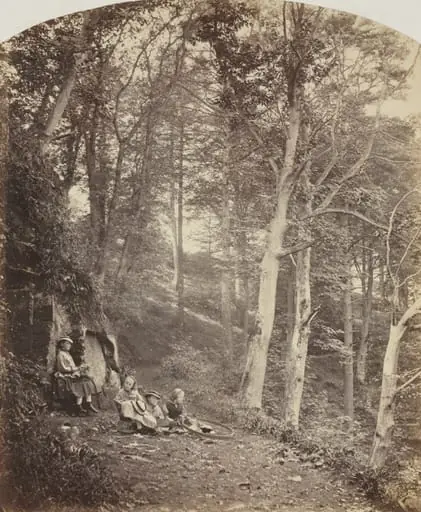
Two Shepherdesses Resting with Two Sheep is a photography by the Impressionist artist Auguste Giraudon's Artist. It dates from 1870 and is held in the collection of the Cleveland Museum of Art.
About this work
Overview
The photographer, known only as Giraudon’s Artist, worked in near anonymity, focusing on peasants in natural settings.
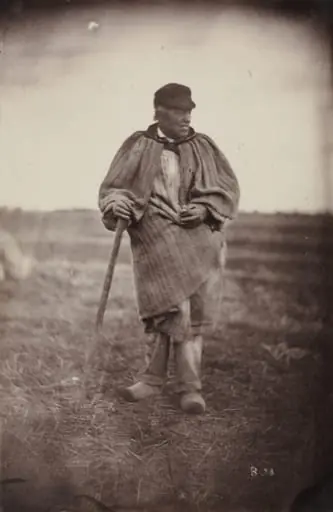
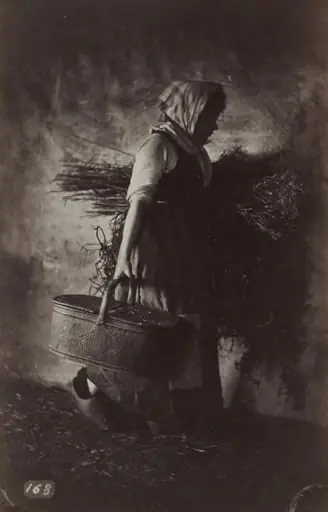
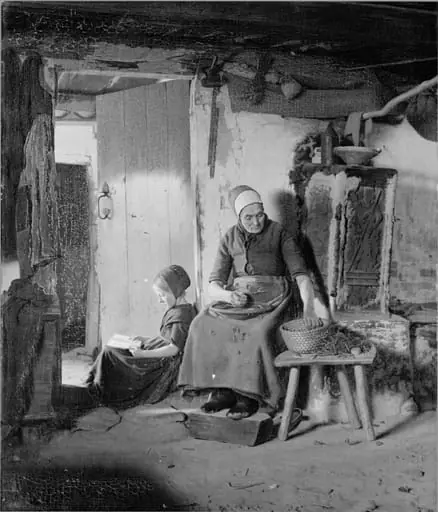
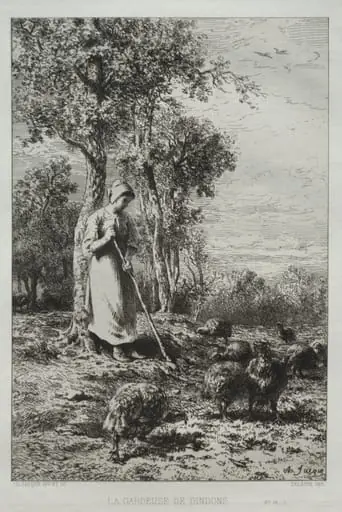
This photograph, produced in the 1870s under the commission of the French publisher Giraudon, belongs to a small series of rural figure studies made for artistic reference. The photographer, known only as Giraudon’s Artist, worked in near anonymity, focusing on peasants in natural settings. The image was likely captured near Barbizon, a hub for artists seeking direct observation of rural life. Unlike studio portraits, these photographs prioritized authenticity over theatricality.
Subject & Meaning
Two women in modest, traditional attire rest on the ground beside two sheep in a wooded clearing. One gazes downward, the other looks into the distance, suggesting quiet contemplation rather than labor. Their postures and surroundings convey a sense of stillness and endurance. The scene avoids sentimentality, instead presenting rural life with unembellished dignity, reflecting a growing 19th-century interest in the quiet realities of peasant existence.
Technique & Style
The photograph employs natural light to model form and define spatial depth, with soft shadows anchoring the figures within the landscape. The composition balances the women’s stillness against the textured foliage, creating a harmonious integration of human and environment. The medium’s tonal range captures subtle variations in fabric, skin, and bark, demonstrating technical precision. Unlike staged studio work, this image feels observed, not constructed.
History & Provenance
Commissioned by Giraudon, a publisher supplying visual material to artists, these photographs were distributed as reference tools rather than fine art. The photographer’s identity remains unknown, though the work aligns with the Barbizon School’s ethos. The series was likely used by painters seeking accurate depictions of rural figures. The photograph’s survival as a standalone object reflects later recognition of its documentary and aesthetic value.
Context
In the 1870s, French artists increasingly turned to nature and everyday life for subject matter, moving away from historical or mythological themes. Barbizon became a center for this shift, with painters and photographers alike documenting rural labor and rest. This photograph emerged within that context—not as art for public display, but as a practical aid to artists striving for realism, bridging the gap between observation and representation.
Legacy
Though created as functional material, the photograph’s quiet composition and sensitivity to light have ensured its preservation as a document of 19th-century visual culture. It exemplifies an early form of ethnographic photography that treated rural subjects with restraint and respect. Its influence is seen in later documentary practices that valued authenticity over idealization, quietly shaping how everyday life came to be visually recorded.
Artist & collection