Artwork
Pastorale
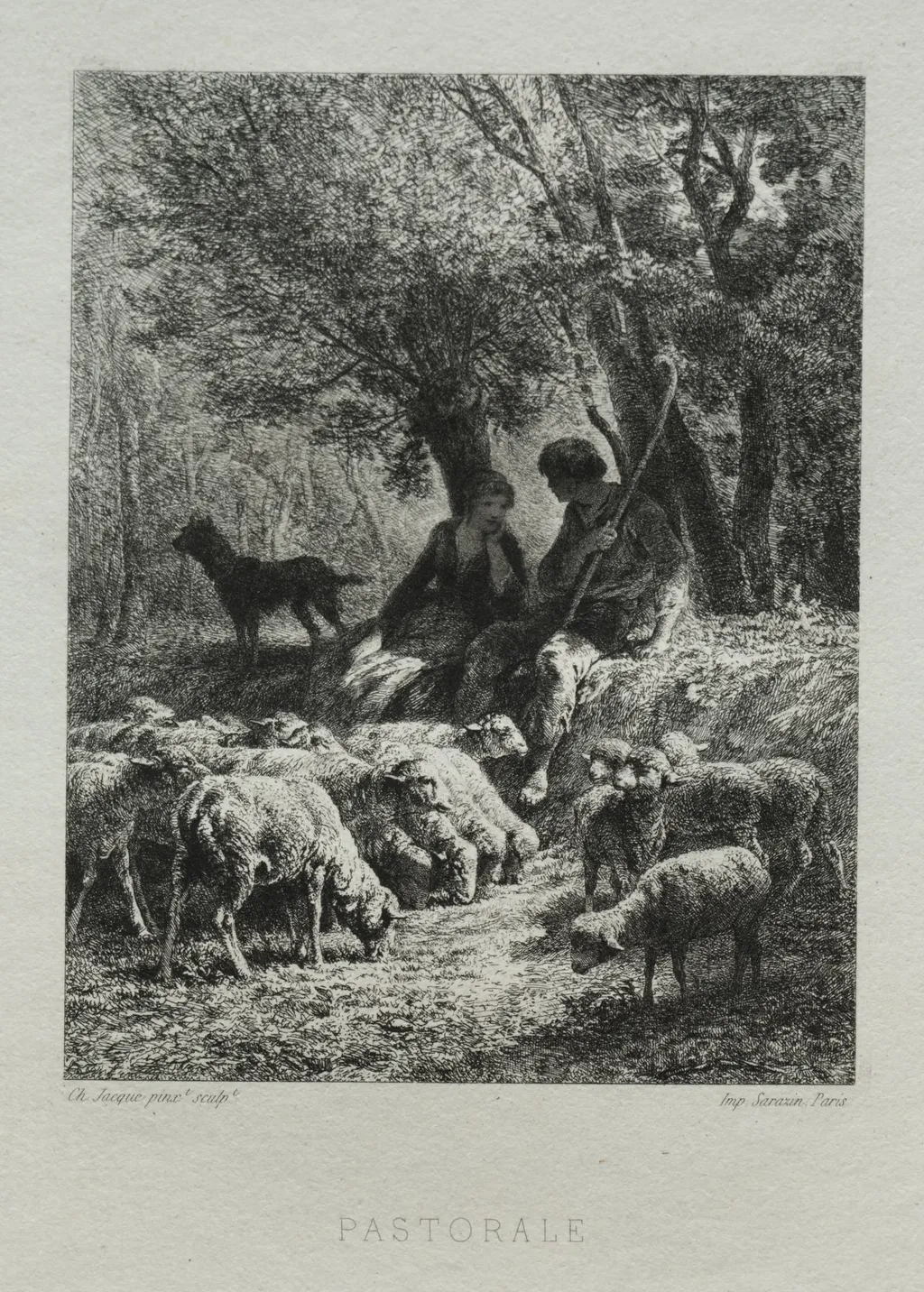
Pastorale is a print by the Impressionist artist Charles Jacque. It dates from 1864 and is held in the collection of the Cleveland Museum of Art.
About this work
Overview
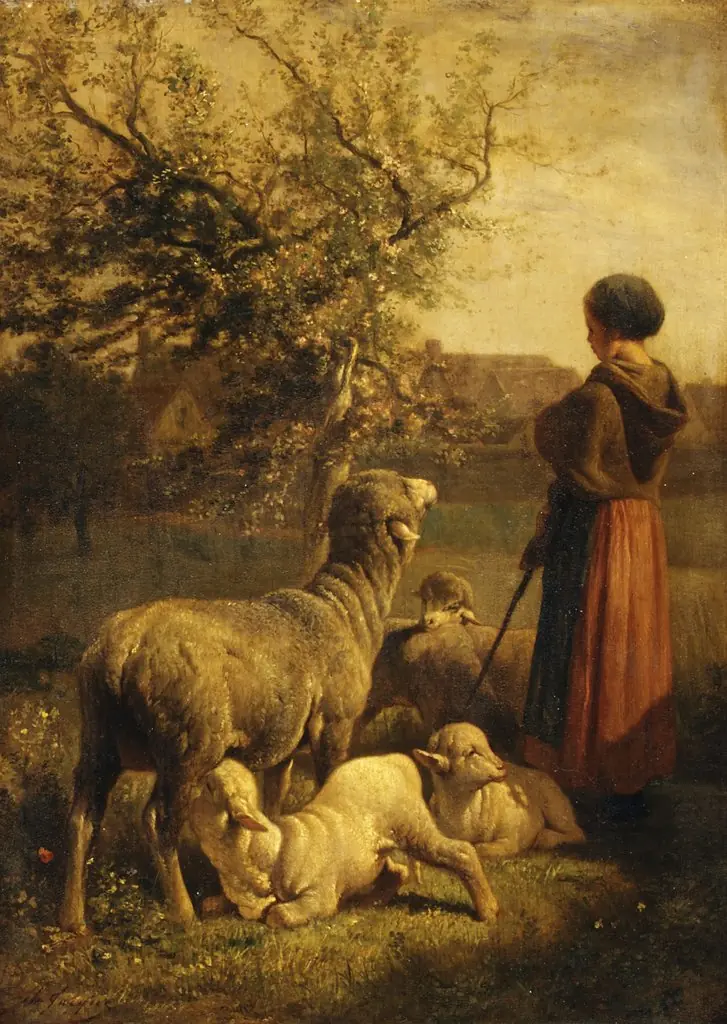
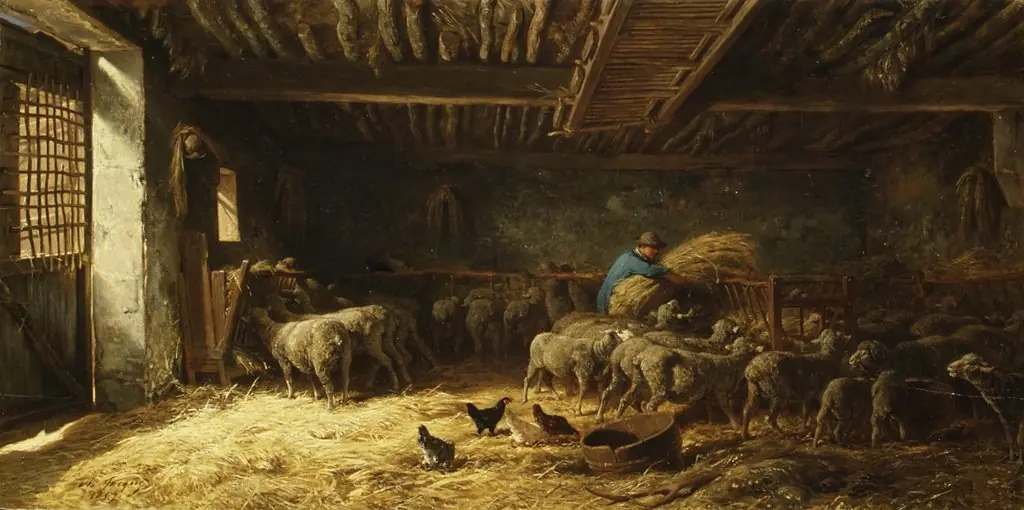
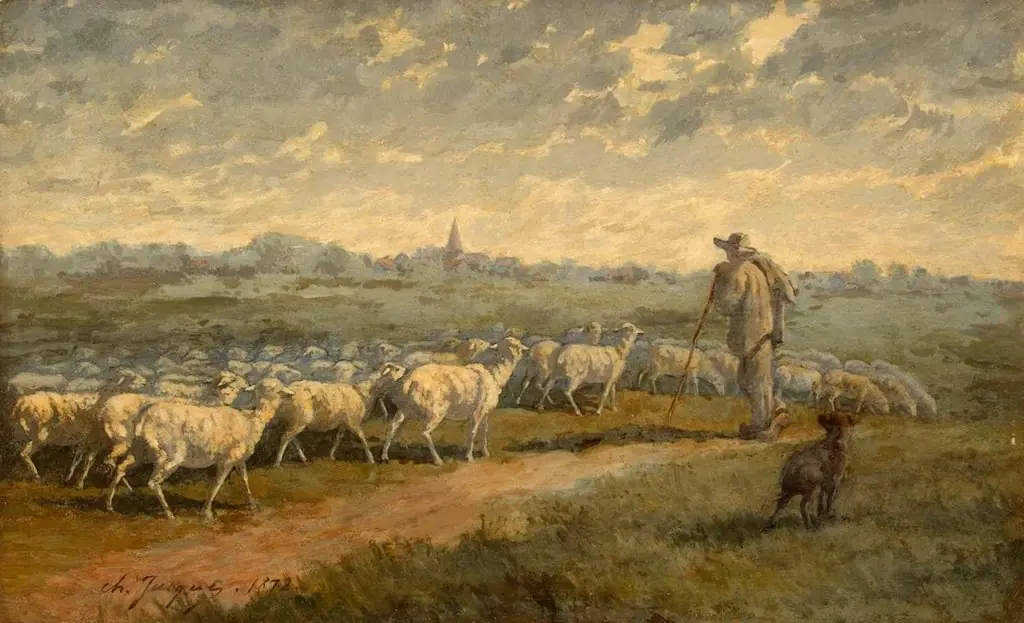
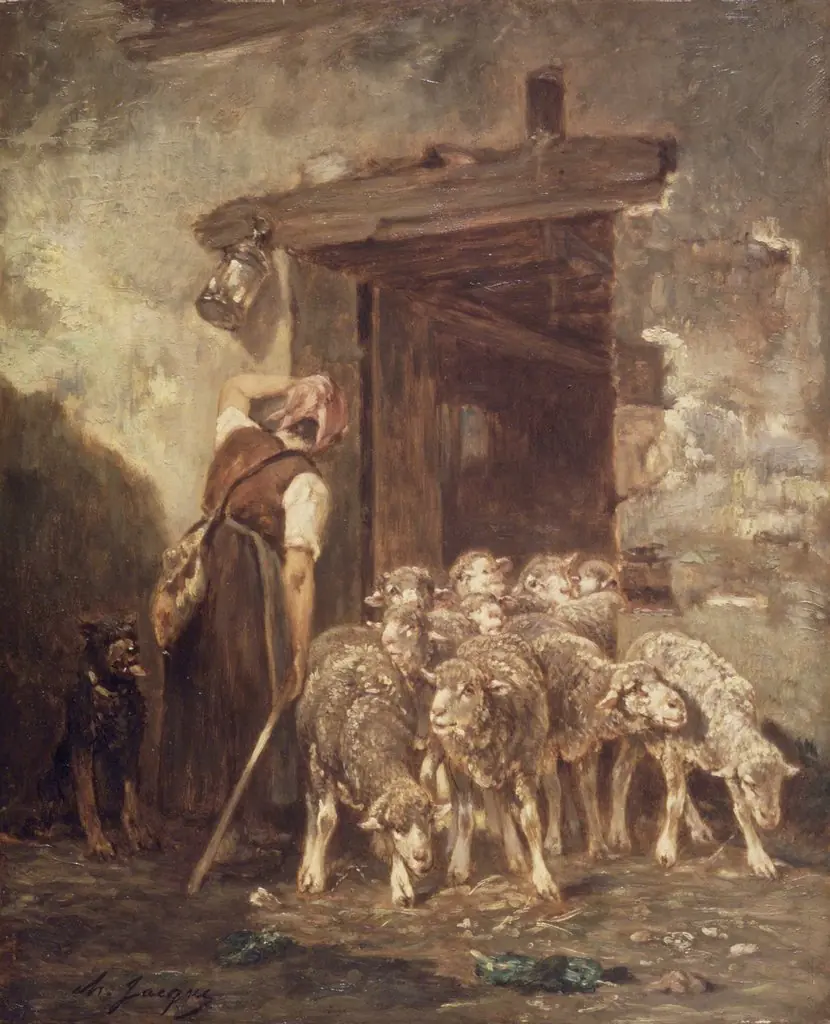
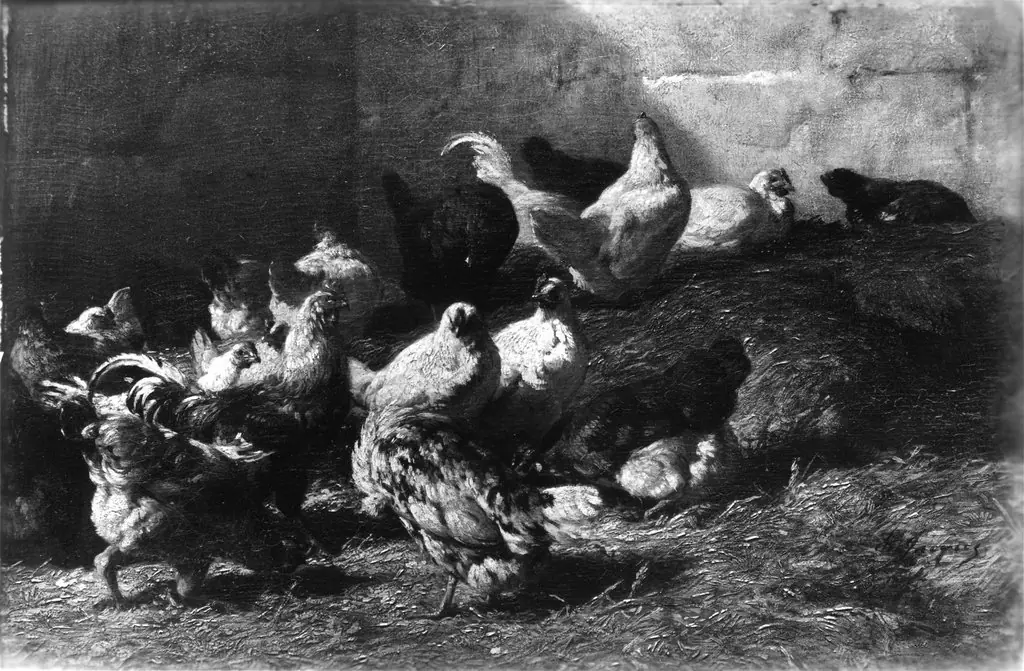
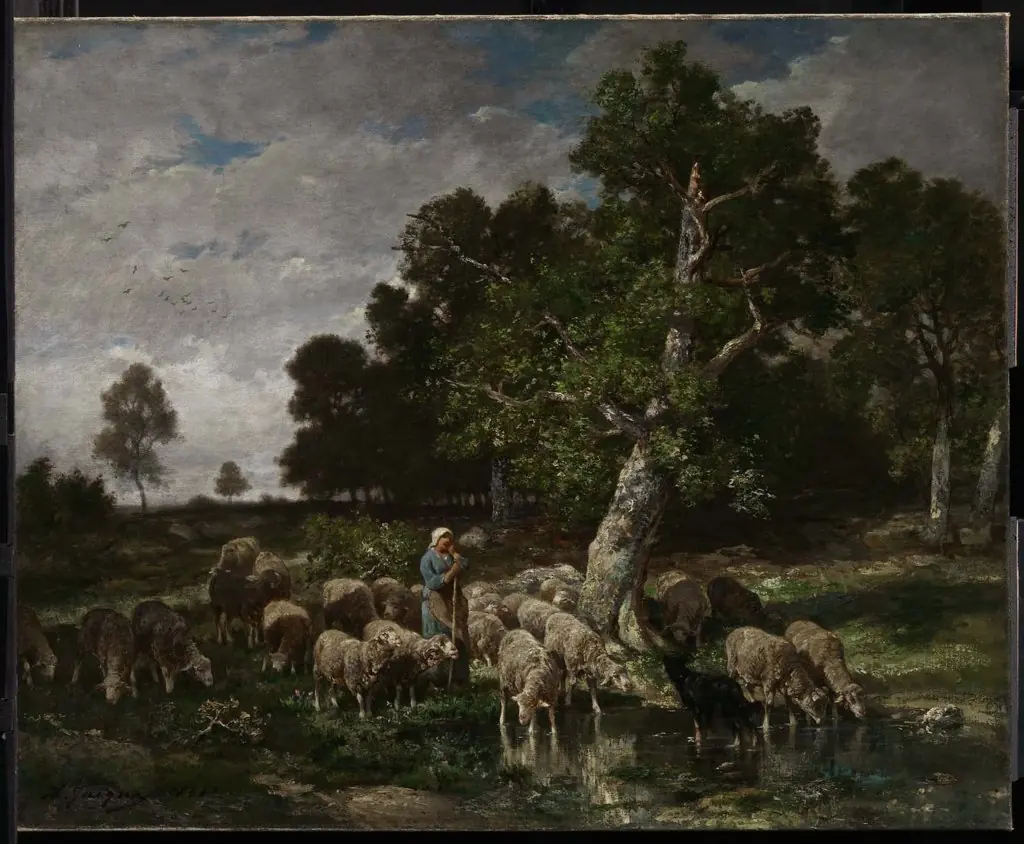
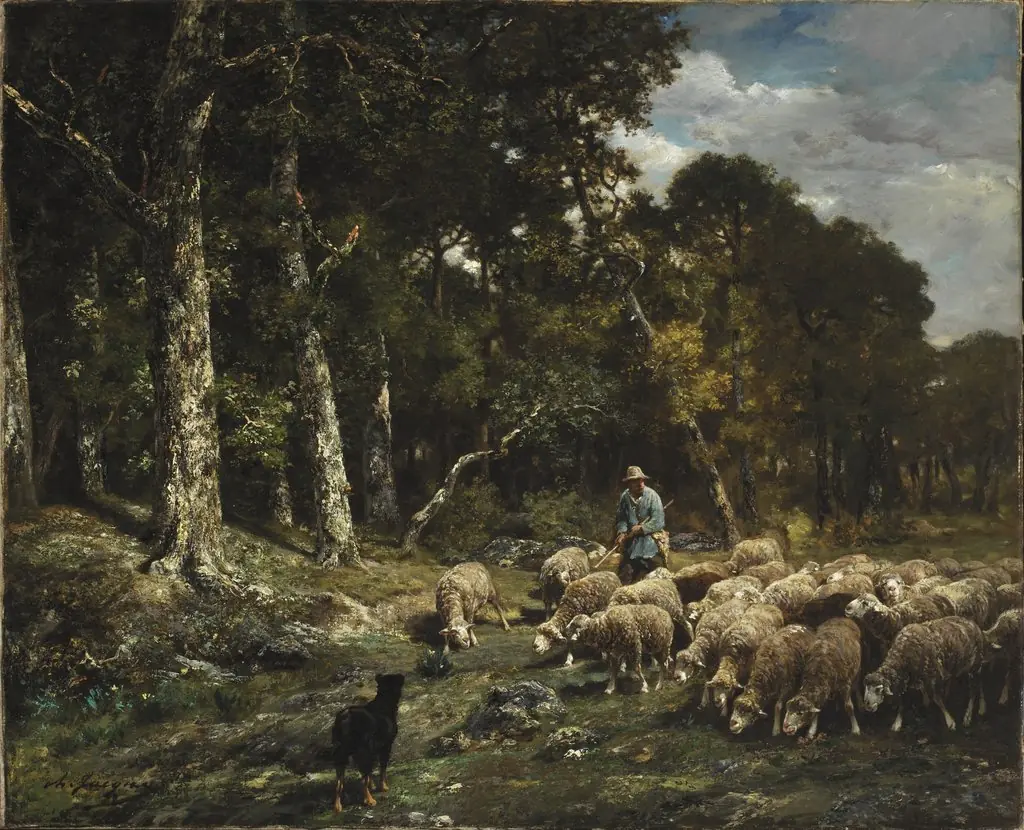
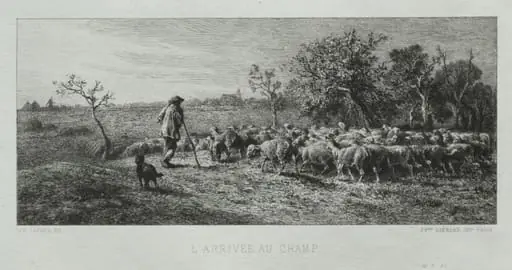
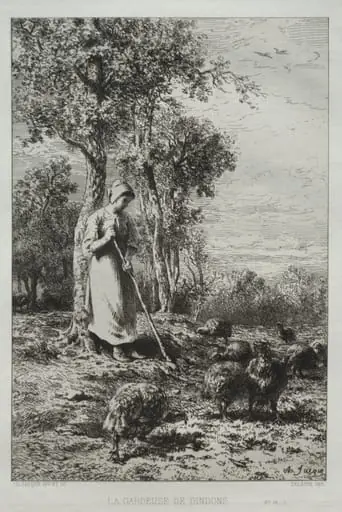
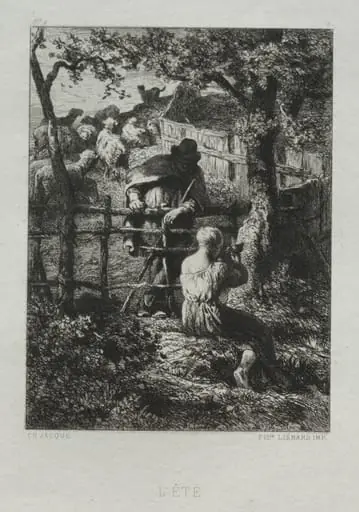
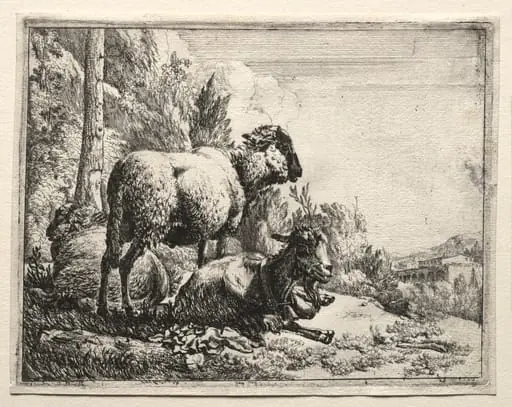
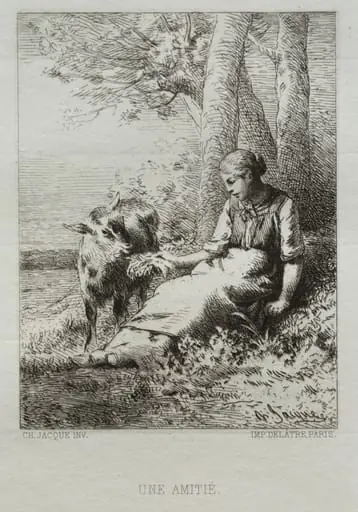
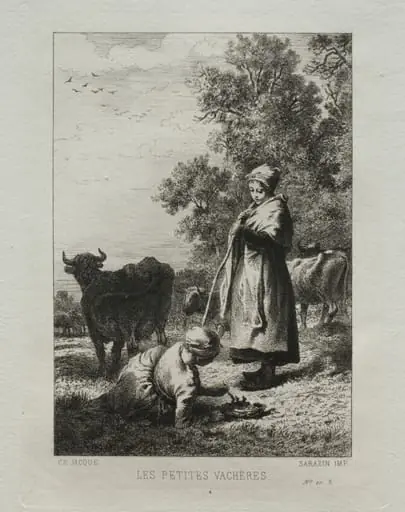
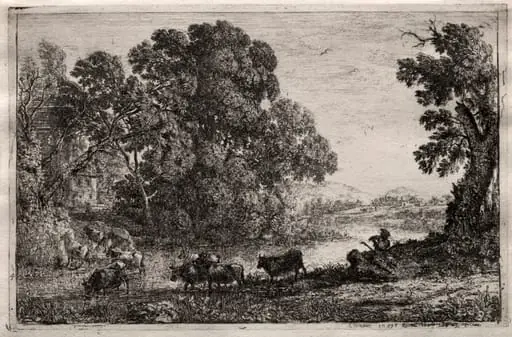
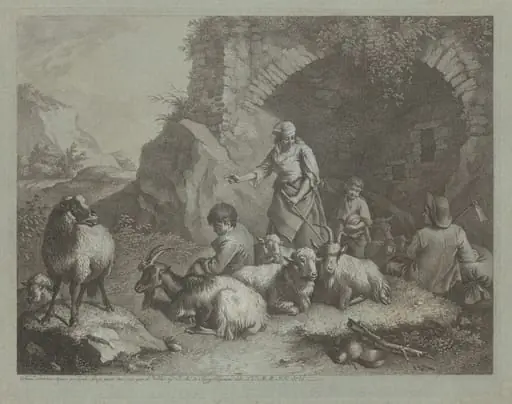
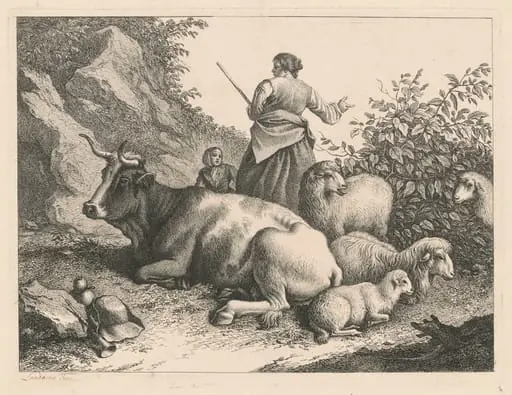
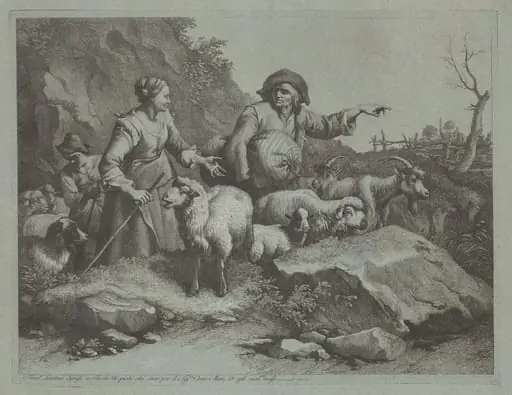
Pastorale is a black-and-white print created by Charles-Émile Jacque in 1864. The work depicts a serene rural scene featuring two individuals, sheep, and a dog under a tree, emphasizing everyday country life.
Subject & Meaning
The print showcases a tranquil pastoral moment, with one figure leaning on a staff and another resting, both overseeing grazing sheep. A vigilant dog lies in the shade. The composition highlights the quiet, unposed aspects of rural existence, characteristic of Jacque’s emphasis on authentic country scenes.
Technique & Style
As a member of the Barbizon School, Jacque’s *Pastorale* reflects the group’s realism and focus on landscape and rural themes. His background as a map engraver (gained during seven years of military service) likely influenced his etching technique, though specific methods used in *Pastorale* are not detailed here.
History & Provenance
Created in 1864 by Charles-Émile Jacque, a French painter and engraver, *Pastorale*’s provenance details are not provided in the available information.
Context
*Pastorale* aligns with the broader Realist movement, which sought to depict life truthfully. Jacque’s association with the Barbizon School further situates the work within a tradition of French artists exploring rural life and landscapes in the 19th century.
Legacy
While *Pastorale* does not stand out as a singularly defining work of Jacque or the Barbizon School, it contributes to the collective legacy of 19th-century Realist art, particularly in its portrayal of unromanticized rural life.
Artist & collection
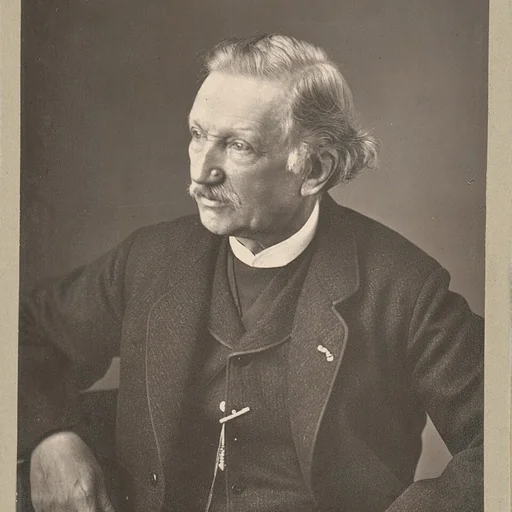
Artist
Charles-Émile Jacque (23 May 1813 – 7 May 1894) was a French painter of Pastoralism and engraver who was, with Jean-François Millet, part of the Barbizon School. He first learned to engrave maps when he spent seven years in the French Army.