Artwork
Breakwater at Nieuwpoort
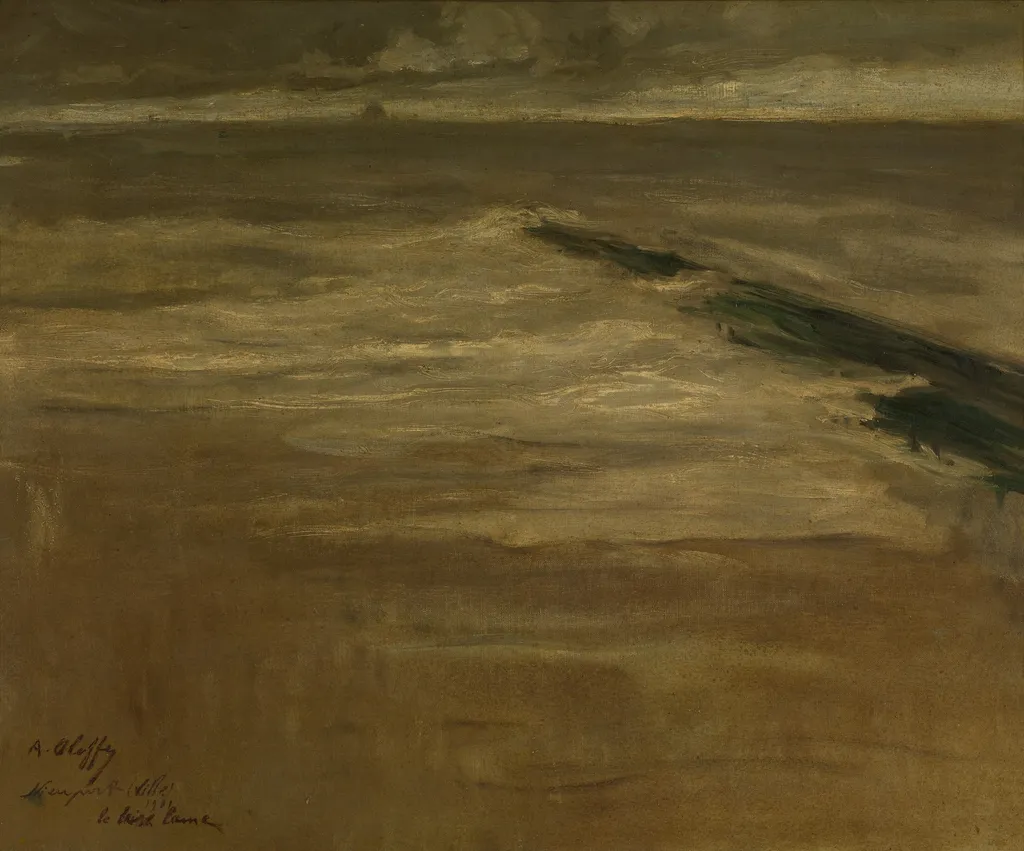
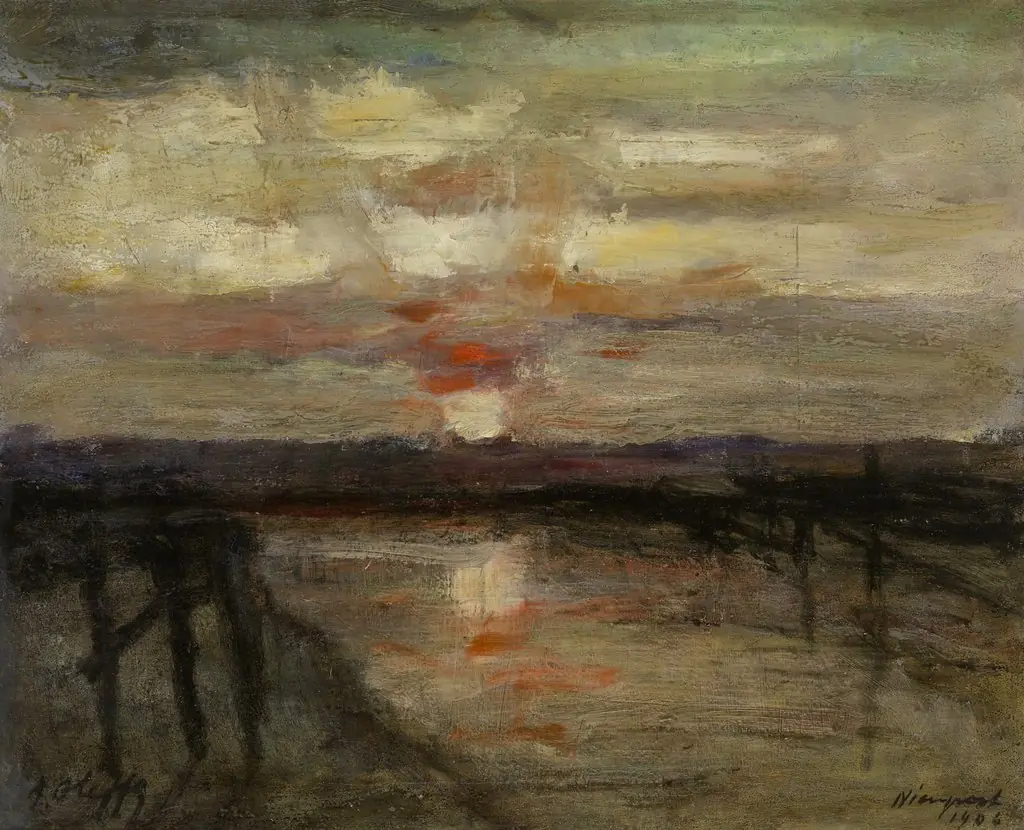
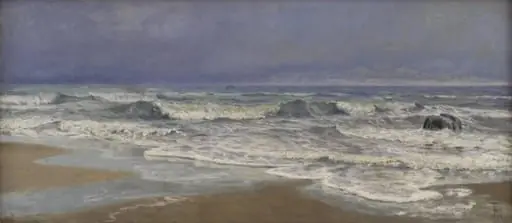
Breakwater at Nieuwpoort is an oil painting by the Impressionist artist Auguste Oleffe. It dates from 1901 and is held in the collection of the Royal Museum of Fine Arts Antwerp.
About this work
Overview
Painted in 1901 by Belgian artist Auguste Oleffe, *Breakwater at Nieuwpoort* is an oil-on-canvas work capturing a coastal structure along the North Sea.
Painted in 1901 by Belgian artist Auguste Oleffe, *Breakwater at Nieuwpoort* is an oil-on-canvas work capturing a coastal structure along the North Sea. The piece aligns with late 19th-century Impressionist concerns, emphasizing atmospheric conditions and ordinary landscapes. It resides in the collection of the Royal Museum of Fine Arts Antwerp, reflecting its significance within Belgian art of the period.
Subject & Meaning
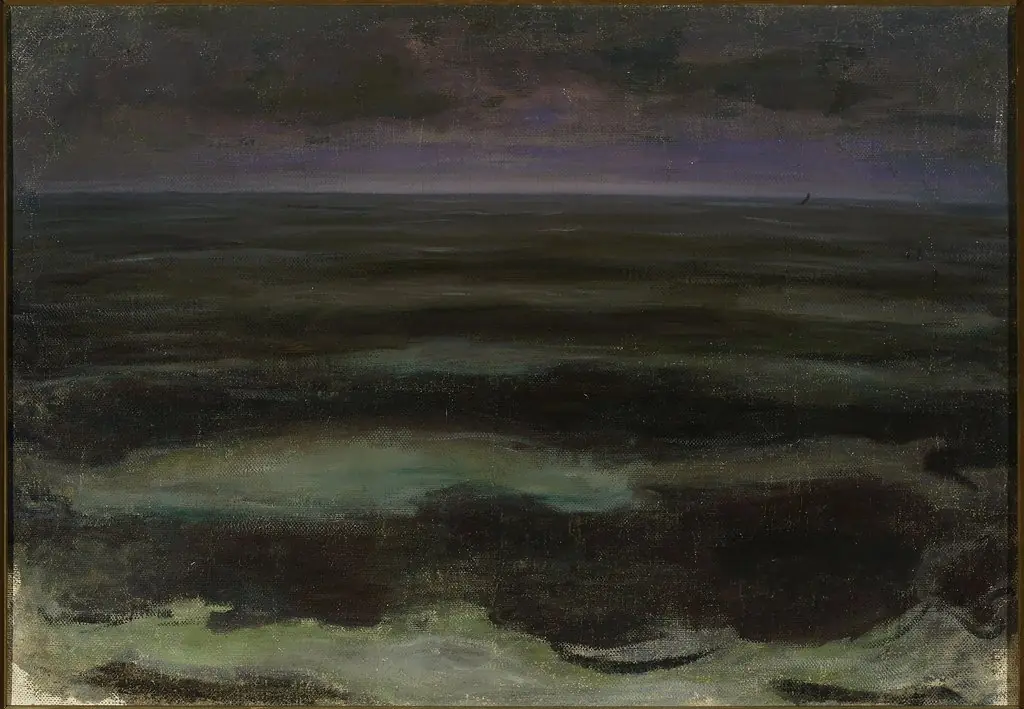
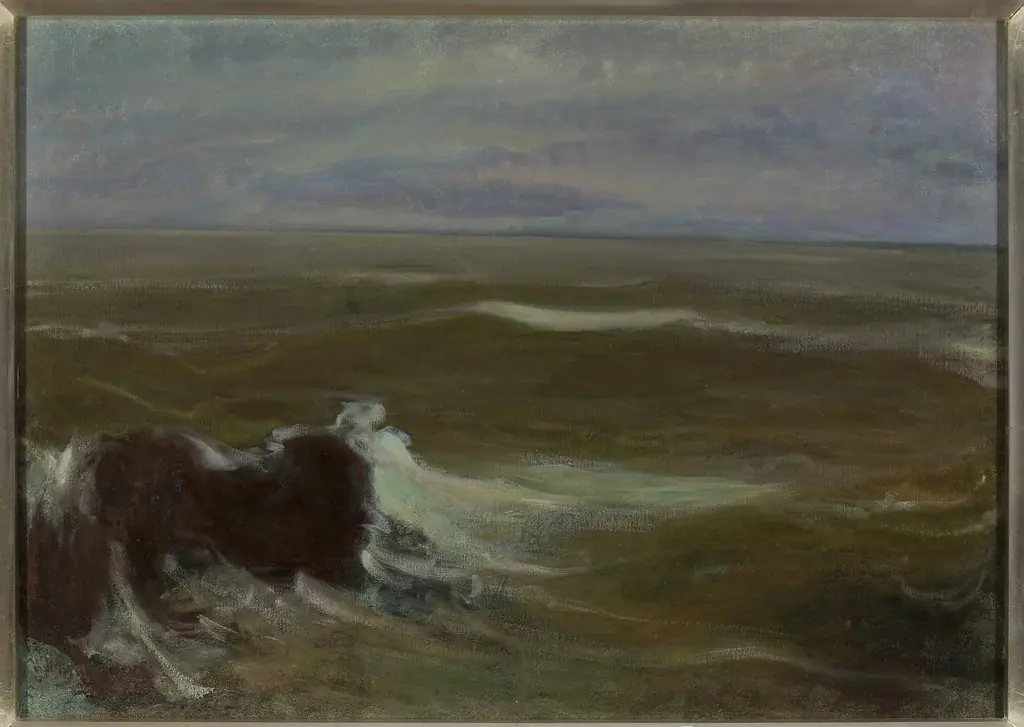
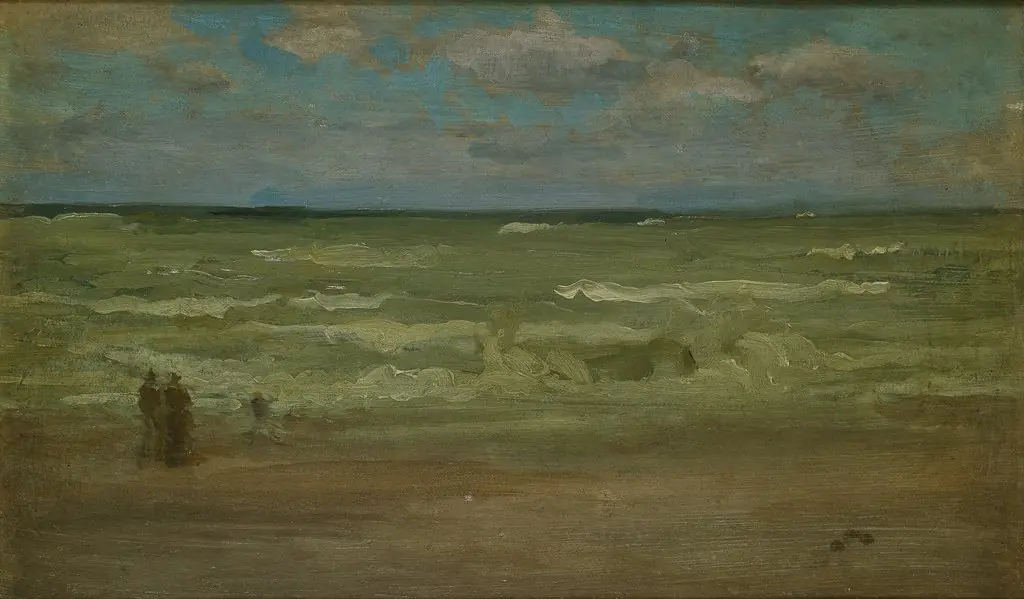
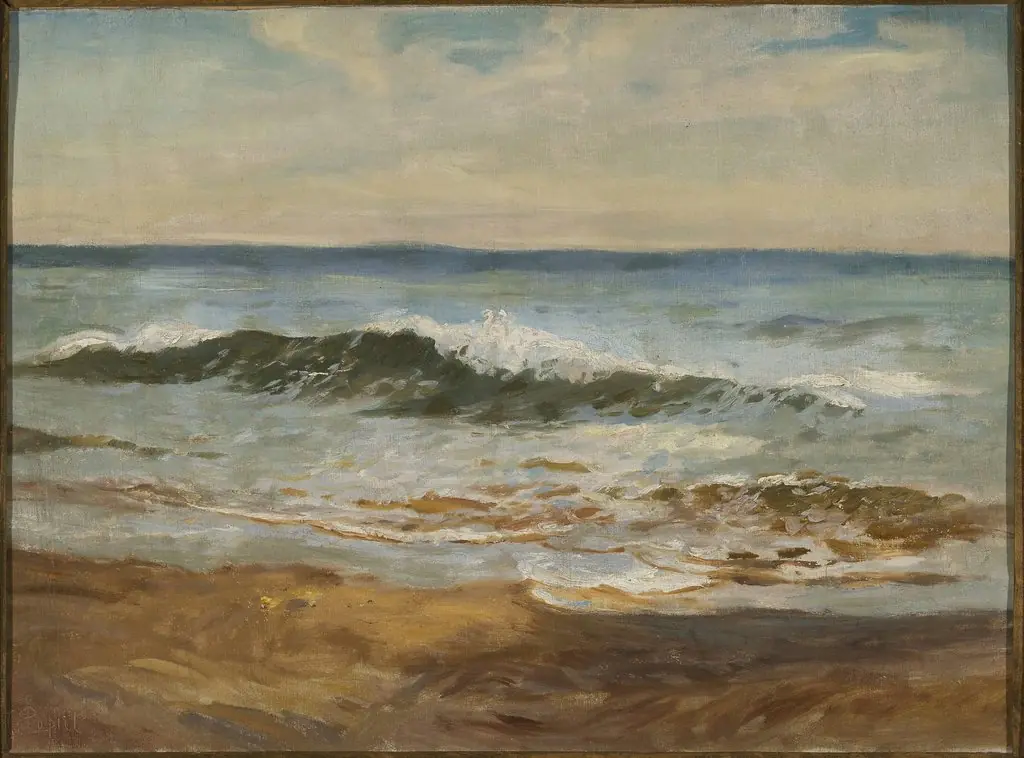
The painting presents a quiet harbor breakwater extending into the water, framed by a muted sea and sky. Rather than dramatizing the scene, Oleffe focuses on the stillness of the coastal environment. The structure, rendered in darker tones, anchors the composition while the lighter washes of gray and white suggest shifting light and open space, evoking a contemplative, uneventful moment by the shore.
Technique & Style
Oleffe employed loose, visible brushwork to convey texture and movement in the water and sky. The contrast between the solid, shadowed breakwater and the diffused light above creates subtle tonal variation without sharp definition. His approach avoids detailed realism, favoring a tactile surface that responds to natural illumination, characteristic of Impressionist practice in northern Europe.
History & Provenance
Created during Oleffe’s active years in the early 20th century, the painting entered the Royal Museum of Fine Arts Antwerp’s collection as part of its broader effort to document Belgian artistic output. Its preservation reflects institutional recognition of regional Impressionist tendencies, though Oleffe’s work remains less widely known than his contemporaries in Paris or Brussels.
Context
Belgian artists of this era often engaged with French Impressionism while developing localized interpretations. Oleffe, associated with Brussels-based circles, contributed to a quieter, more restrained variant of the movement. *Breakwater at Nieuwpoort* exemplifies how coastal subjects in Flanders became vehicles for exploring light and atmosphere without overt stylistic rebellion.
Legacy
The painting endures as a modest but representative example of Belgian Impressionism’s engagement with natural light and everyday coastal life. While not widely exhibited beyond national collections, it contributes to understanding the diversity of regional responses to Impressionist ideals in the decades before modernism gained dominance.
Own this work as a print
Artist & collection
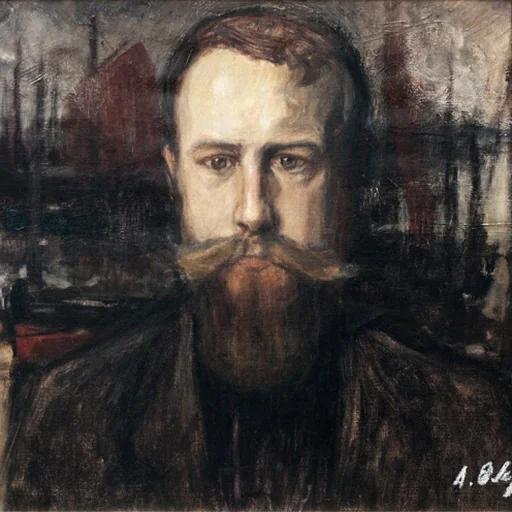
Artist
Auguste Charles Louis Oleffe (17 April 1867, Saint-Josse-ten-Noode – 13 November 1931, Auderghem) was a Belgian Impressionist painter. He is also associated with a type of Fauvism that originated in Brussels .